REVIEW · PORTO
Pastel de Nata | Workshop from scratch | Porto’s city center
Book on Viator →Operated by CD Porto Tours · Bookable on Viator
Custard tarts, made by you, in Porto. This hands-on workshop is interesting because you learn pastel de nata from scratch with a real instructor guiding you through each stage. I also love the extra perk of local wine during the baking session, plus the payoff: warm pastries at the end. One thing to consider: it’s not a casual drop-in—kids under 15 can’t participate, and the door closes at the scheduled time.
The format is built for interaction. You’ll take turns through the main phases of dough and filling, so you’re actively involved even if you’re a total beginner.
In This Review
- Key highlights you’ll feel fast
- Where the workshop fits into central Porto (and why that matters)
- Making the dough: rough puff pastry steps you can actually repeat
- Custard filling and the assembly rhythm (where most people get excited)
- Baking and tasting: eating them warm is half the point
- Portuguese food culture, with wine and real technique
- Price, group size, and what $48.36 really buys you
- Practical tips before you go: timing, rules, and what to bring
- Should you book the Pastel de Nata workshop in Porto?
- FAQ
- How long is the Pastel de Nata workshop?
- What does the ticket include?
- Where does the workshop start?
- Can kids join or just accompany?
- Is late entry allowed after the workshop starts?
- Is this workshop suitable for gluten and lactose intolerance?
Key highlights you’ll feel fast
- From-scratch technique: you make the dough, not just assemble bought pastry
- Small group pacing: capped at 12, so you get attention when you need it
- Wine + coffee/tea included: a simple, enjoyable break while things bake
- Hands-on turn-taking: you rotate through different steps in the process
- Warm tasting at the end: you eat the results while they’re at their best
Where the workshop fits into central Porto (and why that matters)
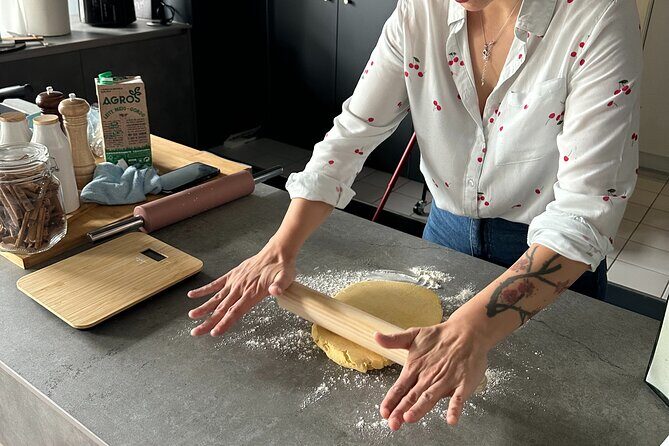
The meeting point is R. do Souto 67, in the center of Porto. That location is a big deal for two reasons: you can pair it with other sights the same day, and you’re close to public transportation. The workshop also ends back at the same meeting point, so you’re not stuck figuring out a last-mile scramble afterward.
This is a mobile-ticket experience, and it runs on the scheduled time. The workshop is clear about timing: it starts on time with no exceptions, and it’s not possible to enter once it has started. That means you should plan to arrive early, not just “on time.” If you’ve ever cut it close while sightseeing, this is one time to be boring and early.
The session is about 2 hours 30 minutes. For your day planning, that’s long enough to actually learn real steps, but short enough that you won’t feel like you’re surrendering half your vacation. And because it’s a group workshop (not a private class), it feels structured: you’re learning a process, not wandering around watching a demo.
Also worth noting: it’s English offered, so you won’t be fighting language while trying to remember the steps later.
You can also read our reviews of more city tours in Porto


Making the dough: rough puff pastry steps you can actually repeat
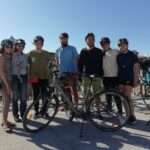
Pastel de nata gets treated like a “mystery dessert” by a lot of people. Here, you’re taught the practical part that usually gets skipped: the dough work. The experience is designed so you understand how the layers form, not just what the final tart looks like.
You’ll work through the main dough phases in turn-taking mode. In other words, you aren’t standing around waiting for others to finish. Depending on the day’s group flow, you’ll get hands-on time with parts of the process and then rotate so everyone participates across the full method.
If you’ve never made puff-style pastry before, that’s actually okay. Multiple class write-ups highlight that the instruction feels fun but not stressful, with clear guidance and patience. You’ll also pick up small technique tips—things like how to handle the dough and keep the process on track. Those “small” details matter because pastel de nata isn’t only about flavor. It’s about texture: the pastry needs the right layering so the custard sets into a tender, creamy center.
A smart way to approach this section is to watch for cause and effect:
- if the dough seems too soft or sticky, you’ll learn how that changes handling
- if layers aren’t behaving, you’ll learn what to adjust next
- if timing gets tricky, you’ll learn how the steps fit together as a sequence
And if you’re hoping for the full, nonstop hands-on experience, here’s the reality: this is a group format. For “everyone always doing every step” level participation, the experience specifically notes that you’d need a private lesson.
Custard filling and the assembly rhythm (where most people get excited)
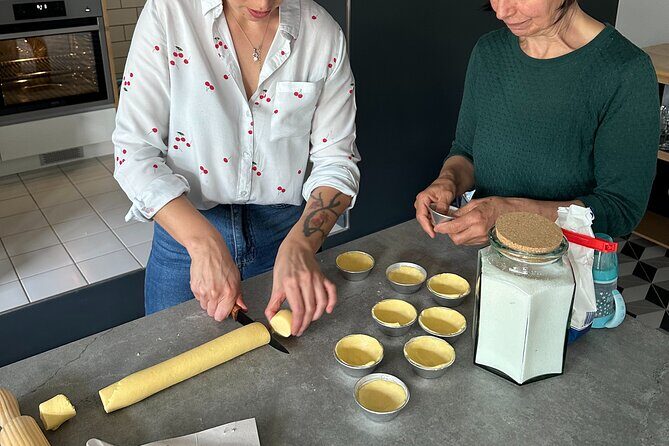
Once dough is underway, the class shifts into the other half of the magic: the custard. This is where pastel de nata starts to feel like it’s becoming real.
You’re guided through the filling process and then into assembly. The key is the rhythm. Even if the steps themselves are manageable, the timing is what keeps things consistent. You’re learning what to do next, not just doing random baking actions. That’s why the group size is capped at 12—it’s big enough to feel social, but small enough that the instructor can still check on your work as you rotate through tasks.
From the class write-ups, the standout teaching style shows up in a few ways:
- instructors have a sense of humor without turning it into chaos
- they explain and demonstrate, then let you try
- they integrate participants so no one feels like a passenger
You’ll also notice that different hosts have slightly different teaching “voices,” but the core goal stays the same: you should be able to go home and make these again with confidence. Many people say the final result tasted better than what they’d been buying around the city, which is the best kind of proof that the method is legit.
Baking and tasting: eating them warm is half the point
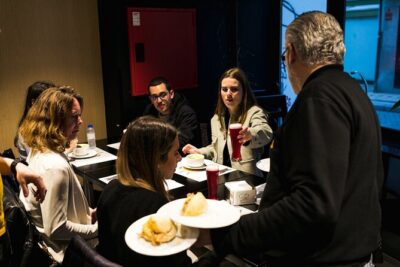
Then comes the best part: the pastries go to the oven and you get to enjoy the wait. The workshop includes coffee and/or tea plus local wine, so you’re not just waiting with nothing to do. It’s a small, easy way to make the whole experience feel like an actual break, not a chore.
When the pastel de nata come out, the big thing you’ll want to remember is temperature. One repeated tip: eat them quickly. Pastel de nata are at their peak hot, so if you’re trying to stretch them for later, expect that texture changes. If you want to reheat later, an oven is the realistic option—some people even keep that in mind when planning breakfasts for the next morning.
A few other practical notes based on what people experienced:
- the results can impress even first-time bakers
- the studio setup tends to be organized and “hands-on friendly”
- instructors guide you through details like dough and the syrup process so you don’t miss a key step
And yes, you’ll get to taste. The dessert included is your pastel de nata, served warm at the end.
Portuguese food culture, with wine and real technique
The workshop isn’t only about baking. You’re also tasting and learning a bit of Portuguese food culture as you work. The class includes local wine, and the instructor discussion connects what you’re doing to the pastry tradition.
What I like about this kind of food lesson is that it makes the city feel less like a checklist. You’re learning one of Porto’s signature desserts through technique, not just eating it somewhere and moving on. By the end, you’ll understand why the method matters: why the pastry needs those layers, why the custard sets the way it does, and how the final browning and texture become part of what people love about pastel de nata.
Instructors also tend to bring the conversation into the room. Many write-ups call out that the host includes people and keeps it relaxed. Even if you show up quiet, the rotation structure nudges you into talking with the group and asking questions.
If you’re the type who likes food experiences that are equal parts skill and story, this fits well.
You can also read our reviews of more tours and experiences in Porto




Price, group size, and what $48.36 really buys you
At $48.36 per person, this workshop is positioned as a value activity in Porto’s center—not the cheapest thing you can do, but not inflated, either. Here’s what you’re actually paying for:
- Instruction for a real baking method, including dough from scratch
- Beverages: coffee/tea plus local wine
- Ingredients and equipment use during the session
- Warm pastel de nata as your final product
That combination is the difference between a “tour of pastries” and a skill-building class. A quick bite tour won’t teach you how to make the dough layer-by-layer. This one does.
The other part of value is the group size: max 12. When a class is capped like that, it usually means better attention during the parts that are easy to mess up—like dough handling and timing. Some sessions can feel even more personal if the group is smaller, but you should still expect the standard group rotation.
If you’re a solo traveler, you’ll still be involved, but it’s not a one-on-one. If you want maximum hands-on access—every phase, all the time—private lessons are the path.
Practical tips before you go: timing, rules, and what to bring
Plan around the hard start time. This experience is very strict: once the session begins, the door is closed and it isn’t possible to enter late. No exceptions. If you’re touring nearby, give yourself buffer time. If you’re relying on transit, leave extra margin so you don’t turn this into an avoidable stress test.
A few other rules to read carefully:
- Adults-focused: children under 15 aren’t allowed to join or accompany reservations
- Teens: ages 15–17 can join only if accompanied by an adult
- Reservation only: companions can’t enter, regardless of age
- No animals: animals aren’t allowed, including service animals
- Diet limits: it’s not suitable for people intolerant to gluten and lactose
What to bring is simple: come ready to roll up your sleeves. Comfortable clothes help because pastry work can get messy. Also, since the class includes drinks, you might consider sticking to moderate sipping so you can keep your focus during the practical steps.
Finally, booking rhythm matters. The experience is commonly booked about 23 days in advance, which is a sign it sells. If your dates are tight, don’t wait until the last week.
Should you book the Pastel de Nata workshop in Porto?
Yes, if you want a real skill you can take home. This is a good pick when you like hands-on learning and you care about making pastel de nata the right way, including the dough.
Book it if:
- you’re a beginner and want clear, patient instruction
- you like small-group classes where you take turns through the process
- you want a tasty final payoff: warm pastel de nata plus coffee/tea and local wine
Skip it if:
- you need a gluten- or lactose-free experience
- you’re traveling with kids under 15 or you want companions to observe inside
- you’re likely to arrive late (the no-entry rule is strict)
If you fit the “want to learn, want to bake, want to eat hot” crowd, this is one of the best ways to spend a couple of hours in Porto’s center.
FAQ
How long is the Pastel de Nata workshop?
It lasts about 2 hours 30 minutes.
What does the ticket include?
You’ll get coffee and/or tea, local wine (alcoholic beverages), and the dessert: pastel de nata made during the workshop.
Where does the workshop start?
The meeting point is R. do Souto 67, 4050-595 Porto, Portugal, and the experience ends back at the same point.
Can kids join or just accompany?
Children under 15 are not permitted to participate or accompany customers with reservations. Ages 15 to 17 can only participate if accompanied by an adult.
Is late entry allowed after the workshop starts?
No. The workshop starts at the scheduled time, and once it has started, the door is closed and entry isn’t possible. No exceptions are made.
Is this workshop suitable for gluten and lactose intolerance?
No. It is not suitable for people intolerant to gluten and lactose.