REVIEW · PORTO
Porto: Historic City Center Walking Tour
Book on GetYourGuide →Operated by Porto Xperience Tours · Bookable on GetYourGuide
Porto’s best shortcuts start here. In just 3 hours, this guided walk helps you connect the dots across Porto’s old center, from the cathedral area to the river’s viewpoints. I love the local guide approach, where the stories make the streets feel readable, and I love the São Bento Train Station tiles, which turn a quick stop into a major highlight. One consideration: the route is not suitable for people with mobility impairments, since you’ll be on foot through narrow streets and uneven ground.
What makes the experience feel worth it is the pacing and the human touch. You’re not just ticking off landmarks; you’re hearing how Porto worked, how it grew, and what to look for once you’re off the tour. Based on past guides stepping in (names like Barbara, Daniel, Ricardo, and Pedro show up often), you can expect energetic storytelling and lots of time for questions, especially in small groups or even private setups.
In This Review
- Key moments that make this tour worth booking
- Why this 3-hour loop is a smart way to meet Porto
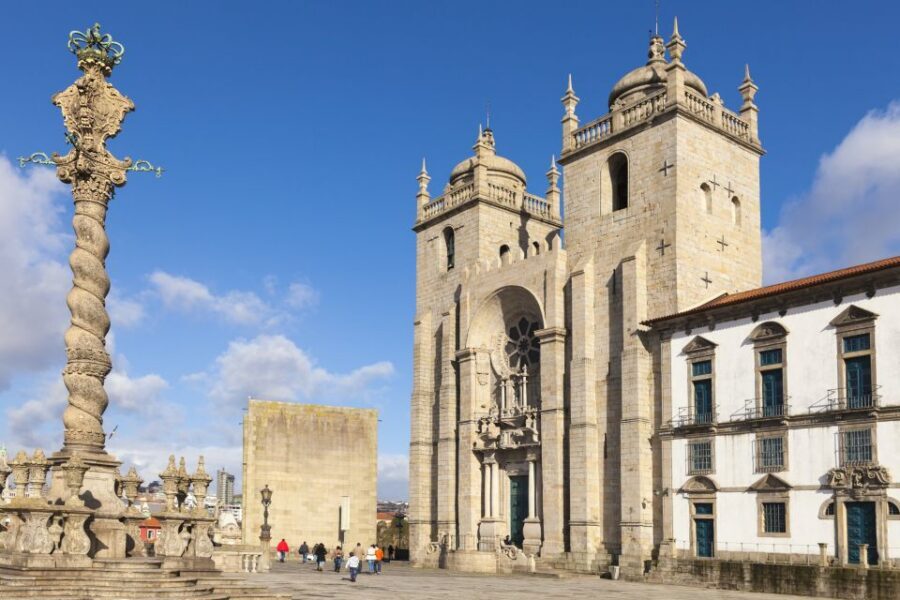
- Start at Sé Cathedral: the old-town orientation you’ll feel right away
- São Bento Station tiles: where art turns into a guided lesson
- Porto’s narrow streets, medieval leftovers, and Livraria Lello’s storybook vibe
- Avenida dos Aliados: Porto’s grand boulevard, explained with context
- Walking beside the Douro: views that make Porto feel geographic
- Cordoaria’s Garden: a small pause that changes the mood
- What you actually get for $33: value you can feel later
- Group size, guide energy, and how the tour stays personal
- Who should book this walk, and who should skip it
- Should you book Porto: Historic City Center Walking Tour?
Key moments that make this tour worth booking
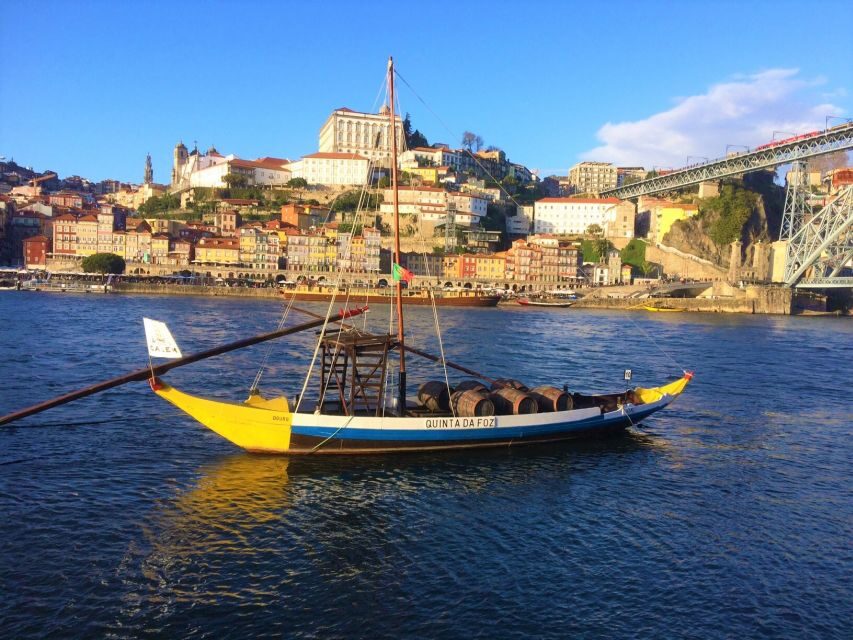
- Sé Cathedral start sets the tone for Porto’s oldest streets and easy orientation
- São Bento tiles get explained as art, not just scenery
- Livraria Lello + medieval walls show Porto’s layers beyond the postcard view
- Tile-lined houses and craft shops bring daily-life Porto into the route
- Douro River viewpoints include areas like Pena Ventosa and Vitória Hill
- Cordoaria’s Garden offers a needed breath of calm mid-walk
Why this 3-hour loop is a smart way to meet Porto
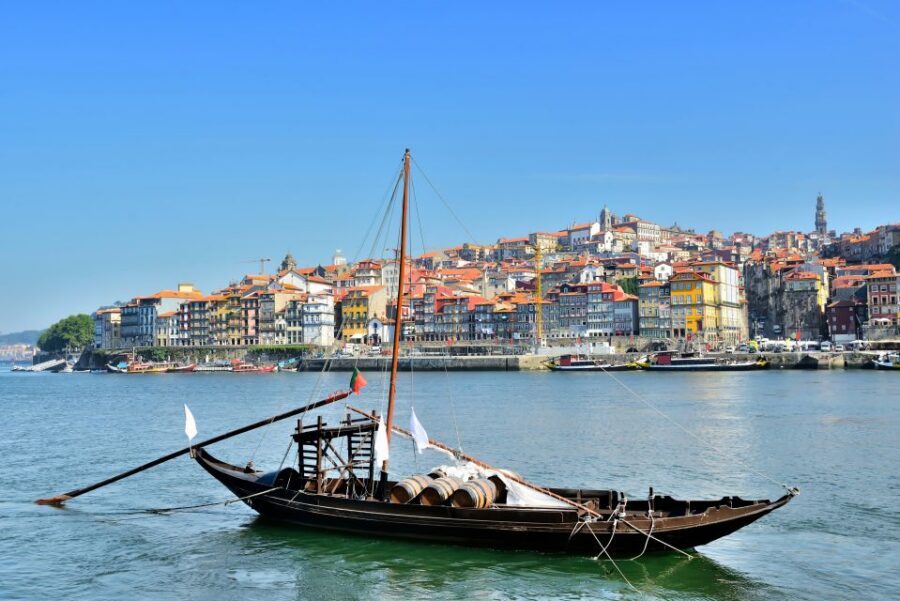
If you only have half a day in Porto, this is the kind of tour that saves you time. Instead of bouncing between scattered sights, you get a logical route that knits together architecture, street life, and the geography of the city. The payoff is confidence: after the walk, you’ll know which neighborhoods feel connected and why.
I also like the tour’s format because it doesn’t pretend Porto is one mood. You’ll move from grand public spaces to tight lanes, then toward the river side where the city’s energy changes. At $33 per person, you’re paying mainly for a guided route and interpretation, not for a long day of logistics.
You can also read our reviews of more walking tours in Porto



Start at Sé Cathedral: the old-town orientation you’ll feel right away
The tour meets in front of Porto’s cathedral area (Sé), though the exact meeting spot can vary based on the option you book. This matters because Porto’s historic center is a maze in the best way, and starting near Sé helps you understand the city’s shape quickly. Within minutes, you’ll shift from big-street landmarks to the narrower streets where Porto’s character really shows.
A practical heads-up: the tour doesn’t mix well with luggage or large bags. If you’re traveling light, great. If you’re not, plan to leave big items at your accommodation and travel with a small day bag.
São Bento Station tiles: where art turns into a guided lesson
São Bento Train Station is the stop you’ll remember, even if you’re not a train person. The guided visit puts the focus on the famous azulejo tiles, and it’s easy to see why this place draws constant attention. You’re not just passing through a station hall; you’re learning how to read what you’re seeing.
The value here is the guide’s framing. Porto’s tilework can feel overwhelming at first because it’s everywhere, but on this stop you get the context that makes it click. The result is simple: when you spot tiles later on your own, you’ll understand what to look for beyond the color and pattern.
Porto’s narrow streets, medieval leftovers, and Livraria Lello’s storybook vibe
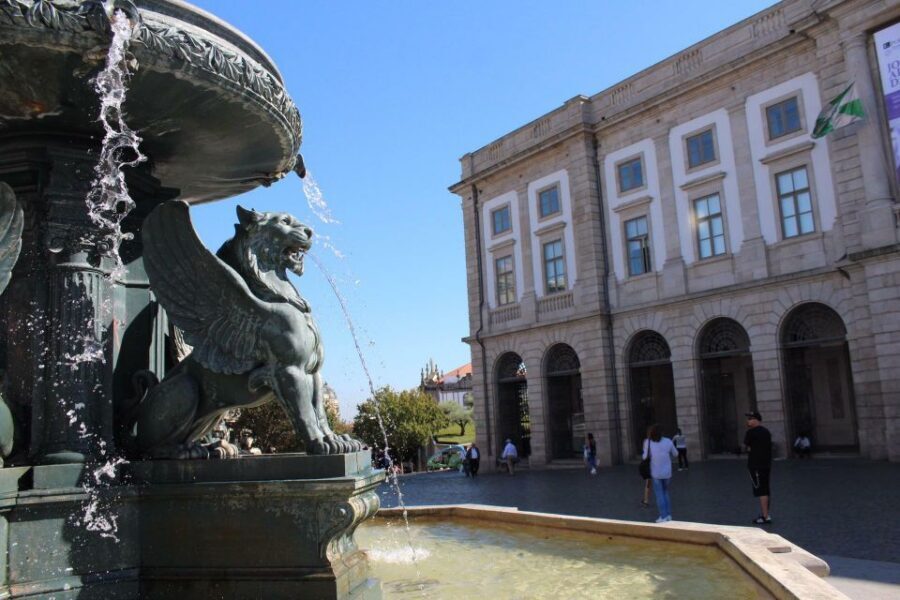
After São Bento, you move deeper into the historic neighborhood, where the streets tighten into little corridors and sudden openings. This is where the tour earns its nickname as a true city-center walk: you’ll experience the rhythm of Porto rather than only its monuments. Expect mazes of narrow streets, tile-covered facades, and shops where local crafts matter more than tourist souvenirs.
One standout stop is Livraria Lello. Even if you’re not planning to browse for long, passing through this iconic bookshop area gives Porto a creative edge. Right nearby, you’ll also see remains of the medieval city walls, which helps you grasp that Porto wasn’t always the shape it has today.
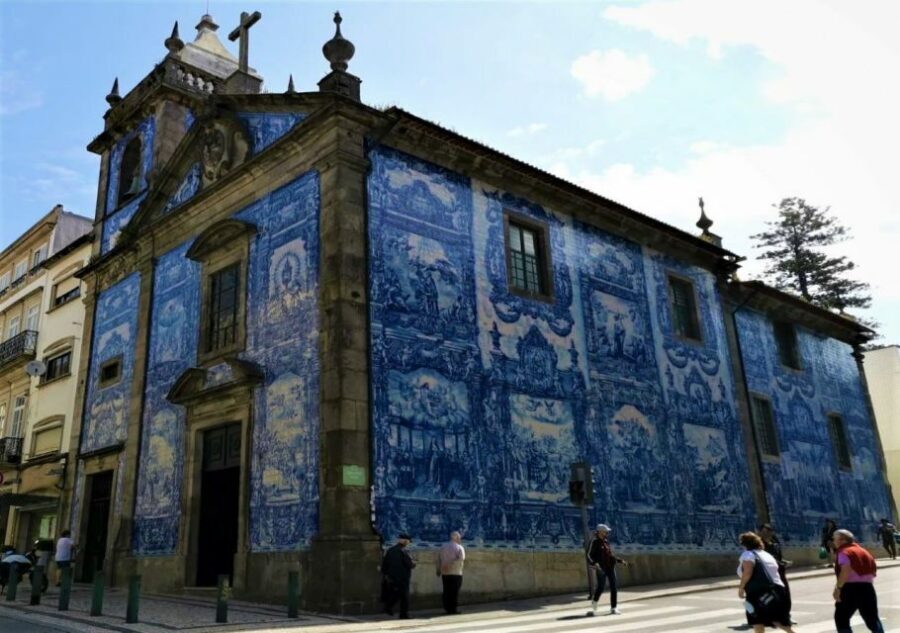
You’ll also spot houses with amazing tiles and a mix of artistic shops. This is a good moment to slow down mentally, because Porto’s tile tradition is tied to identity, trade, and local pride. A guide helps you notice those connections instead of treating everything as separate photos.
Avenida dos Aliados: Porto’s grand boulevard, explained with context
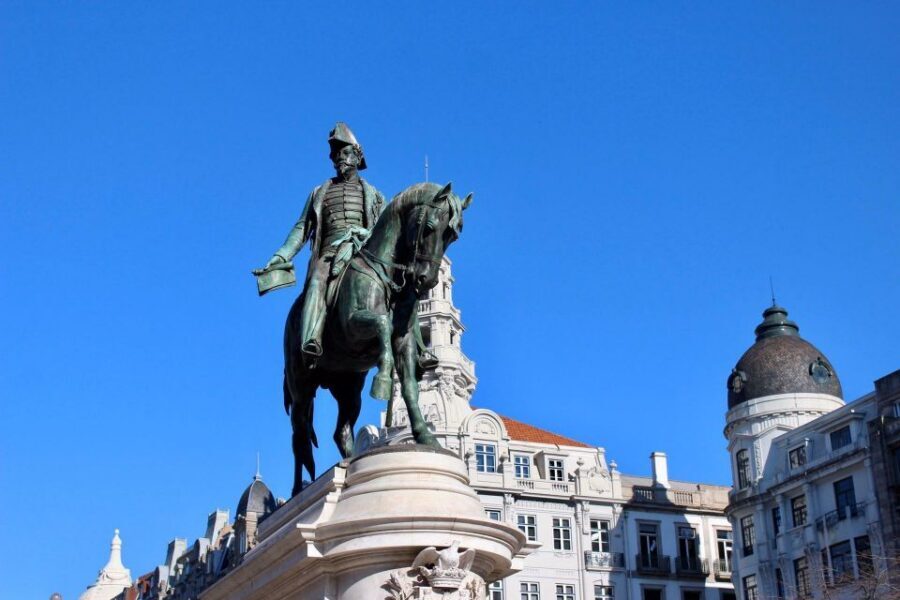
At Avenida dos Aliados, Porto shifts from intimate lanes to wide, confident city-center space. The tour includes a visit here, and it’s also where you finish. It’s a smart choice for an ending because you leave with a clear landmark you can navigate around later.
In plain terms, this boulevard helps you recalibrate your sense of scale. You’ll see how Porto balances old-core density with public space designed for movement and meeting. If your next plan involves getting transport, grabbing a coffee, or heading toward the river, having this big point of reference at the end is genuinely helpful.
You can also read our reviews of more city tours in Porto






Walking beside the Douro: views that make Porto feel geographic
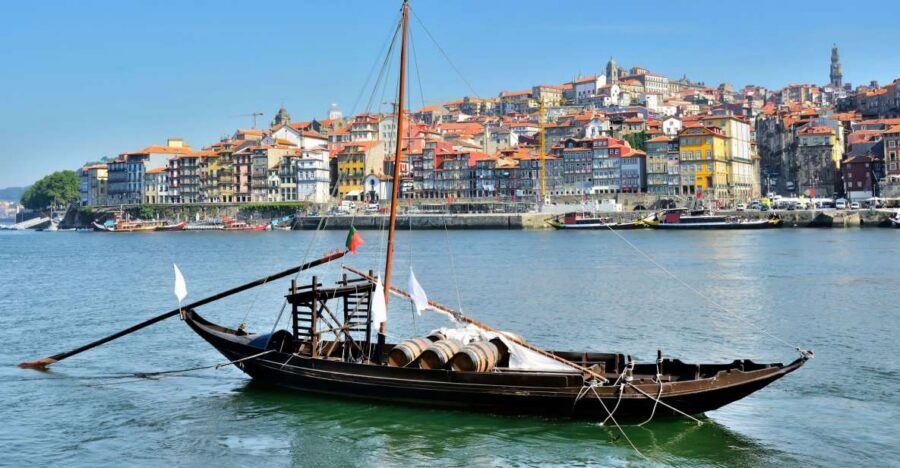
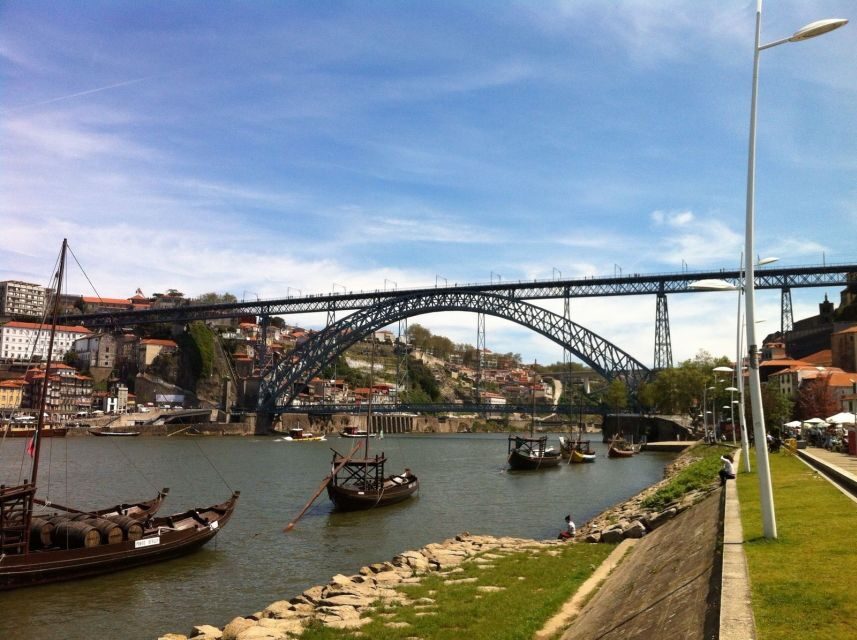
Once you’re on the Douro River side, Porto feels different. The hills, the bends in the river, and the way buildings cling to slopes become part of the story instead of a background detail. This is also where you’ll hear the city described in a way that makes sense of its past, especially how the river shaped trade and life.
The walk also includes charming areas such as Pena Ventosa and Vitória Hill. These spots are valuable because they help you understand why people build where they build. You’re not just collecting views; you’re learning the logic of Porto’s topography.
Real-world tip: bring comfortable shoes and expect some climbs or uneven stretches. Even if the pace feels controlled, this is still a historic-city walk with real ground under your feet.
Cordoaria’s Garden: a small pause that changes the mood
Mid-route, Cordoaria’s Garden gives you a break from streets and sights. It’s listed as part of the guided experience, and it fits perfectly with the tour’s flow. After tile streets and river walks, a garden stop helps your brain reset, and it gives you a quieter texture of Porto.
From what’s described for the tour, this is also where fragrant, 19th-century garden vibes come into play. You get a calmer scene while still staying within the guided rhythm of the afternoon. It’s the kind of stop that helps you enjoy the rest of the walk without feeling like you’re rushing to the finish line.
What you actually get for $33: value you can feel later
At $33 per person for a 3-hour guided walk, you’re paying for three things that add up quickly: time with a guide, a connected route through the center, and access to interpretation at the key photo stops. If you try to do this on your own, you can see the landmarks, sure. But you’re unlikely to understand the “why” behind them in the same time window.
The tour also includes guided visits to São Bento Train Station, the historic neighborhood, and Aliados Avenue. Food and drinks aren’t included, so you’ll want to plan your own breaks. If you’re the type who likes to keep moving, you can easily handle this as a half-day plan and then eat after.
Group size, guide energy, and how the tour stays personal
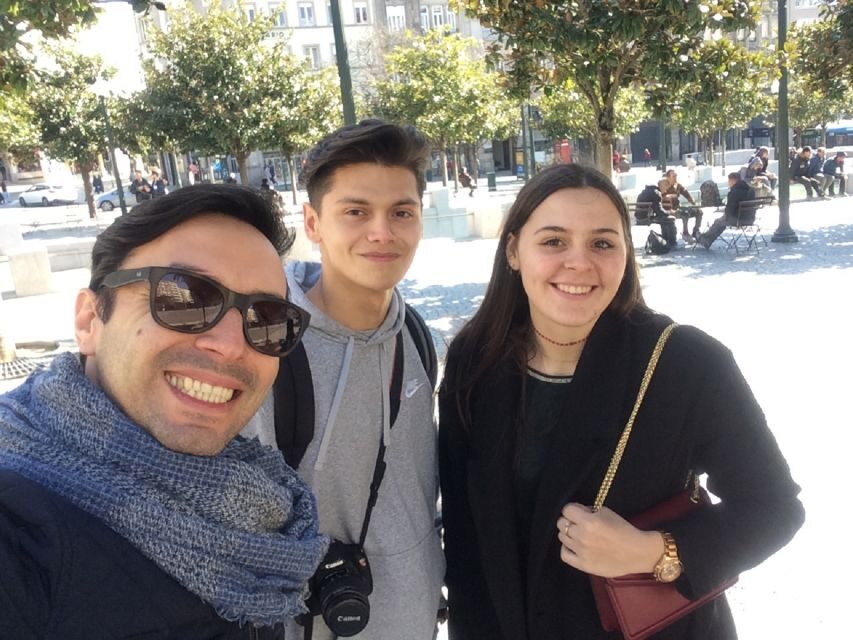
This tour offers private or small groups, and that’s a big deal in a city-center walk. Small groups mean the guide can keep track of everyone and adjust the pace when questions pop up. Based on guide patterns seen in recent bookings, the experience often leans toward enthusiasm and storytelling, not a rushed lecture.
You may hear guiding names like Barbara, Daniel, Ricardo, Pedro, Mia, and Magda in the kinds of recent trips people describe. What matters for you is the consistent theme: guides who talk with energy, answer questions, and connect modern Porto to older layers of the city.
Another practical detail: the tour is run by live guides in Spanish, English, German, Portuguese, and French. If you’re booking specifically because of language comfort, this is one of the strongest pieces of information you have.
Who should book this walk, and who should skip it
This is a great fit for you if you:
- want a first-day orientation through Porto’s historic center
- like architecture, tiles, and the story behind street scenes
- want a guided explanation at major stops like São Bento and Aliados
- prefer walking tours with time to ask questions
- want to see both the river side and the maze-like older streets
Skip it if:
- mobility is an issue, since it’s not suitable for mobility impairments
- you need food included in the experience, since food and drinks aren’t part of the tour
- you’re traveling with large luggage (it isn’t allowed on the tour)
Should you book Porto: Historic City Center Walking Tour?
I’d book it if you want a structured half-day that makes Porto feel coherent. The route hits the big visual anchors (Sé area, São Bento, Livraria Lello, Aliados) while also adding the in-between parts that usually get missed: medieval wall remnants, tile-lined lanes, craft/shop moments, and viewpoints toward the river like Pena Ventosa and Vitória Hill.
You should also book it if you’re the type who likes to leave a place with better instincts, not just photos. After this walk, you’ll have a sense of where you are, why the city looks the way it does, and what to look for next on your own.
If you’re ready for comfortable-shoe walking and you want history told in a practical, street-level way, this tour is an easy yes.