REVIEW · PORTO
Porto: Port and Douro Wine Walking Tour with 9 Tastings
Book on GetYourGuide →Operated by EFun Tours · Bookable on GetYourGuide
Some afternoon plans are made for tasting. This Porto wine walking tour in Vila Nova de Gaia pairs an easy riverside stroll with three classic cellar visits and plenty of explanation so the wines make sense. You also get the big picture on how Port styles differ from Douro wines, not just a quick sip-and-go.
What I like most is the range: you’ll taste 9 Port and Douro varieties in about three hours, so you’re not stuck sampling only one style. I also really value the human part: guides such as Maria, Joao, Ricardo, Sara, Pedro, and Jon are known for keeping things friendly and question-friendly without turning it into a lecture.
One consideration: with this many pours, you’ll want to pace yourself. If you skip food, the first round of Port can make the later tastings feel like a sprint—so I’d plan to eat first and drink water.
In This Review
- Key Things to Know Before You Go
- Vila Nova de Gaia: the Port-cellar walk across from Porto
- Meeting at Posto de Turismo: start where the riverfront makes sense
- Stop 1: Vasques De Carvalho and your first Port lesson
- Stop 2: Fonseca Port Wine Cellars and why big names still matter
- Stop 3: Solar dos Dragos and the Douro wine contrast
- The 9 tastings: how to taste like you’re actually learning
- Why the Douro Valley matters (and what first demarcated means in real life)
- Guides, group vibe, and pacing in three hours of wine
- Price check: is $57 good value for 9 tastings in Gaia?
- What to do before you go (so you enjoy every glass)
- Who this Porto Port and Douro walk is best for
- Should You Book This Porto Port and Douro Wine Walking Tour with 9 Tastings?
- FAQ
- Where is the meeting point for the tour?
- How long is the tour?
- How many wine tastings are included?
- How many places will we visit?
- What languages is the guide available in?
- Is lunch included?
- Does the tour run in all weather?
- Are hotel pickups included?
- Are large bags or luggage allowed?
- Is this tour suitable for children?
Key Things to Know Before You Go
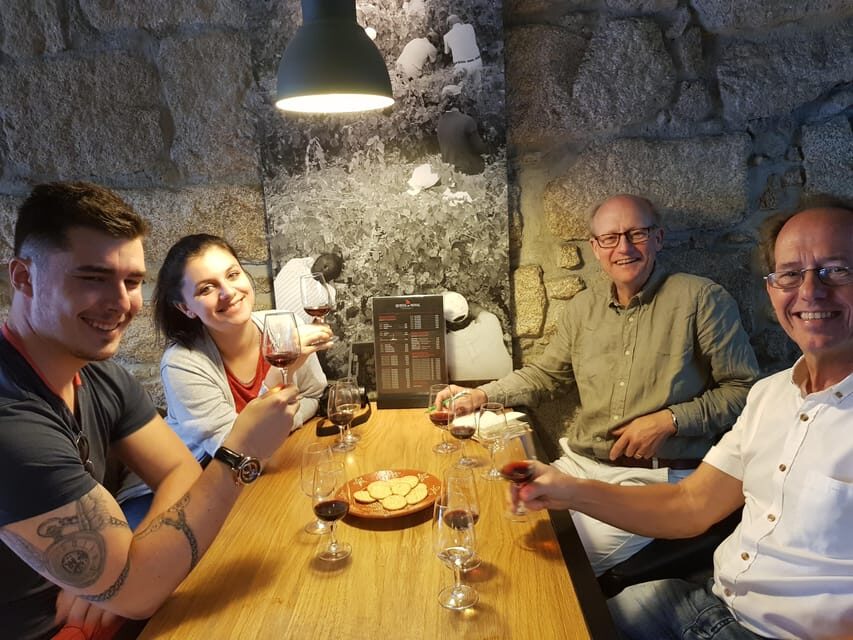
- 9 tastings in 3 hours: You’ll learn fast and taste a wide spread, not just a couple of bottles.
- Three cellar stops close together: The walk between places is short and keeps the afternoon relaxed.
- Port styles vs Douro wines: The guide helps you connect flavor to production and region.
- Fonseca plus smaller houses: You get a mix of big-name history and more local cellar character.
- Guides who stay in the conversation: Names like Maria, Joao, Ricardo, Sara, and Pedro often show up as top hosts.
- Final stop often feels like the fun peak: Some tastings include pairings like bread, olive oil, and cheese at the last location.
Vila Nova de Gaia: the Port-cellar walk across from Porto
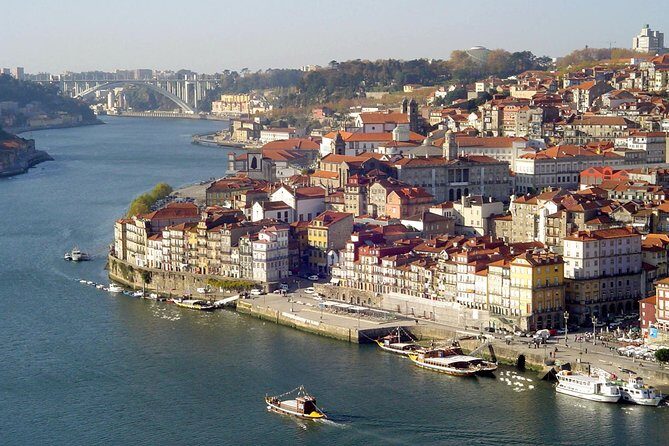
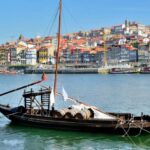
If you want the Porto wine experience without getting lost in hills or half-finished directions, this area is perfect. Vila Nova de Gaia sits across the river from Porto, and it’s where a lot of the Port industry—and a lot of the tasting rooms—clusters.
The best part is that you’re not stuck inside one building. The walking part is short, slow, and practical, so you get a feel for the quayside vibe between tastings.
You’ll also get context for why this matters. The tour connects the wines to how the Douro region shaped Portuguese winemaking, including the importance of the Douro Valley as the first demarcated wine region.
You can also read our reviews of more walking tours in Porto


Meeting at Posto de Turismo: start where the riverfront makes sense
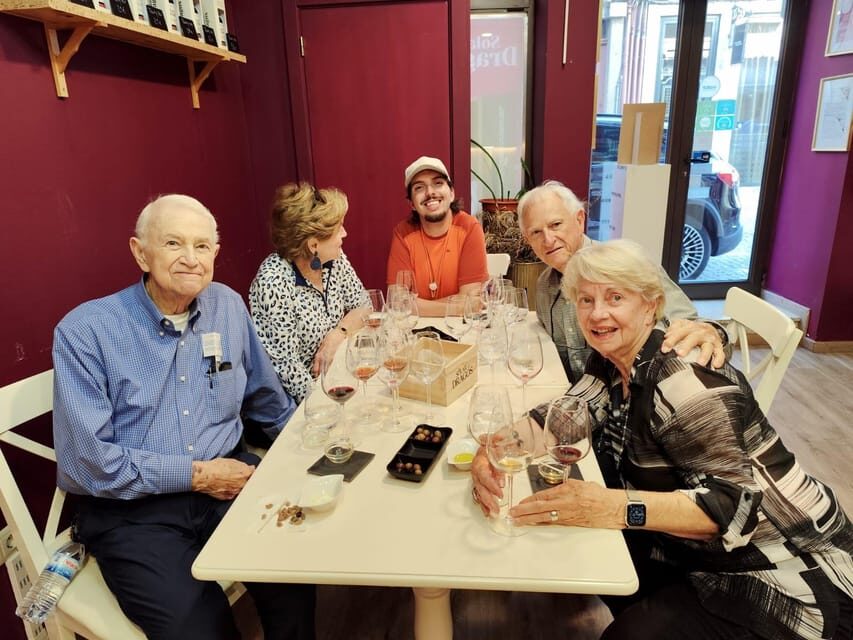
You meet outside Posto de Turismo / Loja Interativa de Turismo, right along the main sidewalk by the riverfront. Arrive about 10 minutes early so you can spot your guide and settle before the first cellar.
A small logistics note that matters: this is a walking tour, and large bags or luggage aren’t allowed. If you’re traveling light, great. If you’re coming off a train with a big suitcase, plan to store it before you head here.
Comfort matters too. You’ll want comfortable shoes, since cellars and streets can be uneven, and you’ll be on your feet for multiple tastings.
Stop 1: Vasques De Carvalho and your first Port lesson
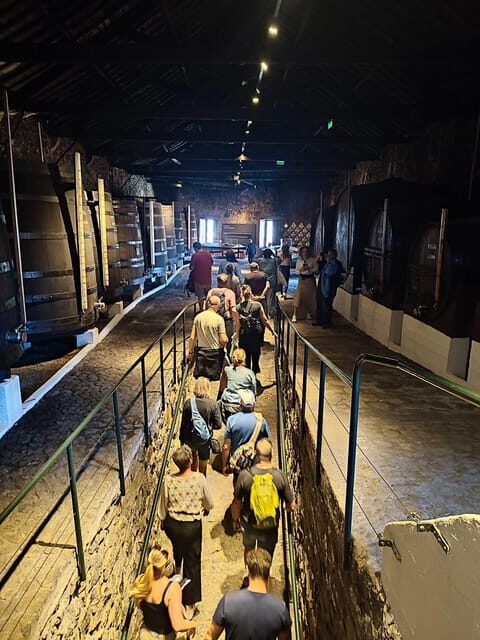
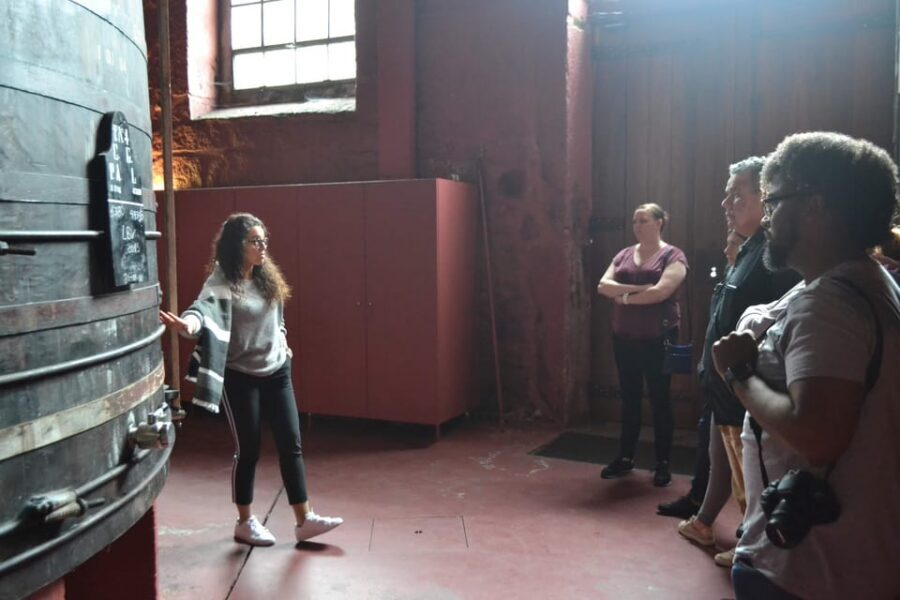
The first hour sets the tone. At Vasques De Carvalho, you start with Port wine tasting while the guide builds the foundation: what you’re tasting, how it’s made, and what separates Port styles from each other.
This stop is especially useful if you’re new to Port. You’ll start hearing the words that matter—how aging methods, sweetness levels, and style choices influence what hits your palate.
One practical tip: keep your expectations flexible here. Early tastings are often where you think you’ve figured it out. Then later stops show you how wrong that can be—in a good way.
Stop 2: Fonseca Port Wine Cellars and why big names still matter
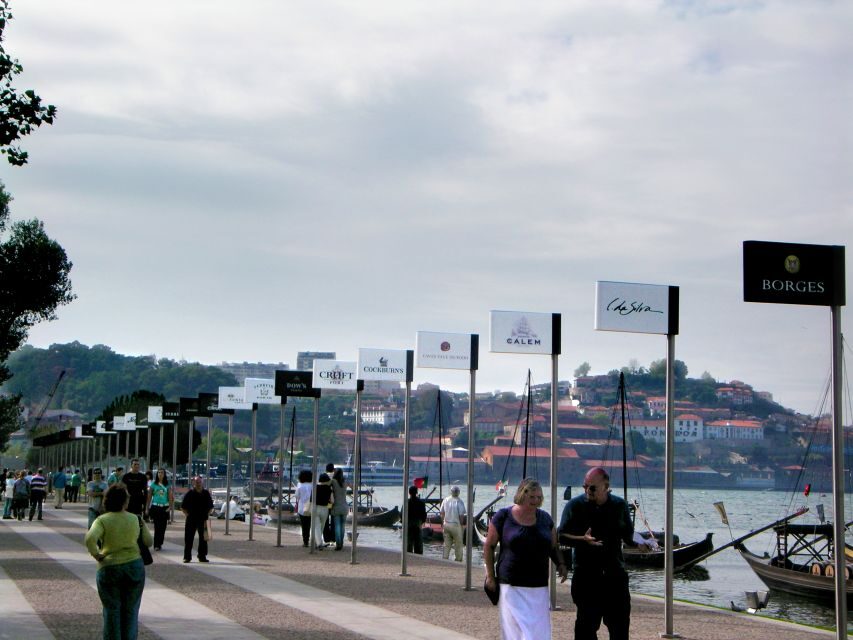
Next up is Fonseca Port Wine Cellars. This is a strong middle stop because it gives you a clearer sense of the industry scale and the tradition behind Port-making.
Fonseca brings structure to the story. You’ll typically get explanations that link the glass to the production logic—so you’re tasting with context instead of just chasing flavors.
The value of this stop is also social. Many people enjoy the “moment after the second tasting” when the group starts chatting more easily—about which style they prefer and why. It’s an easy way to learn without feeling like a classroom.
If you’re hoping for internationally recognized Port history, Fonseca is a key reason this tour gets such strong ratings.
Stop 3: Solar dos Dragos and the Douro wine contrast
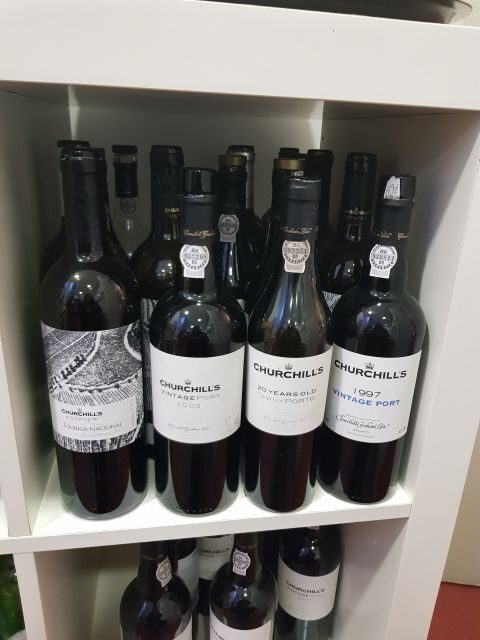
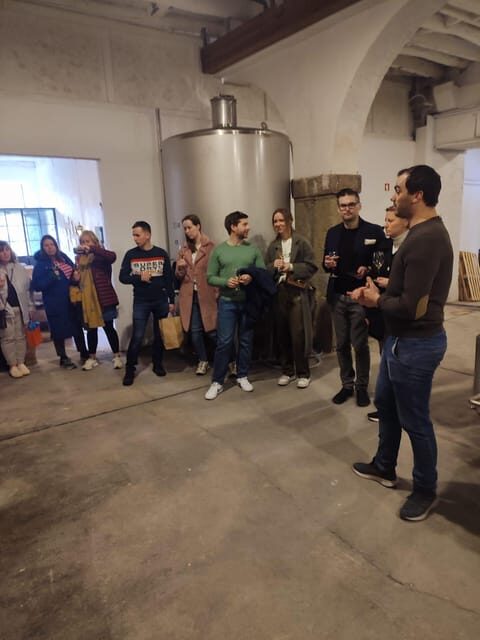
The last hour is where the tour becomes a clearer comparison. At Solar dos Dragos Porto & Douro Wines, you shift from Port-only thinking to a broader view that includes Douro wines.
This stop is the one that often turns a casual drinker into a more careful taster. You’ll start noticing differences between Port styles and Douro wines in a more practical way: texture, balance, and how the wine sits on the palate.
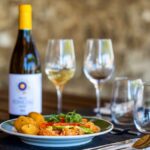
There’s also a fun side to this final stop. Some groups get extra pairing-style offerings such as bread, olive oil, and cheese alongside the drinks. Even if you’re not counting every flavor note, it’s a smart way to keep the tastings enjoyable and not just head-spinning.
A last-mile tip: pace yourself on the Port earlier. By the time you reach the Douro side, you’ll enjoy the differences much more if you haven’t rushed.
You can also read our reviews of more wine tours in Porto




The 9 tastings: how to taste like you’re actually learning
This tour is designed around repetition with variety. You’re tasting multiple Port and Douro expressions back-to-back, which means your brain starts sorting patterns: sweetness vs dryness, aroma intensity, and lingering fruit versus structure.
Here’s how I’d play it:
- Take a quick note in your head for each tasting: first sip impression, then what changes after a few breaths.
- Compare styles in pairs, not as a “big flight.” For example, focus on one Port style versus the Douro wine poured that same time window.
- Drink water between tastings, especially if you tend to enjoy sweet wines.
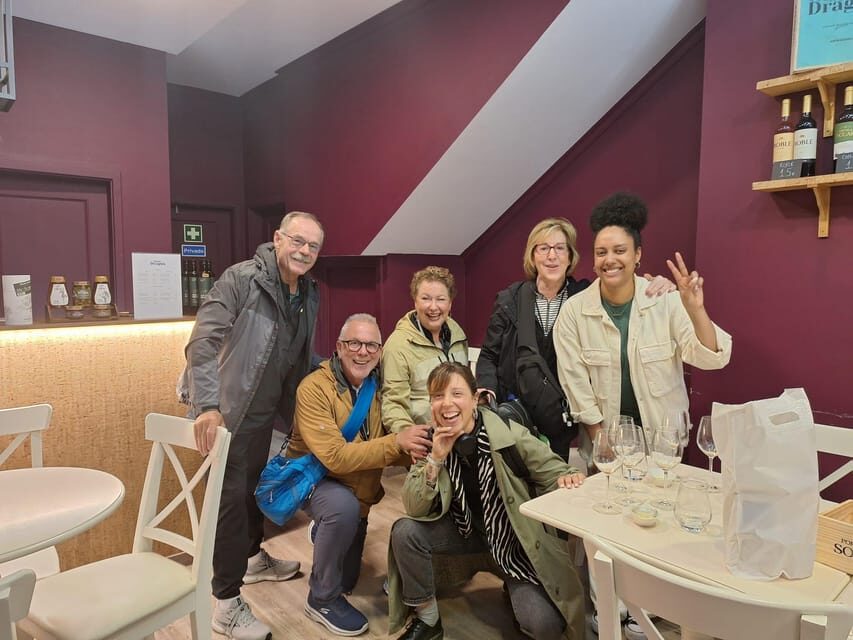
The small-group format helps because you can ask questions at the exact moment confusion shows up. That’s when answers stick best.
Why the Douro Valley matters (and what first demarcated means in real life)
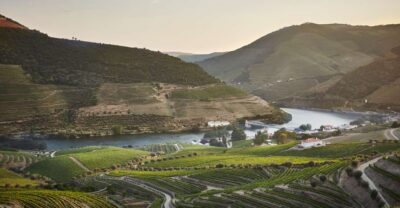
The tour doesn’t treat the Douro Valley as a distant concept. You’ll hear why it’s important as the first demarcated wine region, and how that shaped winemaking identity in Portugal.
In plain terms, demarcation is about rules and consistency. Over time, those boundaries influence what gets grown where and how the region becomes recognizable in the glass.
So when you taste Douro wines, it’s not just about flavor. You’re tasting the result of geography, tradition, and long-established choices about how grapes are used and how the wine is handled afterward.
That’s the kind of context that makes your next bottle back home feel less random.
Guides, group vibe, and pacing in three hours of wine
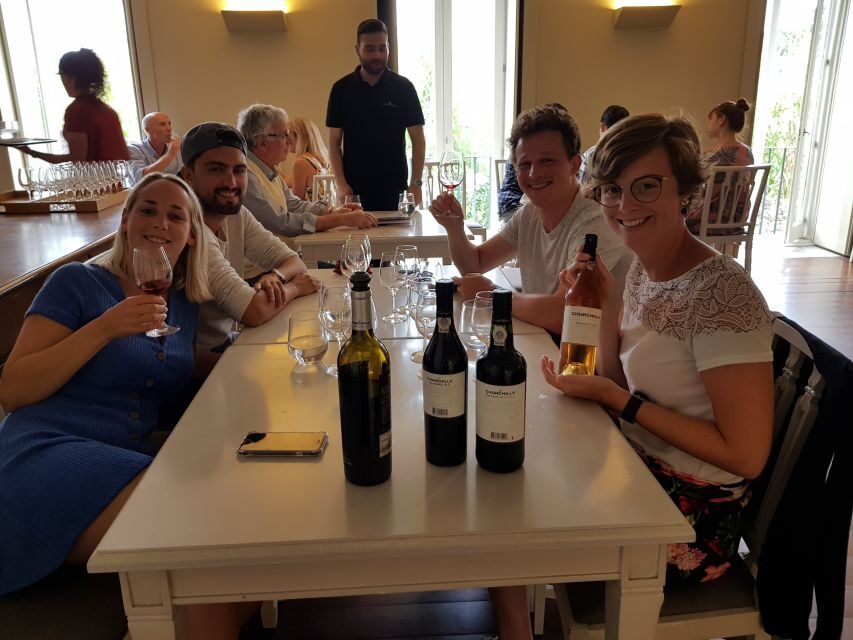
A tour like this rises or falls on the guide. The experience is built for people who want both fun and clarity, and the guides connected with this route often hit that balance.
You may encounter hosts such as Maria, Joao, Ricardo, Sara, Pedro, or Francisco, each bringing their own style. But what shows up consistently is energy, humor, and a knack for answering questions without making you feel behind.
Small-group pacing is also a big deal here. The walk keeps it moving, but the tastings stay spaced enough that you can absorb what you’re learning.
That said, this is still wine. If you’re someone who gets tipsy quickly, take the guidance seriously: eat beforehand, sip slowly, and don’t feel pressure to chase every last drop.
Price check: is $57 good value for 9 tastings in Gaia?
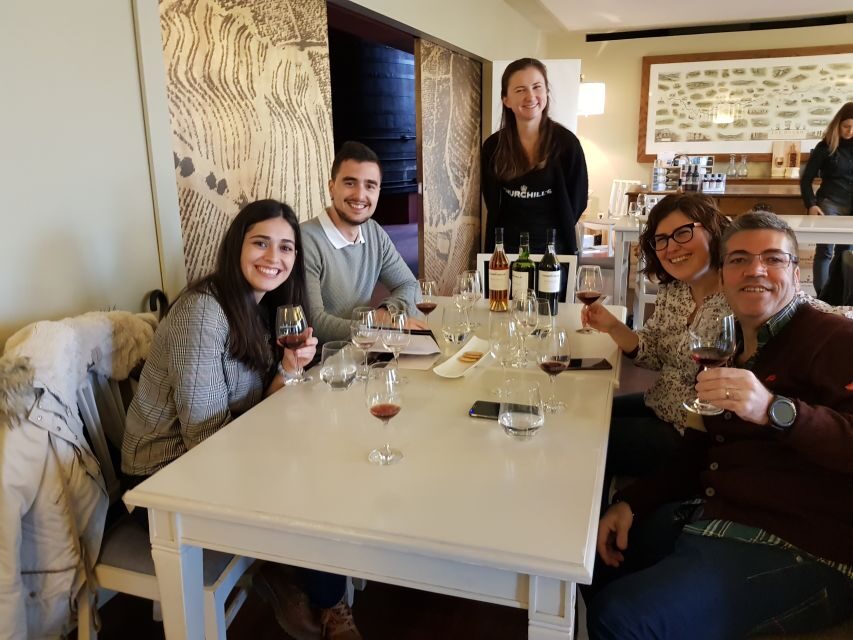
At $57 per person for about 3 hours, this is strong value if you care about more than a single generic tasting.
You’re paying for three things:
- Three cellar visits (not just one room),
- A guided explanation that connects Port styles and Douro wines,
- A lot of tasting volume (9 tastings included).
Also, the cellar mix helps justify the price. You’ll taste at major industry names like Fonseca and also smaller, more local houses. That combination gives you both scale and variety without requiring a car.
If you’re comparing this to solo tastings where you pay for each stop separately, the “all-in-one” structure usually makes more sense—especially with a guide doing the translation work for you.
What to do before you go (so you enjoy every glass)
To make the afternoon smoother, plan like a grown-up wine nerd:
- Have a real meal before you start. One common tip from the vibe of these tours is that a hearty lunch prevents the early Port pours from stealing the rest of the tasting.
- Bring a water bottle if it’s allowed where you are staying, or plan to drink water during the tour.
- Wear shoes you can stand in. The tour is “small walking,” but you’re still on your feet for multiple stops.
And if you want to take something home, ask about purchasing and any shipping options during the last stop. One reason people love this tour is that the tastings often lead to bottles they actually want to remember.
Who this Porto Port and Douro walk is best for
This tour fits best if you want:
- A focused Port wine + Douro wine comparison in one afternoon
- A guided tastings format that teaches you what you’re tasting
- A small-group, friendly pace in Vila Nova de Gaia
You might skip it if you have limited mobility or if you’re traveling with children. It’s listed as not suitable for children under 18, and it’s also not set up for people with mobility impairments.
Should You Book This Porto Port and Douro Wine Walking Tour with 9 Tastings?
Yes, I’d book it if you want a high-value tasting route with real education and a relaxing walking format. The strongest reason is the structure: three cellar stops, nine tastings, and a guide who helps you connect Port styles and Douro wines instead of treating it like a blind sampler.
Do book with one mindset: eat first and pace yourself. If you do that, this is one of the most straightforward ways to understand Porto wine beyond the label.
If you tell me your dates and whether you prefer sweeter or drier styles, I can also suggest which wines to pay extra attention to during the tastings.
FAQ
Where is the meeting point for the tour?
Meet your guide outside Posto de Turismo / Loja Interativa de Turismo along the main riverfront sidewalk in Vila Nova de Gaia.
How long is the tour?
The tour runs for about 3 hours.
How many wine tastings are included?
You’ll have 9 wine tastings covering Port and Douro wines.
How many places will we visit?
You’ll visit three wine houses in Vila Nova de Gaia with guided tastings at each.
What languages is the guide available in?
The live tour guide is available in English and Portuguese.
Is lunch included?
No. Lunch and food are not included.
Does the tour run in all weather?
Yes. The tour operates in all weather conditions, so dress appropriately.
Are hotel pickups included?
No. Hotel pickup is not included.
Are large bags or luggage allowed?
No. Luggage or large bags are not allowed.
Is this tour suitable for children?
No. It’s not suitable for children under 18.