REVIEW · PORTO
Porto: Guided City Walking Tour & Port Wine Cellar
Book on GetYourGuide →Operated by C D Porto Tours · Bookable on GetYourGuide
Porto has a way of grabbing you fast. This guided city walk plus cellar visit turns Porto’s streets, viewpoints, and Port wine into one smooth 3-hour story. I especially liked how the guide gave context while we walked (not just a lecture), and how the tastings felt practical, with tasting notes you can actually use. One heads-up: the tour involves lots of steps down toward Ribeira, so you’ll want comfortable shoes and a steady pace.
What makes this experience extra interesting is that you don’t do a Port-only stop-and-shop. You also learn how religion, strategic alliances, and Portugal’s role in globalization shaped the city and its wine trade, then you connect that to what today’s tourist pressure means for real Portuguese life. If you’re short on time and want a quick intro that still feels meaningful, this hits the sweet spot.
In This Review
- Key highlights worth your attention
- Starting where Porto feels real: the walk begins on time
- Porto’s city center on foot: tiles, alliances, and getting oriented
- Viewpoints near the Cathedral: why the route has smart stops
- Down the stairs toward Ribeira: the moment the city changes
- 19th-century Port producers: tasting wine with context
- The 4 Port wine tastings: what to notice during your comparisons
- Topics beyond wine: religion, trade, tourism impact, and daily life
- Pacing, weather, and the one big practical limitation
- Price and value: is $47 worth it?
- Who should book this Porto walking + Port cellar tour
- Should you book it? My honest take
- FAQ
- How long is the Porto Guided City Walking Tour & Port Wine Cellar?
- What’s included in the tour price?
- Do I need to bring food or snacks?
- Will the tour run in bad weather?
- Is there hotel pickup or drop-off?
- Is the tour suitable for wheelchair users or people with mobility impairments?
Key highlights worth your attention
- 20,000+ tiles at São Bento station: See the famous wall of azulejos and understand what you’re looking at.
- Cathedral-area viewpoints: You’ll get your bearings with scenic stops that make the city feel navigable.
- Stairs to Ribeira: The route intentionally moves you down into the river district on foot.
- 19th-century wine producers: You’ll visit production sites from a key era of Port history.
- 4 Port tastings with tasting notes: You’ll taste enough to compare styles, not just sample once.
- English live guide, adult-oriented focus: Clear, paced storytelling with time for questions.
Starting where Porto feels real: the walk begins on time
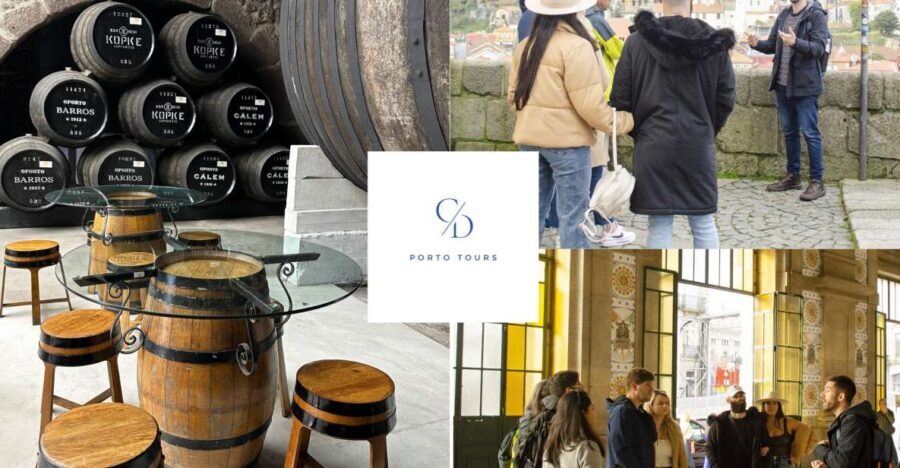
The meeting point is right in the city’s everyday flow: look for the C&D Porto Local Tours blue umbrella in front of Imperial McDonald’s. Arrive 5 to 10 minutes early and be ready to start promptly. This tour is strict about timing, and once it begins it’s not possible to join late for logistical reasons.
That might sound intense, but it’s also part of the value. You’re guaranteed a full 3-hour experience without the “wait around for stragglers” problem. Just plan like you’re catching a train: get there early, then relax and let the guide set the rhythm.
You can also read our reviews of more walking tours in Porto



Porto’s city center on foot: tiles, alliances, and getting oriented
A big part of why I think this tour works well is that it gives you a fast mental map. You’ll explore the historic center while the guide threads together how Porto’s identity was shaped over time—starting with religion and strategic alliances, and then connecting to Portugal’s role in globalization.
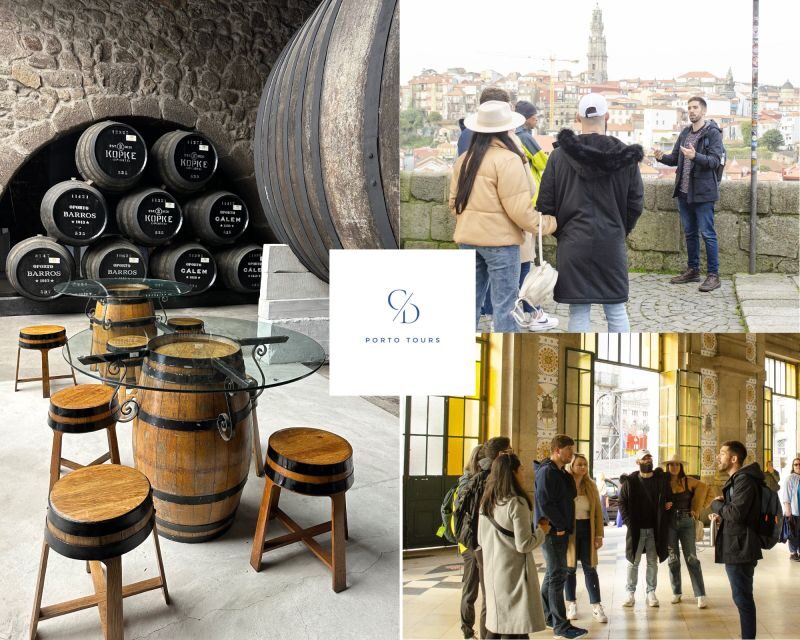
Expect the walk to include some of Porto’s most recognizable visual moments, especially the train station area. One of the first wow-factors is the over 20,000 tiles at the station, where the guide helps you read the scene rather than just taking a quick photo. It’s the kind of detail that makes you feel like you learned something new in minutes.
From there, the tour shifts from “what am I seeing?” to “why does this matter?” The guide also covers how tourism has changed the city in recent years and what that pressure can mean for costs and day-to-day quality of life for Portuguese residents. It’s not heavy or depressing; it’s the kind of context that makes your Porto photos land differently.
Viewpoints near the Cathedral: why the route has smart stops
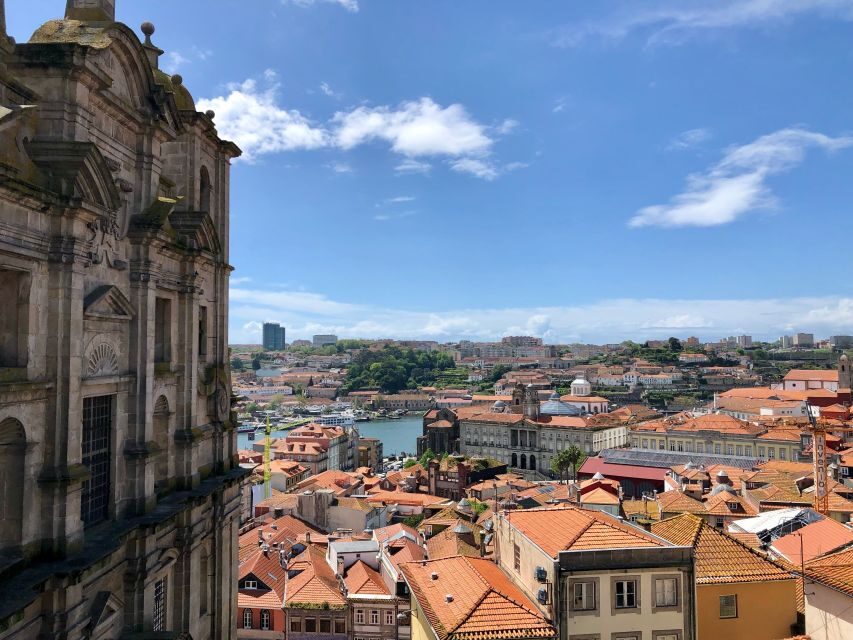
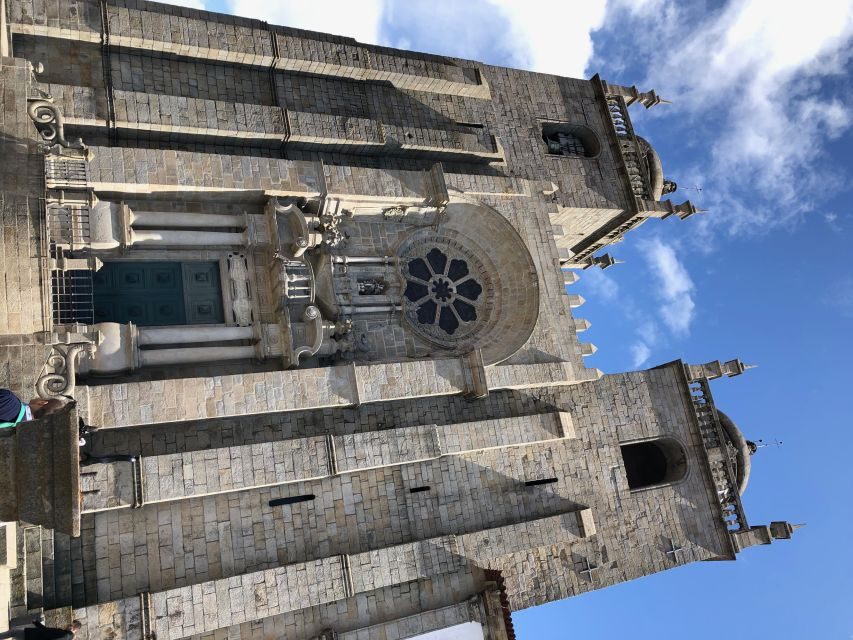
The Cathedral surroundings are where the tour helps you see the city instead of only walking through it. You’ll take in viewpoints that make Porto’s layout click—how different neighborhoods relate to the river, streets, and hills.
These stops matter because Porto is not flat. Even if you’ve been there before, you can walk for hours and still feel lost. Here, you get frequent “pause and orient” moments, which is exactly what you want on a first visit or a second visit when you want a deeper understanding without adding extra tours.
Then the route turns toward movement again, building momentum. That’s when the walk becomes more physical, because you’ll start descending.
Down the stairs toward Ribeira: the moment the city changes
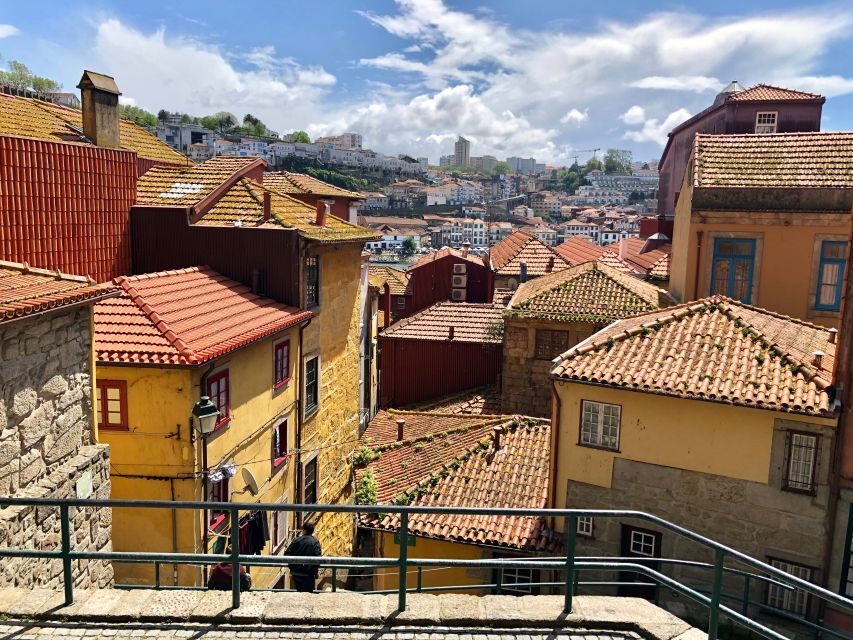
Porto’s riverfront, Ribeira area, has a different energy. You’ll reach it by going down stairs as part of the guided route, so this isn’t just a casual stroll along flat sidewalks.
This is one of those parts you should plan for. The pace is described as smooth, but there are “several stairs,” and you’ll feel it by the time you’re halfway down. If your legs tire easily, wear supportive shoes and take your time during step sections.
Why I like this segment: it turns the tour from sightseeing into lived experience. You’re not only viewing Ribeira—you’re traveling into it, physically. That’s how Porto makes sense: the city reveals itself through movement, not just landmarks.
19th-century Port producers: tasting wine with context
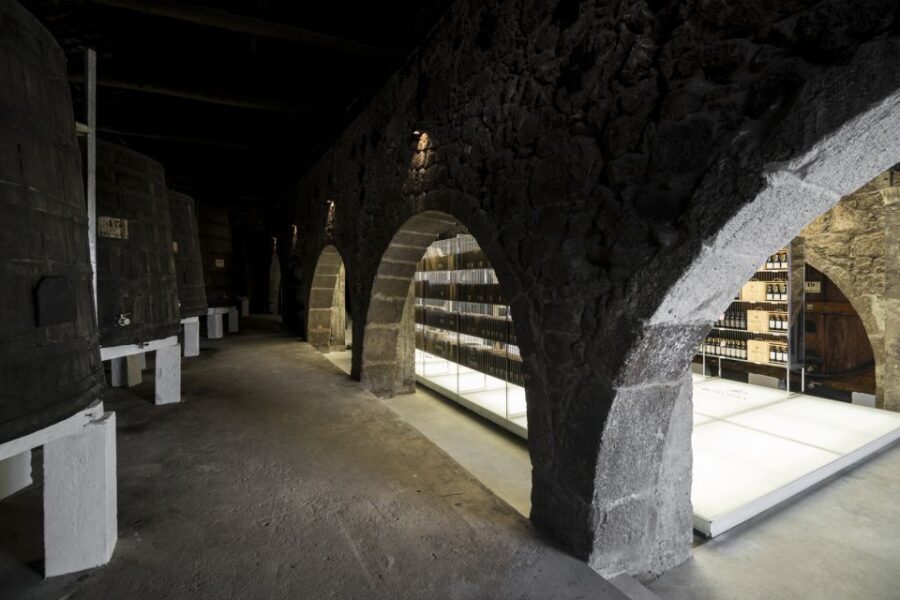
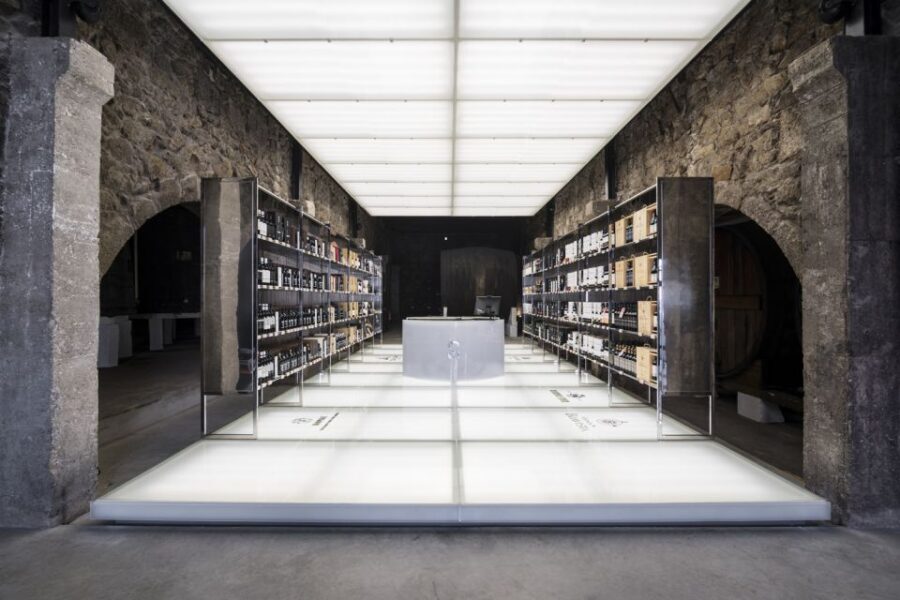
After the city walk, the tour shifts to the cellar side of Porto. You’ll visit 19th-century Port producers, where the guide explains the production process, how Port is aged, and what to look for when you taste.
This part is especially good if you want to understand the difference between drinking Port and learning Port. Even if you’ve had Port before, the guide’s focus on aging and tasting notes helps you notice details instead of just saying sweet or strong.
The experience is also intentionally paced. You’re not rushed from one room to another. You’ll learn how production and aging shape the final flavors, then you’ll get to compare those ideas with the tastings that follow.
You can also read our reviews of more guided tours in Porto




The 4 Port wine tastings: what to notice during your comparisons
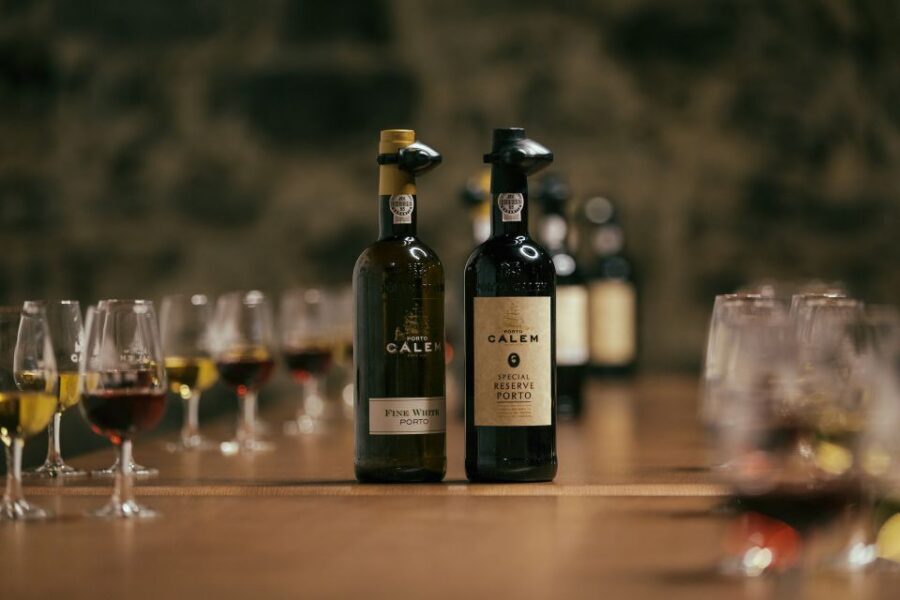
You’ll taste 4 Port wines, which is a smart number for a short tour. It gives you enough variety to understand how styles differ, without turning the tasting into a marathon.
Here’s how to make the tastings feel worthwhile:
- Watch how the flavors shift from one wine to the next, especially sweetness level and how the aromas present themselves.
- Pay attention to how aging changes the taste. Even when grapes and base style are similar, the cellar work can steer what you experience.
- Use the guide’s tasting notes like a checklist, not a “right answer.” If something surprises you, that’s part of learning.
I also like that this tour makes it clear it’s not only about wine. The tastings land better because you’ve already walked through Porto’s historical context and visual highlights. You’re tasting a product shaped by trade, alliances, and city life—not just buying a souvenir drink.
Topics beyond wine: religion, trade, tourism impact, and daily life
Most Port tours focus tightly on fermentation, barrels, and the final pour. This one adds layers that help you understand why Port is tied to Porto in the first place.
You’ll hear about:
- the role of religion
- strategic alliances
- Portugal’s globalization-era trade context
- the city’s recent tourist impact
- how tourism affects cost and quality of life for Portuguese residents
That mixture is useful because it changes your perspective on what you see. For example, it’s easier to understand why certain areas matter when you know how alliances and international trade influenced the city’s economy. And it’s easier to understand the city you’re standing in now when you’ve heard what locals experience.
It’s still a walking tour, so don’t expect academic depth. But you’ll come away with a stronger sense of Porto as a living place, not a theme park.
Pacing, weather, and the one big practical limitation
This tour runs rain or shine, so bring clothes that handle wet weather. The group pace is described as smooth, but the key detail is the physical route: you’ll walk through the city center and then head down toward the cellars with several stairs.
Also note the tour has an adult-oriented feel. Children are welcome, but they need to keep up and follow along. If a child’s behavior affects others or the guide’s concentration, the tutors (not the guide) handle actions, including possible removal from the tour.
And it’s not suitable for:
- pregnant women
- people with mobility impairments
- wheelchair users
- children under 18
If any of those apply, you’ll want to choose a different style of tour that fits your needs better.
Price and value: is $47 worth it?
At $47 per person for a 3-hour experience, the value comes from what’s bundled together. You get:
- a guided city walk through major visual highlights
- a visit to 19th-century Port producers
- 4 tastings
You’re not paying for just one thing. You’re paying for a guided connection between the city and the wine, plus enough tastings to form real comparisons. Also, the tour is guided in English and includes time for explanation, not just standing in a room while you sample.
What you should account for: food or snacks are not included. Plan either a light pre-tour snack or have something afterward, especially since you’ll likely want time to reset after steps and tastings.
In short: if you want both Porto orientation and Port knowledge in one compact block, this is a fair deal. If you only care about the wine and not the city context, you might feel it’s slightly city-heavy.
Who should book this Porto walking + Port cellar tour
I’d book this if:
- it’s your first or second time in Porto and you want quick orientation plus meaningful context
- you like tours that explain what you’re seeing while you walk
- you enjoy comparing wines and learning how aging changes flavor
- you want a guided experience that feels organized and prompt
I would skip it if:
- you need wheelchair-friendly routes or step-free access
- you’re pregnant or concerned about stairs
- you hate rain-weather walking (because it runs anyway)
- you’re bringing very young kids who might struggle with the adult-oriented pace
Should you book it? My honest take
If you want a 3-hour plan that gives you Porto context + a cellar visit + 4 tastings, I think this tour is worth your spot. The standout strength is how the guide connects city landmarks with the story behind Port wine, instead of treating them as separate activities. The other big win is that the group gets enough tastings to learn something you can use later, not just taste and forget.
The only real caution is practical: the tour includes stairs and a route that takes you down toward Ribeira. If you can handle walking and steps comfortably, you’ll likely finish feeling you got your money’s worth in both knowledge and experience.
If you like flexibility, you can reserve now and pay later, and you can cancel up to 24 hours in advance for a full refund. That’s useful if your Porto weather forecast looks shaky.
FAQ
How long is the Porto Guided City Walking Tour & Port Wine Cellar?
It lasts 3 hours.
What’s included in the tour price?
You get a guided walking tour through the city center, a visit to 19th-century wine producers, and 4 Port wine tastings.
Do I need to bring food or snacks?
No food or snacks are included, so you may want to plan a snack before or after.
Will the tour run in bad weather?
Yes, it takes place rain or shine.
Is there hotel pickup or drop-off?
No, hotel pickup and drop-off are not included.
Is the tour suitable for wheelchair users or people with mobility impairments?
No. It is not suitable for wheelchair users or people with mobility impairments, and it is also not recommended for pregnant women.