Douro days hit different when you slow down. This one is built around the Roots & History theme: river viewpoints, wine tastings, and family-run moments that explain how this place got to be what it is today. You’ll ride out of Porto, see why the Douro looks the way it does, and then spend the middle of the day eating and learning with a local family.
I love how the schedule mixes big views with hands-on time, especially the rabelo boat cruise and the ceramic studio stop. I also like that you’re not stuck in one type of activity all day—boat, wine, road views, lunch, and pottery all show up. One thing to consider: it starts early (around 8:00am) and runs about 9–11 hours, so plan for a full day with some driving.
In This Review
- Key highlights you’ll remember
- A full Douro day, stitched together by real people
- Porto to the Douro Demarcated Region: setting your bearings early
- Pinhão viewpoint: short stop, big photo payoff
- On the Douro River by shared rabelo boat
- First winery tasting near Pinhão: 4 wines and a view from a quinta
- Roadside Douro views and history on the way home
- Centro Interpretativo and the family home lunch
- Ceramics at the studio: hands-on breaks the wine day up
- Cumieira winery visit and your second tasting of the day
- Getting back to Porto: plan for a full, satisfying day
- Price and value: what you’re paying for
- Who should book this Douro Roots & History tour?
- Should you book it?
- FAQ
- How long is the Douro Roots & History tour?
- Is pickup included from Porto?
- Is the tour private?
- What language is the tour offered in?
- What activities are included during the day?
- How long is the boat tour and what boat is used?
- Can I get a full refund if I cancel?
Key highlights you’ll remember
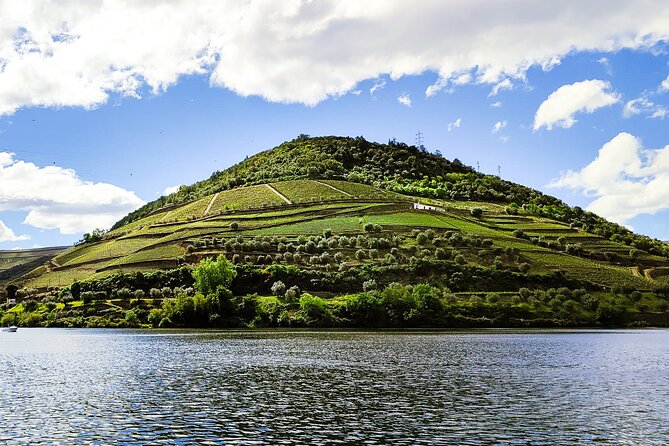
- Rabelo boat cruise on the Douro with calm, shared time on the water
- Two winery tastings with multiple wines, plus views from the quintas
- Home-cooked lunch with traditional food and family hosting
- Ceramic studio activity including throwing clay in a pottery setting
- Culture/history context through the Centro Interpretativo stop and on-the-road storytelling
A full Douro day, stitched together by real people
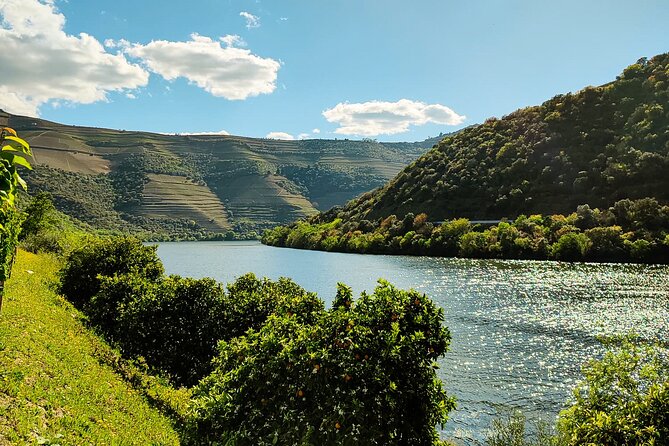
If you want the Douro to feel personal, this is the kind of tour that delivers. The format is simple: you get picked up in Porto, the day unfolds in logical pieces, and each stop adds a layer. Early on, you’re learning where you are and why the Douro River and its terraces matter. Later, you meet the human side of it—wine people, family people, craft people.
That balance is what makes the experience more than a quick sightseeing loop. You’ll get the classic Douro moments—Pinhão viewpoints, boat time, and tasting wine—then you’ll also get the quieter stuff that helps it click: how the region’s history is explained, how the day’s food is cooked, and how ceramics fit into local life.
And yes, you still get practical payoffs: lots of photo chances, included tastings, and a boat ride that many visitors only do as a quick token stop.
Porto to the Douro Demarcated Region: setting your bearings early
The day begins with pickup in your accommodation in Porto, then a scenic drive toward the Douro Valley. The transport portion is about 1 hour 30 minutes, and it’s not just time in the car. You’ll get a short summary of what your day will look like, plus an introduction to the geography and the Douro Demarcated Region.
This is a smart start. The Douro can look confusing at first—terraced slopes, winding river bends, roads that seem to appear and disappear. Before you reach Pinhão and the river, you’ll understand what you’re seeing. That makes later moments easier to appreciate instead of feeling like you’re collecting photos without meaning.
If you get motion-sensitive, you might want to bring what helps you on winding routes. But if you’re fine with driving, this first segment is a good warm-up.
Pinhão viewpoint: short stop, big photo payoff
Next up is a viewpoint above Pinhão. It’s a brief stop—around 5 minutes—but it’s timed for impact. From here, you can see the Douro River, Pinhão village, and the contrast between terraced planting and the surrounding nature.
That “contrast” part matters. The Douro’s terraces aren’t just a pretty pattern; they’re a response to steep hillsides and the way vineyards cling to the river. Even a quick overlook helps your brain connect terrace shapes to the geography you’ll feel later—on the boat, in the wine setting, and on the roads where you’ll later travel along the river.
Bring your phone or camera. And if you’re the type who likes to get one perfect shot, this is where you do it before you move on.
On the Douro River by shared rabelo boat
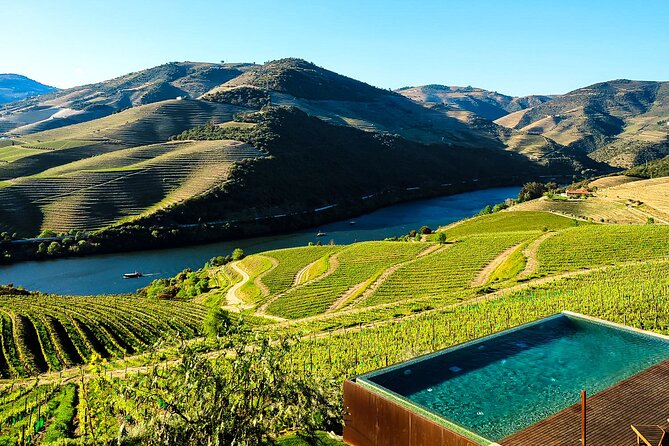
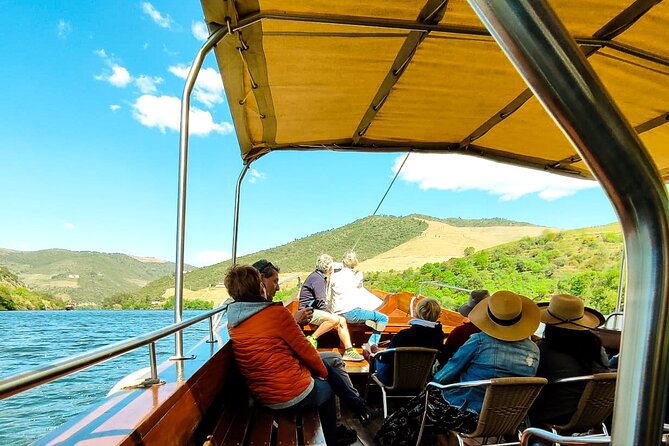
The highlight for many people is the boat portion: a shared boat tour on the Douro River for about 40 minutes on a rabelo boat. This is described as short, calm, and relaxing, which is exactly what you want after the drive and before the tasting-heavy parts of the day.
Here’s why this matters: in that stretch of the Douro, there isn’t public road access. That means you’re seeing sections of the river that you generally can only appreciate by water (or train, for those who choose rail). From the boat, the river bends, terraces, and hillside planting show up as a connected system instead of isolated views.
A shared boat also tends to be a kinder way to pace things. You get the scenery without needing to handle schedules or navigating. Just plan to enjoy the quiet. This isn’t a speed-boat show; it’s a float through the region’s most distinctive “geometry.”
First winery tasting near Pinhão: 4 wines and a view from a quinta
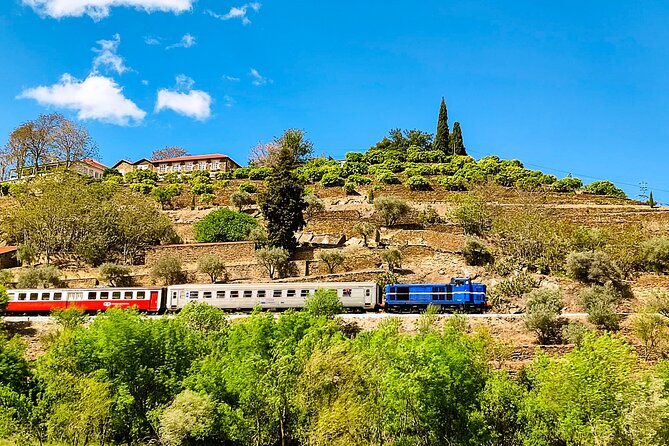
After the river, you’ll head to a property near Pinhão for wine tasting. This stop includes an initial tasting session of 4 different wines, followed by time to enjoy the views from the quinta.
This part is great for two reasons. First, tasting early helps you calibrate your palate before you learn more about the Douro’s wine region. Second, the setting—near the river and in the vineyard world—turns the tasting into something you can picture. You’re not just tasting wine in a neutral room; you’re tasting it in the place that produces it.
One practical note: wine tastings are part of the day’s schedule, but you’re also on a boat and doing more touring afterward. If you prefer to keep it light, you can still enjoy the experience by focusing on differences between the 4 wines rather than trying to power through.
Roadside Douro views and history on the way home
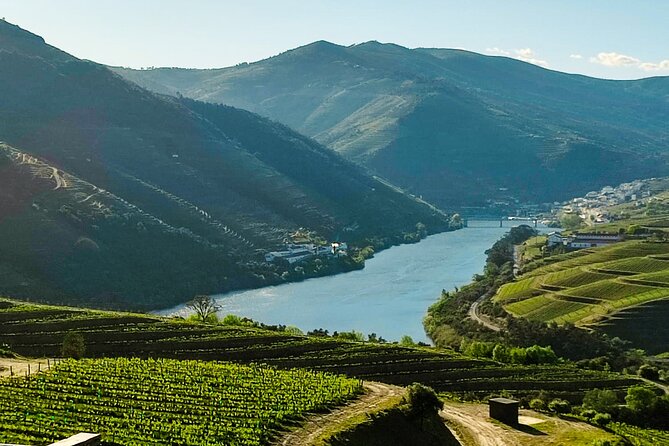
There’s a scenic road segment on the way to lunch and the next stops. You’ll travel on the N222, and the route’s first half runs side by side with the Douro River.
This “on the road” time matters more than you might think. It’s easy for a day trip to become a series of isolated photo stops. Here, the drive along the river keeps the geography moving. You can also hear more history about the Douro Wine Region during the ride, which helps tie together the earlier geography lesson with what you’re about to experience in the home and interpretive parts of the day.
If you like explanations as you move through places, this segment is a strong bridge between the river and the family lunch.
Centro Interpretativo and the family home lunch
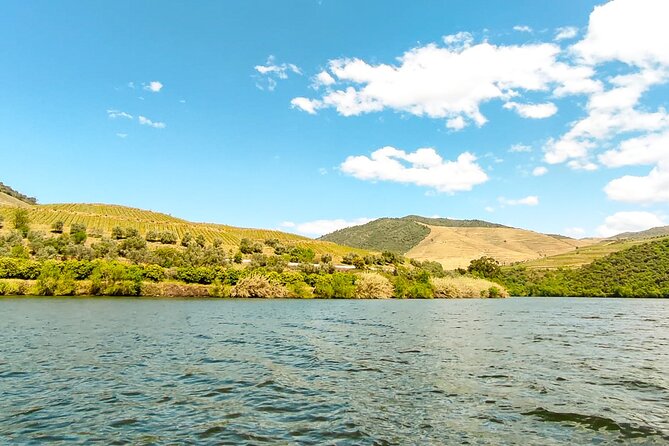
Now you get the part that feels the most like a visit, not a tour. The itinerary includes the Centro Interpretativo – As Idades da Terra, and then you’ll have lunch at a home cooked by the host’s mom. The family is described as running the day: the mom cooks, the dad hosts, and you’ll also have olives and olive oil during the meal.
Two details I especially like here:
- You can choose the traditional meal you want beforehand. That’s a practical touch that helps you enjoy lunch without surprises.
- Lunch is not treated as a vending-machine pause. It’s an event, hosted in a home setting, with the family sharing context.
You’ll spend about 2 hours in this middle stretch, which usually gives enough time to eat, talk, and switch gears before the next tasting. It’s also where the tour’s theme comes through—roots and history aren’t just facts on a screen. They’re part of how people live, cook, and explain what came before.
One consideration: because this is a home-style lunch and activity flow, there may be fewer “sit and scroll” breaks than you’d get on a more commercial itinerary. If you love conversation and learning at a human pace, you’ll likely enjoy it.
Ceramics at the studio: hands-on breaks the wine day up
After lunch, the day includes a visit to the ceramic studio. In the pottery activity described in the experience, you can even throw some clay—hands-on, fun, and a welcome break from tasting and looking.
This is one of the best “value-per-minute” parts of the whole itinerary. Wine days can start to feel repetitive: taste, nod, move on. Ceramics resets your attention. You’re doing something with your hands, not just listening or sipping.
It also adds a deeper layer to the day’s theme. The Douro is known for wine, yes, but the region is also known for craft traditions tied to daily life. When you make something yourself—even something small—it makes the later cultural explanations feel more grounded.
Wear what you’re comfortable getting a bit messy in, just in case the clay needs a little forgiving.
Cumieira winery visit and your second tasting of the day
Later, you’ll reach Cumieira for the last winery visit and wine tasting. This tasting is listed as approximately 1 hour 30 minutes and may be shared, where you’ll try another 4 different wines.
This second tasting is a strong closer because it creates a clear before-and-after. Early in the day you tasted near Pinhão after the boat. Now you taste again after the interpretive/history and home lunch parts, with your understanding more complete. If you pay attention, you’ll likely notice how your perception of the wines changes once you understand more about the region’s geography and the day’s context.
One practical tip: pace yourself. You still have to enjoy the ride back to Porto, and you’re not just finishing in a tasting room. If you want to remember details later, take a moment after each tasting to note which flavors you liked and why. It helps turn “tasted many wines” into “I understood these differences.”
Getting back to Porto: plan for a full, satisfying day
The final step is the return to your accommodation in Porto, with about 1 hour allotted for the drive back from the last stops.
Because the tour runs 9–11 hours total, I recommend treating this like your main event day. If you pack other plans the same evening, keep them flexible. You’ll likely feel the day in your legs and your head—great tired, but tired.
Also note the style of the experience: it’s private in the sense that your group is the only group participating on the tour, but some activities (like the boat and possibly the second tasting) can be shared with others. That’s not a problem; it just means you’ll still get the calm pace of the river and the winery settings without being “in a crowd all day.”
Price and value: what you’re paying for
At $402.19 per person, this isn’t the cheapest day trip. So the real question is what you’re getting for that money.
Here’s what’s included in the plan’s value pieces:
- Pickup and transport from Porto
- Boat tour on the Douro (shared) on a rabelo boat
- Multiple winery tastings: a first tasting of 4 wines and a later tasting of 4 wines
- A home lunch cooked by the host’s mom, with traditional food plus olives and olive oil
- Ceramic studio time with a hands-on pottery activity
- The Centro Interpretativo stop and on-the-road history context
When you total up those components, the price makes more sense. You’re not paying just for views; you’re paying for access—access to boats, wineries, a home meal, and a working ceramics studio, all arranged with a local guide. And you’re doing it in one coherent day rather than trying to stitch together half a dozen bookings on your own.
If your ideal Douro day includes wine and scenery but you also want people and culture, this is usually the better use of time. If you only want the quickest highlights and zero extra stops, you might decide it’s more than you need.
Who should book this Douro Roots & History tour?
This fits best if you:
- Want wine and a boat ride, but also want context and family-style hospitality
- Like hands-on breaks, like the ceramic studio portion
- Enjoy learning through stories tied to places you’re actually seeing that day
- Prefer a private tour feel, even if one or two activities are shared
It might be less ideal if you:
- Want a very light day with lots of downtime
- Dislike wine tastings or want a day with no meals included
- Get uncomfortable with early starts and long driving days
Should you book it?
Yes, if you’re aiming for a Douro day that feels lived-in and explained, not just photographed. The combination of a rabelo boat ride, two structured tastings, a home lunch hosted by the family, and the ceramic studio activity is exactly the kind of mix that turns a region trip into a memory.
If you’re the type who likes structure, you’ll appreciate the stop order and pacing. If you like authenticity, the family home lunch and ceramics add real texture. Just go in knowing it’s a full day, and it’s built around wine and learning, not a relaxed half-day browse.
FAQ
How long is the Douro Roots & History tour?
It runs about 9 to 11 hours, starting at 8:00am and finishing with a return to Porto.
Is pickup included from Porto?
Yes. Pickup is offered, and the tour picks you up in your accommodation.
Is the tour private?
It’s private in the sense that only your group participates in the tour.
What language is the tour offered in?
It is offered in English.
What activities are included during the day?
The day includes a Douro Valley drive with introductions, a viewpoint above Pinhão, a shared rabelo boat ride, two winery tastings (4 wines each), lunch at a home cooked by the host’s mom, a ceramics studio visit/activity, and an interpretive center stop.
How long is the boat tour and what boat is used?
The Douro River boat tour is about 40 minutes and takes place on a shared rabelo boat.
Can I get a full refund if I cancel?
Yes. You can cancel for free up to 24 hours in advance for a full refund. If you cancel less than 24 hours before the start time, the amount paid is not refunded.