REVIEW · PORTO
Walking tour discover Porto’s center in German (max. 12 pax)
Book on GetYourGuide →Operated by Portoentdecken · Bookable on GetYourGuide
Porto clicks faster when someone explains it in German. This small-group walk (max 12) strings together major sights and lesser-known corners, with stories, anecdotes, and a break built into the flow. I especially like the German-guided explanations plus the steady mix of “what you’re seeing” and “why it matters,” which keeps the whole walk from feeling like a checklist.
One note before you book: this tour is not suitable for children under 6 or people over 95, and drinks or snacks are not included during the break.
In This Review
- Key takeaways before you go
- Why a German-language walk through Porto is such good value
- Meeting points, timing, and how the 2 to 3.5 hours feel in real life
- Stop-by-stop: what you’ll actually see and why it’s worth the time
- Starting around Porto City Hall and the Almeida-Garrett zone
- The upper-center route: Infante Sagres and Rua da Galeria de Paris
- Carmelitas Descalcos: a short visit that gives the stop weight
- Livraria Lello and Clérigos Tower: outside views with explanation
- Miradouros in the upper city: Vitória and more
- Palacio da Bolsa and Mercado Ferreira de Borges: the transition toward the river
- Ribeira on the Douro: where the tour turns scenic
- Bairro da Sé and Porto Cathedral: finishing in a quieter historic pocket
- The real value: what you get beyond photos
- Who this tour suits best (and who should skip it)
- Practical tips so you enjoy the full 3.5 hours
- Should you book Discover Porto’s center in German?
- FAQ
- Is the tour guided in German?
- How long is Discover Porto’s center in German?
- What is the group size?
- Where do we start?
- Where does the tour end?
- Is the visit to Livraria Lello inside the building?
- Are drinks or snacks included during the break?
- Who is the tour not suitable for?
Key takeaways before you go
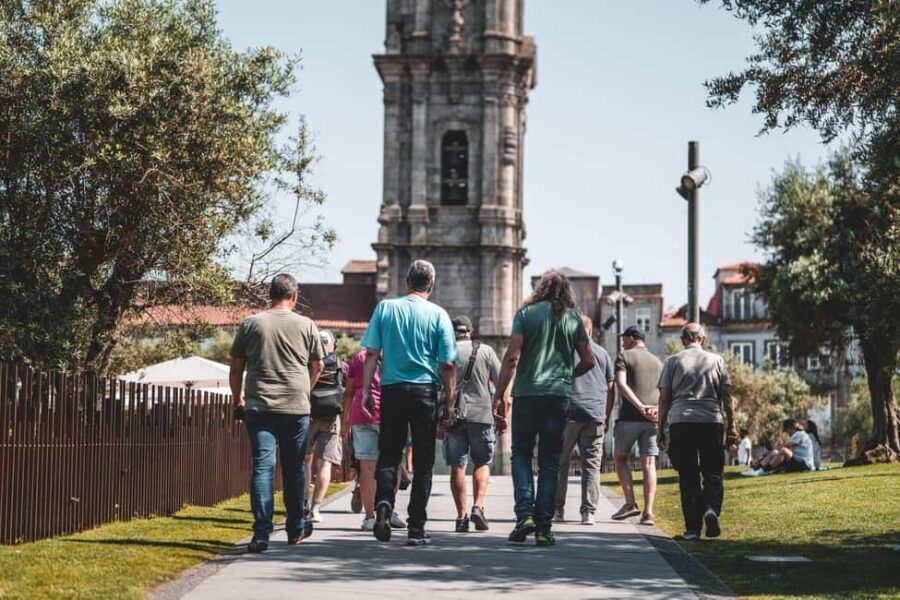
- Max 12 people means you’ll actually hear the guide and ask questions as you move.
- German-only live guide helps you understand Porto’s history and street-level details without guessing.
- Viewpoints in the middle of the walk (Baixa/Gaia views, plus multiple miradouros) make the hills feel worth it.
- Ribeira on the Douro is built into the route, so you get the river at walking pace, not from a bus window.
- Outdoor sightseeing for big landmarks keeps the timing smooth and avoids turning the day into waiting.
- You get a summarized document at the end, with helpful suggestions for what to do before and after your tour.
Why a German-language walk through Porto is such good value
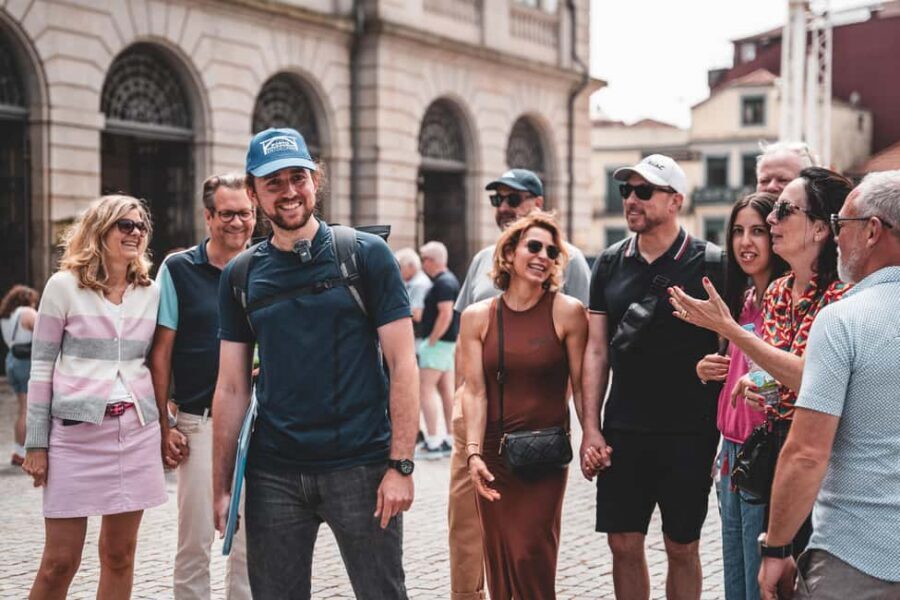
If your main goal is to get your bearings fast, this type of tour does the job. Porto’s center can feel like a mix of steep streets, viewpoints, and sudden squares. With a German-speaking guide, you’re not just watching architecture—you’re getting explanations as you walk, in plain language, right when the view makes sense.
I also like that this isn’t only “famous monuments.” The route is built around hidden alleys and real street life in different neighborhoods, plus a steady stream of insider tips for places to eat and drink that don’t sound inflated for tourists. Even if you’re only in Porto for a short visit, you’ll leave with a clearer sense of where things are and what areas you’d want to revisit on your own.
The small group size (maximum 12) matters more than it sounds. Porto is compact, but it’s not flat. In a big group, you lose time slowing down for pictures and waiting at crossings. Here, the pacing feels manageable.
You can also read our reviews of more walking tours in Porto

Meeting points, timing, and how the 2 to 3.5 hours feel in real life
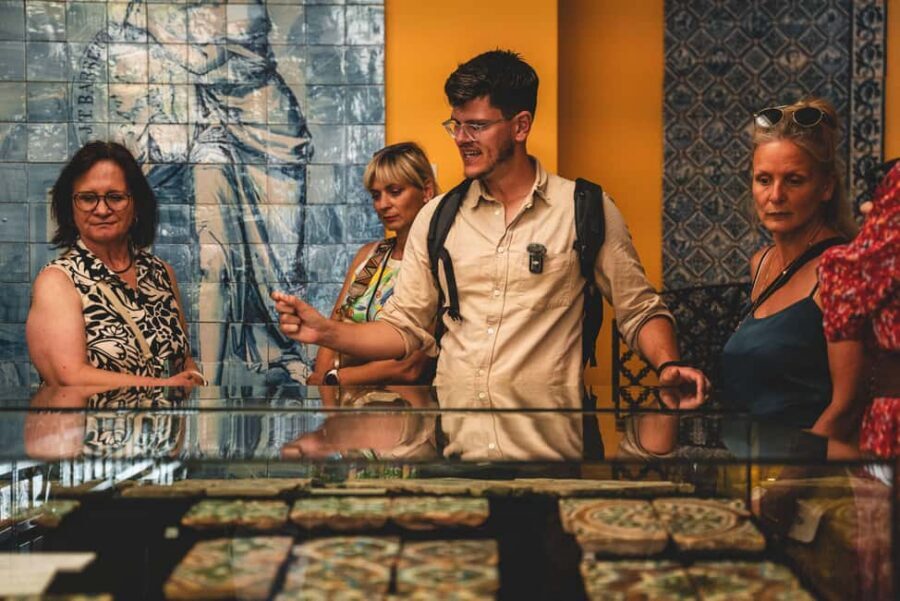
The walk typically lasts up to about 3.5 hours, though the schedule can vary—so it’s smart to check available starting times. You’ll meet at one of two places, depending on the option booked: either the Monumento a Almeida Garrett or the Monumento aos Mortos da Grande Guerra.
From there, the tour begins with introductory context around the city and Portugal. The first segment is aimed at the upper city center, so you start with key orientation points instead of jumping straight to the river. You’ll also get a break during the experience.
At the end, you don’t return to the exact same spot automatically. The tour finishes back at the meeting point, but the drop-off area you’ll reach includes Porto Cathedral (Kathedrale von Porto) as a noted ending point. In practice, this is helpful if you’re planning to keep exploring the Sé area after.
Because the tour is walking-heavy and includes viewpoints, you’ll want comfortable shoes and a calm pace. If you’re thinking about it as a “photo tour,” go for it. If you’re thinking it as a “sit and listen” tour, you may find it less suitable.
Stop-by-stop: what you’ll actually see and why it’s worth the time
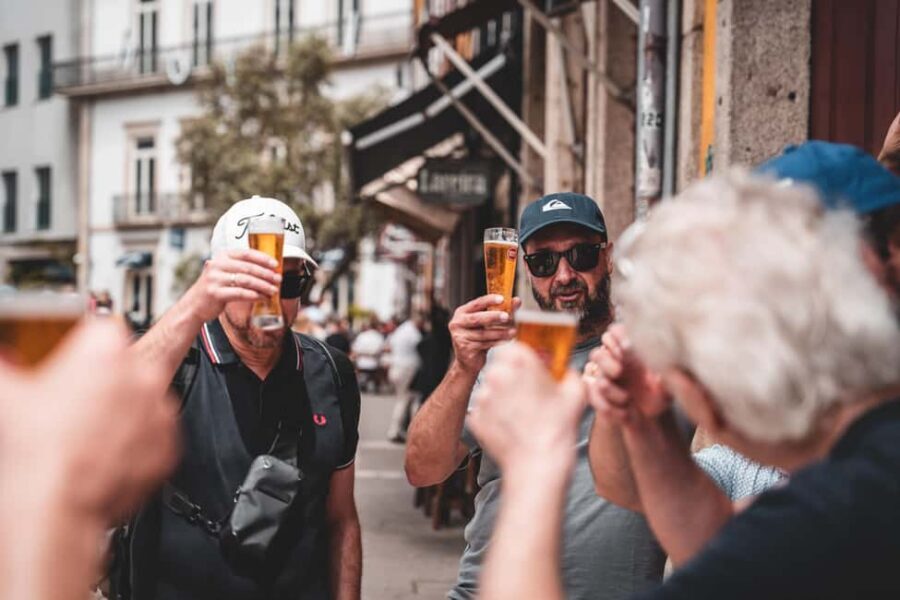
Starting around Porto City Hall and the Almeida-Garrett zone
The tour kicks off around the monument to Almeida-Garret and the Porto City Hall area. This is a smart way to begin. You get early context about the city and the country, so later stops don’t feel random. Your guide also shares top tips for going out and what to prioritize in the upper center.
You’ll then move through winding streets where the architecture and street layout start telling a story: Porto’s different layers, and how the city flows from civic spaces toward viewpoints and down to the river. Even if you’ve already walked around a bit on your own, having that narrative guide turns it from sightseeing into orientation.
The upper-center route: Infante Sagres and Rua da Galeria de Paris
Next comes a stretch that’s more about “living streets” than big-ticket monuments. You pass areas like Infante Sagres and walk with explanations along streets such as R. da Galeria de Paris 117. The value here is how your guide connects the dots—what you’re looking at and how it links to Porto’s bigger picture.
This segment is also where insider advice usually pays off. You get suggestions for restaurants, bars, and cafés for typical Portuguese food and drink, with prices that aim to avoid the tourist markups. It’s the kind of practical guidance that helps you eat better for the rest of your stay.




Carmelitas Descalcos: a short visit that gives the stop weight
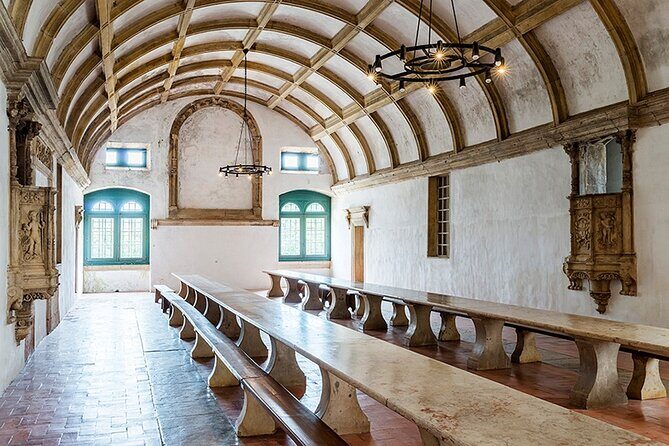
You’ll spend about 10 minutes at Igreja dos Carmelitas Descalcos. A timed visit like this is useful for two reasons. First, it prevents the tour from dragging. Second, it gives you a real break in the middle of the walk without losing the overall rhythm.
A short church visit is also a good reset for Porto’s hills. Even if you’re not the kind of person who wants every interior, the guide’s context is meant to make the building and its place in the city feel more grounded.
Livraria Lello and Clérigos Tower: outside views with explanation
Two of the most recognizable names on the route are Livraria Lello & Irmão and Clérigos Tower—both mainly seen from the outside here, which keeps the timing practical.
You’ll reach these through the Praça de Lisboa (Passeio dos Clérigos) area and then toward the Clérigos zone. Your guide uses these stops to talk about how different parts of the city developed, and how visitors usually miss the best angles. Since the route includes viewpoints, you’re not stuck staring at the same wall.
This also means you’re not spending your time in lines. You get the sight, the story, and then you move—always toward the next “okay, that’s a better view” moment.
Miradouros in the upper city: Vitória and more
Porto has viewpoints, and this tour uses them on purpose. You’ll include Miradouro Vitória after the Clérigos area, and later you’ll also reach Miradouro Barredo e Jano, Largo da Pena Vento, and Rua das Aldas Viewpoint.
Why this works: when you hit a viewpoint in the middle of a guided walk, you understand what you’re seeing below. You’re not looking at a random panorama. The guide has already pointed out the direction of the city, the flow toward the river, and what areas mean, so the view becomes part of the lesson.
If you like taking photos, bring patience. These are spots where the best pictures usually take a minute—especially if the crowd shifts around. In a group of up to 12, you can usually work around timing without feeling rushed.
Palacio da Bolsa and Mercado Ferreira de Borges: the transition toward the river
As the tour heads toward the lower districts, you’ll visit key landmarks such as Palácio da Bolsa (from the outside) and pass Mercado Ferreira de Borges. Even without going inside, these stops help you understand the city’s “importance spaces” and everyday spaces side-by-side.
This is a useful approach if you’re trying to balance highlights with local life. Palácio da Bolsa gives you the grand-stone feel people associate with Porto. Mercado Ferreira de Borges brings you back down to earth—an in-between step before the big reveal of Ribeira.
Ribeira on the Douro: where the tour turns scenic
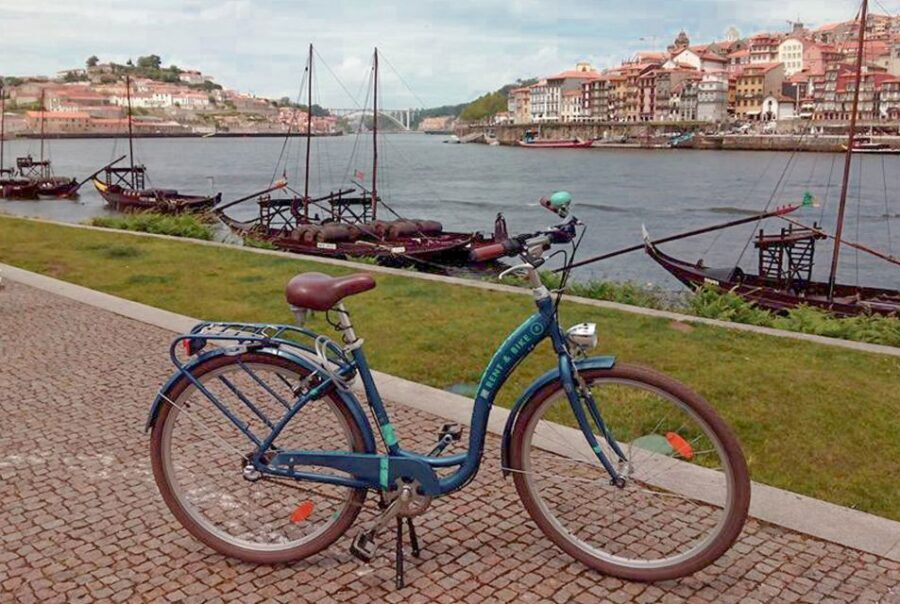
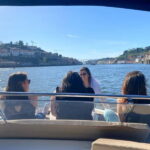
Then you reach Ribeira, right by the Douro River. This part is more than postcard scenery. Your guide gives you context about the river area and the way Porto relates to it. And importantly, you’ll have time to enjoy that feeling of being truly on the water’s edge.
Across the river, you’ll see port wine cellars. That detail helps anchor Porto’s identity. Even if you don’t go into any cellar today, seeing the setup from Ribeira makes the wine story feel connected to the city, not like it belongs to another world.
This is often the most relaxing portion of the walk. You’re not just moving between attractions. You’re pausing, looking, and letting the river change the pace of your day.
Bairro da Sé and Porto Cathedral: finishing in a quieter historic pocket
The last phase brings you into the area below the cathedral—the Bairro da Sé and the Sé district—and you’ll end near Porto Cathedral (Kathedrale von Porto).
The guide’s message here is clear: this is an older pocket of Porto where tourism hasn’t fully taken over the atmosphere. You’ll get explanations and viewpoints connected to the cathedral area, plus the walk’s final “okay, now I get how Porto sits on itself” moment.
If you want to keep exploring after the tour, this ending location helps. It puts you where the streets are tight, the views still matter, and you can easily extend your walk on your own.
The real value: what you get beyond photos
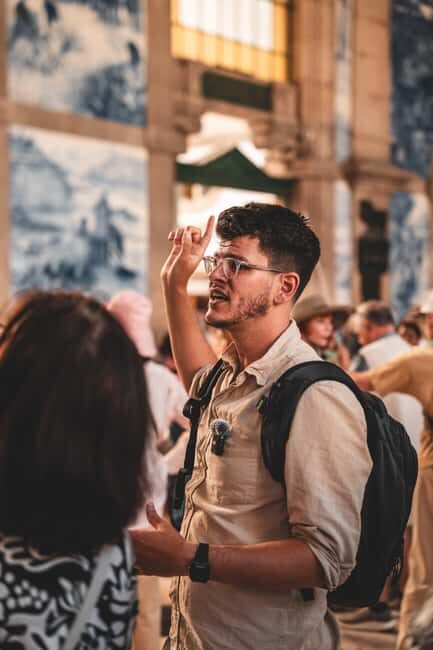
This isn’t only about ticking off sights. The best value is the “what to do next” layer.
You’ll get:
- explanations in German about the city and Portugal
- tips for restaurants, bars, cafés, and general going-out ideas
- a summarized document at the end with helpful suggestions for your stay
- cultural and historical context tied directly to what you’re standing next to
Also, the tour is described as individualized in feel. That doesn’t mean you’ll be sent off alone. It means your guide can adjust the emphasis—whether you care more about history, social life, or the best spots to pause for views.
And there’s one more practical advantage: outside-only sightseeing at major places keeps the tour realistic for a 2 to 3.5 hour window. You’re less likely to burn half the time waiting, and more likely to leave with a balanced sense of what to prioritize later.
Who this tour suits best (and who should skip it)
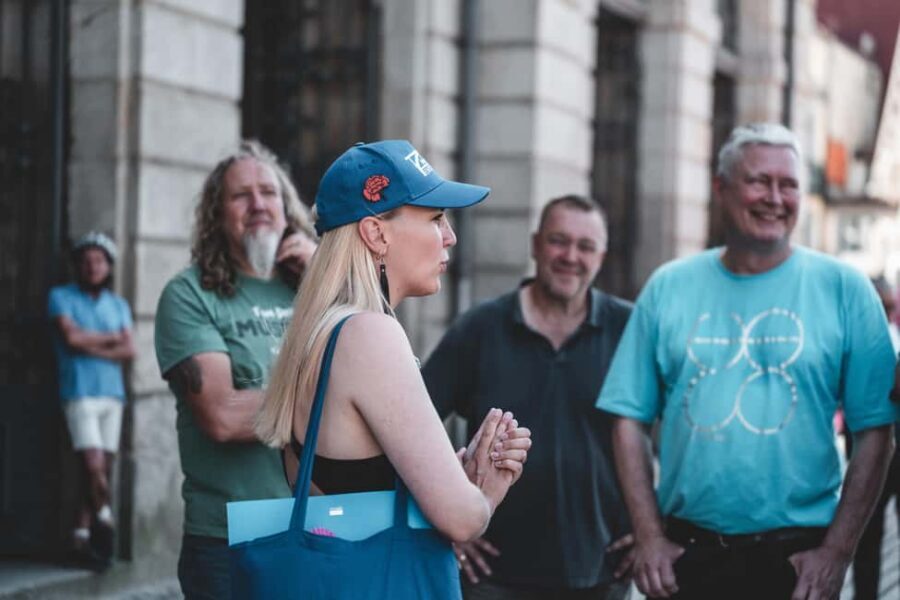
This is a great fit if:
- you want a German-language introduction to central Porto
- you prefer a small group over crowded walking tours
- you like your sightseeing with stories and background, not just facts
- you’d rather learn the city’s structure through walking than through a map
It may be less suitable if:
- you need a very seated experience (this is walking with viewpoints)
- you’re traveling with very young children under 6 or if you’re over 95
Practical tips so you enjoy the full 3.5 hours
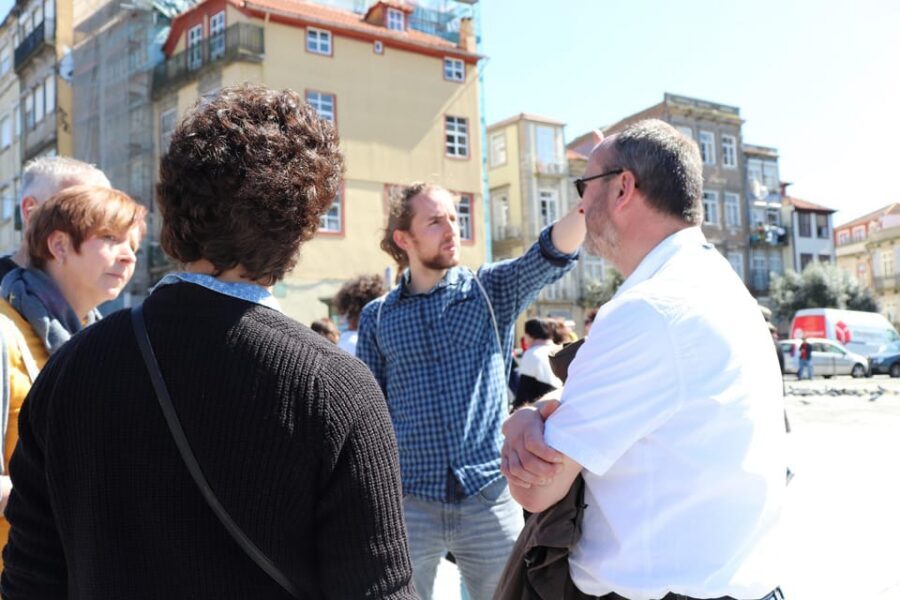
- Plan for walking and hills. Porto’s center is scenic, but your legs will do most of the work.
- Bring water and expect the break to be a break, not a meal. Drinks or snacks are not included.
- Use the viewpoint stops as your photo targets. If you try to take every picture at every turn, you’ll lose the joy.
- If you’re hungry after, use your guide’s restaurant tips soon. They’re time-sensitive in the sense that where you want to eat depends on what part of the city you’re in next.
Should you book Discover Porto’s center in German?
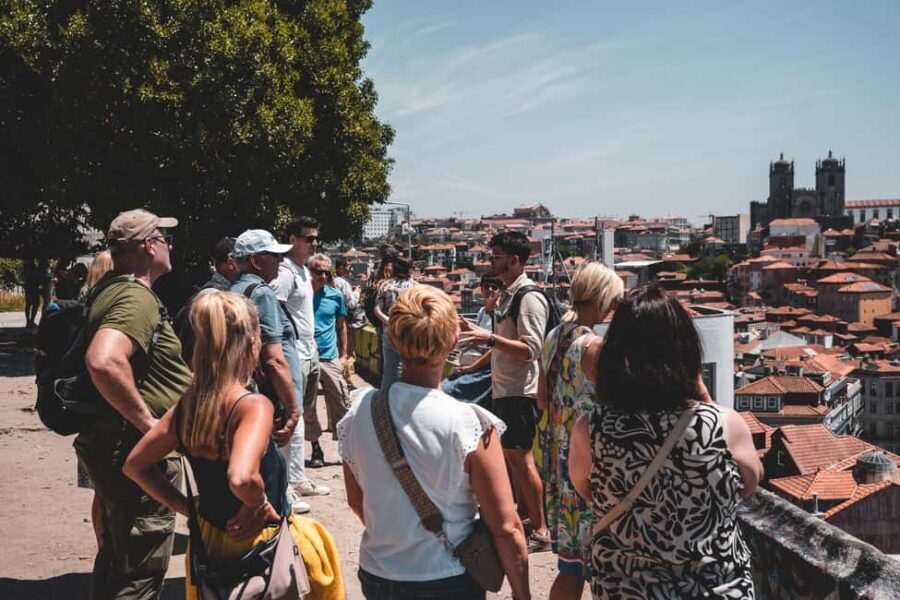
I’d book it if you want an efficient, German-led orientation that mixes major landmarks with the side streets that make Porto feel like a real city. The combination of small group size, multiple viewpoints, and river time along the Douro is a strong value for a single half-day.
Skip it only if you don’t handle walking well or if the age suitability limits apply. If you’re comfortable moving on foot and you want your Porto explained in German, this is the kind of tour that leaves you ready to explore on your own afterward.
FAQ
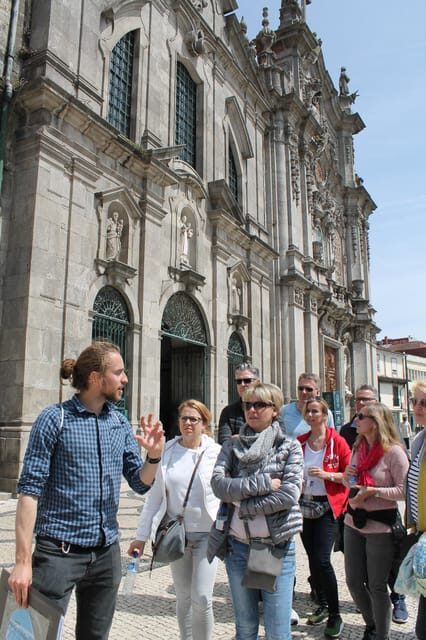
Is the tour guided in German?
Yes. The tour is a live guided experience in German with an experienced guide.
How long is Discover Porto’s center in German?
The duration is listed as 2 to 3.5 hours. The exact time depends on the starting time available.
What is the group size?
The tour is a small-group format with a maximum of 12 people.
Where do we start?
You start at one of two meeting options: the Monumento a Almeida Garrett or the Monumento aos Mortos da Grande Guerra (depending on which option you book).
Where does the tour end?
The activity ends back at the meeting point, and the route includes drop-off options connected to Porto Cathedral (Kathedrale von Porto / Porto Cathedral).
Is the visit to Livraria Lello inside the building?
The tour describes Livraria Lello as seen from the outside.
Are drinks or snacks included during the break?
No. Drinks or snacks are not included.
Who is the tour not suitable for?
The tour is not suitable for children under 6 years and not suitable for people over 95 years.