REVIEW · PORTO
Porto: Guided Walking Tour and Lello Bookshop
Book on GetYourGuide →Operated by Porto Xperience Tours · Bookable on GetYourGuide
Porto hits you with answers fast. I like this tour for the tight, walkable route that connects medieval Porto to its later flourishes, with guides such as Barbara Sousa who make the facts feel personal. I also love the finish at Livraria Lello, where the skip-the-line setup turns a chaotic stop into a calmer, more enjoyable visit. The one drawback to plan for: you cover a lot of ground in 3 hours, so you’re not getting a long, slow sit-down at every monument.
What you’re really buying is direction. The guide helps you read Porto while you walk, including the stories behind the Cathedral area, the tiled art at São Bento, and even the workhorse role of the wooden rabelo boats on the Douro.
In This Review
- Key Things You’ll Notice on This Porto Walk
- Why This 3-Hour Porto Walk Works on Your First (or Second) Day
- Getting Started: Where You’ll Meet and Why It Matters
- Sé (Porto Cathedral Area): Medieval Porto in Your First 20 Minutes
- Old Streets, Key Churches, and Bolhão Market: Porto’s Daily Rhythm
- São Bento Station: Reading the Tiles Like a Story
- Clérigos Church and Avenida dos Aliados: Two Sides of Public Porto
- Livraria Lello: How to Enjoy Porto’s Most Famous Bookshop
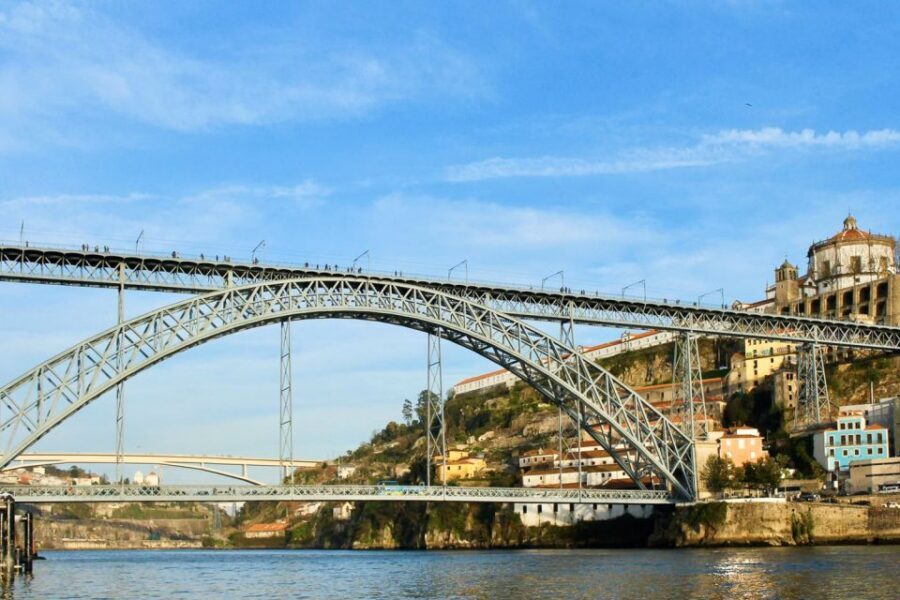
- The Douro River Connection: Rabelo Boats and Why They Mattered
- The Real Secret Sauce: Your Guide and Small-Group Flow
- Price and Value: Is $70 Worth It?
- Who This Porto Xperience Fits Best
- Should You Book This Tour?
- FAQ
- How long is the Porto guided walking tour?
- How much does it cost?
- Is this a small-group tour?
- What languages are the guides available in?
- Where do I meet the guide?
- Are entrance fees included?
- Do I skip the line at Livraria Lello?
- Is there a voucher for the bookshop?
- What should I bring?
- What happens if weather is bad?
Key Things You’ll Notice on This Porto Walk
- A 3-hour “get oriented” route through major sights without feeling like a sprint
- Sé Cathedral + old lanes that show you what Porto looked like before the big boulevards
- São Bento’s blue-and-white tiles, explained so you can actually understand what you’re seeing
- Lello Bookshop with express entry, plus a voucher included for your visit
- Rabelo boat stories that connect Porto to the Douro River’s centuries of trade
- Small-group pacing that makes it easier to ask questions and adjust on the fly
Why This 3-Hour Porto Walk Works on Your First (or Second) Day

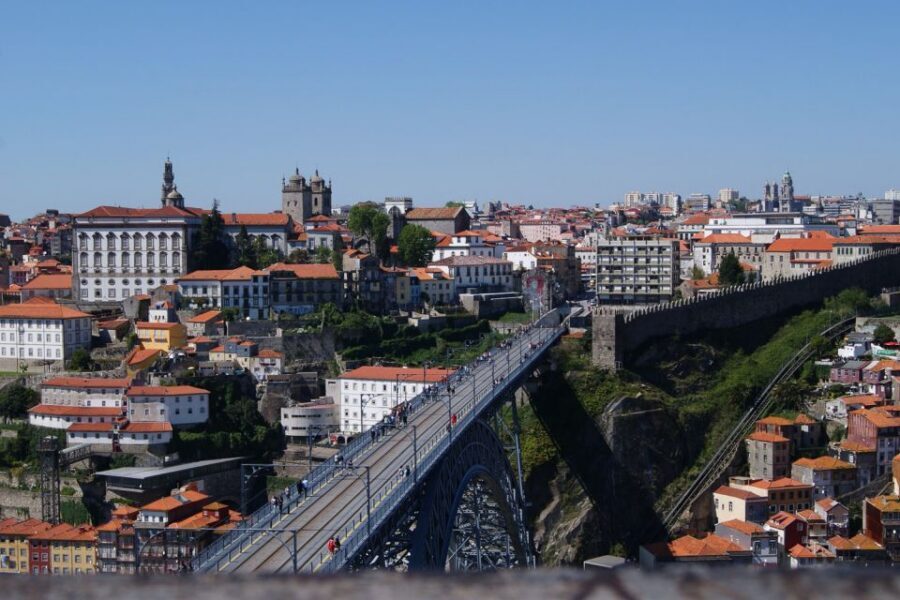
If Porto is your first stop on a Portugal trip, you’ll appreciate how quickly this tour gives you the layout of the city. In just 3 hours, you’re guided from the medieval core into the city’s “public rooms” (stations, avenues, churches), and you end at the most famous bookshop in town.
I also like that the pace is friendly. Multiple guides get praised for keeping the walk relaxed and readable, even in rain. That matters because Porto’s streets can be uneven, and a rushed group makes history harder to enjoy.
Finally, the payoff is practical: by the time you step back onto your own schedule, you’ll know what you want to return to. Guides often point out things you can miss on your own, like why certain details at major landmarks matter.
You can also read our reviews of more walking tours in Porto



Getting Started: Where You’ll Meet and Why It Matters
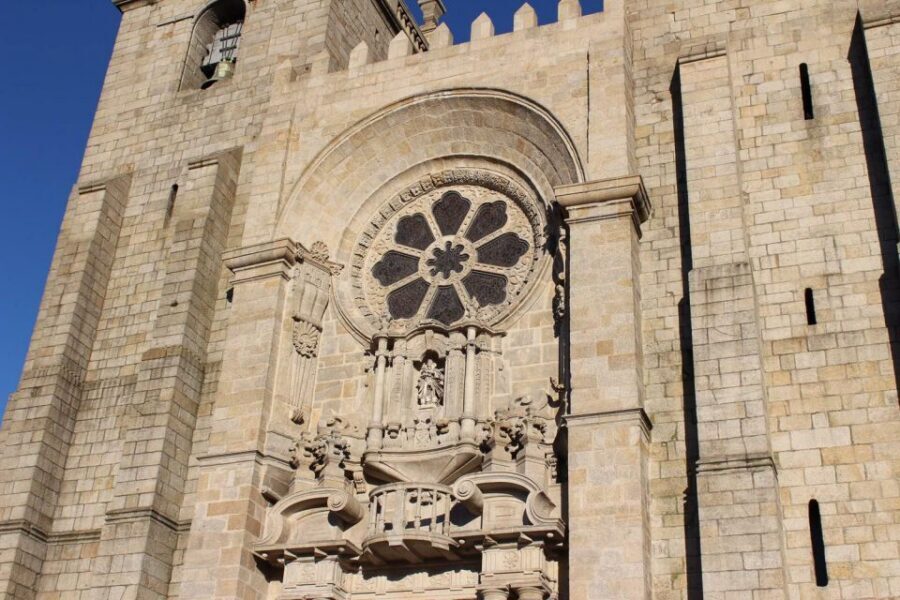
Your meeting point can vary depending on the option booked. The start is tied to the Porto Cathedral area (Sé) and nearby landmarks such as Terreiro da Sé—and the route connects smoothly from there.
This is more important than it sounds. If you’re trying to time your day around train arrivals or a late hotel check-in, starting near the Sé area or along the route that leads to São Bento makes the walk feel easier. You won’t have to cross the whole city just to “begin.”
Also, wear shoes you trust. People repeatedly call out comfortable footwear, and it’s a walking tour with multiple church stops and a train station visit—so you’ll want to stay comfortable through the whole stretch.
Sé (Porto Cathedral Area): Medieval Porto in Your First 20 Minutes
You’ll begin at Sé, Porto, near the Cathedral zone, and that’s a smart first choice. This area is old—properly old—and it sets the tone for the rest of your walk. When you start here, later stops like broad avenues and major civic buildings make more sense.
In the Cathedral surroundings, your guide typically frames Porto’s development: how the city grew, why the old quarter looks the way it does, and how later centuries layered new styles over older streets. Even if you only glance at façades from the sidewalk, the guide’s context helps you spot what’s significant.
One thing to keep in mind: the Cathedral area is busy in a very normal city way, so expect crowds around the most photographed corners. If you’re sensitive to crowds, plan to take photos quickly and let the guide do the talking.
Old Streets, Key Churches, and Bolhão Market: Porto’s Daily Rhythm
After the start, the walk leans into the parts of Porto you’d otherwise pass without understanding. You’ll see a mix of major religious buildings and neighborhood landmarks, including Carmo and Carmelitas churches and Bolhão Market.
Here’s what I like about this segment: it isn’t just “look at the pretty church.” Your guide connects buildings to how Porto worked—where people gathered, how communities formed, and how the city’s identity shifted over time. That’s the difference between taking snapshots and actually learning the place.
Bolhão Market is a good reality check. It reminds you Porto isn’t only monuments. Markets are where the city’s everyday life shows up in plain sight. Even if you don’t stop to shop, it’s a useful contrast to the grander stops.
Potential drawback: if you’re hoping for lots of long interior time in every church, this portion may feel “see and move on.” The tour is designed for overview, not for deep, slow museum-level visits. If you want extra time inside, you’ll likely come back later on your own.
São Bento Station: Reading the Tiles Like a Story
Then comes one of the most memorable “wait, what am I looking at?” moments: São Bento Station. The train station tiles are famous, but the real value here is that your guide explains the meaning behind what you see.
Instead of standing in front of the panels like they’re just decoration, you’ll understand how the scenes connect to events and identity. You start noticing patterns: what’s emphasized, what’s symbolic, and how the artwork turns history into a visual timeline.
It’s also a great stop for photos without feeling like you’re fighting for the best angle constantly. Plan to look up as much as you look forward. Some of the details are easier to catch when you’re not only focused on train platforms.
If it’s raining, this part still works well because the station is indoors. It’s one of those Porto moments where weather matters less than the storytelling.
You can also read our reviews of more guided tours in Porto



Clérigos Church and Avenida dos Aliados: Two Sides of Public Porto
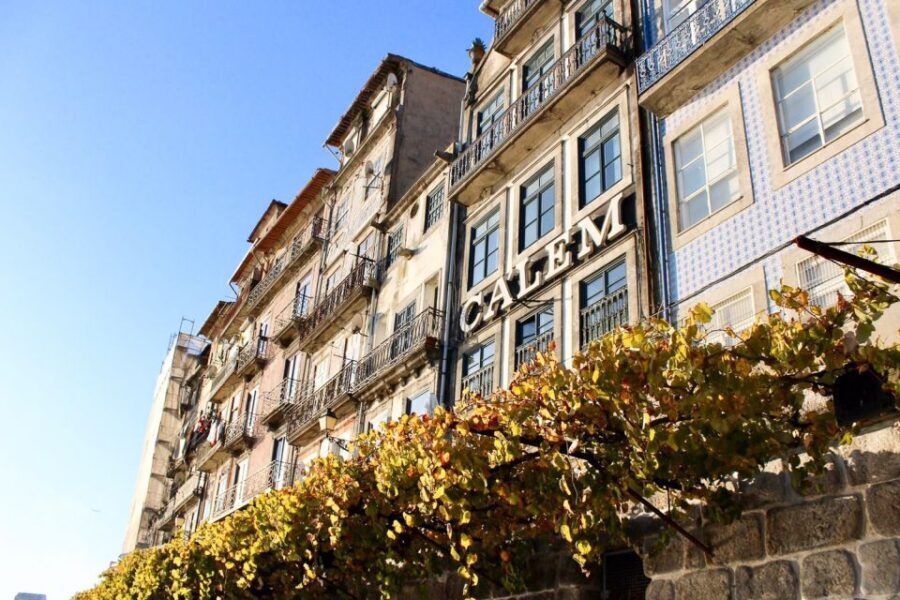
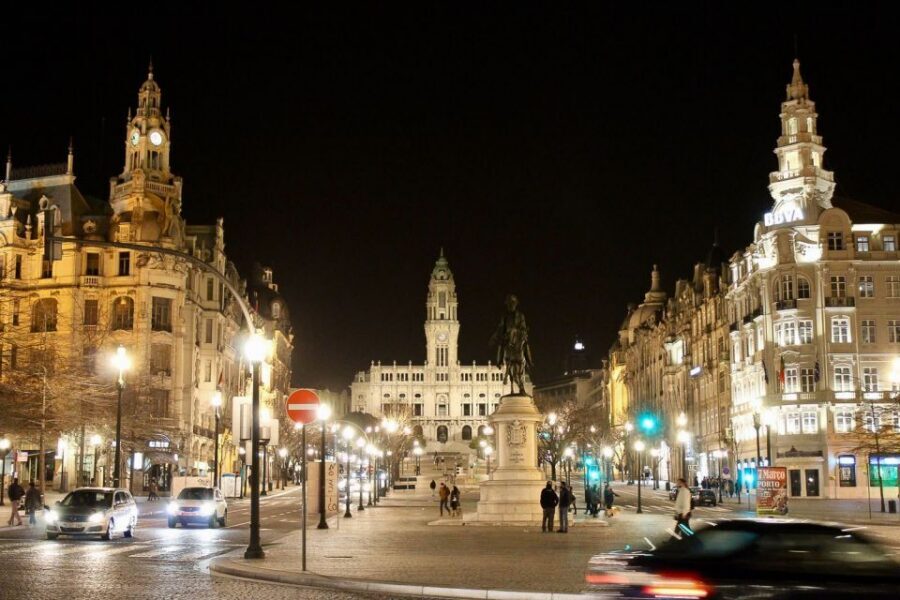
As you move toward Avenida dos Aliados and make stops near Clérigos Church, you’re seeing Porto’s “stage.” This is where the city’s layout starts to feel more formal and planned, compared with the older lanes.
Avenida dos Aliados is a great place to calibrate your mental map. It helps you understand how Porto directs people: where civic energy gathers, where people walk when they want movement, and how streets connect major points in the city.
Clérigos is a classic Porto landmark. Your guide’s job here is to connect it to the city’s later growth and the way religious architecture became a public statement. Even if you don’t climb anything, the story gives weight to the architecture.
Practical tip: this section is also where the walk can feel a bit more “city traffic,” meaning you’ll want to keep your eyes on the sidewalk edges and crosswalks. It’s not dangerous, just normal big-city navigation.
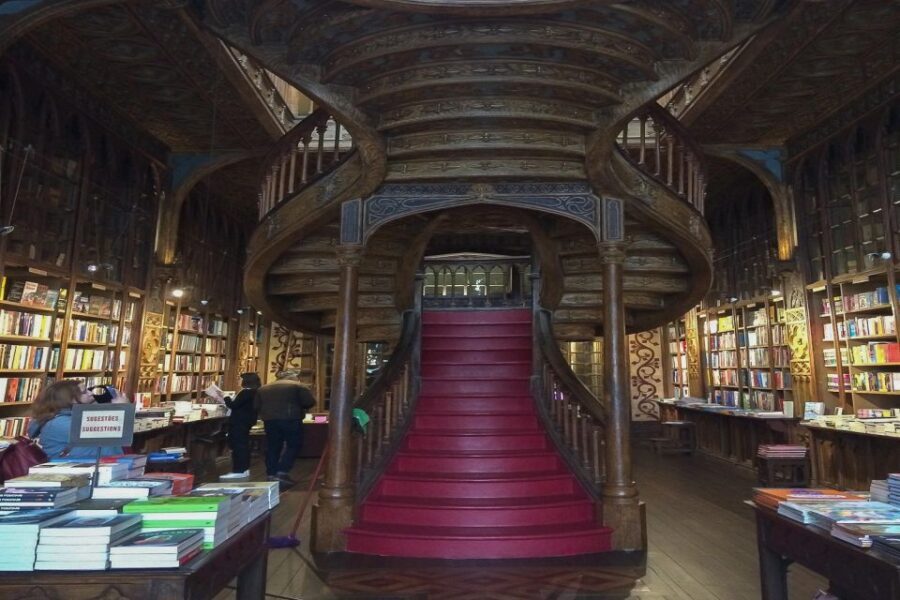
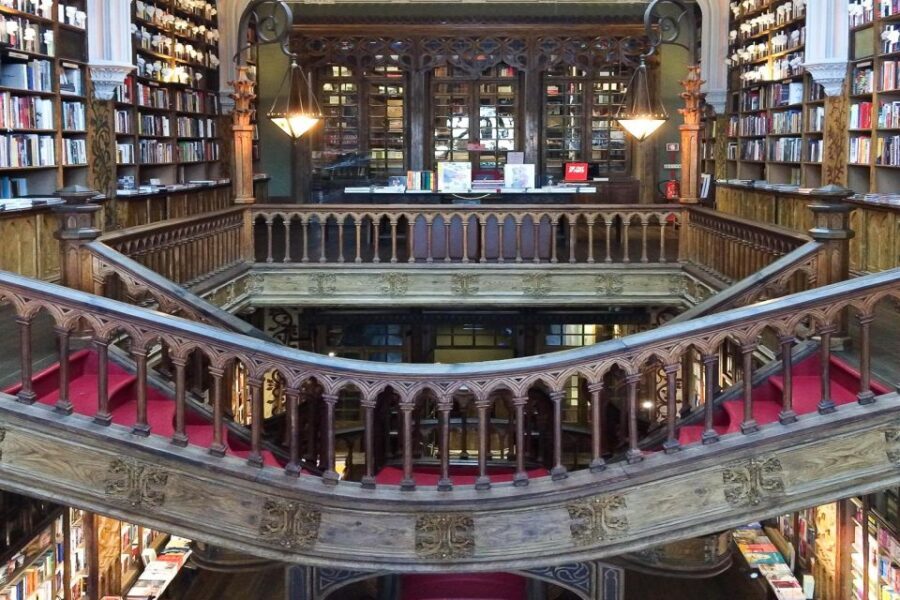
Livraria Lello: How to Enjoy Porto’s Most Famous Bookshop
The tour ends at Livraria Lello & Irmão, and that’s where the experience turns from sightseeing to something you can savor. You get skip-the-line access via express security, which is a huge deal because Lello can be packed.
I like this approach because it respects your time. If you arrived on your own, you might spend too long waiting just to step inside. Here, the tour handles the bottleneck so you can focus on the interior.
Your guide helps you notice details in the shop’s design, and you’ll see why it’s often called one of the most beautiful libraries in the world. The interior is the point. Give yourself a few quiet minutes to look upward and around before you start photographing everything like a tourist-shaped robot.
Also, the tour includes a Lello voucher. That’s worth paying attention to if you want to buy a book or souvenir. Bring a little cash or card readiness so you’re not stuck deciding at the register after you’re already committed emotionally to a purchase.
One thing to consider: because it’s a famous stop, it can be crowded when you arrive. That’s not a fault of the tour—it’s just reality. What helps is that you’re there with a plan and time built around getting inside.
The Douro River Connection: Rabelo Boats and Why They Mattered
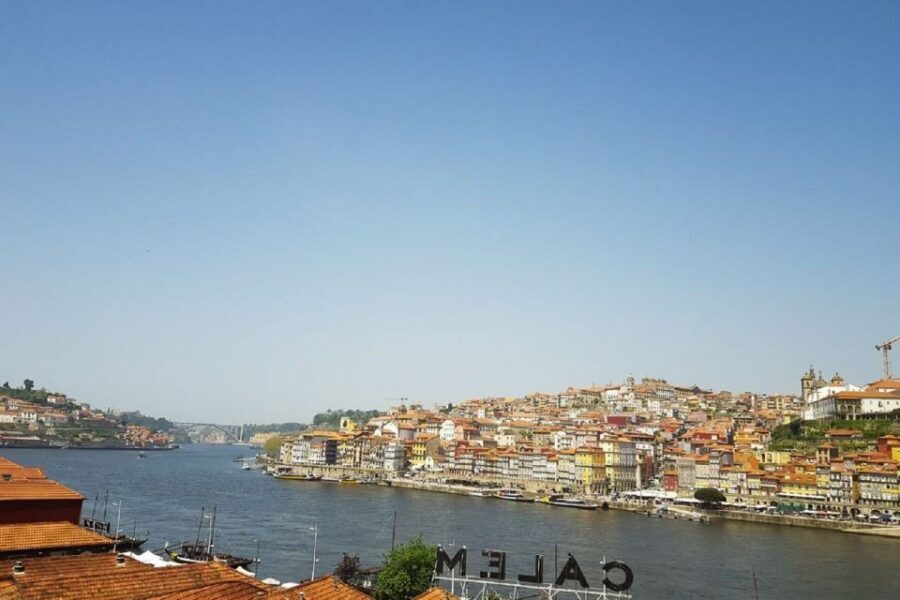
This is the part of the tour that adds meaning to Porto’s waterfront. You’ll learn about rabelo boats, the wooden vessels that for centuries helped transport people and goods along the Douro River.
Even if you’re not doing a full boat trip today, understanding rabelo history changes how you think about Porto’s economy. The city wasn’t shaped just by buildings; it was shaped by trade routes, labor, and river logistics. Your guide ties the story back to what the Douro allowed Porto to do.
And if your route places you where you can see wooden boats or river activity, even briefly, you’ll connect the legend to something physical. It makes the “why” feel less abstract.
This segment also helps you plan future days. If you enjoy the rabelo story, you’ll likely want a Douro cruise later. You’ll know what to watch for and what questions to ask.
The Real Secret Sauce: Your Guide and Small-Group Flow
A lot of people book a walking tour expecting big-name sights. The bigger difference here is how your guide handles the in-between moments: the transitions, the little explanations, the “why does that matter?” bits.
From the many guide styles that show up with this tour, a common thread is confidence and warmth. Names like Oscar, Katarina/Caterina, Paula, Pedro, Rosa, and Daniel come up in feedback for being friendly, funny, and packed with context. Guides also get praised for being patient—especially when weather slows things down or when someone needs a quick clarification.
Small-group format helps too. With a smaller crowd, you’re less likely to get stuck behind ten people who refuse to stop walking. It also makes it easier for the guide to adjust the pace. Some guides even manage to tailor the focus when the group is flexible, which can be perfect if you’re the type who cares more about church details or market life.
Price and Value: Is $70 Worth It?
At $70 per person for a 3-hour small-group walk, the value is in three places: coverage, access, and explanation.
1) Coverage: You’re seeing major landmarks in a concentrated route, including Cathedral area sights, São Bento, civic spaces like Aliados, church stops, market time, and the Lello finish. That saves you planning brain on day one.
2) Access: The tour includes entrance fees and an express, skip-the-line setup at Lello. If you’ve ever tried to enter a famous site with a long queue, you already know why this matters.
3) Explanation: The guide turns visual landmarks into something you can remember. São Bento’s tiles are the standout example. Without context, they’re pretty. With context, they become Porto’s visual storybook.
If you’re the kind of traveler who prefers self-guided wandering only, this might feel pricey. But if you want your time in Porto to feel efficient and meaningful, this price can make sense.
Who This Porto Xperience Fits Best
This tour fits best if you want an orientation day with strong narrative. You’ll probably enjoy it if:
- you like history explained in plain language
- you enjoy photo stops but don’t want them to replace learning
- you want a controlled, comfortable pace (especially in rain)
- you plan to return to one or two places later for deeper time
It might feel less ideal if you’re chasing long interior visits at every stop. This is about seeing, understanding, and moving on so you can build your own second-day plan.
Should You Book This Tour?
I’d book it if your goals are clear: get your bearings fast, understand Porto’s major landmarks, and make it into Livraria Lello without losing your whole morning to lines. The combo of a guided overview plus express access at Lello is a strong value.
I’d hold off if you already know Porto well, or if you’re more interested in only one hyper-specific theme and want to spend extra time inside fewer places.
If you’re on your first trip to Porto, or you just want a smart, guided backbone for your stay, this is a solid way to start.
FAQ
How long is the Porto guided walking tour?
It runs for 3 hours.
How much does it cost?
The price is $70 per person.
Is this a small-group tour?
Yes, it’s listed as a small-group walking tour.
What languages are the guides available in?
The tour is offered in English, Spanish, Portuguese, and French.
Where do I meet the guide?
The meeting point can vary depending on the option booked, and it may include spots around Porto Cathedral / Sé and Terreiro da Sé.
Are entrance fees included?
Yes. Entrance fees are included.
Do I skip the line at Livraria Lello?
Yes. You get a skip-the-line ticket and an express security check.
Is there a voucher for the bookshop?
Yes. The tour includes a Lello Bookshop voucher.
What should I bring?
Bring comfortable shoes and comfortable clothes.
What happens if weather is bad?
Tours could be rescheduled due to availability, and the supplier reserves the right to cancel due to bad weather.