REVIEW · PORTO
Porto: Pastel de Nata Pastry-Making Workshop
Book on GetYourGuide →Operated by Little Bird · Bookable on GetYourGuide
One sweet hour and change in Porto. This small-group pastel de nata workshop is set in the heart of town at Boiler Studio (Rua Chã 77, right by the Cathedral), where you roll the pastry and assemble the egg custard with a friendly instructor in English. You’ll sip a glass of Port wine (or another included drink) while you bake, and you’ll swap tips and stories with other food lovers at the same table.
What I like most is that you get real, usable technique—step-by-step instruction for rolling, filling, and baking—without the class dragging on. Second, the experience feels social in a good way: the hosts I saw mentioned in bookings include Ana, Sarah, Patricia, Maria, Sara, Alice, and Elise, and they’re described as funny and good at keeping everyone involved. One consideration: the dough itself can’t be made during class since it needs about three hours to do properly, so you’ll start with prepared dough and focus on the parts you can nail fast.
If you want a practical souvenir you can actually eat twice—first hot from the oven, then later back in your rental—this is a solid Porto choice.
In This Review
- Key Things That Make This Workshop Worth Your Time
- Boiler Studio by the Cathedral: finding your start point in Porto
- 1.5 hours, max 9 people: the class size that keeps it fun
- The Pastry Plan: what you actually do (and why the dough is pre-made)
- Sip Port wine while you bake: what the drinks add to the lesson
- Rolling, filling, baking: the steps that build confidence for home
- From oven to box: tasting your pastéis de nata and taking more home
- Porto food tips from your host: turning a class into a mini itinerary
- Who this workshop suits best (and who might not love it)
- Price and value check: is $41 fair for this class?
- Should you book this Pastel de Nata workshop?
- FAQ
- How long is the pastel de nata pastry-making workshop?
- What do I learn to make, and how many pastries can I take home?
- Is wine included?
- Is the instruction available in English?
- Do they make the dough during the workshop?
- How big are the groups?
- Are children allowed?
Key Things That Make This Workshop Worth Your Time
- Port wine with baking: you’ll have an included glass (Port wine, wine, or mimosa) while you work
- Hands-on roles in a small group: the pace stays friendly because it’s capped at a maximum of 9 people
- You focus on rolling and custard: the dough is pre-made, so you’re learning the payoff steps
- Oven-fresh tastings plus take-home tarts: you’ll enjoy the pastries and also pack 2 or more to go
- Your host shares Porto food tips: expect local guidance on where to eat in town
- English instruction plus lots of Q&A: you’re given a recipe and guidance you can repeat later
Boiler Studio by the Cathedral: finding your start point in Porto
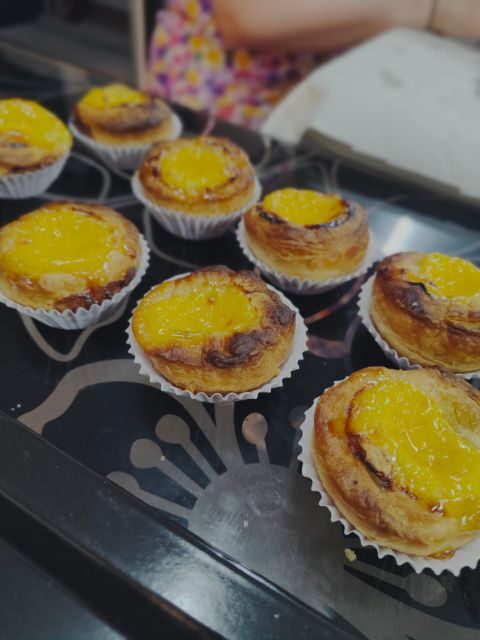
The meeting spot is Boiler Studio, Rua Chã 77. It’s in a typical street area and very close to some of Porto’s biggest landmarks—think São Bento Train Station, Luís I Bridge, Time Out Market, and the Cathedral. Translation: you can turn this into an easy half-day plan without complicated transport.
Even if you’re arriving from a long walk, this kind of “start near the action” location helps. You’re not spending your class time trying to figure out bus routes or finding an out-of-the-way address. You can also pop by the Cathedral area before class, grab a coffee nearby, and still show up calm.
The studio setting itself matters too. The best classes feel organized and comfortable, and this one is repeatedly described as well-run and clean with a layout that keeps everyone involved.
You can also read our reviews of more tours and experiences in Porto


1.5 hours, max 9 people: the class size that keeps it fun
This workshop runs for 1.5 hours, and the host keeps the group small (up to 9 people). That’s a big deal. With a small class, you’re not just watching someone else work—you’re usually at the table doing the task in your turn.
The rhythm of the class is also designed for mixing and moving around the steps. The host shares different parts of the process between participants, and multiple bookings mention being brought in stages to work on specific sections. That’s how you get the best mix of hands-on learning and not turning the whole thing into a slow waiting game.
If you’re traveling with a bigger group, you’ll want to ask about options. The class size note is clear: for groups over 8 (and especially over 9), you should request more information so the setup matches your group.
The Pastry Plan: what you actually do (and why the dough is pre-made)
Here’s the practical truth about pastel de nata making: real dough prep takes time. In this class, the dough can’t be made on site because it needs about three hours to be properly done. So you won’t be doing the long dough-and-rest routine.
Instead, you get the learning that helps most travelers succeed at home: you start with prepared dough and then you:
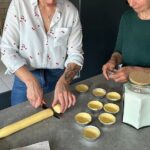
- Roll the pastry
- Make the egg custard
- Assemble and fill your tart(s) under the instructor’s guidance
- Bake and then taste your results
You’ll also receive a recipe. Several bookings mention printed instructions for note-taking and follow-up. That matters because pastel de nata isn’t just about flavor; it’s about texture—how thin you roll, how you portion filling, and what you do (and don’t) overcook.
One more small detail that helps you manage expectations: since the dough is prepared already, your class focuses on technique and timing you can actually repeat without a half-day dough project. If you’ve ever tried to make pastry from scratch while traveling, you know that’s usually where plans go sideways.
Sip Port wine while you bake: what the drinks add to the lesson
The workshop includes one glass of wine. That could be Port wine, regular wine, or a mimosa, depending on the session. Multiple bookings mention drinks as part of the fun—some people specifically call out Port tonic—and the overall vibe is relaxed rather than formal.
This isn’t just a perk. The drink + baking rhythm helps the class feel more like a friendly food evening than a production line. You’re rolling pastry, working custard, then waiting for the oven stage. Having something in your hand during that in-between time makes the whole flow smoother.
And because the class is small, it’s easy to talk. Several bookings highlight good conversation and meeting fellow foodies from different countries. If you’re solo, this is the kind of structured activity where you don’t have to force interaction. You’re already paired by the shared mission: make something Portuguese and delicious.
Rolling, filling, baking: the steps that build confidence for home
The instructor leads you step-by-step. The host shares key differences between the tasks that each person handles, so you’re not stuck doing the same motion for the entire session. In a small group, this also reduces confusion—if you’re unsure, you can ask right there and get an answer.
From the way the workshop is described, you’ll likely feel a few things click during the lesson:
- Portion control matters
Custard and pastry both have their own sweet spot. If filling is heavy-handed, you can get a mess; if it’s too light, you miss that custard-to-pastry contrast.
- Rolling technique affects the final texture
The dough is prepped, but rolling is still your job. You’ll learn how to handle it so it’s thin enough without tearing.
- Baking is part of the lesson, not a footnote
You wait for the oven stage, then you see the transformation. That moment is what turns a recipe into a real memory.
Many bookings also mention that the hosts explain history and tips—so you’re not only baking, you’re understanding why the pastry is the way it is. You’ll likely leave with a recipe you can trust, plus small practical tweaks you don’t get from a generic cookbook.






From oven to box: tasting your pastéis de nata and taking more home
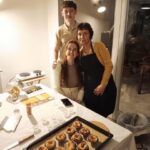
After baking, you’ll savor what comes out of the oven. Then you’ll pack your results to take with you—2 or more pastel de nata in a convenient cardboard pastry box.
This take-home part is a smart design. You’re in Porto, you’re probably walking a lot, and you may want a treat later rather than rushing it immediately. It’s also a great “share it with your future self” move. Eat one while it’s hot and fresh, then enjoy the rest later when your schedule is calmer.
Several bookings mention leaving with multiple homemade tarts and feeling like they got good value because they weren’t just tasting. You’re bringing something tangible back, not just a story.
If you’re planning to recreate them at home for a bigger group later, keep a practical note in mind: one review warns that a single baking dish pack might not be enough for larger batches. That’s a reminder that homemade pastéis are great, but scaling still takes attention.
Porto food tips from your host: turning a class into a mini itinerary
One of the included extras is local insight. The host shares insider tips on Porto and where to find great food spots in town. You won’t get a generic “walk this street” list; you’ll get recommendations tied to the kind of food experience you just did.
Also, the class is described as interactive and inclusive, which usually means you can ask questions beyond pastry. If you’re wondering where to go after the oven cools, this is a useful moment to ask.
And because the workshop is near central landmarks—Cathedral area, São Bento station, and close enough to bridge routes—you can build the rest of your afternoon around what you learn.
Who this workshop suits best (and who might not love it)
This is a great fit if you’re:
- A pastel de nata fan who wants technique, not just a tasting
- Traveling solo and want a structured way to meet people
- In Porto for a short time and want a high-impact, low-stress activity
- Looking for a relaxed activity that still feels hands-on
It’s not the best match if:
- You have kids under 10. Children over 10 are welcome, and under 10 isn’t suitable.
- You’re hoping to make the pastry dough from scratch during class. The dough is pre-made because it requires a long prep time.
If you’re a larger group, don’t just assume it scales. Ask for info so the teaching format and step distribution can work for you.
Price and value check: is $41 fair for this class?
At $41 per person, you’re paying for more than ingredients. The value comes from what’s included and how the experience is structured:
- A real hands-on workshop with step-by-step instruction
- An included drink—Port wine, wine, or mimosa
- 2 or more pastéis to take home (not just one tiny bite)
- A recipe you can use later
- Local Porto food tips from the host
- A small group format (max 9), which keeps attention on you
If you compare this to buying pastéis alone, it’s obviously not the cheapest option. But you’re not just paying for dessert—you’re paying for a short course in how to build the dessert yourself, plus an evening of conversation and a social moment in the middle of Porto exploring.
For many people, that’s the sweet spot: you get the pleasure of baking and tasting now, and the ability to recreate it later.
Should you book this Pastel de Nata workshop?
Yes, if you want an experience that’s both practical and fun—and you like the idea of leaving Porto with pastries you didn’t just buy off a shelf. The small-group format, the included drink, and the chance to learn rolling and custard technique make this feel like more than a food photo stop.
I’d book it especially if you’re the kind of traveler who enjoys learning a skill you can repeat at home. If you want a class where the host (from Ana to Patricia to Maria to Sara and more) keeps things light while teaching the details, this one fits.
If you want the classic dough-from-scratch project, you’ll need to look elsewhere. But for most visitors, this workshop delivers the part that makes pastel de nata work: good pastry handling, correct filling, and the bake that turns everything into that signature Portuguese bite.
FAQ
How long is the pastel de nata pastry-making workshop?
The workshop lasts 1.5 hours.
What do I learn to make, and how many pastries can I take home?
You’ll make pastel de nata, and you can take home 2 or more pastries in a cardboard box.
Is wine included?
Yes. You get one glass of wine, which can be Port wine, regular wine, or a mimosa.
Is the instruction available in English?
Yes, the instructor teaches in English.
Do they make the dough during the workshop?
No. The dough can’t be made in the workshop because it takes three hours to be well done. The dough is already prepared, and you roll and fill it.
How big are the groups?
The class is hosted for a maximum of 9 people. For larger groups (over 9), you should ask for more information.
Are children allowed?
Children over 10 years are welcome. It’s not suitable for children under 10.