
REVIEW · PORTO
Porto: Small Group Surf Lesson with Transportation
Book on GetYourGuide →Operated by pura vida surfing school · Bookable on GetYourGuide
First-wave nerves fade fast in Porto. This small-group surf lesson in Portugal’s Norte Region mixes city transportation with real instruction, so you’re not stuck figuring out gear, timing, or local conditions.
I especially like that the lesson is built for mixed levels, so beginners get hands-on help while others still get useful coaching. I also like the practical, no-fluff vibe I’ve seen from instructors like Igor and Bernardo—they’re patient in the water and focused on what helps you catch waves sooner.
The main thing to consider is that it runs rain or shine, and the beach can change to chase the best conditions. If you’re not comfortable with wind, wet weather, and a little schedule shifting, this might feel like more chaos than adventure.
In This Review
- Key Things You’ll Notice Right Away
- Meeting the Van in Porto: Pickup That Keeps the Lesson Smooth
- Small Group Surf Coaching (Max 7): Why You Feel Looked After
- What’s Included in the Price (and What You Need to Pack)
- The Real Surf Lesson: Basics That Lead to First Waves
- Choosing the Beach Based on Weather: Where “Rain or Shine” Becomes a Win
- The 3.5 Hours Timeline: From Aliados to Your Last Wave
- Comfort, Safety, and the Pace of Learning
- Value Check: Is $58 Good for Porto Surfing?
- Who This Surf Lesson Suits Best
- Should You Book This Porto Surf Lesson?
- FAQ
- Where is the meeting point for the Porto surf lesson?
- How long is the experience?
- What’s included in the price?
- What should I bring?
- Is the lesson canceled if it rains?
- How big is the group?
- What languages do the instructors speak?
- Is it suitable for young children?
Key Things You’ll Notice Right Away
- Small group (up to 7): you get more time at the front of the instructor’s attention.
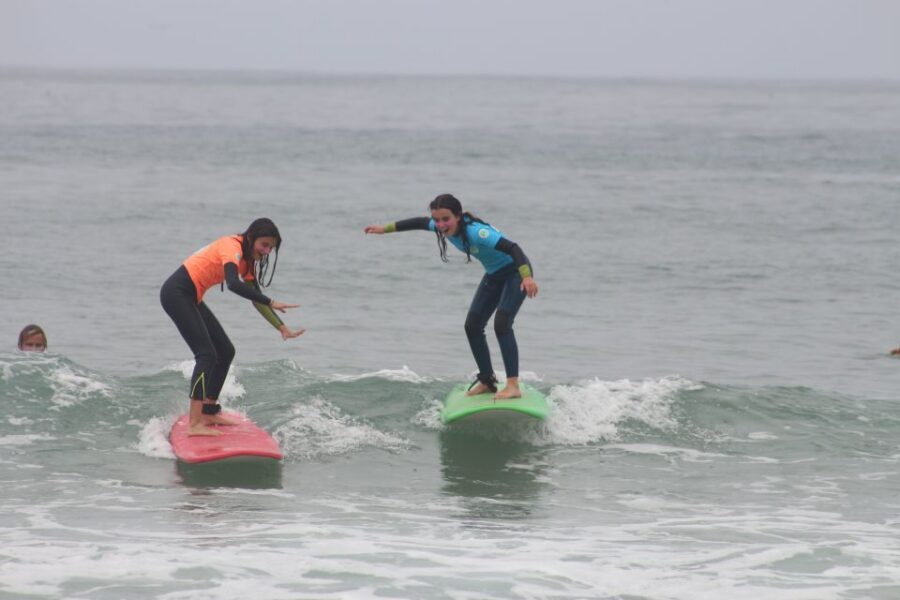
- Beginners are really welcome: you’ll start with paddling and standing basics you can apply fast.
- Pickup is straightforward: you meet the van in front of café Aliança (with boards on top).
- They match the beach to the conditions: the plan adjusts so you spend more time surfing.
- Weather-ready coaching: even rough days can still turn into real wave time.
Meeting the Van in Porto: Pickup That Keeps the Lesson Smooth
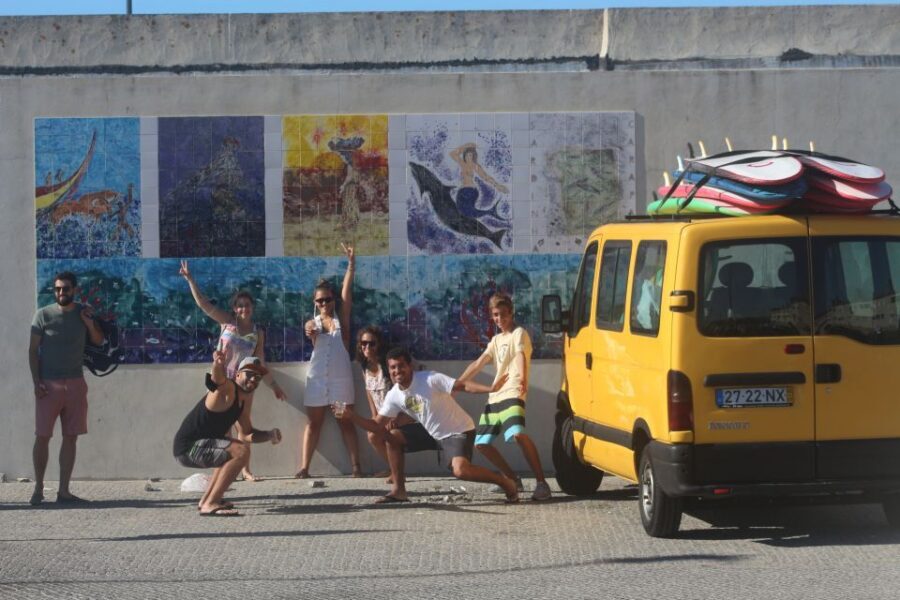
You start in Porto, not at some far-off surf shop. The meeting point is in front of café Aliança, and you’ll spot the van with surfboards on top. Once everyone’s together, you head out by van to the beach your instructors think will work best that day.
This matters more than it sounds. Surfing lessons fail when you lose time: traffic, searching for the right beach, waiting on gear, and then hoping the waves still cooperate. Here, the lesson is designed as a tight 3.5-hour block that includes pickup, instruction, and actual time in the water.
Also, the instructor team speaks Spanish, English, and Portuguese, which makes early instructions easier to understand. In practice, that can mean fewer misunderstandings when you’re trying to paddle out or pop up to your feet.
You can also read our reviews of more tours and experiences in Porto



Small Group Surf Coaching (Max 7): Why You Feel Looked After
A maximum of 7 participants is a big deal for surf lessons. With smaller groups, the instructor can watch your timing—where you place your hands, how you angle your board, and whether you’re paddling hard enough or popping up too early.
The coaching style I’ve seen from instructors connected with this school is patient and very in-the-moment. Names that show up include Igor, Bernardo, Katerina, Kata, and Jorge. You may meet one of them, or another instructor, but the pattern is similar: clear demonstrations, individual help when you need it, and practical feedback while you’re still in the water.
For beginners, that one-on-one attention is what helps you stop guessing. For example, it’s one thing to hear paddling advice. It’s another to get corrected because your paddling rhythm isn’t matching the wave’s break. That’s the kind of adjustment that helps you go from flat-board chaos to actually catching a small ride.
What’s Included in the Price (and What You Need to Pack)
At $58 per person, you’re getting more than a casual taster session. The essentials are covered: wetsuit rental, board rental, and transportation, plus insurance. In other words, you don’t need to budget extra for gear, and you’re not stuck wondering if you’ll be able to get a wetsuit quickly.
You bring the simple stuff:
- Swimwear
- Towel
- Sunscreen
- Water
One practical note from past participants: you may put on your neoprene suit outside, close to the road. That means it helps to wear something simple under your clothing so switching into the wetsuit is quick and not awkward.
And because you’ll be out on the beach in changing conditions, a towel isn’t optional. A wet towel in your bag is miserable; a dry towel at the end makes the whole experience feel more comfortable.
The Real Surf Lesson: Basics That Lead to First Waves
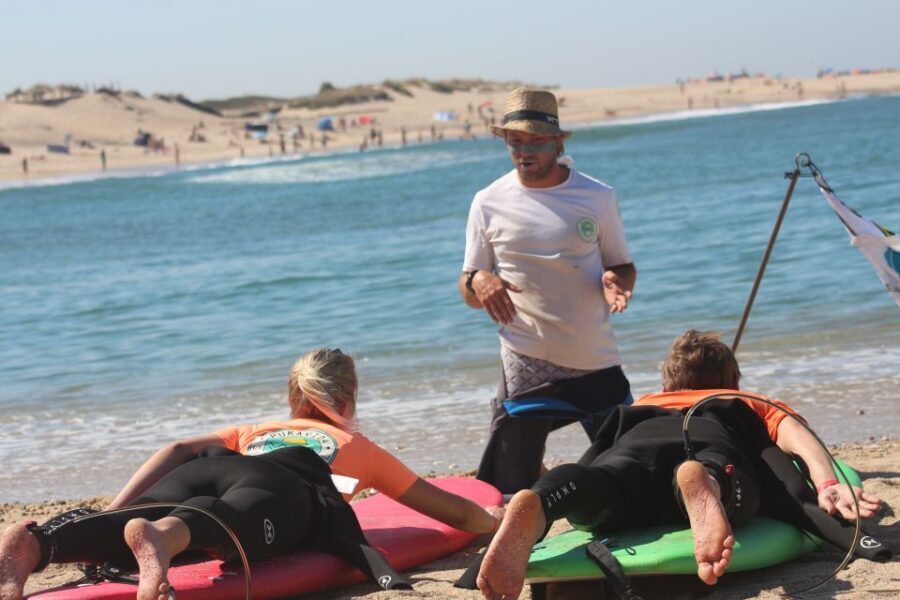
The lesson is built around the core skills that actually matter in the first hour.
You’ll start with a short introduction on land, then move into the water to practice fundamentals like:
- Paddling so you can reach the right spot
- Standing up using the right timing and body position
- Learning how to read where the water breaks so you’re not paddling into the wrong moment
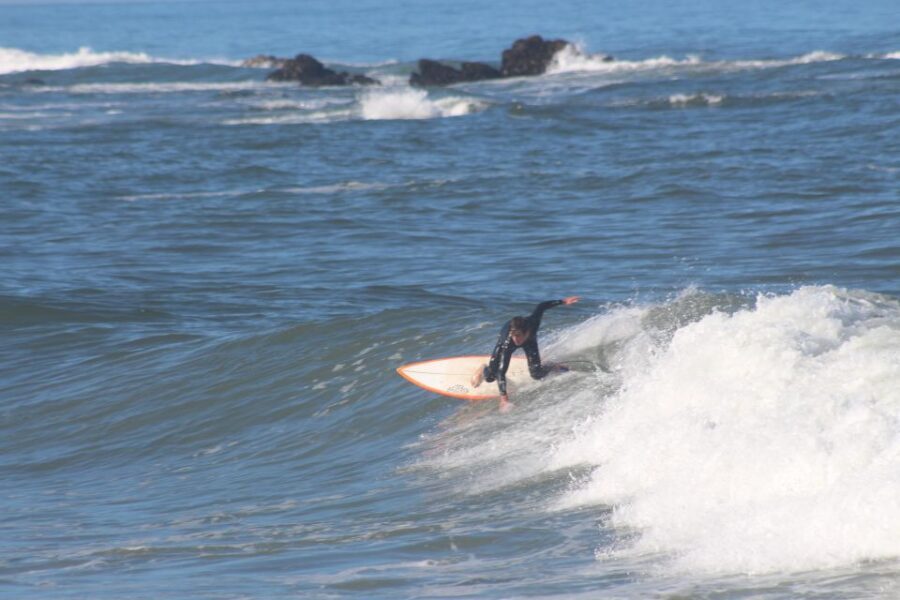
Then comes the part you came for: trying to catch waves and ride them back toward shore. The instruction doesn’t stop once you’re in the lineup. In strong lessons, the instructor keeps giving guidance based on what they see, not just on a pre-planned script.
If you’re nervous (totally normal), the small-group setup tends to reduce that pressure. Many beginners relax once they realize the goal isn’t perfection—it’s getting enough guidance that you can stand for even a brief stretch and build confidence from there.
Choosing the Beach Based on Weather: Where “Rain or Shine” Becomes a Win
Portugal’s coast around Porto can give you everything in one day: sun, wind, and rain. This lesson runs rain or shine, and your guide assesses the weather conditions before heading to the best beach.
That weather-based planning is part of the value. Surf depends on wind direction and swell angles. If instructors pick the beach without checking conditions, you can end up with flat water or waves that are too messy for beginners.
Instead, the day follows nature’s rules. Sometimes the schedule can shift to get better surf, because the priority is waves you can actually use to practice. On bad-weather days, this approach still tends to produce learning wins—short rides, quick improvements in paddling technique, and enough time on the board to feel progress.
And the coastline itself is a bonus. You’re spending time on a Portuguese shoreline with the ocean doing what it does best: making sound, moving air, and turning a simple outing into something you’ll remember.






The 3.5 Hours Timeline: From Aliados to Your Last Wave
Here’s how the day usually flows, based on what’s included and how the session is structured.
First, you meet up at café Aliança and board the van. Expect the “3.5 hours” to be real time: it includes transportation, instruction, and surfing, not just time in the water.
Next comes the quick warm-up and surf intro on land—enough to get you comfortable with what you’re about to do. You’ll get straightforward cues for paddling and standing up, and you’ll likely practice movement on the board before trying to pop up on a wave.
Then you head out to where the water breaks. That’s when you’ll paddle out, wait for sets, and start coordinating your timing. The adrenaline moment is immediate: you’re looking at the ocean, trying to line up, and then suddenly the swell lifts you and carries you toward shore.
Finally, you end with more practice and guidance until the session time runs out. The best lessons don’t feel like one long struggle. You should feel yourself improve over the session, even if it’s subtle: better paddling angle, a faster pop-up, or catching a wave that you would have missed earlier.
Comfort, Safety, and the Pace of Learning
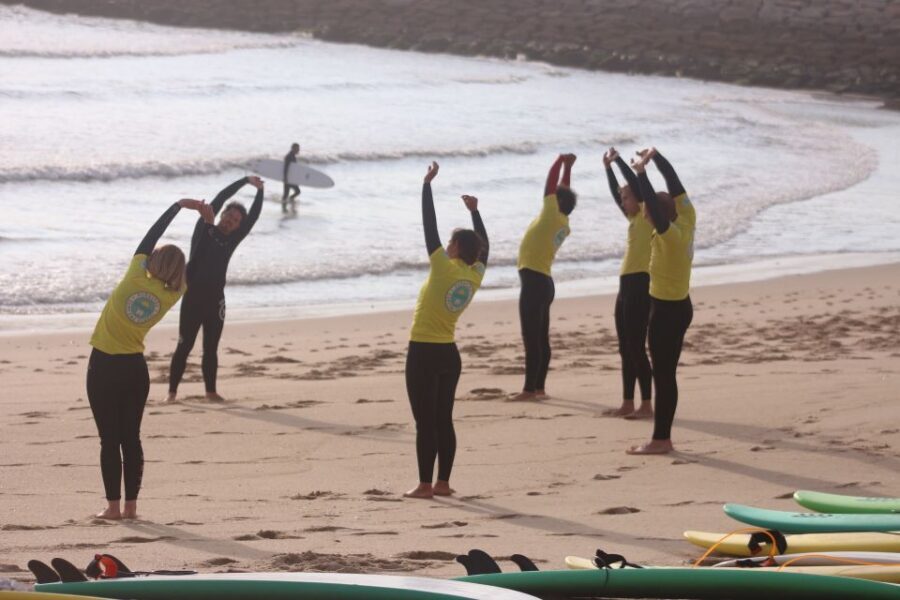
A surf lesson is physical. Even when you’re brand new, you’ll use your core for popping up, your shoulders for paddling, and your legs for balance.
That’s why comfort matters. The wetsuit helps with temperature and buoyancy, and the included board keeps you from having to make choices on the fly. Insurance also adds a layer of comfort in case something goes sideways—especially on windy, choppy days.
In-water coaching is another safety factor. A good instructor watches your spacing, checks that you’re using proper technique, and keeps an eye on wave timing so you’re not overwhelmed. With a group capped at 7, instructors can realistically manage attention without spreading thin.
The pace is important too. You’re not expected to master surfing in a single morning or afternoon. You’re expected to learn the basics and get enough repetitions that your brain starts making connections.
Value Check: Is $58 Good for Porto Surfing?
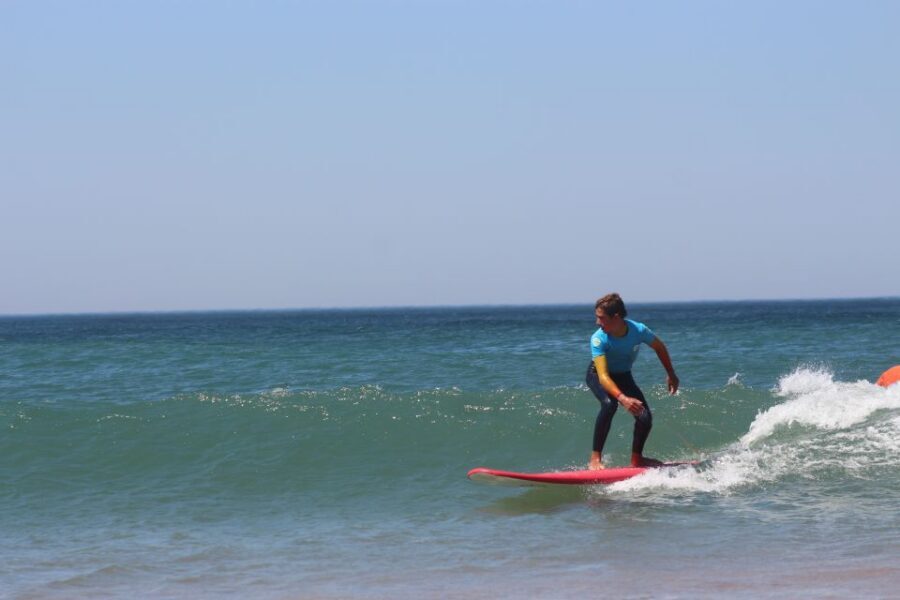
For $58, you’re basically buying three things:
1) transportation out of Porto to surf conditions
2) the rental gear you’d otherwise need
3) instruction during the part that matters most: time on waves
When you price surf lessons with gear rentals separately, the math often gets messy. Here, the lesson is bundled in a way that’s easy to compare. Plus, the small group size helps justify the price—your instructor can actually work with you.
Also, the fact that instructors adjust the beach based on conditions adds value. You’re paying for time in the water, not just for a meeting point and a pep talk. The learning goal is simple: catch waves, practice technique, and leave with the confidence to try again.
If you’ve been eyeing Porto activities and want something active with a clear payoff, this one makes a strong case.
Who This Surf Lesson Suits Best
This lesson is a strong fit if you:
- are a beginner or returning to surfing
- want small-group attention instead of a crowd
- like a practical, instruction-led experience
- want an adrenaline hit without needing to be athletic already
It’s not suitable for children under 6, so plan accordingly if you’re traveling as a family.
If you’re an intermediate surfer, you’ll still likely benefit from fine-tuning basics and getting help on wave timing and board control. The key is that the class is adapted for all levels, so you’re not just stuck doing beginner drills the whole time.
Should You Book This Porto Surf Lesson?
I’d book it if you want the most direct route from Porto city pickup to your first ride on a wave. The small group size, included gear, and in-water coaching make it feel like a real lesson, not a casual outing.
I’d think twice only if your idea of a perfect day includes guaranteed calm weather and a strict schedule that never changes. Because this lesson runs in real conditions, you need a bit of flexibility and a good attitude about wind and rain.
If you can handle that, this is the kind of trip that leaves you with a new skill and an ocean-memory that lasts longer than most Porto souvenirs.
FAQ
Where is the meeting point for the Porto surf lesson?
You meet in front of café Aliança, where a van with boards on top picks you up.
How long is the experience?
The total experience lasts 3.5 hours, including transportation, instruction, and surfing.
What’s included in the price?
Transportation, wetsuit rental, board rental, and insurance are included.
What should I bring?
Bring swimwear, a towel, sunscreen, and water.
Is the lesson canceled if it rains?
No. The activity takes place rain or shine.
How big is the group?
It’s a small group limited to 7 participants.
What languages do the instructors speak?
Instructors speak Spanish, English, and Portuguese.
Is it suitable for young children?
It is not suitable for children under 6 years old.