REVIEW · PORTO
Walking Tour – History of Tiles in Porto
Book on Viator →Operated by Be My Guest In Porto · Bookable on Viator
Porto tiles tell stories. This walking tour traces that story in Porto’s UNESCO-listed historic core, starting near the Fountain of Lions outside Igreja do Carmo and ending by Ribeira Square. Along the way, you’ll learn how tile-makers painted, built, and refined azulejo-style designs over time, using real examples around the city.
I really love two things here: the small group cap (10 people) and the way the guide teaches you to look. If you get Susana, her enthusiasm shows up fast; if you get Nuno, you’ll feel the depth, including an architecture background and tile-focused study. And yes, you’ll see the work of Jorge Colaço at São Bento, not just hear about it.
One heads-up: it’s still a long walk (about 2 hours 45 minutes), and you’ll want good shoes for cobblestones and indoor-outdoor transitions. Also, the tour start and end points are different spots in the center, so plan your transit at the end rather than assuming you’ll loop back.
In This Review
- Key things you’ll notice on this Porto tile tour
- Why Porto’s tiles feel like a time machine
- Meeting near Igreja do Carmo and the Fountain of Lions
- São Bento Station mosaics by Jorge Colaço: your first big wow
- Museu da Cidade do Porto stop: connecting tiles to the city
- Igreja do Carmo facade panel: church art in ceramic form
- How the guide turns tile-making into a clear checklist
- Tile spotting on the walk: churches, stores, houses, and street art
- Ribeira Square ending near São Bento: what to do with your new tile eye
- Price and value: is $81.93 worth 2h45 in Porto?
- Who should book this Porto tiles walking tour
- Should you book the History of Tiles in Porto walking tour?
- FAQ
- How long is the walking tour of the History of Tiles in Porto?
- Where does the tour start?
- Where does the tour end?
- What group size should I expect?
- Is the tour in English?
- Are admissions included for the main stops?
- Is food and drink included?
- Is pickup included from my hotel?
- Can I cancel for a full refund?
- Are service animals and children allowed?
Key things you’ll notice on this Porto tile tour
- Jorge Colaço tiles at São Bento Station: big, dramatic mosaic storytelling you can’t miss once you know what you’re seeing.
- Free-entry stops: São Bento and Igreja do Carmo are listed as admission-ticket free for the tour’s key viewpoints.
- Small-group pace: max 10 people means you can actually ask questions without losing the group.
- Art historian + local guide combo: you get technique plus city context, not just decoration facts.
- Porto beyond the main squares: you’ll be trained to spot tiles on churches, stores, and houses as you walk.
Why Porto’s tiles feel like a time machine
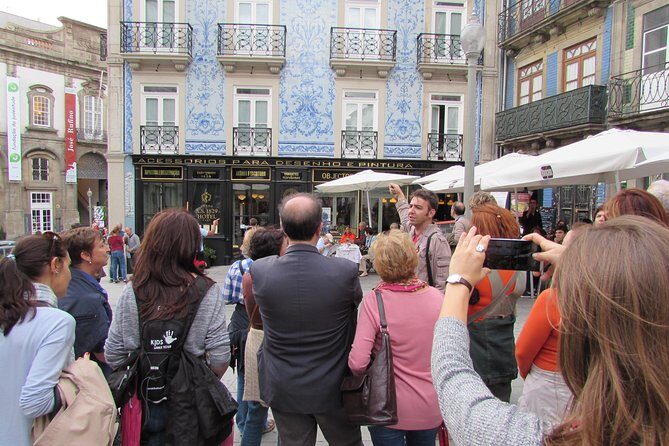
Porto’s azulejos aren’t just pretty walls. They’re visual shortcuts to how people lived, what they valued, and how northern Portugal built its identity. Once you start noticing the patterns, color choices, and panel layouts, the whole UNESCO center stops looking random.
This tour is built around that “slow down and look” mindset. You’ll be taught how the tile-making craft works—how images get painted and assembled—and how those styles developed over the years. It’s a great way to get your tile eye working on day one, so you can keep spotting details on your own after the walk.
You can also read our reviews of more walking tours in Porto



Meeting near Igreja do Carmo and the Fountain of Lions
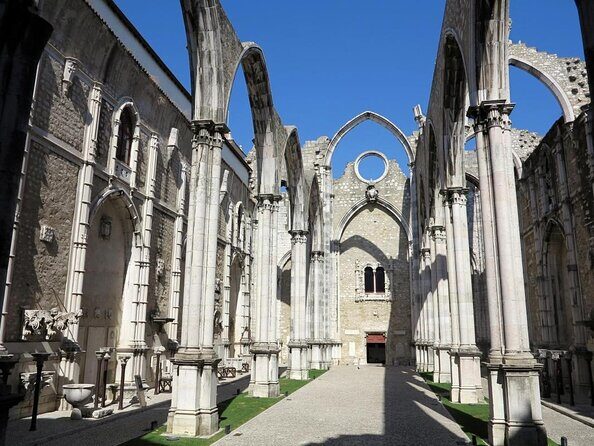
You meet at Igreja do Carmo (R. do Carmo, 4050-164 Porto). The tour begins by the Fonte dos Leões (Fountain of Lions) outside the church area, so it’s easy to orient yourself before you start moving.
This opening matters because the guide usually sets expectations for what to look for. Instead of just wandering into tile spots like a tourist with a camera, you start with a method. That means your first real views later on—especially inside São Bento—hit harder, since you’ll already know what cues to watch for.
São Bento Station mosaics by Jorge Colaço: your first big wow
Stop one is São Bento Railway Station, where you’ll focus on tiles made by Jorge Colaço. The key idea is scale and storytelling. You’ll stand where commuters normally pass through, but you’ll look at the walls like a designed art program rather than background decoration.
You’ll also get a sense of why tile panels work so well in public spaces. Tiles can handle crowds and constant foot traffic, and they also reward patient looking. The guide helps you shift from I see tiles to I understand the craft choices—panel structure, color use, and image composition—so the station feels like a museum you walk through.
Tip for your experience: don’t rush your first minutes in São Bento. If you let the guide frame what you’re looking at, you’ll notice more than you would on a quick pass.
Museu da Cidade do Porto stop: connecting tiles to the city
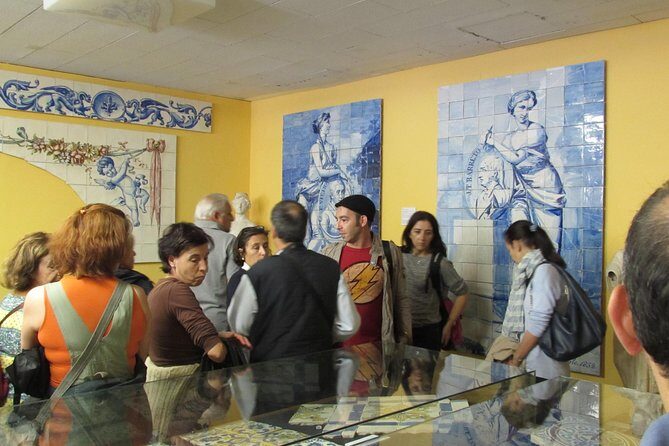
Next you’ll head to Museu da Cidade do Porto, with a short stop planned (listed at about 15 minutes). Admission for this stop is marked as free in the tour details, so you’re not paying extra just to get the context.
This stop is valuable because tiles aren’t floating artwork. They belong to Porto’s growth—its civic identity, cultural choices, and the industrial side that supported production. Even with a brief visit, the goal is to connect what you see outside to what the city preserves and explains.
If you like themes that connect art to everyday life, you’ll appreciate this. It keeps the walk from becoming only a highlight-hunt.
Igreja do Carmo facade panel: church art in ceramic form
Stop three is Igreja do Carmo, focusing on a first facade panel. You’ll spend about five minutes here, but churches are perfect teaching rooms for tiles.
Why? Because religious architecture was often a public statement. Tiles could cover large surfaces, unify a look, and teach visually through scenes and decorative programs. In other words, the ceramic becomes part of the building language, not an afterthought.
The quick stop timing can feel short if you want to linger, so treat this as a targeted viewing moment. Your reward is what you carry out of it: better instincts for spotting tile intentions on other facades later.
You can also read our reviews of more historical tours in Porto






How the guide turns tile-making into a clear checklist
The core value of this tour is the training your eye gets. You don’t just learn that Porto has tiles. You learn how they’re made, how painting techniques work on ceramic, and how styles and production evolved.
In practice, that turns into a checklist you can use the rest of the day:
- Look for panel layouts: repeating scenes, border framing, and how images sit on a facade.
- Notice color logic: how tones and contrast help the picture read from street level.
- Follow craft cues: surfaces, seams, and how details stay consistent across a scene.
The best part is that the guide’s background can shape how you learn. In the feedback I saw, Nuno especially blends Porto culture with tile expertise, and he’s the kind of person who notices street-level details others skip. Susana also comes through as someone who makes the craft feel approachable and fun, not academic.
Tile spotting on the walk: churches, stores, houses, and street art
One of the smartest aspects of a walking format is that it forces your attention out onto real streets. This route is designed to show tile prowess across the historic center—so you’ll see tiles on select churches, stores, and houses as you move.
You’ll also pick up the habit of comparing styles. A church facade may feel different from a station mosaic, and a shopfront detail may be “smaller,” but it can still share the same design thinking. Some guides also weave in street art and architecture notes along the way, which can make the whole walk feel like Porto in layers: old craft, newer expression, and the street’s ongoing visual conversation.
If you like photography, this is also where the tour stops being just educational. You start framing shots around design rules instead of random decoration.
Ribeira Square ending near São Bento: what to do with your new tile eye
The tour concludes after about three hours of tile appreciation beside Ribeira Square. That location is handy because it drops you near one of Porto’s most active walk-and-stroll zones, so you can keep exploring right away.
More importantly, the ending helps you cash in on what you learned. When you leave with a better sense of how panels are built and why ceramic designs were used, you’ll naturally spot more tiles in the streets around you. You’ll also be able to identify which styles feel like old civic statements and which feel more decorative or modern in tone.
Also note the flow: your tour ends near the São Bento station area after finishing by Ribeira Square. It’s a smart way to get both the station highlight and a central finish point, even if the walk route doesn’t bring you back to the exact start.
Price and value: is $81.93 worth 2h45 in Porto?
At $81.93 per person for about 2 hours 45 minutes, you’re paying for three things: expert guidance, time in key tile hotspots, and a route that teaches you how to look.
Here’s the value angle that matters:
- You get an art historian guide plus local guidance, which helps you understand meaning and technique, not just location.
- The group stays small (max 10), so you’re more likely to get explanations that fit your questions.
- Major stops are listed as free admission for the tour’s viewpoints, meaning your money goes to the experience and interpretation, not just entry fees.
- The tour is offered in English, which can be a big deal for clarity when you’re learning technique and design vocabulary.
One thing to consider is that this isn’t a food tour and food and drinks aren’t included. If you like tastings, you’ll likely handle snacks on your own or follow the guide’s suggestions. That still keeps the core experience focused on tiles, which many people prefer.
Bottom line: this price makes sense if you want to learn something real and then keep using it across Porto instead of just checking off famous walls.
Who should book this Porto tiles walking tour
This fits best if you:
- Like art and design and want the “how to look” skills.
- Plan to spend at least a day exploring Porto’s historic center and want context fast.
- Enjoy walking tours where the guide points out details you’d otherwise miss.
It can also work well for architecture fans, since one of the guides in the experience background has studied architecture and pursued advanced work on tiles. If you’re traveling with someone who loves trains or historic stations, São Bento is a strong anchor.
If you’re someone who prefers minimalist sight-seeing with no explanations, this might feel like you’re getting more lecture than photos. But for most people—especially anyone who finds azulejos irresistibly specific—this is a very good match.
Should you book the History of Tiles in Porto walking tour?
Yes, if your goal is to see Porto’s tile culture with your eyes turned on. This is the kind of tour that helps you walk out saying, I get it. You understand the craft side, not just the look.
Book it if:
- You want a guided, small-group route through major tile sites like São Bento and Igreja do Carmo.
- You like learning techniques—how tiles are created and how styles evolved—so you can spot the next panel on your own.
Skip it or think twice if:
- You don’t like walking for nearly three hours, or you’re uncomfortable with cobblestones and indoor-outdoor movement.
- You only want quick, casual photos and don’t care about the meaning behind what you’re photographing.
FAQ
How long is the walking tour of the History of Tiles in Porto?
It runs for about 2 hours 45 minutes.
Where does the tour start?
The tour starts at Igreja do Carmo, R. do Carmo, 4050-164 Porto, Portugal, near the Fonte dos Leões.
Where does the tour end?
The tour ends near São Bento station at Praça de Almeida Garrett, 4000-069 Porto, Portugal, by Ribeira Square.
What group size should I expect?
It’s a small-group tour limited to a maximum of 10 travelers.
Is the tour in English?
Yes, the tour is offered in English.
Are admissions included for the main stops?
The tour lists free admission tickets for the key stops at São Bento Railway Station and the church and museum stops included in the route.
Is food and drink included?
No. Food and drinks are not included.
Is pickup included from my hotel?
No hotel pickup and drop-off is included.
Can I cancel for a full refund?
Yes. You can cancel up to 24 hours before the experience for a full refund.
Are service animals and children allowed?
Service animals are allowed. Children must be accompanied by an adult.