REVIEW · PORTO
“Porto: Fado Show with Guided Tour in a Historic Monastery”
Book on GetYourGuide →Operated by Casa da Guitarra · Bookable on GetYourGuide
Fado hits different when the walls have seen centuries. This 90-minute Porto outing pairs a guided visit to the Monastery of São Bento da Vitória with a close-up hour of Fado inside the historic complex. You get the story first, then the music lands with real weight in a space built for prayer and quiet.
I particularly love the way the night mixes culture and performance: you visit a national monument with a local guide, then you hear Fado sung with the classic duo of Portuguese guitar and Fado viola. I also like the small touches of local taste, including a glass of Port wine and a tasting of Singeverga liqueur made by Benedictine monks.
One thing to keep in mind: the monastery tour takes place in a big stone setting, so if you’re far from the guide, you may not catch every word. It’s still a strong experience, but plan to rely on the music and atmosphere as much as the narration.
In This Review
- Key things to know before you go
- Why Fado Belongs Inside São Bento da Vitória
- Getting There: Back Entrance, Early Arrival, and a Calm Start
- The Monastery Tour: More Than Pretty Walls
- Monk-Made Taste Test: Port Wine and Singeverga Liqueur
- One Hour of Fado: Singer, Portuguese Guitar, and Fado Viola
- Price and Timing: Good Value for a 90-Minute Evening
- Who This Fits Best (and Who Might Want a Different Option)
- Should You Book This Fado Night at Casa da Guitarra?
Key things to know before you go
- A national-monument setting: The Fado show is staged in the monastery complex, not a nightclub.
- Two-part experience: You get a guided monastery visit, then a full hour of live Fado.
- Real monk-made drink: You’ll taste Singeverga liqueur and have a glass of Port wine.
- Classic instruments: You’ll hear the Portuguese guitar and Fado viola alongside the singer.
- Skip-the-line access: You don’t waste time hunting for entry.
- Arrive early for an easy start: The entrance is at the back of the monastery, so give yourself a buffer.
Why Fado Belongs Inside São Bento da Vitória
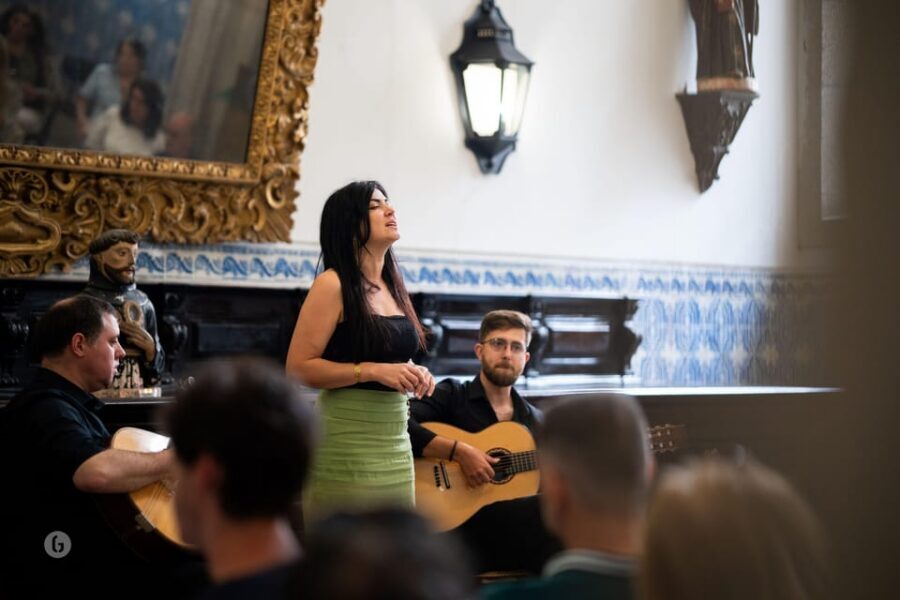
If you’re trying to understand Fado, you want more than a performance. You want context, and you want the right room. This one is tied to the Monastery of São Bento da Vitória, a national monument in Porto that brings a lived-in hush to the evening. When the singer starts, it doesn’t feel like background music. It feels like something you’ve walked into.
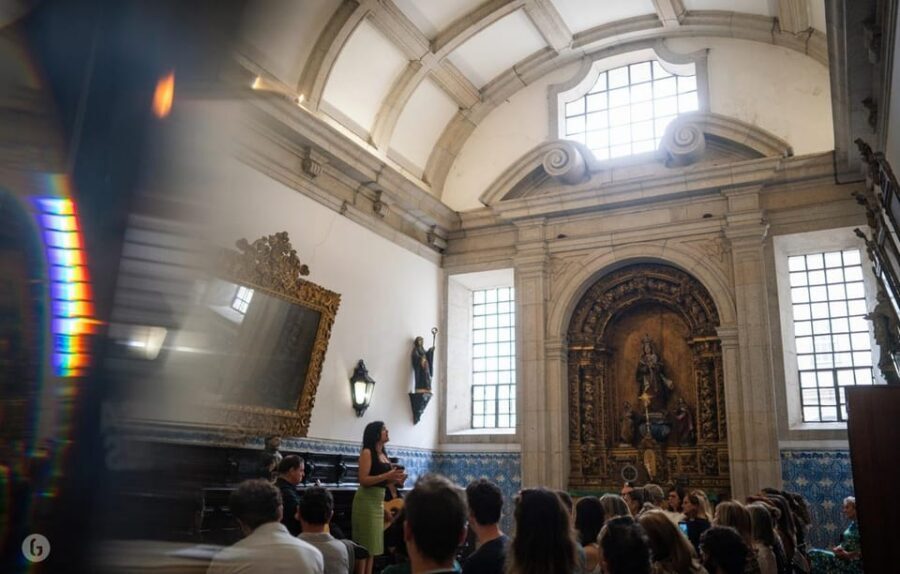
The other reason this works is the structure. You’re guided through the monastery first, so the place has meaning before you hear the songs. Then the show happens in an intimate chapel-like space with strong acoustics, which makes the emotion of the voice come through clearly. Even when people are singing about love, loss, or longing, the setting helps those themes land.
You can also read our reviews of more guided tours in Porto



Getting There: Back Entrance, Early Arrival, and a Calm Start
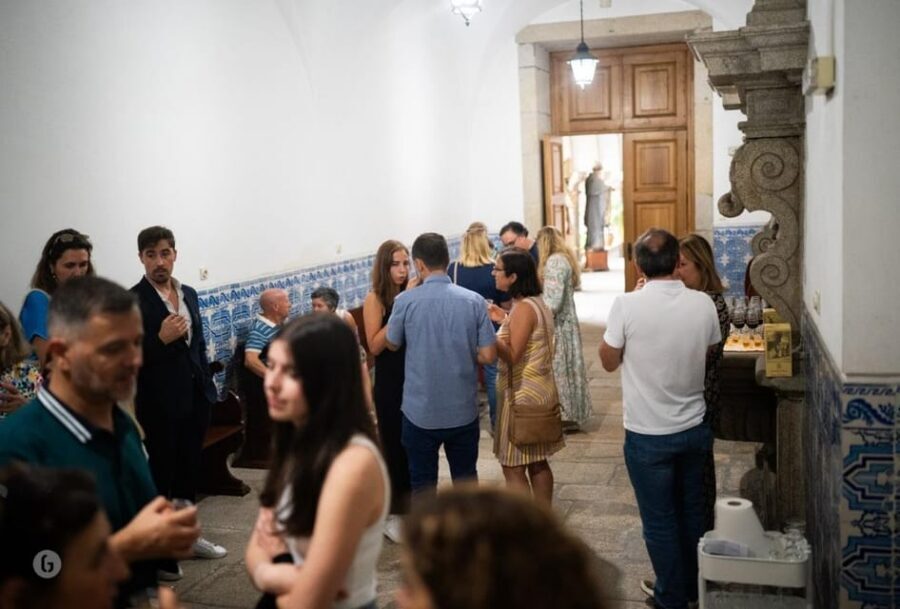
This experience has an easy pace, but timing matters. I’d aim to arrive 10 minutes early. The entrance is at the back of the monastery, which is the kind of detail that can steal your time if you don’t know it ahead of you.
Once you’re inside, the group moves as one unit: you’ll do the monastery visit first and then transition to the Fado portion. The hosts are set up to greet you in English, Portuguese, and Spanish, and the guided tour runs in Portuguese and/or English depending on the group. If you’re the type who likes to get your bearings quickly, arriving early makes the whole evening smoother.
A practical bonus: you’re told you can skip the ticket line, so you’re not stuck late or stuck waiting around while other groups file in.
The Monastery Tour: More Than Pretty Walls
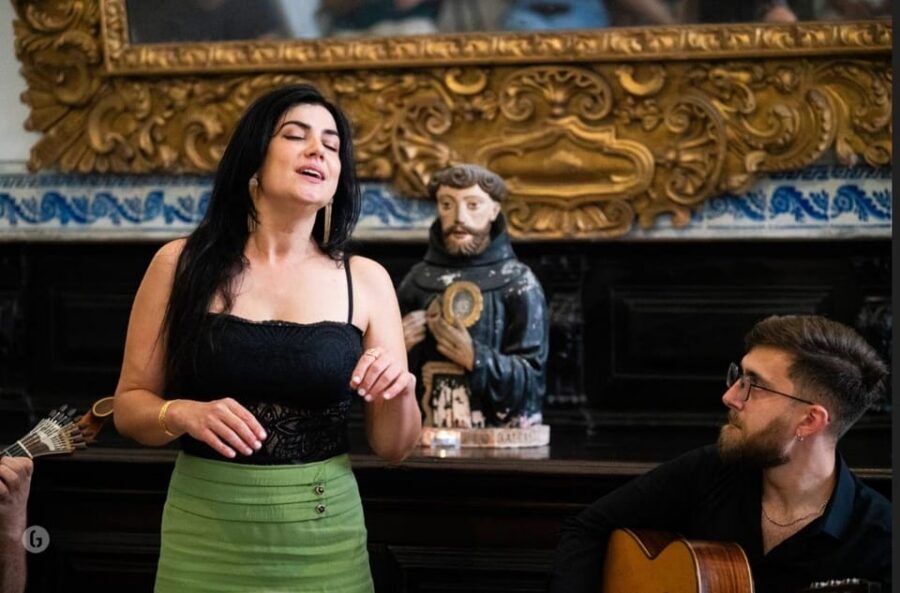
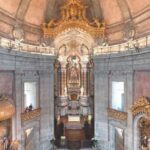
The guided part focuses on the Monastery of São Bento da Vitória, where you get a guided look at the church and the heritage of the site. This isn’t just a stroll past old stone. You learn how the religious space fits into Portugal’s cultural history, and you also pick up details that make the building feel personal instead of generic.
I like that the guide’s job is practical storytelling: you get enough information to understand what you’re seeing, without turning the night into a lecture that drags. In fact, several people note the guide had a mix of humor and clear facts, and that matters because it keeps you engaged while you’re in a large, quiet venue.
One note for your expectations: you might find it a little harder to hear every word if you’re seated or standing in a less ideal spot. Stone spaces can throw sound around, and if the guide is trying to speak over a big area, some details may slip by. That said, the important thing here is that the tour sets the stage for the Fado, and the performance does a lot of the communicating on its own.
Monk-Made Taste Test: Port Wine and Singeverga Liqueur
Portugal is serious about food and drink as part of culture, not as an add-on. Here, the drinks are built into the flow of the night.
You’ll receive:
- a glass of Port wine
- a tasting of Singeverga liqueur, described as handcrafted by Benedictine monks
- time to visit a shop featuring products made by monks in Portugal
That monk-made tasting is one of the reasons this feels more authentic than a generic dinner-and-show setup. Instead of just pouring alcohol as a perk, this connects the monastery tradition to what you can actually take home. If you like the idea of bringing a small piece of a place back with you, the shop visit gives you that option.
Also, it’s just plain useful: after a day in Porto—tram rides, river walks, and museum stops—a short glass of something local helps you settle in. It turns the evening from a schedule into an experience.
One Hour of Fado: Singer, Portuguese Guitar, and Fado Viola
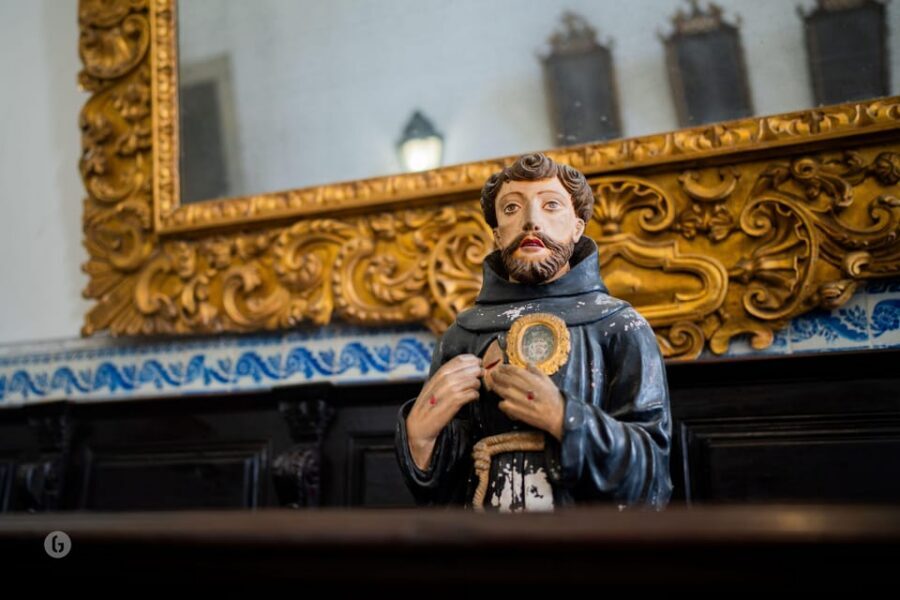
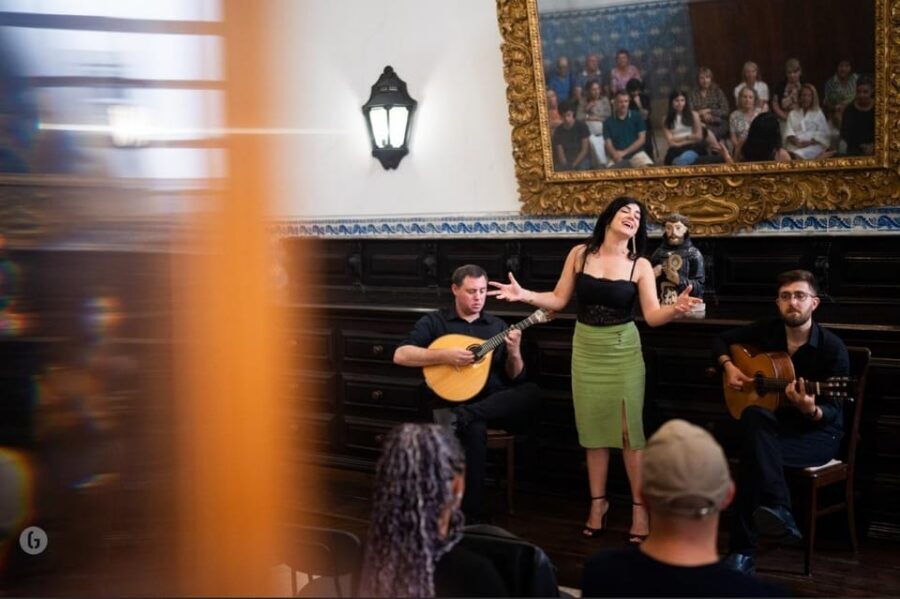
This is the heart of the night. After the monastery tour, you head into the performance space for a one-hour Fado show with a singer plus the classic accompaniment: Portuguese guitar and Fado viola.
What I like about this format is how focused it is. There’s no need to “buy your way into the atmosphere.” You’re sitting in a historic setting where the acoustics are part of the show. People consistently describe it as intimate and emotional, which matches what you expect from Fado when it’s performed with care and in the right room.
You’ll hear master-level playing on the strings, and the singer’s voice carries the drama. And because you’ve already visited the monastery, you’re not just watching songs—you’re listening with a bit of understanding of where the mood and meaning come from.
If you’re new to Fado, this is a friendly entry point. The show isn’t presented as obscure or technical. It’s presented as feeling, craft, and tradition.
You can also read our reviews of more historical tours in Porto






Price and Timing: Good Value for a 90-Minute Evening
At $15 per person for a 90-minute experience, this can be a strong deal—mainly because it bundles several things together that are often priced separately in Porto. You’re paying for:
- a guided monastery visit
- one hour of live Fado
- a glass of Port wine
- a tasting of Singeverga liqueur
- a stop at a monks’ shop
That’s why the price doesn’t feel like a gimmick. You’re not only buying the show. You’re buying a story, a performance space with real atmosphere, and local tastes that are tied to the site.
Logistically, 90 minutes is also your friend. You can fit it without derailing your dinner plans or sprinting across the city. This is ideal if you want one “signature Porto night” that feels cultural but doesn’t swallow your whole evening.
Who This Fits Best (and Who Might Want a Different Option)
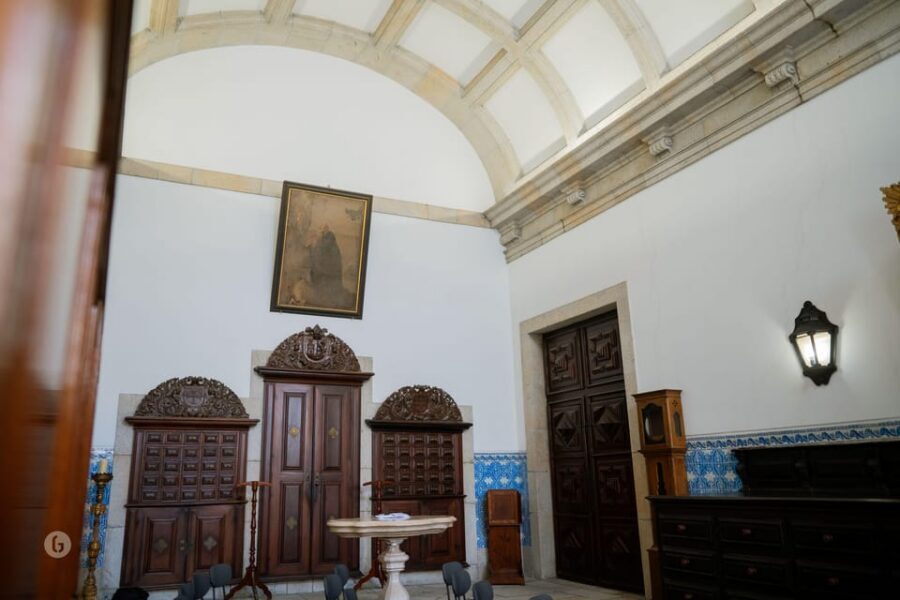
This experience is best for adults and older kids, since it’s not suitable for children under 6. It’s also not suitable for wheelchair users, which you should factor in if mobility access is a concern.
I think this tour is ideal for you if:
- you want Fado in a historic setting, not in a bar scene
- you like heritage stops that connect to what you’ll see later
- you enjoy small tastings and the chance to buy monk-made products
- you want a compact evening plan that’s still meaningful
I’d be more cautious if you hate situations where spoken narration competes with the acoustics of a big stone building. The show helps, but if you need every single detail explained clearly, you may want to arrive prepared to lean into the performance more than the commentary.
Also note the rules: no smoking, no flash photography, no noise, and no party groups or bachelor/bachelorette groups. That’s a good sign for anyone who wants a respectful, focused evening.
Should You Book This Fado Night at Casa da Guitarra?
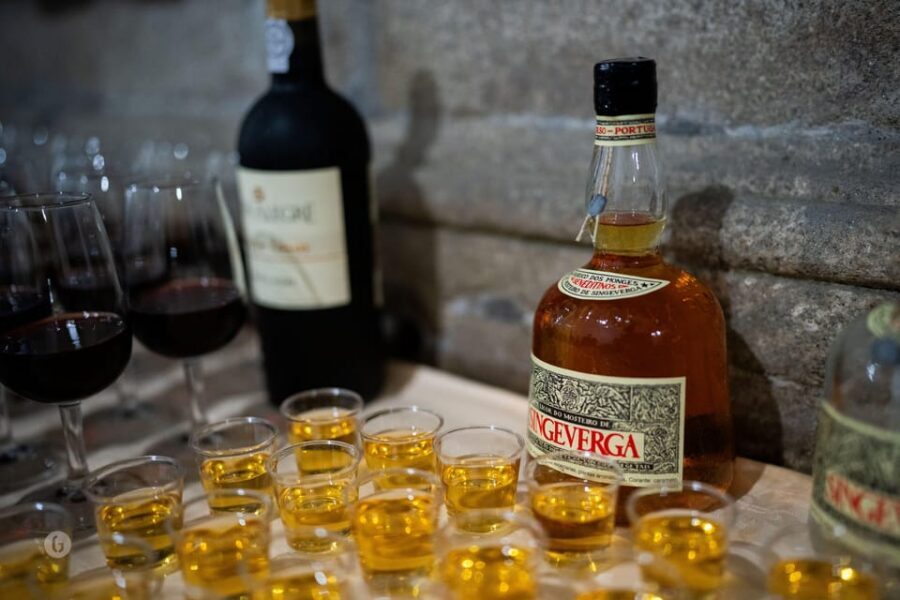
I’d book this if you want a “Portugal first” evening: monastery heritage up front, then a real Fado performance with traditional instruments in a space that supports the sound. The combo of guided history + hour-long show + monk-made liqueur tasting + Port wine makes it feel practical, not just scenic.
One last decision tip: if you’re sensitive to hearing every word of a tour guide, you might prefer sitting closer where you can hear more clearly once the group gathers. Otherwise, this is the kind of Porto experience that works even when you’re not fluent in every detail, because the music does the heavy lifting.
If you’re aiming for genuine atmosphere in a tight timeframe, this one is an easy yes.