REVIEW · PORTO
Porto: Cooking Class with Local Market Visit
Book on GetYourGuide →Operated by Nuno Miguel Ferreira Silva · Bookable on GetYourGuide
Your dinner starts at the neighborhood market.
This 3.5-hour Porto cooking class turns a shopping trip into a full-on lesson in Portuguese food. You meet the host at home, then head out together to local grocery shops, a bakery, a street butcher, or even an organic garden to choose the ingredients you’ll cook with.
I love two things most: the way Nuno Miguel Ferreira Silva connects the market to real cooking, and how the class is built around from-scratch meals instead of pre-made shortcuts. You’ll also get food and culture mixed in—he brings in details like Portuguese tiles and architecture while showing what makes ingredients and techniques matter.
One consideration: this experience is not suitable for wheelchair users, and it’s set up for active, hands-on participation, so you’ll want to plan accordingly.
In This Review
- Key Highlights You’ll Actually Feel During the Class
- Why This Porto Cooking Class Beats a Typical Restaurant Meal
- Meeting at the Host’s Home: Where the Evening Sets the Tone
- Shopping Stops in Porto: Fresh Ingredients, Real Choices
- The Cooking Part: Full Menu From Scratch (With the Why, Not Just the How)
- Portuguese Flavors and Lessons You’ll Remember After the Plates Are Cleared
- Wine Pairing, Port, and the Social Part of the Class
- Dietary Needs and How Flexible This Class Can Be
- Price and Value: Is $106 Worth It?
- Who This Cooking Class Fits Best
- Should You Book This Porto Market-to-Kitchen Class?
- FAQ
- What’s included in the Porto cooking class?
- How long is the experience?
- Is this a large group tour?
- Do they use frozen or pre-prepared ingredients?
- Can the class accommodate dietary restrictions?
- Is it suitable for wheelchair users?
Key Highlights You’ll Actually Feel During the Class
- Market shopping with Nuno Miguel Ferreira Silva: pick ingredients with the guide, not from a checklist
- Everything made from scratch: no frozen products, no pre-prepared items
- Portuguese cuisine stories while you cook: influences from Asia, Africa, South America, and Jewish traditions like alheira
- A full menu you help create: appetizers, an entrée, and dessert such as Pastel de Nata
- Wine pairing plus tastings: you can expect wine, and even port and olive oil lessons in the flow
Why This Porto Cooking Class Beats a Typical Restaurant Meal
A restaurant gives you a finished plate. This class gives you the reasons behind the plate. In Porto, Portuguese food can feel big and historical, but it can also feel personal once you choose the ingredients with a local guide who actually cooks.
The real value is the market-to-menu connection. You’re not just watching instructions. You’re selecting what goes into the food and then building it step by step—so when you sit down at the end, you understand what you’re eating. That’s the kind of souvenir that lasts longer than a fridge magnet.
Another thing I like: the class stays focused. You’re in a small group (up to 8), which means you get real attention while you chop, stir, taste, and ask questions. And because the guide can teach in Portuguese and English, you’re not stuck figuring things out by facial expression alone.
If you’re the kind of traveler who loves food but gets tired of touristy dining, this hits the sweet spot: it’s practical, hands-on, and tied to daily life in Porto’s region.
You can also read our reviews of more shopping tours in Porto
Meeting at the Host’s Home: Where the Evening Sets the Tone
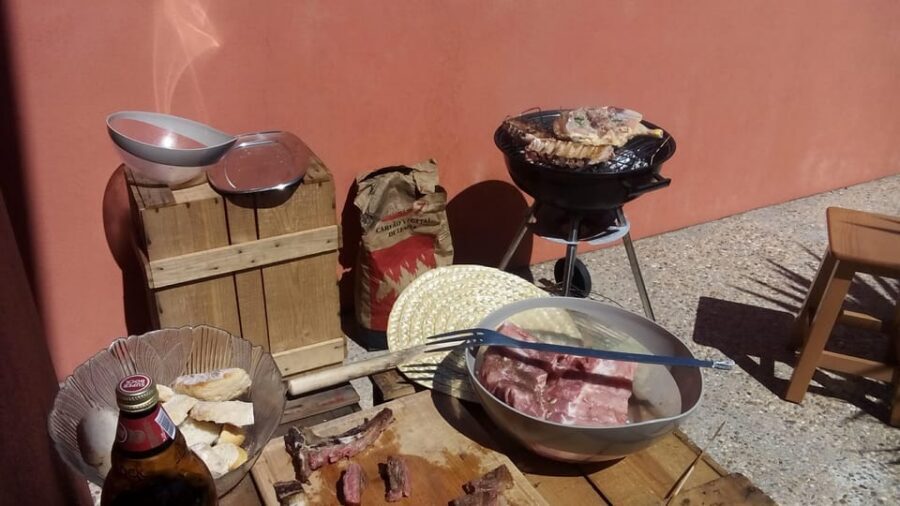
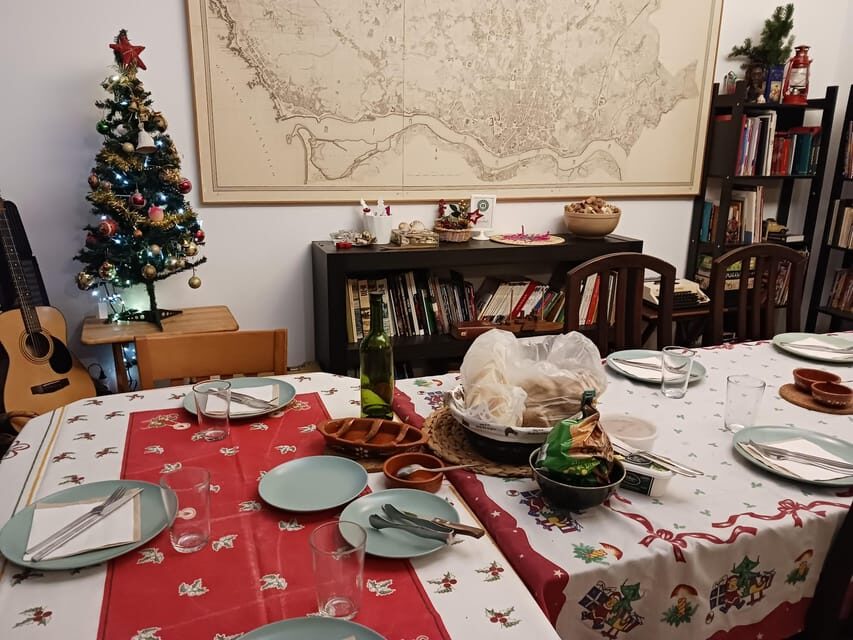
The evening starts at the host’s home. That matters more than it sounds. When you begin in a residential setting, the pace is different. You’re not herded like a ticket. You get time to settle in, meet Nuno, and get oriented before you go shopping.
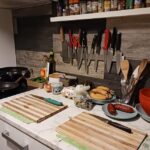
From there, you head out together to gather ingredients. The plan is flexible depending on what’s best that day—local grocery shops, a bakery, or a street butcher are all part of the experience. And because an organic garden visit is included, you might also spend time seeing produce first-hand and learning how herbs and vegetables fit into Portuguese cooking.
One smart detail: the structure is built around making a full menu. That keeps the class from feeling like a quick demo where you mostly watch. You’ll be doing the work—then eating what you made—within a set timeframe of about 3.5 hours.
Plan to show up ready to cook. If you come expecting a passive cultural walk, you may feel a bit under-used. This one is active.
Shopping Stops in Porto: Fresh Ingredients, Real Choices
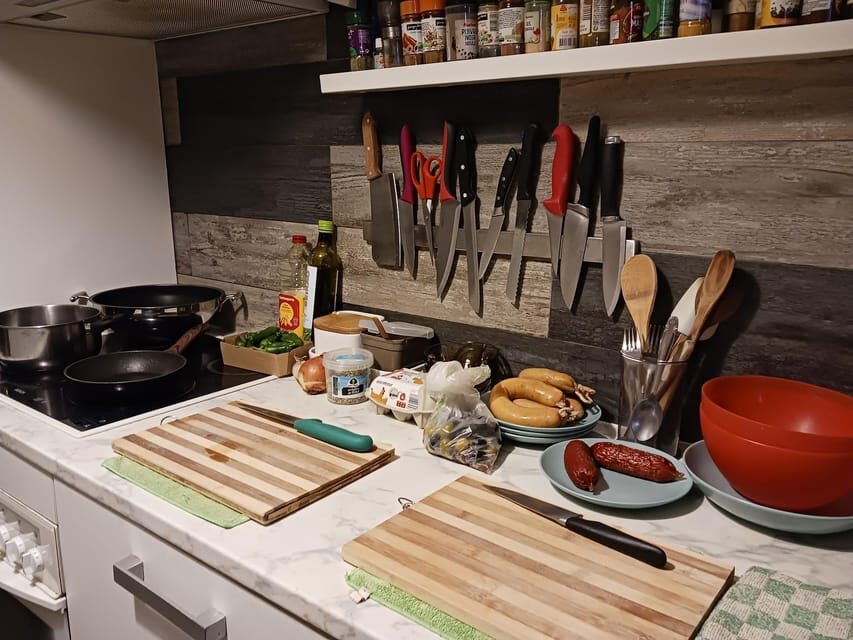
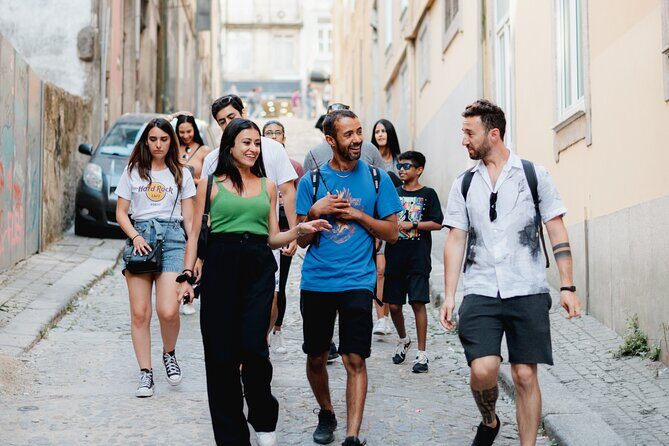
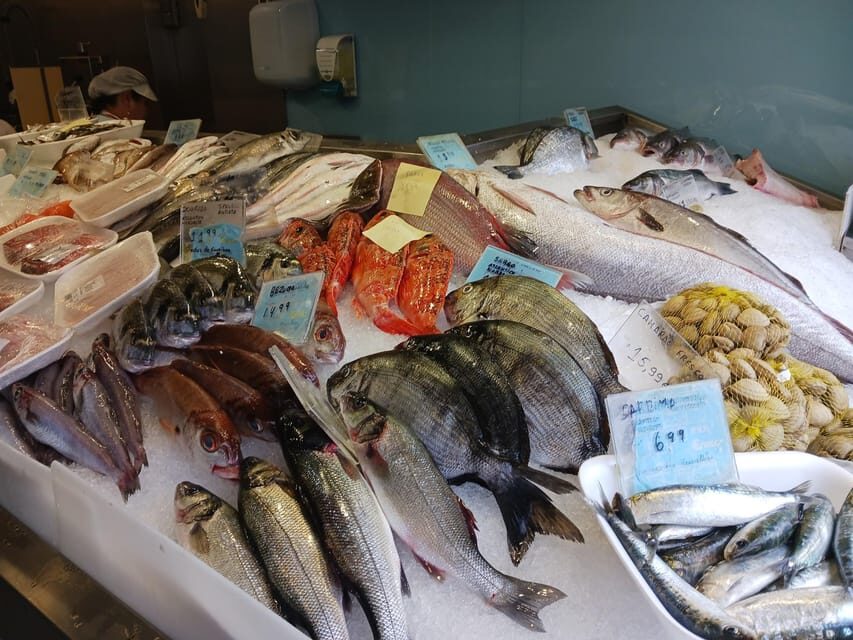
This is a market visit designed to affect your cooking, not just your photos. You’ll shop with the guide, selecting ingredients that match the dishes you’ll prepare. That’s why the class leans into variety—grocery shops, bakeries, and butchers each have their own role in Portuguese meals.
A key idea you’ll pick up fast: Portuguese food is built on what’s available and what tastes best. Instead of buying everything at once from a single store, you’re guided through the logic of sourcing—what makes sense to buy fresh, what comes from a butcher, and what you grab from a bakery.
In real examples from this experience, Nuno has shown the group the best sardines, and that single detail hints at the bigger approach: he cares about quality, not just correctness. He’ll also bring in food culture as you move, which is why the market part doesn’t feel like dead time.
Potential drawback to remember: transportation to and from the meeting point isn’t included. That means you’ll need to handle getting to the host’s home on your own. Once you’re there, though, the evening flows.
The Cooking Part: Full Menu From Scratch (With the Why, Not Just the How)
The heart of the experience is making a full menu from scratch. The rules are clear: nothing is pre-prepared, and no frozen products are used. You’re not relying on shortcuts, and that’s exactly why this class feels different from many “cook with us” tours.
You’ll learn by doing. Expect to prep ingredients, cook components, and put it all together under guidance. The guide explains the origins and traditions behind what you’re making, so the food lesson isn’t only technique—it’s context.
Portuguese cuisine is shaped by movement and contact over centuries—especially the time of the discoveries that connected Europe to Asia, Africa, and South America. On top of that, you’ll hear about distinct communities and food traditions, including the Jewish connection through alheira. The payoff is that when you taste flavors, you understand why they exist in the Portuguese kitchen.
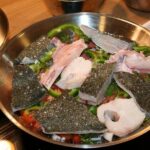
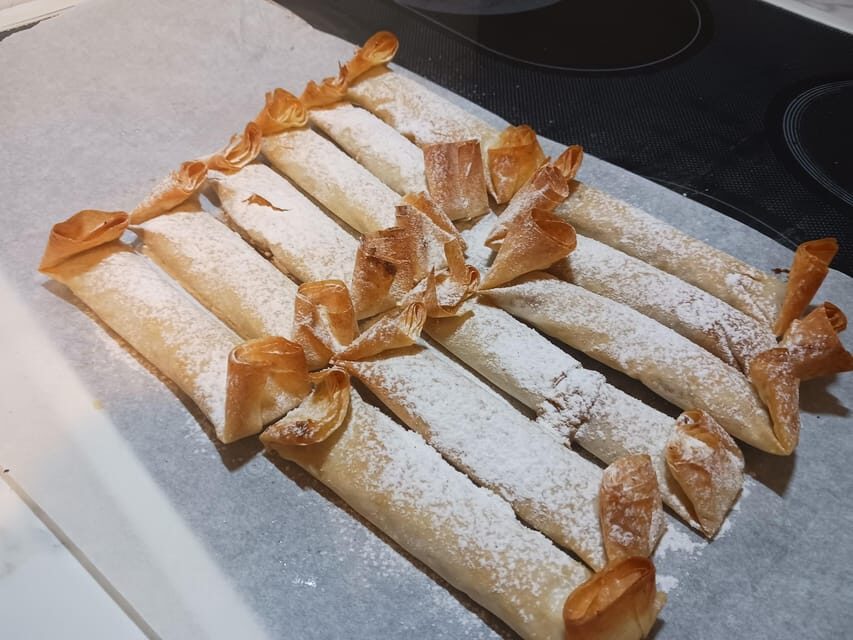
In hands-on terms, you might start with appetizers, move into an entrée, and finish with dessert. In examples from this experience, people have cooked dishes such as an entrée with seb(r)ing fish and then made Pastel de Nata for dessert. Even if your exact menu shifts slightly, you can expect a similar structure: multiple dishes, not one.
And you’ll also get practical mini-lessons. One highlight from the class format is an olive oil lesson, where the guide connects ingredient quality with cooking outcomes.
Portuguese Flavors and Lessons You’ll Remember After the Plates Are Cleared
What sticks for me is how the class blends taste with explanation. You’re not just learning recipes. You’re learning the Portuguese approach to ingredients, seasonality, and cooking logic.
From the guide’s storytelling, you can expect cultural details alongside food facts. Nuno has a style that connects cooking to place—he’s known for sharing insights about architecture and Portuguese tiles while the group is moving through the shopping areas. It’s a neat rhythm: you go from seeing the city’s visual language to learning how the kitchen works.
On the food side, the class highlights ingredients and dishes that show Portugal’s range. You might work with seafood (sardines are specifically mentioned as a favorite to find), and you’ll likely cook fish as part of the entrée. Dessert is often the sweet capstone: Pastel de Nata has shown up as part of the menu here, and it’s a perfect example of why Portuguese desserts deserve attention beyond the basic sugar rush.
One more subtle lesson: you’ll see how Portuguese cooking can handle influences without losing identity. Those historical connections you hear about during cooking aren’t just trivia. They explain why flavors and techniques can feel familiar even when they’re distinctly Portuguese.
You can also read our reviews of more tours and experiences in Porto



Wine Pairing, Port, and the Social Part of the Class
Food classes can fall into two traps: they either feel like a lecture with tasting, or like a party with snacks. This one aims for something more balanced—tastings and pairing that match the meal you’re making.
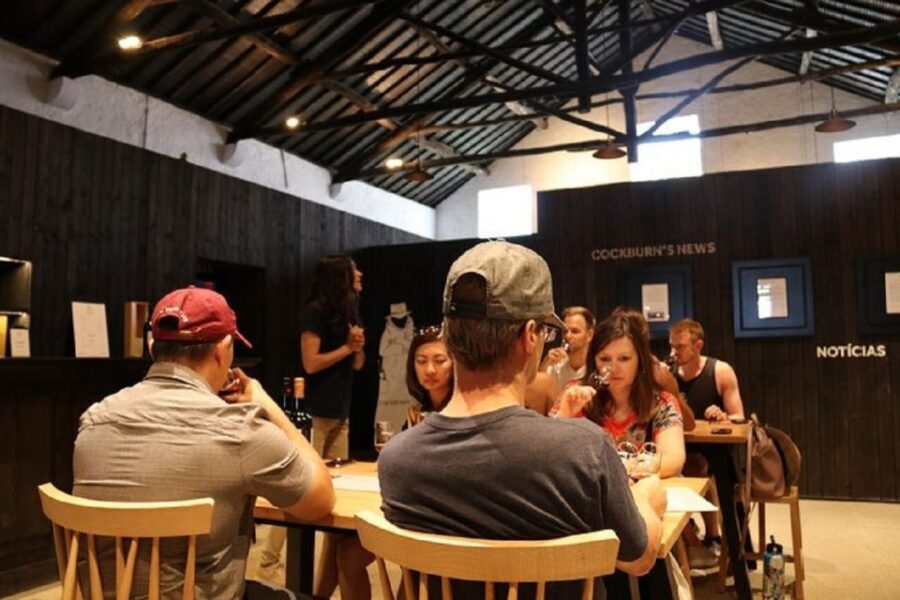
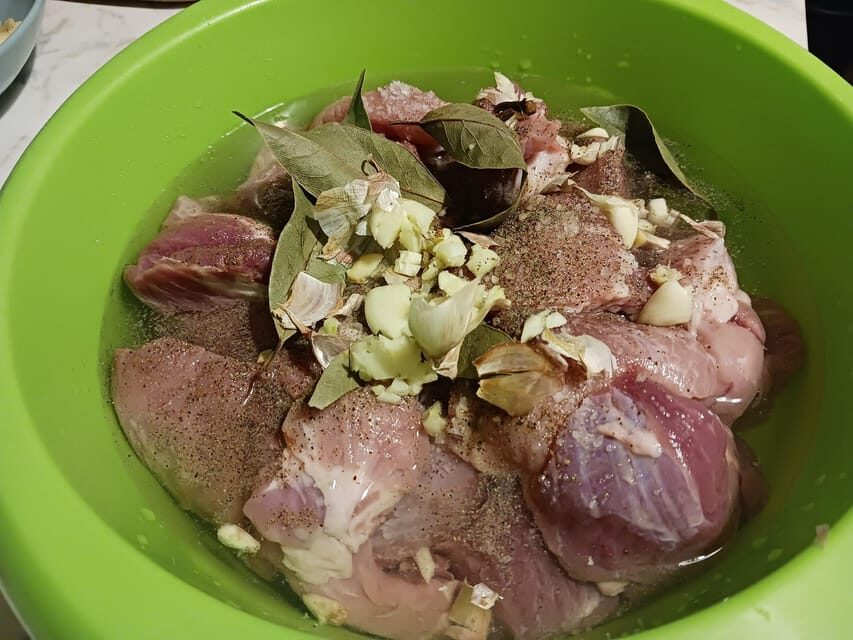
Wine pairing is included, and based on past group experiences, you may also encounter port and olive oil tasting as part of the learning flow. If you like understanding what you drink with food, this format makes sense because the pairing lands after you cook—so the flavors feel connected, not random.
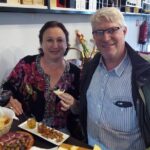
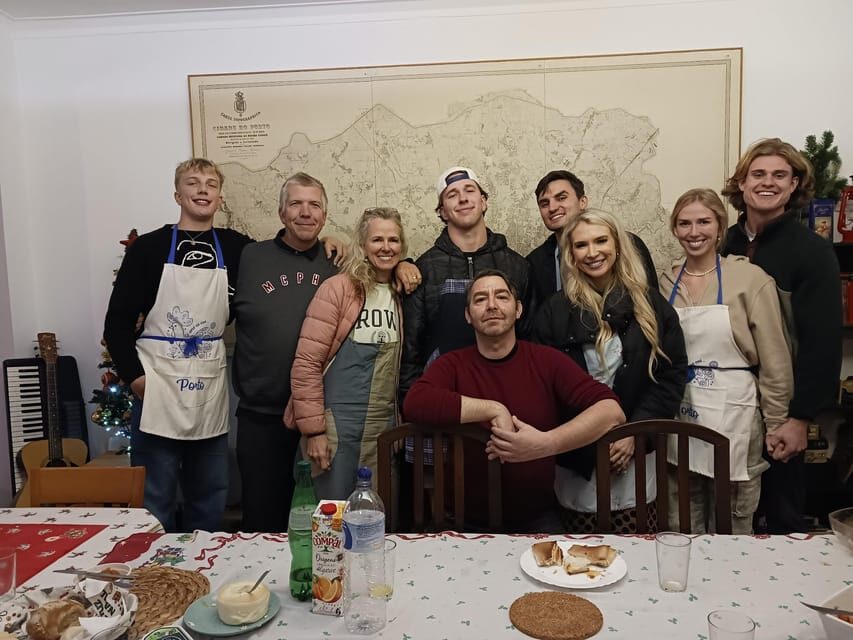
The meal isn’t just you eating in silence. It’s set up for conversation at the end while you enjoy what you prepared. That’s where the group dynamic helps: small size means you’re more likely to talk with the guide and each other, and you won’t feel like you’re shouting over a loud room.
There’s also a practical point. You’re not starting with an empty stomach and leaving with a handful of take-home tips. You taste, you adjust, and you eat. That matters when you want to replicate something at home.
Quick caution: the activity rules list alcohol as not allowed. At the same time, wine pairing is included. Before you arrive, it’s worth checking what that rule means in practice—especially if you have questions about any restrictions related to alcohol.
Dietary Needs and How Flexible This Class Can Be
Good news: the class says adaptations to most diets are possible, and the approach uses fresh, made-from-scratch ingredients. That combination is usually a sign the guide can swap components without relying on boxed substitutes.
The key move is communication. You’re asked to inform the provider of dietary restrictions in advance. That’s especially important for allergies, where even small ingredient choices matter.
In examples from this experience, Nuno has handled allergy needs with care and kept the evening moving smoothly. That doesn’t mean every dietary situation is identical, but it does suggest he takes the responsibility seriously.
If you’re gluten-free, vegetarian, or dealing with other restrictions, plan to message your needs clearly ahead of time. The more specific you are (and the earlier you tell them), the better chance you’ll have that the menu you cook still feels complete—rather than reduced to “something safe.”
Also, pets aren’t allowed, so plan accordingly if you’re traveling with animals.
Price and Value: Is $106 Worth It?
$106 per person for about 3.5 hours can feel like a lot if you’re comparing it to a simple cooking workshop. But when you look at what’s included, the price starts making sense.
You’re paying for four big buckets:
- Market ingredients chosen with a local guide
- A full cooking session where you help make multiple dishes
- Wine pairing (plus possible tastings like port and olive oil)
- Small group attention with a guide who teaches in Portuguese and English
A restaurant might give you a meal, but it won’t teach you how to source the ingredients or explain why the cooking method works. And a cheaper class might use pre-made ingredients—here, the promise is the opposite: fresh, from scratch, no frozen shortcuts.
For me, the value equation is simple: if you want one Porto experience that upgrades your cooking confidence, not just your appetite, this is one of the better ways to spend your time and money.
Who This Cooking Class Fits Best
This class is a strong match if:
- You love markets and want food shopping to be part of the adventure
- You want to learn Portuguese dishes you can recreate later
- You like cultural stories tied to what’s on the plate
- You prefer small group experiences over big-group tours
It may not fit if:
- You use a wheelchair (it’s not suitable for wheelchair users)
- You want a passive activity where you mostly watch
- You don’t want to handle hands-on cooking tasks
Also, it’s ideal as an evening plan. You’re done by around 3.5 hours later, and you leave with both full stomachs and practical recipes.
Should You Book This Porto Market-to-Kitchen Class?
If you’re deciding between another meal out and a true Porto food experience, I’d lean toward booking this. The market stops, the from-scratch cooking, and the guide’s mix of food and culture create an evening that feels more like learning than consuming.
Book it if you want:
- Fresh ingredients selected with a local
- A real menu you help make
- Cultural context tied to Portuguese traditions
- A small group vibe with guide interaction
Hold off if you’re uncomfortable with the active cooking format or if accessibility is an issue for you.
If you do book, send your dietary needs early and be ready to cook. That one step makes the whole evening go smoother.
FAQ
What’s included in the Porto cooking class?
You get a local grocery shop visit, an organic garden visit, the cooking class itself, meal preparation, and wine pairing.
How long is the experience?
The duration is 3.5 hours.
Is this a large group tour?
No. It’s a small group limited to 8 participants.
Do they use frozen or pre-prepared ingredients?
No. The experience uses everything made from scratch, with no frozen products and no pre-prepared ingredients.
Can the class accommodate dietary restrictions?
Adaptations to most diets are possible, and you should inform the provider of any dietary restrictions in advance.
Is it suitable for wheelchair users?
No. It is not suitable for wheelchair users.