REVIEW · PORTO
Porto Private Food & Wine Walking Tour with Market & Tastings
Book on Viator →Operated by Oporto & Douro Moments · Bookable on Viator
Porto tastes better with a guide. This private walking tour strings together the city’s best food-and-wine moments, starting at the legendary azulejo murals of São Bento Station and ending at Infante Dom Henrique Square with a hands-on olive oil stop. It’s paced for real snacking, not rushed sightseeing.
I especially love how you get meaning with the bites: you’ll hear why the Tripeiros nickname matters and how northern wine regions show up right on the station’s walls. I also like the mix of classic Porto you can actually eat—canned fish with green wine, ginja in a chocolate cup, and pastel de nata with coffee—plus a genuine workshop feel at the olive oil stop with Douro pairing.
One consideration: you’re walking for about 3.5 hours, so comfy shoes help. Also, the market isn’t open every day, and the operator adapts the route if you’re on a Sunday or holiday.
In This Review
- Key highlights you’ll feel in real life
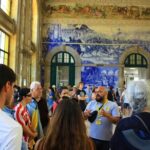
- Entering Porto through São Bento’s tile stories
- Mercado do Bolhão: local snacking with green wine and preserved fish
- Mariquinhas and the ginja-chocolate moment
- Manteigaria pastel de nata with coffee, plus live pastry technique
- Rua das Flores: multiple small tastings with DOP and organic ingredients
- Infante Square olive oil workshop with Douro DOC pairing
- What you’re really eating: the sample menu in plain terms
- Price and value: what $210.04 buys you in Porto
- How to prepare for a 3.5-hour walking tasting
- Who this private Porto tour is best for
- Should you book this Porto private food and wine walk?
- FAQ
- How long is the Porto Private Food & Wine Walking Tour?
- Where does the tour start and where does it end?
- Is this tour private, and what language is it offered in?
- Are dietary options available?
- What happens if the Mercado do Bolhão is closed?
- Are service animals allowed?
Key highlights you’ll feel in real life
- São Bento Station murals first, with stories tied to Porto’s people and Portugal’s northern wine regions
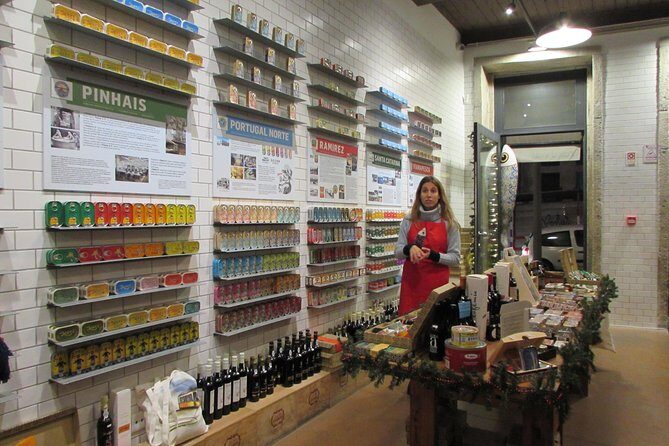
- Bolhão Market tastings including premium canned fish with green wines, olives, and lupins
- Mariquinhas ginja in a chocolate cup, tied to a family recipe tradition
- Manteigaria pastel de nata action, where you watch the cream-filled tart get shaped with precision
- Olive oil workshop at Infante Square, paired with cheese/charcuterie and Douro DOC wine
Entering Porto through São Bento’s tile stories
Most food tours in Porto start with hunger. This one starts with place—São Bento Railway Station—and that’s smart. The meeting point is inside the station, at the interior clock, so you’re not hunting around in crowds before you even taste anything.
Why it works: those famous blue-and-white tiles aren’t random decoration. Your guide points out how the murals map moments in Portugal’s history and how the multicolored panels show rural scenes and even the two wine regions in the north of Portugal. It’s a quick visual lesson that makes the tasting stops make more sense later.
Then there’s the Tripeiros story. If you’ve heard Porto locals called Tripeiros, you get the legend tied to the conquest of Ceuta in 1415 and Infante D. Henrique’s role against the Moors. It’s a lively way to connect people, pride, and city identity—before you add food to the equation.
Practical tip: since you’re meeting at a specific interior landmark, arrive a few minutes early so you can start calm. The station is also connected to the São Bento Metro, which can help if you need a quick reset before the walk continues.
You can also read our reviews of more walking tours in Porto

Mercado do Bolhão: local snacking with green wine and preserved fish
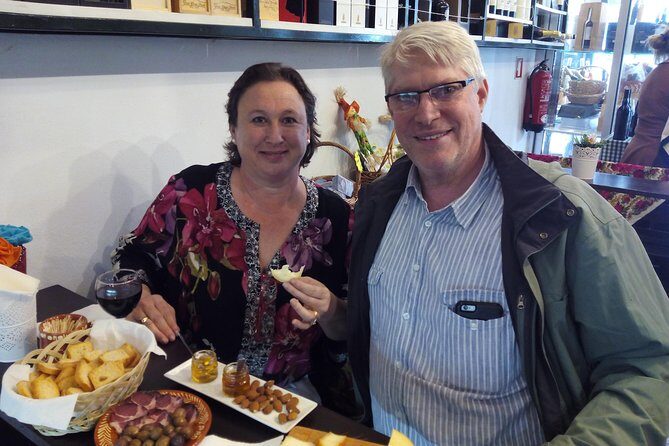
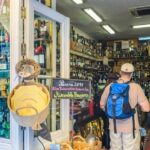
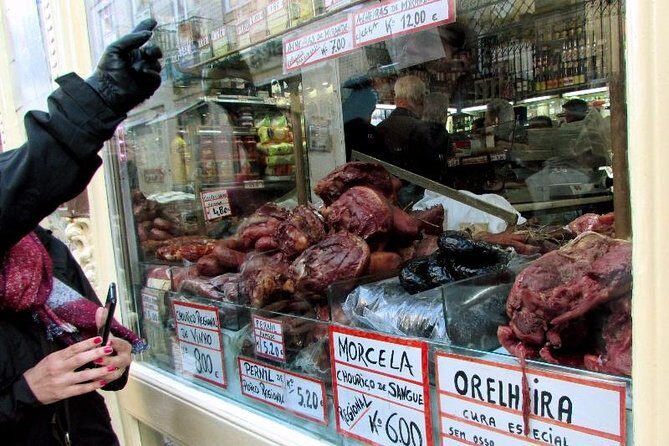
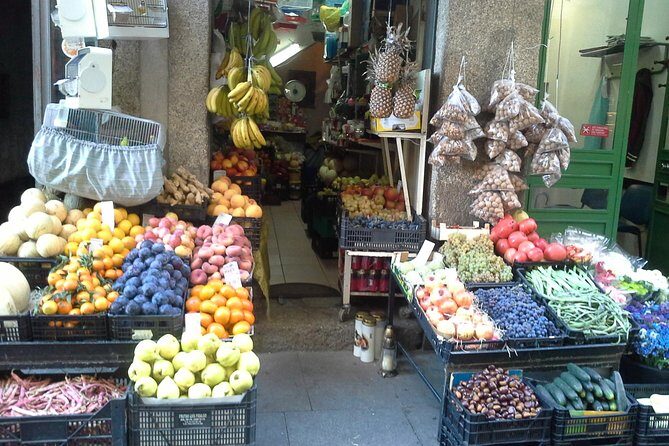
After the station, you head to Mercado do Bolhão, where Porto food stops being a concept and turns into an actual plan. This market opened to the public in 1914 and covers meat, fish, fruit, flowers, vegetables, and those colorful everyday ingredients that make Portuguese cooking work.
Your tastings here are the point:
- Canned fish tastings (you choose from four premium options)
- Green wines served crisp with the seafood
- Olives and lupins as salty, regional snacks
This is where the tour earns its keep. Canned fish in Portugal isn’t a compromise food—it’s part of how people preserve flavor and stretch local ingredients. Pairing it with green wine makes sense too: the wine’s fresh character plays well with salty, oily bites.
What I like about this stop is that it also trains your eye. You don’t just stand and eat; you learn the stories behind traditional Portuguese dishes and culture while you’re surrounded by the ingredients themselves. That’s how market food becomes more than a snack. It becomes context.
One heads-up for your calendar: the market is closed on Sundays and holidays, and the operator adapts the tour and tastings. If your trip lands on a closed day, that doesn’t automatically mean less food—just a different flow.
Mariquinhas and the ginja-chocolate moment
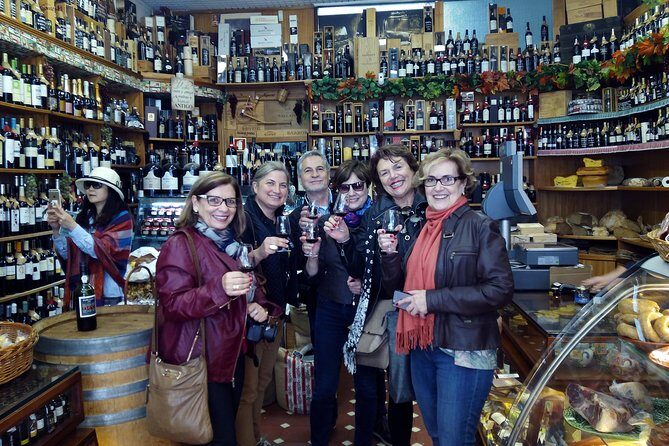
Next up is Mariquinhas Experience Porto, built around one very Porto detail: ginja, the sour cherry liqueur. You’ll try it in a chocolate cup, which sounds like a gimmick until you taste how the sour-sweet profile works.
The guide frames it as more than a drink stop—a family and local story. The recipe is said to have remained untouched for about two centuries, which gives the tasting a sense of continuity. Even if you don’t care about liqueur lore, it’s a clean break in the tour: a small, focused tasting with a clear flavor target.
Why it’s a good stop in a walking route: it’s short (about 15 minutes) and easy to fit without killing your appetite. You’ll be ready for the next round of pastry soon after.
Manteigaria pastel de nata with coffee, plus live pastry technique
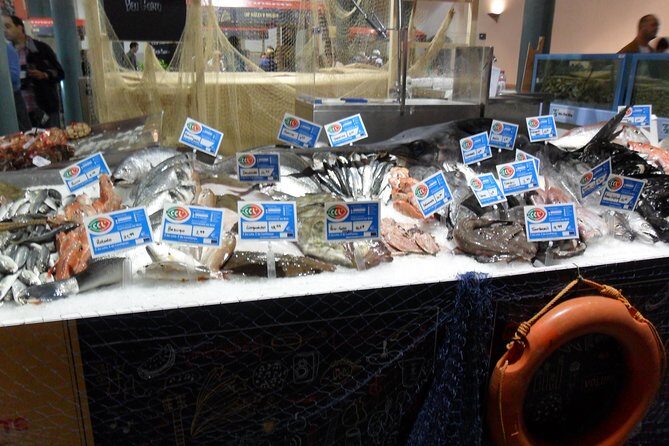
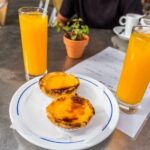
At Manteigaria, you get one of Porto’s signature sweets the way it should be consumed: hot enough to matter, and explained enough to appreciate. You’ll try a pastel de nata with coffee, and you’ll also watch how the pastry is made—shaped dough, filled cream, and the precision of placing it close to the edge.
If you’ve ever wondered why pastel de nata matters, this is your answer. It’s not just custard in a shell. The method affects texture, browning, and that mix of crisp edges with creamy center. Watching the filling step is especially useful because it shows how small changes change the final bite.
Timing matters here. This stop is also about 15 minutes, so you’re getting the pastry moment without turning the whole tour into a food marathon (even if it can feel like one by the end).
Practical tip: coffee is included, so you can skip ordering anything extra here unless you want it. If you’re doing this later in the day, you might still plan a lighter breakfast so you don’t feel like you’re chasing sugar with more sugar.
Rua das Flores: multiple small tastings with DOP and organic ingredients
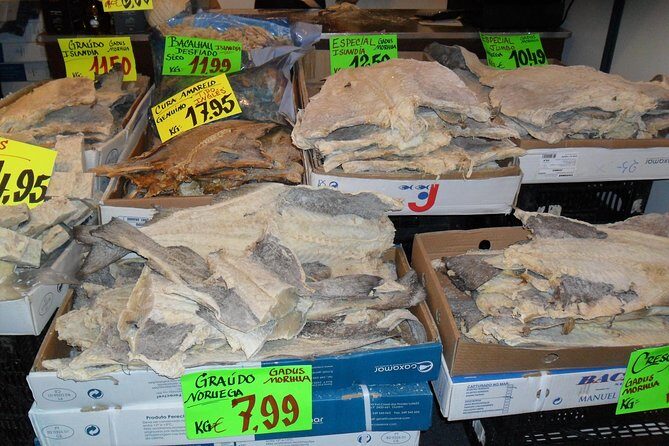
Rua das Flores is where the tour shifts from set-piece tastings to “try a little, then try the next thing.” Expect several small tastings during about 15 minutes, built around Portuguese raw materials.
The tour description calls out protected designation of origin (DOP) and organic fruit, plus flavor mixes using Portuguese wines and aromatic herbs and spices. Translation: you’re tasting combinations that go beyond the classic Porto starter/dessert pattern.
This stop is valuable for a simple reason: it helps you learn your own preferences. By this point you’ve had savory seafood, salted snacks, liqueur, and pastry. Now you get more layered flavors and aromatic notes—good if you like complexity, good if you simply want variety before the heavier workshop stop.
If you’re someone who hates over-ordering or long menu decisions, this kind of structured “try-and-move” tasting is a relief. You don’t need to guess. You just sample and learn.
You can also read our reviews of more food & drink experiences in Porto



Infante Square olive oil workshop with Douro DOC pairing
The finish is at Praca do Infante Dom Henrique, near the Stock Exchange area—an ideal end point because you’re back in the sightseeing zone, not stuck in a dead-end street. The final stop is built around olive oil, and it feels like the most interactive part of the tour.
You’ll do an olive oil workshop, then pair it with:
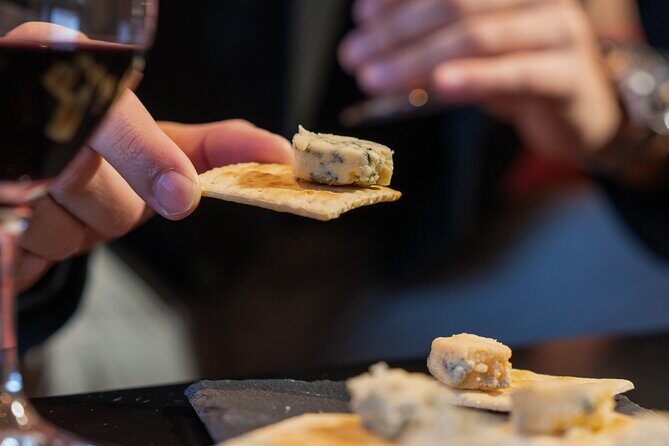
- A cheese and charcuterie board
- Olive oil crackers and dry fruits
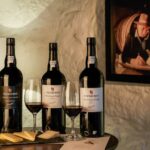
- Douro DOC wine
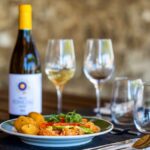
That combination works for two reasons. First, olive oil tasting is easier with something to compare it against, like cheese, cured meats, and crunchy crackers. Second, pairing with Douro DOC wine connects the oil to Portugal’s northern wine identity—you saw those northern wine references earlier at São Bento, and now it comes full circle.
Why this stop makes the whole tour feel complete: earlier tastings focus on Porto staples and sweets. This one grounds everything in a core local ingredient—olive oil—and then shows how it pairs with wine and food textures.
If you tend to forget what you liked, this is the one stop where you’ll likely remember. Smell and taste are sticky when they come with hands-on guidance.
What you’re really eating: the sample menu in plain terms
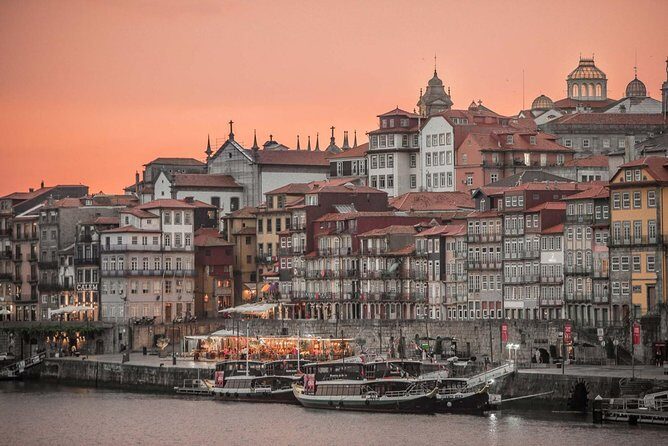
The sample menu reads like a best-of Porto checklist, but it’s also a smart sequence for your stomach. Here’s how the pieces fit together.
You start with four premium canned fish tastings of your choice, served with crisp green wines. That sets the savory tone and gives you a salty baseline.
Then you continue with exquisite Portuguese olives and lupins, plus the interactive olive oil workshop later in the tour. Expect the snacks to keep coming, but in manageable bites rather than one huge meal.
Next is sausages and artisanal cheeses—including smoked sausages and cheeses—harmonized with Douro wines. This shifts you from bright, green-wine freshness to deeper, richer pairing.
Dessert is a double finish: freshly baked pastel de nata with aromatic coffee, then ginja liqueur in a delicate chocolate cup.
If you like the idea of a guided tasting menu but hate restaurant decision fatigue, this format is exactly the point. The tour supplies the structure so you can focus on tasting and learning what clicks for you.
Also, the tour is private, so your pacing can fit your group. If you want to linger slightly while you compare olives or ask another question about wine pairing, that’s the kind of flexibility private tours are built for.
Price and value: what $210.04 buys you in Porto
At $210.04 per person for about 3 hours 30 minutes, this isn’t a budget snack crawl. But it can be good value if you treat it like a curated food plan with guided learning.
Here’s what you get for the money, based on how the tour is set up:
- Multiple tasting stops that would cost money on their own (market tastings, wine pairings, pastry, liqueur)
- A guided explanation of what you’re eating, including Porto identity stories like Tripeiros and Ceuta
- A private experience, meaning it’s only your group participating
- An end stop that includes an actual workshop and pairing with Douro DOC wine
You’re also getting logistics help. You don’t have to figure out where to go for each specialty—your route already lines up the station, market, pastry, liqueur, and oil tasting so you can spend energy on taste instead of navigation.
If you’re traveling with someone who cares about food and drink, the private factor can make the cost feel easier to swallow. If you’re only casually interested in gastronomy, you might prefer a shorter, cheaper tasting option. But if you want Porto to be about eating well, this tour is built for that.
How to prepare for a 3.5-hour walking tasting
A food-and-wine walk sounds leisurely. The reality is mostly walking plus multiple stops that add up. I’d plan for about 3.5 hours on foot, and wear comfy shoes.
Other small prep ideas:
- Consider a lighter breakfast or brunch so pastries and liqueur don’t hit like a wall later.
- Bring a water bottle if you tend to get thirsty while tasting (the tour includes food and drink tastings, but water needs vary).
- If you’re vegetarian, pescatarian, or vegan, use the dietary options offered. The tour data lists these options, and the format includes adaptation where needed.
One extra note from real-world experience: guides have shown flexibility when people finish very full. In at least one account, the guide arranged a taxi stop with a doggie bag so the group could keep snacking later at the hotel. That’s not something I’d expect every time, but it’s a sign the team cares about how the day feels, not just how it schedules out.
Who this private Porto tour is best for
This is a strong match for you if you:
- Want Porto food in a structured way, with tastings that progress logically
- Like learning the why behind dishes and local culture, not just where to eat
- Prefer a private pace over joining a large group
- Care about pairing details, especially green wines with seafood and Douro DOC with richer bites
It can also work well if you’re returning to Porto. The route still shows major anchors like São Bento and Bolhão, but the tastings give you a different way to experience familiar places.
If you dislike walking, or you can’t manage repeated stops on foot, you’ll probably feel the time more than you’d like. Still, it’s described as suitable for most travelers, and the start/end points are near public transport.
Should you book this Porto private food and wine walk?
I’d book it if Porto is your food trip—not just a side quest. The biggest “yes” is that the tour combines real tastings with stories tied to the city, from São Bento murals to the Tripeiros legend, then lands with an olive oil workshop and Douro DOC pairing.
I’d hesitate only if you’re short on time, dislike guided tastings, or know you won’t enjoy liqueur and wine pairings. Since the market closes on Sundays/holidays, also check your travel dates if you’re the type who hates schedule changes—even though the tour does adapt.
If you want one afternoon that turns Porto into something you can taste and remember, this private route is a solid choice.
FAQ
How long is the Porto Private Food & Wine Walking Tour?
It’s about 3 hours 30 minutes.
Where does the tour start and where does it end?
It starts at Porto São Bento, Praça de Almeida Garrett, 4000-069 Porto, Portugal. It ends at Praça do Infante D. Henrique, 4050-561 Porto, near the Stock Exchange.
Is this tour private, and what language is it offered in?
Yes, it’s a private tour/activity, meaning only your group participates. It’s offered in English.
Are dietary options available?
Yes. The tour lists dietary options such as vegan, vegetarian, and pescatarian.
What happens if the Mercado do Bolhão is closed?
The market is closed on Sundays and holidays, and the operator will adapt the tour and tastings.
Are service animals allowed?
Yes, service animals are allowed.