REVIEW · PORTO
Porto: Pastel de Nata Cooking Class with Port Wine – Sé
Book on GetYourGuide →Operated by Domus Arte · Bookable on GetYourGuide
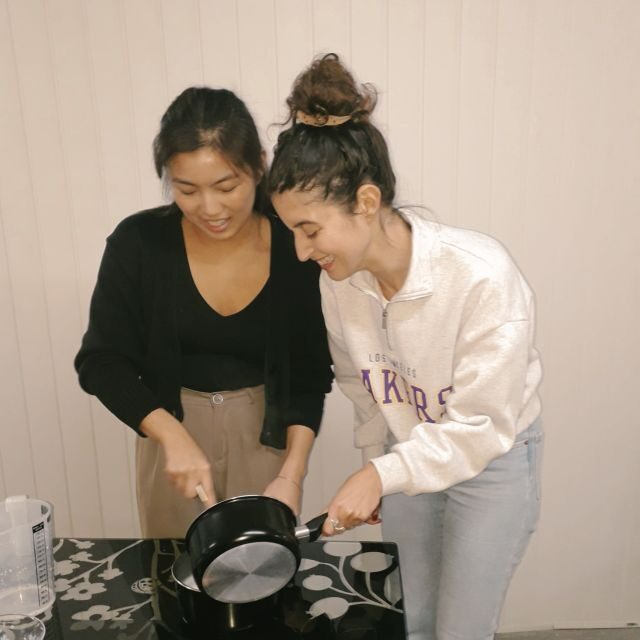
Making Pastéis de Nata is short, sweet, and very hands-on. This 1.5-hour workshop at Domus Arte in downtown Porto turns a classic dessert into a guided, step-by-step cooking session, with Port wine and snacks keeping the mood relaxed.
Two things I especially like: you get clear technical coaching while you actively assemble the tarts, and you also learn a quick origin story of the Pastel de Nata (from Lisbon beginnings to how it became Portugal’s famous sweet).
One thing to think about first: the puff pastry dough is pre-prepared, so you’re focused on the custard and the baking process rather than making laminated pastry from scratch.
In This Review
- Quick picks before you go
- Where Domus Arte fits into a Porto day (and how easy it is to reach)
- The 1.5-hour flow: what you actually do during class
- Custard technique: the skill that makes your homemade batch work
- Puff pastry: why it’s pre-made here, and how to plan for that
- Drinks, snacks, and the Porto social vibe while the oven runs
- The instructor experience: interactive, light, and built for every skill level
- History and local food tips you can use the same day
- Recipe + take-home box: how to turn this into a repeatable win
- Price and value check for a $41 pastry class
- Who should book this class, and who should consider alternatives
- Should you book this Pastel de Nata workshop in Porto?
- FAQ
- Where is the class located?
- How long is the Pastel de Nata cooking class?
- How much does it cost?
- Is the class taught in English?
- Can I take the Pastéis de Nata home?
- Do you offer dietary accommodations?
- Is it suitable for young kids or wheelchair users?
- Is smoking allowed indoors?
Quick picks before you go
- Domus Arte setting: a concept store built around workshops and handmade products
- Hands-on assembly: you take turns through the custard and baking steps
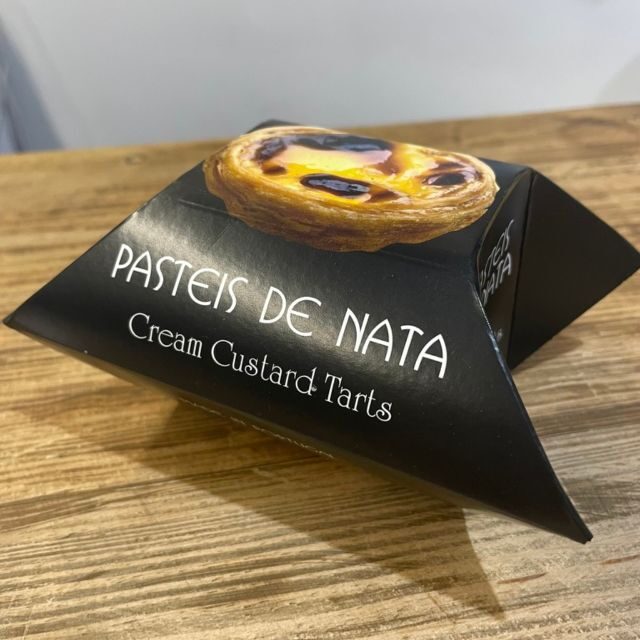
- Taste + take-home: you leave with several Pastéis de Nata plus a transport box
- Short history primer: where the Pastel de Nata started and why it spread
- Port wine included: plus juice, water, coffee, and sweet-and-savory snacks
Where Domus Arte fits into a Porto day (and how easy it is to reach)
Domus Arte sits right in central Porto, near big landmarks like Porto Cathedral and São Bento station. That matters because you can pair this class with an easy neighborhood walk—rather than treating it like a complicated side trip. I like that the meeting point is in the part of town where you’re already likely to spend time.
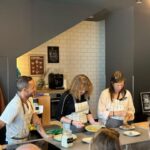
The workshop itself happens in a space dedicated to handmade products, art exhibitions, and other hands-on activities. In plain terms: it doesn’t feel like a cafeteria cooking demo. You’re in a real workshop-style environment where tools, ingredients, and the instructor’s attention are built into the flow.
You’ll also notice the class is designed for a mixed crew. It’s stroller accessible, and pets are allowed (indoors smoking is not allowed). That combo usually means the space is used to normal, real-life visitors—not just food-tour groups.
You can also read our reviews of more cooking classes in Porto
The 1.5-hour flow: what you actually do during class
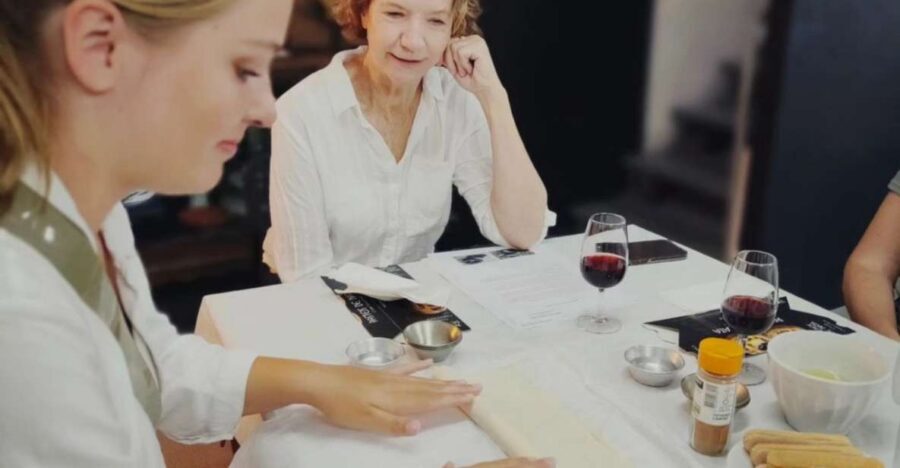
This class is built around a clear pace: you learn the technique, you do the technique, then you watch it bake into something recognizable and delicious.
Here’s the practical arc you can expect:
- Warm-up + history
You start with a short, accessible intro to the Pastel de Nata’s background—its roots and how it evolved into the iconic Portuguese pastry people come looking for.
- Custard preparation
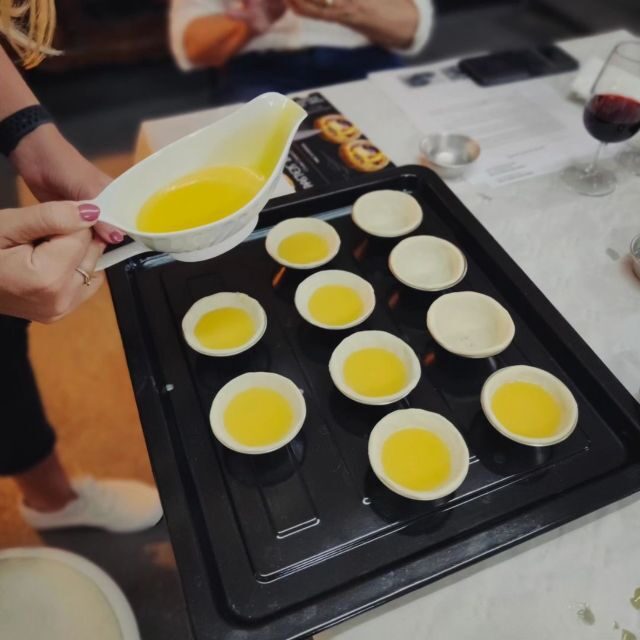
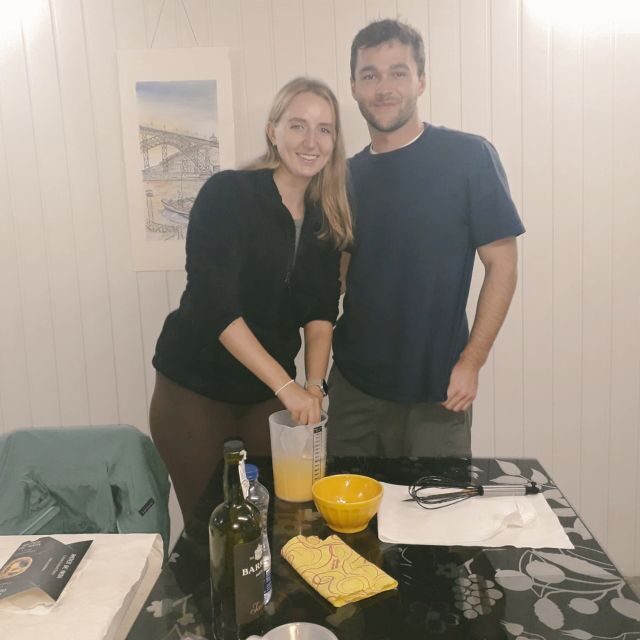
The main skills you focus on are the custard filling and how to handle it properly. The instructor gives technical guidance throughout, which is a big deal if baking has ever stressed you out.
- Assembly with puff pastry cups
Puff pastry is pre-prepared, so you’ll work with ready pastry bases. You’re not starting from raw dough. Instead, you assemble the tarts correctly and learn what matters for a good result.
- Baking and timing
The baking step is where technique shows. You’ll learn the rhythm of when things are ready and what to look for so your custard sets the way you want.
- Enjoy on site and take some home
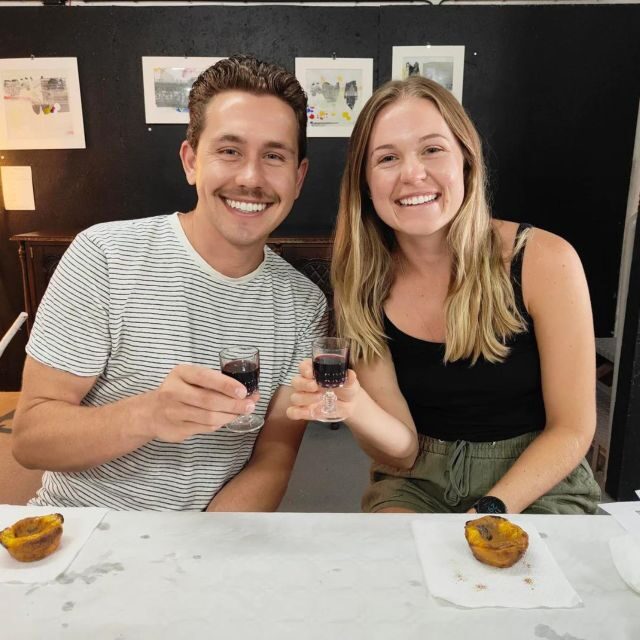
Each participant prepares several Pastéis de Nata. Some you eat right there; the rest go in a paper box you can take with you. The workshop also includes drinks and snacks to keep everyone comfortable while the oven does its job.
One more useful detail: participation is shared. The group works through steps together, with turns assigned among participants. If you want full, individual participation in every stage, the private workshop option is the route to ask about.
Custard technique: the skill that makes your homemade batch work
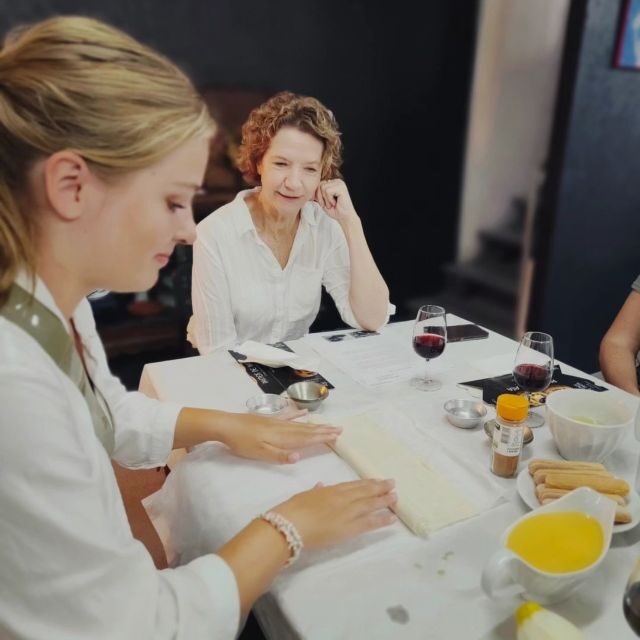
If there’s a single reason Pastel de Nata tastes better when you learn it properly, it’s the custard. This workshop leans hard into that part.
What you’re likely to learn (and use at home):
- how the custard should look and behave during mixing
- how to portion it into the pastry cups so it bakes evenly
- how to time the bake so you get the set custard texture you’re aiming for
Even if you’re a “cook, not a baker” type, the step-by-step format helps. The instructor’s technical guidance isn’t theoretical—it’s tied to what you’re doing right then. That’s why people enjoy this class even when they’re not confident in the kitchen.
Also, you get a recipe and enough confidence to reproduce the result later. The recipe isn’t just a generic note—it includes the tarts and puff pastry approach, with the idea being that you can recreate the classic at home once you’ve nailed the custard method.
Puff pastry: why it’s pre-made here, and how to plan for that
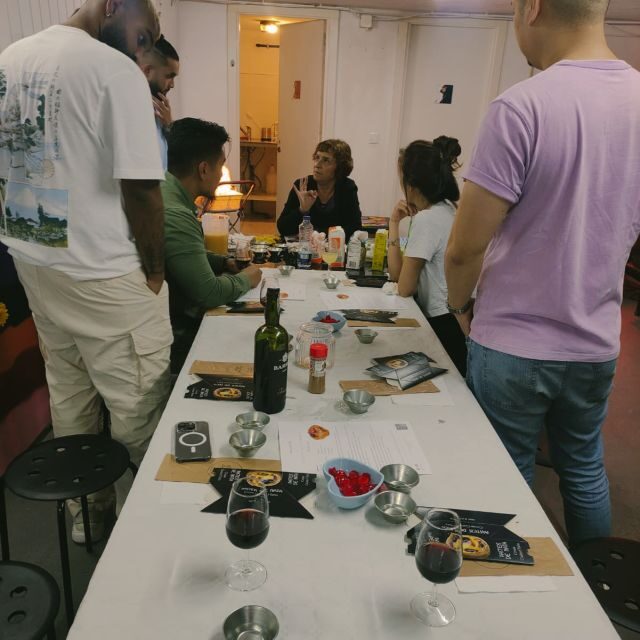
This is the big trade-off to understand before you go: puff pastry is pre-prepared for the class.
Why that matters for your expectations:
- You’ll spend time learning the custard and the baking process, not waiting hours for pastry development.
- You’ll still receive a house-made recipe to recreate the puff pastry at home, since the pastry needs several hours before it’s usable.
So if your goal is to go fully full pastry-nerd and roll laminated dough from start to finish during the session, this class won’t match that. But if your goal is to leave with a reliable method and a batch that tastes like something you’d buy in Portugal, this format is actually efficient.
In other words: you get the skills most people struggle with (custard and baking) without turning the class into a half-day pastry project.
Drinks, snacks, and the Porto social vibe while the oven runs
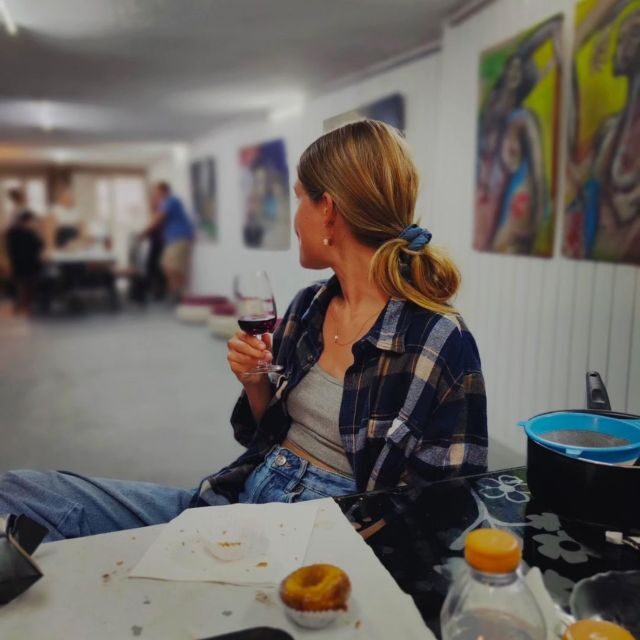
The workshop is not all seriousness and flour. You’ll have port wine along with juice, water, and coffee, plus a selection of sweet and savory snacks. The timing works well because the busiest baking moments create a natural pause—so you’re not standing around hungry.
This drink-and-snack setup also makes the class feel social. You’re doing something together, learning in real time, and sharing small wins as you assemble each tart.
Port wine is a nice pairing because the custard’s sweetness and the pastry’s crisp edges balance well with a wine that has some depth. If you’re not a wine drinker, you’re still covered with non-alcoholic options included in the session.
You can also read our reviews of more wine tours in Porto




The instructor experience: interactive, light, and built for every skill level

The workshop’s energy is shaped by the instructor and the way they guide the group. Since the class is in English, you won’t have to wrestle with translation while you’re trying to understand a key technique.
Depending on the session, instructors you might meet include names like Theresa/Teresa, Sofia, Luis, Louis, Felipe/Filipe, or Filip, all mentioned as teaching leads for this activity. The shared theme is the teaching style: clear guidance, frequent interaction, and a workshop atmosphere where you’re not afraid to try again if something looks off.
What I like about this approach is that it reduces the intimidation factor. Baking can feel like a mystery until someone breaks it into steps. Here, you get that step-by-step flow, and you’re included in the process as the group moves forward.
History and local food tips you can use the same day
You’ll get a short introduction to the Pastel de Nata’s story—how it began in Lisbon and then evolved into a national staple. It’s not a lecture; it’s the kind of context that makes the dessert feel grounded in place, not like a generic international pastry.
You’ll also leave with local food tips from a Porto expert. The data doesn’t spell out specific restaurant names, but the format is clear: you get guidance intended to help you eat well after class—when you’re already in downtown Porto and deciding where to go next.
That’s a real value. You’re not just learning how to make the pastry; you’re also learning how to navigate the city’s food culture with less guesswork.
Recipe + take-home box: how to turn this into a repeatable win
One reason this class earns repeat bookings is the take-home outcome.
You’ll:
- prepare several Pastéis de Nata
- enjoy some on site
- take the rest home in a transport box
- get an exclusive recipe for the tarts and puff pastry approach
That recipe part is important for value. The best cooking classes give you a method you can repeat, not just an experience where you eat one good thing and move on.
Here’s how I’d use the recipe if you want it to work at home:
- Treat the custard steps like the heart of the recipe, not the afterthought.
- Plan puff pastry timing in advance if you want to recreate it from scratch at home, since the pastry takes several hours to be ready.
- Expect the first batch to be a learning run. You’ll already know what the custard should feel like and what the baking should aim for.
And yes, packing tarts in a paper box with a transport option is practical. You’re not trying to improvise containers from your hotel bag.
Price and value check for a $41 pastry class
$41 may sound like a lot until you break down what you’re getting for the time.
For your money, you’re getting:
- a guided workshop with technical coaching
- ingredients and supplies included
- drinks (port wine plus non-alcoholic options)
- snacks while you wait for baking
- several Pastéis de Nata per person
- a take-home transport box
- an exclusive recipe for tarts and puff pastry
The big value kicker is that it’s not only tasting. You’re learning a method and leaving with both the product and the instructions.
Also, the class length—1.5 hours—fits neatly into a day. You don’t lose half a day to logistics or long prep, and you still leave with a souvenir you can eat.
If you’re trying to choose between a general food tour and a cooking class, this one tends to win for hands-on learners. If you’re just after a quick dessert tasting, a cheaper tasting stop might be enough. But if you want the Porto classic in your own kitchen later, the structure just makes sense.
Who should book this class, and who should consider alternatives
This is a great fit if:
- you want something active, not just a sit-and-watch meal
- you like desserts and want to learn pastry technique that transfers to home
- you enjoy social, guided experiences with good pacing
- you’re traveling with mixed ages (this is designed to get kids and adults involved)
It may be less ideal if:
- you specifically want to make puff pastry from scratch during the class (it’s pre-prepared here)
- you need wheelchair access for the session (this workshop is not suitable for wheelchair users)
Dietary options are also a plus. Lactose-free, gluten-free, and vegan options are available upon request, but advance notice is required and preparation depends on confirmation by the team.
Also note the age cutoff: children under 3 years are not suitable.
Should you book this Pastel de Nata workshop in Porto?
If you want a Porto activity that’s both fun and useful—where you learn technique, eat what you make, and bring home a box of pastries—this class is a strong yes. The combination of hands-on assembly, custard-focused guidance, and a recipe you can follow later is exactly the kind of value that turns a one-time trip into a skill you keep.
Book it if:
- you’d rather bake than browse
- you want a structured way to learn the custard method
- you like the idea of port wine as part of the experience
Skip or adjust expectations if:
- your main goal is laminated puff pastry mastery during the session
- you require wheelchair access for the workshop itself
If you’re picking one sweet, practical Porto experience, this is the kind that leaves you with both knowledge and a tasty finish.
FAQ
Where is the class located?
The workshop takes place at Domus Arte in downtown Porto, near Porto Cathedral and São Bento station.
How long is the Pastel de Nata cooking class?
The class runs for 1.5 hours.
How much does it cost?
The price is $41 per person.
Is the class taught in English?
Yes. The instructor teaches in English.
Can I take the Pastéis de Nata home?
Yes. You’ll receive a paper box and transport option so you can take your pastries away.
Do you offer dietary accommodations?
Lactose-free, gluten-free, and vegan options are available upon request, with advance notice required and subject to confirmation.
Is it suitable for young kids or wheelchair users?
Children under 3 years are not suitable, and the workshop is not suitable for wheelchair users.
Is smoking allowed indoors?
No. Smoking indoors is not allowed.