REVIEW · COIMBRA
Coimbra: A Local’s Tour of the University + Skip-the-Line
Book on GetYourGuide →Operated by Open Roads Portugal · Bookable on GetYourGuide
Coimbra’s university tour reads like a living story. I especially like the way Paço das Escolas sets the scene like a royal center of learning, and how Biblioteca Joanina turns books, light, and even bats into part of the experience. You get architecture, rituals, and Portuguese history connected in a way that feels practical, not academic for academic’s sake.
One key consideration: the route involves climbing stairs, so it may not work well if you have mobility issues or use a wheelchair.
In This Review
- Key things I’d circle on your map
- A 1.5-hour sprint through Coimbra’s university heart
- What you’re paying $76 for (and why skip-the-line helps)
- Meeting point and how the tour starts at Dom Dinis
- Paço das Escolas and Porta Férrea: where Portuguese academia gained a stage
- Biblioteca Joanina: the Baroque library that turns conservation into a story
- Prisão Acadêmica under the library: the university’s discipline side
- Real Capela de São Miguel: azulejos, gilded altars, and real sound
- Sala dos Capelos and Via Latina: blue tiles, doctoral moments, and language change
- Why the guides matter here (Jose, Rogério, David, and more)
- Timing, stairs, and photography rules you should plan for
- Who this tour suits best
- Should you book this Coimbra University tour?
- FAQ
- Where do I meet the guide?
- How long is the tour?
- What’s included in the price?
- Can I choose English or Portuguese?
- Is there skip-the-line access?
- Is flash photography allowed?
- Is this tour suitable for wheelchair users?
- Is a private group option available?
Key things I’d circle on your map
- Paço das Escolas as the academic heart since 1537, plus the UNESCO context
- Porta Férrea and its symbolism, including statues of D. Dinis and D. João III
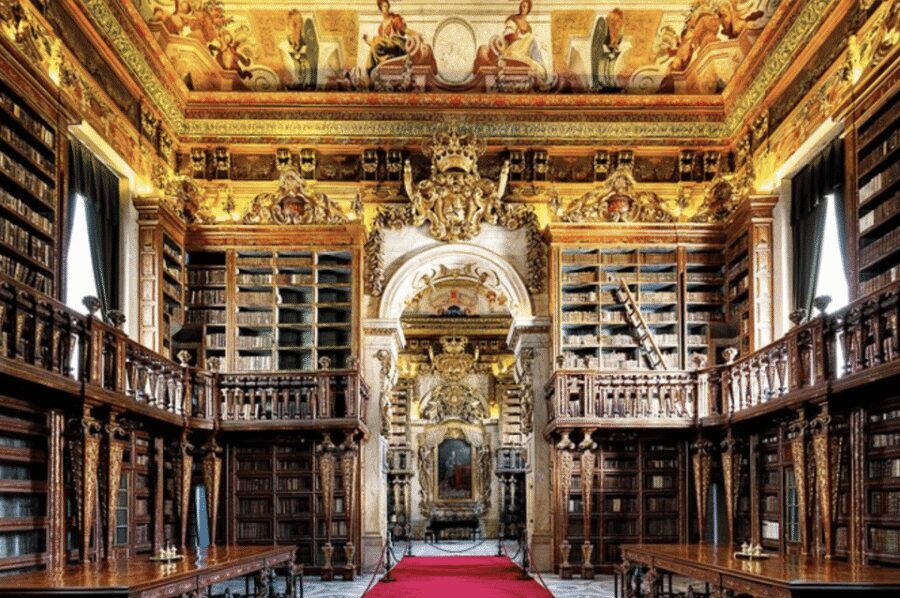
- Biblioteca Joanina with its Baroque design and 60,000-volume collection
- Prisão Acadêmica underneath the library, showing how discipline shaped student life
- Real Capela de São Miguel with azulejos, gilded altars, and a 2,000+ pipe organ
- Sala dos Capelos and Via Latina as the link between monarchy, academia, and language change
A 1.5-hour sprint through Coimbra’s university heart
This tour is built for focused sightseeing. In about 1.5 hours, you move through the places that explain why the University of Coimbra matters: the spaces where students lived, studied, prayed, and celebrated formal milestones. It’s not a slow stroll. It’s more like a guided “greatest hits” route where each stop answers a question you didn’t know you had.
That fast pace can be a plus. Coimbra’s university complex is huge, and it’s easy to get lost in the details if you’re touring on your own. With a guide, you’re guided to the most meaningful rooms—Paço das Escolas, the Joanina Library, the chapel—so you leave with a clear story instead of a pile of photos.
You can also read our reviews of more tours and experiences in Coimbra.

What you’re paying $76 for (and why skip-the-line helps)
At $76 per person, this isn’t a bargain-price “stand there and look around” tour. You’re paying for three things that add real value in Coimbra’s university spaces:
- A live guide who explains what you’re seeing, in English or Portuguese
- Entrance tickets included
- Skip-the-line access for the library area
The skip-the-line piece matters because the library has time-slot limits—50 people per slot—so delays can happen when you try to manage it yourself. A guided plan helps keep your visit on track, especially if you’re trying to pack Coimbra into a tight day.
Meeting point and how the tour starts at Dom Dinis
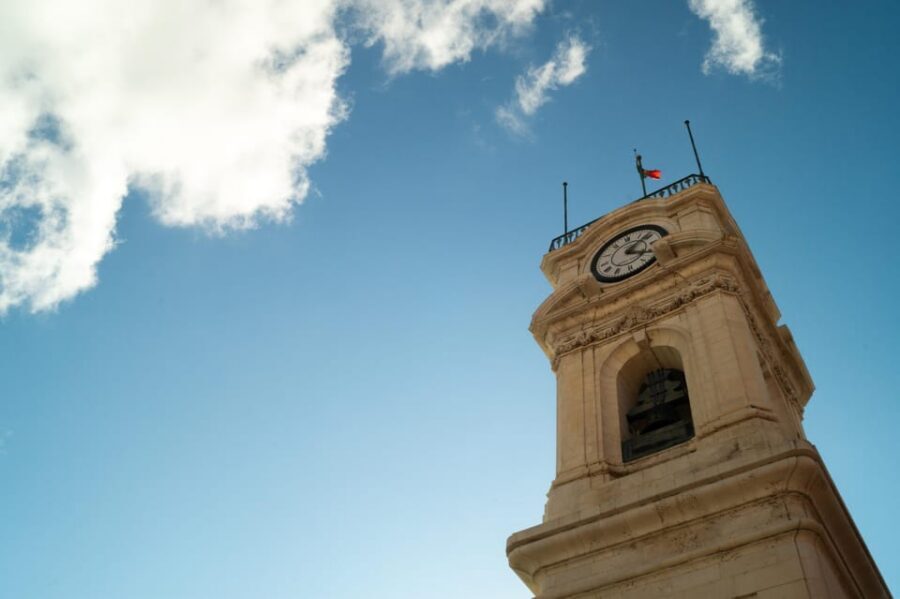
You’ll meet the guide outside, in front of the iron door, at Dom Dinis. That detail matters because the university area can feel like a maze of gates and courtyards. If you arrive a little early, you can get your bearings before the group forms.
From there, the tour immediately anchors you in the university’s core. You’re not starting with a random “cool room.” You start at the historic heart—Paço das Escolas—so everything that comes next has context.
Paço das Escolas and Porta Férrea: where Portuguese academia gained a stage
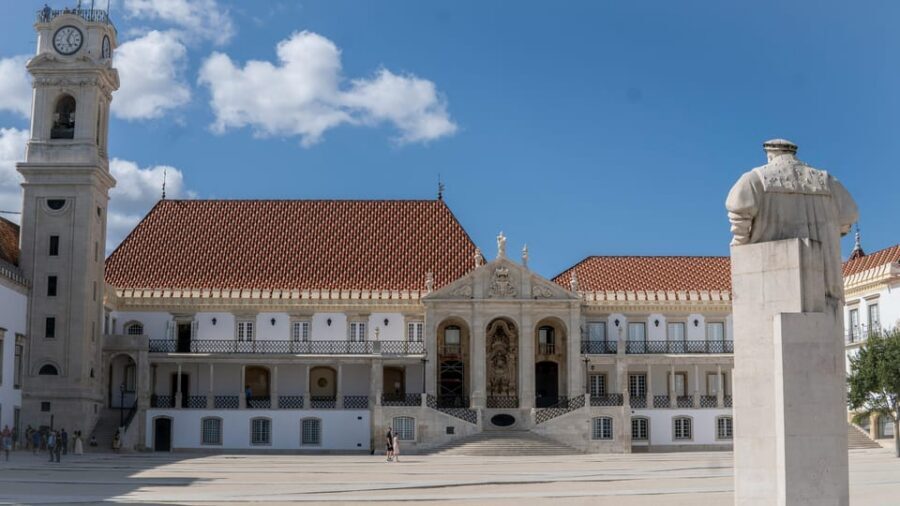
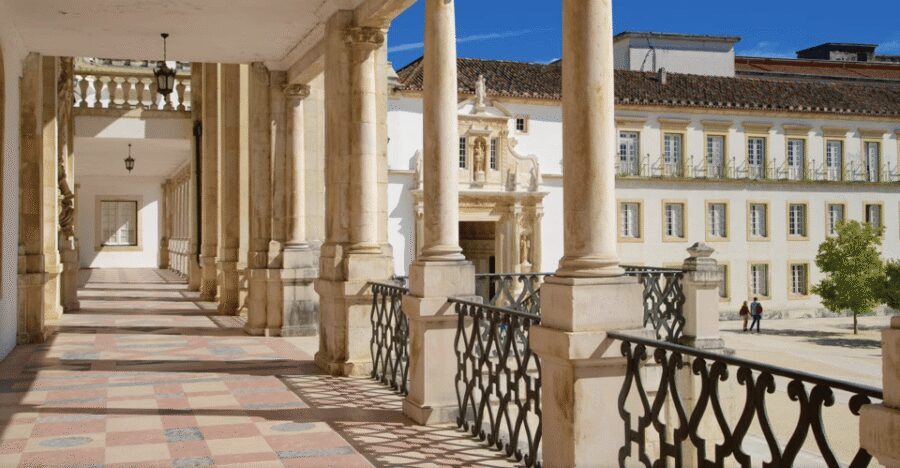
Your first big stop is Paço das Escolas, the central hub of the University of Coimbra. This courtyard dates back to the university’s shift from Lisbon, and it reflects a long stretch of Portuguese cultural and intellectual life. It also ties into the UNESCO significance of the site, so you’re not just looking at old stones—you’re standing in a place with formal heritage weight.
The guide’s next move is Porta Férrea, a triumphal arch built in 1634. It’s designed by António Tavares and marked with statues of D. Dinis (the university’s founder) and D. João III (the king who brought the university to Coimbra). This is one of those areas where paying attention to the details changes your whole experience.
You’ll also hear about the symbolism around student life—like the idea of students tying their academic attire to the gate when they finish their studies. It’s the kind of tradition that’s easy to miss if you only look at the architecture. With a guide, it becomes a small human thread inside grand history.
Biblioteca Joanina: the Baroque library that turns conservation into a story
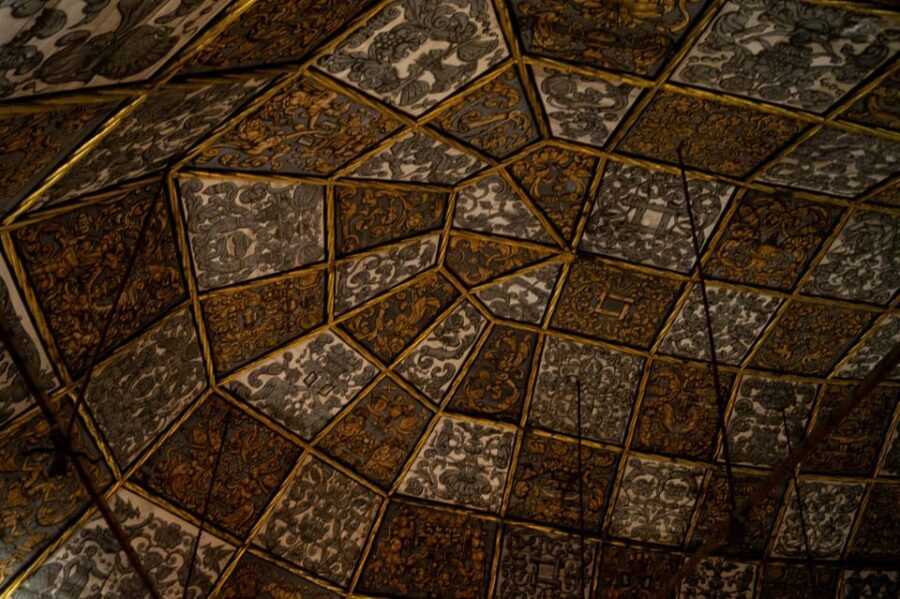
Then you step into Biblioteca Joanina, and the mood shifts fast. Built between 1717 and 1728 under D. João V, it’s Baroque in the most usable way: gilded woodwork, frescoed ceilings, and carefully crafted exotic hardwoods. The room looks dramatic because it was designed to be dramatic—but the guide will also point you to why it works.
The collection is huge: over 60,000 volumes. What’s especially memorable here is the way conservation becomes part of the narrative. You’ll learn about the role of bats, which help control insects that could damage rare books. It’s a reminder that the library isn’t only a museum object—it’s also a working environment built to protect fragile pages.
Inside the library, you’ll also follow the rules of the space: flash photography is prohibited. Normal photos are allowed, so bring your camera skills, just not the flash.



Prisão Acadêmica under the library: the university’s discipline side
Next comes a stop that changes how you think about student life. You descend to the Prisão Acadêmica, a medieval prison located beneath the library.
The key idea: this wasn’t just a building meant for learning. It was a system with rules, consequences, and enforcement. The guide explains how the university used the prison to discipline students who broke regulations. The narrow cells aren’t just a grim curiosity. They show university autonomy and the intensity of academic life.
If you tend to view universities as purely “study and ideas,” this part adds friction—in a good way. It grounds the grand architecture in real human behavior.
Real Capela de São Miguel: azulejos, gilded altars, and real sound
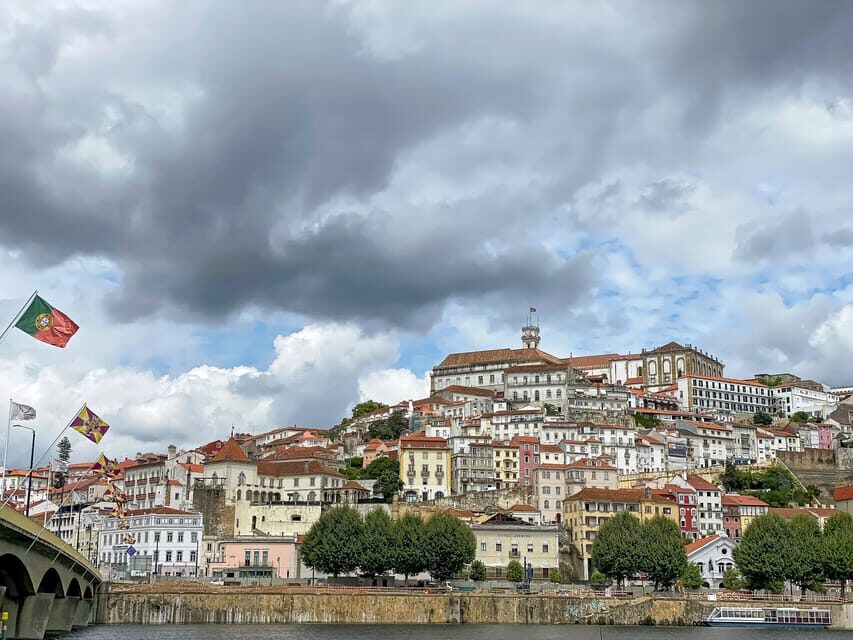
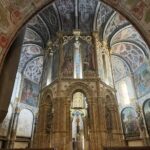
After the library, you head to Real Capela de São Miguel. The chapel blends 12th-century origins with Baroque embellishments, so you see time layered rather than flattened into one style.
Look for gilded altars and intricate azulejos. Those tiles do more than decorate; they help tell the story visually, especially when the guide connects the chapel’s decorative choices to its religious role.
Then there’s the organ: a grand organ with over 2,000 pipes. Even if you don’t hear a full performance during your visit, the scale is impressive enough that it changes the way you picture the chapel as an active cultural space.
Most importantly, it’s still in use. The chapel hosts religious ceremonies, concerts, and weddings, so it’s not just a photo stop. It’s part of living Coimbra.
Sala dos Capelos and Via Latina: blue tiles, doctoral moments, and language change
The tour’s ceremonial highlight is Sala dos Capelos, the university’s formal hall for academic rituals. This room used to be a royal throne room, and it still feels like a stage for important announcements.
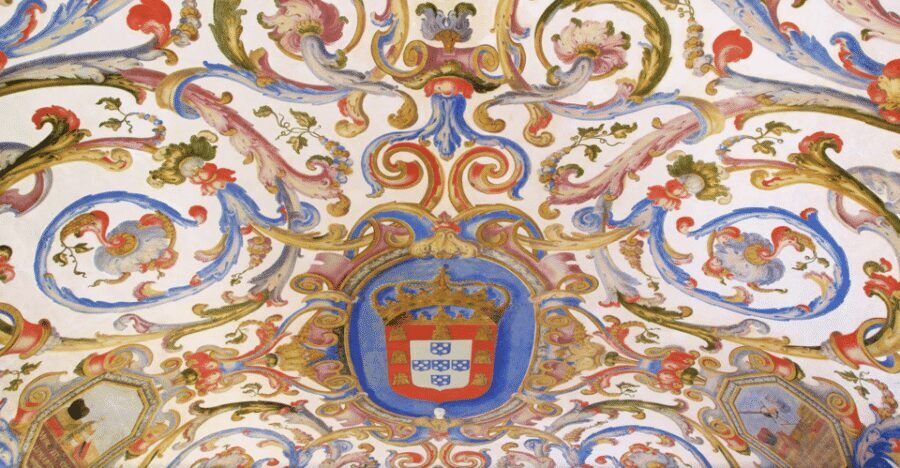
You’ll see blue azulejos, grotesque motifs in the ceiling decoration, and portraits of Portuguese monarchs. The guide ties those elements to what happened here historically—royal proclamations back when the university was closely tied to the monarchy, then modern-day rituals like doctoral defenses.
Finally, you finish at Via Latina, a neoclassical colonnade overlooking Paço das Escolas. It was built in the 18th century and symbolizes the shift from Latin to Portuguese becoming the official teaching language. That’s a big cultural point in a small physical space—language policy made visible in stone and design.
From here, you get views of Coimbra, and the tour gives you a moment to absorb what you’ve just learned: the university isn’t frozen in the past. It changed with Portugal.
Why the guides matter here (Jose, Rogério, David, and more)
The best part of this tour often isn’t a single room. It’s how the guide stitches the rooms into a story you can follow. Many guides on this route are praised for being actively engaged and able to explain both Portuguese history and university traditions in a way that feels clear and human.
Names that show up often include José, with his Coimbra University history background, along with guides like Rogério, and others such as David, Jorge, and Roger. People consistently mention that the guides add context—political players like kings and religious figures, plus the “how students lived” stories—so the visit becomes more than architecture appreciation.
If you care about understanding why these spaces look the way they do, rather than just seeing them, this guide-led format is a smart choice.
Timing, stairs, and photography rules you should plan for
A 1.5-hour duration means you’ll move between rooms at a steady pace. The university route includes climbing stairs, so plan based on your comfort level. The tour is also stated as not suitable for wheelchair users and not a great fit for mobility impairments.
Photography is mostly straightforward, with one strict limitation: no flash photography inside the Biblioteca Joanina. If you’re planning nighttime-style shots or low-light tricks, switch your approach. Use available light and avoid flash so you don’t risk getting stopped.
Who this tour suits best
This is ideal if you want the University of Coimbra experience without spending your day decoding every doorway. It also suits you if you like details—architectural symbolism (Porta Férrea), Baroque design (Biblioteca Joanina), and the university’s discipline and ceremonies (Prisão Acadêmica and Sala dos Capelos).
It may not be ideal if:
- you need wheelchair-friendly access (stair use is part of the route)
- you hate structured tours and prefer to linger alone without explanations
Should you book this Coimbra University tour?
Yes, if you want a guided, skip-the-line path through the university’s most important rooms in a short window. The value is strongest when you care about explanation: what Porta Férrea symbols, why the Joanina Library is designed the way it is, and how the chapel and ceremonial hall fit into university life.
Skip booking if you’re determined to self-tour with lots of solo time and you don’t mind figuring out timing. Even then, the library’s slot limits make the guided approach a practical advantage.
FAQ
Where do I meet the guide?
You meet the guide outside, in front of the iron door.
How long is the tour?
The tour lasts 1.5 hours.
What’s included in the price?
The price includes a guided tour and an entrance ticket.
Can I choose English or Portuguese?
Yes. The live tour guide is available in English and Portuguese.
Is there skip-the-line access?
Yes. This tour includes skip-the-line entry for the relevant ticket area (noted as skip-the-ticket line access).
Is flash photography allowed?
No. Flash photography is not allowed inside the Biblioteca Joanina.
Is this tour suitable for wheelchair users?
No. It’s not suitable for wheelchair users and may be difficult for anyone with mobility impairments because the route includes stairs.
Is a private group option available?
Yes. Private group available is offered.