REVIEW · PORTO
Porto: Private Sightseeing Tour by Electric Tuk Tuk
Book on GetYourGuide →Operated by Tuktour Porto · Bookable on GetYourGuide
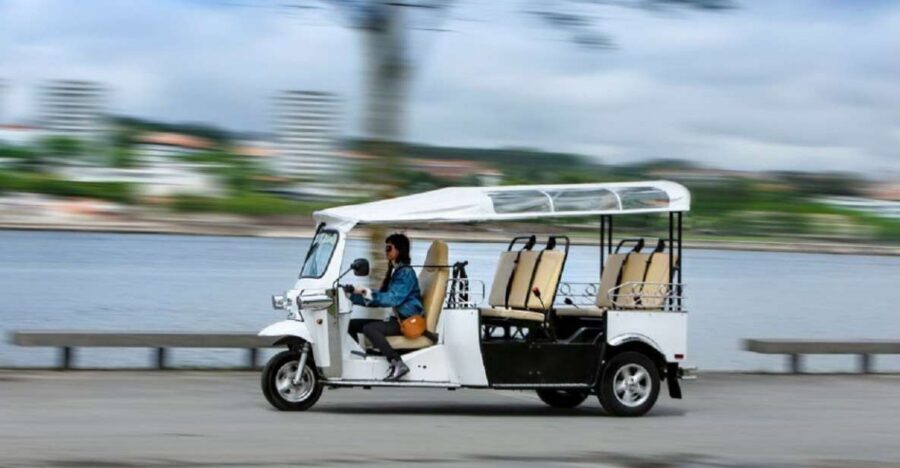
Porto by tuk-tuk feels like a cheat code. You get to cover big sights fast, yet still stop for photos and story-filled moments in the tight streets. It’s a private, 2-hour ride that uses an electric vehicle to make Porto’s hills and cobblestones easier to manage, and you’ll likely hear great guidance from folks like Helena and Barbara along the way, not just a quick checklist.
What I love most is the way the tour strings together viewpoints—Serra do Pilar, Clérigos Tower, and the bridge-river moments—so you see Porto’s shape, not just isolated monuments. The second big win is the photo-stop pacing, with time to actually get the shot instead of rushing through. One consideration: the city streets are cobbled and bumpy, and the tuk-tuk has limited suspension, so it’s not a totally smooth ride from start to finish.
In This Review
- Key takeaways at a glance
- How the electric tuk-tuk makes Porto’s hills doable
- Ribeira and the Douro river edge: orientation in 30 minutes
- Avenida dos Aliados: where Porto shows its big-street confidence
- Clérigos Tower photo stop: a skyline you can actually read
- Cross the Ponte Luís I: river panoramas with real drama
- Palácio da Bolsa: old merchant power you can sense nearby
- Serra do Pilar monastery views: Porto’s best “big picture” angle
- Palácio de Cristal Gardens: a calm break from street energy
- Sé, Porto (Porto Cathedral): Romanesque bones and layered heritage
- Guide quality: what the best guides do with your time
- Price and value: what $47 per person really buys
- Who should book a private Porto electric tuk-tuk tour
- Should you book this Porto electric tuk-tuk tour?
- FAQ
- How long is the Porto private sightseeing tour by electric tuk-tuk?
- Is this tour private?
- Where does the tour start and end?
- What languages is the live guide available in?
- Are drinks allowed in the vehicle?
- Who is the tour not suitable for?
Key takeaways at a glance
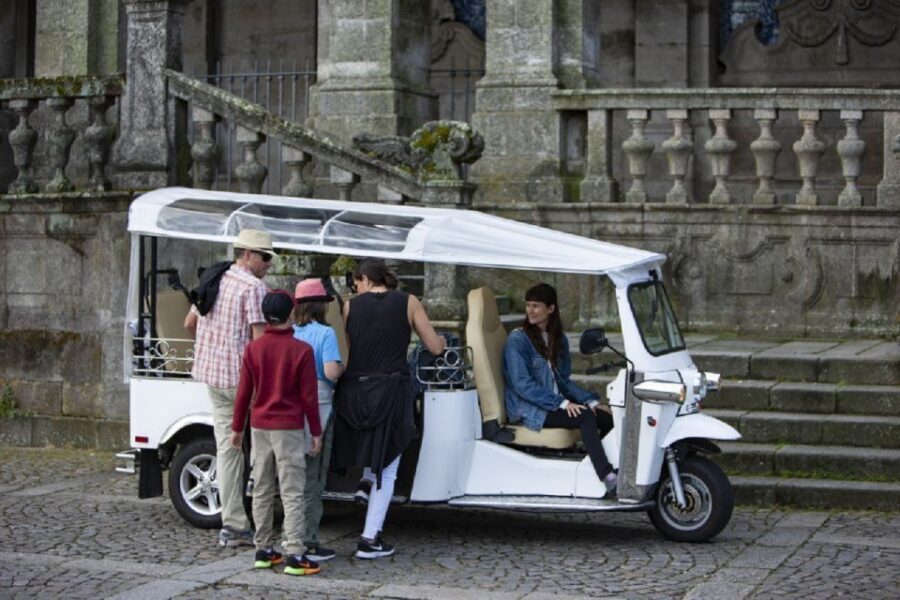
- Electric, private ride: easy on the ears and perfect for hearing stories without competing with a bus engine.
- Viewpoints that stack: monastery overlook, tower views, and bridge panoramas in one smooth loop.
- Comfort-focused guiding: guides like Diogo, João, and Juan are praised for tailoring and for helping with comfort needs when possible.
- Real city routing: narrow lanes and spots larger vehicles can’t reach, plus quick detours when it fits.
- Photo-stop time built in: Clérigos Tower and multiple scenic stops give you time to frame your pictures.
How the electric tuk-tuk makes Porto’s hills doable
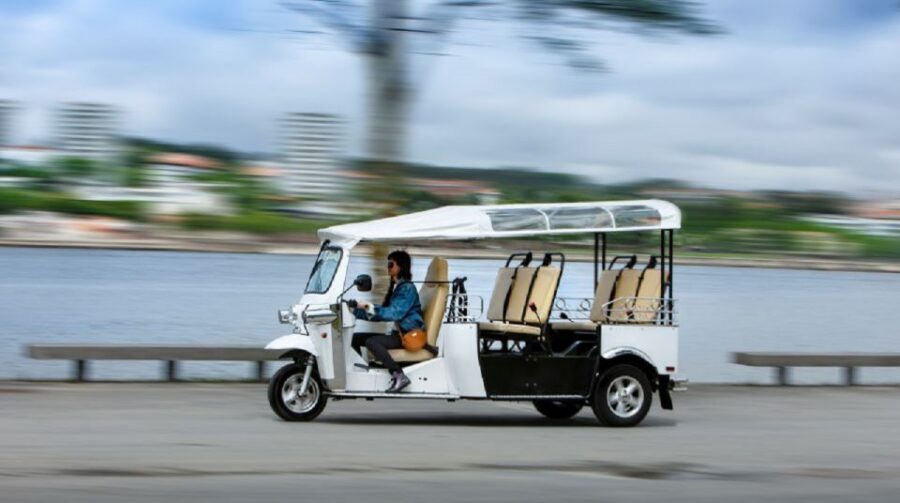
Porto has hills. You feel them the second you step off flat pavement. This tour helps because you’re rolling in a private electric tuk-tuk that’s quiet enough to follow your guide’s explanations without leaning in like you’re at a concert.
You’ll start at R. de Alexandre Herculano 251. The meeting point is easy to spot if you look for bikes hanging around near the check-in area. Then you’re off—gliding through the kinds of street angles and alleys that make Porto feel like a maze (in a good way). And since this is a private group, you can keep the energy at your pace: slow for photos, quick for repositioning.
The honest trade-off is comfort. Porto’s cobblestones are part of the charm, but they’re also what makes the ride feel bumpy. Several people noted that the tuk-tuk’s suspension is basically minimal, so the ride can get a bit wearing if you’re sensitive to road shock. If that’s you, plan for a slower day before and after, and consider doing this early so the day still feels fun.
You can also read our reviews of more private tours in Porto


Ribeira and the Douro river edge: orientation in 30 minutes
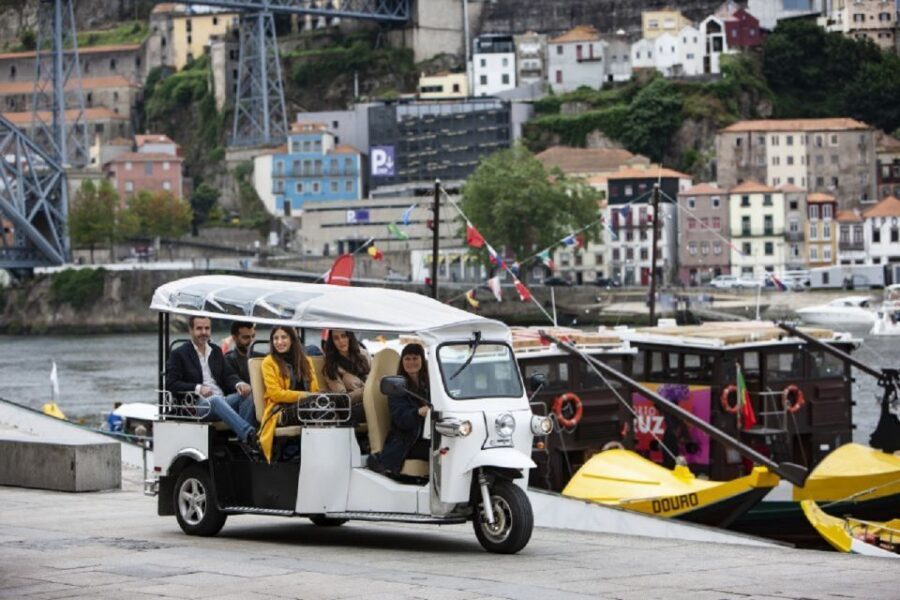
One of the smartest things about this tour is where it begins to steer your eyes. You don’t just jump to monuments—you start building a mental map of Porto around the river.
You’ll head through Ribeira, a UNESCO World Heritage area where the Douro River shapes daily life. Expect colorful building fronts, small streets near the water, and the kind of atmosphere where normal errands and quick conversations mix right beside the tourist sights. You may even catch the smell of fresh pastries from nearby cafés as you move through the neighborhood—small, but very Porto.
Why this matters: Ribeira is the emotional center of many first-day memories. Doing it early means later, when you return on foot, you won’t feel lost. You’ll know which direction leads you back toward the river views and where the “big photo angles” live.
Also, this is a good choice for a first visit because it reduces decision fatigue. In two hours, you’ll learn what to prioritize if you come back later for longer stops.
Avenida dos Aliados: where Porto shows its big-street confidence
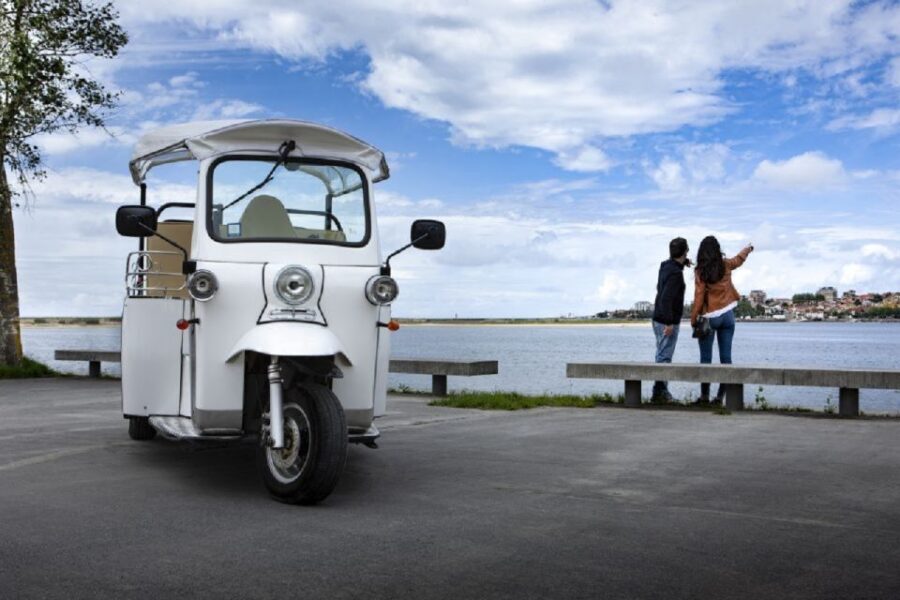
After the river area, you’ll roll toward Avenida dos Aliados, which people often describe as Porto’s elegant heart. It’s wide compared to the winding lanes you’ve just been in. The change is useful. You get a new sense of scale and you can spot the grand street rhythm that makes this city feel formal, even when the streets are still rough around the edges.
This stretch is also where the tour helps you connect landmarks you’ll see again on later walks. Think of it as the “orientation corridor” between major points. If you like taking photos, you’ll find good framing opportunities simply because the street layout lets buildings line up instead of hiding behind corners.
Clérigos Tower photo stop: a skyline you can actually read
Then comes one of Porto’s most recognizable silhouettes: Clérigos Tower. Your tour includes a photo stop, and the payoff is in the height. From up around this area, the city opens up in a way that helps you understand where everything sits relative to the river.
This is also a great moment to pause and listen. The tower isn’t just a pretty landmark; it’s a major historical marker in Porto’s identity. Your guide’s job here is to turn it from a photo background into a story about why it matters.
Tip: if you’re a photographer, this is the kind of stop where you benefit from giving yourself a couple of angles—one wide shot for context, then one tighter frame that shows details. The people who loved this tour often pointed out that the stops are paced so you can actually do that.
Cross the Ponte Luís I: river panoramas with real drama
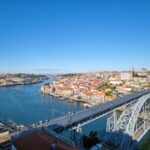
Next, you’ll head toward Ponte Luís I, the famous double-deck iron bridge crossing the Douro. This is where Porto’s geography starts clicking.
Your guide will point you toward the right views so you can see the river stretch with buildings lining both sides. If the timing works out, the bridge can be especially striking as the light softens—golden reflections across the water are the kind of thing you don’t get from postcard browsing.
Even if you don’t catch sunset, the bridge still gives you a “Porto in one view” perspective. It’s a fast way to see why people get emotional about this city. And it’s ideal for those who want a big viewpoint without committing to a long climb.



Palácio da Bolsa: old merchant power you can sense nearby
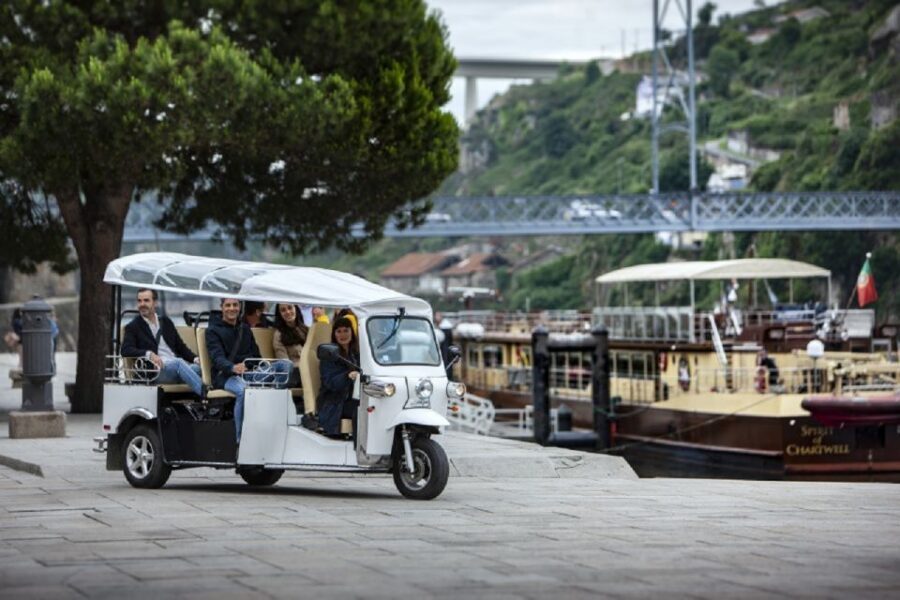
Your tour also includes a stop connected to Palácio da Bolsa. This is tied to stories about ancient merchants and the economic muscle that shaped old Porto. Even if you don’t go deep into interiors, the value here is your guide’s ability to connect the setting to how the city functioned.
Why that’s useful: Porto can look like it’s all romantic stone and pretty riverside streets. But the wealth and trading networks helped create the scale and confidence of the architecture you’ll see as you move around. This stop fills in that “why” behind the look.
You’ll come away understanding how commerce and culture shaped the city’s layout—so when you notice details later, they don’t feel random.
Serra do Pilar monastery views: Porto’s best “big picture” angle
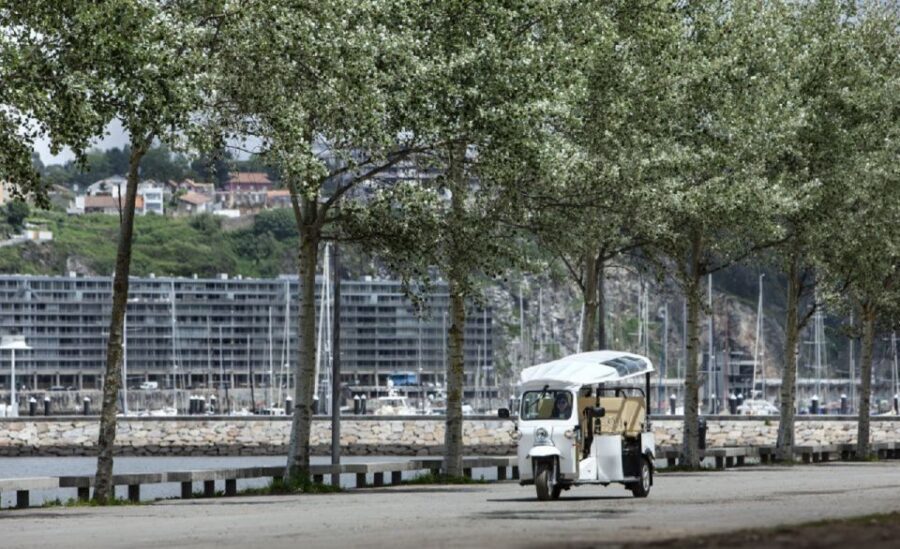
Serra do Pilar is one of the highlights for a reason: it gives you a view that feels like it’s been built for telling stories about Porto’s layout.
This part of the tour is all about breathtaking views from a historic monastery setting. It’s a change of pace, too. You’re moving away from street-level details and toward a top-down sense of what Porto looks like—how the river cuts through, where the neighborhoods sit, and how the city climbs.
Practical note: if you’re choosing when to do this tour during your trip, earlier in your visit often helps. Several people recommended getting out first so the city’s structure makes sense on later days.
Palácio de Cristal Gardens: a calm break from street energy
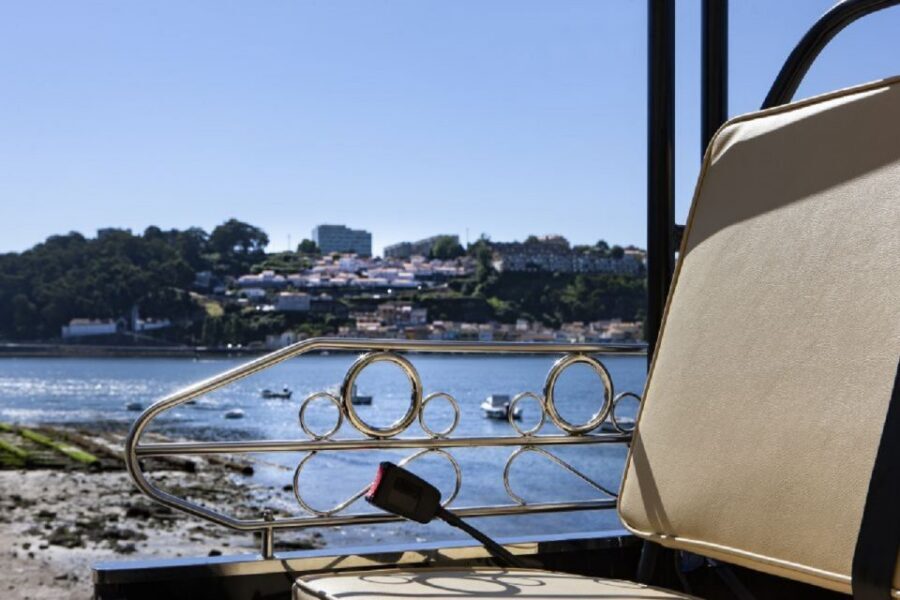
After the big views, you’ll get a breather at Palácio de Cristal Gardens. The point here isn’t just scenery; it’s resetting your day.
These gardens are a peaceful pocket with green space and river views, giving your eyes a rest from cobblestone intensity and tight streets. Even if you only have a short time, you’ll feel the difference. It’s the kind of pause that makes the rest of your Porto walk feel easier to enjoy afterward.
If it’s raining, this stop can be handled flexibly. One tour experience noted that when weather turned, they stayed in the tuk-tuk rather than forcing a miserable shuffle around outdoors—so your guide may adapt your time outside depending on conditions.
Sé, Porto (Porto Cathedral): Romanesque bones and layered heritage
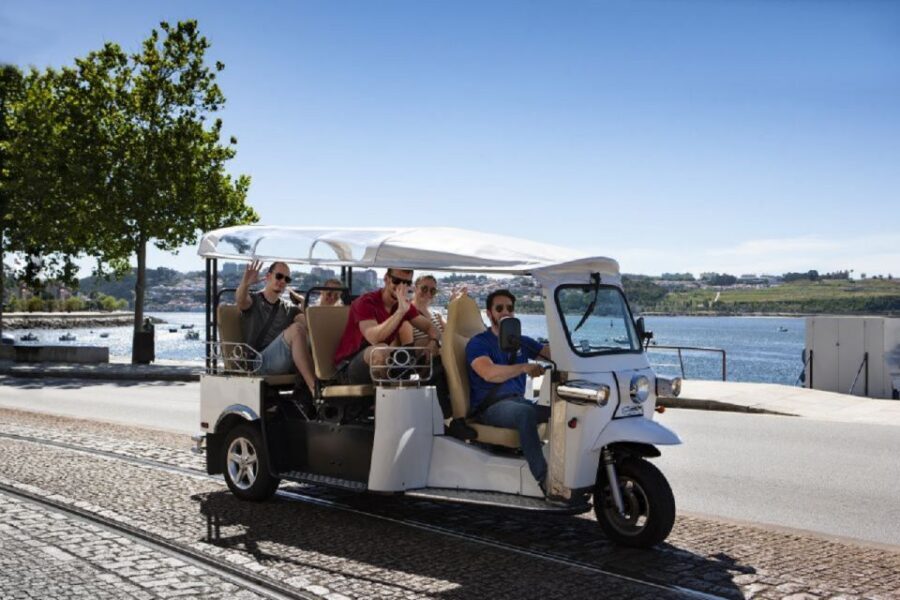
Finally, your route brings you to Sé, Porto (Porto Cathedral). This is where the tour shifts from viewpoints to heritage you can recognize even without expert training.
Your guide frames the cathedral as a stunning blend with Romanesque architecture and a sense of long-lasting importance in the city. This stop is valuable because it anchors Porto’s story in religious and civic identity, not only trade and views.
Also, this is a practical end-of-tour kind of stop. After two hours of moving around, many people want something solid and memorable they can point to later. Sé is exactly that.
Guide quality: what the best guides do with your time
This is a private tour, so the guide shapes the whole experience. The strongest praises in the experiences you shared point to guides who bring the city to life with clear explanations and smart pacing.
Names you’ll see connected with great tours include Helena, Barbara, Diogo, Juan, João, Ruben, and David. People specifically praised guides for:
- being friendly and courteous while still keeping the tour moving
- asking questions to tailor the experience (not just reciting facts)
- helping with mobility or comfort needs, including being safety conscious
- strong photo guidance, meaning where to stand and how to frame shots
- explaining how the different stops connect, so you understand Porto as one system
One balancing note: English quality can vary by guide. One person mentioned difficulty understanding the explanation because the guide’s English wasn’t as clear as expected, even though the guide was kind. If language clarity is a priority, choose a time slot where you’re comfortable communicating in your listed language, and don’t be shy about asking the guide to repeat or simplify.
Price and value: what $47 per person really buys
The headline price for this tour is $47 per person, and the real value comes from what you don’t have to do yourself: manage routes, fight hills on foot, and figure out where the best viewpoints line up.
A private guide adds value because it turns “I saw a tower” into “I understand why this tower and these streets matter.” The ride itself is also part of the deal. Porto’s cobbles make walking tiring fast, especially if you’re on day one.
That said, watch for price swings. One booking experience mentioned a mismatch between an advertised starting figure and a higher price when selecting availability, with the explanation that dynamic pricing based on group size can change what you pay. You can handle this by checking the exact total for your date before confirming, especially if you’re a solo traveler or small group.
In practical terms: this tour is often worth it when you want an efficient first pass, you’re short on time, or you want a guide’s perspective more than you want to roam without structure.
Who should book a private Porto electric tuk-tuk tour
This is a great fit if you:
- want a first-day orientation without burning your legs on hills
- like photo stops with guidance
- prefer hearing local stories from a private guide over reading signs
- have limited time and want a tight loop of key sights
It’s not a great fit if you:
- have back problems
- are pregnant
- need a tour designed for children under 7
Also, you’ll be asked to follow basic vehicle rules: no drinks in the vehicle, and no alcohol or drugs.
Should you book this Porto electric tuk-tuk tour?
If you’re weighing this against other ways to see Porto, I’d book it when you want maximum payoff in minimum time. The best part is the way it stitches together viewpoints—Serra do Pilar, Clérigos Tower, the bridge, and major heritage sites—so Porto stops feeling like a random pile of monuments.
I’d hold off if you’re very sensitive to bumpy rides on cobblestones. The electric tuk-tuk helps, but it won’t magically remove street texture. If you can handle that trade-off, this tour is one of the smoother ways to get your bearings fast.
FAQ
How long is the Porto private sightseeing tour by electric tuk-tuk?
It’s 2 hours long.
Is this tour private?
Yes. It’s a private group with a private guide and private transportation.
Where does the tour start and end?
The meeting point and return are at R. de Alexandre Herculano 251. The check-in is near a spot with bikes hanging around.
What languages is the live guide available in?
The live guide is available in English, Spanish, Portuguese, and French.
Are drinks allowed in the vehicle?
No. Drinks are not allowed in the vehicle, and alcohol and drugs are also not allowed.
Who is the tour not suitable for?
It’s not suitable for children under 7, pregnant women, or people with back problems.
If you tell me your travel month and whether you’re more into views, architecture, or food stops, I can suggest the best time of day to aim for your main photo moments on this route.