REVIEW · COIMBRA
Portugal dos Pequenitos entry ticket
Book on GetYourGuide →Operated by Portugal dos Pequenitos · Bookable on GetYourGuide
Tiny buildings tell Portugal’s big story. Portugal dos Pequenitos is the oldest miniature park in Portugal, created to show Portuguese architectural styles and construction methods across regions. It’s a clever way to learn without sitting in a classroom, because you control your pace. Portugal dos Pequenitos is laid out for easy wandering, with interactive areas that suit kids and adults.
I love two things most. First, the park gives you a north-to-south feel for Portugal’s built heritage, from styles to how different regions shape construction choices. Second, the section called Portugal and the World expands beyond Europe, with ethnographic and monumental themes for Portuguese-speaking places such as African countries, Brazil, Macau, India, and Timor, plus interactive exhibitions.
One possible drawback: the experience depends a lot on signage and electronics, and some information displays can be patchy or outdated, so bring curiosity and don’t expect every corner to be perfectly explained.
In This Review
- Key highlights to know before you go
- First steps inside Portugal dos Pequenitos: what 1.3 hectares really means
- The park’s core idea: mini Portugal from north to south
- Cassiano Branco’s influence and the craft behind the model work
- Portugal and the World: beyond Europe, with interactive stops
- Interactive exhibitions: how to pace the hour without losing the fun
- Price and logistics: does $17 feel worth it?
- Practical rules and what to bring (and not bring)
- Who should go, and who might not love it
- Should you book Portugal dos Pequenitos?
- FAQ
- How long is the visit to Portugal dos Pequenitos?
- Is the entry ticket enough to visit the exhibitions?
- Are guided tours included?
- Is Portugal dos Pequenitos wheelchair accessible?
- What languages are available?
- Can I bring pets?
- Can I cancel for a refund?
- Is the park open on Christmas Day?
- Are late entry times allowed?
- Is it possible to bring luggage or large bags?
Key highlights to know before you go
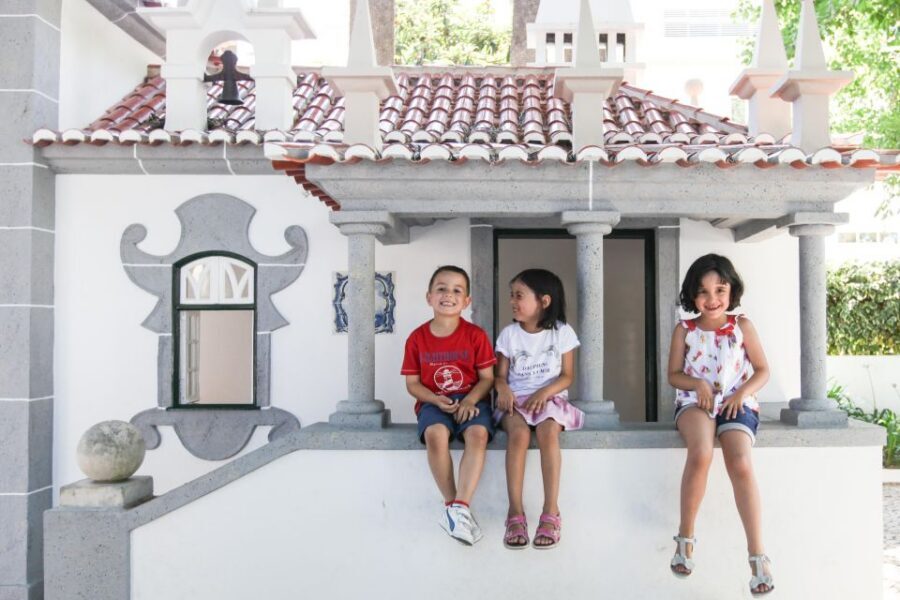
- Oldest miniature park in Portugal: a long-running heritage project, not a new novelty.
- 1.3 hectares to explore: enough space to take your time or do a focused loop.
- Portugal and the World area: shows Portuguese-speaking countries and cultures with exhibitions.
- Architecture + crafts storytelling: you’re seeing design choices and traditional building knowledge.
- Interactive exhibitions: activities are built into the visit, not just viewing displays.
- Independent pacing: you decide how long you stay; it can run a quick hour or become a longer visit.
First steps inside Portugal dos Pequenitos: what 1.3 hectares really means
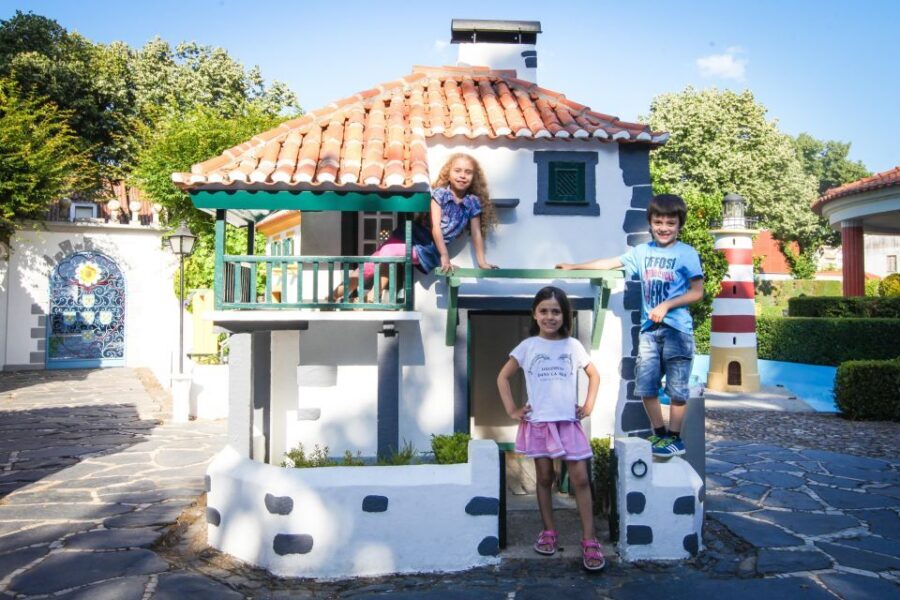
When you walk into Portugal dos Pequenitos, the first surprise is how much ground you cover in a small space. The park spans 1.3 hectares, but it’s organized so you can move quickly if you’re on a tight schedule, or slow down if you’re the type who likes to read details and compare structures.
Think of it as a “Portugal starter course” you can walk through. The concept started as a display of Portugal’s heritage, focusing on architectural styles, construction types, and how building choices respond to each region’s geography. That idea matters because it turns miniatures into a learning tool: you’re not just looking at buildings, you’re seeing why different places might build differently.
If you’re traveling with kids, this layout works because it doesn’t force everyone to keep up with a single path. Adults get something too: the project’s big goal is to connect physical places to cultural knowledge, and you can do that at your own tempo.
You should also know this is not a guided-tour-only situation. The entry ticket includes the visit, exhibitions, and programmed activities (unless something is specifically stated otherwise). Guided tours exist, but they cost extra and are by appointment only, which means many visitors do the park independently.
You can also read our reviews of more tours and experiences in Coimbra



The park’s core idea: mini Portugal from north to south
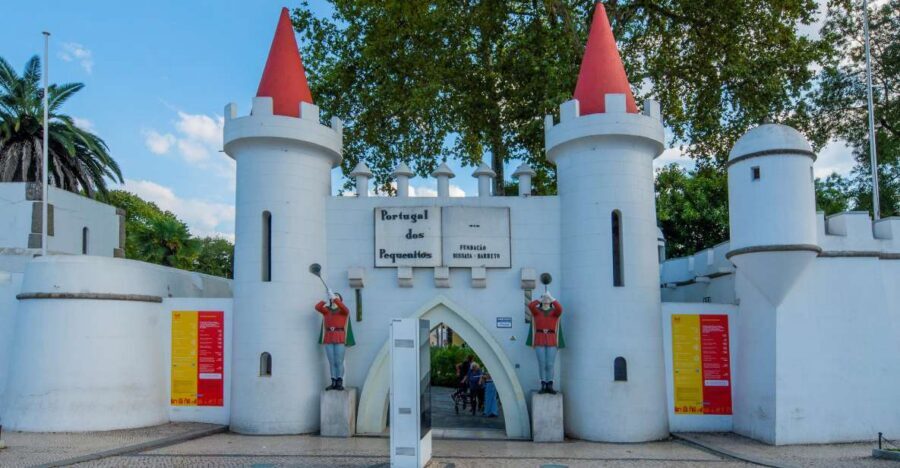
The heart of Portugal dos Pequenitos is built around Portugal’s architectural heritage and how it changes from region to region. Even in miniature, the park’s message is consistent: architecture is part of identity, and the way people build is tied to local conditions and traditions.
You’ll likely feel this most as you shift between regional styles. The experience is set up like a route of comparisons. If you’ve been reading up on Portugal’s regions, this gives you a visual shorthand you can remember later. If you haven’t, it still works, because you’re being shown the basics in a format that’s easy to scan.
One practical tip: don’t try to “finish everything” in 60 minutes unless you’re committed to rushing. The ticket time says 1 hour, but the park itself notes that you can visit for much longer—up to a whole day—if you stop at interactive spots and take time with the displays.
What’s most valuable here is the way the park blends concrete structure (the buildings) with cultural context (crafts and heritage). Miniatures can sometimes feel like toys, but this one has a purpose: it’s meant to be a map of Portuguese building knowledge you can walk through.
Cassiano Branco’s influence and the craft behind the model work
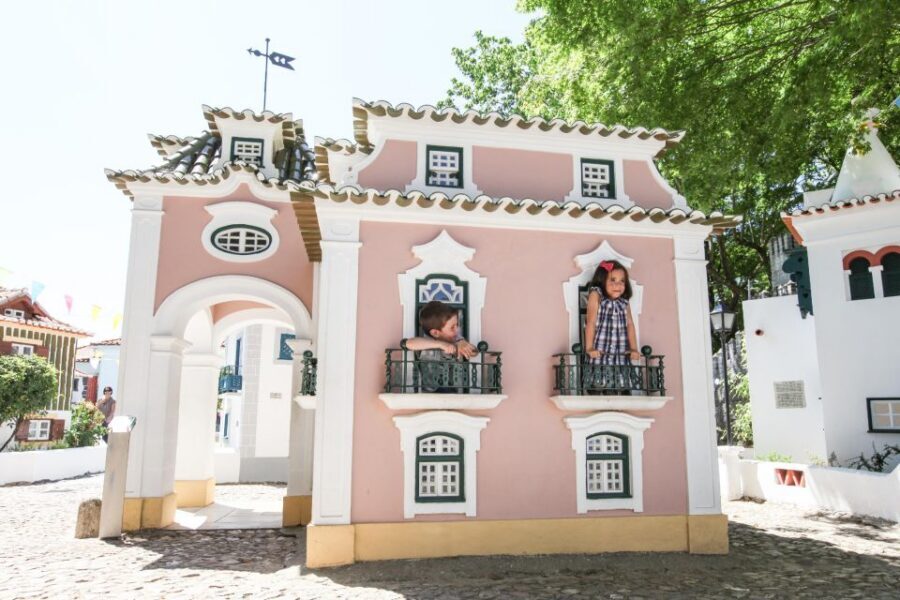
A big reason this park isn’t just cute is that it has serious architecture roots. The construction project was carried out by Cassiano Branco, one of the notable names in modern Portuguese architecture. The works were directed by Manuel de Jesus Cardoso.
That detail matters because the park isn’t random model-making. It’s designed as an educational and ethnographic project, where form, materials, and regional construction logic are part of the point. If you enjoy architecture—even in a simplified, scaled way—you’ll probably catch yourself looking for “how would that have been built there?” as you move between sections.
There’s also a human story behind it. The park developed further thanks to Bissaya Barreto’s thoughts and actions, which helped it grow into new constructions over time. As it expanded, it started representing not only mainland Portugal but also an ethnographic and monumental perspective on Portuguese-speaking African countries, along with Brazil, Macau, India, and Timor.
This growth is worth your attention because it changes the vibe. You’re not only seeing home. You’re seeing how one language and culture connects many places, using the built environment and exhibitions as the common thread.
Portugal and the World: beyond Europe, with interactive stops
The section now known as Portugal and the World is where the park expands its scope. The goal is clear: take you through more than Portuguese architecture and show a wider Portuguese-speaking world through ethnographic and monumental themes.
You’ll find interactive exhibitions in this area, and that’s the key for making the experience feel modern rather than frozen in time. Even if you only catch a few of these hands-on elements, they help you avoid the “look-only museum fatigue.”
Because the park covers multiple regions and cultural references, it can be helpful to pick a focus. For example:
- If you care most about architecture, prioritize the building-focused displays in Portugal sections.
- If you’re more interested in global connections, spend extra time on the Portugal and the World area’s exhibitions.
This is also where you might feel the age of the institution. One of the practical issues that can pop up is electronic placards not always working as expected, which can reduce the amount of context you get if you’re relying on screens. When that happens, you can still use the physical models and layout as your “reading,” but you may want to go in with patience.
Interactive exhibitions: how to pace the hour without losing the fun
Even though the ticket says 1 hour, the best way to use your time is to treat that as a target, not a rule. The park offers interactive exhibitions throughout, and those are the places where you’ll slow down naturally—especially if kids are in “try every station” mode.
Here’s a pacing approach that usually works:
- Start with the main Portugal architecture flow so you build context early.
- Then shift into Portugal and the World if you want the broader cultural connection.
- Save a couple of interactive stations for later so you don’t feel like you’re constantly switching between viewing and doing.
Because guided tours cost extra and require appointment availability, your best “guide” is your own curiosity. If an area has extra programming on the day you visit, the included entry fee typically covers it unless it’s specifically stated otherwise. That’s a good deal because you’re paying once for the park experience, with the option to pay for a guided tour if you want extra explanation.
Also: this park is wheelchair accessible, which is great news if you need step-free movement through exhibits and paths. Just note that the park restricts certain items, so if you’re carrying gear, plan on packing light.




Price and logistics: does $17 feel worth it?
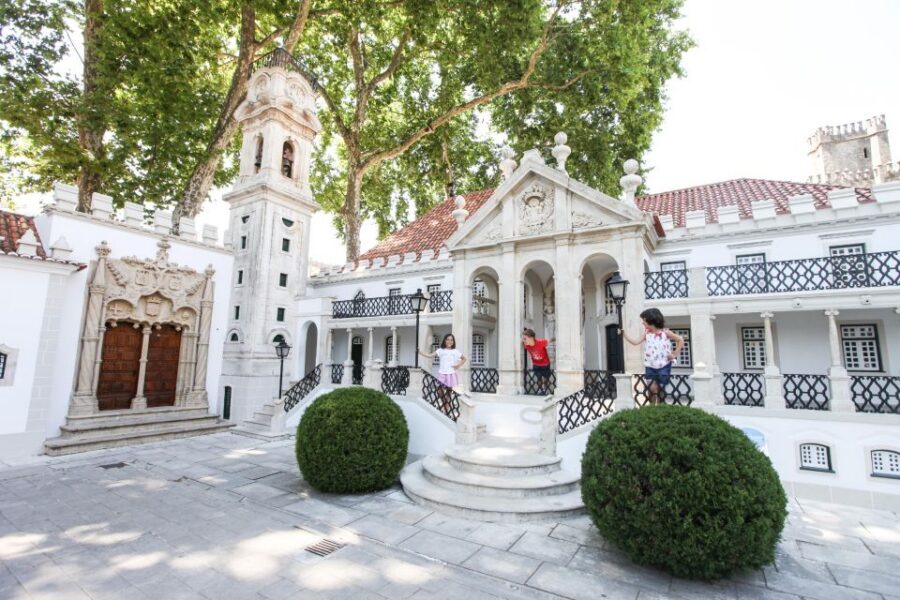
At $17 per person, Portugal dos Pequenitos is priced like an easy add-on to a travel day. The real question is value: are you paying for something more than scenery?
In this case, yes—because your entry fee includes the visit, exhibitions, and programmed activities. That matters because you’re not stuck paying extra for basic access. Guided tours exist, but they’re not the default, and they cost extra by appointment only.
Where value gets shaky is information quality. Some areas can feel less updated, with electronic placards sometimes off, and there can be gaps in signage detail at each section. If your priority is text-heavy interpretation and constant working screens, you might find the experience slightly uneven.
Still, the park’s scale and concept do a lot of the heavy lifting. You’re getting a condensed, walkable look at Portuguese architectural identity and Portuguese-speaking connections, in a format that’s comfortable for families. And with ticketed entry that includes interactive elements, $17 can make sense as a short, low-stress cultural stop.
If you’re booking through a third-party platform, I’d suggest double-checking the cost against the ticket office price. One practical lesson from real-world ticketing: voucher codes aren’t always as smoothly validated at the gate as you’d expect. When that happens, staff may ask you to send the voucher link by email, so keep your confirmation handy.
Practical rules and what to bring (and not bring)
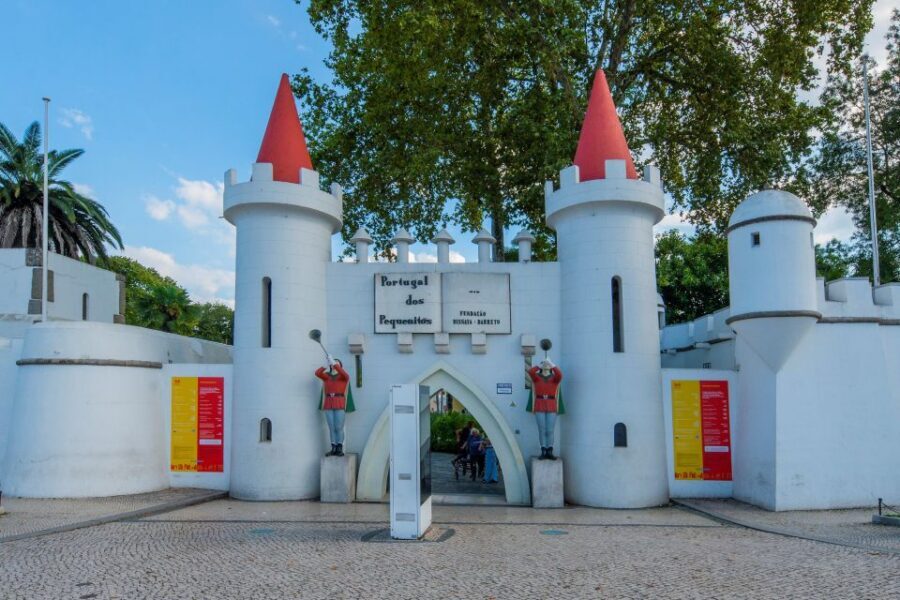
Portugal dos Pequenitos has a clear “keep it calm” policy for the grounds. Here are the restrictions that are most likely to affect you:
- Pets are not allowed.
- Luggage or large bags are not allowed.
- Smoking is not allowed.
- Drones are not allowed.
- Mobility scooters are not allowed.
- Unaccompanied minors are not allowed.
There are also restrictions on items like weapons or sharp objects, oversized luggage, and things that can create noise or unsafe conditions. If you’re traveling with school-age kids, this is helpful because it signals a quieter environment where you’re not dealing with chaos.
What I recommend you bring:
- A small day bag only (since large bags are restricted).
- Water if you need it for kids (no extra restrictions on water were stated).
- Your ticket confirmation details in case staff need you to show or re-send a voucher link.
And for timing: the park closes on Christmas Day (25th December). The last entries take place 30 minutes before closing, so don’t roll in at the last minute if you want time to enjoy the interactive stops.
Who should go, and who might not love it
This is ideal if you’re traveling with kids, because the park’s format is made for exploration and interaction. Adults tend to enjoy it most when they like architecture, design, or cultural interpretation you can scan and compare quickly.
You’ll likely get the best experience if you:
- Want a family-friendly stop that doesn’t require a big walking commitment.
- Like the idea of seeing regional building differences in one place.
- Enjoy cultural connections made through exhibitions rather than long lectures.
You might be less satisfied if you need extremely detailed, consistently functioning interpretation at every turn. The experience can vary depending on signage and electronic displays. You can still enjoy the models and the layout, but if you’re expecting every station to be perfectly explained, consider building in extra patience.
Should you book Portugal dos Pequenitos?
I’d book if you want a short, low-effort way to get a feel for Portuguese architecture and Portuguese-speaking connections. At $17, with included exhibitions and interactive elements, it’s a fair deal—especially if you’re traveling as a family or you like cultural stops that don’t demand a full day.
I’d think twice if your main goal is a highly text-driven, perfectly updated museum experience with flawless electronics everywhere. The park’s educational concept is strong, but the information delivery can be uneven.
My practical advice: go with a flexible mindset. Treat it like a self-guided walking tour of models and ideas. If you do that, you’ll come away with clear impressions of Portugal’s regional building language—and a wider sense of how that cultural world spreads.
FAQ
How long is the visit to Portugal dos Pequenitos?
The activity is listed with a duration of 1 hour, though the park notes you can decide how long to stay and it can take up a whole day if you want.
Is the entry ticket enough to visit the exhibitions?
Yes. The visit, exhibitions, and programmed activities are included in the entry fee unless otherwise stated.
Are guided tours included?
No. Guided tours are not included. They are available by appointment only, depend on availability, and have an additional cost paid at the ticket office.
Is Portugal dos Pequenitos wheelchair accessible?
Yes, the park is wheelchair accessible.
What languages are available?
English, French, Portuguese, Spanish, and Tagalog.
Can I bring pets?
No, pets are not allowed.
Can I cancel for a refund?
Yes. Free cancellation is available if you cancel up to 24 hours in advance for a full refund.
Is the park open on Christmas Day?
No. The park is closed on December 25th.
Are late entry times allowed?
The last entries happen 30 minutes before closing.
Is it possible to bring luggage or large bags?
No. Luggage or large bags are not allowed.