REVIEW · PORTO
Porto: Port Wine Tour with 7 Port Tastings
Book on GetYourGuide →Operated by Porto Walkers · Bookable on GetYourGuide
Seven pours in four hours.
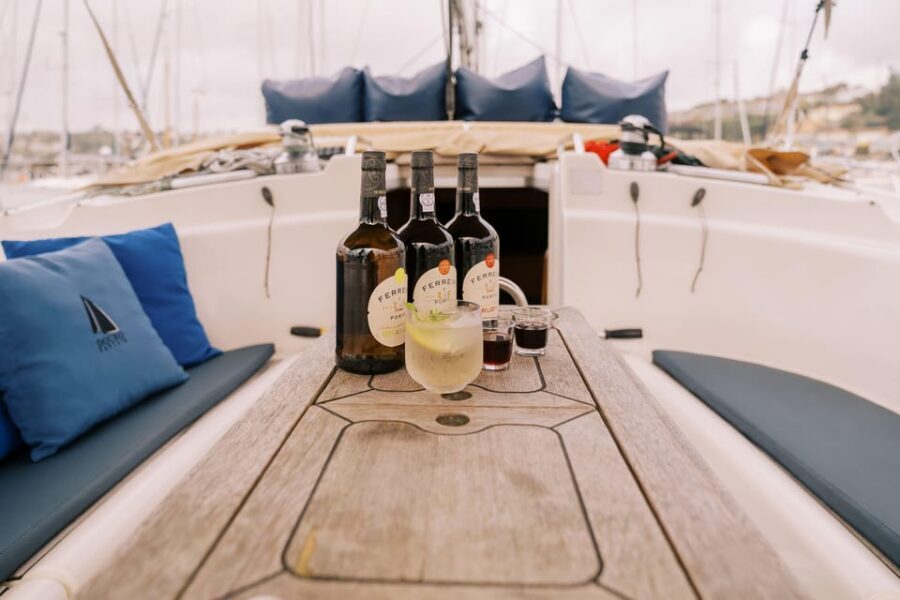
This Porto-to-Gaia experience turns port wine into a hands-on lesson, starting on the Porto side of the Douro River and ending in historic cellar spaces in Vila Nova de Gaia. You’ll hear how port became what it is, walk between venues, and taste your way through styles that can feel confusing at first.
I like the 7 tastings because they’re spaced out across 3 venues, not poured all at once. I also like that the guide teaches you how to spot port wine families and why things like barrels and cork matter to the flavor in your glass.
One drawback to plan for: the walk involves uneven surfaces, and the tour isn’t a great fit if you have mobility limits.
In This Review
- Key things that make this tour click
- Porto to Gaia: the walk that makes port wine make sense
- Meet on the Luis I bridge (and stay on the right level)
- Stop one: a museum and cellar visit in a major port house
- The tasting lesson: how to identify port families and what to notice
- Stop two: a small producer tasting where differences feel sharper
- Stop three: finishing with three more ports from a second producer
- Rain, timing, and group vibe: what to expect from the 4 hours
- Price and value: is $54 worth 7 tastings?
- Who this tour is best for (and who should skip it)
- Should you book this Porto port tour or look elsewhere?
- FAQ
- How many port wines do you taste on this tour?
- How long is the tour?
- Where does the tour start?
- Is there a guided tour in English?
- Does the price include entry to venues?
- Is food included?
- What’s the minimum drinking age?
- Are unaccompanied minors allowed?
- Is the tour wheelchair accessible?
- Can I cancel for a refund?
- What if I’m late or end up on the wrong bridge level?
Key things that make this tour click
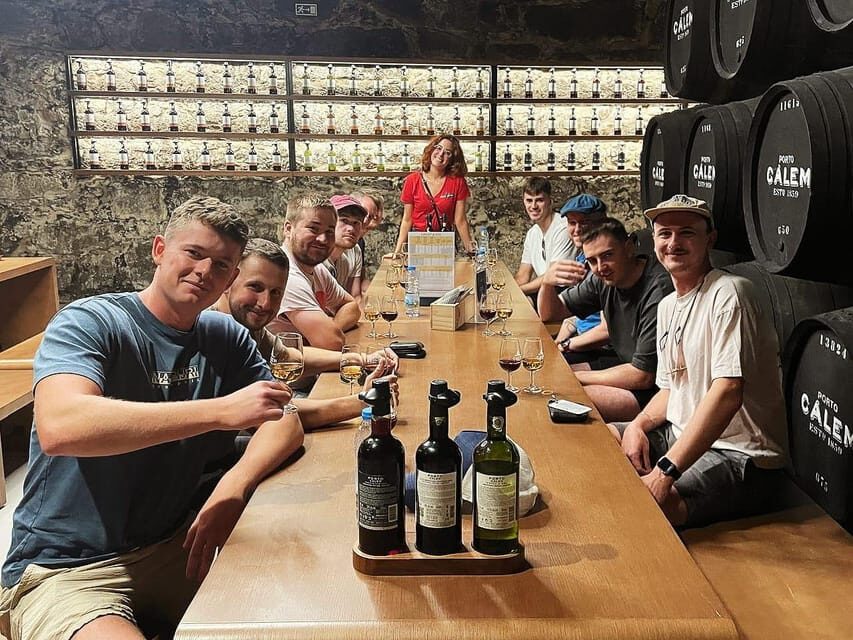
- 7 port wines across 3 venues gives you real comparison, not just a sample flight
- A professional tasting room helps you slow down and focus on what you’re noticing
- Port families, explained in plain language, so you can order with confidence later
- Barrels and cork talk connects the science-ish bits to what you actually taste
- Weather gets handled, including shelter if it’s raining when you start
- Guides bring energy, and the group usually warms up quickly through questions and chatter
Porto to Gaia: the walk that makes port wine make sense
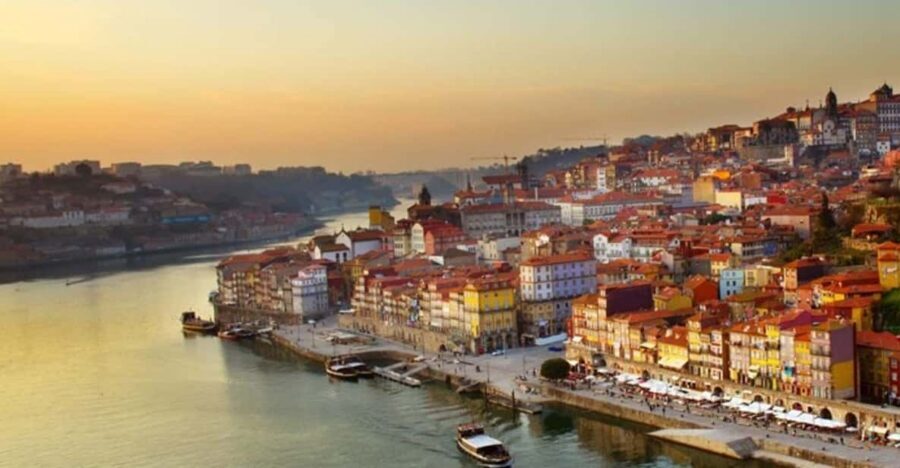
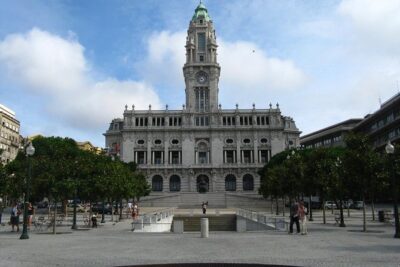
The smart thing about this tour is the geography. You start on the Porto side of the Douro River, then head toward the old cellar zone in Vila Nova de Gaia, where port has been stored and aged for generations. That short change in setting matters. Port wine isn’t just a product here—it’s part of the way the river town grew up.
Your guide builds the story as you go: why port developed where it did, what makes it different from other wines, and how the region’s traditions shape each bottle. Even if you’ve had port before, this tour helps you place it—so the next glass feels less random.
You also get an interactive tasting flow. The point isn’t to get through seven sips. It’s to taste, learn, and connect the dots between the families of port and the techniques behind them.
You can also read our reviews of more wine tours in Porto


Meet on the Luis I bridge (and stay on the right level)
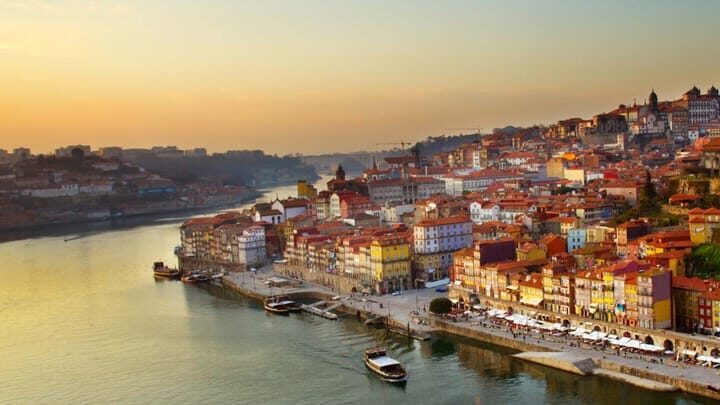
Your start point is specific, and you’ll save stress by reading it carefully. Meet on the right side of the LOWER LEVEL of the bridge Luis I, on the Porto side. Look for the big granite pillars of the old Ponte Pensil bridge at Rua da Ribeira Negra, 4000-509 Porto. Find your guide wearing a red t-shirt or jacket marked Porto Walkers.
Here’s the practical tip: if you accidentally end up on the top level, call for help right away. That quick course correction is worth it.
This tour also includes skip-the-ticket-line entry, so you spend more time with wine and less time doing paperwork at the door.
Stop one: a museum and cellar visit in a major port house
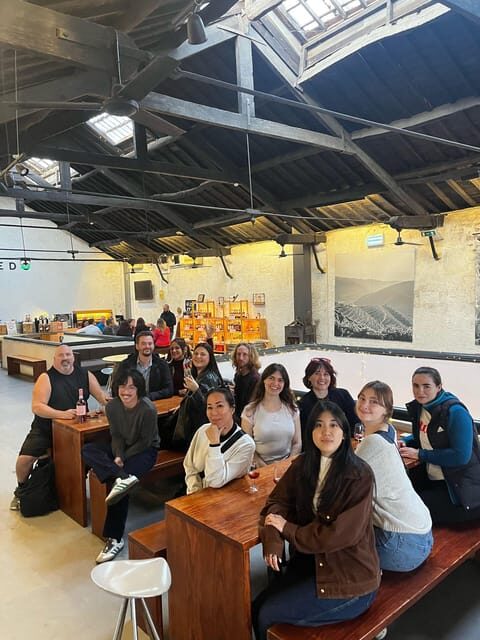
One of the first venues is a prestigious port wine house, and you’ll get more than a storefront glance. You’ll tour a museum and wine cellar, which gives you the context you’ll need for the tastings that follow.
What I like about this first stop is the pacing. You learn the background, then taste two port wines right after the tour so the concepts stick. It’s the difference between hearing about aging and actually noticing how it changes what lands on your palate.
You’ll also get guidance on the practical side: how and when to drink port wine, and what the guide is looking for when they compare styles. That matters if you’re new to port and trying to figure out what you actually like.
If you’re the type who enjoys asking questions, you’ll likely feel comfortable here. Guides on this experience have a knack for making the room feel interactive, not like a lecture.
The tasting lesson: how to identify port families and what to notice
The heart of the tour is the tasting structure. You taste seven total port wines, and the guide keeps explaining what you’re seeing and tasting as you go.
You’ll learn:
- How to identify the different port wine families
- How barrels and cork help preserve and shape the wine
- When port should be consumed (so it’s not just something you drink on vacation)
- What makes port different from other wines, in everyday terms
This is where the tour earns its value. A lot of wine tours hand you a glass and move on. This one tries to teach you the language of port—so you can walk into a shop later and make sense of the options.
A small but important detail: you’ll be tasting across styles from more than one producer. That gives you a clearer idea of how family or category and producer decisions can both show up in the glass.
Stop two: a small producer tasting where differences feel sharper
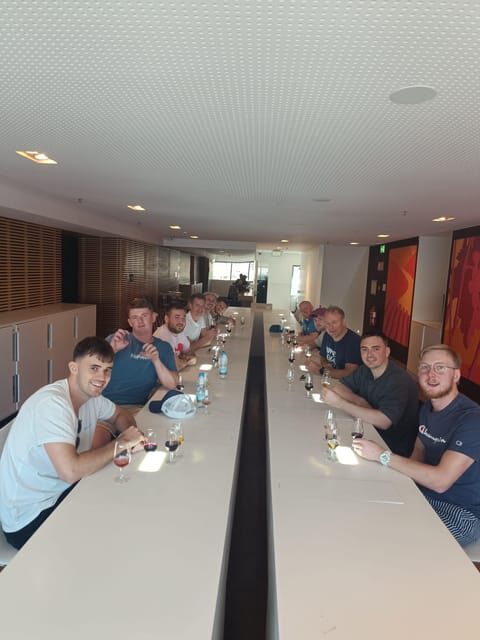
After the first venue, you head to a smaller producer for another tasting of two port wines. This stop is valuable because it changes the feel of what you’re learning.
Big houses are great for context and consistency. Small producers are often where you notice personality—because the scale is different and the choices may feel more direct. The tour sets you up to compare without needing expert training.
In practice, I find these smaller stops easier to engage with. You can ask more questions, and you’re often closer to the decision-making behind what ends up in the bottle. It also makes the whole 4-hour flow feel less repetitive.
And yes—food isn’t part of the official inclusions. Still, one stop may include extras like cheese, so you’ll want to be open-minded. If you can, eat beforehand anyway, because port isn’t exactly light.





Stop three: finishing with three more ports from a second producer
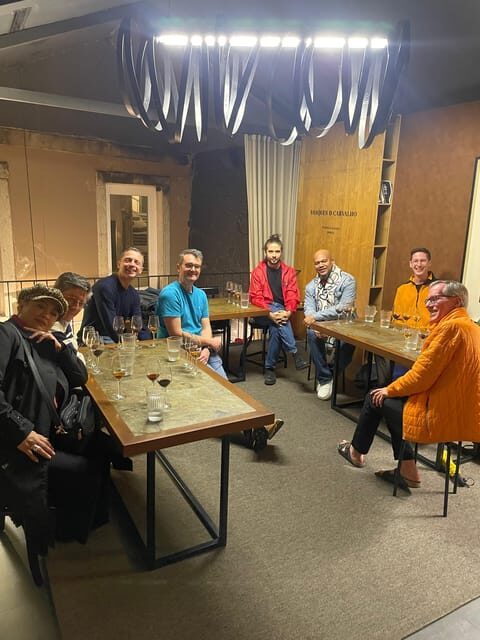
You wrap up at a last producer, and here you’ll taste three additional ports. Ending with more bottles works because your palate is already warmed up and your brain has the guide’s framework in place.
At this point, you should be starting to notice patterns:
- Which styles feel lighter or richer
- How aging-related flavors shift as you go
- How sweetness and alcohol intensity can show up differently
The guide’s job here is to help you separate what you think you taste from what’s actually in the glass. That makes the final tasting feel like a test you’ll probably pass.
It’s also a nice way to end because the last stop often gives you a clear direction for what to buy back in your home country—if that’s your thing.
Rain, timing, and group vibe: what to expect from the 4 hours
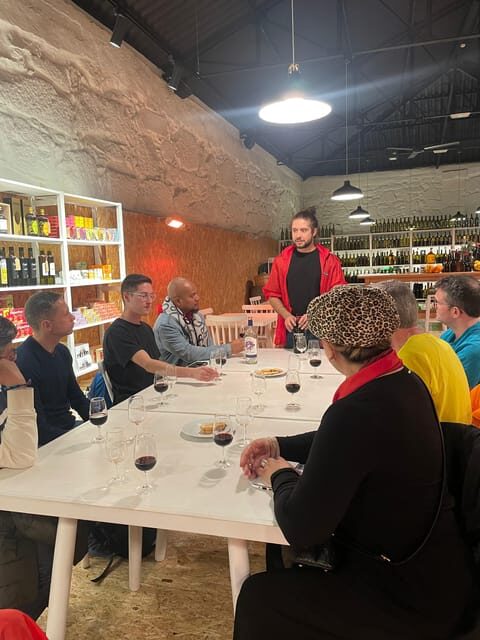
The schedule is tight enough to feel like a real plan, but relaxed enough to enjoy it. It’s 4 hours total, and a small amount of walking is involved.
Weather happens in Porto. One thing I appreciated is that rain doesn’t automatically kill the experience. On at least some tours, shelter is provided when it pours, so you’re not just standing out getting cold while sipping.
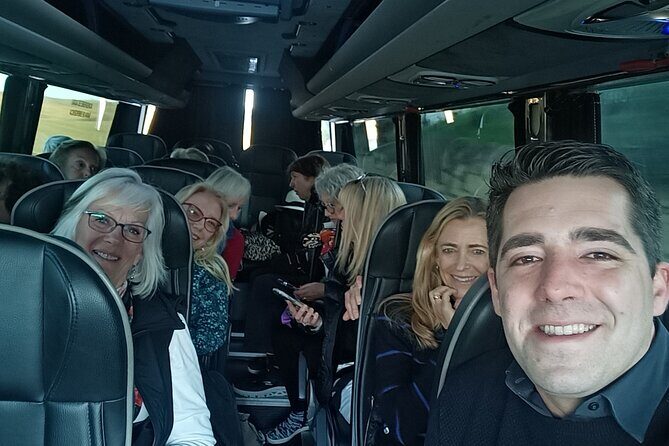
Group size can vary. I’ve seen everything from very small groups to larger groups, and the common thread is that the guide encourages questions and conversation. People often leave knowing more than just wine facts—they walk away with the confidence to order port and the ideas to explore Porto and Gaia afterward.
Price and value: is $54 worth 7 tastings?
At $54 per person, you’re paying for a lot more than a few tastes. You’re getting:
- English guided tour
- Entrance to 3 venues
- 7 port tastings
- A structured lesson on families, barrel/cork influence, and how to drink port
If you tried to replicate this on your own, you’d pay for transport, entry tickets, and then still have to figure out what you’re tasting without a guide coaching you. Here, the price is mostly paying for interpretation—and that’s what turns tastings into learning.
If you already know port well, you might feel like the history is a recap. But the “how to identify port families” and the barrel/cork explanations can still help you refine your choices. If you’re brand-new to port, this is exactly the kind of tour that prevents you from wasting money on bottles you don’t enjoy.
Food isn’t included as a tasting. That means your wallet value stays mostly in wine and access to cellar spaces—not in a meal.
Who this tour is best for (and who should skip it)
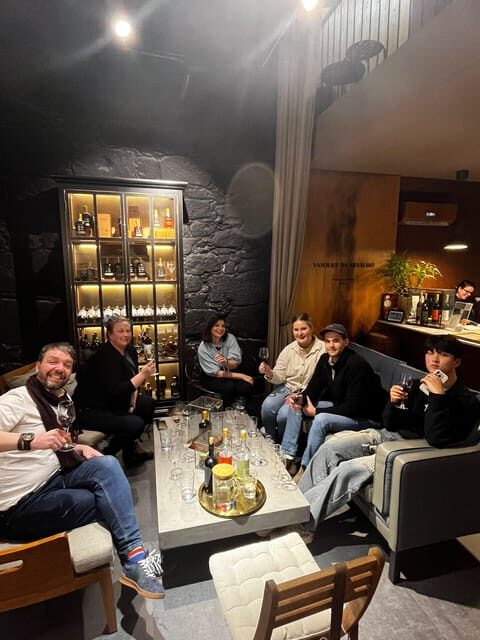
This is a great fit if you:
- Want a guided port introduction with real comparison
- Like your wine education hands-on and not overly technical
- Enjoy stories plus tasting, especially with a guide who keeps things fun
- Are willing to walk a bit between Porto and Gaia cellar areas
It’s not a great fit if you have mobility challenges. The tour involves uneven surfaces, and the experience isn’t recommended for those with walking disabilities or for people using a wheelchair. Also, it’s not suitable for people with mobility impairments.
Two more practical points:
- Minimum drinking age is 18
- Unaccompanied minors aren’t allowed, and children must be with an adult
Should you book this Porto port tour or look elsewhere?
I’d book it if you want the fastest path to understanding port without guessing. The biggest strength is that you taste seven different ports across multiple venues, while the guide gives you a map for how the styles relate to each other.
Skip it if you’re looking for a relaxed “sip-only” afternoon with no walking and no structure, or if mobility is an issue for you. Also, if you expect food to be a big part of the experience, plan to eat before you go since food tastings aren’t included.
If you’re trying to decide right now, my advice is simple: this is one of the better ways to turn Porto’s port culture into something you actually understand, not just something you sample.
FAQ
How many port wines do you taste on this tour?
You taste 7 port wines during the experience.
How long is the tour?
The tour lasts 4 hours.
Where does the tour start?
Meet on the right side of the LOWER LEVEL of bridge Luis I, on the Porto side, by the big granite pillars of the old Ponte Pensil bridge (Rua da Ribeira Negra, 4000-509 Porto).
Is there a guided tour in English?
Yes. The tour includes an English-speaking guide.
Does the price include entry to venues?
Yes. You get entrance to 3 venues.
Is food included?
No. Food tastings are not included.
What’s the minimum drinking age?
The minimum drinking age is 18.
Are unaccompanied minors allowed?
No. Unaccompanied minors are not allowed. Children must be accompanied by an adult.
Is the tour wheelchair accessible?
The activity says wheelchair accessible, but it also notes uneven surfaces and says it’s not recommended for people with walking disabilities or using a wheelchair. It’s worth checking based on your needs.
Can I cancel for a refund?
Yes. Free cancellation is available up to 24 hours in advance for a full refund.
What if I’m late or end up on the wrong bridge level?
If you end up on the top level of the bridge, call the team to help you.