REVIEW · COIMBRA
Coimbra: Guided tour with a local student
Book on GetYourGuide →Operated by Daniel & Filipe · Bookable on GetYourGuide
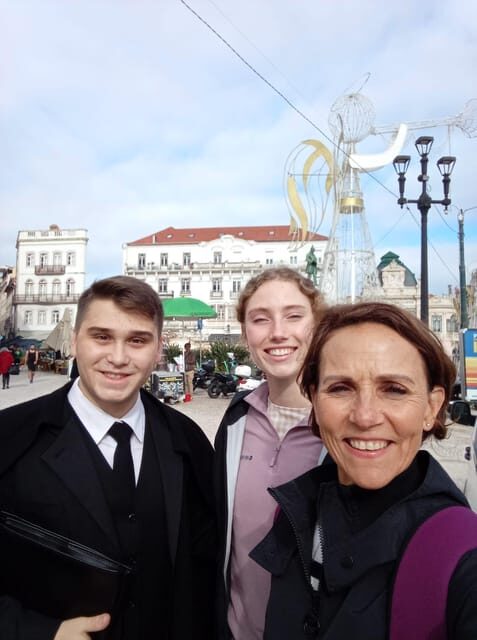
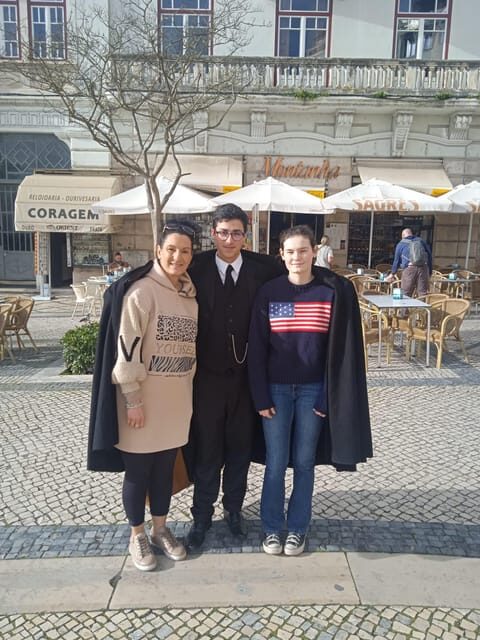
Coimbra has a way of sticking in your head. This guided walk with Daniel (a student from the University of Coimbra) feels personal because you see the city through student life and traditions, not just stone and dates. You start in the middle of Praça da República, and Daniel shows up in the long black student cape, turning the whole experience into something closer to a guided chat than a scripted lecture.
I especially liked two things: the way Daniel connects the university’s growth to everyday student customs, and the practical tips that help you plan the rest of your day in Coimbra. The one thing to consider is that this is a walking-only old-town route with limited time at each stop, and it does not include entry into paid interiors or museums.
In This Review
- Key moments you will not get on a typical tour
- A student guide in traditional regalia: the vibe on this walk
- Praça da República: getting your bearings in the heart of Coimbra
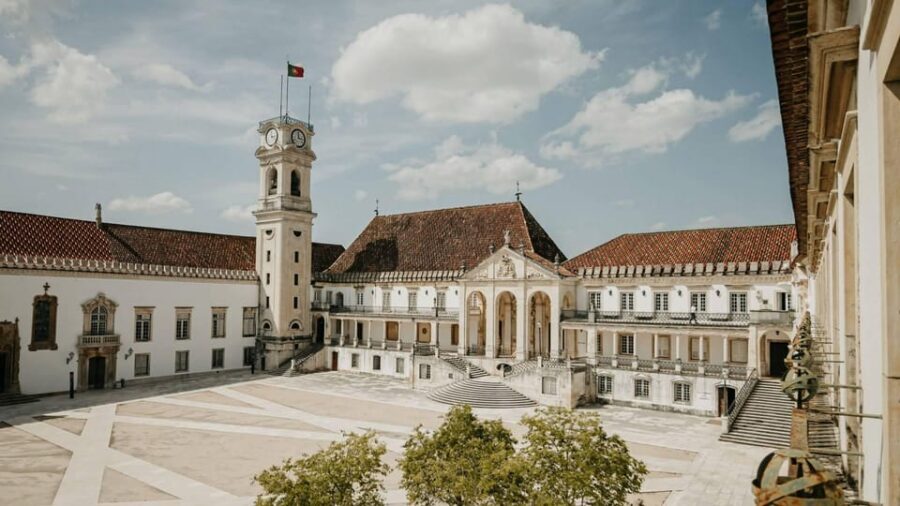
- Royal Palace and the University of Coimbra: where the story starts to pull
- Sé Nova de Coimbra: a cathedral stop that explains medieval ambition
- Alta da Cidade: viewpoints and the Roman-to-modern bridge
- Sé Velha, Coimbra: the older cathedral that anchors the old quarter
- Santa Cruz Monastery: why it still matters in Coimbra’s student world
- What you learn about students (and why it changes the way you see Coimbra)
- Not entering buildings is a choice: how to plan around it
- Price and value: what $23 buys in real terms
- Who this tour suits best (and who should skip)
- Tips to make the most of the walk
- Should you book this Coimbra student walk?
- FAQ
- How long is the tour?
- What is the price per person?
- How big is the group?
- Do we enter university buildings or the Joanina Library?
- Where does the tour meet and how do I recognize the guide?
- What languages are available?
Key moments you will not get on a typical tour
- A real University of Coimbra student guide explaining how students socialize, study, dress, and keep traditions
- A tradition-focused walk where the student regalia and day-to-day routine matter as much as the monuments
- Roman to contemporary city context, linking Coimbra’s ancient layers to what you see today
- Top landmarks outside the ticket gates, plus photo-friendly views from the Alta da Cidade area
- Small group size (up to 8) that makes questions easy and the pace human
- Food and visit tips from a local student, including where to go after the tour
A student guide in traditional regalia: the vibe on this walk
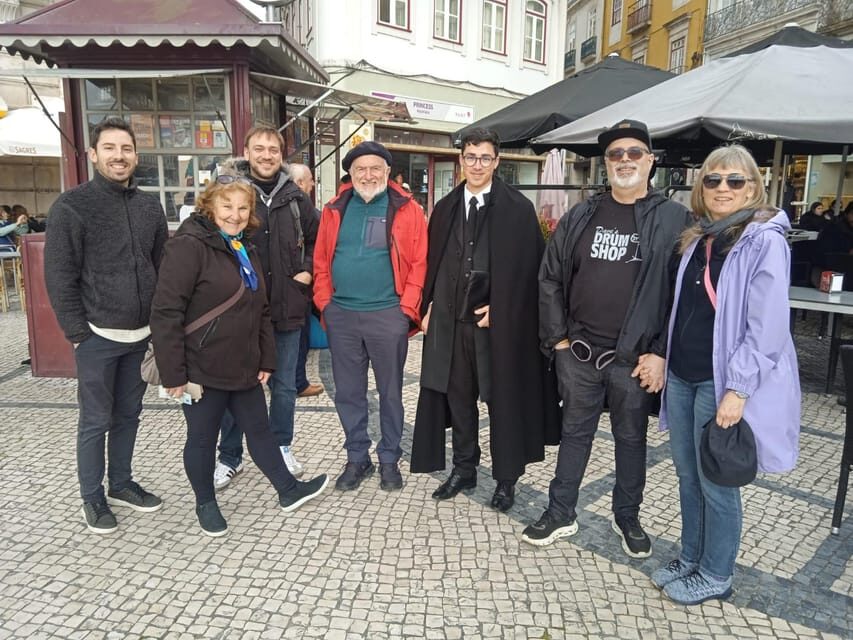
The first five minutes tell you what kind of tour this is. You meet at Praça da República, and Daniel is easy to spot in the long black cape associated with student dress. From there, you keep moving. The humor is light, the stories are grounded, and the focus stays on the human side of Coimbra.
What makes this work well for you is the balance. Daniel talks about the city and the University of Coimbra, yes, but he also brings you into the student mindset: how routines shape traditions, how students talk about the university, and how older customs survive alongside modern life. If you like travel that feels specific rather than generic, this format is a strong fit.
One more practical note: the tour is offered in English, Portuguese, and French, and it runs about 150 minutes (the flow includes walking and short stops). If you want a relaxed walk with real conversation, it’s a good length. If you’re looking for deep museum time, you won’t get that here.
You can also read our reviews of more guided tours in Coimbra


Praça da República: getting your bearings in the heart of Coimbra
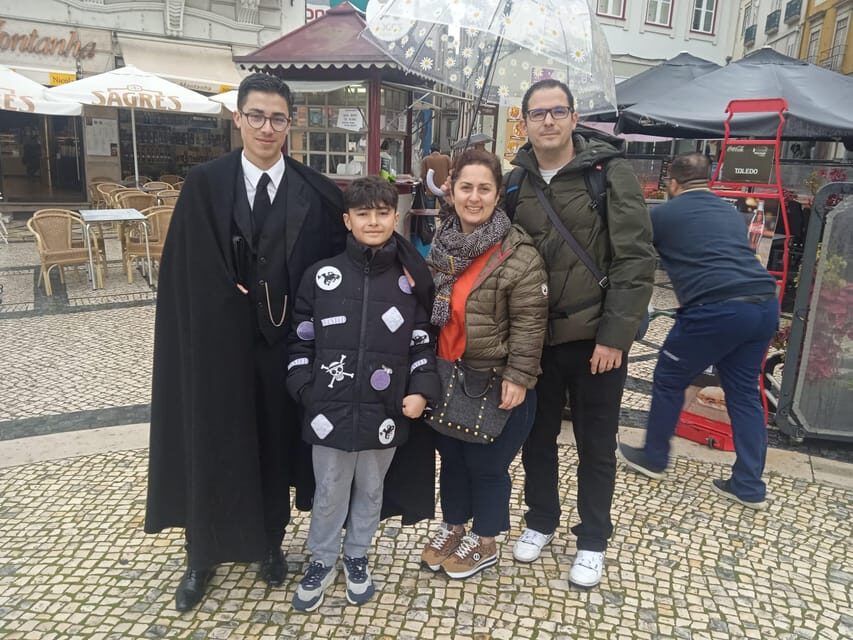
Praça da República is a smart place to start. It anchors you in the current city center before you start climbing and circling through older neighborhoods. Daniel uses this first stretch to frame Coimbra’s story, setting you up to recognize why the university sits where it does and why the old quarter feels layered instead of flat.
At this stage, the tour gives you two useful things:
1) Orientation so later stops make more sense, and
2) A sense of student rhythm, because Daniel begins to explain how university life shapes daily movement around town.
This part is also where you’ll get the tone of the tour. Expect easy questions, quick pauses for photos, and the kind of back-and-forth that works because the group is limited to 8 people.
Royal Palace and the University of Coimbra: where the story starts to pull

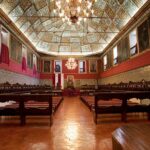
Next comes the Royal Palace area and the University of Coimbra zone. Even without entering buildings, you’ll get a strong sense of why this site has remained central for centuries. Daniel ties the university’s creation and evolution into the wider story of Coimbra, so the buildings aren’t just landmarks. They become evidence.
Here’s what you should watch for as you walk:
- The way the university complex dominates the skyline and pulls activity toward it
- How the university’s long timeline affects what students still do today
- Little “why this matters” details that connect politics, learning, and daily life
One reason I like this approach for you: university history often feels distant when it’s taught as facts only. With a student guide, the story lands differently. You hear how older traditions still echo in things students say, wear, and celebrate.
Time tip: you’ll spend around half an hour in this area. That’s enough for the main beats and photos, but not enough to satisfy if you want long, interior-only sightseeing. Since the tour does not enter the University buildings, plan a separate stop later if you want indoor time.
Sé Nova de Coimbra: a cathedral stop that explains medieval ambition
Sé Nova de Coimbra is a great early “shift” point. It gives you a clear view into the later medieval chapter—when Coimbra’s religious and civic identity kept evolving. Daniel uses these cathedral stops to show how styles and power shifted over time, which helps you later at Sé Velha.
This is one of those stops where Daniel’s student angle really helps. He can connect what you’re seeing to how the city’s institutional identity shaped student life around it. You’re not only staring at stone. You’re learning why it sits where it sits.
Because you’ll only have about 15 minutes here, go in with a photo plan:
- Take one wide shot to anchor the façade in your mind
- Then take one close shot after Daniel points out specific architectural clues
If you want slow-looking time, this is a good time to ask Daniel one question. Since the group is small, you can usually get an answer without the tour steamrolling ahead.
Alta da Cidade: viewpoints and the Roman-to-modern bridge
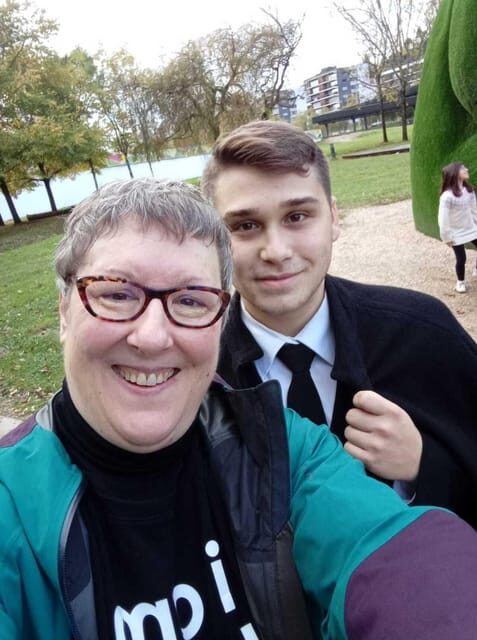
Alta da Cidade is where Coimbra starts to feel like a story told in layers. You get movement through an older high area, and Daniel uses the walk to connect ancient to contemporary Coimbra. Roman-era roots, medieval development, and later city changes all show up in different ways as you move.
Even if you’re not a “viewpoint person,” Alta is worth it because it changes your understanding of the city layout. You begin to see why the university and the older religious sites make sense together on the hill.
This stop is about 15 minutes, and it can feel like a short reset before Sé Velha. Still, it’s valuable. Short as it is, Daniel’s explanation gives you a mental map. Later, when you wander on your own, you’ll remember the logic of the placement.
Weather tip: this is old-town walking, so bring a layer. Reviews show rainy days happen, and Daniel keeps the tour moving with good humor, but you’ll still want comfortable shoes.



Sé Velha, Coimbra: the older cathedral that anchors the old quarter
Sé Velha (the “Old Cathedral”) is the emotional core for many people. It carries more weight because it connects more directly to Coimbra’s older medieval identity. Daniel uses this stop to keep the timeline straight: older foundations, changing eras, and the long continuity of the city’s center.
What I like about how this works for you is that Sé Velha isn’t treated like a final stop. It’s treated like a hinge. Daniel helps you understand how the city’s religious and academic life influenced each other over long periods.
At about 15 minutes, you’re not stuck. You can absorb the feel of the cathedral area, grab key photos, and move on to Santa Cruz without losing the thread.
If you’re the type who likes to stop and read plaques, you might need a quick strategy: pick one or two features Daniel mentions, then spend a minute looking carefully at those. That way you don’t lose time trying to “do everything” in a brief window.
Santa Cruz Monastery: why it still matters in Coimbra’s student world
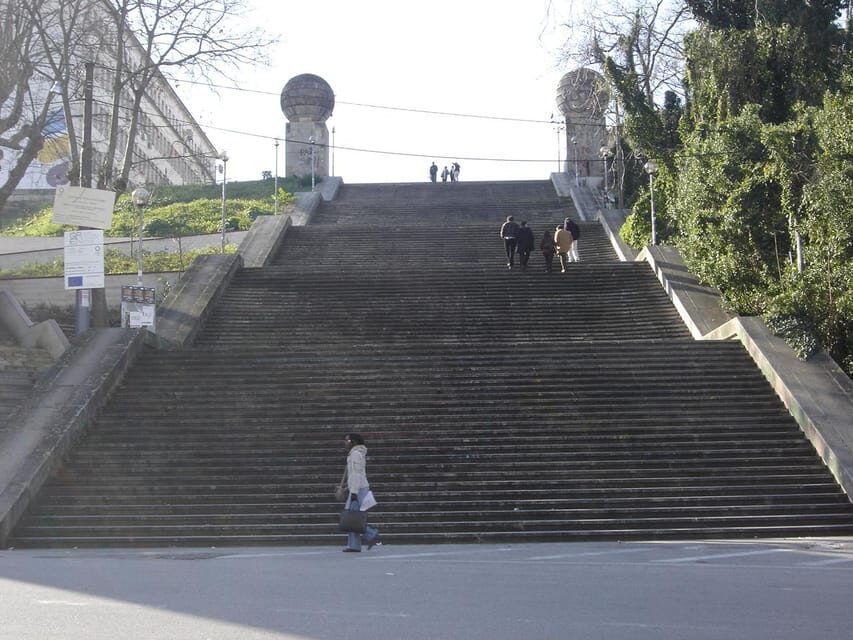
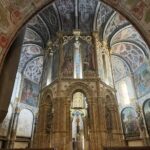
Santa Cruz Monastery is where the tour shifts from cathedrals and city layout to institutions and legacy. Monasteries in places like Coimbra aren’t just religious sites. They’re memory banks for the city—art, education, influence, and identity tend to cluster around them.
Daniel’s job here is to help you see why Santa Cruz fits into the same big story as the University of Coimbra. You’ll get those connections through his explanation of how Coimbra’s institutions shaped what it means to be a student in this city.
This stop is also about 15 minutes, which is enough to get the feel and understand the significance, but not enough for slow museum-style exploration. The good news: the tour’s value is the guided interpretation. If you want to go deeper later, Daniel gives you tips for how to spend time after the tour.
What you learn about students (and why it changes the way you see Coimbra)
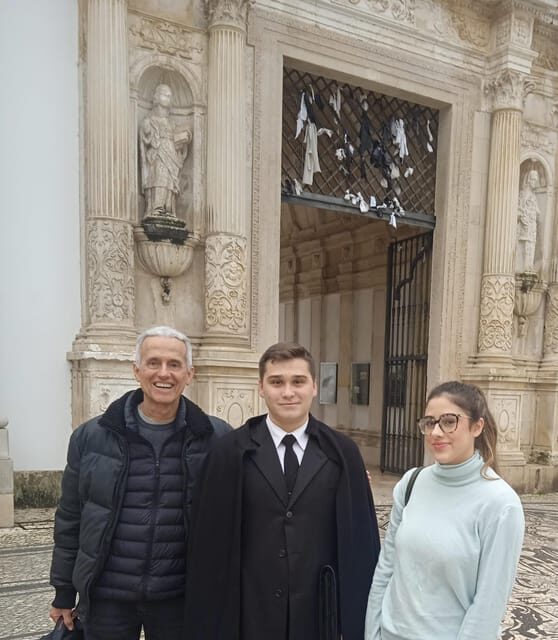
This is the part that makes the tour feel different from a standard “monuments only” walking route.
You’ll hear about student customs: how they socialize, how they study, and how they dress in ways that connect to tradition. In the same spirit, Daniel shares smaller curiosities tied to student culture, including rituals and stories that help explain why Coimbra’s university identity feels distinct.
From my point of view, that student-life layer is what makes the walking tour worth paying for. It turns Coimbra into something you can picture daily, not just historic “places you visited.”
Also, Daniel’s language and humor keep things moving. Even when the history gets older, it doesn’t feel like a lecture. It feels like someone who loves the place translating it for you.
Not entering buildings is a choice: how to plan around it

A key detail: this tour does not include entering the University buildings, and it also does not include entry to the Joanina Library or any paid museums or paid activities. You’ll see the sights, but from the outside.
This won’t bother you much if:
- You like guided storytelling over indoor time
- You want a top-to-bottom “orientation tour” first
- You plan to return later for a specific interior visit
It might bother you if your #1 goal is architecture inside, library rooms, or museum content. In that case, you can still book this, just don’t treat it as your only Coimbra cultural block.
The upside is you keep a steady pace across the historic core. And since Daniel provides suggestions for where to go afterward, you can shape your second visit around what you cared about most.
Price and value: what $23 buys in real terms
At $23 per person for about 150 minutes, the value comes from three things, not just cost.
1) A small group (up to 8) with a student guide you can ask questions of
2) Two storylines merged together: the city’s ancient-to-modern layers plus how student traditions live inside that setting
3) Practical follow-up guidance so you don’t leave the tour and end up guessing where to eat or what to see next
If you normally spend time on “one-size-fits-all” tours, this is a more personal use of time. Even on rainy days, the tour’s format stays intact because it’s structured for walking and storytelling rather than indoor ticket access.
For me, the strongest argument is simple: for $23, you’re buying a local student lens on Coimbra. That lens tends to be the difference between remembering buildings and remembering a place.
Who this tour suits best (and who should skip)
This walking experience fits you best if you:
- Want history told through daily life
- Like authenticity and small groups
- Enjoy photos from multiple key viewpoints in a short window
It’s less suitable if you:
- Have mobility impairments or need wheelchair access
- Need accommodations for hearing-impaired visitors
If you’re traveling with teens, the student perspective can land really well because rituals and student traditions are the kind of details that feel real, not like trivia.
Tips to make the most of the walk
- Wear comfortable shoes. Coimbra’s old streets add up fast.
- Bring water, especially if the weather turns warm.
- Bring a camera because multiple stops are photo-friendly and the student regalia makes for great shots.
- Dress for changing weather. Reviews mention rain, and you’ll still be outside most of the time.
- Save your deeper museum/library time for after. This tour is built for orientation and interpretation.
Should you book this Coimbra student walk?
Yes, if you want a guided walk that explains Coimbra’s famous university from the inside-out. Daniel’s combination of student-life details, history stitching (Roman through modern), and good humor makes this a standout way to understand the city quickly.
Skip it only if your priority is paid interiors, long museum time, or accessibility needs that this route can’t support. Otherwise, this is one of those tours where the time feels well spent because it changes how you walk through Coimbra afterward.
FAQ
How long is the tour?
The tour runs for about 150 minutes.
What is the price per person?
The price is $23 per person.
How big is the group?
The group is small, limited to 8 participants.
Do we enter university buildings or the Joanina Library?
No. This tour does not include entering the University buildings, the Joanina Library, or any paid museums.
Where does the tour meet and how do I recognize the guide?
You meet in the middle of Praça da República. The guide will be wearing a long black cape (student’s clothes).
What languages are available?
The live guide is available in English, Portuguese, and French.