Roman ruins, but with the right context.
This private 4-hour tour around Conimbriga gets you up close to some of Portugal’s biggest Roman remains, then fills in the story with two museum visits. I especially like the small group setup and the round-trip hotel pickup option, which makes it feel like a day plan, not a logistics puzzle. Guides on this tour often bring the site to life with names you might hear like Alfredo (operator/guide), Antonio, and Ivone.
One thing to plan around: not every museum is included in the base price, and Museu PO.RO.S is closed on Mondays. That means you may pay separate admission costs (for the museums), so check your day-of-week before you lock it in.
In This Review
- Key Highlights Worth Carving Out Time For
- Where Conimbriga Fits in a Coimbra Visit
- Alcabideque: Start at the Aqueduct’s Water Source
- Museu PO.RO.S in Sicó: A Modern Way Into Roman Portugal
- Conímbriga Museum (Museu Monográfico / Museu Nacional): Everyday Life, Not Just Big Names
- Roman Ruins Outside: The Part You’ll Keep Thinking About
- How the Tour Runs: Private, Air-Conditioned, and Built for Focus
- Price and Value: What $102.80 Really Buys
- Who Should Book This Tour (and Who Might Skip)
- Should You Book This Conimbriga Roman Tour?
- FAQ
- How long is the Conimbriga and The Roman Tour?
- Is this tour private?
- Do I get hotel pickup in Coimbra?
- What stops are included during the tour?
- Are museum admissions included in the price?
- Is the tour offered year-round?
- What language is the tour offered in?
- Is there air-conditioning during transport?
- What if a museum is closed?
Key Highlights Worth Carving Out Time For
- Aqueduct engineering at Alcabideque: see how water was gathered, cleaned, and moved toward Conimbriga.
- Two museums that explain what you’re seeing: PO.RO.S adds a modern multimedia angle, then Conimbriga’s museum turns artifacts into daily-life scenes.
- Private-group pacing: with a maximum of 10 people, your guide can slow down for questions and photos.
- Hotel pickup makes it easy: pickup is available from many central Coimbra neighborhoods (and farther out if parking works).
- A guide who ties buildings to real use: you’re not just looking at stones; you’re learning what rooms and systems were for.
Where Conimbriga Fits in a Coimbra Visit
Coimbra is the thinking traveler’s base: old streets, smart history, and a campus vibe. But if you want something physical and jaw-dropping, Conimbriga is the move. It’s close enough for a focused half-day, and it’s the kind of Roman site where the ground plan and the water system actually matter.
What makes this tour practical is the pacing. You get a clear path through the area instead of wandering and hoping everything clicks. The guide’s job is to help you connect the ruins to the “how did people live” questions that pop up while you walk.
You can also read our reviews of more tours and experiences in Coimbra.



Alcabideque: Start at the Aqueduct’s Water Source
Your first stop is Alcabideque, where the Roman water story begins. The aqueduct’s collecting basin is tied to a spring that still feeds local life today, right down to the village pond. It’s one of those moments where you can see a Roman idea still doing its job, centuries later.
Next to the pond you’ll find ruins of a castellum—think of it as a controlled structure that helped with cleaning before water moved on. From there, the water travel continues through a longer route toward Conimbriga, with portions carried by substructures and ending in a castellum aquae with a complex setup.
This is a great stop even if you’re not a “Roman engineering” person. You get to watch a system form a line: water source → treatment zone → movement → city distribution. If you’re the sort of traveler who likes understanding the purpose of things, this part rewards you fast.
Tip: bring a phone camera that can handle bright outdoor light. This stop is visual, and the changes between the pond area and the stone structures are the whole point.
Museu PO.RO.S in Sicó: A Modern Way Into Roman Portugal
After the outdoor Roman water beginning, you head toward PO.RO.S, the Roman Portugal Museum in Sicó. The museum is described as the newest museum for the Condeixa municipality, and it uses multimedia and virtual-style presentation to connect you with the Roman legacy trail.
This is the “translation layer” that helps many people enjoy Conimbriga more. When you later stand in ruins, you’re not starting from zero. You already have a framework for the bigger picture—how the Roman world worked across Portugal, not just within one city.
One practical note: PO.RO.S can be closed on Mondays, which can affect how much museum time you get. If your travel dates land on a Monday, it’s worth double-checking whether you’ll still be able to see everything you planned for.
Conímbriga Museum (Museu Monográfico / Museu Nacional): Everyday Life, Not Just Big Names
The centerpiece visit is Conímbriga’s own museum complex. This site was inhabited before the Romans, then became a major center when Roman troops occupied the area around 139 BC. Over time—especially under emperors like Augustus—the urban part of Conímbriga grew into a prosperous capital of Lusitania.
What I like about bringing you into the museum before or alongside the ruins is how it changes your walking experience. Instead of only noticing the biggest walls and the most open spaces, you start spotting the “ordinary” Roman life signals: religious objects and spaces, architectural features, manor house decorations, forum activity, and the kinds of details you’d miss if you just guessed.
This museum approach matters because Roman cities are layered. You can see a forum-adjacent world, thermal life, amphitheater-scale public spaces, and later religious construction. The museum rooms help you interpret that progression in a way that feels human, not just academic.
Then you can step back outside and look at mosaics, fountains, and building layouts with sharper eyes. In places like Conímbriga, that difference is huge: the site becomes more than preserved stone.
Roman Ruins Outside: The Part You’ll Keep Thinking About
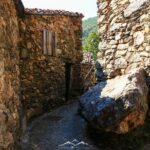
Once you’re out among the ruins, the standout theme is that so much of the site still reads like a lived-in city. People often focus on the well-preserved mosaics first, and they’re easy to understand why: the patterns and surfaces help you imagine rooms lit and used in daily routines.
But the water features and the bath-and-fountain systems are just as important. When you can see visible water management and still-working concepts in the layout, the Roman obsession with comfort and engineering starts to feel real, not theoretical.
You’ll also notice how large the homes and public areas were, even when portions are ruined. That scale difference is one of the reasons a guided visit helps. A guide can point out what looks like “a pile of stones” but is actually an everyday room function.




How the Tour Runs: Private, Air-Conditioned, and Built for Focus
This is a private tour with a maximum of 10 people per booking, which keeps the group from turning into a shuffle line. You’ll also travel by a private vehicle, and the vehicle is air-conditioned, which matters in Coimbra-area weather.
Pickup is offered if you select it, and the service is designed for central Coimbra hotels. The pickup net also covers Condeixa-a-Nova and Penela if parking is available, and there’s an extra fee (10€ to 20€) for hotel pickup from more distant places or other locations.
The tour ends back at the meeting point area, which keeps things clean for your schedule. Expect about four hours overall, give or take based on museum timing and how long you linger among mosaics and fountains.
If you’re planning around another afternoon activity, this is a smart slot. It’s long enough to feel like a “real experience,” but not so long that it wrecks your day.
Price and Value: What $102.80 Really Buys
At $102.80 per person for a roughly four-hour private experience, you’re paying for more than transport. The included items list the real value drivers:
- Driver/guide service
- Professional photographer guide (and one souvenir photo)
- Private vehicle with air-conditioning
- Hotel pickup and drop-off if you choose the pickup option
A big value point: this tour doesn’t just show you ruins. It connects those ruins to context through two museum stops. That matters in Conímbriga because the “why” of what you see is the difference between a quick glance and a satisfying visit.
Now for the caution: museum admissions aren’t included for the two museum stops. So even though the tour price covers guide and transport, you should budget extra for entries. If you hate surprise add-ons, this is the part to plan for early.
Also, about photos: the tour includes one souvenir photo. Additional photos without logos can be purchased, so don’t assume every photo you take yourself gets swapped into the official souvenir package.
Who Should Book This Tour (and Who Might Skip)
This is a strong fit if you want Roman ruins with interpretation, not just a self-guided walk. If you love water engineering, mosaics, and daily-life details, this tour hits your interests quickly.
It’s also a good match for families and mixed ages because the group size is small and the guide can shape the pace. One key advantage from past experiences: the guides can be patient when someone needs extra time walking or processing what they’re seeing.
You might consider skipping (or at least adjusting expectations) if:
- You’re visiting on a Monday and want PO.RO.S without any reroutes.
- You prefer completely self-directed travel and don’t want museum admission add-ons.
Should You Book This Conimbriga Roman Tour?
I’d book it if you want a high-impact Roman stop without making your day complicated. The combination of aqueduct origins at Alcabideque plus museum context plus a focused Conímbriga visit is exactly what turns ruins into an experience you can talk about later.
If Monday is your only option, check PO.RO.S closure and confirm what your day will look like. And budget a bit extra for museum tickets since they’re not included.
If you want Roman ruins where the details make sense, this tour is a solid value.
FAQ
How long is the Conimbriga and The Roman Tour?
It’s about 4 hours.
Is this tour private?
Yes. It’s private, and only your group participates. The maximum group size is 10 people per booking.
Do I get hotel pickup in Coimbra?
Pickup is available from most central Coimbra hotels if parking is possible, plus Condeixa-a-Nova and Penela under the same condition. You can also request pickup from other locations for an additional fee.
What stops are included during the tour?
You’ll visit the Alcabideque aqueduct area, then Museu PO.RO.S in Sicó, and then the Conímbriga museum area (Museu Monográfico / Museu Nacional).
Are museum admissions included in the price?
No. The two museum admissions are listed as not included, so you’ll pay separately.
Is the tour offered year-round?
It operates in all weather conditions, and you should dress appropriately.
What language is the tour offered in?
The tour is offered in English, and guides may be multi-lingual.
Is there air-conditioning during transport?
Yes. The tour uses an air-conditioned vehicle.
What if a museum is closed?
Museu PO.RO.S is closed on Mondays, so if you’re traveling on a Monday you may not be able to visit that museum stop as planned. The tour does operate in all weather, but specific closures can affect which indoor stops are available.