REVIEW · COIMBRA
From the Schist Villages of Lousã to the Mills of Penacova
Book on Viator →Operated by Aventuras Forte(s) - Turismo de Natureza · Bookable on Viator
Stone villages feel like time travel.
This day trip strings together schist villages and water-and-wind energy sites around Coimbra in a way that feels practical, not rushed. You start in the shale village of Aldeia do Candal, then move to Aldeia do Talasnal, and from there you shift to the river pools and working-machinery history of Penacova. If you get a guide like Sérgio Forte or Fatima (names you’ll hear in this company’s reviews), you’ll likely get history that’s told clearly and paired with real on-the-ground details you can actually see.
What I really like is that the tour packs variety without asking you to “hike your soul away.” Each stop is short (about 20 to 45 minutes), so you can focus on the big visual hits: stone-built village layout, mills by water, and the windmill complexes. I also like the small touches that make it easy for your day to run smoothly: regional snacks, guide-led explanations throughout, tour photos, and private transportation handled end to end.
One thing to consider: no lunch is included, so you’ll want a plan for food—either a restaurant stop nearby or a simple picnic. Also, the experience depends on good weather, so keep a little flexibility in your schedule.
In This Review
- Key things to know before you go
- From Coimbra out to Penacova’s water-and-wind world
- Pickup and getting there without stress
- Stop 1: Aldeia do Candal, a schist village built into the rock
- Stop 2: Aldeia do Talasnal, another schist village stop with a longer look
- Stop 3: Praia Fluvial de Vimieiro, a river pool with mill history nearby
- Stop 4: Moinhos da Serra da Atalhada, windmills that explain how power travels
- Stop 5: Moinhos de Gavinhos, another windmill cluster to compare and contrast
- Guides, tone, and why the day feels easy
- Snacks, photos, and what you should plan for next
- Price and value: what you’re really paying for
- Who this tour suits best (and who might prefer something else)
- Weather and day-of flexibility
- Should you book the Schist Villages and Penacova Mills tour?
- FAQ
- FAQ
- How long is the tour?
- What time does the tour start?
- Is pickup available in Coimbra?
- Is the tour private?
- What’s included in the price?
- Is lunch included?
- Do we pay admission fees at the stops?
- What language is the tour offered in?
- Is the tour dependent on weather?
- What is the cancellation policy?
Key things to know before you go
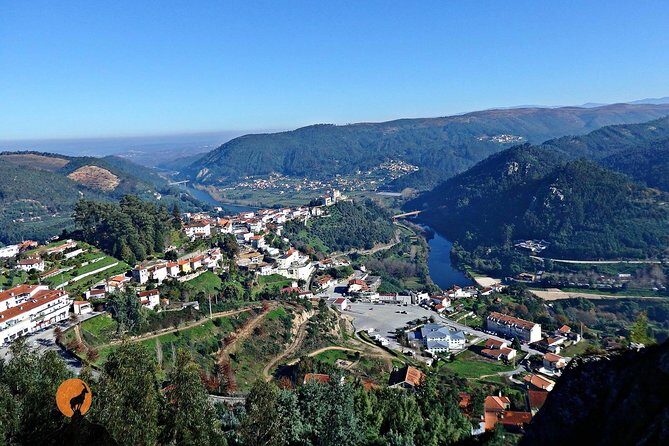
- Schist villages with free entry: Aldeia do Candal and Aldeia do Talasnal both have free admission.
- Water-meets-mills break: you’ll pause at Praia Fluvial de Vimieiro, a river pool area with water mills and leisure space.
- Two ancient windmill complexes: Moinhos da Serra da Atalhada and Moinhos de Gavinhos keep the theme going from wind to work.
- Pickup across Coimbra: you can be collected in the city (including your hotel, if you’re staying in Coimbra).
- Private tour for your group: only your group participates, so the pace and questions stay yours.
- Weather matters: if conditions are poor, you’ll be offered a different date or a refund.
From Coimbra out to Penacova’s water-and-wind world
This tour is built around a simple idea: in this part of central Portugal, nature and old technology worked together. Instead of treating “history” like a museum speech, you drive between real places—stone villages, river-side mill areas, and windmill sites—then get just enough time at each one to notice how everything connects.
The timing is also friendly for a one-day excursion. You start at 9:30am and the full outing runs around 7 hours. Expect a mix of driving time and short, focused stops. That structure matters because it helps you see more than one zone without burning out on long walks or long waits.
Price-wise, it’s $156.21 per person, which is not a budget impulse buy—but it can feel fair because you’re paying for private transport, guide time, safety coverage (personal accident and liability insurance), and the convenience of pickup within the Coimbra region. You’re also not paying for admission at the listed stops, which helps the day feel more complete for the money.
And if you’re planning ahead: the experience tends to be booked about 36 days in advance on average. That’s a strong sign that prime dates can go first, so if your schedule is tight, lock it in early.
You can also read our reviews of more tours and experiences in Coimbra.



Pickup and getting there without stress
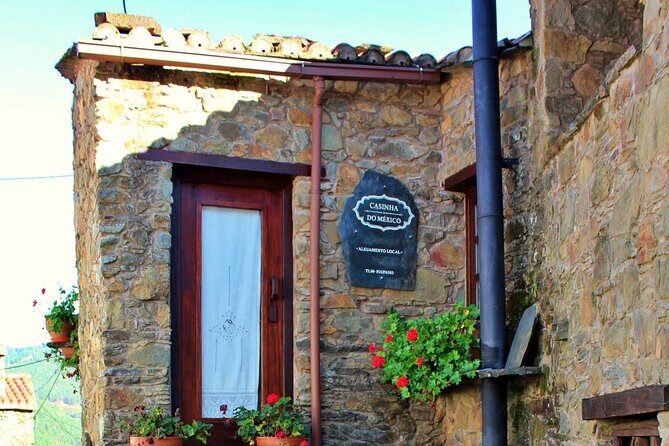
Your day starts where you are. Pickup is offered somewhere in the Coimbra region, and it can be done at your hotel in Coimbra or another city pickup point. That removes the usual hassle of “find a taxi, then find the meeting spot.”
You’ll also get a mobile ticket, which makes check-in simpler on the day. Since the tour is private, you won’t be negotiating around a mixed group schedule—your driver and guide work around your timing and needs.
One practical point: because the tour is designed around multiple rural stops, you’ll be spending a meaningful part of the day in the vehicle. If you tend to get restless on long drives, it’s worth packing small comforts (water, something light to snack on before the snacks are served, and a layer for cooler mountain air).
Stop 1: Aldeia do Candal, a schist village built into the rock
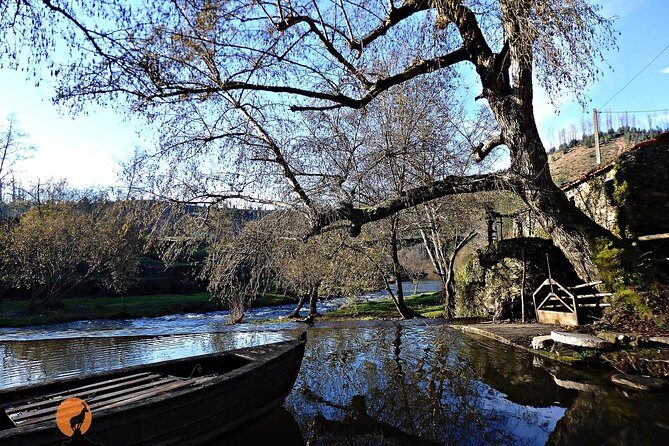
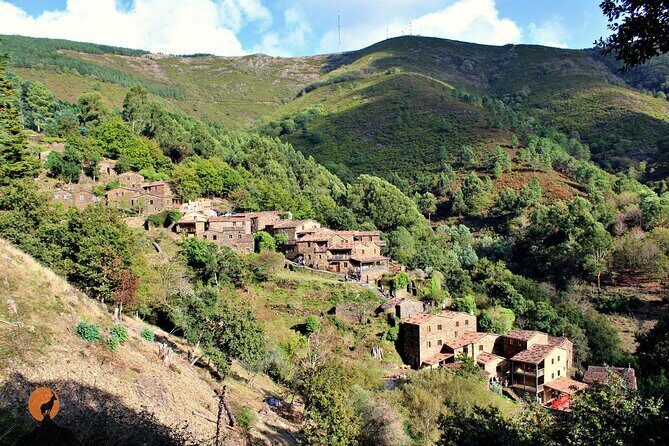
Aldeia do Candal is the first taste of the region’s identity: stone villages made from schist, using the terrain like building material. You get about 30 minutes here, and the admission is free—so you’re not forced into a “pay first, rush through” rhythm.
What makes this stop valuable is the way it teaches your eye. Once you understand that schist shapes how homes are built, you start seeing practical design choices—how the village sits in the stone setting and how the settlement avoids wasting effort. It’s the kind of place where short time is enough to notice the big patterns, especially if your guide points out what to look for.
What to consider: 30 minutes can feel quick if you want to photograph everything. If you’re photo-first, don’t be shy about asking your guide for a second look at the best angles before moving on.
Stop 2: Aldeia do Talasnal, another schist village stop with a longer look
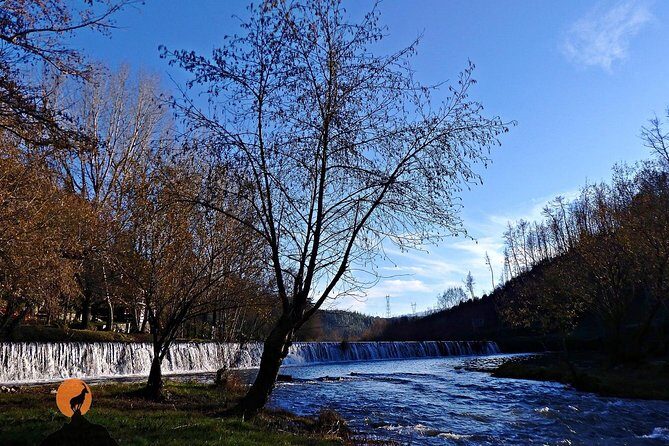
Next comes Aldeia do Talasnal, where you’ll get about 45 minutes. Admission is also free. This longer stop gives you a bit more time to move around and absorb the village layout without feeling like you’re sprinting.
I like this second schist village because it keeps the theme honest. You see that the schist style isn’t just one “pretty spot”—it’s a repeatable building logic across the area. If the first village was all about orientation, the second is where you start noticing details faster: how buildings relate to the ground, and how the village keeps a coherent form.
Possible drawback: if the weather is wet or slippery, your time outside can feel more constrained. Bring grippy shoes even if the day looks sunny.
Stop 3: Praia Fluvial de Vimieiro, a river pool with mill history nearby
Then the tour changes gears. At Praia Fluvial de Vimieiro, you’re in river pool territory, and the area also ties into water mills and leisure space. You’ll have about 30 minutes here, with free entry.
This stop is a smart break in the schedule. After two village visits, the river pool area lets you slow down—take photos, look at the water features, and reset. Even if you don’t swim, the water setting helps you understand why mills mattered here: running water equals reliable work.
I also like that you’re not forced into one single “activity.” You can treat this as a scenery stop and water-history viewing moment, or you can use it as a genuine rest stop if the day feels fast.
Tip: if you’re the type who wants to cool off, bring a small towel or quick-dry layer. The tour includes snacks, but it doesn’t mention gear, so plan like you might use the water.


Stop 4: Moinhos da Serra da Atalhada, windmills that explain how power travels
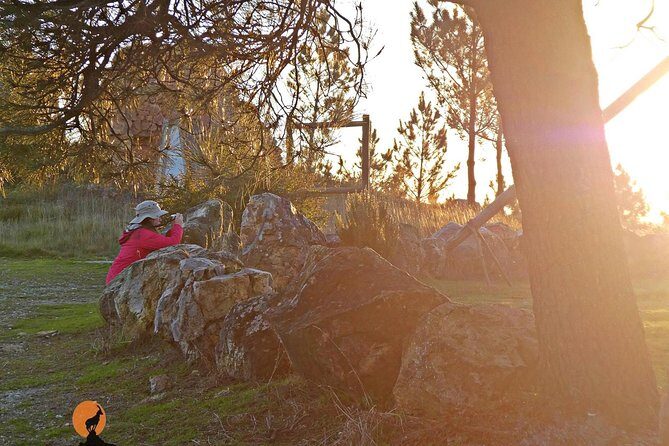
Now you move from water to wind with Moinhos da Serra da Atalhada, a complex of ancient windmills. You’ll spend about 20 minutes here, and admission is free.
This is a short stop, so you’ll want to focus on what the windmills represent. It’s easy to see the “cool old machinery” part—but the real value is connecting the dots between wind power and how rural communities used it. Your guide’s job here is to help you understand why these mills were built where they were, and what problems wind power solved.
Consideration: 20 minutes is enough to appreciate the site, but it’s not enough for deep wandering. If you love machinery, ask your guide to point out the most interesting structures quickly so you don’t miss the best parts while you’re still finding your bearings.
Stop 5: Moinhos de Gavinhos, another windmill cluster to compare and contrast
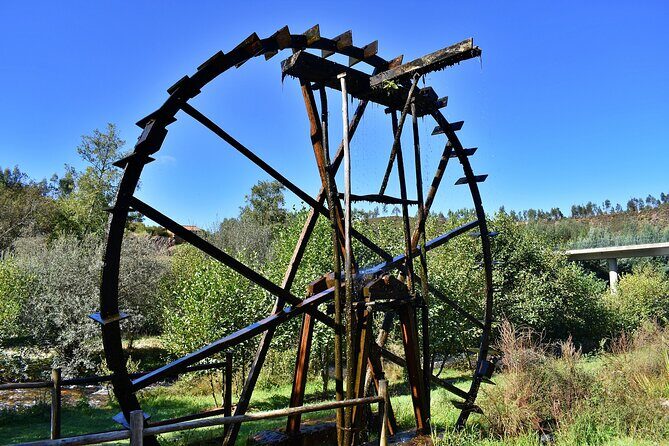
The final windmill stop is Moinhos de Gavinhos, again an ancient windmill complex. You get about 30 minutes here, with free admission.
This second windmill area works because it’s a comparison. You can look for differences in arrangement and scale, and you can test whether what you learned at Atalhada really “clicks” in your mind. By now, you’ll be better at noticing design cues that explain how wind power gets turned into practical use.
This is also a good place to take a photo set. The company includes photos of the tour, and based on guide feedback from past guests, the guide style tends to make photo-taking easier. If you care about getting clean shots without posing stress, ask for a quick “best angles” moment here.
Guides, tone, and why the day feels easy
The tour is run by Aventuras Forte(s) – Turismo de Natureza, and the experience includes follow-up by qualified technical guides throughout the course. Translation: you’re not just being shown places—you’re getting explanations tied to what you can see, and the guides have a knack for making the day feel fun as well as informative.
From the company’s reviews, the consistent theme is performance: guides like Sérgio Forte are described as both fun and precise with facts, and the overall trip feels safe and well organized. In other words, you’re not stuck wondering if the driver knows what they’re doing, and you’re not left staring at stone and guessing what you’re looking at.
Snacks, photos, and what you should plan for next
Included in the price are regional-product snacks plus photos of the tour. That’s a real value add. It means you don’t need to scramble for a snack stop mid-drive, and you leave with more than just your own phone memory.
Lunch is the one clear gap: lunch is not included. That’s not a deal-break, but it changes how you should think about the day. Plan for one of two strategies:
- Find a restaurant on your own schedule during breaks (since restaurants exist in the area).
- Or bring a picnic, especially if weather and timing line up.
If you’re traveling with someone who gets hungry fast, bring a small emergency snack too. Even with included regional snacks, you’ll feel better if you’re not waiting for the next food moment.
Price and value: what you’re really paying for
At $156.21 per person for roughly 7 hours, you’re paying for more than just a ride. The value is in the bundled convenience:
- Private transportation and pickup within Coimbra
- Qualified technical guidance
- Tour photos
- Regional snacks
- Insurance for personal accident and liability
You’re also not paying admission fees at the main stops (all listed entries are free). That helps you keep costs predictable once you’re on the day.
So the best way to judge value is simple: if you’d normally spend time arranging rides and searching for context on your own, the guide-and-transport bundle is a time-saver. If you enjoy independent driving and you don’t care about explanations, the appeal drops.
Who this tour suits best (and who might prefer something else)
This fits best if you want:
- A one-day overview of schist villages plus mill history around Coimbra
- A moderate pace with short stop times
- A guide-led day where you get context without needing to research beforehand
- Photo-friendly viewpoints and lots of visual variety in one outing
It may be less ideal if you want long guided walks or a full “only-foot travel” day. The structure here is car-based and stop-based.
Good news: service animals are allowed, and most travelers can participate, so it’s not presented as an extreme activity.
Weather and day-of flexibility
This experience requires good weather. If it gets canceled due to poor weather, you’ll be offered a different date or a full refund. That’s the safety net.
In practice, the company also seems to take weather changes seriously. Past experiences within the company show that guides can sometimes rearrange plans to keep the day from becoming a total loss. Still, plan like the official weather rule matters: check forecasts and keep a little flexibility.
Should you book the Schist Villages and Penacova Mills tour?
I think you should book if you want a well-paced, privately guided day that ties together stone villages, river-side mill context, and windmill sites without complicated planning. It’s also a strong choice if you’d rather spend your energy looking and learning than organizing transportation and figuring out what’s worth seeing.
Skip it or rethink if:
- You definitely need a full lunch included in the price.
- You’ll be traveling on a day where weather is likely to be rough and you can’t adjust plans.
If your goal is a coherent cultural-nature day with good logistics and free-entry stops, this one delivers.
FAQ
FAQ
How long is the tour?
It runs for about 7 hours (approx.).
What time does the tour start?
The start time is 9:30am.
Is pickup available in Coimbra?
Yes. Pickup is available anywhere in the Coimbra region, including at your hotel in Coimbra or another point in the city.
Is the tour private?
Yes. It’s a private tour/activity, and only your group participates.
What’s included in the price?
Private transportation, regional-product snacks, help from qualified technical guides, tour photos, and personal accident and liability insurance.
Is lunch included?
No. Lunch is not included, but restaurants are available and you can also bring a picnic.
Do we pay admission fees at the stops?
The listed stops have free admission tickets.
What language is the tour offered in?
The tour is offered in English.
Is the tour dependent on weather?
Yes. It requires good weather. If it’s canceled due to poor weather, you’ll be offered a different date or a full refund.
What is the cancellation policy?
You can cancel for free up to 24 hours in advance for a full refund. After that window, you won’t be refunded.