Fatima feels personal, even at first glance. This private English-guided route ties the major worship spaces to the shepherds’ story, without wasting time getting from one place to the next. It’s a focused loop built for meaning, not just sightseeing.
I love how much of your visit goes to the core sites in the Sanctuary of Our Lady of Fátima. I also love the way the stops move from the big church spaces to quieter, more human-scale places like the Poço do Arneiro and the homes.
The main drawback is the pacing: some house visits are short (10–15 minutes each), so if you want to read everything slowly or linger in silence for a long time, this may feel time-boxed.
In This Review
- Key things to know before you go
- Price and how the $216.74-per-person value adds up
- Where the tour starts: Sanctuary meeting point and pickup realities
- Sanctuary of Our Lady of Fátima: Apparition Chapel, Holy Trinity Basilica, Rosary Basilica
- Francisco Marto and Jacinta Marto houses: seeing where the shepherds’ lives happened
- Sister Lucia’s house plus Poço do Arneiro: the quieter shock of place
- Valinhos Sanctuary walk: Loca do Cabeço, Via Sacra, and Santo Estevão
- What you’ll learn here: sacraments and angels in context
- Guide quality is the real upgrade: Nelson’s praised style
- Timing and pace: how to avoid feeling rushed
- Who this Fatima private tour is best for
- Should you book? My practical recommendation
- FAQ
- How long is the Fatima private tour?
- What sites are included in the tour?
- Are admission tickets included?
- Is pickup available?
- Is this tour private?
- What language is the tour offered in?
- Where does the tour start and end?
- What are the operating hours?
- Do I need a paper ticket?
- What’s the cancellation policy?
Key things to know before you go
- Four major Fatima stops in a single, logical route
- Longer time at the Apparition Chapel and basilicas, not just quick entry
- Casa visits inside and out, so you get size and atmosphere, not only views
- Valinhos Sanctuary includes key walking points like Loca do Cabeço and the Via Sacra
- Guide storytelling can make the difference, with one guide named Nelson praised for being thoughtful and detailed
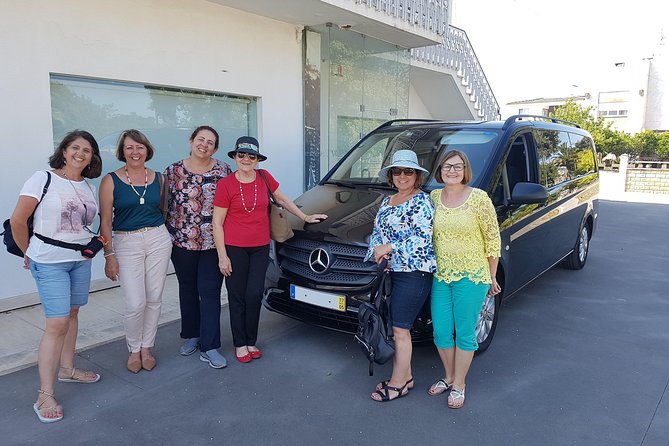
- Pickup within Fátima and a mobile ticket help you start smoothly
Price and how the $216.74-per-person value adds up
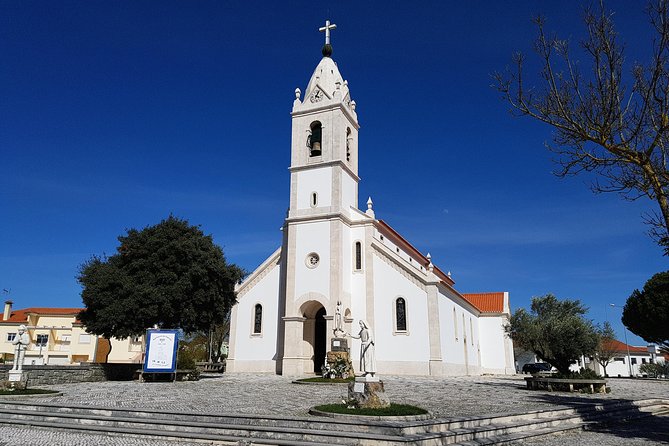
At $216.74 per person for about 2 to 3 hours, this tour is priced like a proper private experience, not a hop-on group bus. The value angle is that your time is structured: you’re not building the route yourself, and you’re not guessing which church rooms are worth your attention first.
Admission tickets are listed as free for the stops on this route, which helps. What you’re paying for is the guided experience—connecting places like the Apparition Chapel, the shepherds’ homes, Sister Lucia’s house, and the Valinhos sites in one smooth flow.
If you’re traveling as a pair or a small group, private tours like this often make more sense than squeezing into a bigger group. If you’re the type who wants long, unhurried time in every room, you’ll want to accept that the itinerary is intentionally tight.
Where the tour starts: Sanctuary meeting point and pickup realities
The tour starts and ends back at the Sanctuary of Our Lady of Fátima in Cova da Iria (meeting point at the Sanctuary). That matters because it keeps logistics simple: you don’t have to worry about getting to a remote drop-off or coordinating a second location.
Pickup is offered as a free transfer within Fátima. Pickup from other parts of Portugal is possible, but it’s described as something to arrange with the client. If you’re staying outside Fátima proper, this is worth checking early so you’re not surprised later.
The tour runs in a daily window of 8:30 AM to 5:00 PM. For a sacred-site visit, I’d treat that as a real constraint: plan to arrive with enough time to settle in before your guided portion begins.
Sanctuary of Our Lady of Fátima: Apparition Chapel, Holy Trinity Basilica, Rosary Basilica
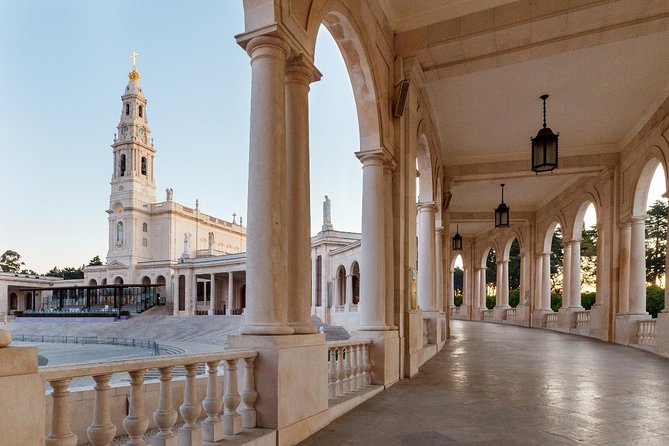
This is the big anchor of the whole experience. You’ll spend about 1 hour inside the Sanctuary complex, with stops that include the Apparition Chapel, the Holy Trinity Basilica, and the Rosary Basilica. It’s a smart mix because it gives you both the main story space and the larger basilica settings.
What I like about this structure is that you’re not only looking at buildings—you’re being guided through the places people connect to prayer and the Fatima narrative. Even if you’ve been reading about Fatima for years, visiting the actual chapels and basilicas changes the feel of it. The scale and layout help you understand why people return here again and again.
Apparition Chapel is the emotional center. You’ll want to keep your phone put away during key moments and use your eyes more than your camera—this is a place where reverence is part of the experience.
Then the Holy Trinity Basilica and Rosary Basilica broaden the view. Think of them as the “whole Sanctuary” context: you’re seeing how the worship spaces support the story, the prayers, and the devotion that draws people in.
One practical note: you only have about an hour here, so arrive ready to move. If you want extra time in one specific basilica afterward, this itinerary is best as the guided core, not the full-day plan.
Francisco Marto and Jacinta Marto houses: seeing where the shepherds’ lives happened
Next comes the scale shift. The Casa de Francisco & Jacinta Marto stop is only 10 minutes, but it’s designed to be efficient: you can visit both the interior and exterior of the house where Francisco and Jacinta were born and lived.
These short house visits are valuable for two reasons. First, they connect the Sanctuary’s grand religious setting to real human life. Second, being allowed to see inside (not just outside views) helps you picture daily routines instead of only focusing on visions and big events.
In a place like Fatima, homes can feel like a quiet “reset.” You’re moving from large religious architecture to a more personal environment, and that contrast helps the story land. Just keep expectations realistic: 10 minutes is enough to get oriented and absorb the atmosphere, but it’s not for deep, museum-style reading.
Sister Lucia’s house plus Poço do Arneiro: the quieter shock of place
After the shepherds’ homes, the itinerary takes you to the Casa de Lucia for about 15 minutes. Here you can again visit the interior and exterior of the house where Sister Lucia (described here as the prima of Francisco and Jacinta) was born and lived until she left the country.
This stop feels different because it’s not only about the shepherds. It shifts toward Lucia’s story and the locations tied to key moments. Having time to see the home space in person helps you understand why these places are kept with care and why people often react emotionally when they realize they’re standing in the same rooms mentioned in the tradition.
The big named highlight at this stop is Poço do Arneiro—the text notes it as the place where the second apparition of the Angel of Portugal took place. Even if you’re not trying to memorize details, that one fact changes how you look at the site. You’ll likely find yourself noticing edges, pathways, and the general setting more than you would on a standard “house visit.”
Like the other casa stop, it’s time-boxed. Use those 15 minutes to take in the layout first, then the meaning. If you’re photographing, do a quick sweep first and save your most careful attention for the specific Poço point and the immediate area around it.
Valinhos Sanctuary walk: Loca do Cabeço, Via Sacra, and Santo Estevão
Then you move into Valinhos Sanctuary for about 30 minutes. This section is longer than the house stops, and it reads like a mini pilgrimage within the tour: you’ll visit Loca do Cabeço (also referred to as Loca do Anjo), the Via Sacra, and the Chapel of Santo Estevão.
I like that this part includes a walk element (Via Sacra). It gives the itinerary a rhythm. After standing and looking inside the Sanctuary spaces and houses, your body finally gets a chance to move along a route that’s meant for prayer.
Loca do Cabeço (Loca do Anjo) is the focal point. Because it’s a natural/wider setting compared to a chapel interior, it can feel more open and more “out in the world.” That openness can make the spiritual story feel less like a script and more like a lived experience in the landscape.
The Via Sacra adds structure. Even if you don’t follow every step word-for-word, the idea of moving from point to point helps you slow down and mentally reset.
Finally, Chapel of Santo Estevão closes the loop with a defined sacred space. The combination of outdoor points plus a chapel is a smart way to vary the experience and keep it from feeling repetitive.
Practical note: wear shoes you’re comfortable walking in. Even if the route isn’t described as long, you’ll want stable footing if you’re visiting at a time of day when surfaces might be slick or uneven.
What you’ll learn here: sacraments and angels in context
The tour is framed around more than sightseeing. It specifically notes learning more about the sacraments and angels of this sacred spot. That matters because Fatima isn’t only about one moment—it’s also about how people understand devotion, religious meaning, and spiritual reminders through time.
A good guide approach helps here: you want someone who can explain how these sites connect into a single story rather than listing facts like a brochure. The best tours make you feel like the places have a reason to be arranged the way they are.
In this case, the itinerary design supports that learning. You go from the Sanctuary’s main worship areas to the shepherds’ homes, to Sister Lucia’s house and the Poço, and then to the Valinhos sacred route. That progression mirrors how people tend to experience Fatima: sacred architecture, then human scale, then the outdoor points that ground the narrative.
If your brain likes structure, you’ll probably enjoy this. If you prefer lots of background reading in advance, bring some notes and use the guide time to connect the dots.
Guide quality is the real upgrade: Nelson’s praised style
One of the strongest signals from the experience data is that the guide can make or break the visit. A guide named Nelson is specifically praised for bringing the sites to life—through thoughtful, detailed explanations and a reverential tone.
That doesn’t mean you’ll get a dramatic show. It means the guide likely understands the balance: facts are important, but respect is the baseline. In sacred places, that tone affects how you experience everything else, from your pace to how you look at details.
If you’re the kind of traveler who wants your questions answered—Why this chapel? What’s the significance of these stops?—this route is set up for that kind of interaction, especially since it’s private and only your group participates.
Timing and pace: how to avoid feeling rushed
This tour is built for focus, and that comes with trade-offs. You’ll have around 1 hour in the main Sanctuary complex, then short visits to each casa, and then 30 minutes at Valinhos.
That’s a lot to see, and the time-boxing is real. To make it work, treat each stop like a target:
- In the Sanctuary, prioritize understanding the main spaces first.
- In the casa homes, look at the layout quickly and then slow down for the key named points.
- In Valinhos, leave a little extra attention for the Via Sacra movement.
If you’re visiting during a busy time, also plan to keep your expectations flexible. Sacred sites can slow down for prayer and crowd flow even when the tour schedule is neat on paper.
Who this Fatima private tour is best for
This is a strong match if you:
- want a guided Fatima route without planning the connections yourself
- prefer English guidance and clear site-by-site explanations
- like both big church spaces and quieter home/place visits
- are traveling with a group that wants its own pacing (since it’s private)
It’s also designed for most travelers to participate, and service animals are allowed. It’s noted as near public transportation, which helps if you’re not doing the pickup.
If you’re traveling with very young kids who need long breaks, or if you’re a slow museum reader who hates time limits, you might be better off doing a longer self-guided stay. But if you want the core experience in a short window, this tour fits.
Should you book? My practical recommendation
Book this tour if you want a guided, well-structured Fatima day that hits the key sites: Apparition Chapel and basilicas, the houses of Francisco and Jacinta, Sister Lucia’s home with Poço do Arneiro, and the Valinhos route. The price feels reasonable when you factor in that admission at these stops is free and that you’re buying a private, English-guided connection between places that are otherwise easy to visit but hard to interpret.
Skip it—or consider a longer alternative—if you know you’ll want more time in the casa interiors or if you dislike tightly timed itineraries at sacred sites.
If you want the meaningful highlights without the logistics headache, this is a solid choice.
FAQ
How long is the Fatima private tour?
It runs for about 2 to 3 hours.
What sites are included in the tour?
You’ll visit the Sanctuary of Our Lady of Fátima (Apparition Chapel, Holy Trinity Basilica, Rosary Basilica), the Casa de Francisco & Jacinta Marto, the Casa de Lucia (including Poço do Arneiro), and Valinhos Sanctuary (Loca do Cabeço/Loca do Anjo, Via Sacra, and Chapel of Santo Estevão).
Are admission tickets included?
The tour details list admission ticket free for each stop on the itinerary.
Is pickup available?
Yes. There’s free transfer from any location within Fátima. Pickup from other points in Portugal is possible but needs to be agreed with the client.
Is this tour private?
Yes. It’s a private tour/activity, and only your group participates.
What language is the tour offered in?
It’s offered in English.
Where does the tour start and end?
It starts at the Sanctuary of Our Lady of Fátima (Cova da Iria, 2495 Fátima, Portugal) and ends back at the meeting point.
What are the operating hours?
The listed opening hours are Monday to Sunday, 8:30 AM to 5:00 PM.
Do I need a paper ticket?
No—there’s a mobile ticket.
What’s the cancellation policy?
You can cancel for a full refund if you cancel at least 24 hours before the experience’s start time. Cancellation within 24 hours is not refunded.