REVIEW · COIMBRA
In the Heart of the City: Get to know the history of Tomar and taste local Tapas!
Book on Viator →Bookable on Viator
Tomar has layers you can feel in your feet. This 1.5- to 2-hour walk turns everyday streets into a timeline, mixing major sights with a few quieter corners, then sliding in local tapas so you end the tour on something tasty. I like how the route stays focused on key stops, not random detours, and I really like the guide-led storytelling that makes the city’s different eras click. One thing to consider: it’s still a walking experience, so plan for cobbled streets and time outside even though each stop is short.
You’ll start at a central landmark linked to Tomar’s identity, then work your way through the old center with stops at religious buildings, historic neighborhood areas, and water culture. At places like the Ponte de Dom Manuel and the Synagogue area, the guide helps you connect what you see with what people were doing there. The tapas finish also matters: it’s not a separate side quest; it’s part of how you savor the day.
The only possible drawback is that the pacing is quick. Each site is given about 10 to 15 minutes, which is great for orientation, but if you’re the type who wants to linger and read every plaque, you may need extra time on your own afterward.
In This Review
- Key highlights to look for
- Why Tomar’s stories work so well in a short walking tour
- Getting started at 2:30 pm near the Tomar park area
- Ponte de Dom Manuel and the “ancient main square” perspective
- Santa Maria dos Olivais and the Templar-era secrets inside
- Mouchão Parque’s Traditional Wheel: a quick stop with a strong theme
- Sete Montes in miniature: Mata Nacional dos Sete Montes as a palate cleanser
- Inside the Synagogue of Tomar and the old Jewish street context
- Igreja de Sao Joao Baptista: the tour’s end before the final water story
- Levada de Tomar, Moinhos, and Lagares d’El Rei: following water’s logic
- Tapas during the tour: how to think about the included food
- Price and value: what $86.42 really buys you
- Guide quality matters more than people expect
- Who should book this Tomar history and tapas walk
- Should you book this Tomar history and tapas tour?
- FAQ
- How long is the Tomar walking tour?
- Where does the tour start, and when does it begin?
- Is the tour offered in English?
- How big is the group?
- Are entrance tickets included for the stops?
- Is local tapas included?
- Is there free cancellation?
- Can I bring a service animal?
- Is the tour near public transportation?
Key highlights to look for
- Small group size (max 15) keeps the walk interactive and easy to follow.
- Tapas included so the tour isn’t only history on an empty stomach.
- Multiple Tomar eras in one route, from Templar-linked stories to the Synagogue and old Jewish street.
- Free admission at the stops, so you mainly pay for the guide and the experience.
- Water history gets real at Levada de Tomar, with context on why water shaped the city.
Why Tomar’s stories work so well in a short walking tour
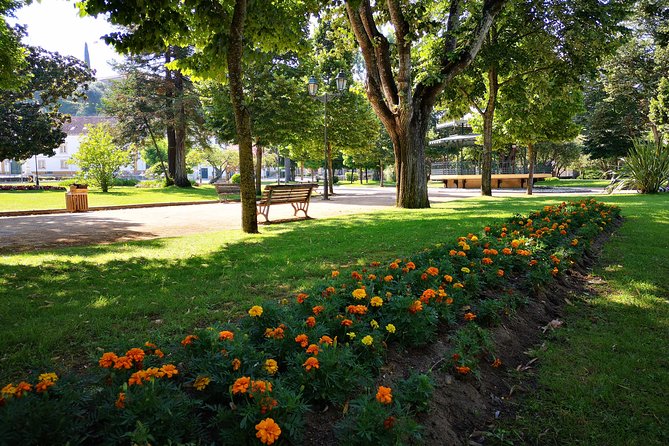
Tomar can feel like a place you either rush through or take slowly. This format is built for the in-between traveler: you get enough structure to understand what you’re looking at, without spending your whole afternoon lost in reading and map math. I like that the tour is short enough to fit into a day even if you’ve already got other plans.
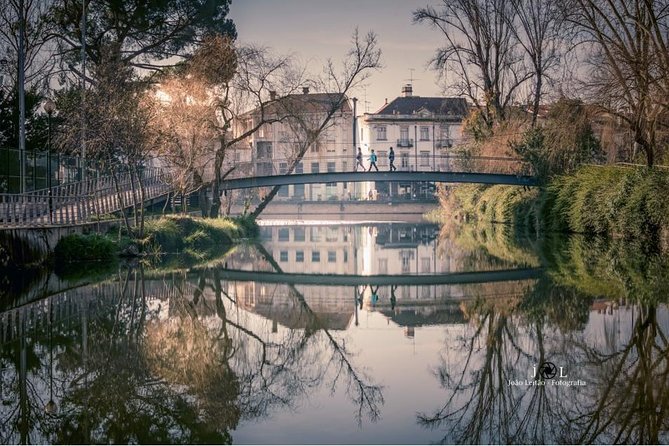
The other reason it works is simple: Tomar’s history isn’t stuck behind museum walls. It shows up at bridges, church steps, synagogue spaces, and the water channels tied to daily life. When someone with strong command of the subject talks you through it, you start seeing patterns fast—especially the way religion, community, and water systems overlap in the city center.
You’re also not just collecting facts. The tour aims to help you build a mental map. That’s the real value: you leave knowing where things are and why they mattered.
Getting started at 2:30 pm near the Tomar park area
Your walk starts at 2:30 pm, meeting at Estatua De Gualdim PaisIgreja, Tomar Parque, 2300 Tomar, Portugal. It’s the kind of meeting point that makes sense because it anchors you near the action, so you’re not spending your best energy trying to locate the starting line.
Come a few minutes early so you can settle in, meet the group, and get oriented. Since the tour runs for about 1 hour 30 minutes to 2 hours, that early buffer helps you avoid the classic holiday stress spiral.
This is offered in English, and the tour is set up for most people to join. Service animals are allowed too, and the meeting area is near public transportation, which makes it easier to build the rest of your day.
Ponte de Dom Manuel and the “ancient main square” perspective
The first stop sets the tone. You’ll stand at the Ponte de Dom Manuel and hear how it connects to local Estaus and the ancient main square. Bridges are more than photo spots in older cities—they’re practical connectors, and they often signal where the flow of people and commerce mattered most.
What I like about starting here is that it gives you orientation before you go inside or down small streets. From a bridge viewpoint, you naturally start thinking about movement: who crossed here, what was nearby, and how the town’s layout influenced daily life.
This segment is brief, around 10 minutes, so don’t expect a long lecture. Instead, think of it as your warm-up. It’s the kind of intro that helps you understand later stops without constantly checking your phone.
Santa Maria dos Olivais and the Templar-era secrets inside
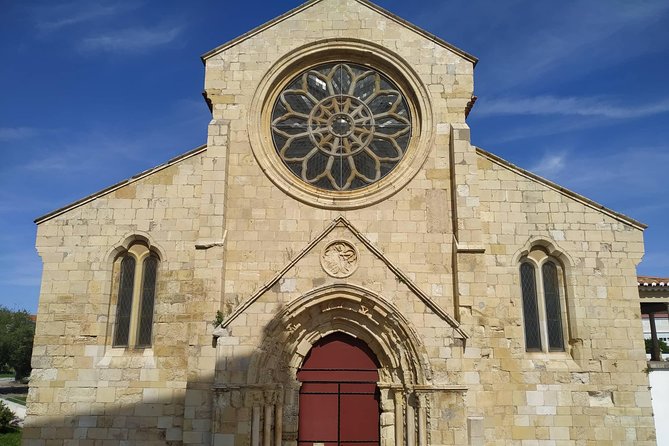
Next comes Igreja de Santa Maria dos Olivais, where you’ll learn about secrets associated with the Templrar’s cathedral. Even if you’re not a church person, this stop usually clicks because the guide focuses on what to notice rather than just listing dates.
The big win here is attention. You’ll get to look at the space with a story in mind, which makes the interior feel more meaningful even during a short visit. You’re in and out in about 15 minutes, so your best move is to keep your eyes up and listen closely—small details matter when someone points them out.
If you like architecture and symbolism, this is one of the stops that can change how you see the building. If you prefer pure street-life history, it’s still worth it because it frames how community identity was built.
Mouchão Parque’s Traditional Wheel: a quick stop with a strong theme
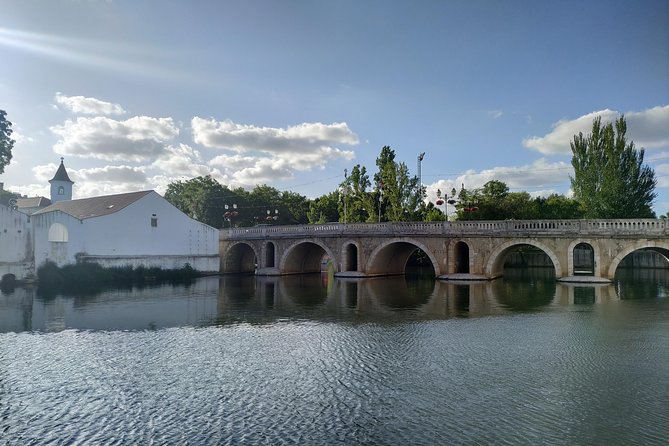
At Mouchao Parque, you’ll take a look at the Traditional Wheel of Mouchão. This is a short 10-minute segment, but it’s placed for a reason: it’s part of the thread of how Tomar worked day to day.
A wheel like this tends to represent practical engineering—how communities managed water and labor. Even without long technical explanations, the guide’s framing helps you connect the dots. You start to see that the city’s story isn’t only stone and faith; it’s also systems.
If you’re the type who loves when a tour gives you one memorable object to remember, this stop delivers. It’s easy to spot, easy to understand, and it anchors your water-history storyline for later.
Sete Montes in miniature: Mata Nacional dos Sete Montes as a palate cleanser
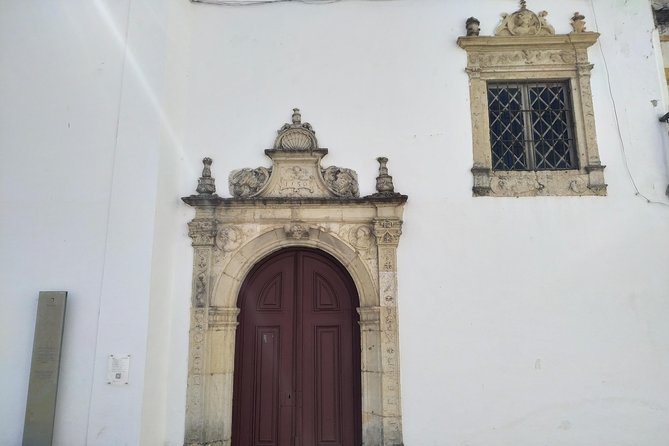
After the more built-up sights, the tour gives you a short introduction at Mata Nacional dos Sete Montes. This part is about 10 minutes, and it works like a reset. You get a breath of different scenery and a change in tone before the tour heads back into the older urban fabric.
I appreciate this break because it keeps the walking tour from turning into a checklist of stone buildings. Even a quick change in setting helps you absorb the day rather than rushing from one stop to the next with the same emotional intensity.
You’ll likely come away with a clearer sense that Tomar isn’t just the center you see from the main streets. There are surrounding spaces that shaped how people lived, traveled, and worked.
Inside the Synagogue of Tomar and the old Jewish street context
Then you reach the Synagogue of Tomar and the old Jewish street area. This is one of the more powerful moments on the walk because it shifts the story toward community life and cultural coexistence in a specific neighborhood space.
You’ll spend about 10 minutes here, which means your guide has to be selective. That’s a good thing on a group tour. You’ll focus on what you can actually see and what it means—rather than turning the stop into a textbook.
What I value most at this stop is the human scale. A synagogue and a street context help you picture where people gathered, lived, and moved through daily routines. Even if you only get a brief look around, the explanation helps you treat the site as lived space, not only a landmark.
Igreja de Sao Joao Baptista: the tour’s end before the final water story
Igreja de Sao Joao Baptista marks the end of the main walking portion, with about 10 minutes given to this stop. Ending with a church here makes the flow feel natural, because it closes the loop on the religious landmarks you’ve been walking through.
This stop is often a moment to recalibrate. By now, you’ve heard how Tomar’s past shows up in multiple places, and you’re ready for the final segment that explains why the city grew the way it did.
Even though it’s not the longest visit, it’s the kind of closing point that helps you recognize the city’s spiritual imprint across eras and neighborhoods.
Levada de Tomar, Moinhos, and Lagares d’El Rei: following water’s logic
The final stop is Levada de Tomar – Moinhos e Lagares d’El Rei, with a 10-minute explanation of the importance of water to the city’s development. This is the segment that ties everything together in a practical way.
I love when a tour includes water systems because it changes how you think about the past. Buildings are visible, but infrastructure explains why people chose particular places to build, grow, and trade. You’ll get the guided context for how water shaped Tomar’s growth, not just how it looked in photos.
This is also where the earlier wheel stop starts making more sense. Once you connect the concept of managed water to a few visible examples, the city feels more coherent. Even in a short time window, you can walk away with a clearer model for what drove day-to-day life.
Tapas during the tour: how to think about the included food
The experience includes tasting local Tapas, which is a smart match for a history walk. Food gives you a different kind of memory than stone and street corners. It also helps you slow down for a moment, since you’re not only listening and walking—you’re tasting.
Because the exact tapas details aren’t spelled out here, I suggest you treat it as a flexible sampling moment. Ask your guide what’s local that day, and pay attention to the basics: which flavors show up often in Tomar’s everyday cooking.
If you’re planning the rest of your evening, this included stop is useful. You’ll likely feel satisfied without needing an immediate second meal, which can save both time and money.
Price and value: what $86.42 really buys you
At $86.42 per person, this tour isn’t a “cheap and cheerful” add-on. The value comes from combining four things in one:
- a focused, English-speaking guide experience
- a route built around major city-area stories
- tapas tasting included
- stop fees that are free for the sites on the route
The group size matters too. With a maximum of 15 travelers, the guide can keep explanations clear and you can actually ask questions without shouting.
Duration is also part of the price equation. At about 1.5–2 hours, it’s long enough to teach you something real, but short enough to stay efficient. I see this as a good first-timer option if you want a mental map fast.
Guide quality matters more than people expect
What makes this tour worth it is the guide performance. In particular, names like Sara and David show up repeatedly for a reason: people felt they learned a lot, and the explanations stayed clear and enjoyable.
So if you care about more than just seeing sights, you’ll probably feel the difference here. A strong guide turns a 10-minute stop into a moment you remember later when you walk the streets on your own.
Tip: during the short segments, don’t multitask. Put your phone away for the first minute at each stop and listen for what the guide asks you to notice. That’s where the tour earns its value.
Who should book this Tomar history and tapas walk
This is a great fit if you:
- want a structured introduction to Tomar without spending the whole day planning
- enjoy walking tours that explain what you’re seeing instead of treating it like a photo parade
- like a mix of religious sites, neighborhood history, and water infrastructure
- want tapas included so the tour feels like a complete experience
It’s also useful if Tomar is one stop on a larger Portugal trip. In a short time, you’ll build context that makes later independent exploring much easier.
If you hate walking or want long museum-style visits, you might prefer a different pace. The tour’s strength is efficiency and clarity.
Should you book this Tomar history and tapas tour?
I’d book it if you want Tomar to make sense quickly. The route connects multiple threads—bridge and square context, sacred buildings with Templar-linked stories, Synagogue and old Jewish street setting, and finally the practical story of water. Add tapas, and you’ve got a balanced afternoon plan that doesn’t rely on luck or long lines.
If you’re already very confident about Tomar’s history and you just want photos, you may feel it’s a bit too structured. But most first or second-day visitors benefit from this kind of guided orientation.
FAQ
How long is the Tomar walking tour?
The tour runs about 1 hour 30 minutes to 2 hours.
Where does the tour start, and when does it begin?
It starts back at the meeting point near Estatua De Gualdim PaisIgreja, Tomar Parque, and the start time is 2:30 pm.
Is the tour offered in English?
Yes, it’s offered in English.
How big is the group?
The maximum group size is 15 travelers.
Are entrance tickets included for the stops?
Admission tickets are listed as free for the stops included.
Is local tapas included?
Yes, the experience includes tasting local tapas.
Is there free cancellation?
Yes. You can cancel for a full refund up to 24 hours in advance.
Can I bring a service animal?
Yes, service animals are allowed.
Is the tour near public transportation?
Yes, it’s listed as near public transportation.