Schist villages feel like another world. This Lousã Mountain tour takes you from Coimbra into restored schist villages where slate paths, spring-fed water, and quiet hillside streets make time feel slower. You’ll also get the mountain driving and short walks that connect the dots between villages, nature, and the people rebuilding these stone communities.
I like the way the tour balances structure with breathing room. You get clear stop times, but you’re not rushed—perfect if you want to linger over doorways, small gardens, and the viewpoints. I also like the guide angle: Alfredo often brings both practical village detail and nature spotting into the mix, including a memorable deer sighting in one past outing. One drawback to flag up front: expect steep steps and uneven ground in several village lanes, so it helps if you’re comfortable with a bit of climbing.
Half-day or full-day is the other smart choice here. It’s flexible enough that you can match the pace to your group, and the included private vehicle keeps you out of long transfers. If you’re choosing this mainly for food, plan on paying for lunch or dinner on site since meals are optional.
In This Review
- Key things that make this tour work
- Schist Villages Above Coimbra: A Different Side of Portugal
- Half-Day vs Full-Day: Choosing Your Lousã Mountain Route
- Getting Up the Mountain: Off-Road Roads and the Pace You Can Manage
- Cerdeira: The Slate-Path “Portal” Village Stop
- Candal: More Access, More Everyday Village Energy
- Aldeia do Talasnal: Restoration Details You Can Actually See
- Casal Novo: A Quick Glimpse From the Unpaved Road
- Aldeia de Gondramaz: Restored Shale Village and Coffee Time
- Aldeias do Xisto (Cadaval Cimeiro and Cadaval Fundeiro): The Hike Between Two Old Villages
- Aigra Velha (770 m) and Aigra Nova: Full-Day Views Without Total Hardship
- Pena: The Promontory Village That Looks Like It Fights Gravity
- The Guide Makes the Difference: Alfredo, Nature Spotting, and a Calm Pace
- Practical Stuff That Actually Helps: Footwear, Photos, and What’s Included
- Price and Value at $102.80: What You’re Really Paying For
- Who Should Book This Tour (and Who Might Want a Different Plan)
- Should You Book Schist Villages at Lousã Mountain?
- FAQ
- How long is the Schist Villages at Lousã Mountain tour?
- Do I choose between a half-day and a full-day tour?
- Where do I meet for the tour?
- Is hotel pickup available?
- How many people are on a booking?
- What language is the tour conducted in?
- Are meals included?
- Is there anything included for photos?
- What is the cancellation policy?
Key things that make this tour work
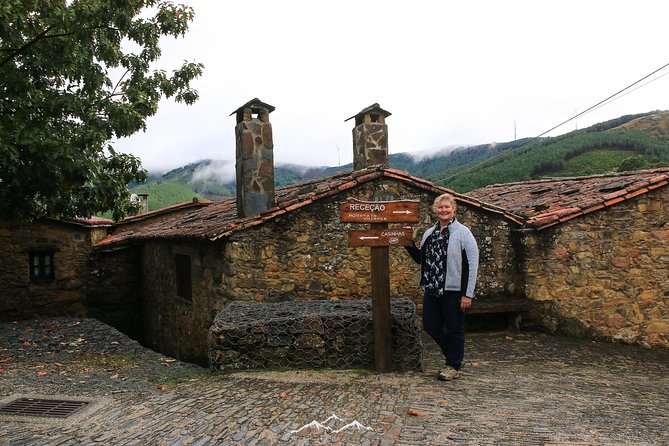
- Cerdeira’s slate path and spring setting feels like a storybook entrance to the Lousã villages
- Alfredo’s style links what you’re seeing—buildings, plant life, village restoration—to the bigger picture
- Aigra Velha’s altitude (770 m) gives wider views without requiring extreme effort for the day’s overall plan
- Off-road + hiking mix: short walks and uphill village steps, not long-distance trekking
- Full-day adds the “big hitters” like Aigra Nova and Pena, including the promontory-built village look
Schist Villages Above Coimbra: A Different Side of Portugal
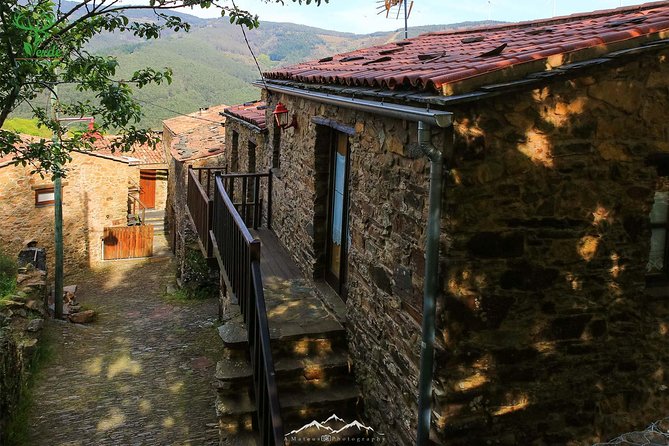
If your Portugal trip has been mostly cities, this tour gives you something else: real stone villages in the mountains, built from schist (and often shaped by quartzite where it appears). You start in Coimbra and end back at the same meeting point, but the feel changes quickly. The roads climb, the air cools, and suddenly your day is about small places—springs, footpaths, restored houses—rather than big-ticket sights.
The biggest reason people love this is that the villages aren’t just “pretty stops.” They’re part of a living landscape of restoration and reuse. In several of the towns, you can see how houses were rebuilt and how the village layout follows the hillside. That matters, because it turns your photos into something more meaningful: you’re not just taking pictures of old buildings. You’re watching how communities keep going.
One more practical win: you’re not stuck driving yourself on mountain roads. Even if you rent a car, this is the day where paying for a driver usually feels worth it.
Half-Day vs Full-Day: Choosing Your Lousã Mountain Route
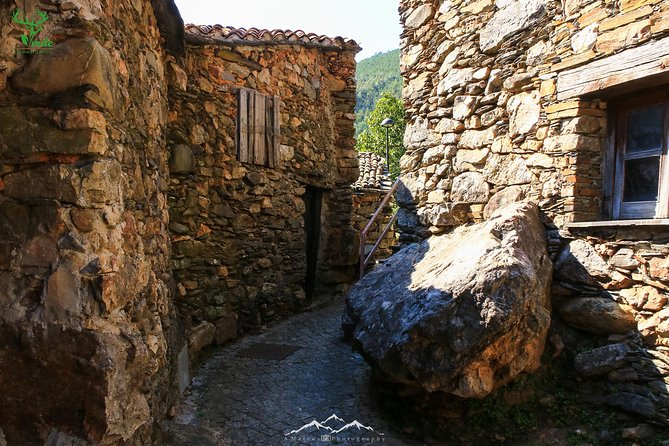
You’ll see two different ways to experience Lousã Mountain: a half-day option and a full-day option. The half-day route focuses on several classic schist villages, giving you variety without a full day of walking.
The full-day tour adds the highest and most spread-out stops, including Aigra Velha and Aigra Nova, plus Pena. If you’re the kind of traveler who enjoys comparing villages—how each one sits, how it was restored, and what its streets emphasize—full-day usually makes more sense. It’s also the option when you want more time to get the “mountain day” feel, with more chances for coffee, viewpoints, and short hikes between village areas.
In both versions, there’s a common pattern: drive to a village, walk a bit, explore at your pace, then move on. Your guide can also adjust the schedule or pace for your group, which is helpful if you’re slower on the steps or if everyone is raring to go.
Getting Up the Mountain: Off-Road Roads and the Pace You Can Manage
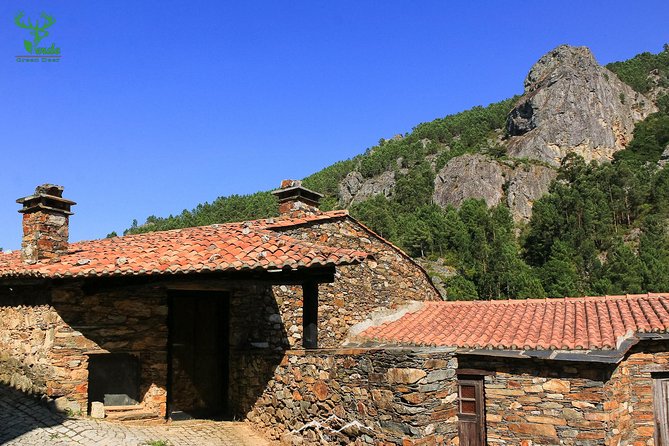
This tour includes off-roading and hiking, and that combination is exactly what makes it fun—plus what makes it worth planning for. You’ll be on unpaved roads at times, and some village walking involves steep steps. It’s not a marathon, but it’s also not flat sightseeing.
What I like about the structure is that it doesn’t pretend everyone moves at the same speed. The stops are long enough to wander, read small details, and take photos without sprinting across the square.
If you have mobility concerns, you’ll want to think about this before booking: the “see the villages” experience depends on climbing within them. Even with a relaxed group size, you’ll likely be going up and down multiple sets of stairs and slopes throughout the day.
Cerdeira: The Slate-Path “Portal” Village Stop
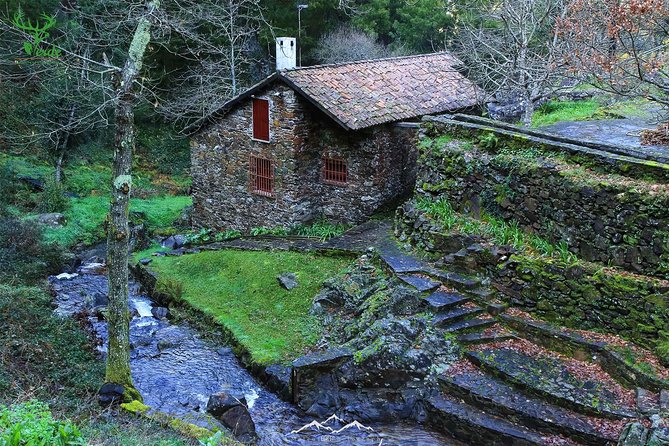
Cerdeira sets the tone fast. The entrance feels almost staged by nature: a small bridge, a pocket of houses framed by foliage, and slate paths that guide you toward a hidden spring area. That spring detail isn’t a throwaway description—it’s part of why this village feels so calming. Water shapes where people built, where vegetation thrives, and how the village holds onto its quiet rhythm.
This stop also connects art and botany themes, especially when events are happening. Even if you don’t catch a seasonal program, the village’s restoration vibe comes through in the way houses sit into the slope and how the path system threads through the vegetation.
Time here is usually around 30 minutes, so it’s ideal for a short loop and a few focused photos rather than a long “workday” of exploring.
Candal: More Access, More Everyday Village Energy
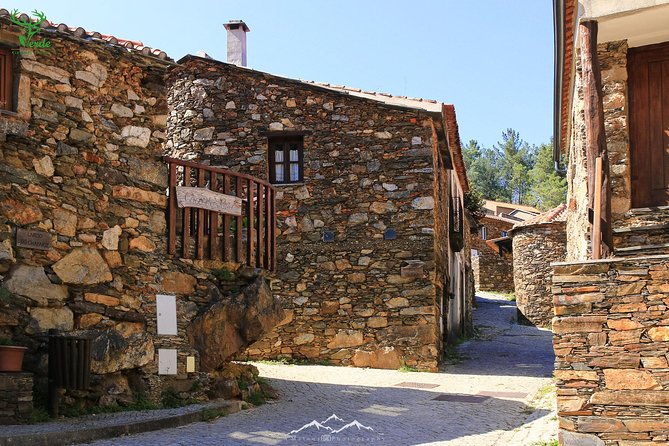
Candal is considered one of the more developed mountain villages, and you’ll feel that right away when you compare it to the quieter, more “hidden” feeling spots. Because it’s easier to reach via the national highway, it tends to draw more weekend visitors. For you, that means a different vibe: less of the secret-garden feeling, more of a village where people are used to seeing outsiders.
If you like chatting with shopkeepers and watching daily life happen, Candal can be a good contrast stop. It’s also a nice mental reset between the more tucked-away villages.
The visit is short—about 30 minutes—so treat it as a breather and an easy “check the village layout and viewpoints” stop rather than a deep-dive.
Aldeia do Talasnal: Restoration Details You Can Actually See
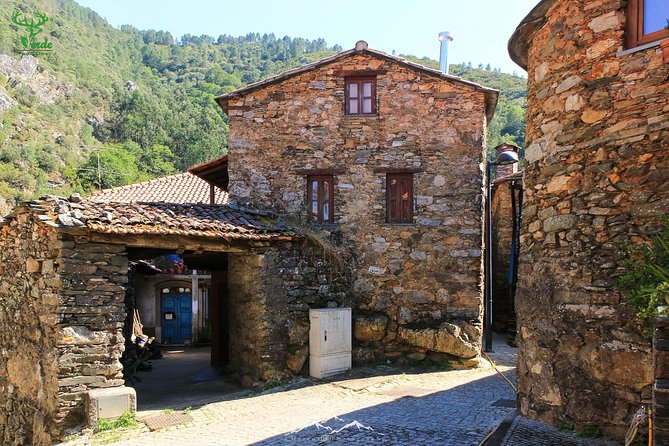
Aldeia do Talasnal is one of the best picks if you enjoy noticing the nitty-gritty of restoration. The village is known for the way houses were refitted and maintained, and once you walk into the lanes you can see the care in the stonework, the organization of the settlement, and how the village design makes use of its setting.
This is also the kind of stop where your guide makes a difference. Alfredo’s approach often blends history with what you can observe in the present—why these villages look the way they do, and what it means that restoration continues rather than finishing in one grand renovation moment.
Expect time on foot up and down the village lanes. It’s manageable, but it’s not silent “museum walking,” so wear shoes you trust.
Casal Novo: A Quick Glimpse From the Unpaved Road
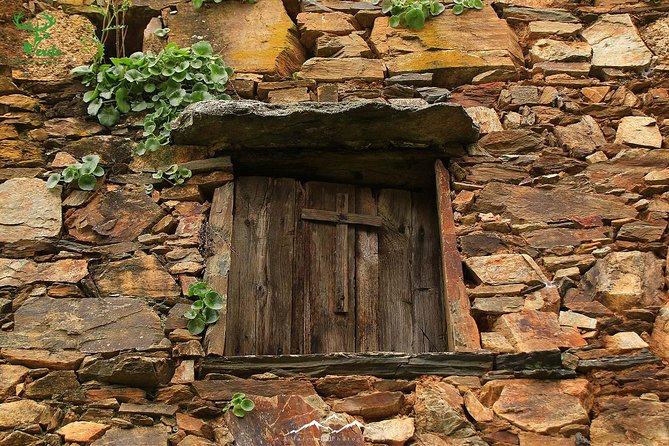
Casal Novo is different because you don’t enter it the same way as the other villages. Instead, you pass along an unpaved road where the village outline barely shows at first. That’s the point: you catch it in fragments, tucked into a fold on a north-facing hillside, with woodland hiding much of what you’d expect to see.
This stop is great if you enjoy the journey itself—not just the destination. It reminds you that these schist villages aren’t laid out for easy access. They’re placed by terrain, springs, and the logic of slopes.
Because it’s brief, don’t plan on “staying” here for photos for long. Think of it as atmosphere.
Aldeia de Gondramaz: Restored Shale Village and Coffee Time
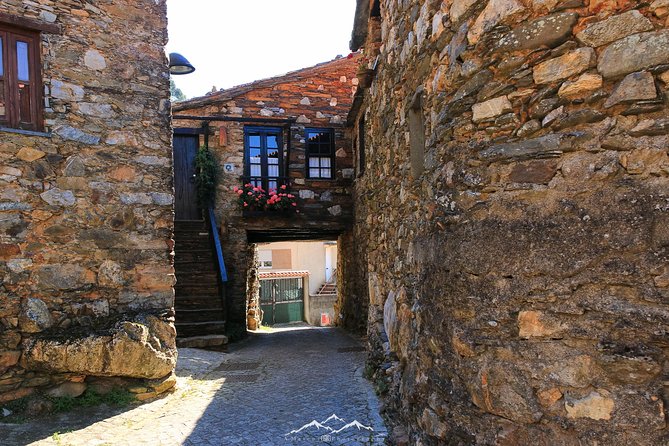
Aldeia de Gondramaz is described as completely restored, with around 50 houses, and it also includes a tourist resort area. Practically, that means you’re likely to get more comfortable facilities than at the smallest restoration spots.
The tour includes coffee here, which I appreciate. It’s one of those pauses that keeps the day from turning into nonstop walking. You can sit, reset your legs, and then continue while everyone’s energy is still good.
If your group tends to move quickly, Gondramaz is a nice “brake pedal.” If your group moves slowly, it’s still helpful because you get time without needing extra stamina.
Aldeias do Xisto (Cadaval Cimeiro and Cadaval Fundeiro): The Hike Between Two Old Villages
The most active part for many people is between Cadaval Cimeiro and Cadaval Fundeiro. These are abandoned shale villages that suffered fires in the 1980s, and the tour turns that history into something you can experience on foot.
You’ll hike between them. This is the kind of walk that feels purposeful: you’re not trudging through a random trail—you’re moving between two village sites and seeing how terrain, vegetation, and rebuilding attempts shape what you get today.
For value, this is a strong section of the day. You get movement and views without needing special gear. Just keep expectations realistic: this is still mountain walking, so you’ll want good footwear and a willingness to climb a bit.
Aigra Velha (770 m) and Aigra Nova: Full-Day Views Without Total Hardship
Aigra Velha is the highest altitude schist village on the route at 770 metres. It’s not far from the summits of Lousã Mountain, but it stays “easy to get to” compared to what you might imagine from that elevation. For you, that means bigger sightlines and that wide-open feeling when you step out of the village lanes.
What I like here is the simplicity of the village life the setting suggests. There’s a sense that everything follows the natural cycle around it. It’s a good stop if you enjoy quiet and open air rather than crowd scenes.
Aigra Nova is also on the full-day itinerary and has a different street pattern: three small streets that cross through the village. The spring and mild climate support agriculture and broad pastures, so you’re more likely to notice market-garden activity, livestock, and donkeys. Again, time is short (around 30 minutes), but the visual variety comes from the day’s changing altitude and village layout.
If you’re going full-day, these two stops help you see how schist village life changes as you climb and shift terrain.
Pena: The Promontory Village That Looks Like It Fights Gravity
Pena is another full-day-only stop, and it has a dramatic feel. The village is built using schist and quartzite, and you enter under a centuries-old chestnut tree. Once you walk in, the topography takes over. The village developed along a promontory, so the houses seem to defy gravity—an effect you feel most when you look across the slope rather than just down a lane.
Pena also takes advantage of a clear stream that runs nearby. If you enjoy a bit of adventure, the Penedos de Góis area is mentioned as something for daring visitors. Practically, you might not spend lots of time here depending on the day’s pace, but it’s a memorable detail that keeps Pena from being only “photo and walk.”
If you like dramatic village silhouettes and natural water features, this is one of the stops that tends to land hardest.
The Guide Makes the Difference: Alfredo, Nature Spotting, and a Calm Pace
The best part of this tour, in my opinion, is the human layer. Alfredo often leads these outings and has a style that mixes village detail with nature awareness. In past groups, that meant extra information on the restoration effort and the wider environment—and also patient pacing when someone needed a moment on the steps.
It’s not just facts. You get a sense that he connects with locals, and that shows up in how the day flows. People can pause. Questions come up naturally. You’re not treated like a checklist.
Also, the driving matters. Some days you’ll feel the “mountain roads” in your shoulders, and having a confident driver keeps things relaxed. The vast majority of feedback is strongly positive here—though there was one lower-rating comment that criticized driving and tour handling. I’d treat that as an outlier and still consider it if you’re sensitive to rough-road travel. If you book, it’s reasonable to ask how the route is handled and what kind of road surface to expect on your date.
Practical Stuff That Actually Helps: Footwear, Photos, and What’s Included
This is an outdoor day, even when it feels gentle. You’ll spend time on foot in village lanes with uneven stone and steps, plus you’ll be in and out of the vehicle for short legs between stops.
Bring or wear:
- Comfortable shoes with solid grip
- A light layer, especially as you climb
- A phone camera plus offline maps if you like independence
What’s included is also worth noting. You get a driver/guide, transport by private vehicle, binoculars, and a professional photographer guide. One souvenir photo is included, and additional photos can be purchased. That can save you from hunting for the best angle at every stop—your guide can help you catch a consistent view across several villages.
Food is the one “you decide” area. Meals (lunch or dinner) are optional and paid separately on site, so you can choose what fits your appetite and budget. The day includes coffee at Aldeia de Gondramaz, and there are chances for local snacks depending on how the guide structures breaks.
Price and Value at $102.80: What You’re Really Paying For
At $102.80 per person, the price isn’t just for sightseeing. You’re paying for mountain transport, guide time, and a route that stitches together multiple villages without the stress of planning turns, road conditions, and parking.
The tour also has features that support value:
- Hotel pickup and drop-off in central Coimbra and nearby towns if you select it (parking-dependent)
- Small group size (maximum 10 per booking)
- Private tour format, meaning only your group participates
- One included souvenir photo and the pro photo guide element
- Binoculars, which sounds small until you’re using them for animal spotting or distant views
If you’re deciding between doing this on your own versus booking a guided day, ask yourself how much you want to focus on driving and navigation up rough roads. For many people based in Coimbra, the guided option feels like buying back energy.
Who Should Book This Tour (and Who Might Want a Different Plan)
This tour suits you best if you:
- Want a quieter, rural day near Coimbra
- Like walking through small historic villages and noticing restoration work
- Enjoy mountain nature moments, including the chance to spot wildlife
- Prefer short, manageable hikes over all-day treks
It might not be ideal if you:
- Struggle with steep steps and uneven stone
- Don’t tolerate unpaved roads well
- Want a mostly flat, easy-access day with minimal walking
If you’re traveling solo or as a couple, you may appreciate the private-group feel. Many people describe it as calm and personal, and the flexible pace helps.
Should You Book Schist Villages at Lousã Mountain?
My take: you should book this if you want something real beyond the Coimbra checklist. The schist villages give you architecture, restoration, and mountain quiet in a single half-day or full-day block. The included guide-led approach—often Alfredo—adds context and keeps the day from feeling like you just hop out for photos.
Book with confidence if you’re comfortable with steps and short uphill bits, and if you pack sturdy shoes. If you want a fully flat, wheel-friendly walking day, skip it and choose a different format.
If you’re on the fence about half-day versus full-day, here’s the simple rule: half-day is great for a strong sampler; full-day is better when you want the higher-altitude villages and Pena’s promontory drama.
One more practical note: the tour operates in all weather conditions, but if poor weather cancels it, you’ll be offered a different date or a full refund—so you won’t be stuck.
FAQ
How long is the Schist Villages at Lousã Mountain tour?
It runs for about 4 hours on average.
Do I choose between a half-day and a full-day tour?
Yes. There’s a half-day option and a full-day option, with some stops listed as full-day only.
Where do I meet for the tour?
The start (and end) meeting point is Largo da Portagem, 3000-337 Coimbra, Portugal.
Is hotel pickup available?
Pickup is offered from most hotels in central Coimbra, Lousã, Miranda do Corvo, Condeixa-a-Nova, and Penela if parking is available. Pickup from other locations is also possible for an additional fee.
How many people are on a booking?
There’s a maximum of 10 people per booking, and it’s a private tour/activity.
What language is the tour conducted in?
It’s offered in English.
Are meals included?
Meals (lunch and/or dinner, depending on the itinerary) are optional and paid separately on site. Coffee is included at Aldeia de Gondramaz.
Is there anything included for photos?
One souvenir photo is included, and a professional photographer guide is part of the experience. Additional souvenir photos can be purchased.
What is the cancellation policy?
You can cancel for a full refund up to 24 hours in advance. If the experience is canceled due to poor weather, you’ll be offered a different date or a full refund.