REVIEW · PORTO
Workshop Cook & Taste Portugal in Porto
Book on Viator →Operated by Workshops Pop Up · Bookable on Viator
A great lunch plan comes with a chef.
This Porto class is interesting because you don’t just taste Portuguese food—you cook it hands-on and then eat what you made with Portuguese wines and a classic dessert. What I especially like is the interactive format with chefs such as Hugo, Paulo, and Afonso, and the clear structure built around a real menu (Caldo Verde, cod with white sauce, and almond pie). One possible drawback: there’s no hotel pickup, so you’ll need to show up on time at Pop Up Workshops.
The best part for me is how the class turns ingredients into flavor. If you upgrade, you’ll even shop first—so when you make the soup, sauce, and dessert, you understand what to look for and why the dish tastes the way it does. It’s also a good size: the group tops out at 16, which keeps the vibe lively without feeling chaotic.
If you’re traveling with food goals (and you want a break from the usual walking-and-snacking rhythm), this hits the sweet spot. Start at 11:00am at Rua do Almada 275, then finish back at the same spot, fed, and with recipes you can repeat at home.
In This Review
- Key points you’ll care about
- What you’re paying for in this Porto cooking class
- Finding Pop Up Workshops at Rua do Almada (and why it matters)
- Setting up: tools, apron, and a kitchen that actually moves
- The 3-course menu you’ll learn: soup, cod, and almond pie
- Starter: Portuguese Green Soup (Caldo Verde)
- Main: Cod with White sauce
- Dessert: Almond Pie (from the Algarve)
- Optional market visit upgrade: shop first, cook smarter
- The hands-on class style: everyone participates, not just the loudest person
- Techniques you can actually reuse
- Lunch and drinks: wine and coffee/tea with what you cooked
- Time on the clock: how to plan your Porto day
- Who this class suits best (and who should pass)
- Small downside to keep in mind
- Should you book Workshop Cook & Taste Portugal in Porto?
- FAQ
- What time does the class start in Porto?
- Where do I meet the group?
- Is the class in English?
- What’s included in the price?
- Do I need to arrange my own transportation to the meeting point?
- Can I cancel for a full refund?
Key points you’ll care about
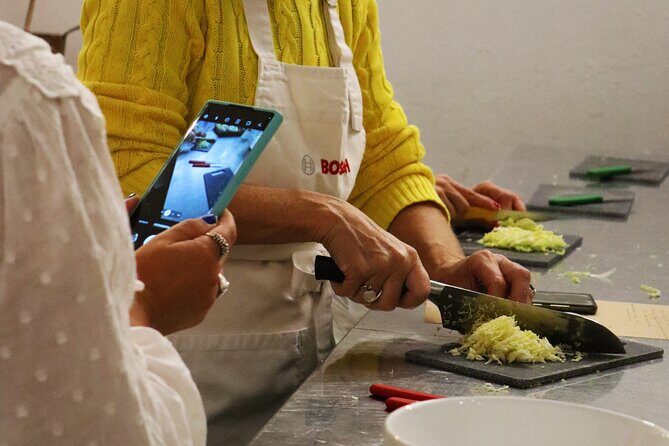
- Hands-on cooking: you’ll work with the recipes, not just watch.
- Three courses with a full meal: starter, main, and dessert plus drinks.
- Optional market visit: you can shop for ingredients and learn what matters.
- Small group size: up to 16 people, so you get time with the chef.
- Chefs with personality: multiple instructors (Hugo, Paulo, Afonso) are known for keeping the group engaged.
- Real Portuguese dishes: Caldo Verde, cod with white sauce, and Algarve almond pie.
What you’re paying for in this Porto cooking class
At $84.10 per person for about 3 hours, this isn’t priced like a quick tasting. You’re paying for a whole mini-lesson plus a sit-down meal. In practical terms, you get the cooking instruction, tools and an apron, the food you make, and Portuguese beverages (wine is part of the deal), which is where the value really shows.
If you’ve done other food classes that feel like you’re paying mostly for entertainment, this one tends to feel more like training you can take home. You’re not just served a dish; you learn the logic behind it—especially if you choose the market visit upgrade, which helps you understand how ingredients drive the final taste.
You can also read our reviews of more tours and experiences in Porto



Finding Pop Up Workshops at Rua do Almada (and why it matters)
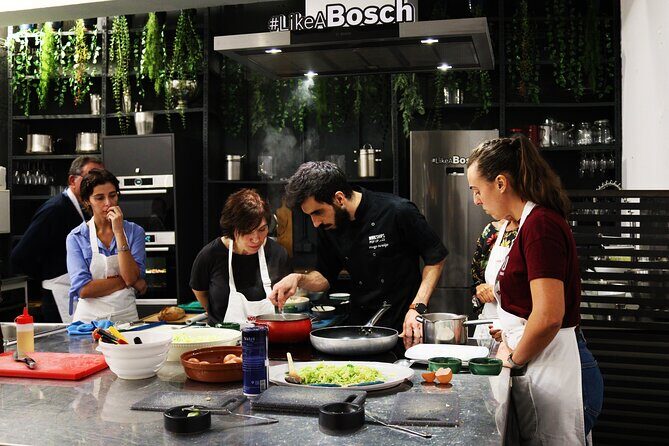
You’ll meet at Pop Up Workshops, Rua do Almada 275, 4050-038 Porto. The start time is 11:00am, and the class ends back at the same meeting point. There’s no hotel pickup or drop-off, so plan for an easy walk from where you’re staying or use public transportation nearby.
This matters because late arrival can slow the whole kitchen flow. With a 3-hour schedule, they can’t pause for a wandering group. The good news is that the meeting point is near public transport, and the class uses a mobile ticket, which makes check-in simpler.
Setting up: tools, apron, and a kitchen that actually moves
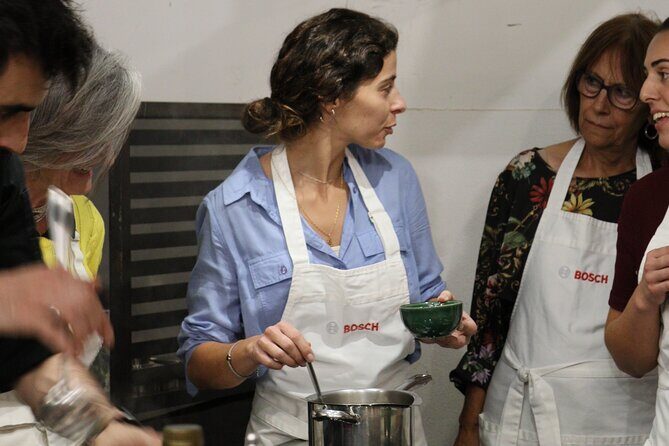
Once you arrive, you’re set up to cook. The class provides cooking tools and an apron, and it’s run in a way that keeps you active. The meal is family-style, so you’re not stuck eating alone at a counter while everyone else cooks.
A few reviews highlighted how the chef keeps things organized while still letting people participate at different comfort levels. That’s the sweet spot you want in a cooking class: clear direction, but not a stuffy classroom. If you want to leave with techniques you can repeat, that kind of structure helps.
The 3-course menu you’ll learn: soup, cod, and almond pie
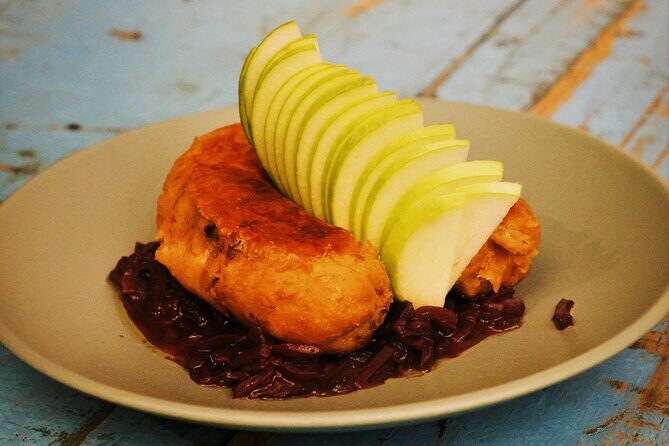
This class follows a classic Portuguese arc: start with something warm and comforting, move to a main that shows Portugal’s love of fish and simple starches, then finish with a dessert tied to regional identity.
Starter: Portuguese Green Soup (Caldo Verde)
You’ll make Caldo Verde, a potato-based soup with chouriço sausage and thin slices of collard greens (kale works too). The key flavor lesson is how sausage adds depth to the broth, not just heat. One guest even called out how seeing the sausage flavor develop in the cooking process made the whole dish click.




Main: Cod with White sauce
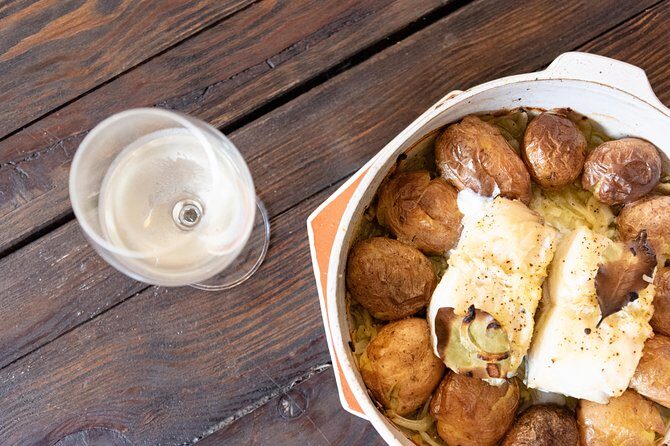
The main is cod with white sauce, cooked in a Portuguese style with onion and potatoes. This is a useful dish to learn because it teaches a “gentle but flavorful” approach: you’re not relying on complicated showy steps. The cod-and-potato base is comforting, and it’s the sort of dish you’ll likely remake when you want something reliable at home.
Dessert: Almond Pie (from the Algarve)
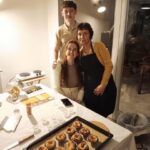
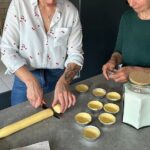
You’ll end with Almond Pie, a traditional dessert from the Algarve. It’s a solid contrast to the savory courses, and it makes the whole menu feel like a complete meal rather than three unrelated tasks. If you like desserts that aren’t overly fussy, this is a good one to bring back to your own kitchen.
Optional market visit upgrade: shop first, cook smarter
The market visit option is the upgrade that many people choose when they want more than a cooking demo. Instead of showing up to the kitchen and being handed ingredients, you learn how to pick them—then you cook with the exact items you selected.
In particular, some sessions include a market stop such as Mercado do Bolhão, which is a great way to get your eyes calibrated fast. You’ll practice ingredient judgment: what to choose, what looks fresh, and how that affects the dish. Even if you don’t consider yourself a “food shopper,” this part tends to be fun because you’re moving, tasting small things, and asking questions.
One of the most practical benefits: when you get to the soup, you’ll know what you’re looking for in ingredients. When you make the cod sauce, you’ll remember the logic behind choosing aromatics and supporting flavors.
The hands-on class style: everyone participates, not just the loudest person
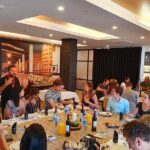
This is a hands-on cooking class, and the pacing is designed so everyone gets involved. Chefs like Hugo, Paulo, and Afonso were described as organized and engaging, with a sense of humor that keeps the group relaxed. That matters because cooking can feel intimidating if you’re worried about messing up.
In the kitchen, you’ll do real prep. People in the group handle different parts of the menu, which keeps it from turning into a single-person show. A few reviews specifically noted that even kids can get involved when accompanied by an adult, which is a good sign if you’re bringing younger travelers who want to participate rather than sit still.
Techniques you can actually reuse
You’ll also pick up small technique tips that make a big difference. One guest mentioned an immersion blender trick for the soup, and that kind of practical detail is exactly what turns a class into “skills,” not just a meal out.
Lunch and drinks: wine and coffee/tea with what you cooked
After cooking, you eat. The class includes coffee and/or tea, plus a soft drink option, plus Portuguese wines with your meal. The overall feel is relaxed, with time to enjoy the food and chat rather than rushing through and out the door.
One review called out free-flow red, white, and port wine, so you should expect that wine is not treated as a tiny garnish. At the same time, the safe assumption is that alcoholic beverages are included as part of the class package, with Portuguese wines being the featured choice.
If you’re the type who likes to taste wine but doesn’t want a separate winery tour, this is a convenient middle ground. It also pairs well with the menu: Caldo Verde and cod both hold up nicely to typical Portuguese reds and whites, and the dessert provides a sweet finish.
Time on the clock: how to plan your Porto day
The class runs about 3 hours, starting at 11:00am. That means it’s a strong choice for a late-morning lunch slot, especially if you’re trying to avoid the mid-afternoon food slump.
Because there’s no pickup, I’d plan to arrive a few minutes early. With a kitchen schedule, they need everyone ready to start. And because you’ll be fed and drinking, avoid booking a heavy activity right after. Think of this as the anchor meal of your day.
Who this class suits best (and who should pass)
This fits best if you want:
- A real cooking experience with a full 3-course outcome
- A chance to learn Portuguese dishes you can recreate later
- A market + cooking option that connects ingredients to flavor
- A group size that stays small enough for interaction (max 16)
- A class in English
It may not be ideal if:
- You rely on hotel pickup to get around (it’s not included)
- You have strict dietary needs and can’t confirm how the menu will be adapted
- You want only a quick taste rather than hands-on cooking
- You dislike fish or sausage, since the sample menu includes cod and chouriço sausage
That said, one review explicitly noted the chef considered dietary restrictions, so if you have limits, I’d contact them and clarify before you go.
Small downside to keep in mind
No hotel pickup is the most obvious practical issue. You’ll need to navigate to Rua do Almada 275. Another consideration is language: English is offered, but if you need a different language, you’ll want to verify ahead of time.
Finally, because it’s designed as a structured 3-course menu, you’re committing to the dishes on the day—so don’t assume you’ll be able to swap everything out.
Should you book Workshop Cook & Taste Portugal in Porto?
I’d book it if you want a hands-on way to experience Portuguese food in one sitting—cooking, eating, and drinking as a single package. The menu is specific and traditional, and the optional market upgrade is a smart move if you like learning how to choose ingredients, not just how to cook them.
Skip it if you prefer passive activities, hate the idea of cooking at all, or you’re dependent on pickup to get to destinations. Also, if your diet is complex, ask questions early so the menu fits you.
If you’re on the fence between this and a pure pastry class, this offers a broader “real meal” skill set. You’ll leave not only full, but with a better sense of what makes Portuguese flavors tick.
FAQ
What time does the class start in Porto?
It starts at 11:00am and runs for about 3 hours. The activity ends back at the meeting point.
Where do I meet the group?
Meet at Pop Up Workshops, Rua do Almada 275, 4050-038 Porto, Portugal.
Is the class in English?
Yes. The workshop is offered in English.
What’s included in the price?
The price includes the cooking class with Portuguese recipes, coffee and/or tea, and a lunch or dinner meal. You also get soda/pop and Portuguese wines (plus alcoholic beverages are included), along with the meal you cook.
Do I need to arrange my own transportation to the meeting point?
Yes. Hotel pickup and drop-off are not included, though the location is near public transportation.
Can I cancel for a full refund?
Yes. You can cancel up to 24 hours in advance for a full refund, as long as you cancel at least 24 hours before the experience start time.