REVIEW · COIMBRA
Schist Villages of Lousã Mountain, half-day from Coimbra
Book on Viator →Operated by Viajeportugal · Bookable on Viator
Stepping into Lousã’s schist villages feels like time slowed down. You’ll visit three mountain hamlets built from local stone and shaped by the way people lived here—then you’ll hear the stories behind the craft, the rebuilding, and the views. Two things I love: the personal way the guides explain what you’re seeing, and the fact that you still get real time to walk the steep lanes. One thing to plan for: this is a half-day with short stops, so you’ll need moderate walking fitness and good shoes to enjoy it comfortably.
I also like that the tour runs on small groups—max 8 travelers—so you’re not lost in the crowd. Guides in particular, including Pedro and Xavier, tend to connect village details to Portugal more broadly, not just a quick checklist. A possible drawback: you might feel the medieval mood is softened in places where homes are fully or mostly renovated, so it won’t feel like a living ruins tour.
In This Review
- Key highlights at a glance
- Why Schist Villages in the Lousã Mountains Matter
- The half-day rhythm: what 4 hours really feels like
- Getting there from Coimbra without stress (and why that counts)
- Stop 1: Cerdeira and the art-and-crafts story of schist rebuilding
- Stop 2: Aldeia do Candal for the views and the easiest orientation
- Stop 3: Aldeia do Talasnal for the stairs, balconies, and best-preserved feel
- Guides make or break this kind of tour
- Price and value: what you’re paying for at $102.12
- Who should book this schist village tour (and who might skip)
- How to get the most out of your 4 hours
- Should you book this tour?
- FAQ
- How long is the Schist Villages of Lousã Mountain tour from Coimbra?
- Which villages do you visit?
- Is the tour offered in English?
- How much walking is involved?
- What’s included in the price?
- Is lunch included?
- Where do you meet in Coimbra?
- How large is the group?
Key highlights at a glance
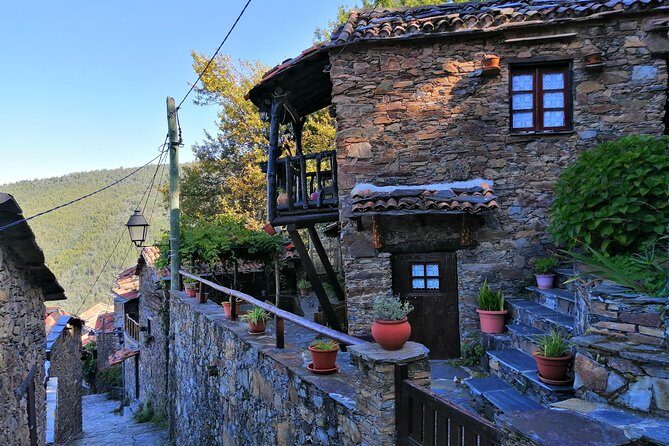
- Schist villages built into the mountains: you’ll see how local stone, clay, and timber shaped the houses.
- Three stops in about four hours: Cerdeira, Aldeia do Candal, and Aldeia do Talasnal.
- Small group feel with a personalized experience, not a big bus scramble.
- Round-trip transfers from Coimbra plus an air-conditioned minivan on narrow mountain roads.
- English-guided tour with a guide who answers questions and adapts when needed.
Why Schist Villages in the Lousã Mountains Matter
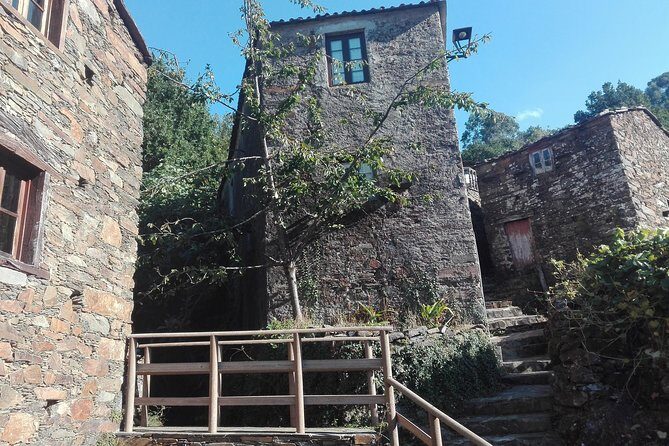
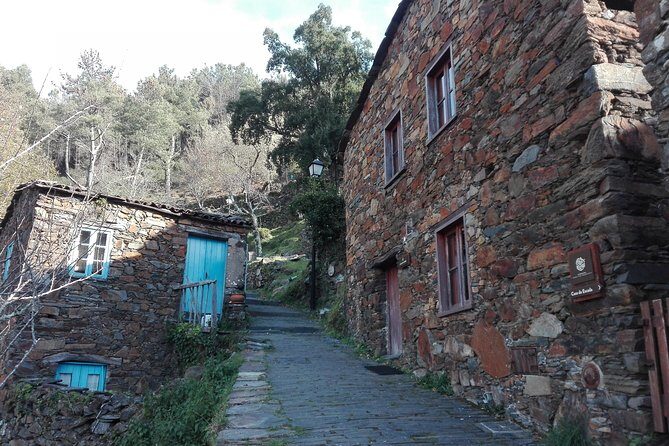
Lousã’s schist villages are special because they’re not just pretty. They’re practical, local architecture written in stone. The key word here is reuse: houses were rebuilt using materials from the area, including shale stones and clay, plus brown wood, so buildings fit the slopes instead of fighting them.
When you walk the village streets, you’re seeing a system. Narrow lanes, steep climbs, viewpoints, and the way homes step up the hillside all make sense in a mountain environment. The village layout also shows something cultural: people built with what they had, then protected the quiet of daily life through the shape of the place.
The guide’s role matters a lot here. Even if you’re not a big architecture person, you’ll understand why the schist houses look the way they do and what the village life was designed to handle.
You can also read our reviews of more tours and experiences in Coimbra


The half-day rhythm: what 4 hours really feels like
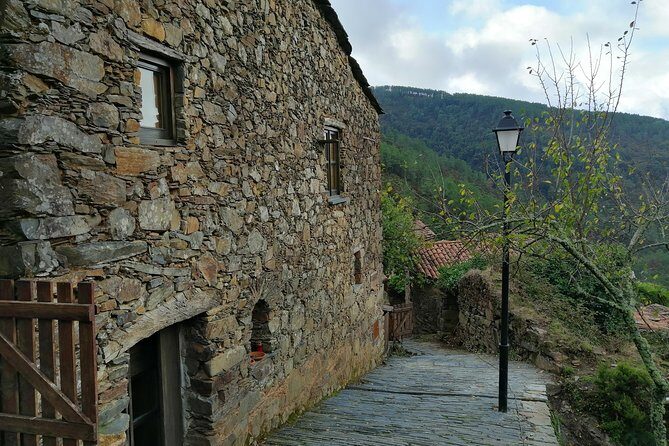
This tour runs for about 4 hours, and you can choose a morning or an afternoon departure. That matters because it helps you match it to your energy level. If you’re the type who likes early starts and calmer streets, morning often feels smoother. If you prefer a slower day, the afternoon option lets you do Coimbra first.
Each village gets around 45 minutes, which is just enough time to do three things: get oriented, walk the main lanes and viewpoints, and still have time to pause for photos without rushing. What it doesn’t allow is a long, deep hike through every angle. So if you want maximum climbing, you’ll likely want to come back for a longer self-guided walk later.
One more practical note: this tour expects moderate physical fitness. The walking can feel steeper than you’d guess from the outside, with stairs and uphill streets. Bring shoes that grip on stone, and don’t plan on treating this as a casual stroll.
Getting there from Coimbra without stress (and why that counts)
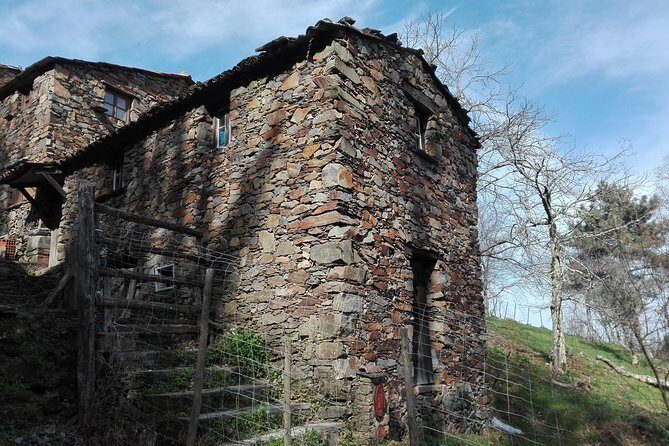
You start in Coimbra, at Av. Emídio Navarro 21, 3000-150 Coimbra. The experience includes round-trip transfer from your Coimbra hotel, plus transport in an air-conditioned minivan. That’s not a small detail. Lousã’s roads are narrow and winding, and driving yourself can be tiring even if you’re comfortable behind the wheel.
The guide also drives with local road knowledge, and that’s a real value in this area. One review mentioned a car rally caused a route change, but the guide still kept the plan working with a sensible plan B. That kind of adaptability is exactly what you want on mountain roads, where small timing issues can cascade fast.
And yes, the group stays small, with a maximum of 8 travelers. That means you can hear explanations while still having breathing room to walk and take in the details.
Stop 1: Cerdeira and the art-and-crafts story of schist rebuilding
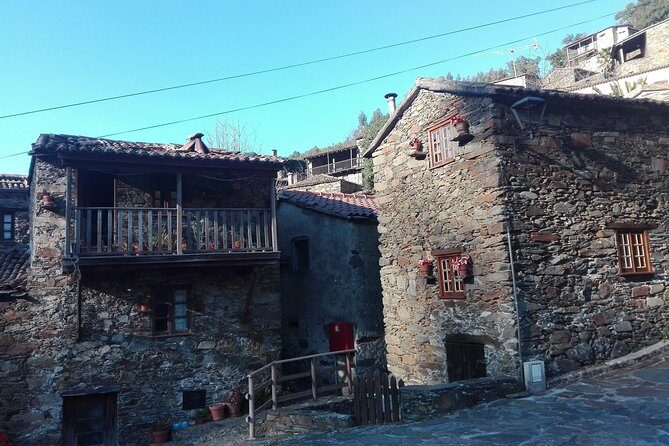
Cerdeira sits right in the heart of the mountains, and the village is known for natural beauty plus creativity. What I found compelling here is the way the village connects its buildings to craft. You’re seeing a place where art and making aren’t separate from daily life—they’re part of the identity.
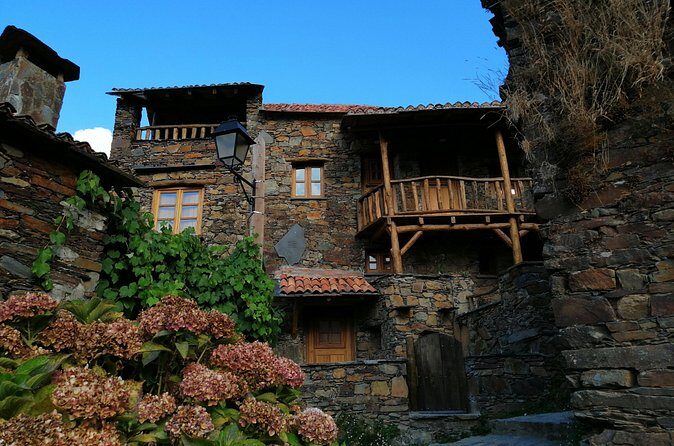
The village is described as inspired by a School of Arts and Crafts, promoting art and creativity aligned with the silence and natural wealth around it. That theme comes through in what you see: houses rebuilt and integrated into the landscape using local schist stones, clay, and brown wood.
You get about 45 minutes here, and the admission is free. That makes Cerdeira a nice entry stop, especially if you’re arriving with fresh energy. It’s a calm place to learn the “why” before you start tackling the bigger viewpoints and steeper lanes at the next two villages.
Possible drawback to consider: since the time is short, you’ll want to move at a good pace early, then slow down once you find your preferred street corners.
Stop 2: Aldeia do Candal for the views and the easiest orientation
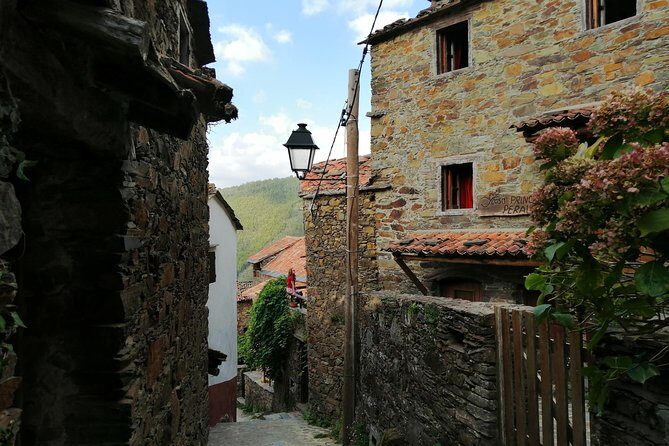
If you want a village that feels well located and highly visited, pick Aldeia do Candal. It’s the one people often gravitate toward because it’s easier to reach and easy to explore on foot.
The village sits on a hill facing south, and walking through it means you’ll go along narrow, steep streets with changing angles at every turn. The biggest payoff is the viewpoint above the valley, where you can step back and see how the village fits into the larger mountain area.
Admission is included here, and you get about 45 minutes. In my opinion, this stop is ideal when you want a mix of architecture plus scenery without needing to hunt for the best views. The steep streets do the work for you: as you climb, the viewpoints naturally appear.
One consideration: because it’s popular, the walking can feel more active than a lesser-known hamlet. The good news is that your guide pacing the group usually prevents that from turning into chaos.




Stop 3: Aldeia do Talasnal for the stairs, balconies, and best-preserved feel
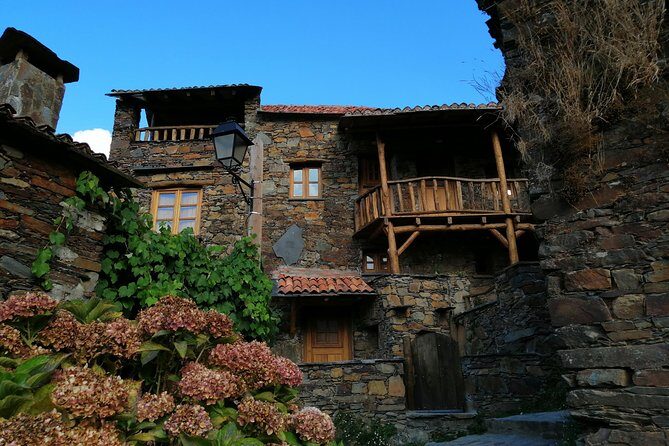
Aldeia do Talasnal is the largest of the three and is often described as the best preserved. This is also the one that feels the most “hillside village.” Expect steep lanes, stairs going up and down, and balconies where you can stop and look for a while.
What makes Talasnal feel special is the relationship between nature and human work. As you move through the narrow streets, you see how the village is shaped to fit the slope and how everyday life was adapted to the terrain. This isn’t just a view—you’re walking inside the plan.
You’ll have about 45 minutes, and admission is included. If you want the most atmospheric experience, this is usually the stop to slow down and take your time. Plan for small rests. Even if you’re generally active, those steps add up over the day.
One balanced note from the real-world experience: in some villages, renovations mean you might not feel the same medieval strictness you’d expect from an untouched historic site. That said, the overall shape and material logic still comes through, and it helps you understand how the villages survive and evolve.
Guides make or break this kind of tour
The standout theme across the experience is the guide. Names like Pedro and Xavier show up again and again, and what matters isn’t just facts—it’s how those facts help you see.
I like guides who connect details to what you’re looking at right now. In this area, that can mean explaining why schist matters, how rebuilding changed what you see, and what you should notice while you walk—like street slopes, construction choices, and the purpose of viewpoints.
There’s also a practical side to the guidance. One review mentioned a comfortable, safe driving approach on narrow mountain roads. Another mentioned extra context beyond the villages, tying the region to broader Portugal stories. That kind of narration makes the short half-day feel fuller.
You may also get time for a coffee break and a small tasting stop. One review specifically called out coffee and Beirão liqueur. Since that kind of stop isn’t listed as a guaranteed inclusion in the core details, think of it as a nice extra if the route and timing allow.
Price and value: what you’re paying for at $102.12
At $102.12 per person for about four hours, you’re not paying for admission to one museum. You’re paying for three things that are hard to DIY in one smooth package:
- Transportation plus transfers: Coimbra hotel round-trip, air-conditioned minivan, and a guide who handles narrow roads.
- Guided learning: the story behind schist building and why these villages matter, delivered in English.
- Time efficiency: three village stops with about 45 minutes each, instead of you piecing together routes and parking.
There’s no lunch included, so add a little buffer in your plans if you’re hungry after the tour. But the absence of lunch isn’t a negative if you prefer keeping meals flexible. You can snack before you go, then grab food afterward in Coimbra.
Small group size (max 8) also adds value. You’re not just buying “being driven.” You’re buying the chance to ask questions without shouting over a bus.
Who should book this schist village tour (and who might skip)
This tour is a great fit if you:
- want a short, structured outing from Coimbra
- enjoy walking on steep, stone streets but can handle stairs
- like learning how architecture and daily life shaped each other
- prefer not to drive mountain roads yourself
You might hesitate if you:
- want long free time at each stop (this is timed at about 45 minutes per village)
- can’t handle climbs and narrow lanes comfortably
- are expecting untouched medieval ruins everywhere (some places show renovation)
If you like “see it, then learn why” travel, this is your kind of day.
How to get the most out of your 4 hours
A few small prep moves make this easier.
Wear shoes with grip. The streets are narrow and the terrain can feel steep fast. Bring a light layer too, since mountain weather can shift.
Go with a photo mindset but don’t chase every shot. Pick one or two lanes to wander slowly and let the views come to you. At Talasnal especially, the best experiences often happen when you stop climbing for a moment and look at how balconies and stonework line up with the slope.
Finally, ask questions early. Guides tend to share extra context once they know what you care about—history, building materials, or how people lived in mountain villages.
Should you book this tour?
I’d book it if you want an efficient, guided taste of the Lousã schist villages without logistics stress. The combination of small group size, round-trip transfer from Coimbra, and guides like Pedro and Xavier who explain what you’re seeing makes this feel more meaningful than just visiting three photo stops.
The main reason not to book is simple: you don’t want steep walking or you need lots more time per village. If that’s you, consider planning a longer independent day after using this tour as your orientation.
If you’re flexible and reasonably fit, this half-day format is a smart use of time—and it’s one of those Coimbra area experiences that feels special because it’s built around real places, real materials, and real mountain life.
FAQ
How long is the Schist Villages of Lousã Mountain tour from Coimbra?
It runs for about 4 hours.
Which villages do you visit?
You visit Cerdeira, Aldeia do Candal, and Aldeia do Talasnal.
Is the tour offered in English?
Yes, the tour is offered in English.
How much walking is involved?
You should have moderate physical fitness. The villages include narrow steep streets, stairs, and viewpoints.
What’s included in the price?
You get a driver/guide, transport in an air-conditioned minivan, bottled water, and all taxes and fees. Admission tickets are included for Aldeia do Candal and Aldeia do Talasnal; Cerdeira is free.
Is lunch included?
No, lunch is not included.
Where do you meet in Coimbra?
The meeting point is Av. Emídio Navarro 21, 3000-150 Coimbra, Portugal.
How large is the group?
The tour has a maximum of 8 travelers.