REVIEW · VILA NOVA DE GAIA
Port Wine Experience
Book on GetYourGuide →Operated by C D Porto Tours · Bookable on GetYourGuide
Port wine has a rhythm, and this tour taps it fast. I like the way you get 7 tastings from 3 producers in just 2.5 hours. I also love the focus on the real working side of Port—cellars, barrels, and the production steps you can actually see. One thing to consider: it’s mainly indoors, and the tasting part moves quickly, so you’ll want to eat first.
If you’re picking one guided Port experience in Portugal’s Norte, this is a strong choice. You’ll start at the river for context, then go straight into working production spaces and finish with more tastings in a boutique setting. The main trade-off is that this is adult-oriented and not for everyone physically, so check the age and mobility rules before you book.
In This Review
- Key highlights to look for
- Port Wine, Up Close: What You Taste in 2.5 Hours
- First Stop by the River: How Port Moves to the Aging Cellars
- Inside the Working Cellar: Barrels from 500 to 40,000 Liters
- Cask Talk, Cork Details, and a Rose Port at the Second Producer
- Boutique Final Stop: Quality Ports in a Smaller Setting
- The 7-Port Flight: What You’re Actually Drinking
- Dry White + White Reserva
- Rose Port
- Tawny Reserva (two tastings)
- LBV filtered + LBV unfiltered
- What Makes the Guide Experience Work So Well
- Price and Value: Is $56 Worth It?
- Who This Tour Fits Best (and Who Should Skip It)
- Quick Practical Tips Before You Go
- Should You Book This Port Wine Experience?
- FAQ
- How long is the Port Wine Experience?
- Where does the tour start and end?
- How much does it cost?
- What Port wines are included in the tasting?
- Do I need food included?
- Is there a minimum age requirement?
- Is the tour mainly indoors or outdoors?
- Is the tour suitable for wheelchair users or pregnant women?
- What language is the live guide?
Key highlights to look for
- River-side start where you can see the setting that shaped Port transportation
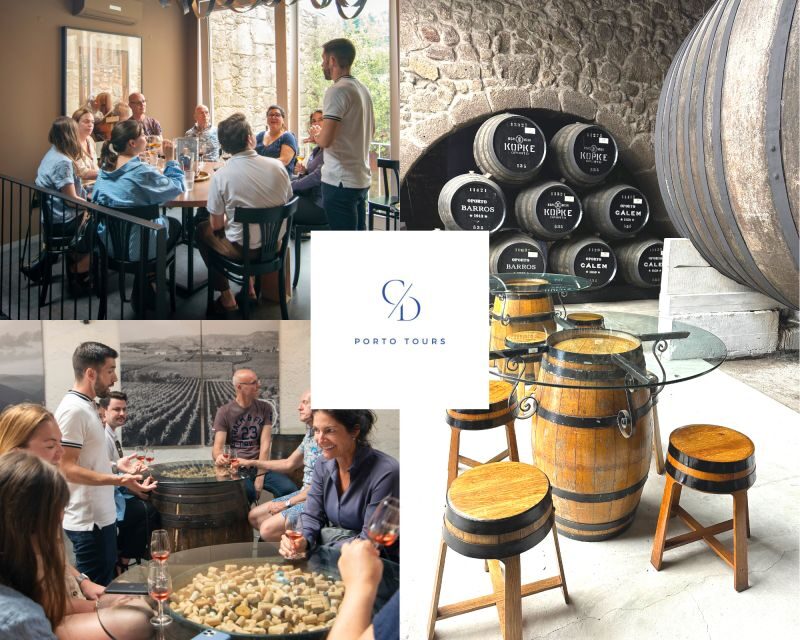
- Working cellar visit with barrels from 500 to 40,000 liters
- Three different producer stops with tastings built into each one
- Cork explained at the second producer plus a fun barrel photo moment
- Seven Port styles tasted including Dry White, Rose, Tawny Reserva, and LBV
Port Wine, Up Close: What You Taste in 2.5 Hours
This tour is designed for people who want meaning, not just sips. You taste 7 Port wines and learn how producers make and age fortified wines, without turning it into a museum lecture. The pacing is tight but friendly, and the guide keeps it moving so it doesn’t feel like information overload.
What makes it click is the mix of settings: river context, a working cellar, a producer with a focus on modern processes, and then a more intimate final tasting space. If you enjoy learning by watching and then tasting, you’ll get a lot out of it.
The price, at $56 per person, also matters for value. You’re paying for guided access to multiple producers and a fairly structured tasting flight, not just a single winery stop. That’s the big reason this feels worth it.
You can also read our reviews of more wine tours in Vila Nova De Gaia

First Stop by the River: How Port Moves to the Aging Cellars
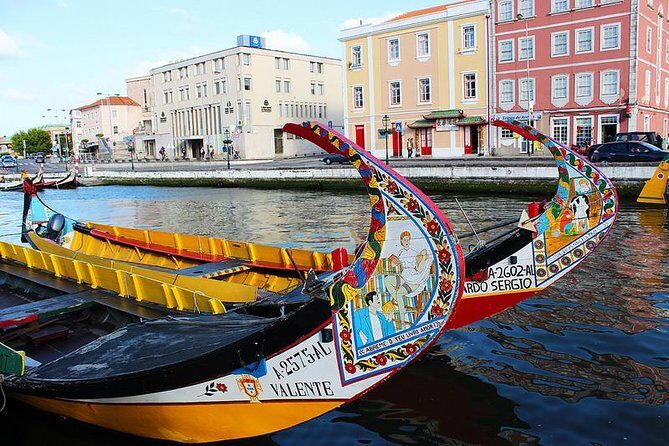
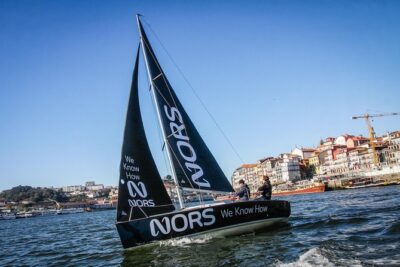
You begin near the river, where you can take in the area that once helped move Port wine from the valley to the aging locations. It’s a practical way to understand Port’s geography. The river isn’t just scenery here; it’s part of how the drink became a trade and a tradition.
You’ll also notice the historic role of boats in transportation. Even if you’re not an expert, it helps your brain connect what you taste later to a chain of events—production in one place, aging in another, and all the logistics that made that possible.
Because the tour starts outdoors and then shifts mostly indoors, dress for the first part even if you’re mostly headed inside. Comfortable shoes help too, since you’ll be moving between stops.
Inside the Working Cellar: Barrels from 500 to 40,000 Liters
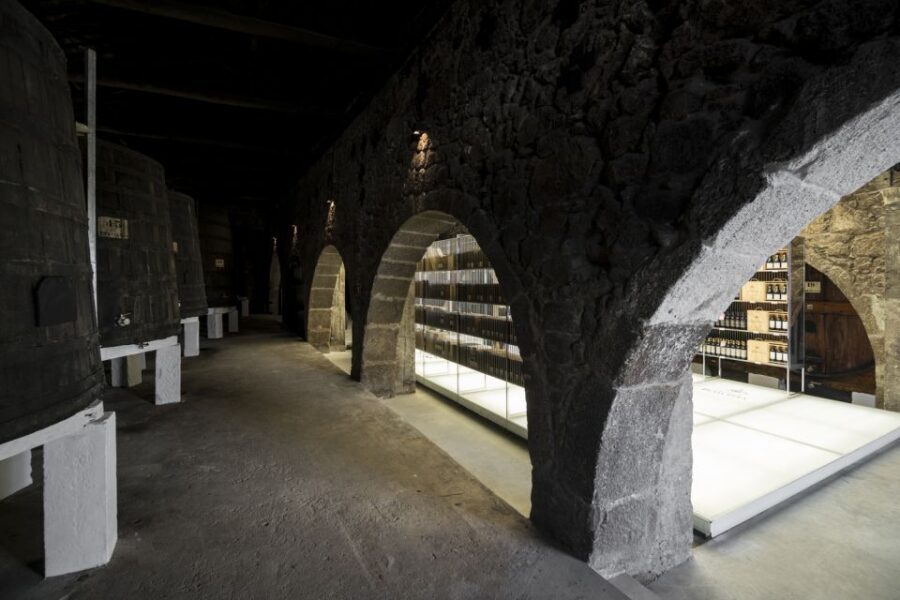
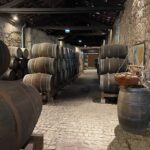
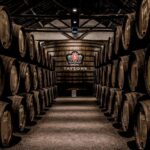
The heart of this experience is the working cellar, where you learn about production and aging and actually see barrels in a wide range of sizes. The barrel scale is a wow factor: you can see barrels from 500 liters up to 40,000 liters. That range gives you a real sense of how Port can be both craft-like and industrial in its aging.
In plain terms, aging is where Port develops its personality. In this cellar setting, you can connect the lesson to what you’ll sip during tastings. The process matters because Port styles behave differently depending on how they’re aged and handled.
You’ll taste three Ports at this first producer. This is a good way to get your palate oriented before you move on to later stops with their own focus. If you go in hungry, the intensity of consecutive tastings can feel like too much—so I’d strongly recommend eating before you arrive.
Cask Talk, Cork Details, and a Rose Port at the Second Producer
At the second producer, you’ll get a short, clear explanation about cork and why it shows up in Port packaging decisions. Even if you’ve heard the basics before, hearing it tied to a producer’s workflow makes the subject feel more concrete. Cork isn’t just a closure; it’s part of how a wine is handled from bottling onward.
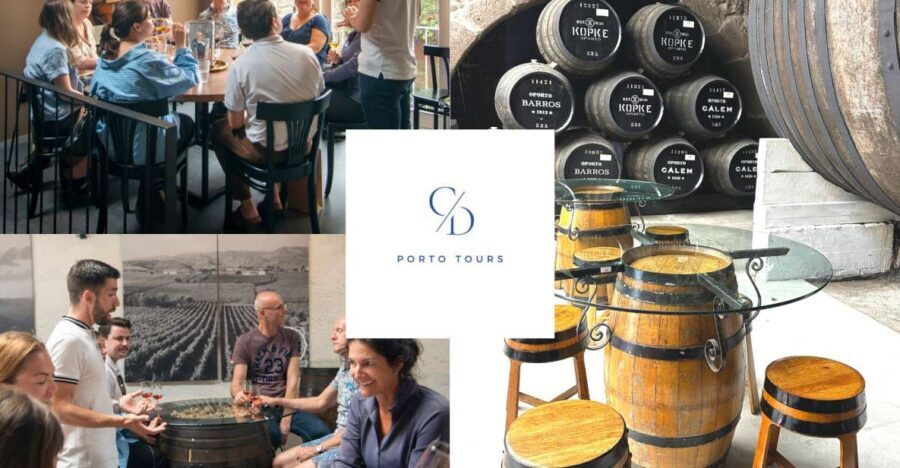
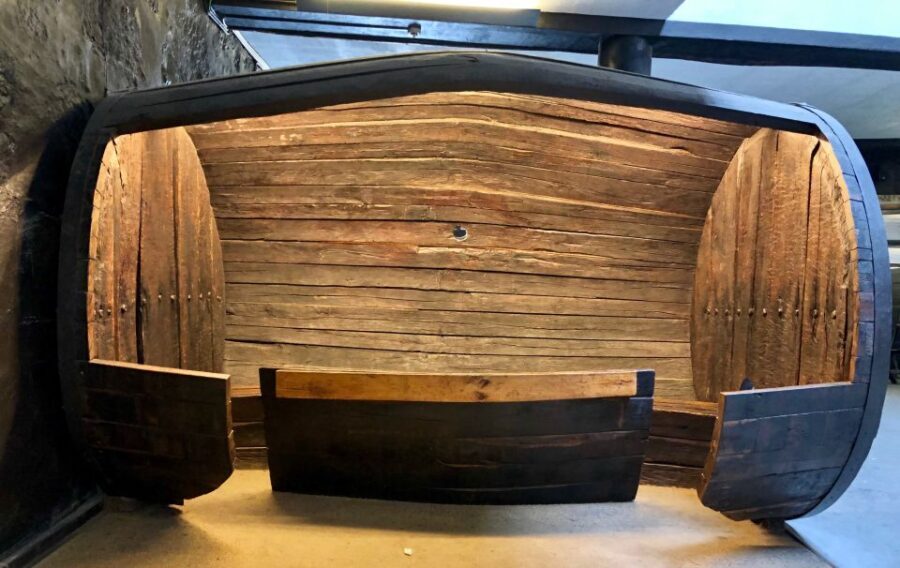
There’s also a fun moment: you can take pictures inside a barrel. It’s the kind of small, memorable break that helps the tour feel less like a classroom and more like a real visit.
Then comes a tasting that matches the producer theme: you’ll drink a Rose Port while learning about modernization in the industry. That matters because Port isn’t frozen in time. Producers are still adjusting techniques and presentation, and you’ll taste the outcome rather than just hearing about it.
One practical note: one stop can include music played loudly enough that it’s hard to catch every detail of what the guide says. If you’re sensitive to sound or you want to hear every word, it’s worth planning to focus your attention or simply ask for repetition when needed.
Boutique Final Stop: Quality Ports in a Smaller Setting
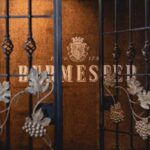
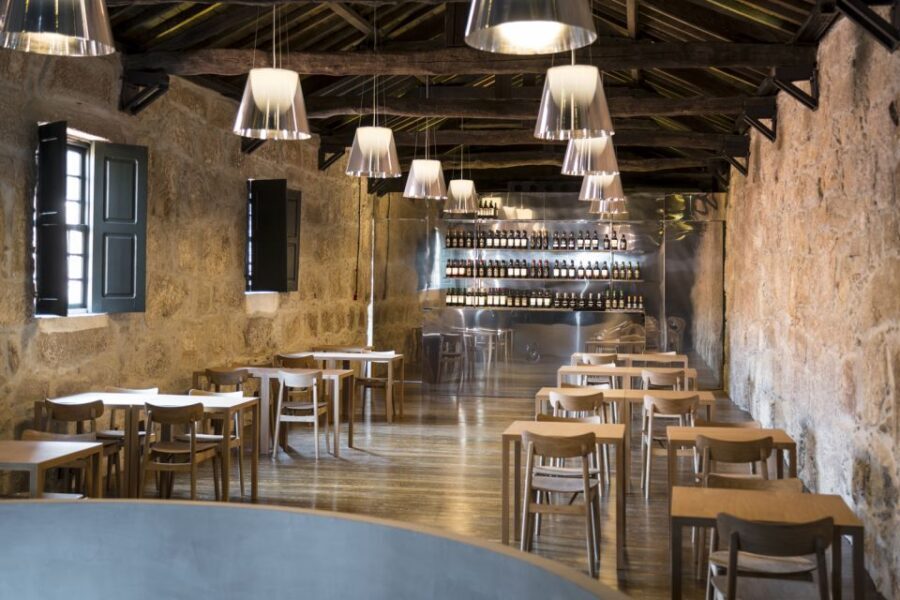
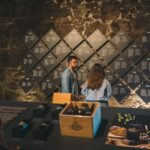
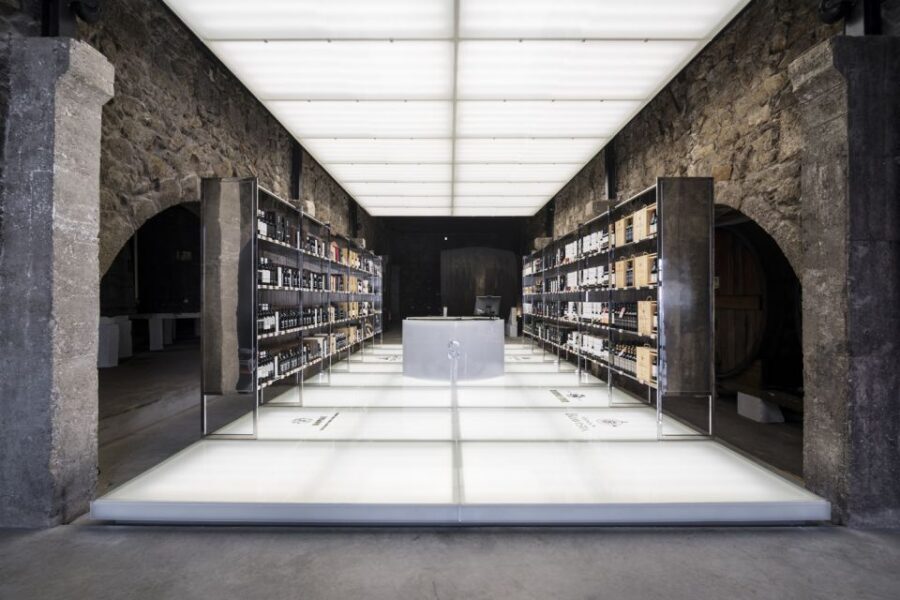
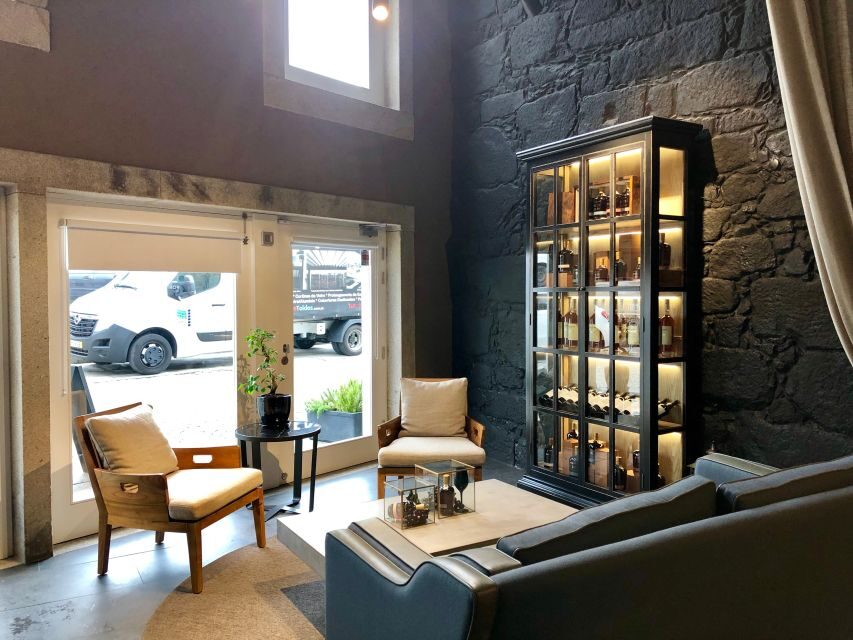
The third producer leans into a boutique environment. Instead of feeling like a big warehouse-style setup, it comes across as more intimate, which suits the final stretch of tastings.
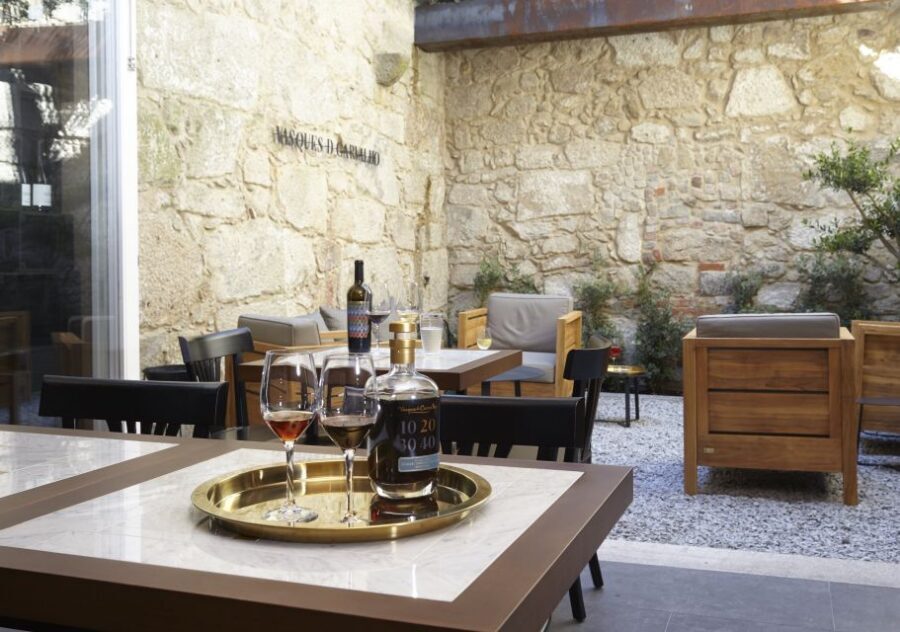
Here, you’ll taste three quality ports from the fortified wine producer recognized as Portugal’s best fortified wine producer in 2019. That accolade matters less because it sounds fancy and more because it signals consistent quality—something you can test for yourself in the glass.
This final stop also helps you compare styles after you’ve already learned how the tour “thinks.” Earlier tastings introduce you to the logic of dry whites, reservas, and aged styles; the last tastings let you judge what you like once you’ve got your bearings.
If you’re a Port fan, this is the moment you’ll start picking your favorites and talking about them with your guide. It’s also a good time to ask how producers would steer someone toward different styles depending on taste.


The 7-Port Flight: What You’re Actually Drinking
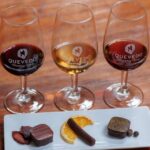
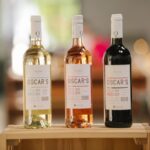
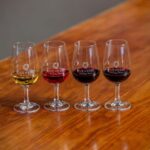
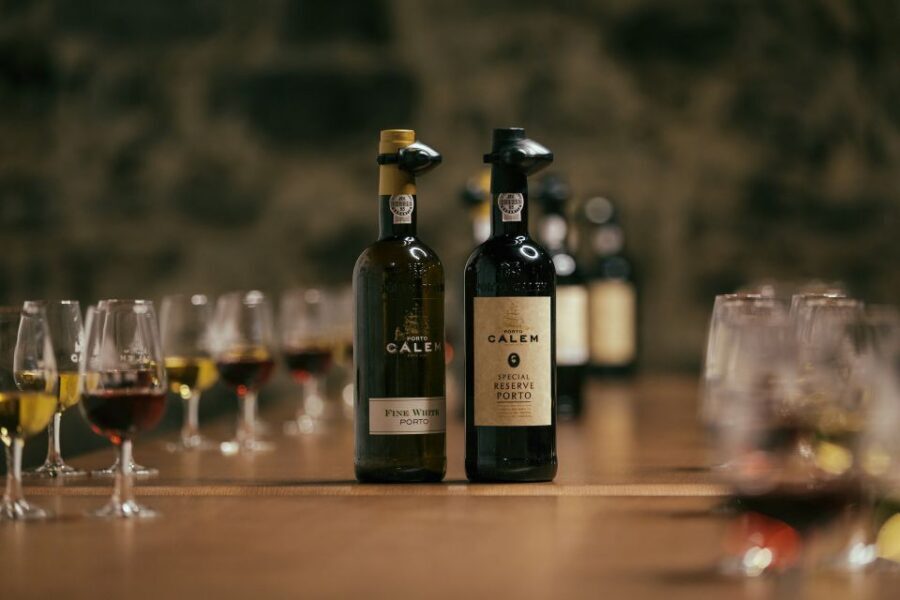
The included tasting lineup is specific, and that’s a big reason this tour feels structured. You get:
- 1 Dry White
- 1 White Reserva
- 1 Rose
- 2 Tawny Reserva
- 1 LBV filtered
- 1 LBV unfiltered
To make your experience smoother, I’d treat the lineup like a guided palate journey. Start with the lighter or fresher styles, then move toward the more aged, wood-influenced profiles as the tour progresses.
Here’s how to think about what you’ll taste:
Dry White + White Reserva
These tend to be your entry points. They help you calibrate acidity, fruit feel, and how the wine reads when it isn’t built around the heavier impression some other styles can have.
Rose Port
Rose Port often brings a lighter, more approachable profile than many classic Port styles. It’s a good checkpoint for what modernization can mean in taste and presentation.
Tawny Reserva (two tastings)
Tawny Reserva is where aging characters usually show more strongly. Having two Tawny Reserva tastings is useful because it lets you compare variations side-by-side instead of relying on memory.
LBV filtered + LBV unfiltered
The difference between LBV filtered and unfiltered is the kind of detail that makes a tasting feel educational. Filtered versions can feel a bit cleaner and more polished, while unfiltered versions may show more texture. Even if you don’t go deep into winemaking terminology, you’ll notice the contrast when you taste them back-to-back.
If you like taking notes, this flight is ideal. The tour is short, but the tasting variety is wide enough that your favorites will likely shift as you go.
What Makes the Guide Experience Work So Well
A Port tour can go one of two ways: either it turns into a fast pour-and-go session or it stays clear and fun. This one tends to land on the right side because the guide brings lots of information in a way that doesn’t feel crushing.
One guide name you may hear is Nuno. In that same energy, the guide makes the whole process feel approachable and keeps it interesting even when the subject is technical. That’s the kind of guide you want on a tasting tour—someone who can explain what you’re seeing and also connect it to what’s in your glass.
The best tip I can give you is simple: plan to eat before you go. Even though tastings are included, you still need a baseline. With seven Port styles, your palate and body will thank you for it.
Price and Value: Is $56 Worth It?
At $56 per person, you’re paying for several things at once: guided access, visits to three producer locations, and a flight of seven named Port styles. The big value is that you’re not just learning about Port—you’re tasting it in different producer contexts.
If you were to buy multiple bottles later, you’d still need time and guidance to compare styles effectively. This tour does that comparison for you in a compact window. You also get production context, including seeing barrel sizes from 500 liters up to 40,000 liters, which you simply can’t get by buying wine on your own.
The main reason the cost feels reasonable is the structure. Each stop has a theme, and each tasting is tied to that theme—first orientation in a working cellar, then cork and modernization, then a focused boutique finish.
Who This Tour Fits Best (and Who Should Skip It)
This is a great match if you:
- Like guided tastings that come with context
- Want to compare multiple Port styles in one afternoon
- Prefer short tours with clear structure over long wine weekends
- Enjoy seeing production spaces and barrels rather than only sitting in a tasting room
It’s less ideal if you:
- Need wheelchair-friendly access (it’s not suitable for wheelchair users)
- Are traveling with someone under the stated child age limits (it’s not suitable for children under 18)
- Are pregnant (not suitable)
- Want a fully outdoor experience (it’s mainly indoors)
If you’re traveling as a couple or small group, this tour format works well because the guide can keep things moving without feeling chaotic.
Quick Practical Tips Before You Go
A few small moves will make your experience smoother.
First, eat beforehand. It will change how enjoyable the tastings feel. Second, wear comfortable shoes and plan for mostly indoor time after the start.
Third, if you’re sensitive to sound, note that music can be loud at one of the stops, so you might have trouble catching every detail. You can still enjoy the tastings fully—you may just need to pay attention differently.
Finally, keep an eye on your favorites. With seven styles, it’s easy to end up with one or two clear winners. That’s often the best souvenir: knowing exactly what you want to look for when you shop later.
Should You Book This Port Wine Experience?
I’d book this tour if you want a high-value Port intro that goes beyond basic tasting notes. The combination of 3 producer visits and a structured 7-wine flight gives you real comparison, and the barrel-and-cellar focus makes the learning feel grounded.
Skip it if you need a more accessible format, if you can’t join adult-oriented experiences, or if you’re hoping for mostly outdoor sightseeing. Also, go in with your stomach sorted—this tour moves fast by design.
If Port is on your list for Portugal’s Norte, this is one of the better ways to understand it quickly, taste widely, and leave with a clearer sense of what you actually like.
FAQ
How long is the Port Wine Experience?
The duration is 2.5 hours (check availability to see starting times).
Where does the tour start and end?
You start in front of the Tourist Office, looking for the local partner sign on the blue umbrella. The tour ends back at the meeting point.
How much does it cost?
The price is $56 per person.
What Port wines are included in the tasting?
The tour includes 7 Port wine tastings: 1 Dry White, 1 White Reserva, 1 Rose, 2 Tawny Reserva, 1 LBV filtered, and 1 LBV unfiltered.
Do I need food included?
No. Food is not included.
Is there a minimum age requirement?
Yes. It is not suitable for children under 18 years.
Is the tour mainly indoors or outdoors?
It is mainly an indoor activity.
Is the tour suitable for wheelchair users or pregnant women?
No. It is not suitable for wheelchair users and not suitable for pregnant women.
What language is the live guide?
The live tour guide is English.