REVIEW · PORTO
Douro Valley: Winery Tour at Quinta do Tedo and Tastings
Book on GetYourGuide →Operated by Quinta do Tedo · Bookable on GetYourGuide
One hour, and the Douro feels close. At Quinta do Tedo, you get a focused winery visit with river confluence views and the feeling of stepping into classic Douro winemaking without wasting time. I like that the tasting is tied to 100% estate-grown organic grapes, not generic bottles from somewhere else.
I also love how the tour doesn’t stay vague. You’ll hear the how-and-why behind Porto and red wine production, including the cellar work that made this region famous, and you end with a tasting in a renovated 18th-century setting. One possible drawback: at 1 hour on-site (about 35 minutes tour plus 30 minutes tasting, then a quick shop stop), it can feel short if you’re hoping for a long, slow lunch-style experience.
In This Review
- Key things that make this Quinta do Tedo visit worth your time
- Quinta do Tedo: why this setting matters in the Douro
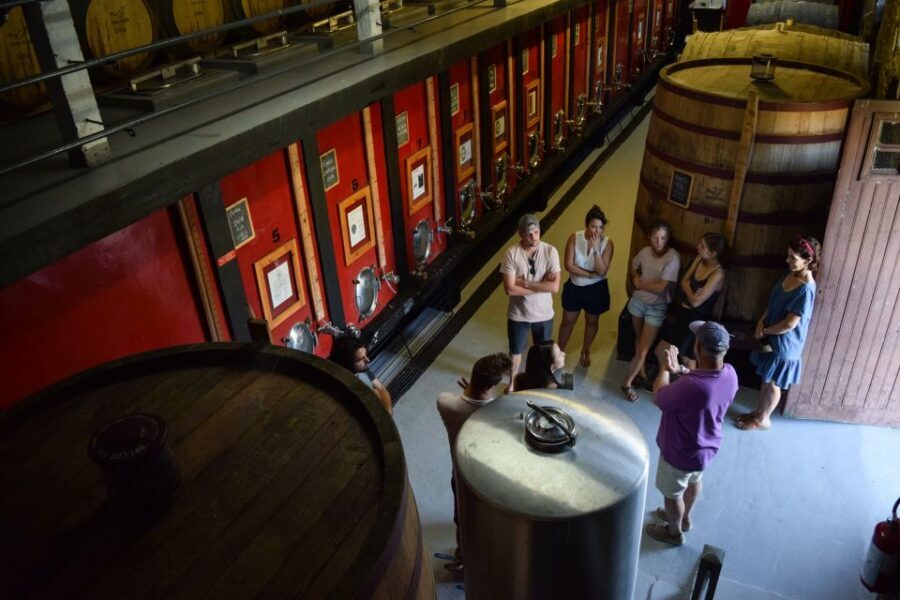
- The guided tour: 35 minutes of how Douro wine gets made
- Small practical note
- Wine tasting: what you’ll taste and how to get more out of 30 minutes
- How to taste smarter in a short window
- Why the tasting-room setting is part of the value
- The vineyards: 37 acres of organic class A grapes
- What “class A” means for you at tasting
- Organic grapes: the realistic takeaway
- Views at the confluence: the scenery that actually helps learning
- Price and value: is $42 worth it for a one-hour visit?
- Timing, meeting point, and what to expect on the ground
- Who should book this Douro Valley winery tour (and who should skip it)
- Should you book this Quinta do Tedo tour?
- FAQ
- How long is the Quinta do Tedo winery tour and tastings?
- What happens during the guided tour at Quinta do Tedo?
- What wines will I taste?
- Where do I meet the guide?
- What languages are available for the live guide?
- Is the activity wheelchair accessible?
Key things that make this Quinta do Tedo visit worth your time
- Douro and Tedo river confluence views from an 18th-century estate location
- 100% estate-grown organic grapes from class A vineyards (37 acres)
- A real production walkthrough, from vineyards to cellars, bottling, and hand-labeling
- Foot treading in the lagers, plus aging in 18th-century cellars
- Portos and red wines tasted from the Quinta, right with the views
- Guides can be a big win; a guide named Bruno has been praised for excellent explanations and presentation
Quinta do Tedo: why this setting matters in the Douro
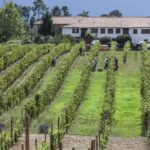
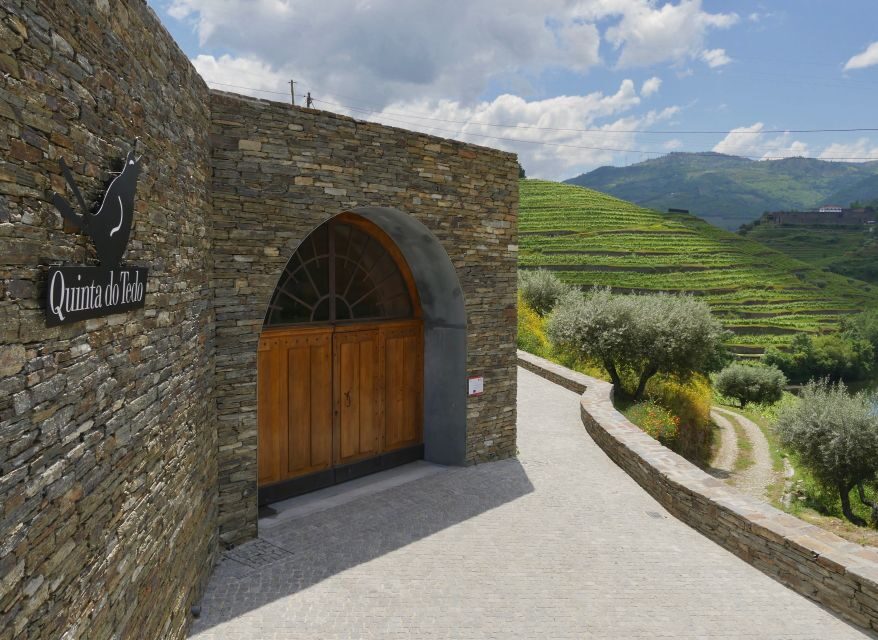
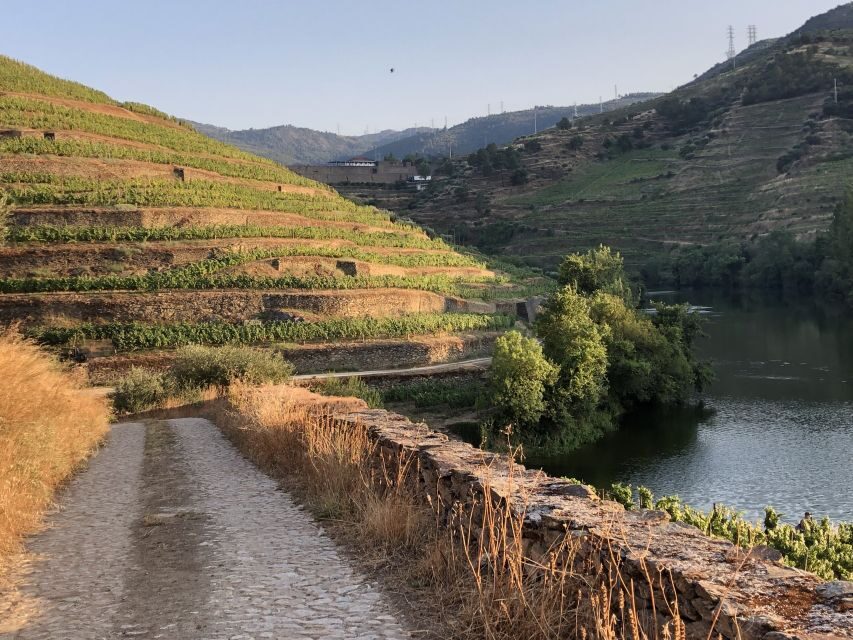
Quinta do Tedo sits where the Douro and Tedo rivers meet, and that location does more than look pretty on a postcard. When you’re standing at an estate that’s literally shaped by water and slopes, Douro wine becomes easier to understand. The terraced vineyards make sense, because you can see how growers have to work with steep ground and careful exposure.
This matters for your experience because it keeps the tour grounded. Instead of talking about wine as a museum piece, the guide can connect what you’re tasting to the place it comes from—organic estate grapes, class A vineyard ratings, and the kind of traditional cellars still used for Porto character. That’s the difference between a generic tasting and one that feels like you’re learning the system.
You’ll also be in a renovated tasting room inside that older estate environment. That blend of historic space and hands-on explanation gives the visit a clear rhythm: walk and learn, then look out over the river while you taste.
You can also read our reviews of more wine tours in Porto


The guided tour: 35 minutes of how Douro wine gets made
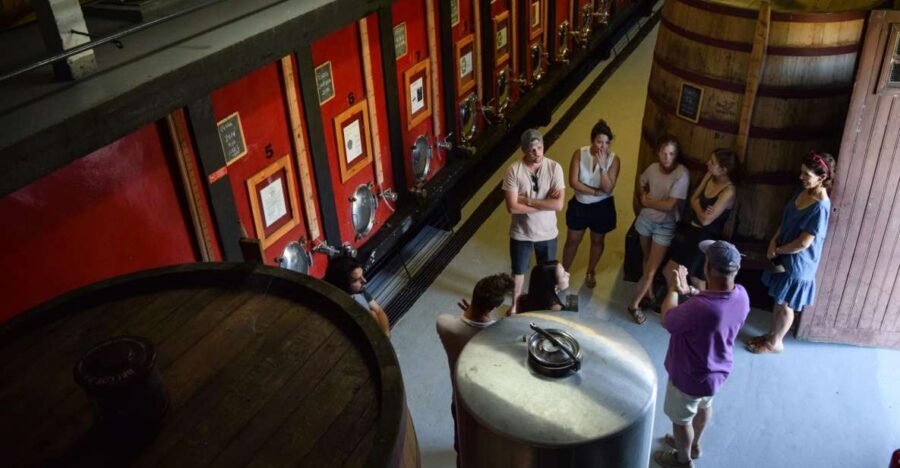
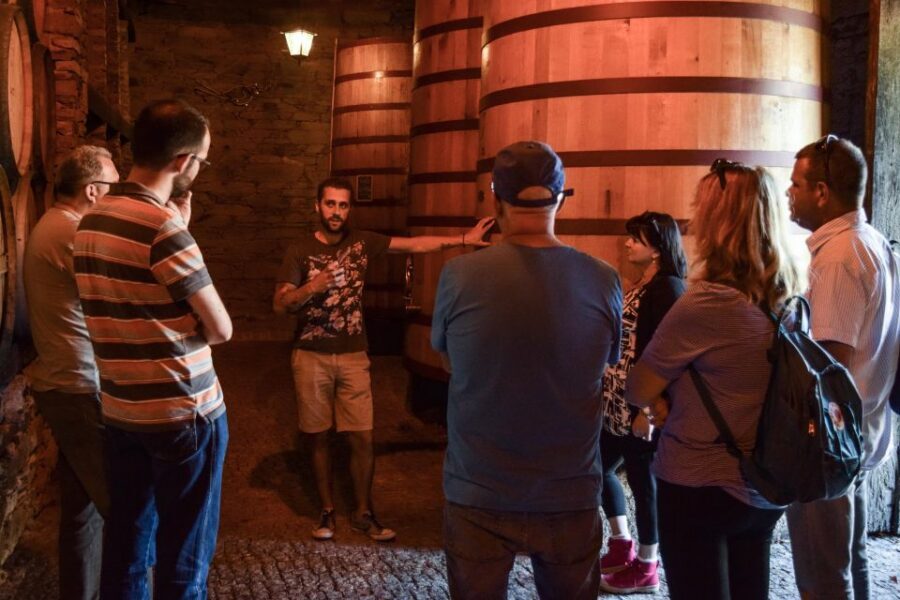
Your visit starts at Quinta do Tedo, then you’ll settle into a guided tour. Plan for about 35 minutes with clear, structured stops. The point isn’t to overwhelm you with every grape-related detail under the sun. It’s to show you the chain of steps that makes Porto and red wines distinct.
Here’s what you can expect in the order of the experience:
Vineyards and olive orchards
You’ll get explanations tied to the vineyards and the olive orchards. That’s a good touch because it shows you this isn’t only a wine factory. It’s a working estate with multiple agricultural pieces. Even if olive oil isn’t part of your tasting, learning how the estate is managed helps you connect terroir to real farm choices.
Porto and red wine production (the big story)
The guide will explain Porto and red wine production in a way you can actually follow. You’ll cover how the process differs, and what makes Porto feel like it does—so when you taste, you have a mental map instead of just guessing.
Foot treading in the lagers
One standout part is learning about foot treading in the lagers. This is the kind of traditional detail that turns a tasting from entertainment into insight. It also gives you a concrete example you can remember later when you read wine labels or order Porto back home.
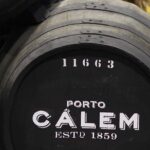
Aging in 18th-century cellars
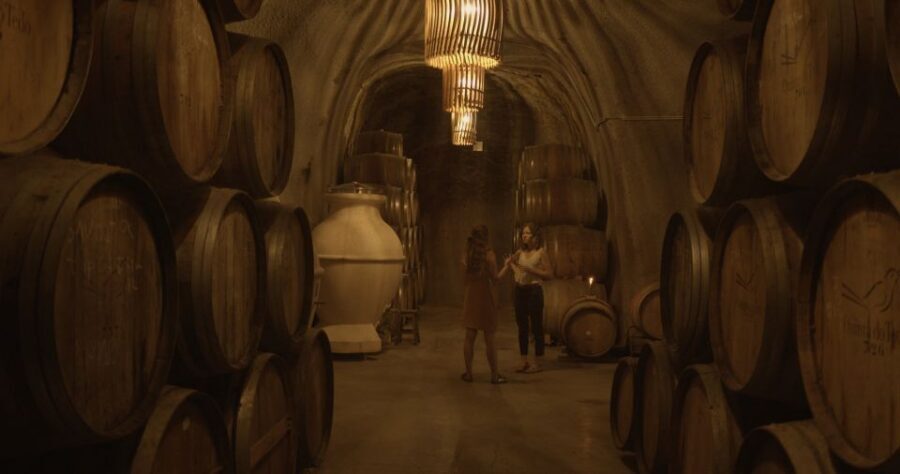
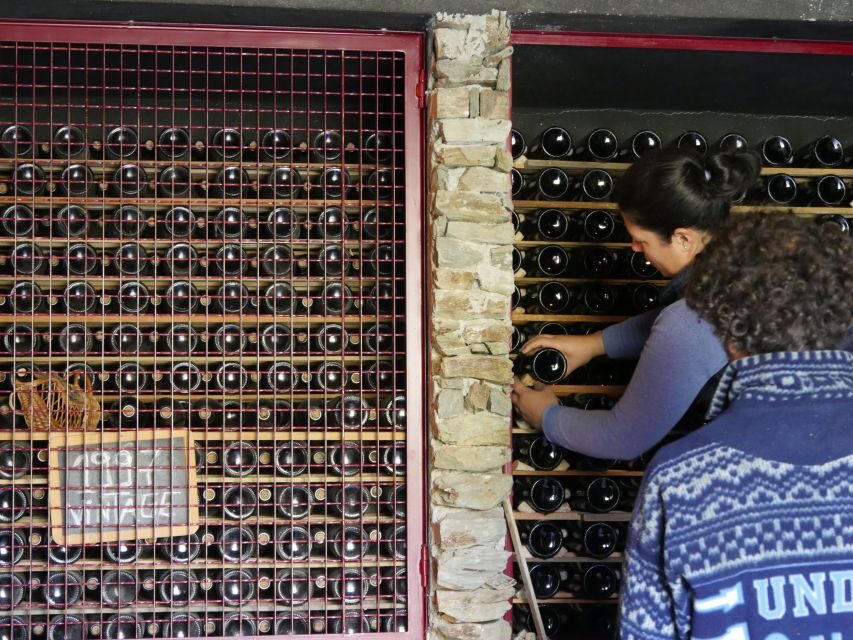
Then comes the cellar side: aging in 18th-century cellars. Older fermentation and aging spaces can change the character of wine over time, and hearing the story in the actual cellar setting makes it less abstract. You’re not just told that time matters—you’re shown where time is managed.
Bottling and hand-labeling
The tour wraps with how wines move from aging to bottling and hand-labeling. That’s valuable because it closes the loop. Many wine tours stop after fermentation, like the rest of the story doesn’t matter. Here, you get a “from vine to bottle” arc.
Small practical note
You’ll have a guide available in English, Portuguese, and French, so you can choose the language that fits you best. In at least one praised experience, a guide named Bruno stood out for strong communication and presentation, which is exactly what you want for a short, information-dense visit.
Wine tasting: what you’ll taste and how to get more out of 30 minutes
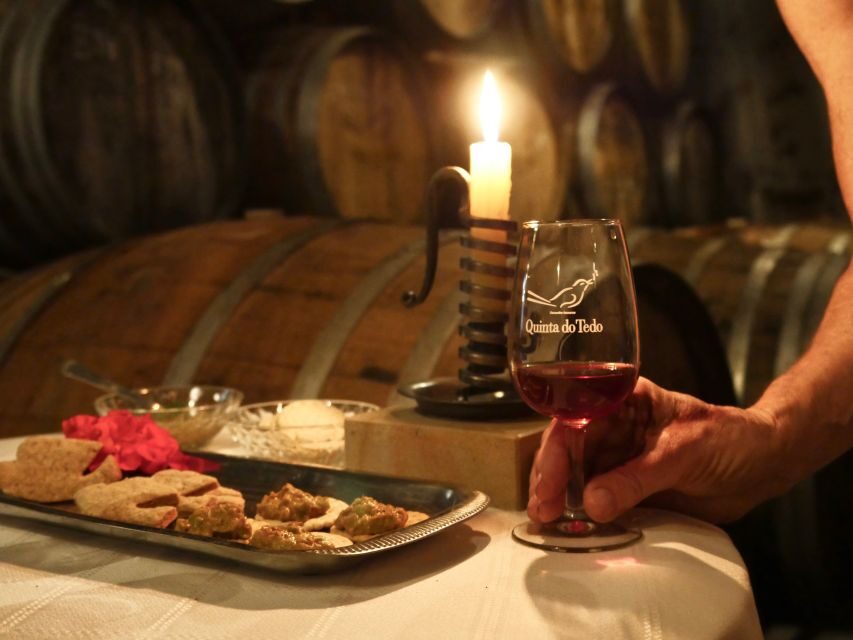
After the tour, you’ll switch from production mode to sensory mode with about 30 minutes of tasting. This is where you confirm whether all that production talk actually helps you enjoy wine.
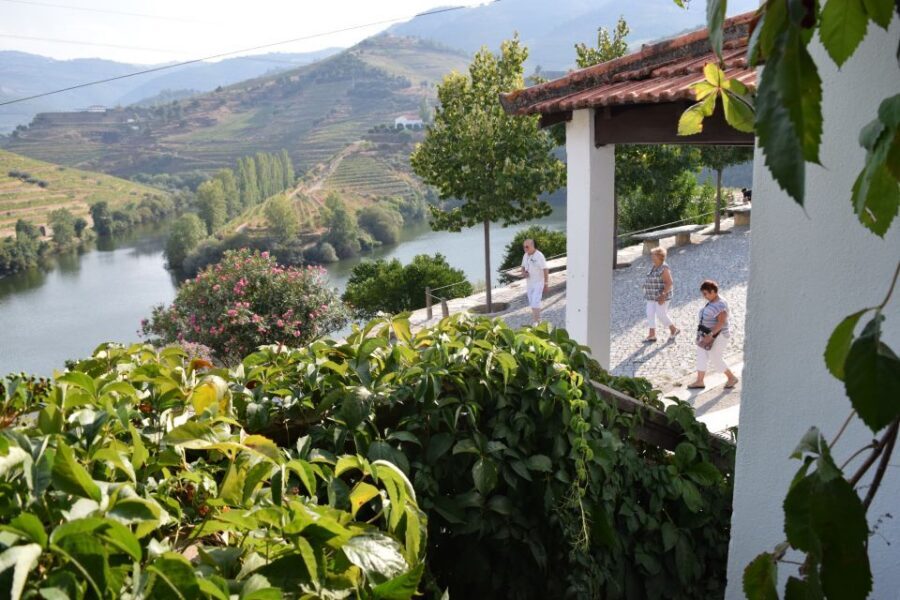
From what’s offered here, you’ll taste Quinta do Tedo’s Portos and red wines. The wines are presented from the estate, and the tasting happens in a renovated 18th-century tasting room with views overlooking the Douro River. That combination is smart: you taste in the setting that shaped the grapes and the style.
How to taste smarter in a short window
With only 30 minutes, you won’t have time for deep note-writing. Instead, do these quick checks:
- Start with the Porto, since it’s the star style people come for. If it’s new to you, pay attention to sweetness level and how it balances with acidity.
- Then switch to the reds and notice whether you’re tasting more fruit-forward character or more structure and dryness.
- Ask your guide one simple question: which grapes or parts of the process contribute most to the difference you’re tasting. That’s where the tour background pays off.





Why the tasting-room setting is part of the value
A lot of tastings happen in rooms where you can’t connect the wine to the view. Here, you get the river-facing angle. Even if you don’t memorize geology, your brain will connect steep terraces and estate work to what’s in your glass.
The vineyards: 37 acres of organic class A grapes
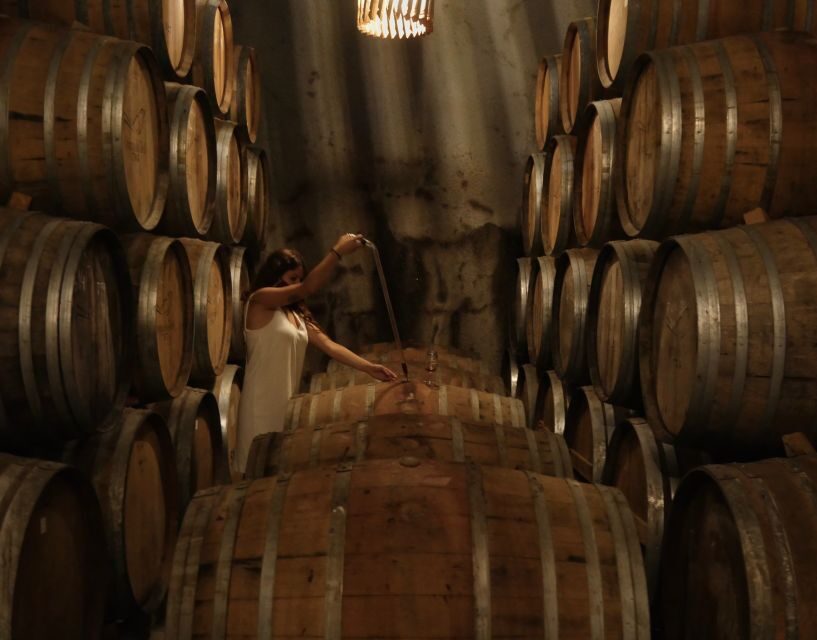
The vineyard story is one of the most concrete value drivers here. You’re not hearing a generic claim about quality. The tour information points to:
- 100% estate-grown organic grapes
- Grapes from 37 acres
- Class A vineyards, with the highest rating from the Portuguese Instituto do Vinhos do Douro e Porto
If you’re the type who likes to understand what you’re buying (and not only what you’re tasting), these details matter. They suggest the grapes used in the estate’s wines are coming from formally recognized high-quality vineyard land, and that the estate grows them organically.
What “class A” means for you at tasting
You don’t need to be a viticulture expert to benefit. When vineyard sourcing is strong, you usually get more consistency in flavor and style. It also makes the tour’s production steps feel practical: you can connect organic farming and site rating to how the wine ends up tasting after cellar work.
Organic grapes: the realistic takeaway
Organic doesn’t automatically mean better for every palate, but it often means the estate is making deliberate choices about cultivation. During your visit, this helps you see wine as a farm-to-bottle decision chain, not just a winemaking technique.
Views at the confluence: the scenery that actually helps learning
The Quinta’s location at the confluence of the Douro and Tedo rivers is more than a nice photo stop. It’s the easiest way to understand why Douro wine works the way it does. Terraced vineyards exist because the terrain forces a certain kind of farming, and the rivers shape both the microclimate and the long-term relationship between the estate and water.
So when you hear explanations about vineyard management and wine production, you’re standing in the real context. That’s why the views feel integrated, not added on.
If you care about photography, plan to spend a minute or two after the guide’s explanation at the most scenic vantage points. Don’t do it mid-speech. Do it after a key concept lands—your photos will match what you actually understood.
Price and value: is $42 worth it for a one-hour visit?
At $42 per person, the main question is not whether you’re paying for wine. You’re paying for a tight package: a guided estate tour plus tastings of the Quinta’s Portos and red wines, all in a historically framed setting.
Here’s how I think about value in a visit this short:
- You’re getting both the story and the payoff: vineyard/cellar explanations, then tasting.
- The tasting isn’t separate and random. It’s linked to estate-grown organic grapes and the Douro production process.
- The setting is part of the product: views from the Quinta, plus a renovated tasting room inside an older estate.
Could it be better with more time? Sure. One critique mentions that the experience can feel short because it’s basically 1 hour. If you’re the kind of person who likes long tastings, extended time to ask lots of questions, or a slow paced sit-down experience, you might feel slightly rushed.
But if you want a high-information, high-comfort intro to Douro wine—without turning your day into a winery marathon—$42 can feel like a fair deal.
Timing, meeting point, and what to expect on the ground
You’ll meet at Quinta do Tedo, about 5 minutes east of Folgosa at the intersection of EN222 and M512. After booking, the provider emails you to schedule your visit time, and the activity only runs after the time is confirmed.
In practice, that matters because:
- You should plan around the time you’re scheduled, not around a generic start time.
- If you’re combining this with other Douro Valley stops, treat it as a block with a clear start.
As for physical comfort, the activity is listed as wheelchair accessible, so the visit is designed with mobility access in mind. You’ll still be moving around an estate setting for the tour and tasting, so comfortable footwear is smart, even if the ground is accessible.
Who should book this Douro Valley winery tour (and who should skip it)
This tour fits best if you:
- Want a straightforward winery experience: tour plus tasting, with clear steps in the production chain
- Like Douro wines and want a guided explanation of Porto and red wine production
- Prefer shorter activities that still feel meaningful, since it’s timed around a 35-minute guided visit and 30-minute tasting
You might skip it if you:
- Want a long, slow tasting session with lots of free time
- Are hoping for a big outdoor vineyard walk with extended time at multiple viewpoints (this one is intentionally compact)
It’s also a nice choice for couples or solo travelers who want to learn without needing a full day of logistics.
Should you book this Quinta do Tedo tour?
I’d book it if you want a solid first taste of the Douro made efficient: vineyard-to-cellar context, then Portos and red wines in a real estate tasting room with river views. The organic estate focus, the class A vineyard detail, and the inclusion of traditional production elements like foot treading and 18th-century aging all point to a tour that’s meant to teach, not just pour.
I’d hesitate if you dislike time-boxed experiences. With a one-hour structure, you get the essentials and move on. That’s great for many people, but not ideal if you want to linger, snack, and stretch the tasting into a longer afternoon.
If you’re balancing a Douro day and want a high-value learning-and-tasting stop, Quinta do Tedo is a strong pick.
FAQ
How long is the Quinta do Tedo winery tour and tastings?
The visit is about 1 hour on site, with a guided tour of about 35 minutes and a wine tasting of about 30 minutes, plus around 5 minutes for shopping.
What happens during the guided tour at Quinta do Tedo?
You’ll tour the estate with explanations about the vineyards and olive orchards, and you’ll learn more about Porto and red wine production, including foot treading in the lagers, aging in 18th-century cellars, and bottling and hand-labeling.
What wines will I taste?
You’ll taste Quinta do Tedo’s Portos and red wines. The tasting follows the option selected when booking.
Where do I meet the guide?
Meet at Quinta do Tedo, 5 minutes east of Folgosa at the intersection of EN222 and M512.
What languages are available for the live guide?
The live tour guide is available in English, Portuguese, and French.
Is the activity wheelchair accessible?
Yes, the activity is listed as wheelchair accessible.