REVIEW · PORTO
Port : Private Cruise in the Douro — 6 Bridges & Sunsets
Book on Viator →Operated by Alma Douro · Bookable on Viator
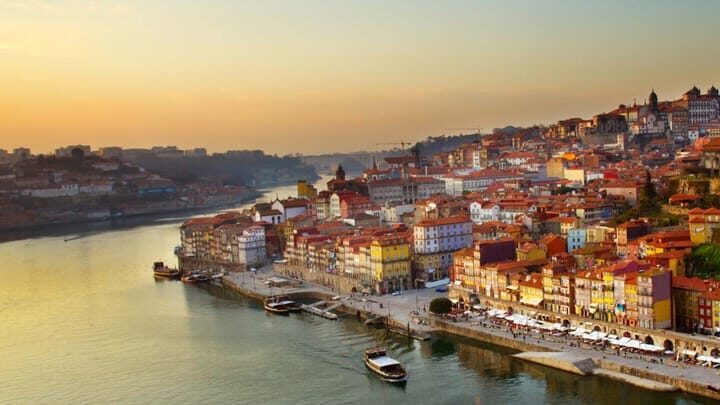
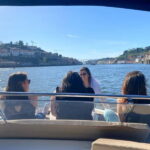
One of the easiest ways to fall for Porto is from water. This private Douro cruise strings together six bridges and classic river neighborhoods, with Nádia and Paulo sharing stories as you go. I love that it feels personal: comfortable seating, extra blankets when the evening cools down, and an easy pace that works even if you’re not chasing every photo stop.
My favorite part is the human touch. You’re served drinks and snacks, and the owners really seem to want you relaxed rather than rushed. One thing to consider: sunsets are weather-dependent, and if conditions are overcast you may not get the full dramatic sky.
In This Review
- What You’ll Get Out of This Cruise
- Your Private Hosts Make the Difference on the Douro
- Afurada and Ponte da Arrábida: Start in a Working Fishing Quarter
- Massarelos Tech and Crystal Palace Gardens: Porto’s Memory, Explained Simply
- Ribeira do Porto and Cais de Gaia: UNESCO Streets Meet Wine Country
- Don Luís I Bridge and Infante Bridge: The Best Views for Bridge Lovers
- Maria Pia, São João, and Freixo: Watching Porto’s Bridge Timeline
- Foz do Douro at Sunset: When the Douro Hands Off to the Atlantic
- Price and Value: What $84.48 Buys You (And Why It Can Feel Fair)
- Who Should Book This Cruise in Porto?
- Should You Book This Private Cruise in the Douro?
- FAQ
- How long is the Douro cruise?
- Where do we meet the tour?
- Is this a private tour?
- Is it in English?
- What’s included on board?
- Do you get a mobile ticket?
- What weather conditions does the cruise require?
- Is the activity suitable for reduced mobility?
- Are service animals allowed?
What You’ll Get Out of This Cruise
- A private boat experience on a route packed with Porto-and-Gaia highlights
- Comfort first: cushions on board and blankets for chilly moments
- Local food and drinks included, including sangria and homemade-style snacks
- Bridge-hopping views explained clearly, from older iron to newer concrete
- Real-feeling river time, with a calm rhythm and smooth navigation focus
- Sunset timing by the Atlantic side, when skies cooperate
Your Private Hosts Make the Difference on the Douro
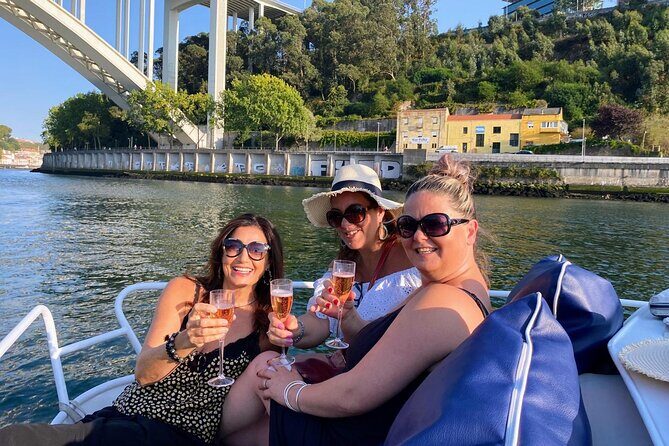
This is the kind of tour where you quickly stop thinking about logistics and start paying attention to the river. You meet at Marina da Afurada in Vila Nova de Gaia, then slide into the Douro with Nádia and Paulo at the helm of the experience—welcoming, chatty in the best way, and tuned into what your group needs.
A big reason this stands out is how much effort goes into comfort. People mention blankets when it gets chilly, and the top area includes cushions so you’re not perched on something that feels like a folding chair from 1998. If you’re the type who hates feeling packed in with strangers, the private setup helps a lot. One guest even pointed out that the hosts let them set the tone—friendly and engaged without hovering.
Language also matters, and this team operates in English (and, based on guest feedback, they can handle other languages too). That means you’re not stuck translating everything in your head while you’re trying to enjoy the view.
You can also read our reviews of more boat tours in Porto

Afurada and Ponte da Arrábida: Start in a Working Fishing Quarter
The cruise begins near Afurada, a fishing neighborhood on the Douro’s hillside side in Vila Nova de Gaia. This is the part of Porto you don’t see when you only stick to the postcards. Look for colorful houses, narrow streets, and that maritime feel where fishing still shapes daily life.
Then you shift into landmark mode with the Ponte da Arrábida. This is the bow bridge that rises over the river, connecting Porto and Gaia. The engineering story here is part of the fun: inaugurated in 1963, it was once the largest armed concrete bow bridge in the world. From the boat, you don’t just see it—you get a sense of scale, how the curve dominates the river channel, and why it became such an iconic piece of the skyline.
Practical note: you’ll get plenty of sightseeing windows, but don’t assume you’ll have long walk-about time on land. This is built as a cruise with commentary and viewpoints from the water, which is exactly why it works as a 2-hour plan.
Massarelos Tech and Crystal Palace Gardens: Porto’s Memory, Explained Simply
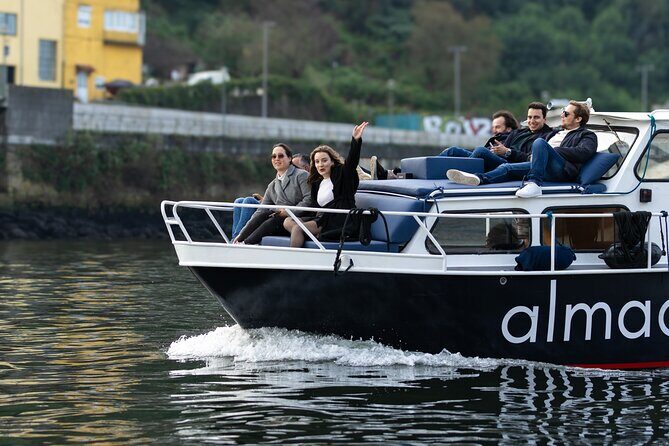
After Ponte da Arrábida, the route moves into the Porto-Gaia “in-between” zone where history and city planning show up in the details. One highlight is the Electric Car Museum, founded in 1992 to preserve electric vehicles and public transport history. The museum sits in the old Massarelos Thermoelectric Power Station, built in 1915 to generate energy for electric vehicles that circulated around the city. That’s a neat link between old infrastructure and the modern city you’re enjoying today.
What you’ll take from this stop is the perspective. The Douro isn’t just scenic—it’s also a boundary line for how Porto evolved. Listening as you pass these areas helps you connect why certain neighborhoods grew where they did.
You’ll also get the Crystal Palace Gardens in your sights. These are 10 hectares of green space with panoramic river and city views. From the boat, it’s more about the angle and the breath of open space than about wandering inside, but it’s still a relaxing contrast to the stone and iron of the bridges.
Two more names worth paying attention to:
- The Church of Massarelos, tied to local maritime life and used as a meeting point in the neighborhood.
- The New Customs building, originally dating to 1822, restored in a way that keeps its neoclassical identity while adapting it for events like exhibitions, concerts, and galas.
If you like learning “what you’re actually looking at,” these parts feel rewarding rather than random.
Ribeira do Porto and Cais de Gaia: UNESCO Streets Meet Wine Country
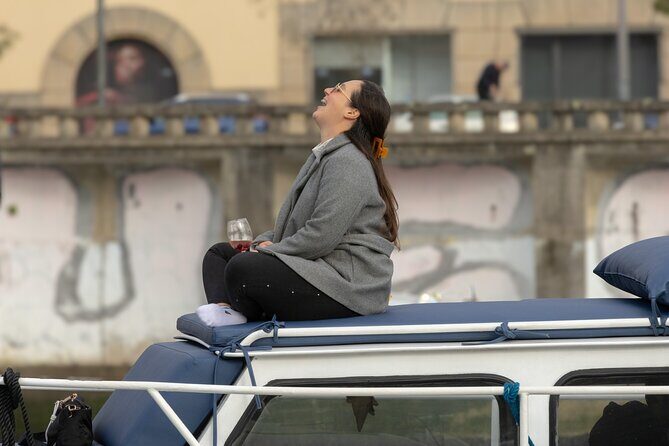
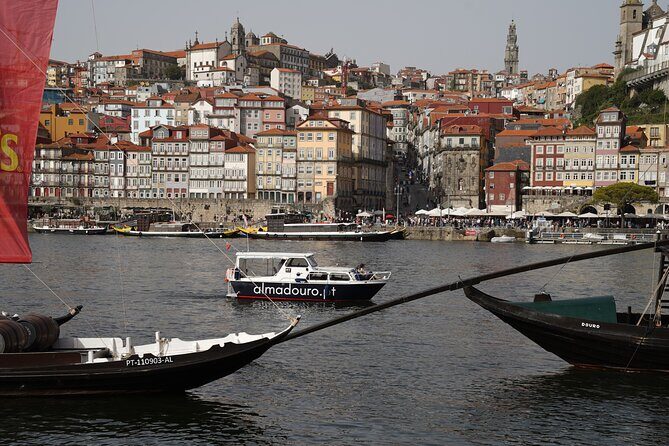
Now you reach the riverfront that makes people stop mid-walk in Porto. Ribeira do Porto sits on the Douro’s banks and is one of the oldest and most charming areas of the city—so much so it’s UNESCO World Heritage. Expect narrow, colorful streets and a river view that never seems to get old. Even from the water, it’s clear why Ribeira became famous: the buildings hug the slope, and the river acts like the stage.
Then the other side of the story starts with Cais de Gaia on the south bank. This is where the Port wine world gets real. You’ll spot the Port wine cellars, and you can also see the traditional work boats—rabelos—that once transported wine pipes across the Douro. Many of them remain moored at the pier, which creates that instantly photogenic “this is how it used to run” feeling.
This segment is one of the best reasons to pick a cruise instead of just a walking day. From shore, it’s easy to see buildings and signs. From the boat, you see how the river organized the economy, how the bridges connect the neighborhoods, and how wine and transport shaped Porto’s layout.
Don Luís I Bridge and Infante Bridge: The Best Views for Bridge Lovers
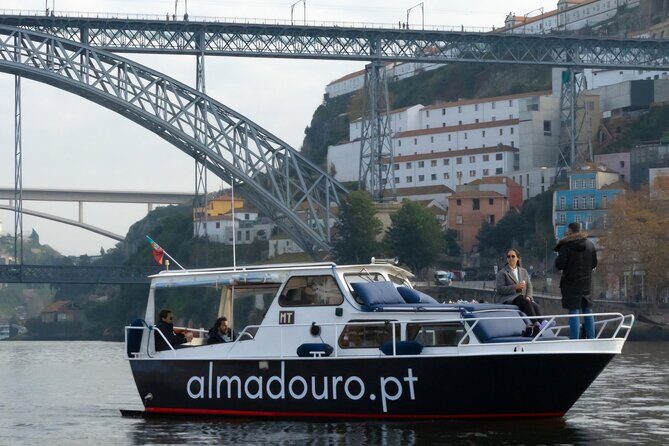
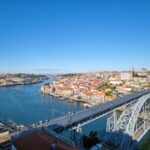
When the cruise moves back into the heart of Porto’s bridge grid, you’ll likely feel like you’re watching a highlight reel. The Don Luís I Bridge (often called the iconic one) is more than a metal crossing—it’s a meeting point and a city symbol linking Porto to Vila Nova de Gaia. From the water, you’ll grasp how it funnels movement between the banks and why it became the visual anchor people associate with Porto.
Next comes the Infante Bridge, defined by a modern and elegant design with a concrete arch rising over the river. This bridge gives you a different kind of skyline: less old-world iron drama and more clean structure that frames the city for wide-angle photos.
A useful tip: for photos, keep your eyes on the guide’s pacing. When the boat lines up, you’ll usually get one or two clean sightlines before the view shifts. Being ready matters more than taking 30 shots at random angles.
You can also read our reviews of more private tours in Porto


Maria Pia, São João, and Freixo: Watching Porto’s Bridge Timeline
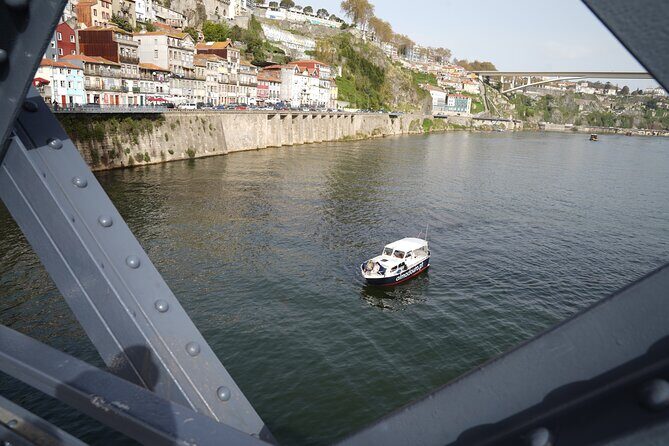
One of the most satisfying things about this route is how it shows Porto’s engineering evolution without turning it into a lecture. The Maria Pia Bridge, built with Gustave Eiffel’s genius in mind, opened in 1877 and was once the largest iron bow bridge in the world. That “how is this still standing?” feeling comes through fast when you’re seeing the curve from river level.
Then you move to the Ponte de São João, inaugurated in 1991 and designed to replace the older Ponte Maria Pia, which had become insufficient. This part of the route feels like the city solving a practical problem—growing traffic and evolving needs—while keeping the skyline moving forward.
Finally, there’s the Ponte do Freixo, inaugurated in 1995. It’s the latest bridge on the Douro stretch and designed to reduce pressure on other crossings, especially the famous ones. It uses a bold, contemporary style with armed concrete and straight, elegant lines. If you like seeing how cities manage congestion and growth, this is the bridge trio that makes that story easy to picture.
Foz do Douro at Sunset: When the Douro Hands Off to the Atlantic
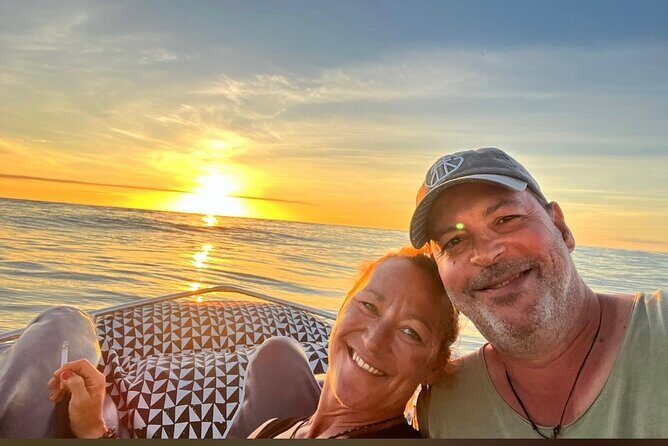
As the evening progresses, you head toward Foz do Douro, where the Douro meets the Atlantic Ocean. This is the moment that makes the cruise name make sense. The river becomes a transition zone, and the sea breeze changes the mood—especially when you’re waiting for that sunset glow.
In best conditions, you get that “last-light” color shift across the water. If the sky is stubborn (overcast happens), you can still enjoy the ride—one review noted that even without a true sunset, the experience stayed a 10/10. The key is that the boat setup helps you keep enjoying the view.
Also, consider this: the back portion of the boat is covered, which is a real advantage when temperatures drop or weather turns. You’re not forced into being drenched or freezing just to keep watching the horizon.
Price and Value: What $84.48 Buys You (And Why It Can Feel Fair)

At $84.48 per person for about 2 hours, this isn’t a “cheap” Porto activity—but it doesn’t feel overpriced either because you get several things that add up.
You’re paying for:
- A private experience (your group only, not a shared cattle-car situation).
- Guided storytelling from the owners, not a rushed checklist.
- Comfort elements (cushions and blankets).
- Snacks and drinks from local producers, including sangria, wine/beer, and a charcuterie-style spread.
Several guests mention homemade-style touches, including snacks prepared by Nádia’s mother. When food and drink are part of the experience (and not an extra charge), the price starts to feel more like an all-in evening than a barebones sightseeing ride.
If you’re traveling as a couple or small family, a private boat can actually be better value than you’d expect—especially if you factor in how expensive “one-off” tours can get once you add transfers, tickets, and meals.
Who Should Book This Cruise in Porto?
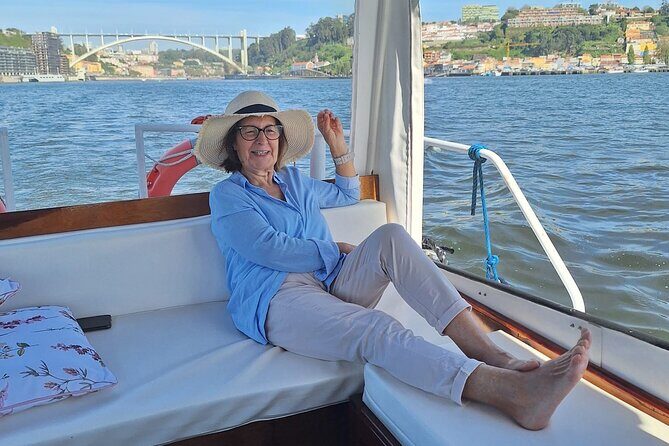
I’d book this if you want a calm, scenic evening with a strong Porto-and-Gaia “sense of place,” without sprinting across neighborhoods. It’s a great fit for:
- Couples who want a romantic sunset plan that doesn’t involve being shoulder-to-shoulder with strangers
- Families who prefer an easy pace (this cruise has been done with a very young child, with the hosts focusing on comfort and distraction)
- Bridge and architecture lovers who like short, clear explanations while they watch the structures from a useful angle
If you’re expecting a full museum entry or lots of long land visits, you might be disappointed. This works because you’re seeing and learning from the water, not because you’re wandering inside every building you pass.
One more consideration: it’s not recommended for reduced mobility. If mobility is a concern for your group, it’s worth double-checking suitability before you lock it in.
Should You Book This Private Cruise in the Douro?
Yes—if you want an evening that feels personal, comfortable, and very Porto in one smooth plan. The combination of six bridges, real local context, and included drinks and snacks makes it a strong value for a short stay.
I’d pass only if you’re determined to “do everything on land” during your Douro time, or if you’re extremely sensitive to uncertain sunset weather. Otherwise, this is the kind of Porto night you’ll remember for the right reasons: the water, the bridges, and the hosts making the whole thing feel effortless.
FAQ
How long is the Douro cruise?
The experience lasts about 2 hours.
Where do we meet the tour?
The meeting point is Marina da Afurada, R. da Praia 430, 4400-554 Vila Nova de Gaia, Portugal.
Is this a private tour?
Yes. It’s private, so only your group participates.
Is it in English?
The tour is offered in English.
What’s included on board?
The experience includes drinks and snacks, served during the cruise.
Do you get a mobile ticket?
Yes, it includes a mobile ticket.
What weather conditions does the cruise require?
It requires good weather. If it’s canceled due to poor weather, you’ll be offered a different date or a full refund.
Is the activity suitable for reduced mobility?
It’s not recommended for reduced mobility.
Are service animals allowed?
Yes, service animals are allowed.