REVIEW · PORTO
Porto Old Jewish Quarters Half-Day Walking Tour
Book on Viator →Operated by AtWill, Lda. · Bookable on Viator
Jewish Porto is easy to miss. This half-day walk tracks where Sephardic Jews once lived, using viewpoints and street-level clues to tell the story—especially the Captain Barros Basto saga from the 1920s, sometimes called Portugal’s Dreyfus. I especially like the private-guide feel (you can ask questions without a herd moving you along) and the focused, human-sized route in the historical city center. The main drawback: you won’t be walking through many physical synagogue remains, and the synagogue is closed to visitors, so you’ll have to lean on context and imagination.
If you want history you can point to, this may frustrate you. If you want history that helps you read Porto—its streets, viewpoints, and surviving traces—this works well. It’s also a hillside city, so plan for comfortable shoes and moderate uphill walking, even though it’s only around three hours.
In This Review
- Key highlights to look for on this walk
- Porto’s old Jewish quarters: why this tour works
- Price and what you’re actually paying for
- Where to start: Porto Cathedral and the first synagogue clue
- Miradouro da Vitória: the last important Jewish quarter viewpoint
- Captain Barros Basto: the 1920s story thread
- The synagogue situation: what to expect (and what not to expect)
- How the walking feels: hills, heat, and shoe choice
- What you’ll miss if you only want “physical remains”
- Who this tour fits best
- Logistics that matter on a real day
- Should you book Porto Old Jewish Quarters?
- FAQ
- How long is the Porto Old Jewish Quarters half-day walking tour?
- Is hotel pickup included?
- Is the tour private or shared?
- Is the tour offered in English?
- Will I be able to enter the synagogue during the tour?
- How much walking is involved?
- What if it rains or the weather is bad?
- What is the cancellation policy?
Key highlights to look for on this walk
- Captain Barros Basto: a 1920s courtroom-era figure who helps frame the Jewish story in modern Portugal
- Street-level storytelling where few original buildings remain
- Miradouro da Vitória viewpoint at the end of the old Jewish quarter story
- Porto Cathedral area tied to the city’s earliest synagogue reference
- Private group pacing with time for questions
- Weather-proof scheduling (it runs in all weather, so dress like you mean it)
Porto’s old Jewish quarters: why this tour works
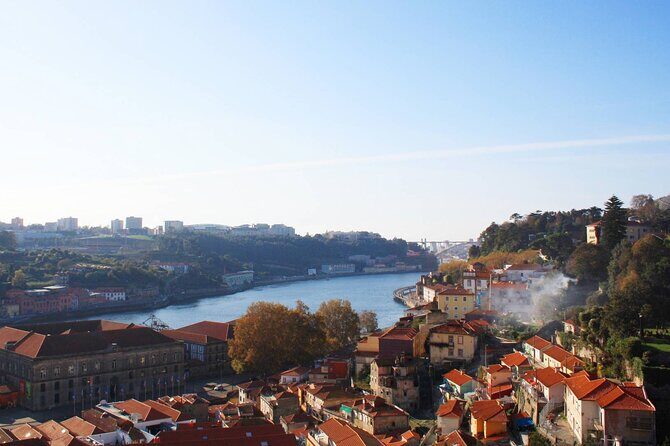
Porto’s Jewish story isn’t “easy mode.” Many physical traces were covered over, altered, or erased over centuries of Christian domination, and the 1496 expulsion order left a deep mark. That’s the big reason this tour leans on interpretation rather than on a string of dramatically preserved monuments.
What makes the experience worth your time is how it teaches you to see Porto differently. Instead of treating Jewish history as a separate side quest, the guide connects it to the city’s shape—where communities gathered, where power shifted, and how religious life could persist even as buildings disappeared. You’ll get a clearer sense of why the area matters even when the architecture doesn’t do all the talking.
Also, this isn’t one of those rushed “headphones and hurry up” walks. The tour is private for your group, led by a professional guide, and it runs in English. That matters, because the story needs context. When you can pause and ask, the details start to click.
You can also read our reviews of more walking tours in Porto


Price and what you’re actually paying for
At $60.01 per person for about 3 hours, you’re paying for a guide plus a carefully chosen route through the historical center—not for museum tickets. In fact, the listed stops are free at the moment (the tour notes free admission at both main points).
So what’s the value?
You’re buying interpretation and pacing. The guide uses your time in the cathedral area and from the Miradouro da Vitória viewpoint to explain a timeline that would be hard to reconstruct on your own. And since the tour is private, you’re less likely to get stuck in a slow-moving group that’s too large for real conversation.
If you like structured sightseeing but don’t want to spend the day in big crowds, this hits the sweet spot. If you expect a “see-a-synagogue” kind of tour with lots of surviving architecture, adjust your expectations before you go.
Where to start: Porto Cathedral and the first synagogue clue
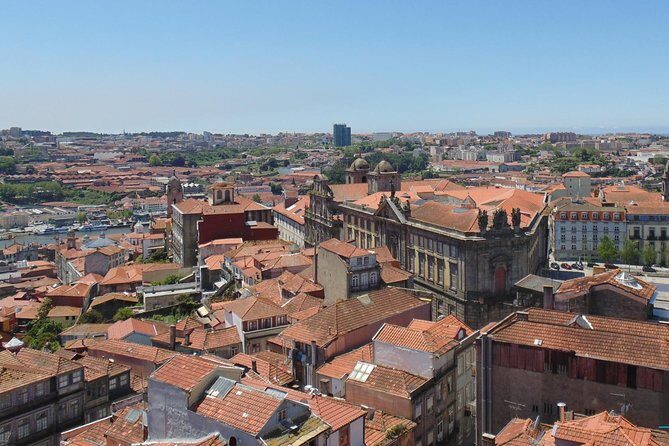
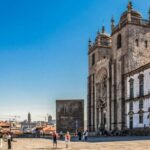
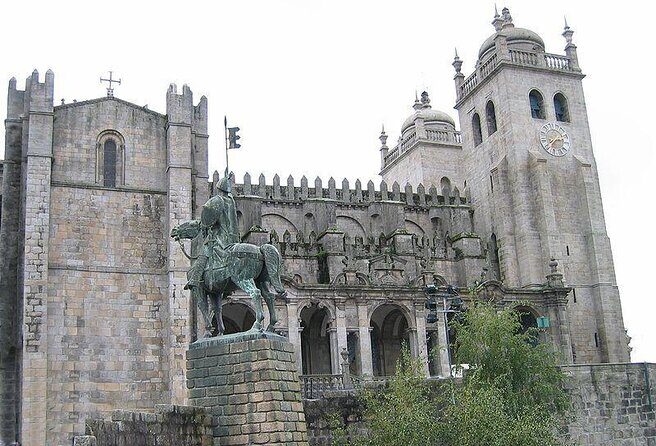
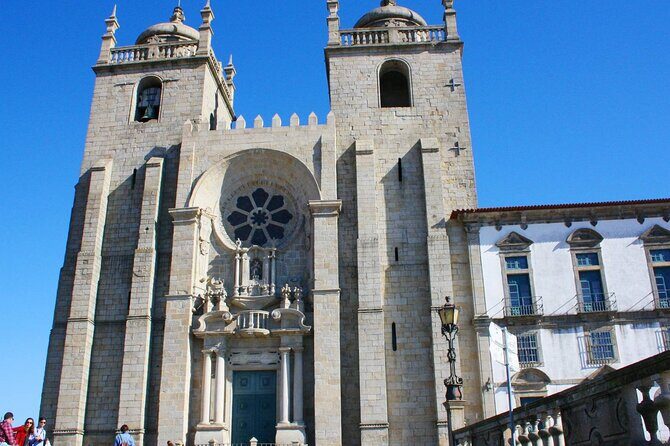
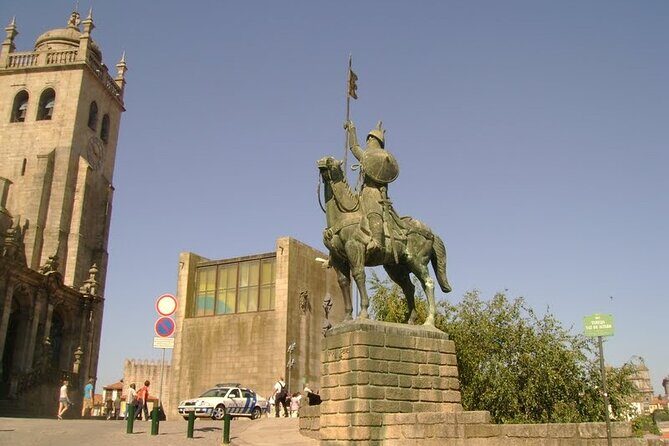
You begin at Porto Cathedral (Terreiro da Sé). The stop focuses on the area where the first synagogue in the city is tied to the 12th century. Even if you don’t find a labeled “this is the synagogue” sign, this is still a meaningful starting point—because the cathedral complex helps you understand how later layers of the city grew over earlier religious life.
You’ll spend about 30 minutes here. That time is usually enough to get the key story points, and not enough to turn it into a lecture you could have read at home. The guide’s job is to help you picture what the area likely meant back then, and why that location mattered.
Practical tip: this is a good time to ask any “wait, how does that fit?” questions. The walk follows a story arc, and starting with the earliest reference point helps everything that comes later make more sense.
Miradouro da Vitória: the last important Jewish quarter viewpoint
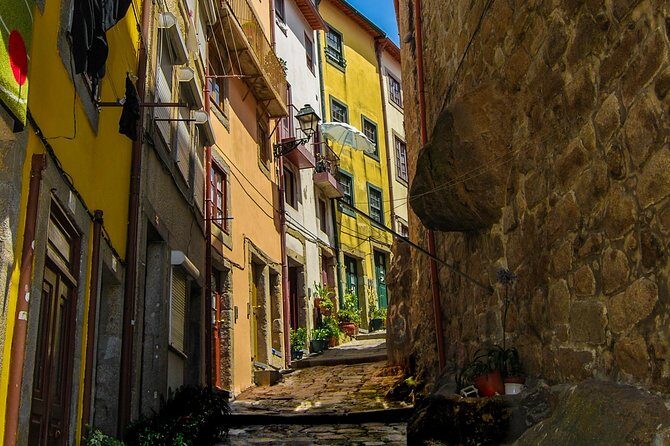
The next stop is the Miradouro da Vitória, around 20 minutes. This is where the tour points you toward the last and most important Jewish quarter that Porto had.
A viewpoint stop can sound short on paper, but it’s the kind of place where the guide can make the geography do some of the work. You’ll get help imagining how neighborhoods sat relative to power centers, routes through the city, and the way communities could cluster and shift over time.
Expect steep streets and stairs in Porto around viewpoints like this. Even if you’re not “climbing a mountain,” you’ll feel the hills. The good news is that this tour stays inside the historical city center area and keeps the route focused, so you’re not constantly changing modes of transport or waiting around for transfers.
Captain Barros Basto: the 1920s story thread
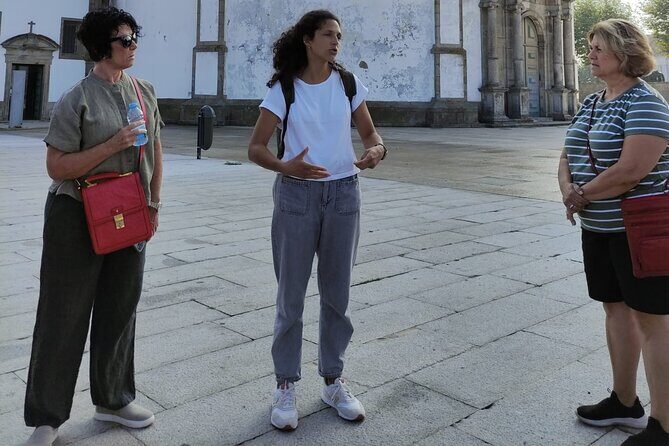
One of the biggest narrative drivers on this tour is Captain Barros Basto, a Portuguese figure from the 1920s. The tour frames him as the era’s version of Portugal’s Dreyfus story—meaning he becomes a lens for how accusations, law, and identity could collide.
Why this matters on a walking tour: it stops the Jewish story from feeling like it’s trapped in the distant past. You’re not just hearing about medieval references and then being cut loose. Instead, you connect older community life to modern waves of conflict, suspicion, and political attention.
If you’re the type of traveler who likes your history with names and drama (not just dates), this is a highlight you’ll likely remember on the walk back to your hotel.
You can also read our reviews of more tours and experiences in Porto



The synagogue situation: what to expect (and what not to expect)
Here’s the clear part: the tour information states that the synagogue is currently closed to visitors, and the tour notes that it won’t visit Porto’s synagogue area.
So don’t plan your day like this is a “we’ll go inside the synagogue” experience. What you’ll get instead is a route that teaches you how to connect the dots across areas tied to Jewish life, even when buildings don’t survive in a way you can tour.
This is exactly where the guide’s skills matter. If you’re willing to work with street-level clues—plus the background story about centuries of domination and expulsion—you’ll probably find the experience thoughtful rather than disappointing.
How the walking feels: hills, heat, and shoe choice
This is a medium amount of walking, and Porto’s center can include short but steep ramps. On bright days, the hills plus sun can make you sweat faster than you planned.
So I’d pack like you’re walking a neighborhood, not just sightseeing from a flat sidewalk:
- Comfortable shoes with good grip
- A water plan for warm weather
- Dress for changing weather since it runs in all weather
Also, plan for basics like restroom access. The tour data doesn’t list toilet stops, and one review flagged that there may not be toilets along the route. That’s the kind of detail that’s easy to forget until you’re on a hillside, so consider a quick bathroom stop before you meet.
What you’ll miss if you only want “physical remains”
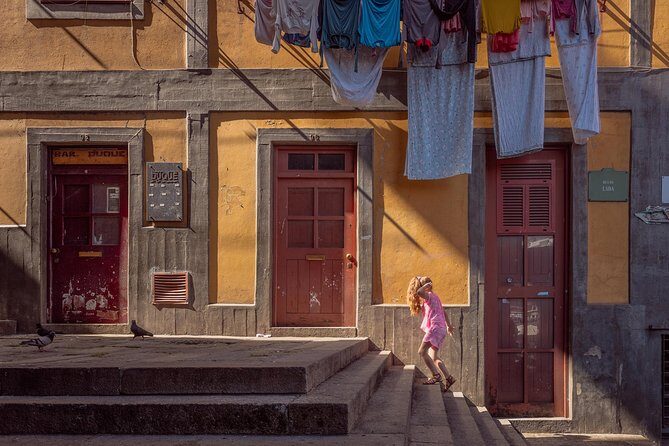
One concern comes up for some people: Porto doesn’t offer you many surviving structures tied directly to the old Jewish community. That’s not the tour’s fault. It’s the reality of how history worked here—centuries of pressure and the 1496 expulsion shifted what could remain.
Some visitors feel let down because they wanted more tangible, intact sites. If that’s your priority, you might leave wishing for a museum-style program or open-access buildings you can walk into.
If you’re open to interpretation, though, this tour gives you something useful: a mental map of Jewish Porto that helps you make sense of the city after you leave the meeting point. In a place where much is erased, understanding the narrative is often the best “souvenir” you can take home.
Who this tour fits best
This tour is a great match if you:
- Enjoy story-first walking tours where the guide helps you “read” the city
- Want a private group with time to ask questions
- Like historical threads that connect medieval references to later events (like Captain Barros Basto)
- Are comfortable with moderate uphill walking and using local streets
It’s less ideal if you:
- Need to enter buildings as the main payoff
- Have very low tolerance for hills and sun
- Are hoping for a long list of clearly visible synagogue-era structures
Logistics that matter on a real day
You start at Porto Cathedral and end at Cordoaria (both are in the central area). There’s no hotel pickup, so you’ll want to get yourself to the meeting point using public transport or a short walk.
The tour uses a mobile ticket, and it runs in all weather conditions, so you’ll want a jacket or layers if the sky is doing its usual Porto thing.
One more practical note: it’s described as operating within the historical city center and not taking you to the synagogue area. That keeps the walk tight and manageable, but it also means you should plan your expectations around “neighborhood story,” not “major site entrances.”
Should you book Porto Old Jewish Quarters?
I’d book this tour if you want a thoughtful, guide-led way to understand Porto’s Jewish past without needing lots of visible monuments. The private format, the Captain Barros Basto thread, and the two well-chosen stops (cathedral-area reference and the Miradouro da Vitória viewpoint) make it a solid way to get oriented.
Skip it—or consider pairing it with other Jewish-Porto stops—if your top priority is seeing and entering synagogue buildings. Since the synagogue is closed to visitors and the tour doesn’t visit the synagogue area, this isn’t designed to scratch that specific itch.
If you’re excited to walk through a changing city and learn how identity and power left traces in the streets, you’ll likely come away with a stronger sense of Porto—and a better eye for what’s missing and why.
FAQ
How long is the Porto Old Jewish Quarters half-day walking tour?
It lasts about 3 hours.
Is hotel pickup included?
No. There is no hotel pickup and drop-off.
Is the tour private or shared?
It’s described as private, with only your group participating.
Is the tour offered in English?
Yes, it’s offered in English.
Will I be able to enter the synagogue during the tour?
The information says the synagogue is currently closed to visitors, and the tour also states it will not visit Porto’s synagogue area.
How much walking is involved?
You should have moderate physical fitness. The tour involves a medium amount of walking, including uphill streets.
What if it rains or the weather is bad?
The tour operates in all weather conditions, so dress accordingly.
What is the cancellation policy?
You can cancel for a full refund up to 24 hours in advance of the experience’s start time. If you cancel less than 24 hours before, the amount paid isn’t refunded.