REVIEW · VILA NOVA DE GAIA
Porto: Port Cellar Visit and Wine Tasting at Fonseca
Book on GetYourGuide →Operated by Três Séculos - Realizações Hoteleiras · Bookable on GetYourGuide
Port made easy.
Fonseca’s Porto cellars turn a simple stop into a clear, walk-yourself experience: you explore 200-year-old cellars and learn how Fonseca’s name (dating back to 1815) connects to the Douro Valley and sustainable winemaking. You’ll also get a real highlight at the end with a practical tasting of the signature Fonseca Bin 27 plus Siroco, in an atmosphere that keeps things calm instead of rushed. One thing to keep in mind: the visit is self-guided and the surfaces can be uneven and steep, so it is not ideal if walking is hard for you.
I like the fact that this feels museum-like without being stuffy. The audio guide (available in several languages) helps you keep moving while still making sense of what you’re seeing—photos, tools, and production steps. The main drawback is also part of the charm: with a self-guided format, you may not get lots of spontaneous back-and-forth from staff during the rooms, so go in with a curiosity mindset.
In This Review
- Key things you’ll notice at Fonseca
- Fonseca Port Cellars: What the visit feels like in real life
- Timing and “use your ticket” basics (so you don’t rush)
- Self-guided at your pace: using the audio guide and QR codes
- Fonseca’s 1815 story: why the brand matters beyond the label
- From the Douro Valley to Quinta do Panascal: how Port production is explained
- The tasting finish: Bin 27 and Siroco, plus a kid option
- City views and the Dom Luís I bridge connection
- Price and value: is 16 USD a fair deal?
- Who should book Fonseca in Porto (and who should skip it)
- Should you book: my practical take
- FAQ
- How long is the Fonseca Port cellar visit and wine tasting?
- Is the tour guided or self-guided?
- What’s included in the tasting?
- What languages are available for the audio guide?
- When is the Experience open?
- Is it suitable for people with mobility impairments?
Key things you’ll notice at Fonseca
- Self-guided cellars where you can pause, read, and re-read at your pace
- Audio guide in multiple languages, so you’re not stuck guessing what the signs mean
- A clear path from the Douro to Quinta do Panascal, tying place to product
- Production explained for Port wine, including how aging fits into the story
- A tasting finish built around Bin 27 and Siroco, not just a random sip
- Sustainability matters here, with Fonseca’s role in sustainable winemaking part of the visit
Fonseca Port Cellars: What the visit feels like in real life
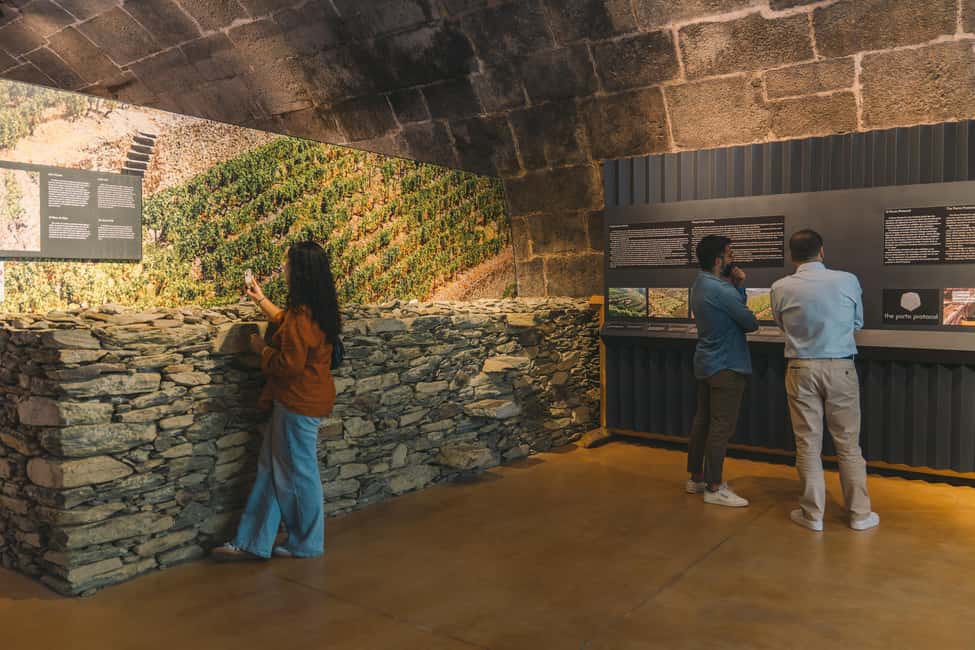
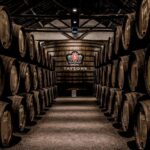
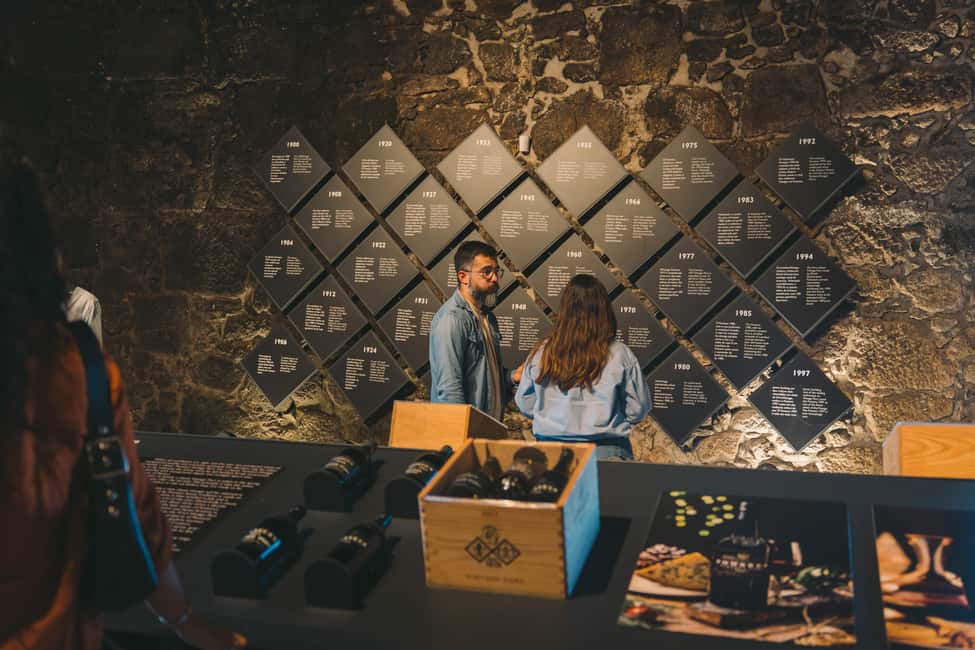
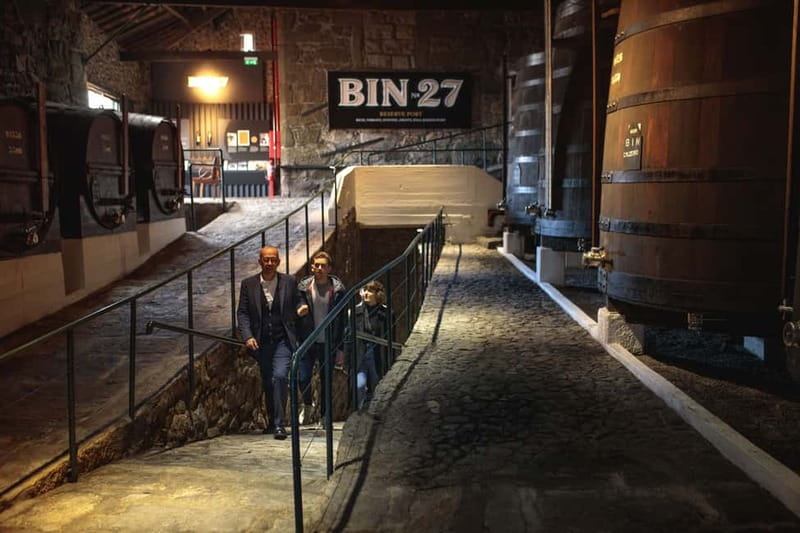
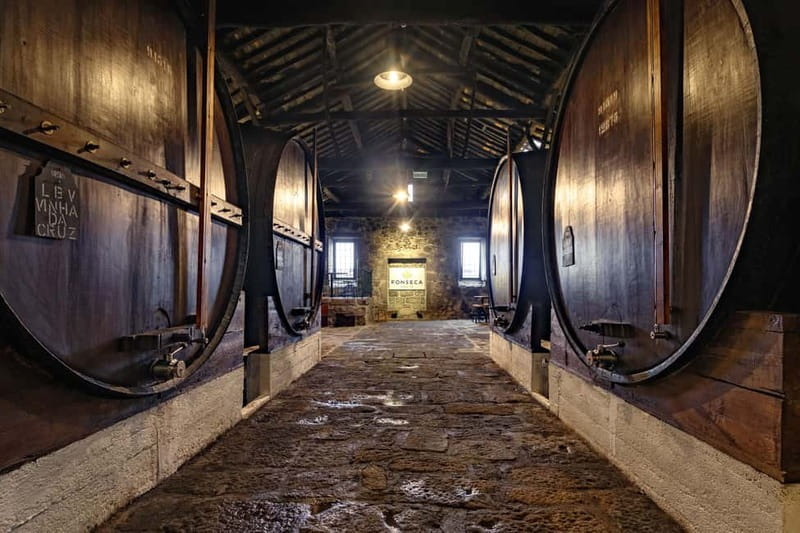
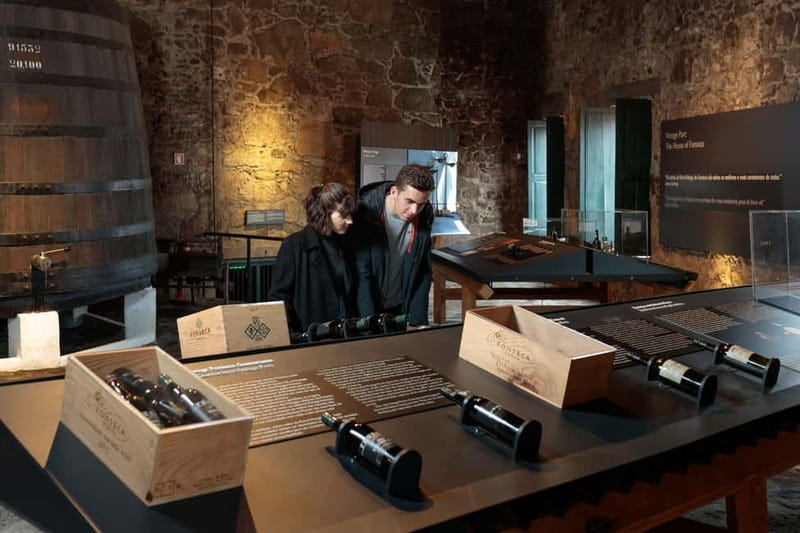
Walking into Fonseca’s Experience is like switching from street noise to “slow down and look.” Even though it’s self-guided, the space is designed to guide you. You move through the cellars and learn through information displays, photos, and the production journey of Port wine. The setting alone helps: you’re surrounded by the infrastructure and atmosphere that make Port feel like a craft, not a souvenir.
The first big win for me is the way this experience balances old and new. You’re standing in places tied to a long timeline, but the explanations also connect to how Port is made today and how Fonseca talks about quality and sustainability. That makes it easier to understand what makes Port different from other wine styles, especially if you don’t already know the basics.
The second win is that you’re not left hanging after the tours. The visit ends with a tasting that’s tied directly to what you learned. That structure—learn, then taste—keeps the whole experience from turning into a generic walk.
You can also read our reviews of more tours and experiences in Vila Nova De Gaia.


Timing and “use your ticket” basics (so you don’t rush)
This is a valid 1-day experience. In practical terms, you can show your ticket on the selected date during opening hours, which helps if your Porto schedule shifts. The Experience runs daily in two blocks: 11:00 to 13:00 and 13:30 to 18:00, with the last entrance at 18:00.
Because entry is spread across those windows, you’ll want to pick a time that matches your energy level. If you like lingering, aim for earlier in the day or just before a shift change between the two blocks. If you’re pairing this with other Porto sights, choosing a middle slot can be smart since you’ll still have plenty of time for the tasting and gift-shop browse.
Also, remember it’s self-guided. That’s good if you hate group herding. It’s less good if you expect a live guide to keep the tempo high. You control the pace, but you also control your own momentum—so bring the right mindset.
Self-guided at your pace: using the audio guide and QR codes
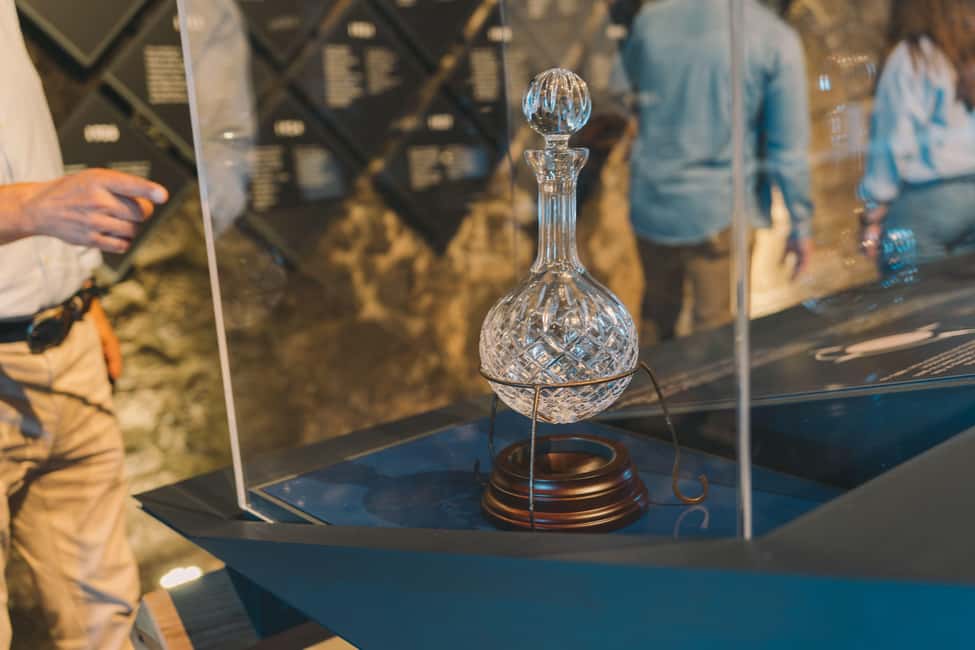
Self-guided doesn’t mean information-light here. The experience includes an audio guide in Portuguese, English, French, Spanish, German, and Korean, which helps you follow along even when you’re reading in a language other than your own. You can think of it like a handheld lecturer: it keeps you oriented while you move through rooms and displays.
There are also information panels in Portuguese and English, plus French and Spanish available through QR codes. That’s helpful because it reduces friction. You spend less time translating in your head and more time understanding the steps of Port production.
Here’s a practical tip: pace your reading. If you stop to read everything at once, you may feel like you’re stuck. Instead, pick up the “story line” as you go: where the grapes come from, what makes Port Port, and how aging works. Once you have that thread, the details start to click faster.
Fonseca’s 1815 story: why the brand matters beyond the label
Fonseca’s history is part of what makes this visit worth the time. You’ll learn how the company’s story goes back to 1815, and how it became one of the prestigious Port wine houses people talk about on both sides of the Atlantic.
The key value here is context. A tasting is fun, but it’s also easy to forget what you just drank. The historical portion gives you a framework: you understand why Port houses in the Douro ecosystem grew powerful, how they shaped styles, and why certain names carry weight. Even if you don’t plan to become a Port nerd, that background helps you make better choices in the shop later.
A nice bonus is that the visit doesn’t just stop at the past. It includes modern ideas tied to quality and sustainable winemaking. That matters because it answers the question you might have while you sip: how is a traditional product adapting to today’s expectations?
From the Douro Valley to Quinta do Panascal: how Port production is explained
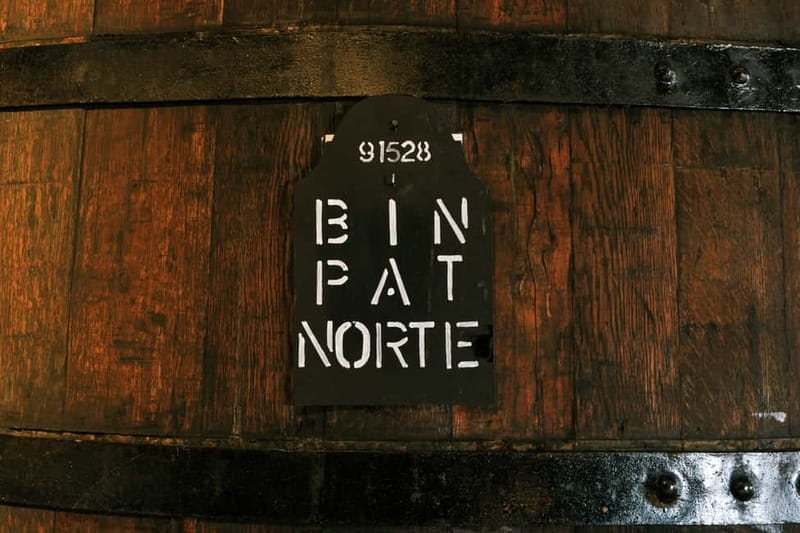
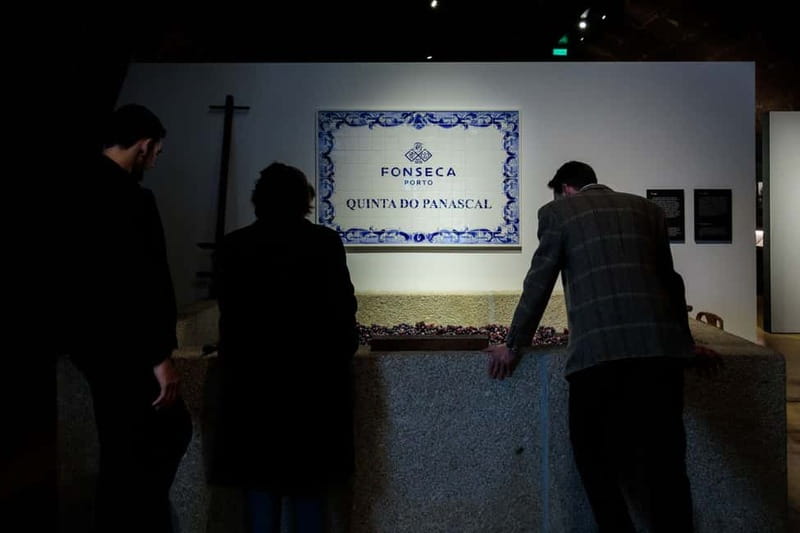
One of the most useful sections is the production walkthrough. You learn about Port wine’s origin in the Douro Valley, and you hear about Quinta do Panascal, where Fonseca’s Port is born. That “place name” detail is more than trivia. It helps you understand why Port isn’t just wine—it’s a system of growing, making, and aging tied to a specific landscape.
You also learn the process of Port wine production, including how the wine moves through aging. Even if you’re not here to memorize steps, you’ll walk away knowing what distinguishes Port from other styles—especially how the production timeline shapes the taste you end up in your glass.
If you’re planning a future Douro day trip, this part makes that trip easier. You won’t feel like you’re arriving in a totally new world where everything sounds the same. You’ll already know what to look for: the vineyards’ role, the production logic, and the way the style is shaped long before it becomes a bottle.

The tasting finish: Bin 27 and Siroco, plus a kid option
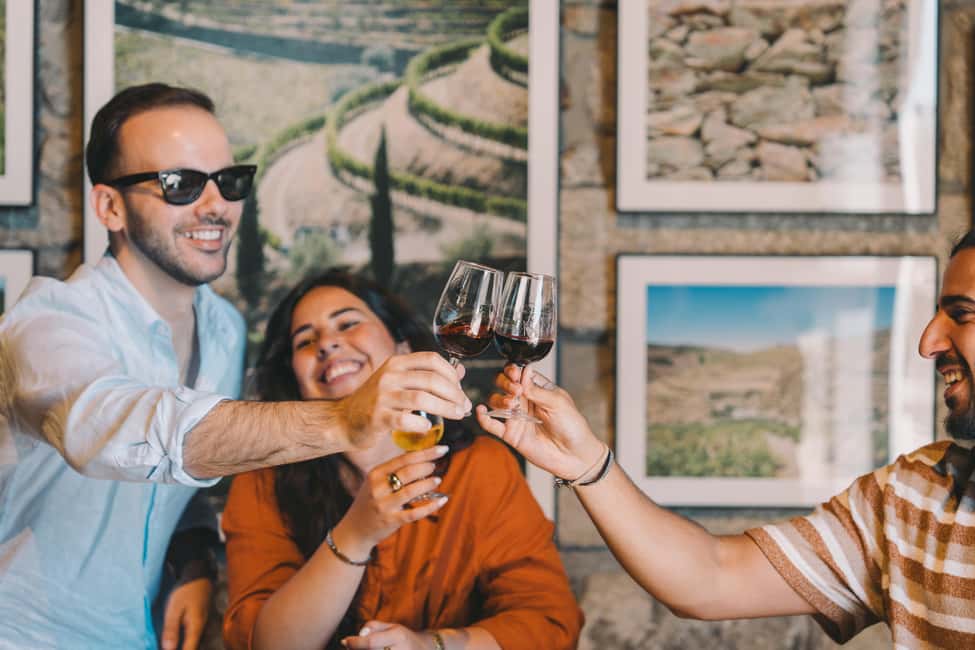
The end of the experience is a commented tasting. You taste one glass of Fonseca Bin 27 Port and one glass of Siroco extra dry white Port. That pairing is a smart move because it lets you experience two different styles within the same brand universe—sweet Port alongside a drier white expression.
One practical advantage: the tasting isn’t random. It links back to what you learned in the earlier rooms, which makes the tasting feel like a conclusion instead of a separate activity. If you tend to forget what you tasted, the commentary helps you connect flavors to the production story you just followed.
If you’re traveling with kids, there’s a clear option: children aged 8 to 17 can have one grape juice from the Douro Valley instead of the alcoholic tasting.
After the tasting, it’s also a natural moment to consider buying a bottle. In the shop, you might notice the signature Bin 27 price is around 14€ per bottle (which is a helpful mental benchmark when deciding if you want to take something home).
City views and the Dom Luís I bridge connection
The experience highlights the idea of Porto as more than a backdrop. You’ll get views of the city of Porto and the famous Dom Luís I bridge as part of the overall experience. That matters because it grounds the Port story in a real, living city.
Port wine is often described as a product of the Douro, but your senses are in Porto. Seeing the bridge and the city view helps you remember that this is not a museum detached from life. It’s a working tradition tied to transport, trade, and the way the city grew around wine culture.
This is also where you can slow down. If you’re taking photos, do it here, not while you’re trying to keep up with internal pacing. The views are a good reward after reading and walking.
Price and value: is 16 USD a fair deal?
At about $16 per person, this can be good value if you want a focused, low-pressure Port intro. You’re getting three main components bundled together: the self-guided cellars, an audio guide, and the tasting of Bin 27 and Siroco.
The pricing logic is simple. If you would otherwise spend money on a tour plus a separate tasting, you’re usually ahead with a package format like this. And because the visit is self-guided, you have more control over how long you spend in each room, which can make the time feel more generous.
One more value point: the tasting is the signature bottle most people recognize. That lowers the risk. If you’re unsure what to try, starting with Bin 27 makes sense. The extra glass of Siroco extra dry white also gives you a quick comparison so you can figure out what style you like best—sweet Port, or something drier.
Who should book Fonseca in Porto (and who should skip it)
This experience fits best if you like structured information but hate tour chaos. It’s ideal for couples, solo travelers, and small groups who want to move at their own speed. It also works well if you’re Port-curious and want the Douro Valley story in clear steps, not a rushed verbal lecture.
You’ll also like it if you want a calm afternoon option. The atmosphere tends to feel relaxed, and the experience is designed like a self-paced walk through history and production.
Skip or think twice if any of these apply:
- Walking difficulty: the surfaces are uneven and steep, and it is marked unsuitable for people who have trouble walking.
- You want lots of staff interaction on the spot. It’s self-guided, so you’ll rely on signage and the audio guide more than on conversation.
If you’re the type who enjoys reading boards and connecting the dots between place and product, this is a strong pick in Porto.
Should you book: my practical take
I’d book this if you want a Port experience that stays easy to fit into your day. The format is simple: you walk through Fonseca’s historic cellars, learn how Port ties back to the Douro Valley and Quinta do Panascal, then you end with a tasting you can actually talk about afterward.
I wouldn’t book it if you’re expecting a fully guided, conversation-heavy vineyard-style tour. This is more like a well-designed self-guided lesson with a tasting finish. Also, if mobility is an issue, skip it because the terrain can be tough.
If you’re still deciding, this is a good “middle ground” option: not too short, not overly formal, and priced in a way that feels fair for the tasting and the on-site context. And if your schedule is flexible, you can typically book without paying right away, with cancellation available up to 24 hours in advance.
FAQ
How long is the Fonseca Port cellar visit and wine tasting?
It’s valid for 1 day, and you can enter during the Experience’s opening hours on your chosen date.
Is the tour guided or self-guided?
It’s self-guided. You explore the cellars at your own pace, with an audio guide available in multiple languages.
What’s included in the tasting?
You taste 1 glass of Fonseca Bin 27 Port and 1 glass of Siroco extra dry white Port. Children aged 8 to 17 receive 1 grape juice from the Douro Valley.
What languages are available for the audio guide?
Portuguese, English, French, Spanish, German, and Korean are available for the audio guide.
When is the Experience open?
It’s open daily in two sessions: 11:00 to 13:00, and 13:30 to 18:00, with last entrance at 18:00. Bank holiday hours may vary, so it’s worth checking the official website.
Is it suitable for people with mobility impairments?
No. Due to uneven and steep surfaces, it’s unsuitable for anyone who has difficulty walking.