REVIEW · VILA NOVA DE GAIA
Exclusive visit to the Geophysical Institute of Porto
Book on GetYourGuide →Operated by Porto Secret Spots · Bookable on GetYourGuide
Porto has a secret that talks to the Earth.
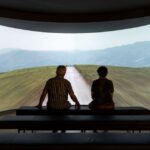
This exclusive visit to the Geophysical Institute of the University of Porto puts you in a place that helped monitor the world’s big tremors since the 1960s—right in the middle of Serra do Pilar above Gaia. What I like most is the combo of real seismology (how the station detects what’s happening) and the story behind it, including how the Cold War shaped a worldwide network of stations. If you’re expecting a chill museum stroll with zero science, this might feel a bit intense, and there’s also no room for people under 12.
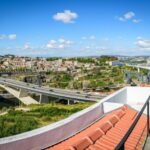
The second thing I really enjoy is the payoff outside: from this spot, you can see Porto’s six bridges from the same viewpoint, something you simply don’t get from most city overlooks. You also learn how the station can register both earthquakes and nuclear tests, and how guides connect wave behavior to finding where events happened. One practical consideration: there are rules—no flash photography and no video recording—so plan to enjoy it with your eyes and your notebook, not your camera.
In This Review
- Key highlights you should care about
- Where the Geophysical Institute sits above Porto’s six bridges
- The 1962 seismic station story tied to the Cold War
- Earthquakes vs nuclear tests: what the waves teach you
- Inside the tour: a clear 60-minute flow
- The six-bridge viewpoint and the open-air “surprise”
- Price and value: is $17 worth it?
- Who should book this exclusive seismic visit
- Should you book the Geophysical Institute of Porto visit?
- FAQ
- How long is the Geophysical Institute of Porto visit?
- What language is the tour in?
- Where does the tour take place?
- Can I take photos or record video?
- Is this tour suitable for children?
- What’s the cancellation policy?
Key highlights you should care about
- Cold War built into the science: a U.S.-built station linked to the nuclear arms race and worldwide monitoring
- 1960s worldwide network context: you’ll hear why 127 seismic stations were created
- Earthquake vs nuclear-test signals: the guide explains how the waves differ and what that means
- Porto’s six bridges from one place: a rare viewpoint that ties the science lesson to real geography
- Student-led explanations: young geologists from the Faculty of Sciences of the University of Porto guide the visit in English
- About 1 hour total: enough time for the story and the view, without eating your whole day
Where the Geophysical Institute sits above Porto’s six bridges
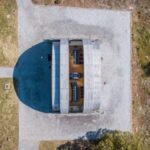
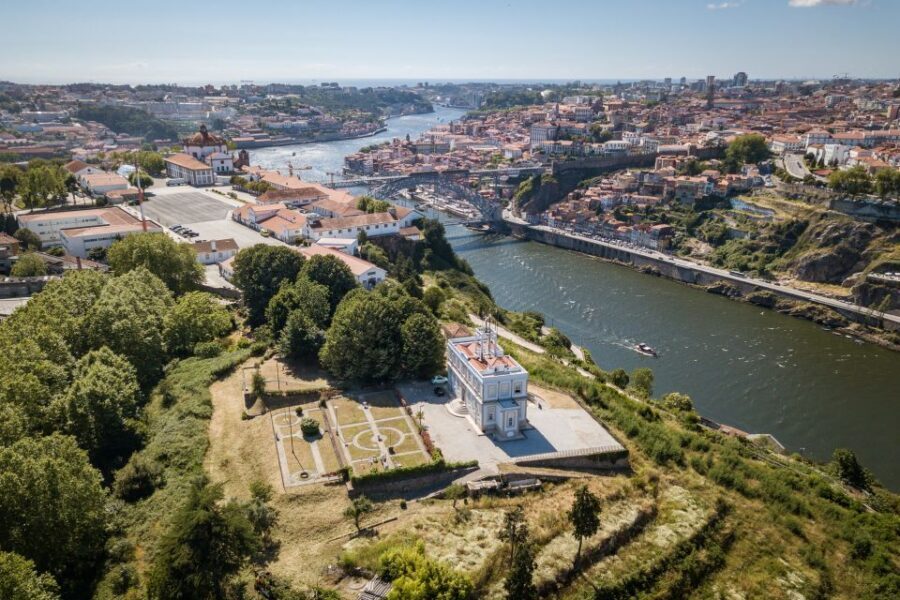
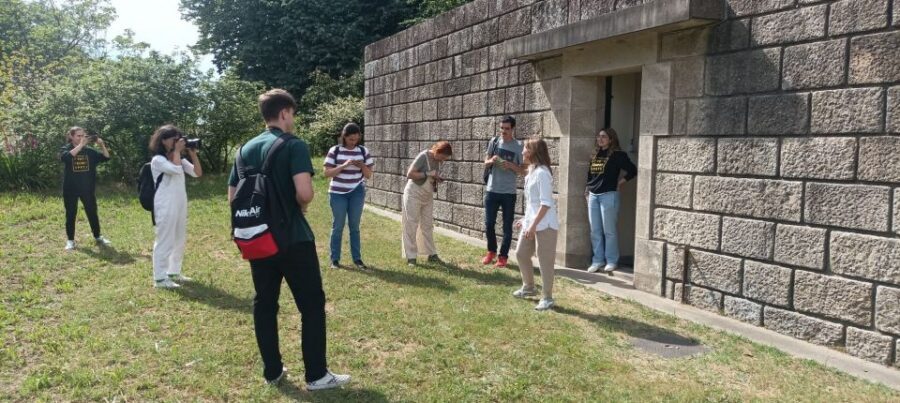
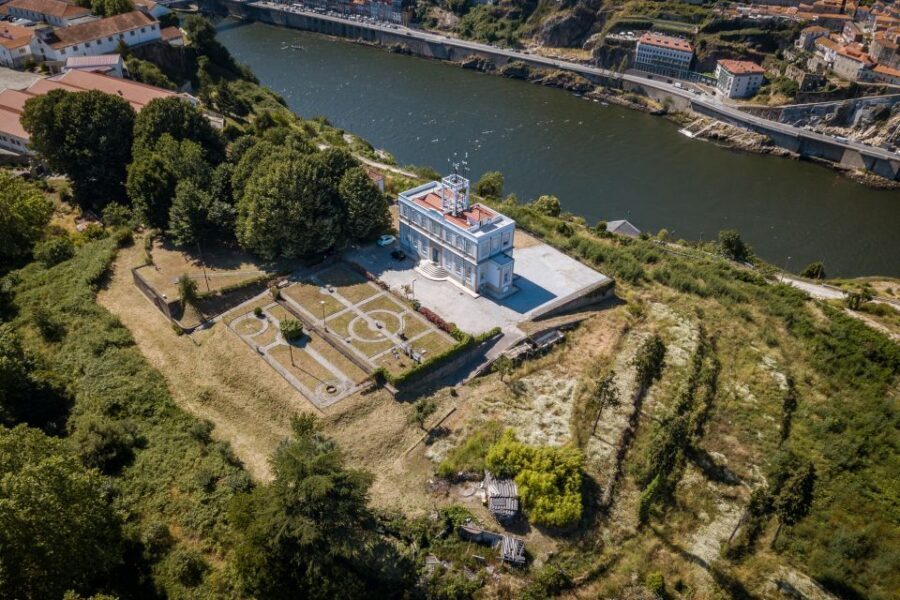
The Geophysical Institute is in Gaia, up by Serra do Pilar, inside a centenary building that tends to blend into the hillside. That’s part of the charm: you’re not chasing a giant landmark. You’re finding a working scientific site with a view that makes you stop and look twice.
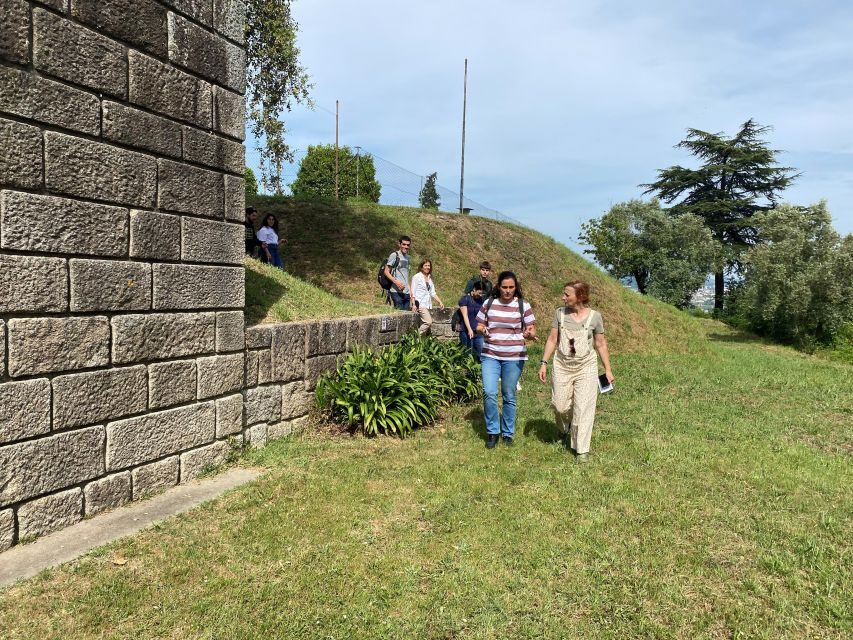
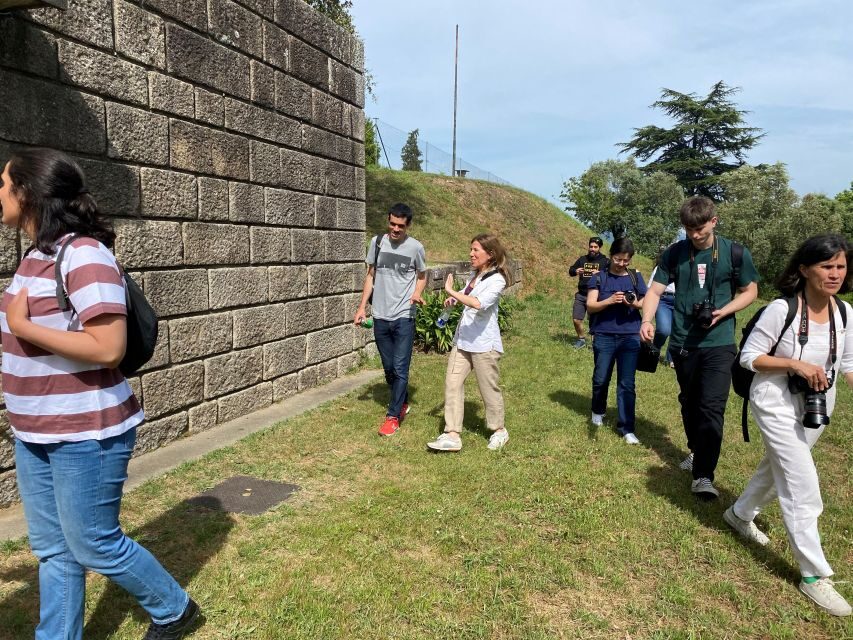
The tour starts with a short walk from the meeting point to the institute area, just about five minutes. This is useful. It gets you out into the open air, lets you settle your posture for the later viewpoint, and gives you a chance to notice how elevated you are over the river corridor.
You’ll leave the institute for another short walk and a final scenic segment. That rhythm matters because it keeps the visit from feeling like a one-room lecture. The timing also helps you connect what you’re learning—seismic waves and detection—with the physical setting: Porto, Gaia, and the bridge geometry below you.
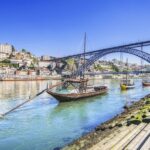
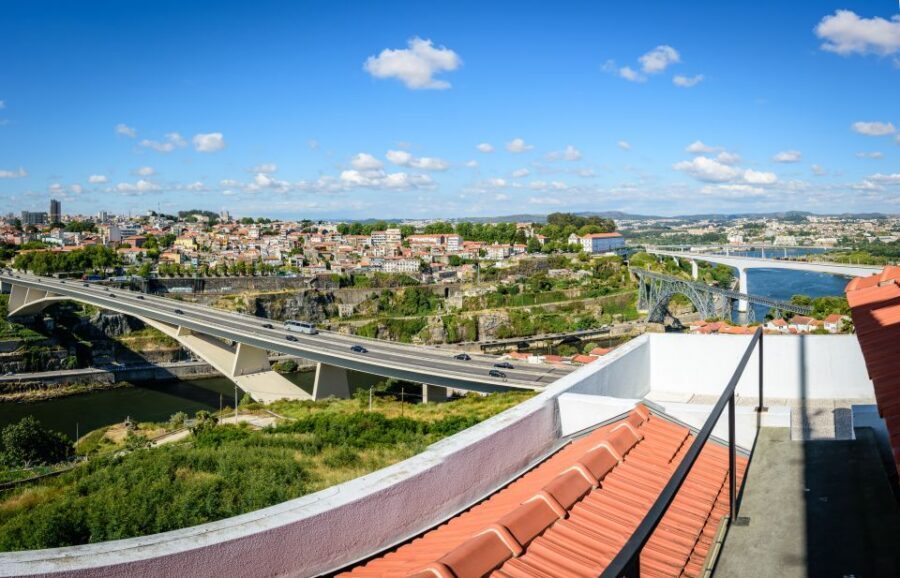
And yes, the big visual flex is real: from this area, you can see Porto’s six bridges. The guide frames the view as part of why this station matters. You’re looking at a city shaped by crossings, while learning about signals traveling through the ground.
You can also read our reviews of more tours and experiences in Vila Nova De Gaia.
The 1962 seismic station story tied to the Cold War
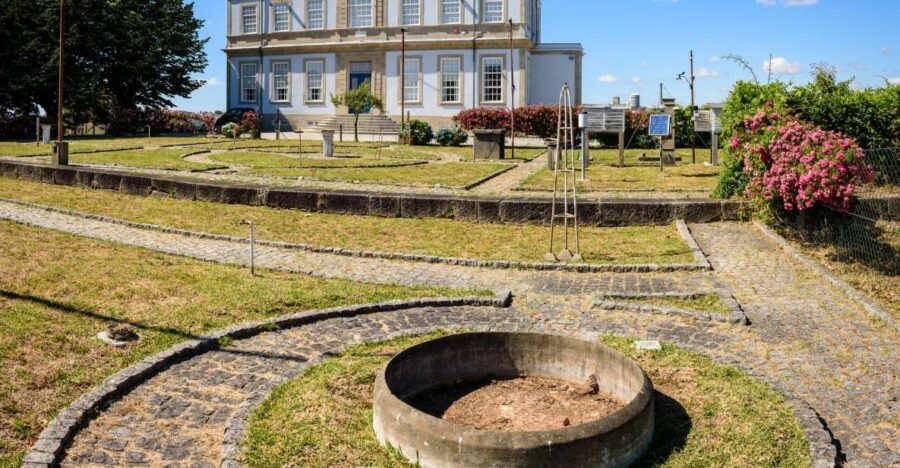
Here’s the headline: the institute has a seismic station built in 1962 by the United States, officially framed for scientific research, but deeply connected to Cold War monitoring. The tour explains that this station was part of a worldwide network created in the 1960s, designed so different places could detect major events.
I like how the guides present it as more than trivia. You learn the “why” behind the station—how the superpowers competed in ways that weren’t only about tanks or missiles. Instead, you get a story about measurement. If the other side tests something, you try to know what happened, when it happened, and where it happened. And that’s seismology’s job.
The guides also talk about the claim—described as a lie in the tour narrative—that led to the creation of 127 seismic stations across the world. Even if you’ve heard bits of Cold War history before, this framing makes it feel immediate. You realize how global politics can show up in an instrument case on a quiet hillside.
This is also a place where science and policy meet. The institute isn’t just a backdrop for history. It’s where the signals were meant to be captured, compared, and used.
Earthquakes vs nuclear tests: what the waves teach you
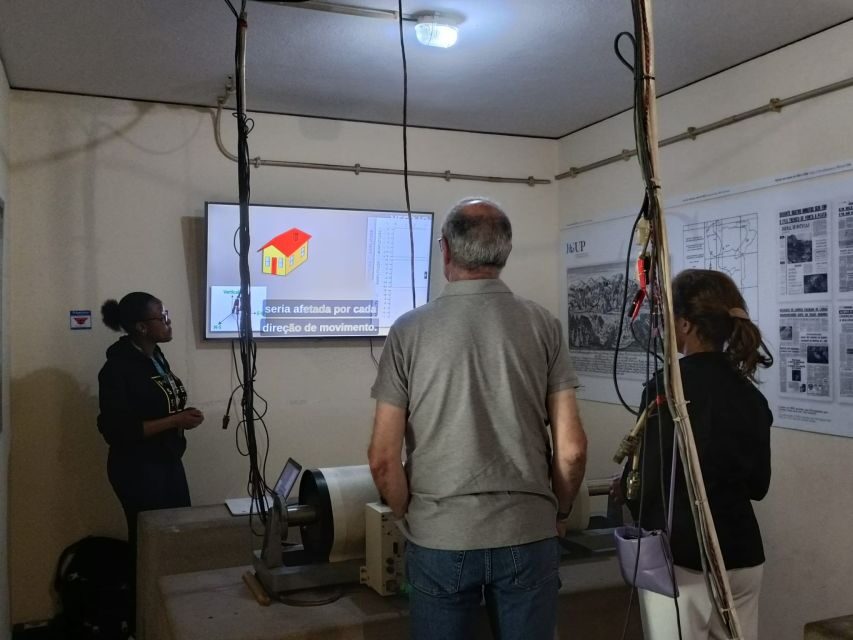
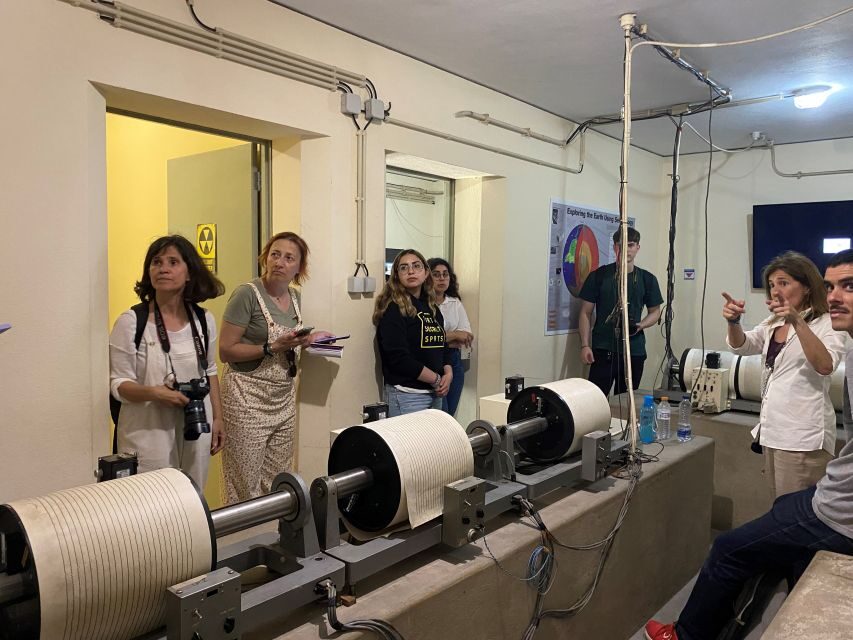
The most useful part of this visit is the explanation of how the station “feels” the difference between earthquakes and nuclear tests. Your guide walks you through why the signals aren’t identical. The core idea is that waves behave differently depending on the source of the event.
You learn that the station helps detect seismic activity as waves travel through Earth. Then you compare how the waves from nuclear tests differ from those caused by earthquakes. The tour doesn’t just say one is bigger or louder. It focuses on patterns—what you can observe in the signal and how you interpret it.
Another practical piece you’ll hear: how to calculate the epicenter of an earthquake. That’s the kind of lesson that makes the visit feel like real training, not just sightseeing. You’re learning a method used to turn observations into a location.
If you’re a curious person, this section will stick with you. You’ll start thinking in terms of signal → interpretation → answer. And suddenly, the science isn’t abstract.
Inside the tour: a clear 60-minute flow
The total visit is about 1 hour, and it’s structured so you don’t get bored and you don’t rush. The flow goes like this:
- A short walk (about 5 minutes) from the starting area toward the institute
- A guided tour inside (about 35 minutes) focused on the science and the Cold War context
- Another brief walk (about 5 minutes) out toward the viewpoint
- A final scenic segment (about 5 minutes) where the guide ties the story back to what you see over the water and bridges
What makes this structure work is pacing. The indoor time gives you context—what the station is, why it exists, and what it detects. Then you go outside while the ideas are fresh, so the view feels connected rather than random.
One other detail that helps: the guides are young geologists from the Faculty of Sciences of the University of Porto, and the tour is in English. That matters because the science can get technical fast. Having guides who can translate the concepts into plain, human language keeps it fun and understandable.
Also, plan your attention span. This isn’t a silent audio tour. You’ll be listening the whole time, and the guide will keep moving between story and science.
The six-bridge viewpoint and the open-air “surprise”
After the indoor part, you step back into open air. This is where you get the best payoff for your camera roll—though you’ll need to follow the rules: no flash photography and no video recording.
The tour’s outdoor moment centers on the view over Porto and Gaia, specifically the rare ability to see six bridges from this viewpoint. The guide explains it in a way that makes the city feel like a map, not a blur of rooftops. You can trace the river crossings and understand how the bridges relate to the geography you’ve just been studying.
There’s also a mention of a delicious surprise as part of the celebration tied to the view. The key point for you is that it’s not meant to be a long picnic. It’s a short, pleasant stop that makes the experience feel like an event, not just an hour of listening.
If you’re the type who likes to end a tour with a visual anchor, this is exactly that. You learn the science inside, then you prove it with the skyline and bridge lines outside.




Price and value: is $17 worth it?
At $17 per person for about 1 hour, this is priced like a focused experience rather than an all-day excursion. The value comes from three things you rarely get in one package:
- You get a working site story tied to a specific historical moment—the U.S.-built 1962 station and the Cold War logic behind worldwide monitoring.
- You get actual science framing: earthquake detection, how signals differ from nuclear test signals, and how epicenters are calculated.
- You get a real payoff view: the only place on Earth described by the tour where you can see Porto’s six bridges from this angle.
If you’re in Porto for a short time, this kind of targeted visit is a good use of time. If you’re the type who likes both history and science (and doesn’t need everything simplified into a poster), the hour should feel well spent.
If you’re not into either science or Cold War history, you might view it as a short “listen + look” experience. In that case, the six-bridge viewpoint becomes the main reason to book.
Who should book this exclusive seismic visit
I’d point you toward this tour if you:
- Like hands-on explanations that connect history to real-world technology
- Enjoy science that has a clear purpose—detecting and interpreting events
- Want an unusual Porto viewpoint that feels earned, not generic
- Are comfortable being in English guided narration for about an hour
It’s not suitable for children under 12, so plan this one as an adult (or older teen) activity.
One more fit tip: this tour is a great match for the kind of traveler who reads signs and likes to know why a place exists. If you prefer silent, self-paced wandering, you might find the guided focus a bit structured.
Should you book the Geophysical Institute of Porto visit?
Book it if you want Porto to surprise you with something real: a scientific site connected to worldwide monitoring and the Cold War, plus an outdoor reward with six bridges in view. For $17 and about an hour, the mix of story + seismology + viewpoint is the kind of combo that sticks.
Skip it if you’re only chasing classic sights and you dislike science explanations. Also, remember the restrictions: no flash and no video, so come ready to enjoy it without filming everything.
If your travel style leans curious and you enjoy learning while you walk, this is one of the more memorable, honest-to-the-place experiences you can fit into a Porto day.
FAQ
How long is the Geophysical Institute of Porto visit?
The visit lasts about 1 hour.
What language is the tour in?
The tour is guided in English.
Where does the tour take place?
It takes place at the Geophysical Institute in Porto, in Gaia on Serra do Pilar.
Can I take photos or record video?
Flash photography is not allowed, and video recording is not allowed.
Is this tour suitable for children?
It’s not suitable for children under 12.
What’s the cancellation policy?
You can cancel up to 24 hours in advance for a full refund.