REVIEW · VILA NOVA DE GAIA
Porto: Museum of the Oldest Appellation in the World Ticket
Book on GetYourGuide →Operated by Real Companhia Velha - Museu · Bookable on GetYourGuide
Port, wine history, all in one ticket. This small museum in Porto is run around Real Companhia Velha’s port story, with 7 interconnecting zones that mix artifacts with multimedia screens and hands-on style displays. I like that you see the 260-year-old port collection up close, not just read about it, and I also like the optional tasting at the end if you want to put flavors to the story. The one drawback to plan for: the visit can feel short if you move fast, so go with a tasting option if you want more time in your cup.
What makes it work is the way it connects the Duoro region, the company, and the idea of port as a Porto symbol. You’ll also spot works of art and historic artefacts, plus vintage wine-making equipment, which gives the whole place a real, material feel. One thing to keep in mind: last admission is 30 minutes before closing, so don’t roll in at the last second.
In This Review
- Key Highlights at a Glance
- Museum of the Oldest Appellation in the World: What You’re Actually Getting
- Real Companhia Velha’s 260-Year-Old Collection: The Best Reason to Go
- Seven Zones of Port History: How the Story Moves
- Interactive Multimedia and Historic Artefacts: Why This Museum Feels Easy
- The Tasting Options: What You’ll Actually Drink
- What $5 Buys You in Real Value
- Timing That Works: When to Schedule Your Visit
- Who This Museum Is Best For (and Who Might Want More)
- Booking and Practical Tips That Save You Time
- Should You Book the Museum of the Oldest Appellation in the World?
- FAQ
- How much does the Porto Museum of the Oldest Appellation in the World ticket cost?
- How long does the museum visit take?
- What is included with the ticket?
- What port wines do you taste in the 2-wine tasting option?
- What port wines are included in the other tasting option?
- How many zones are in the museum?
- What time do I need to plan for last admission?
- Is there a way to avoid waiting in line?
- Is the museum wheelchair accessible?
Key Highlights at a Glance
- Seven connected zones that walk you through port wine’s journey in a way that feels easy to follow
- Real Companhia Velha’s 260-year-old collection of port wines on display
- Multimedia and interactive devices that help explain the Duoro and Porto connection without heavy reading
- Historic artefacts, art, and vintage wine-making equipment that make the story feel hands-on
- Optional tasting choices featuring Lágrima plus Reserva whites and reds
Museum of the Oldest Appellation in the World: What You’re Actually Getting
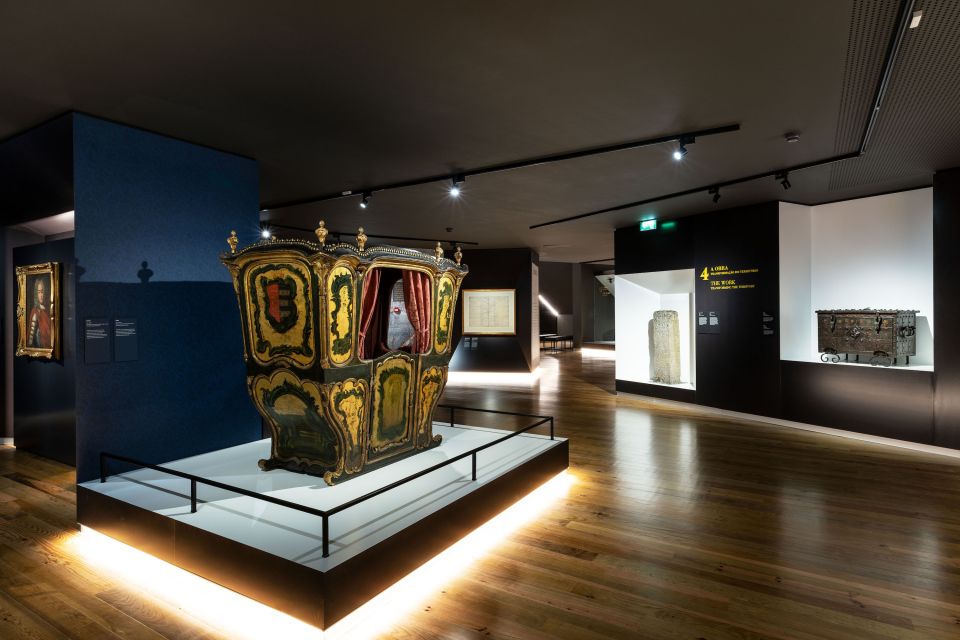
For around $5 per person, you’re not buying a long, all-day “museum marathon.” You’re buying a focused experience with a clear arc: how port wine became tied to Porto and the Douro region, and how Real Companhia Velha grew into a recognizable name in that world.
The ticket is simple: you get entry, and if you choose the tasting add-on, you get port wine tastings included with your option. It’s also designed to flow. You move through the 7 interconnecting zones, so you’re not constantly re-orienting or hunting for the next room.
If you like your culture stops compact and worth your time, this is a strong fit. The museum is wheelchair accessible, and it’s set up so you can see plenty even if you want to keep your pace steady.
You can also read our reviews of more tours and experiences in Vila Nova De Gaia.


Real Companhia Velha’s 260-Year-Old Collection: The Best Reason to Go
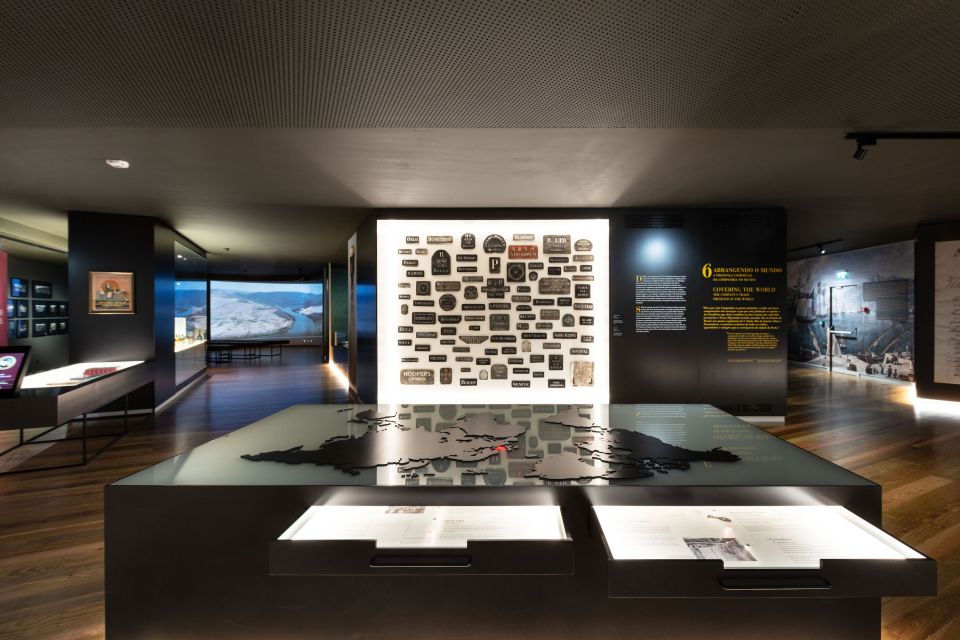
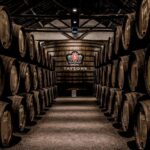
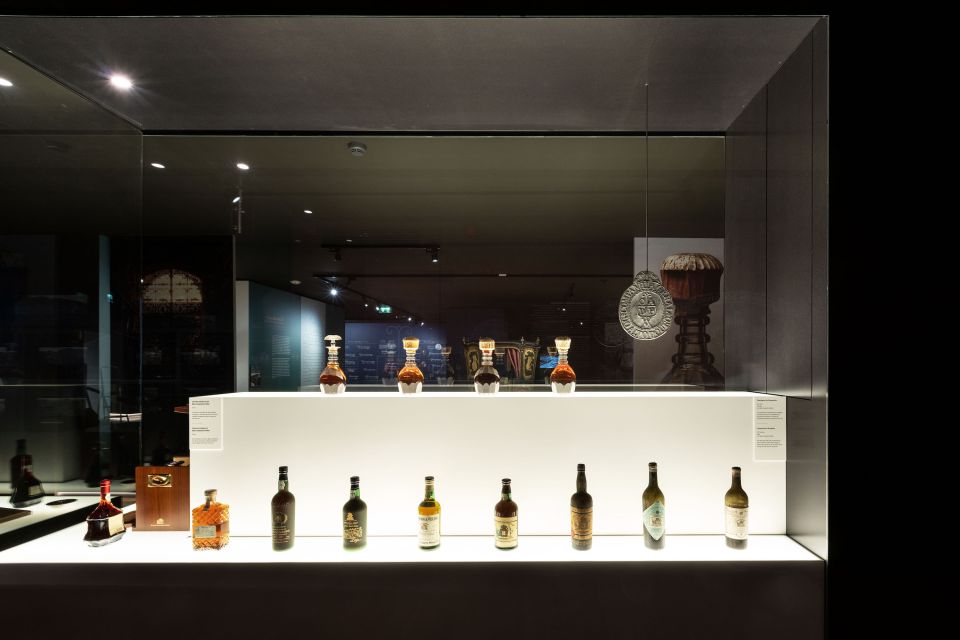
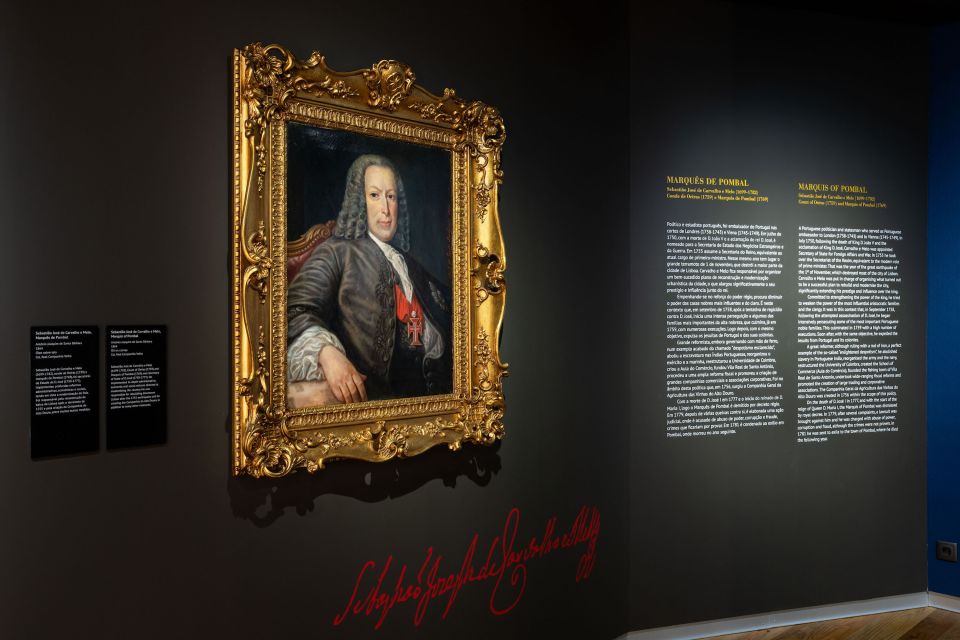
The biggest draw here is the collection itself—Real Companhia Velha’s port wines, including a 260-year-old holding. That matters because port isn’t only about what’s in your glass today. It’s also about how the style, aging, and blends developed as the trade grew, and how a company preserved varieties over time.
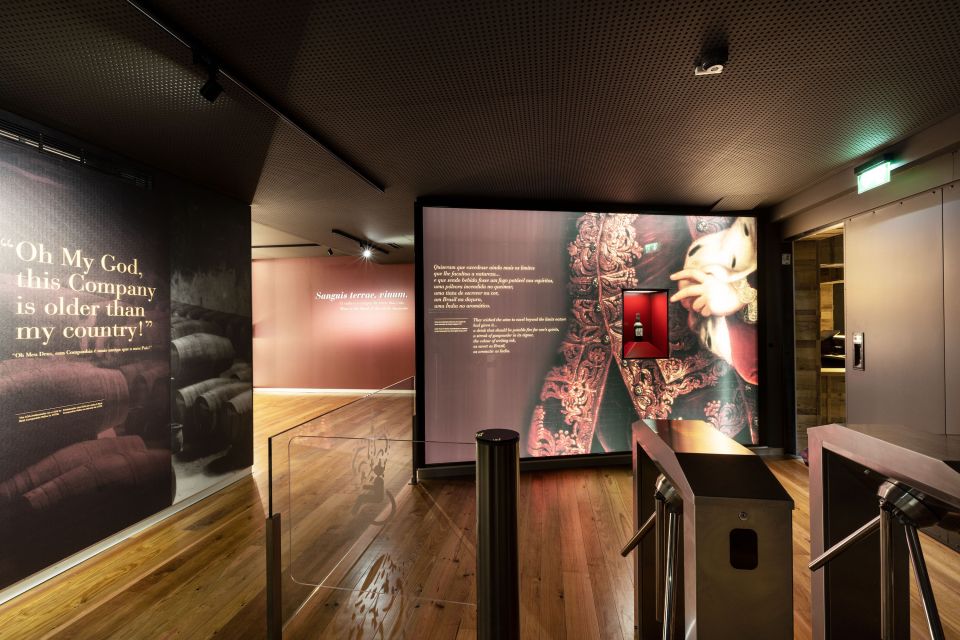
In the museum, you get the sense that these bottles and the thinking behind them are part of a larger regional story. The displays aren’t just a lineup. They’re connected to the region’s role and to why port became a symbol of Porto.
This is also where wine fans tend to feel rewarded. One of the best comments I saw was that the site is full of history about the company, and especially the origins of the wine in the Douro area. If you’ve ever wondered how a river region turns into an iconic export, this is a good place to start.
Seven Zones of Port History: How the Story Moves

The museum is organized as 7 interconnecting zones, which is a very practical design for visitors. You can do it at a walking pace without feeling like you’re zigzagging across a floor plan.
Across those zones, the focus stays consistent:
- the history of port wine
- the Duoro region and how it feeds the whole product story
- the role of Real Companhia Velha as part of that development
The museum also uses historic objects and multimedia and interactive devices rather than relying on posters alone. That’s a real plus if you want to understand the “why” behind port, not just memorize dates. You’ll see how the narrative of Porto and the Douro is built through objects, visuals, and structured displays.
The only downside is timing. If you treat it like a quick scan, you can likely finish faster than you’d like. One review note mentioned that it can feel short—something like around 30 minutes—so if you’re the type who reads everything, give yourself extra time and add the tasting.
Interactive Multimedia and Historic Artefacts: Why This Museum Feels Easy
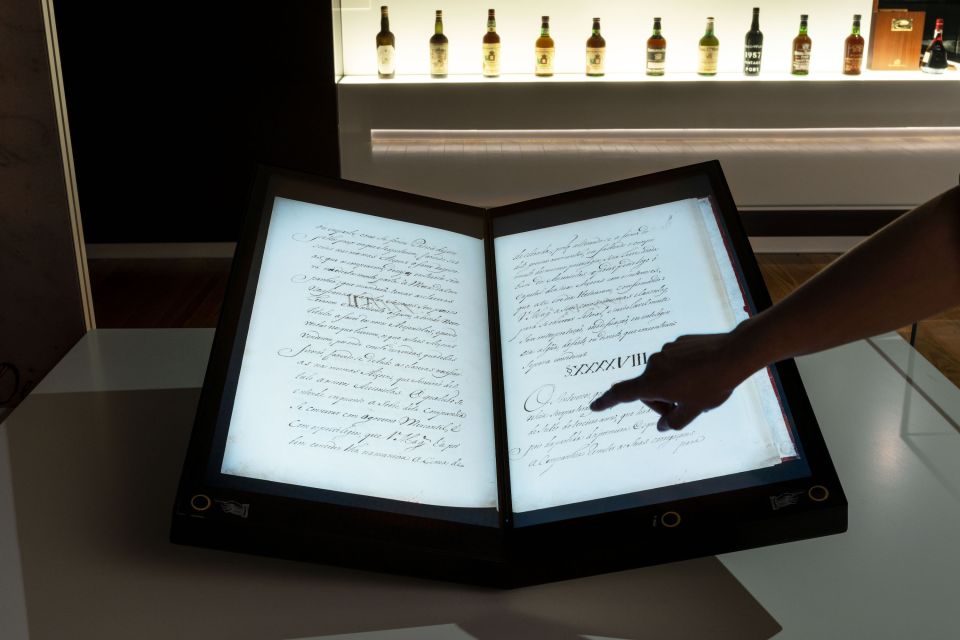
Some wine museums are heavy on glass cases and light on explanation. This one tries to do the opposite. You’ll encounter multimedia displays and interactive devices that help translate the region and the process into something you can grasp quickly.
You’ll also see:
- works of art
- historic artefacts
- vintage wine-making equipment
That mix is what makes the visit more than a “read-only” experience. The artefacts and equipment give context to the business side of wine—how production and trade shaped styles and traditions. Then the interactive parts help stitch it together so you’re not left guessing what you’re looking at.
I also like that the experience is structured, so you don’t have to manage multiple ticketed activities to get value. It’s one walk-through with an optional final tasting step.
The Tasting Options: What You’ll Actually Drink
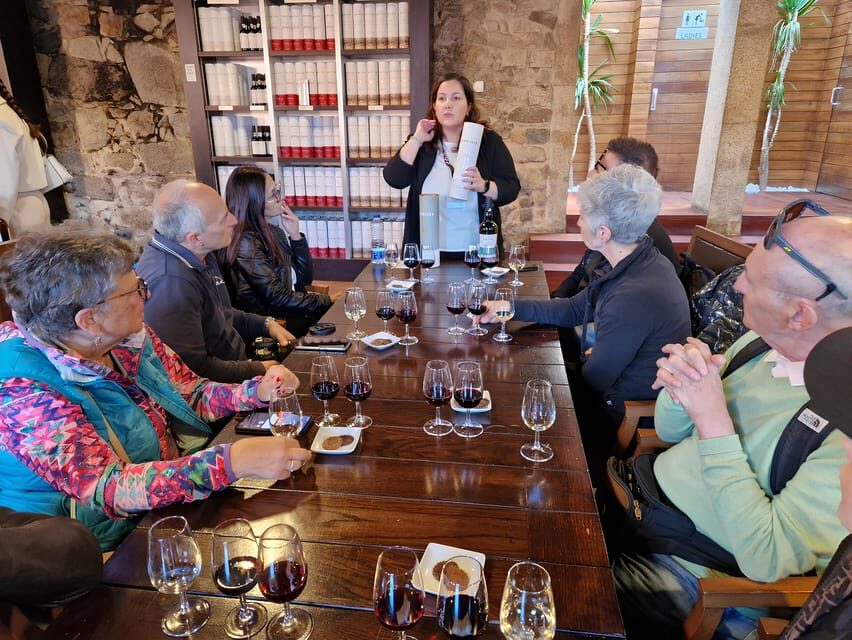
If you choose the tasting option, you’ll finish your visit with port wine in a way that turns the museum’s themes into something you can taste.
Two tasting options are described:
- Option with 2 wines
You taste:
- Lágrima (white Port)
- Quinta das Carvalhas Reserva Tawny (red Port)
- Option with 2 wines described, but includes 4 total pours
You taste:
- Lágrima (white Port)
- plus three reds:
- Quinta das Carvalhas Reserva Ruby
- Quinta das Carvalhas Reserva Tawny
- Royal Oporto 10 years
So if you want more time and more variety in your cup, the second option gives you a wider tasting flight across different styles—Ruby, Tawny, and a 10-year expression—while still anchoring the experience with the Lágrima white.
Practical tip: if you’re driving or doing a lot of walking later, consider pace. Tastings add up fast, and you’ll likely want a slower stroll after.






What $5 Buys You in Real Value
At this price, you’re paying for a compact education plus, if selected, a tasting. In Porto, that’s a good deal because many wine experiences are more expensive even when they don’t include much more than a basic talk.
Here’s the value logic:
- The museum focuses on a specific wine brand and region, so the information is targeted.
- You’re not just passively touring; the displays use interactive elements.
- The tasting selection includes named ports, including Lágrima and multiple Reserva styles.
Also, the ticket includes the museum entry and tasting if you choose that option, so you’re not getting hit with constant add-ons during the visit.
If you’re on a short schedule, this is one of those “high information per hour” choices. And if you’re a wine person, the collection focus gives you something more concrete than general port history.
Timing That Works: When to Schedule Your Visit
The museum is valid for 1 day, and you check availability to see starting times. That’s helpful if you’re planning around other Porto stops and want to lock in a window.
Also note the key cutoff: last admission is 30 minutes before closing. That matters because museums can get crowded or simply slow down at the end. If you arrive late, you may lose part of the last zone(s) even if you technically made it inside.
My suggestion: pick a time earlier rather than later. You’ll enjoy it more when you’re not trying to speed-read your way through displays. And if you choose tasting, you’ll have a calmer finish.
The experience is short by design—good for an afternoon break or a half-day plan that still leaves time for Porto outside the museum.
Who This Museum Is Best For (and Who Might Want More)
This is a great match if you:
- like wine culture and want a clear regional explanation
- prefer small, focused museums over long ones
- want a tasting that’s tied to a story, not just poured on command
It also works well for people who enjoy history made physical. The mix of historic artefacts, art, and vintage equipment helps you feel the craft and the business side of port.
If you’re the type who wants hours and hours of deep reading and extensive curatorial detail, you might feel this is too short. One comment also mentioned staff at the front desk didn’t feel very friendly in that moment. In my view, that’s the only category where expectations can vary: check in calmly, ask your questions early, and don’t assume every interaction will feel the same.
Booking and Practical Tips That Save You Time
Skip the ticket line if that option is provided with your ticket. That one small step can make a difference for a short visit, especially if you’re trying to fit everything into a Porto day.
Bring a bit of patience with your pace. Since the museum flows through connected zones, you’ll get the best experience if you let yourself move in order and spend a few extra minutes where you’re most interested—often the collection displays and anything showing vintage equipment.
If you want the most value, choose the tasting option. The tasting doesn’t just add flavor. It turns the museum’s themes into a real comparison between styles like Ruby, Tawny, and a 10-year expression.
Should You Book the Museum of the Oldest Appellation in the World?
Yes, if you want a short, well-priced Porto stop that connects port wine history to the Duoro region and lets you see a major collection from Real Companhia Velha. The best reason to book is the combination of 7-zone storytelling plus named tasting pours like Lágrima and multiple Reservas.
Maybe skip or look for a longer wine experience if you need a half-day or full-day plan with lots of time to read every exhibit slowly. This place is built to be efficient. When you pair it with tasting, it becomes a smarter use of your time.
If you’re traveling on a budget, this is one of those rare tickets where the price feels fair for what you get, especially with the optional tasting included.
FAQ
How much does the Porto Museum of the Oldest Appellation in the World ticket cost?
The price is listed as $5 per person.
How long does the museum visit take?
The experience is listed as 1 day, and the museum experience itself is designed to be completed within the visit time you choose based on your entry slot.
What is included with the ticket?
Your ticket includes entry to the museum, and it includes port wine tastings if you select the tasting option.
What port wines do you taste in the 2-wine tasting option?
The 2-wine option includes Lágrima (white Port) and Quinta das Carvalhas Reserva Tawny (red Port).
What port wines are included in the other tasting option?
That option includes Lágrima (white Port) and three reds: Quinta das Carvalhas Reserva Ruby, Quinta das Carvalhas Reserva Tawny, and Royal Oporto 10 years.
How many zones are in the museum?
The museum visit goes through 7 interconnecting zones.
What time do I need to plan for last admission?
Last admission is 30 minutes before closing.
Is there a way to avoid waiting in line?
Yes, the ticket includes skipping the ticket line.
Is the museum wheelchair accessible?
Yes, the museum is wheelchair accessible.
If you want, tell me what month you’re going and where you’re staying in Porto, and I’ll suggest a simple half-day schedule that pairs this museum with nearby Porto sights without rushing.