REVIEW · VILA NOVA DE GAIA
Exclusive visit to the Astronomical Observatory of Gaia
Book on GetYourGuide →Operated by Porto Secret Spots · Bookable on GetYourGuide
Time has a new home on Monte da Virgem. At Gaia’s discreet Astronomical Observatory, the roof slides open so the sky becomes part of the show. I love how the Mirror Meridian Circle is explained in plain language, and I love that you’re not just looking—you’re learning how time gets measured. One possible drawback: night-time telescope use isn’t something you can count on during this 1-hour visit.
What makes this experience especially good is the teaching style. The tour is led in English by enthusiastic Physics students from the Faculty of Sciences, and they keep the focus on time, stars, and the mechanisms that connect the two. It’s short (about 60 minutes), so it works well if you want something precise and science-heavy, not a long day.
In This Review
- Key highlights you’ll feel right away
- Entering the Gaia Observatory built for measuring time
- The 1-hour flow: quick walk, guided science, then back down
- Why the observatory’s sliding roof is more than a cool feature
- A quick history lesson: 1948 to the Mirror Meridian Circle
- The instrument story: what a Mirror Meridian Circle does
- Meet your guides: enthusiastic Physics students, not script-readers
- Will you see stars at night? Plan for daytime reality
- Photography rules and age limits (small details that matter)
- Price and value: what $17 gets you in an hour
- Should you book the Astronomical Observatory of Gaia?
- FAQ
- How long is the visit to the Astronomical Observatory of Gaia?
- How much does the visit cost?
- Is the guided tour offered in English?
- Where do I start the visit?
- Can I take photos or record video during the visit?
- Is this visit suitable for children?
- Is nighttime stargazing included?
- Is there free cancellation and flexible payment?
Key highlights you’ll feel right away
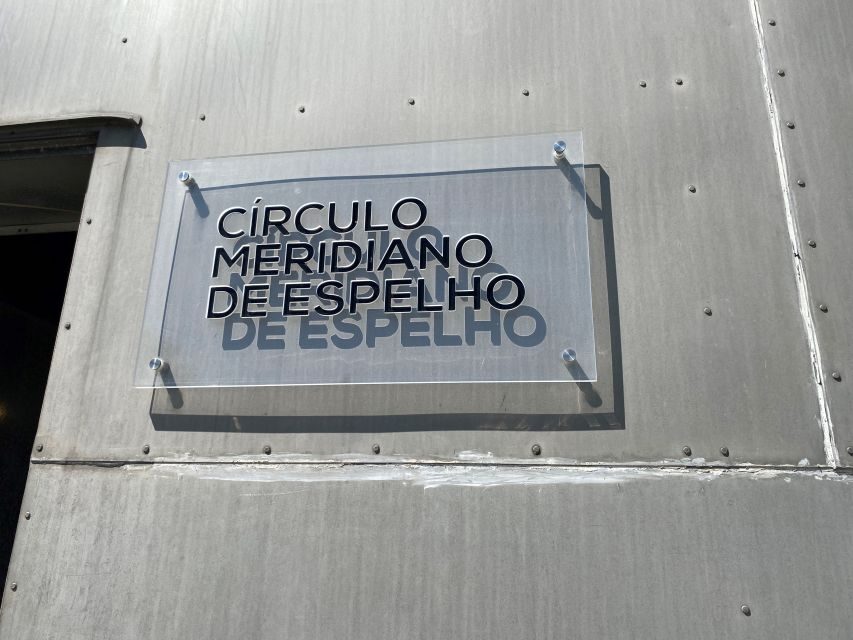
- A roof that opens to the sky for a direct connection between the building and the stars
- The Mirror Meridian Circle, a rare instrument with only two more in the world
- Physics-student guides from the Faculty of Sciences who talk with real energy
- A clear story about measuring time using a “made for this” observatory
- Rules that keep the visit focused: no flash photography and no video recording
Entering the Gaia Observatory built for measuring time
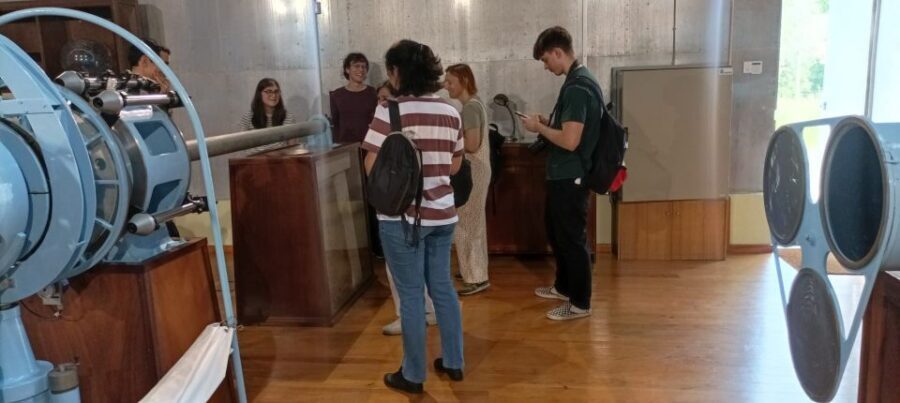
This observatory sits in Gaia, up on Monte da Virgem, and it doesn’t scream for attention. That’s part of the charm. You reach a discreet spot, and then—only after you’re inside—you understand why this place is special.
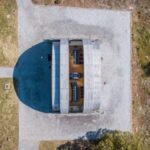
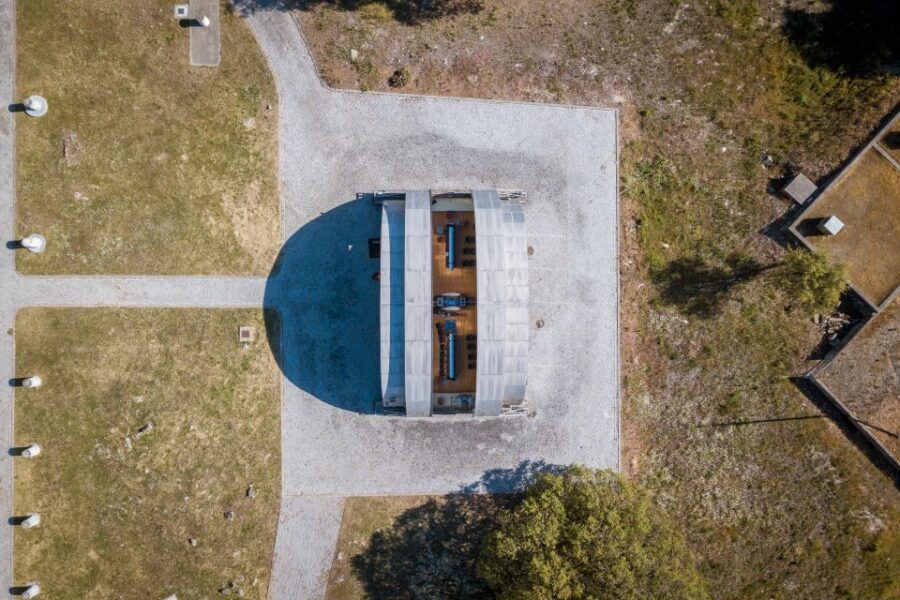
The architecture is the first lesson. The building is semi-cylindrical, and the roof slides to enable precise observation as stars pass along a key line in the sky: the local meridian. In other words, this isn’t just a room with telescopes. It’s a machine for positioning the heavens in a repeatable way, so measurements of time can be trusted.
And yes, the experience centers on a truly unusual instrument: the Mirror Meridian Circle. It’s rare—only two other examples exist elsewhere in the world. That matters, because you’re not touring a generic museum display. You’re seeing how a specific tool helped people do something difficult: turn the sky into a clock.
You can also read our reviews of more tours and experiences in Vila Nova De Gaia.



The 1-hour flow: quick walk, guided science, then back down
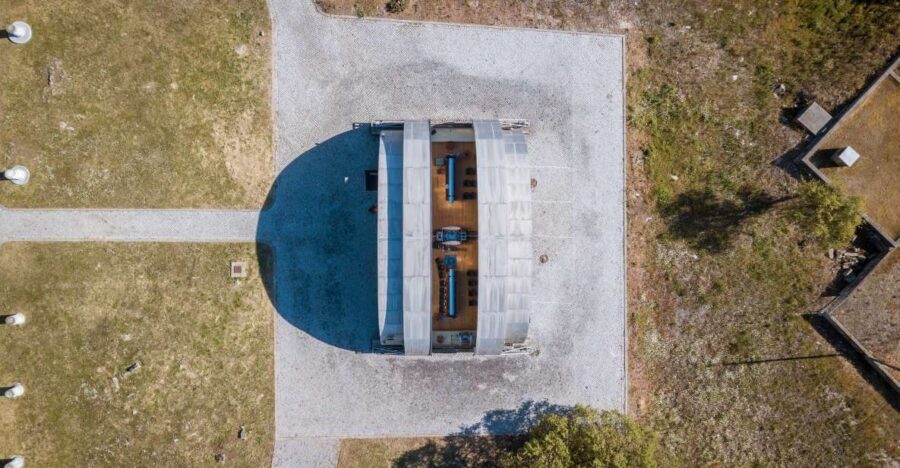
The whole experience runs about 60 minutes, with a simple rhythm.
First you start at 4430-146 and take a 5-minute walk to the observatory. It’s short, so you don’t lose your focus, but it’s long enough to transition from regular streets into “we’re here for astronomy” mode.
Next comes the main event: a guided tour of about 30 minutes inside the observatory. This is where you’ll learn how time was measured over the years, and why the observatory’s design supports that job. Expect the explanation to connect history to mechanisms—how people figured out what they needed from the way stars cross the sky.
Finally, you walk back the same 5 minutes. That timing is actually a practical advantage. You get the experience while your curiosity is still at full volume, and you’re not stuck in a long group tour where details blur.
Why the observatory’s sliding roof is more than a cool feature
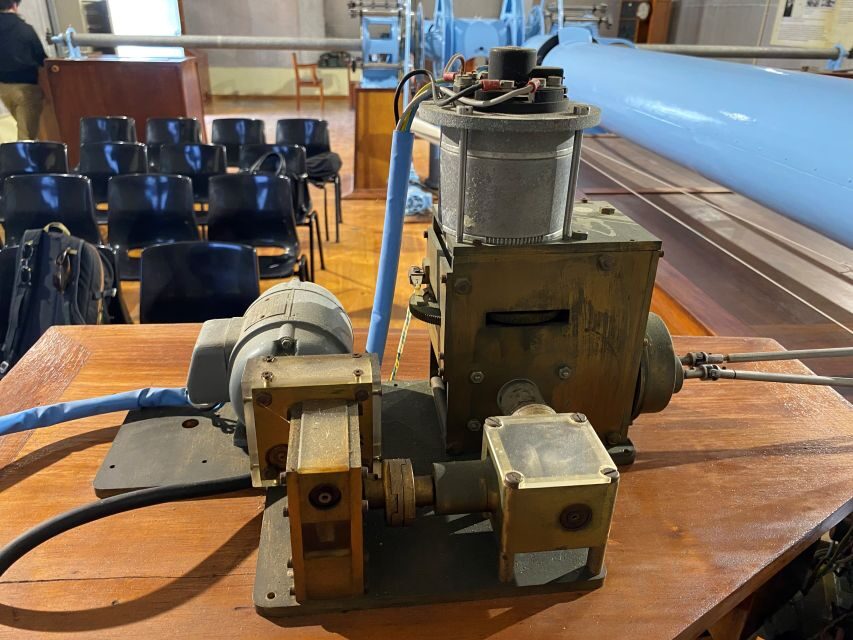
Plenty of places have “neat views.” This one is different. The sliding roof isn’t only a photo moment. It’s functional, and it supports the core idea of the site: watching the sky pass in a controlled way.
Because the roof can open, the observatory can align viewing conditions with what you’re trying to measure. The tour focuses on why that matters for timing observations—especially when you’re tracking the passage of stars through the local meridian. If you’ve ever wondered why older astronomy relied on careful setup, this is the kind of architecture that makes the reason obvious.
You also get a sense of how engineering and astronomy worked together. The building and the instrument are matched. The observatory is “built to tell time,” not just “built to look at the sky.”
A quick history lesson: 1948 to the Mirror Meridian Circle
The site has a clear origin story. It was created in 1948 to complement Astronomy studies at the Faculty of Sciences. Then, about nine years later, the observatory introduced its most notable instrument: the Mirror Meridian Circle.
That timeline helps you understand the observatory as part of a bigger academic mission. This wasn’t built for tourism. It was built to support measurement and training, which is why the experience stays focused on the how behind timekeeping.
During your visit, you’ll also hear the big framing questions that make the tour feel alive. For example, the guides ask what the observatory’s tools were used for back then, and what they are used for now. You don’t need a technical background to follow it. The point is to show how the same idea—measuring the sky to make sense of time—keeps evolving.
The instrument story: what a Mirror Meridian Circle does
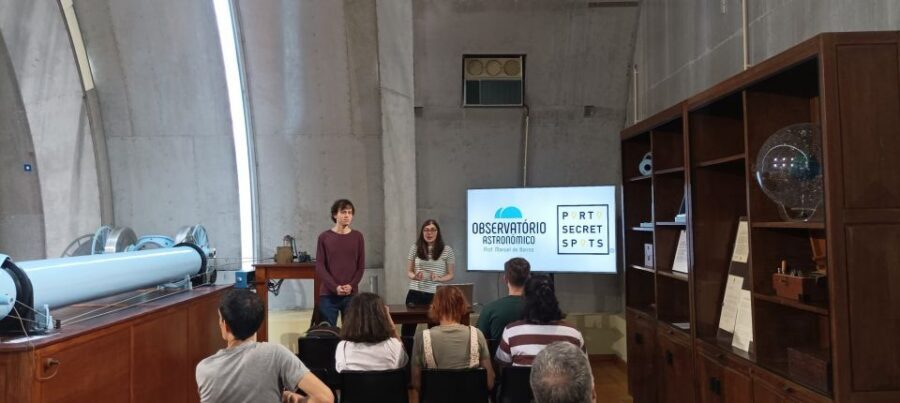
The Mirror Meridian Circle is central to why this observatory is worth your time. It’s described as a curious piece of equipment, and the tour explains its role in measuring time.
Here’s the practical takeaway you’ll likely remember: the instrument helps you make precise observations of stars as they pass through the local meridian. That’s key because a meridian-based approach ties your measurements to a consistent reference direction. When you can reference the sky reliably, you can turn observations into trustworthy timing.
The tour also connects the dots between design and purpose by showing you the semi-cylindrical setting and the roof’s movement. The building isn’t random. It’s shaped to support the “passage of stars” concept.
You’ll even hear about the observatory’s two telescopes—what they were used for at the time, and what they do now. The comparison is where the tour gets interesting: old tools often weren’t just old. They were built for a specific measurement job, and later generations reuse that logic in new ways.






Meet your guides: enthusiastic Physics students, not script-readers
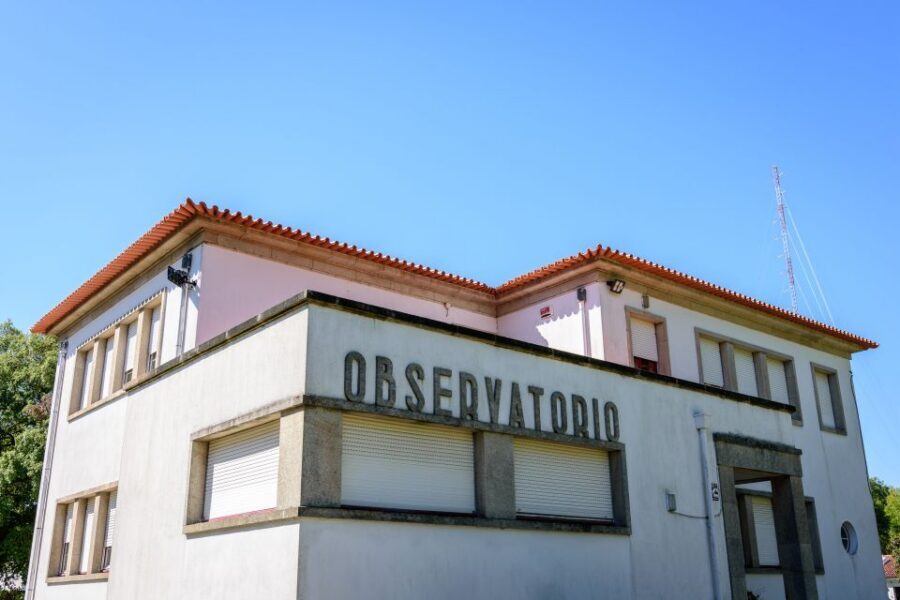
One of the strongest parts of the experience is the people leading it. The visit is guided by enthusiastic Physics students from the Faculty of Sciences, and you can feel the difference between someone reciting and someone understanding.
The guides keep the explanation grounded in mechanisms and practical meaning. You’ll learn about how people tell time through the times—by using the sky, the meridian concept, and instrument-based measurement. The subject can sound abstract, but the tour approach makes it more concrete.
Also, the tone matters. When the guide is genuinely excited, the whole observatory starts to feel less like a lab you’ve stumbled into and more like a place with a point.
Will you see stars at night? Plan for daytime reality
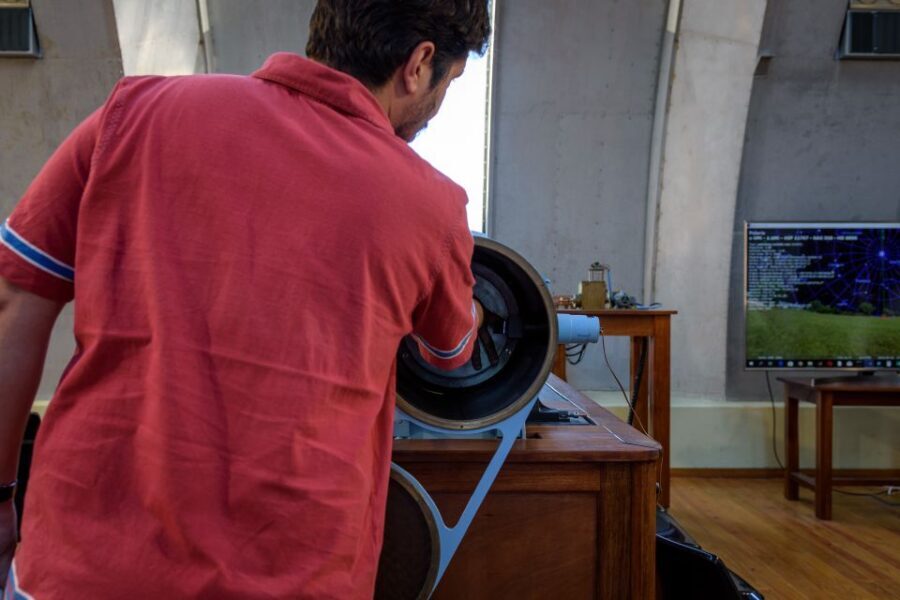
If you’re dreaming of a full night-sky session, there’s a real consideration here. During at least some visits, the equipment may not be available for night-time observations. That means you should be careful with expectations.
What you can count on is the structure of the visit itself: about an hour, with a guided explanation and a focus on the observatory’s purpose and tools. The roof opening is part of the experience, but that doesn’t automatically guarantee that you’ll be observing a night sky session during your tour time.
My advice: if your goal is guaranteed nighttime stargazing, ask ahead or plan a separate stargazing plan. If your goal is learning how time measurement works using a rare meridian instrument, you’re in the right place.
Photography rules and age limits (small details that matter)
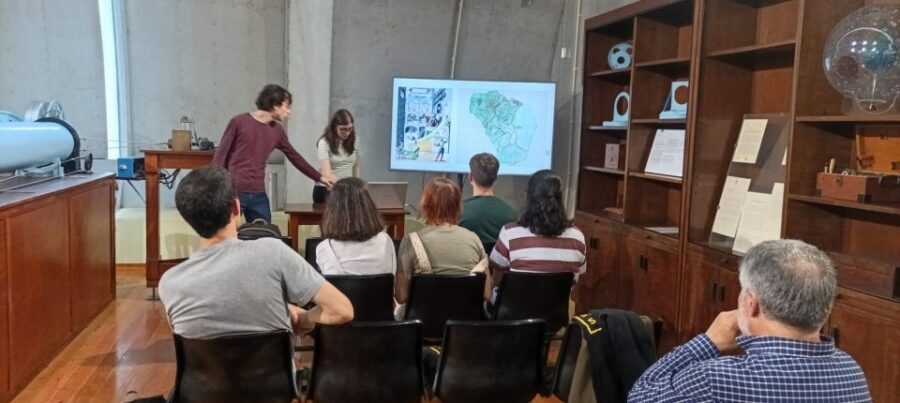
This is one of those tours where the rules actually help the experience. No flash photography and no video recording means you’re not fighting camera light or screen distractions. Instead, you watch and listen—like a proper science visit.
Age-wise, the tour isn’t suitable for children under 12. That makes sense for a physics-and-astronomy explanation that needs focus. If you’re traveling with kids in that age range, consider whether they’ll enjoy a mechanism-heavy story for about 30 minutes.
Price and value: what $17 gets you in an hour
At $17 per person for about 60 minutes, this can be excellent value if you like science history and practical explanations. You’re paying for access to a specific observatory, led by English-speaking guides, and centered on a rare instrument.
Most short tours are either mostly views or mostly walking. This one blends both with real teaching. You also get something rare in Portugal: a roof-open observatory concept designed for meridian-based observation, plus a Mirror Meridian Circle that’s hard to find anywhere else.
The best value comes if you’re curious about how timekeeping evolved and how astronomy became a measurement system. If you’re only looking for dramatic night skies, you might feel like you paid for a daytime learning session rather than a long observing night.
Should you book the Astronomical Observatory of Gaia?
Book it if:
- You like astronomy beyond the basics and enjoy how tools work
- You want a short, focused experience run by Physics-student guides
- You’re curious about the connection between the sky and measuring time, not just star spotting
- You appreciate a rare instrument like the Mirror Meridian Circle
Consider skipping (or adjusting expectations) if:
- You’re specifically chasing guaranteed night-time telescope observing
- You want a tour that’s mostly visual with little explanation
If you’re the kind of person who likes questions like how humans turned the sky into a clock, you’ll likely leave this observatory smiling at how much engineering and patience it took.
FAQ
How long is the visit to the Astronomical Observatory of Gaia?
The visit lasts about 60 minutes, with walking time and a guided tour portion included.
How much does the visit cost?
The price is $17 per person.
Is the guided tour offered in English?
Yes, the visit is in English.
Where do I start the visit?
The starting location is listed as 4430-146.
Can I take photos or record video during the visit?
Flash photography is not allowed, and video recording is not allowed.
Is this visit suitable for children?
It is not suitable for children under 12.
Is nighttime stargazing included?
The visit is about daytime instruction, and nighttime observation with the equipment may not be available during the scheduled time.
Is there free cancellation and flexible payment?
Yes. You can cancel up to 24 hours in advance for a full refund. You can also reserve now and pay later.