REVIEW · VILA NOVA DE GAIA
Porto: Pastel de Nata Cooking Class from Scratch
Book on GetYourGuide →Operated by C D Porto Tours · Bookable on GetYourGuide
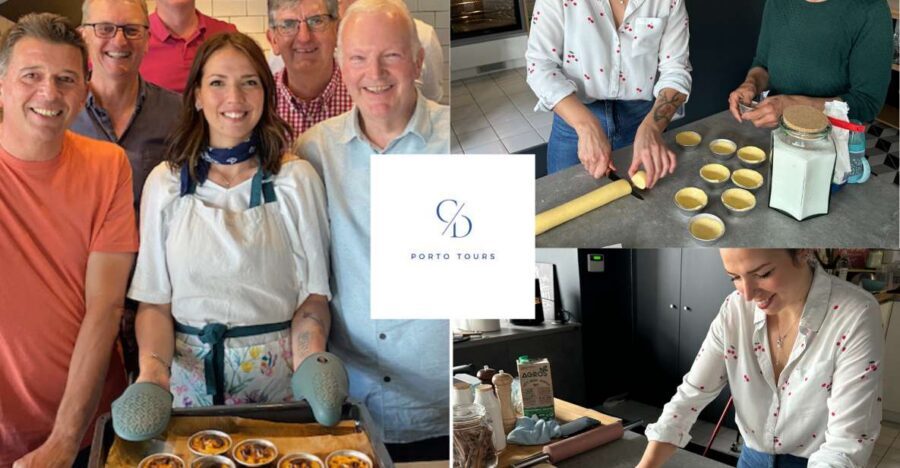
Pastel de nata feels easy after you make it. This 2.5-hour Porto class is designed around one rare detail: you roll up your sleeves and make the dough too, not just the filling. Hosts like Vanessa and Clara run the workshop in a step-by-step, turn-taking way so you actually learn the method behind that famous custard tart.
I especially like how hands-on it is, with everyone alternating phases of the process, and how the pastry gets paired with Portuguese culture talk over a glass of local wine. The main catch: the workshop door closes at the scheduled start time, and you can’t join once it begins, so build in a buffer.
In This Review
- Key things I’d plan for
- Why this Pastel de Nata class feels different in Porto
- The 2.5-hour run of the workshop (what you’ll do, in order)
- 1) Welcome, history, and the pastry secrets
- 2) Making the dough from scratch
- 3) Filling and assembling the nata cups
- 4) Baking while you taste and talk
- 5) Eat the results, warm from the oven
- The wine and the Portuguese conversation piece
- The real value: learning technique you can repeat at home
- Group size and the hands-on feel (how you’ll actually participate)
- Where it happens and how to plan your arrival
- Price and value: is $50 a fair deal?
- Who this class is best for (and who should skip it)
- What to watch out for before you book
- Should you book the Porto Pastel de Nata class from scratch?
- FAQ
- Where is the class in Porto?
- How long is the Pastel de Nata cooking class?
- Is the class taught in English?
- What’s included in the price?
- Is hotel pickup or drop-off included?
- How many people are in a group?
- Can children join?
- Can I bring a companion or friend who isn’t taking the class?
- What food restrictions should I know about?
- When should I arrive?
- Can I drink wine if I’m under 18?
Key things I’d plan for
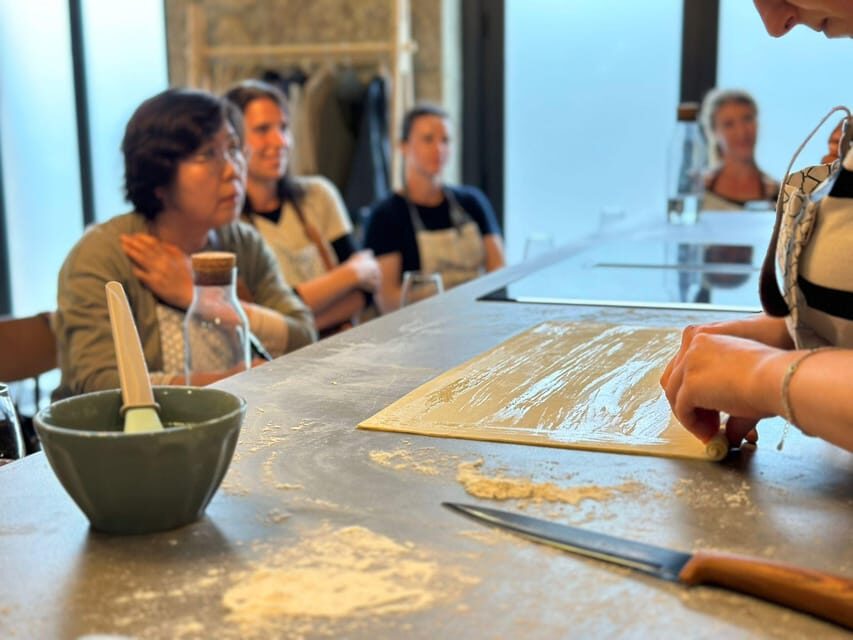
- Make the dough from scratch, one of the few Pastel de Nata workshops that does this
- Interactive group flow where you take turns through different stages (not just watching)
- Live English instruction with a host who keeps the session moving and fun
- Warm pastries you eat on-site, plus you may get some to take home depending on the group flow
- Wine included, with an important 18+ rule for alcohol in Portugal
Why this Pastel de Nata class feels different in Porto
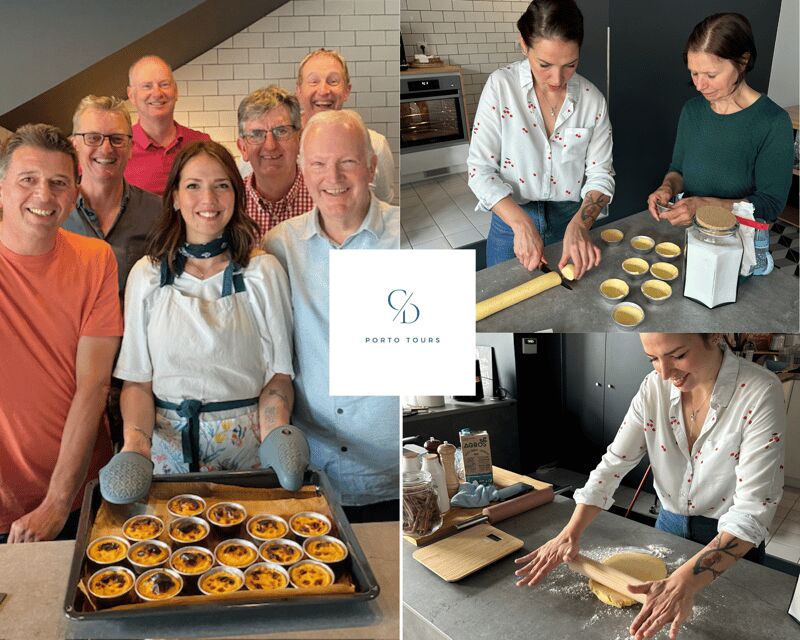
Porto is stuffed with pastry shops, and you can absolutely eat your way through the city. But a class like this hits a different pleasure: you get to understand why the tart tastes the way it does. That comes down to technique, and this workshop is built around technique.
Most pastry classes stop short. They’ll show you the easy part, or they’ll focus on shaping once the dough is already ready. Here, the experience is structured so you learn how to do the dough itself. That matters because pastel de nata is not just custard in a shell. It’s the thin, layered pastry logic that creates that crisp edge and tender bite you expect from a good one.
You also get a host-led pace that works for real humans, including people who don’t bake often. From the way hosts like Ana, Clara, Ana, and Mariah are described, the style is consistent: clear directions, encouragement to try, and a group setup where nobody gets left standing around for long.
You can also read our reviews of more tours and experiences in Vila Nova De Gaia.


The 2.5-hour run of the workshop (what you’ll do, in order)
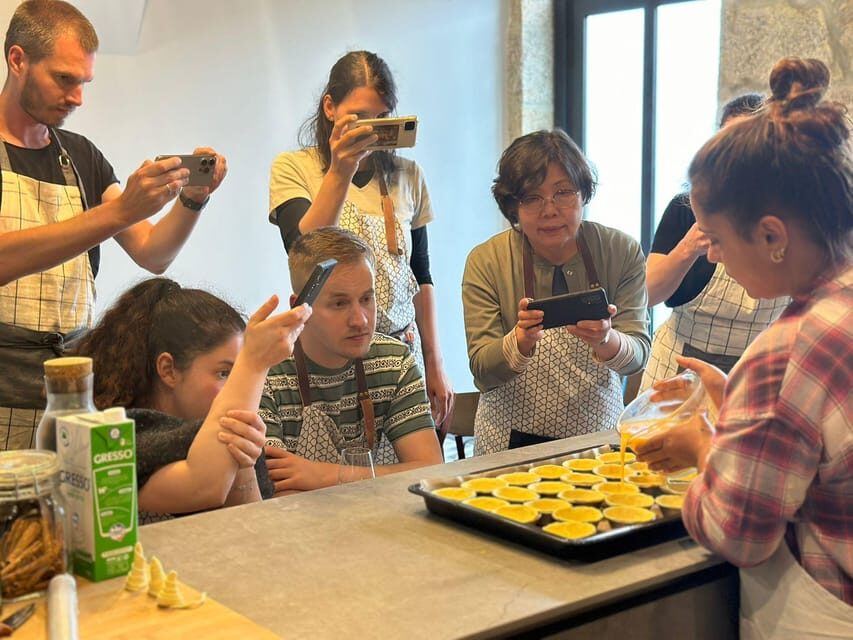
You’re in for a focused block of time, and the workshop is scheduled to start on time. Once you’re inside, the class moves through the pastry process in phases, with you joining different steps as the group progresses.
1) Welcome, history, and the pastry secrets
Before you start making anything, the host typically sets the stage: what pastel de nata is, where it fits in Portuguese pastry culture, and the kind of “secrets” that actually translate into better results. Expect a conversation angle, not a classroom lecture. This is where you’ll hear culture and food context tied to what you’re about to do.
This part is also useful if you’re picky about authenticity. You don’t just want a dessert that looks similar; you want one with a recognizable texture and flavor. The history-and-secrets setup helps you understand what to aim for once the dough and custard hit the heat.
2) Making the dough from scratch
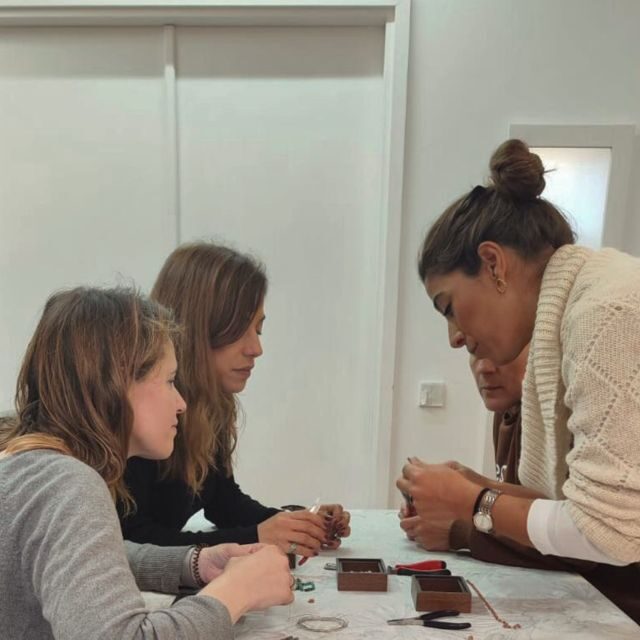
This is the standout moment. You’ll work through dough-making steps together as a group. Some sessions are described as structured enough that each group gets hands-on contributions while the rest watches, then swaps roles at each stage.
Even if you’ve never made pastry dough before, the class format is meant to lower the intimidation factor. You’re not trying to figure it all out alone. You’re learning by doing, with the host guiding what matters: mixing and handling, and how the dough needs to behave before you move forward.
3) Filling and assembling the nata cups
Next comes the custard filling work and assembling the tarts. This part is where attention to detail pays off. You want the custard texture and pour so the tart bakes evenly and the top caramelizes in that signature way.
In the better-described sessions, the host breaks the steps down so you can participate rather than just observe. The turn-taking is a big deal: it keeps your brain engaged, and you learn faster because you experience each stage directly.




4) Baking while you taste and talk
Once assembled, the group pauses on the baking side while the ovens do the heavy lifting. This is where the included wine becomes part of the experience, and why the workshop feels like more than a quick snack stop.
If you’re sensitive to timing, this is the moment to pace yourself. Wine plus heat smells in a working kitchen can make you hungry fast, but the tasting is timed so you’re eating warm pastries after the process finishes.
5) Eat the results, warm from the oven
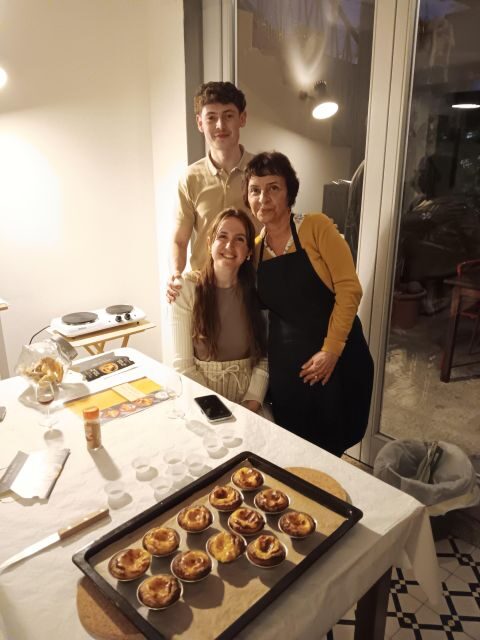
When the tarts come out, you eat what you made. This is not a distant “maybe in the future” reward. It’s immediate payoff: you taste the tart while it’s still at its best texture and temperature.
And because you worked through the dough stage, you’ll be able to connect flavor and texture back to what you did. That makes the tasting more than a nice moment. It’s the feedback loop you need if you want to recreate it later.
The wine and the Portuguese conversation piece
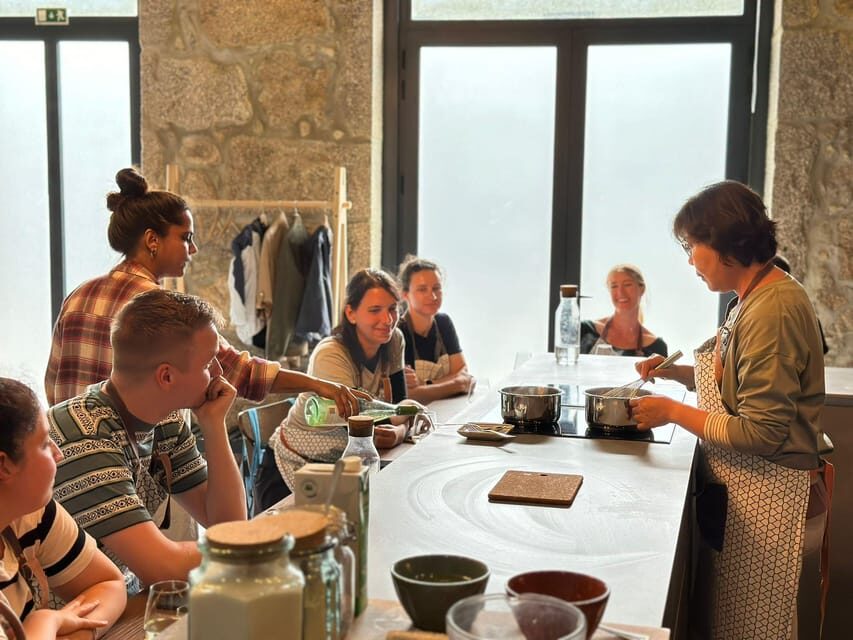
Wine here isn’t just a free extra. It’s part of the social rhythm. The host typically uses the downtime during baking to talk about Portuguese culture and food in a practical, conversational way.
The wine itself is described as a regional pairing, and it’s served alongside the class experience. Keep in mind that the minimum age to consume alcoholic beverages in Portugal is 18, and the workshop is designed for adults.
If you’re someone who likes to learn by chatting, this portion is a win. If you’re quiet and just want to bake, you can keep it simple and focus on the steps. Either way, the wine is meant to be light enough to complement the activity, not replace it.
The real value: learning technique you can repeat at home
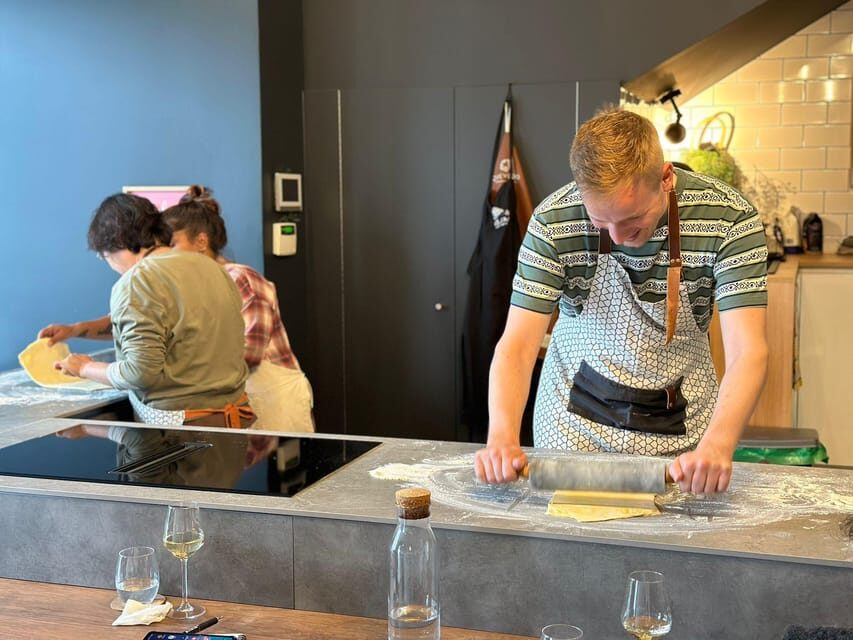
I love that the workshop isn’t only about eating. You get the method. And the best part is that the teaching style aims to make you feel capable after you go.
One of the most useful details mentioned in descriptions is that you receive the recipe digitally afterward via a QR code. That gives you a clean reference point for home baking when you’re trying to remember the order of steps and the kind of consistency the host aimed for.
If you’re returning to a non-baking life after Porto, this matters. Without a written reference, you rely on memory, and pastel de nata is picky enough that small differences can change the result. With the recipe access, you can try again without guessing.
Also, some sessions indicate you may get pastries to take home. Even if you don’t get a bag for everyone every time, you’ll at least leave with enough to feel like your effort paid off.
Group size and the hands-on feel (how you’ll actually participate)
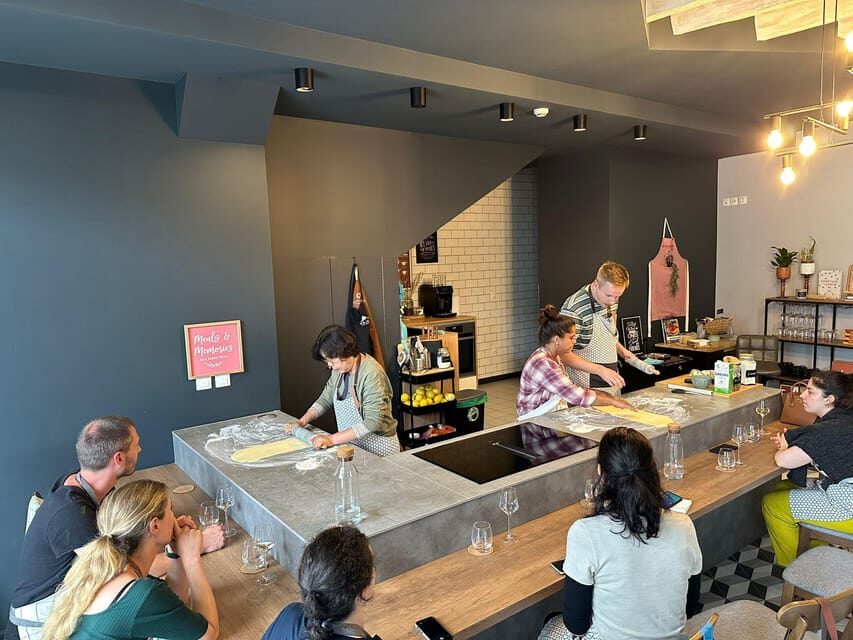
This is a group workshop for adults, with groups up to 12 participants. That size is key. Too large, and you start waiting your turn. Too small, and the host might shift into a more private coaching style.
Here, the sweet spot seems to be: you’ll work in rotation through phases, with the host pulling specific people in at each stage. That’s exactly why the class is repeatedly praised for being interactive and inclusive. People aren’t just watching dough transformation on the other side of a counter.
It also means you can learn from other participants’ questions. You’ll hear the same technique explained several ways, which helps if you’re nervous about baking language or pastry jargon.
Where it happens and how to plan your arrival
The meeting point can vary depending on the option booked. That’s normal, but it does change how you plan.
Plan to arrive early enough that you’re not stressed. There’s a strict rule: it’s not possible to enter once the workshop has started, because the door closes at the scheduled time and entry isn’t permitted. No exceptions are made.
So if you’re touring Porto that morning or afternoon, build a buffer between your last stop and your class. This is one of those “one mistake and you lose the slot” realities, and it’s worth respecting.
Also note the basic access rules that keep the kitchen process safe and orderly:
- Only reservation holders can enter
- Companions aren’t allowed into the space, regardless of age
- Pets aren’t allowed
- Smoking indoors isn’t allowed
These rules don’t ruin the experience, but they do affect how you structure your plans. If you’re traveling with friends who don’t want to bake, they’ll need to wait outside.
Price and value: is $50 a fair deal?
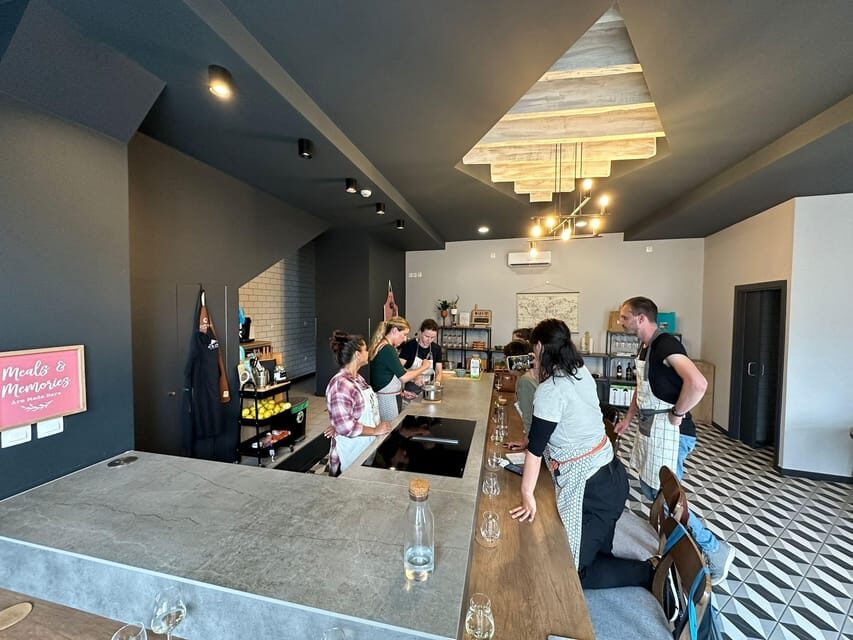
At $50 per person for a 2.5-hour workshop, you’re paying for something more than a pastry tasting. You’re paying for:
- instruction in English from a live host
- use of a professional kitchen setup
- the ingredients and baking process
- the included glass of wine
- the key learning component: making the dough from scratch
In practical terms, it’s good value if you fall into one of these categories:
- You want to bring a real Porto skill home, not just buy a box of pastries
- You’re okay spending a few hours indoors for a rainy-day friendly plan
- You’re traveling with a group and you’d rather learn together than just snack together
It’s less of a bargain if your only goal is to eat pastel de nata. Porto has plenty of great versions on the street. But if you want the technique, $50 starts to make sense fast.
Who this class is best for (and who should skip it)
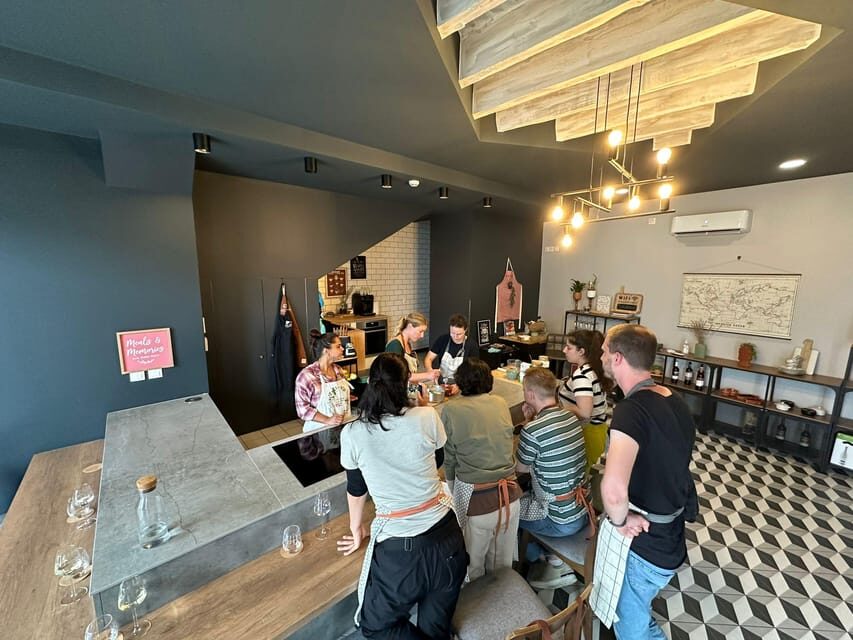
This workshop is designed for adults. Children under 15 are not allowed for logistical and safety reasons, and families with kids should request a private workshop instead.
If you’re traveling solo, you may still enjoy it even though it’s a group class, because the host format pulls you into the work. A group of up to 12 is big enough for energy, small enough for attention.
Two important food notes:
- It is not suitable for people with gluten intolerance
- It is not suitable for people with lactose intolerance
So if you’re gluten-avoiding or lactose-avoiding, you’ll want to choose a different activity. The class is built around traditional pastry ingredients and structure, and the workshop data says it doesn’t cater to those restrictions.
Finally, there’s a general “adult behavior” standard: intoxication isn’t allowed indoors.
What to watch out for before you book
This is where you save yourself a headache.
1) Timing is strict
If you’re the type who runs late, this will frustrate you. The door closes at the scheduled time and you can’t enter after it starts.
2) You need to be ready to participate
Even if you’re not a confident baker, the format is meant to be hands-on. You’ll be asked to help through phases, which is the point. If you dislike getting involved, you might not love the experience.
3) No companions inside
If you’re hoping to bring a friend to hang out while you bake, that won’t be allowed. You can still enjoy Porto with them separately, but they can’t join you in the workshop space.
Should you book the Porto Pastel de Nata class from scratch?
If you want a pastry class that actually teaches the real backbone of pastel de nata, I’d book this. The strongest reason is simple: you make the dough too, and the workshop is structured for hands-on participation with clear guidance.
I’d only hesitate if you:
- need strict dietary accommodations like gluten-free or lactose-free (the workshop isn’t suitable)
- travel with kids under 15 (you’d likely need a private option)
- struggle with punctuality or hate strict start-time rules
If you fit the “I want to learn the technique” crowd, this is a smart use of a half-day in Porto. You’ll leave with warm pastries, a digital recipe reference, and the kind of confidence you can turn into a great homemade version back home.
FAQ
Where is the class in Porto?
The experience is in the Norte Region of Portugal, with a meeting point that may vary depending on the option you book.
How long is the Pastel de Nata cooking class?
The duration is 2.5 hours.
Is the class taught in English?
Yes. The live tour guide is English-speaking.
What’s included in the price?
You get the pastry class, the instructor, pastries to eat, and a glass of wine.
Is hotel pickup or drop-off included?
No. Hotel pickup and drop-off are not included.
How many people are in a group?
It’s a group workshop with small group availability, with groups up to 12 participants.
Can children join?
Children under 15 are not allowed in the group workshop. Minors are not accepted without being accompanied by an adult, and families with children should request a private workshop.
Can I bring a companion or friend who isn’t taking the class?
No. Only participants with a reservation can enter the space, and companions are not allowed regardless of age.
What food restrictions should I know about?
The class is not suitable for people with gluten intolerance or people with lactose intolerance.
When should I arrive?
Plan to arrive before the scheduled start time. It’s not possible to enter the workshop once it has started, and the door will be closed at the start time with no exceptions.
Can I drink wine if I’m under 18?
No. The minimum age to consume alcoholic beverages in Portugal is 18.