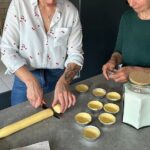
Pastel de Nata night, minus the stress. This 1.5-hour workshop mixes hands-on baking with cocktails and music, so it feels more like a fun evening out than a classroom. I really like how small the group is, and how the host keeps everyone moving and talking, not waiting around.
The big draw is that you don’t just watch. In this setup, each person takes on part of the Pastel de Nata process, then you share the tasting and the story behind the Portuguese convent-style sweet. One consideration: the workshop space can be shared with another activity, so it may get a bit noisy at times.
One more reality check you’ll appreciate: you won’t roll and make the pastry dough from scratch. The dough needs about 3 hours to be ready, so you start with a prepared version and work the steps you can actually finish in the class time.
In This Review
- Key highlights you’ll notice fast
- Entering the “Nata Factory” in Central Porto
- How the class runs: 9 people, 1 recipe, lots of teamwork
- Your role at the table: what you actually do
- While you wait for baking: cocktails, port, and music
- The “don’t start from scratch” part (and why it’s smart)
- Tasting, story time, and leaving with two sandwiches
- Price and value: what $42.24 buys you in real terms
- Who this workshop suits best (and who should think twice)
- Quick planning tips so you enjoy it more
- Should you book Nate Pastel and Cocktails in Porto?
- FAQ
- How long is the Pastel de Nata workshop?
- What’s included besides making Pastel de Nata?
- Do we make the pastry dough from scratch?
- How large is the group?
- Where does the workshop meet?
- Is the workshop offered in English?
Key highlights you’ll notice fast
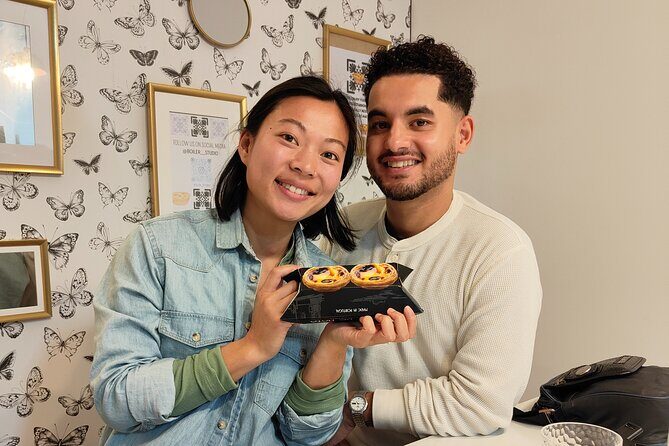
- Up to 8 people means real conversation and hands-on help
- Each guest gets a role in the recipe, not just a seat
- Cocktails and port while you wait for the oven cycle
- Recipe provided so you can try it at home
- Prepared dough shortcut keeps the workshop doable in 1.5 hours
- Take-home treats: you leave with two sandwiches
Entering the “Nata Factory” in Central Porto
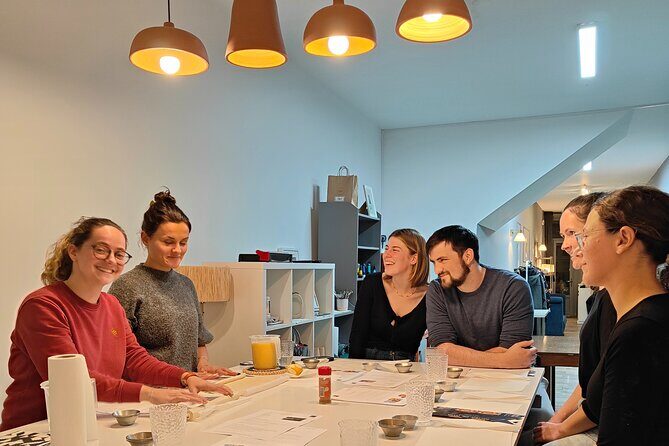
The meeting point is on R. Chã 77 (4000-165 Porto). It’s easy to get to with public transportation, and the location feels central enough that you can pair it with an evening walk afterward. Reviews consistently point out that it’s straightforward to find, and the studio itself is described as comfortable and spacious for the group size.
What matters here is the vibe. This isn’t a big production line. With a maximum of 8 travelers and a max team size of 9 people mentioned for dividing tasks, the host can manage the kitchen flow without turning it into chaos. You’ll likely notice the difference right away: you get coached, then you get to do.
Also: service animals are allowed, so if that applies to you, you’ll want to feel comfortable showing up without extra friction. And because the class is in English, you won’t need to play pastry translator in your head.
You can also read our reviews of more tours and experiences in Porto



How the class runs: 9 people, 1 recipe, lots of teamwork
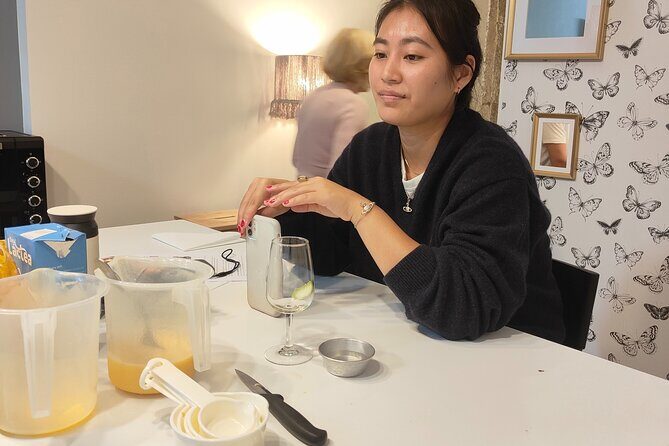
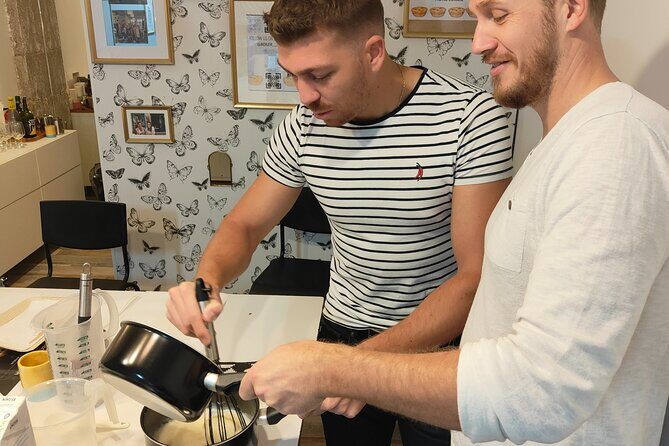
The workshop lasts about 1 hour 30 minutes. The host divides the recipe steps among everyone in the room, so each person tackles one part—think assembly tasks and component handling—rather than everyone trying to do everything. That’s a big reason this works for beginners.
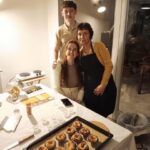
The class format also explains why it feels social. You’re waiting for the pastry to bake, but you’re not stuck watching other people work. You’re part of the timing. You’re part of the conversation. You’re part of the team that ends up with a tray of Pastel de Nata to share.
From the way it’s described, the host is actively managing the “receipt” steps (recipe flow) and keeping everyone participating. You don’t have to be a baker to enjoy this. In several comments, instructors are praised for making the steps feel manageable—even when the sweet sounds fancy.
One small practical note: the studio may be a shared space with a tile painting class. So if you’re the type who hates background noise, it could distract you a little during parts of the workshop. Still, most people keep a good attitude because the focus is hands-on and the group is small.
Your role at the table: what you actually do
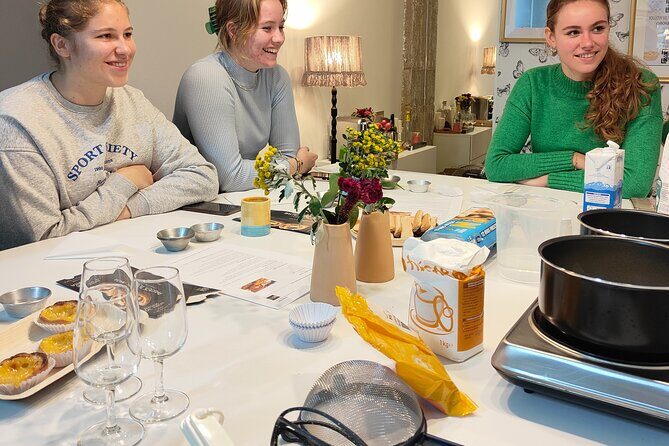
This is where the experience becomes more than a food souvenir.
You’ll be using a prepared pastry dough (more on that in a second), and the instructor will explain the recipe and how to handle the steps. Then the group splits into parts, meaning you’ll likely do something practical rather than standing around. Reviews mention that people feel coached through proper technique and that even first-timers can follow along and complete their assigned task.
Expect coaching that’s practical, not theoretical. You’re not stuck with vague instructions like “make it perfect.” Instead, you get guidance on how to assemble and handle what’s needed for the Pastel de Nata to come out right.
The host also handles pacing. One review highlights that even a teen could participate and stay engaged, which tells you the steps are explained in a way that isn’t overly complicated. Another review praises the way the instructor simplifies the process so it doesn’t feel as hard as you’d imagine.
While you wait for baking: cocktails, port, and music
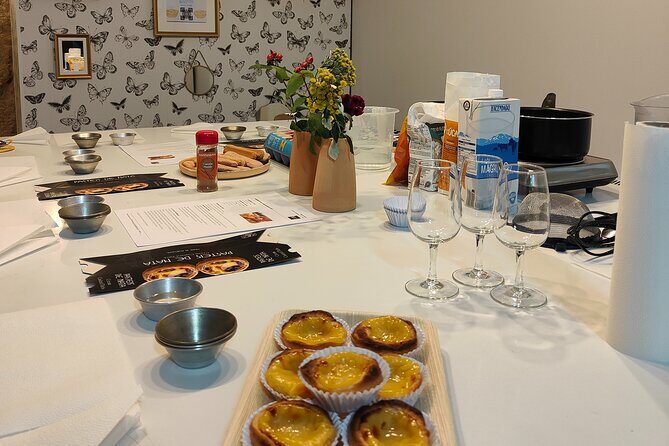
This workshop understands an important truth: baking time can feel long if you treat it like homework. So the waiting period becomes part of the fun.
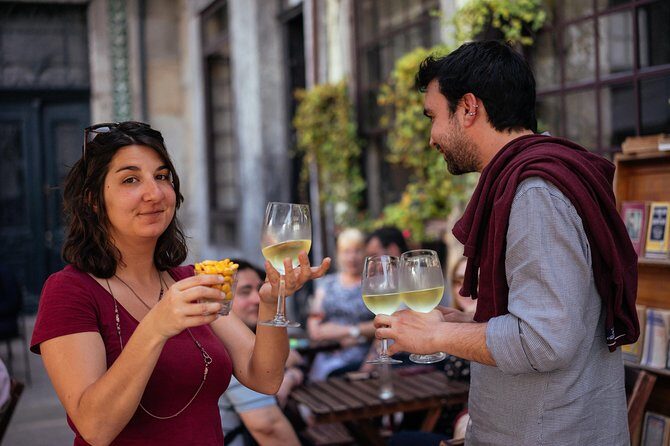
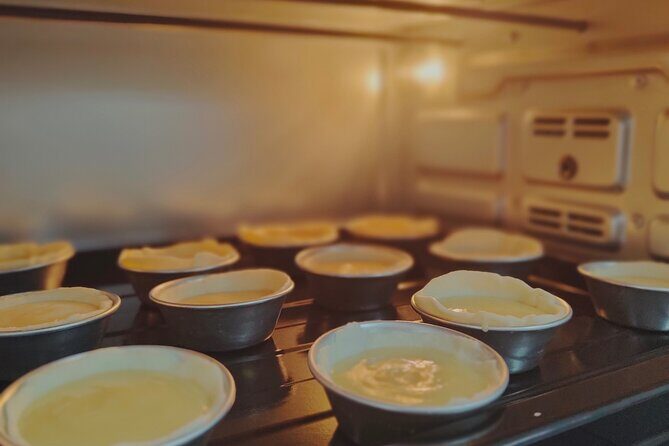
As the pastry bakes, you’re served drinks. Reviews mention cocktails, port (including port and champagne in one case), and port-tonic. One person calls out a white port and tonic bonus. There’s also mention of good music playing while you work.
This is a nice tempo choice for your evening plans. You’re doing something active for the first stretch, then you get a relaxed break while the oven does its job. And since the group is small, it doesn’t feel like you’re waiting alone in a crowded room.
If you’re planning this as an “aperitivo-style” experience—something that overlaps with pre-dinner time—this fits well. You’re eating, sipping, and learning, then you head out with the sweet reward.
The “don’t start from scratch” part (and why it’s smart)
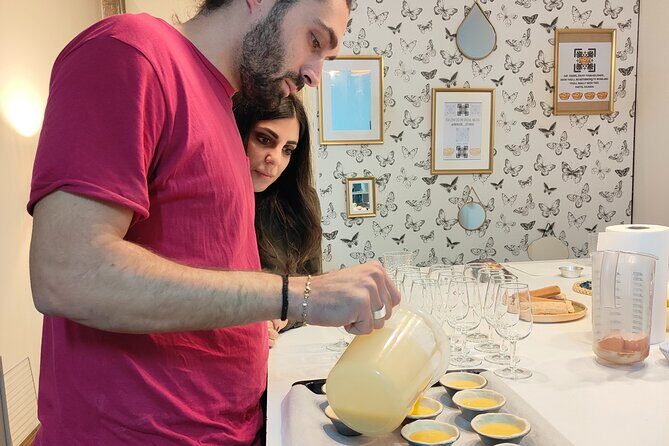
Pastel de Nata is famous for its layered pastry and custard filling. But making the dough from the beginning takes around 3 hours before it’s ready to use. That’s why this workshop uses prepared pastry dough.
Is that a drawback? It depends on what you want.
If your goal is to learn the full, traditional end-to-end process, you may feel the limitation. The good news is the workshop notes that if you want to perform all tasks of the recipe, you can request a private workshop. That’s the option for people who want the whole craft experience.
For most people, though, the prepared dough choice is the point. It keeps the workshop within 1.5 hours without rushing the parts that matter most in the class: assembly, technique, and building a final Pastel de Nata you can actually taste and take home.
You also get the recipe, and that means you can recreate what you learned later—either as a repeat of the workshop steps or as a starting point if you eventually want to experiment with longer dough prep at home.






Tasting, story time, and leaving with two sandwiches
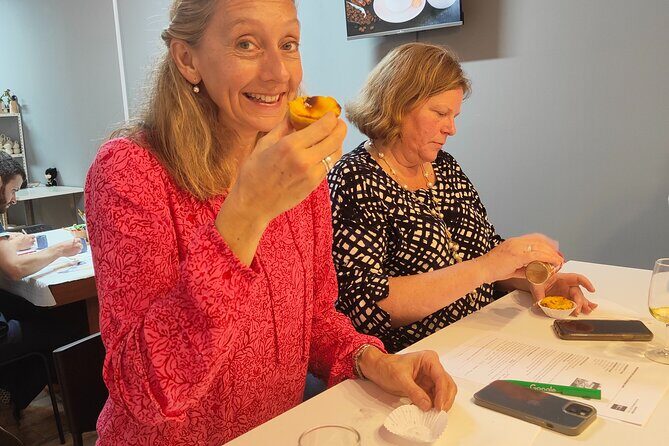
At the end, you get tasting time. The workshop includes a presentation of the story behind the Pastel de Nata—part history, part cultural context, part “why this sweet matters in Portugal.” Reviews highlight that people enjoy learning a bit of background while the instructor keeps the energy up.
Then comes the payoff: each guest takes home two sandwiches. The phrasing in the workshop description is specific, so I’d plan for a take-away portion that’s meant to be enjoyed later. In practical terms, that’s perfect if you want a snack for after the workshop, or if you’re walking around Porto and want something in your bag that doesn’t require finding a bakery later.
Also, because it’s not a huge group, the ending feels more personal. You’re not just ushered out. You finish together, with the instructor wrapping up and ensuring everyone has something to carry forward.
Price and value: what $42.24 buys you in real terms
At $42.24 per person for about 1.5 hours, this workshop sits in the “mid-range experience” category. The value comes from the combination of things you don’t always get together:
- Hands-on participation: each person gets a role in the recipe steps
- Drinks included during baking (port, cocktails, and sometimes champagne)
- A recipe you can take home, so it’s not just a one-time event
- Tasting plus take-away (including the two sandwiches)
If you’re only paying for instruction and food, it might feel pricey. But here, you’re paying for a structured class with an instructor actively dividing tasks, plus the social setting, plus drinks during the oven wait.
If you compare this to a sit-down tour that includes only a light tasting, the workshop usually wins. You get more “you did it yourself” satisfaction, which is the difference between buying memories and making something you can repeat.
Who this workshop suits best (and who should think twice)
This Pastel de Nata workshop is a strong fit if you want:
- A small-group cooking class in Porto
- A fun, social activity with cocktails/port
- A beginner-friendly approach that still feels real and skill-based
- Something you can do in about 1 hour 30 minutes
It’s also a good pick for couples or small friend groups because the format nudges conversation. Several reviews mention meeting people from different countries around the table, which is exactly what you hope for in a hands-on class.
It may be less ideal if:
- You’re extremely sensitive to noise, since the studio may share space with a tile painting class
- You want the full traditional dough-making process from start to finish (this requires extra time, and the class uses prepared dough)
If you fall into the second group, consider asking about the private workshop option for the complete recipe work.
Quick planning tips so you enjoy it more
Here are a few practical moves I’d make before you go:
- Plan to arrive a few minutes early so you can settle in before the instructor assigns roles.
- Wear something comfortable. You’ll likely handle ingredients and work at the station.
- If you’re doing this before dinner, treat the drinks as part of the schedule. The baking wait is the “playtime” block.
- Come with a good attitude about teamwork. The class works because everyone does one part.
And if you like learning by doing, you’ll have a good time because the instruction is set up for action, not watching.
Should you book Nate Pastel and Cocktails in Porto?
I’d book it if you want an easy, fun way to experience Porto through one of Portugal’s most iconic sweets. The small size, the shared roles in the recipe, and the drinks during baking are exactly what make this feel worth the price. Plus, the recipe and take-home treats make it more than a short entertainment stop.
I’d skip it only if you’re specifically chasing the full, traditional 3-hour dough-making process or if background noise would ruin the experience for you. Otherwise, this is a very solid choice for a memorable half-evening in Porto—hands-on pastry, good company, and a sweet payoff you can reproduce later.
FAQ
How long is the Pastel de Nata workshop?
It lasts about 1 hour 30 minutes.
What’s included besides making Pastel de Nata?
You get cocktails/drinks while the pastry bakes, a tasting at the end, and a recipe provided to all participants. You also take home two sandwiches.
Do we make the pastry dough from scratch?
No. The dough takes about 3 hours to be ready, so the workshop uses a prepared dough. If you want to do every step from the beginning, you can request a private workshop.
How large is the group?
The workshop has a maximum of 8 travelers, with the host dividing tasks among up to 9 people.
Where does the workshop meet?
It starts at R. Chã 77, 4000-165 Porto, Portugal, and ends back at the same meeting point.
Is the workshop offered in English?
Yes, the workshop is offered in English.