REVIEW · PORTO
Walking & Hiking Through Porto
Book on Viator →Operated by Shuttle Douro Tours · Bookable on Viator
Porto hits different when you walk it. This guided stroll through the UNESCO historic core mixes iconic landmarks with tile-heavy stops and smart viewpoint breaks. Two big reasons I’d pick it: you get a guided route that feels personal, and you end with port wine overlooking the Douro.
I also like that it’s built around motion, not checklists. Expect a proper hike pace too, often 12,000–15,000 steps, with the route able to shift based on where you start in the city. One drawback: it is mostly outdoors and it’s not a sit-and-sip kind of tour, so comfy shoes really matter.
In This Review
- Key things I’d book this for
- A Porto walk built around tiles, viewpoints, and the Douro
- How the guide shapes your route through Porto’s old walls
- Starting at Avenida dos Aliados: the quickest way to get your bearings
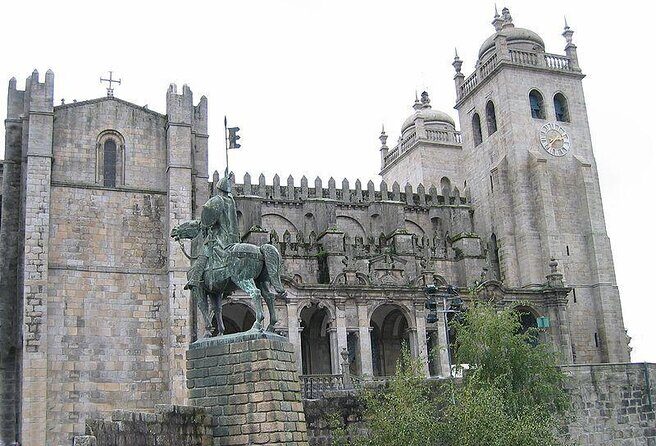
- Catedral do Porto: first views and a sense of the city’s spine
- São Bento tiles and the tile trail through churches and facades
- Bookshop magic and traditional street time for real city texture
- Medieval lanes down to the river: narrow streets, big payoff
- Miradouros: where the walk turns into photos and perspective
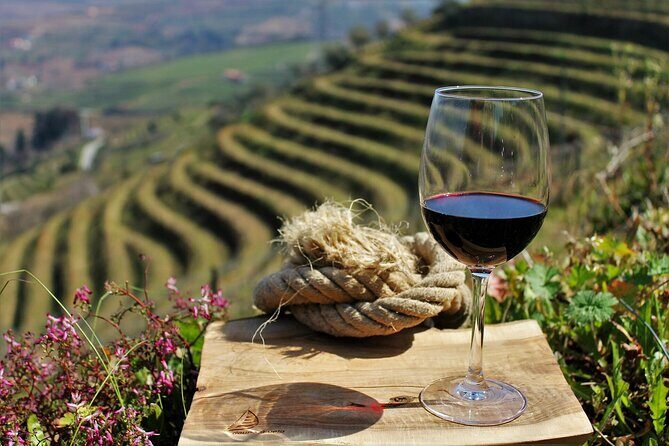
- Ending with port wine over the Douro
- Price and what $173.64 per group really buys you
- Who should book this walking and hiking Porto tour
- The practical stuff: shoes, steps, and timing that actually matter
- Should you book this Porto tour?
- FAQ
- How long is the Porto walking and hiking tour?
- Where does the tour start and end?
- Is pickup available?
- Is the tour private?
- What’s included, and what costs extra?
- About how many steps should I expect?
Key things I’d book this for
- UNESCO old city focus, inside the historic walls and classic core streets
- Tile immersion at São Bento and famous church and facade spots
- Bridge and riverside views that show Porto in layers
- Miradouro viewpoints where you actually pause instead of rushing
- Private group feel up to 8 people, so questions don’t get swallowed
A Porto walk built around tiles, viewpoints, and the Douro
If you only see Porto from streets you happen to walk past, you miss why the city became famous. This experience is designed to guide your feet through the places that shape the way Porto looks and sounds: tile storytelling, stone church edges, and those famous lookouts down toward the river.
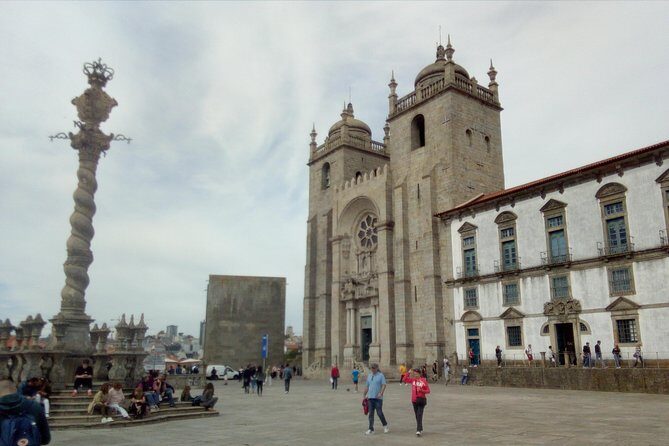
One of the best parts is the mix of high-recognition spots and the “wait, look at that” details. You’ll spend time at landmark architecture like Catedral do Porto, but the route also keeps you moving through medieval lanes that slowly funnel you toward the waterfront. And while Porto is often talked about as a pretty place, this tour treats it like a lived-in city with traditions you can feel while you’re standing there.
The ending is also a big deal. You finish with a port wine overlooking the Douro, where the city’s geography stops being abstract and becomes obvious. That’s not just a nice finale. It’s the payoff: you finally see how the river and bridges connect the neighborhoods you’ve been walking through.
You can also read our reviews of more walking tours in Porto



How the guide shapes your route through Porto’s old walls
This is a private tour (up to 8 people), and that changes the vibe fast. You’re not stuck listening to someone compete for audio while the group gets dragged along. Your guide can adjust the route based on what’s around you and what you want to linger on.
The tour runs about 3 hours in the plan, with guiding services included throughout. In real life, Porto walking means tempo can vary depending on how often you stop for photos or viewpoints. The good news: this style of guiding is built for stops. That’s why you keep getting moments like major viewpoints and iconic interiors/exteriors where it pays to slow down.
You can also have pickup offered, which helps if you don’t want to fight parking or transit before the walk starts. Either way, you meet at Avenida dos Aliados (Av. dos Aliados, 4000 Porto) and you return to that same meeting point at the end. Using a clear starting hub like that keeps the day simpler.
Oh, and one more practical note: you’ll use a mobile ticket, so bring a charged phone. Porto streets can mean quick detours, and you don’t want to be stuck searching your screen.
Starting at Avenida dos Aliados: the quickest way to get your bearings
Avenida dos Aliados is one of the easiest places to orient yourself in Porto. Meeting here helps because it’s central—close enough to jump into the historic core quickly, but far enough from the tourist-only dead zones that you still feel the city.
If you want a smooth day, this meeting setup matters. You don’t have to spend your limited time figuring out where the guide is or how to connect across neighborhoods. You start, you walk, you hit the big sights, and you come back. It’s a rhythm that works well for a half-day plan.
The tour also runs daily from 9:30 AM to 2:30 PM (within the listed operational dates). Morning and early afternoon are ideal for walking because you get enough daylight for bridge and viewpoint stops, and the pace stays realistic.
Catedral do Porto: first views and a sense of the city’s spine
You begin at Catedral do Porto, which is a smart opening move. It immediately places you in the historic mindset of the city—stone, old streets, and a feeling of Porto’s long timeline.
Even if you don’t go inside (admission isn’t included), the cathedral area gives you a strong early visual anchor. From there, the route continues to steer you toward outlooks and the older parts of the city, so you’re not just sightseeing randomly. You’re learning the city’s structure as you walk it.
A small consideration: the tour mentions a view spot right at the start, but admission tickets aren’t included. If the places you want to enter are inside, you may need to pay separately. For some people, that’s totally fine. For others, it changes the value slightly.
São Bento tiles and the tile trail through churches and facades
If you love details, this part is the heart of the experience. Porto is famous for azulejo tilework, and this tour uses it like a map—each stop showing a different style and story.
You’ll visit São Bento Train Station, one of Porto’s most recognized tile displays. It’s not just pretty. Tiles there help you understand how Porto uses art to communicate history and atmosphere. You’ll also get other major tile-focused stops connected to famous churches and facades, including Carmo and Carmelita Churches, the Congregados area, and the Santo Ildefonso tile facade.
What I like about building the day around tiles is that it gives your eyes a reason to stop. Walking Porto can be a blur. A tile stop creates a pause where you can actually notice patterns, color choices, and how the tiles frame the architecture. That improves the whole day, even for people who don’t consider themselves “museum people.”
One practical tip for this section: wear clothes you don’t mind brushing against walls. Porto streets can be tight, and you’ll be close to building edges while you’re looking up at tile faces.
You can also read our reviews of more hiking tours in Porto


Bookshop magic and traditional street time for real city texture
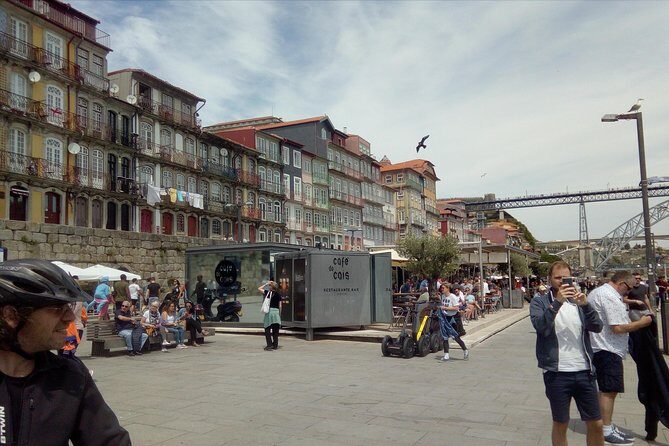
Porto isn’t only stone landmarks. It’s also the everyday streets where people actually live. This tour includes a stop for a famed bookshop and time in a traditional street area.
The bookshop piece works because it gives you variety. After churches, tiles, and big visual viewpoints, a place like this offers a slower rhythm. Even if you don’t buy anything, it’s a good break for the legs and a chance to see Porto’s creative side through something local and tangible.
The traditional street stop is where the tour starts to feel less like a highlight reel and more like a city walk. You can pick up small cues—shopfront character, street layout, how people move through narrow lanes—without needing a separate cultural lesson.
Medieval lanes down to the river: narrow streets, big payoff
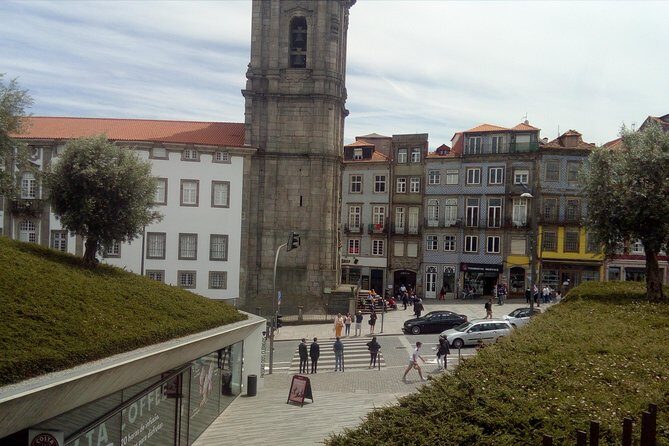
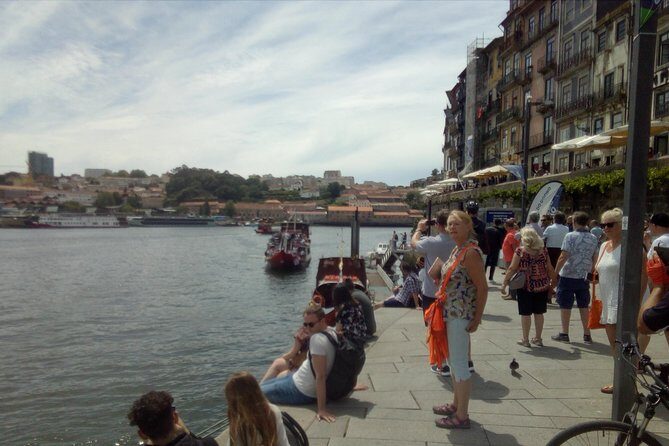
The transition from historic core streets to the river zone is one of the most satisfying parts of walking Porto. You move through medieval narrow streets, then gradually reach the waterfront where the city opens up.
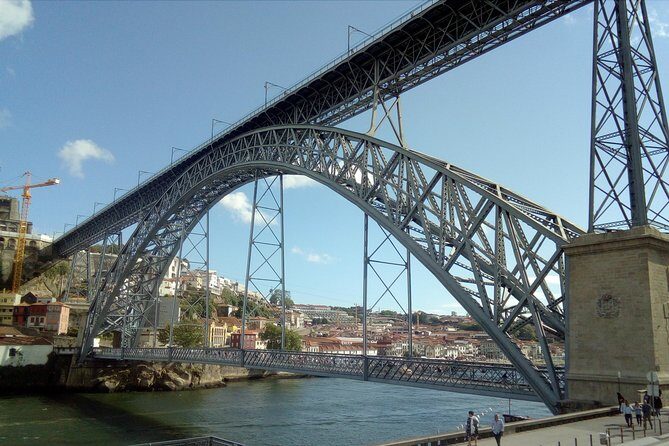
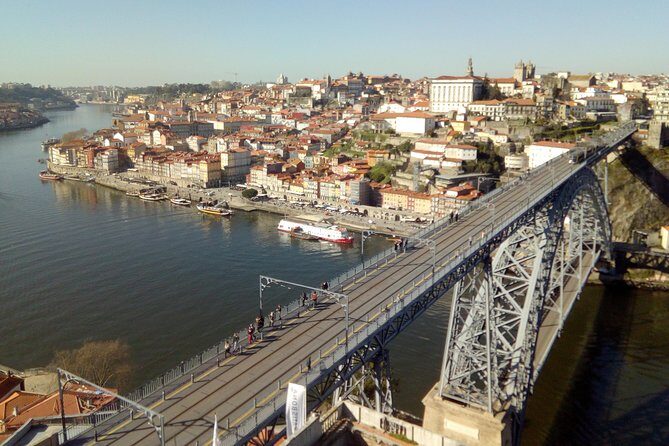
This is also where bridges become more than background scenery. You’re not just seeing bridges from one angle. You’re walking toward them, so each crossing feels like a new viewpoint and a shift in scale.
Along the way, you’ll admire Porto’s bridge variety, from metal construction to wider concrete spans. That matters because it shows how Porto evolved—how the city connected neighborhoods over time as needs and designs changed.
The drawback to note is obvious but important: tighter streets often mean more uneven ground and more stop-start walking for people traffic. Take it slow at corners, especially if your shoes aren’t built for cobbles or stone steps.
Miradouros: where the walk turns into photos and perspective

Porto’s best viewpoints are called miradouros, and this tour includes time at the best miradouro spots. This is not just a “stand here and look” stop. The value is in when you reach them: at the points where your walking route naturally sets up the view.
That’s why viewpoint timing matters. If you hit lookouts too early, the river can feel distant. If you hit them too late, you’re too tired to notice the details. Here, the pace is designed so you still have energy to actually take in what you’re seeing.
You’ll also get that classic Porto mix—river, buildings stacked in layers, and bridges threading the view. Even if you don’t care about photography, a good viewpoint pause is when Porto makes sense.
Ending with port wine over the Douro
A lot of tours end with a bus stop and a polite goodbye. This one ends with something more Porto. You finish with port wine overlooking the Douro River—the river that shaped the city’s rise and wealth.
This finale is more than a drink. It’s a way to connect the geography you walked through to the city’s identity. You see the water, then you remember the bridges, then you think about why trade and movement mattered here.
If you don’t drink alcohol, you might still find the location enjoyable, but the tour does specify port wine as part of the ending experience. For anyone who avoids alcohol entirely, it’s worth considering that ahead of time.
Price and what $173.64 per group really buys you
At $173.64 per group (up to 8), the price isn’t about paying for a ticketed attraction. It’s paying for a guided walking route through high-value areas: historic core orientation, tile-focused stops, viewpoint timing, and a Douro port wine finish.
Here’s how I think about value:
- You’re paying for time with a guide who explains what you’re seeing and keeps the day flowing.
- You’re also paying for efficiency. Porto is easy to wander, but harder to wander well without missing the best angles.
- The private group size matters. Up to 8 people means the guide can adapt, and you spend less time waiting and more time looking.
One more detail: admission tickets aren’t included, so if your ideal version of the day includes entering every possible interior, plan for additional costs. Also, lunch isn’t included. If you want food, bring snacks or plan your meal after the tour.
And yes, there’s a strict policy note attached to this experience: it is non-refundable and can’t be changed for any reason. That’s not something you should ignore if your schedule is tight.
Who should book this walking and hiking Porto tour
This is a great fit if you:
- like guided walking more than museum-only days
- want to see Porto’s famous tilework and bridges without guessing your route
- care about viewpoints and want stops that make sense with the walking plan
- enjoy asking questions and getting answers in real time (the private format helps)
It’s also a good choice for couples and small groups who want the day to feel tailored. The route can be customized depending on where you are, and that flexibility is worth something in a city as hilly and winding as Porto.
Skip it if you:
- hate walking or aren’t comfortable with a hike pace (the step counts given are significant)
- want a mostly seated experience with minimal walking
- strongly dislike any alcohol stop at the end
The practical stuff: shoes, steps, and timing that actually matter
Plan for real walking. The tour guidance mentions 12,000–15,000 steps, and at least one experience described a longer walk of around 18,000 steps. That tells me the guide’s pace and add-on stops can push the effort.
So here’s what you should do before you go:
- Wear walking shoes you trust on stone and uneven pavement.
- Bring a small water bottle. The tour doesn’t list water, and Porto afternoons can add up quickly.
- Think about footwear fit for long stretches. Tight shoes become miserable when you’re climbing and turning through old streets.
Also, bring a charged phone for the mobile ticket. And if you choose pickup, confirm where you’ll be met so you don’t lose time before the walk starts.
Should you book this Porto tour?
I’d book it if your goal is to see Porto the way it looks from the street: tilework you can’t get from a quick photo, bridges and riverside views that make sense because you walk to them, and a guide who helps you connect the dots instead of just pointing.
Don’t book it if you want an easy, low-step outing or if you need your day built around indoor admissions and lunch. This is a walking-focused experience, and the value is in the route and the pacing.
If you’re deciding between guessing Porto on your own and taking a guided route, this is the kind of tour that turns effort into understanding. You’ll leave with a clearer mental map of the city—and a Douro view that sticks.
FAQ
How long is the Porto walking and hiking tour?
The tour is listed as about 3 hours.
Where does the tour start and end?
It starts at Avenida dos Aliados (Av. dos Aliados, 4000 Porto, Portugal) and ends back at the same meeting point.
Is pickup available?
Pickup is offered, depending on where you are.
Is the tour private?
Yes. It’s a private tour/activity, and only your group participates (up to 8 people).
What’s included, and what costs extra?
Guiding services are included. Lunch and admission tickets are not included.
About how many steps should I expect?
The walk is described as around 12,000 to 15,000 steps, and the pace can reach around 18,000 steps for some days.