REVIEW · PORTO
Porto: Douro Valley Tour with 3 vineyards and lunch.
Book on GetYourGuide →Operated by To Do In Portugal · Bookable on GetYourGuide
Douro views kick in early. This tour strings together Port wine country with small-group comfort, plus three tasting stops and a proper meal. I like how the day starts right in Porto’s center at Trindade and turns into a smooth, guided route up to the Douro wine zone. And I especially like that the guide pace feels human—Marco, Nuno, and Emanuel all came across as the type who know when to talk, when to pause, and when to let you ask questions.
The only real catch is it’s a long day with lots of time in a van and on uneven ground. If you have mobility limits or hate walking a little for viewpoints, you’ll need to think twice.
In This Review
- Key highlights you should care about
- Starting in Porto: Trindade Metro to the High Douro Wine Region
- First Views on the Douro River: the quick photo stop that pays off
- Pinhão Estate Visit: wine tasting with river-town charm
- Sabrosa Lunch and Wine Tasting: the best part of the “why” behind the region
- Second Sabrosa Stop: more tasting, more context, less repetition
- What You Actually Taste: Port wine, table wine, and olive oil
- The Lunch in Detail: traditional flavors and real options
- Transport and timing: why a 9-hour day still works
- Price and value: is $147 a good deal?
- Weather, comfort, and what to pack
- Who this tour suits best (and who should skip it)
- Should you book this Douro Valley Tour?
- FAQ
- FAQ
- How long is the Douro Valley tour?
- Where do I meet the guide in Porto?
- What tastings are included during the estate visits?
- How many wineries or estates do you visit?
- Is lunch included, and can I request a dietary option?
- Do you stop for photos along the way?
- What group size is it?
- What languages are offered for the live guide?
- Is the tour suitable for people with mobility impairments?
- What should I bring, and is luggage allowed?
Key highlights you should care about
- Small group (up to 8): easier conversations with your guide and a calmer pace at tastings
- 3 estate visits: you get Port + table wine + olive oil tastings in one day
- Real time for photos: there’s a Douro River photo stop, and guides may add scenic overlooks
- Traditional lunch in Sabrosa: you’ll eat local flavors, with vegetarian and gluten-free options if requested
- Covered, protected stops: weather is rarely a dealbreaker in the Douro Valley
Starting in Porto: Trindade Metro to the High Douro Wine Region
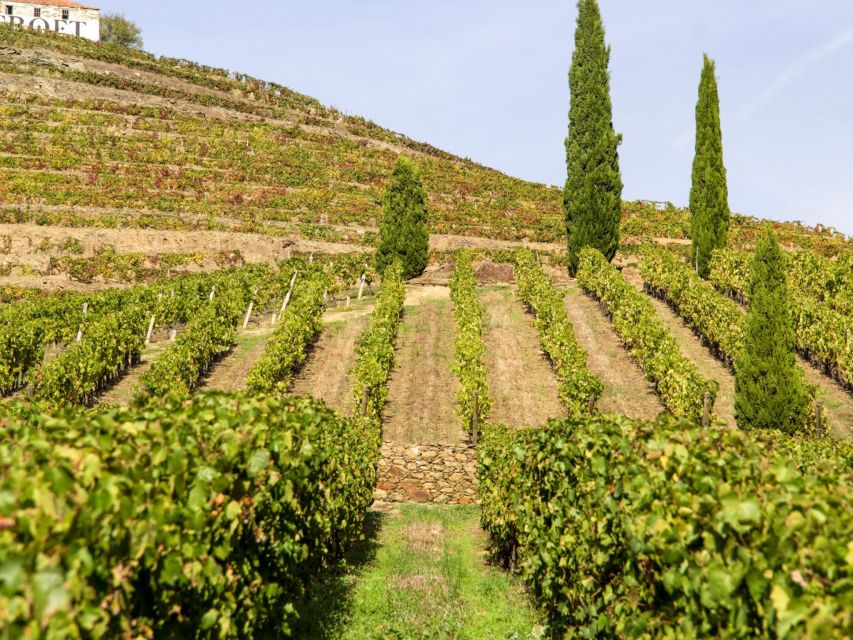
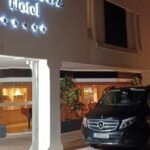
Your day begins at the bus stops next to Trindade Metro Station in central Porto. From there, you head out in a private vehicle with a small group of up to eight people. The van ride is about 1.5 hours, which gives you time to settle in, meet your guide, and get oriented before you hit the wine areas.
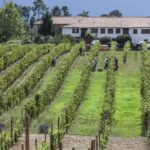
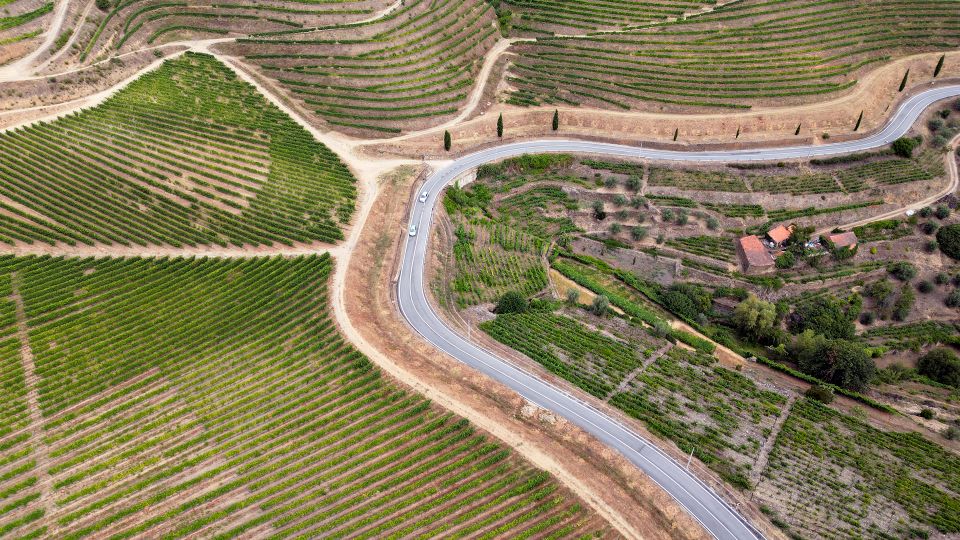
As you travel toward the Douro, the feel of the region changes—city bustle fades, then you start seeing that signature terraced style of viticulture on slopes. The tour is designed to make this part of the day useful, not just transportation. You’ll get a guide-led feel for what you’re looking at and why it matters.
One practical tip: wear comfortable clothes and comfortable shoes. Even if you’re not hiking for hours, you’ll still want solid footing for vineyard paths and viewpoint time.
You can also read our reviews of more tours and experiences in Porto.

First Views on the Douro River: the quick photo stop that pays off
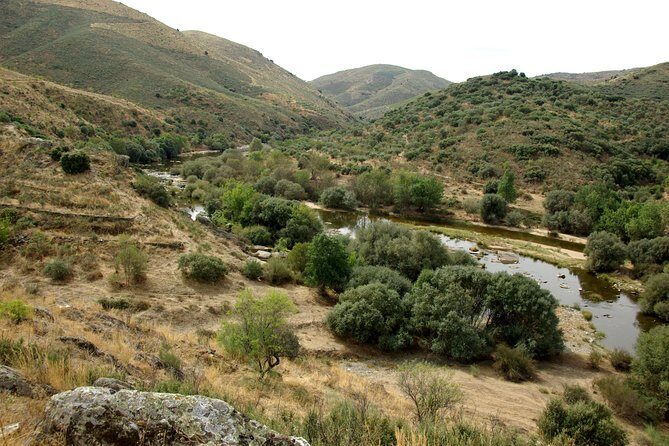
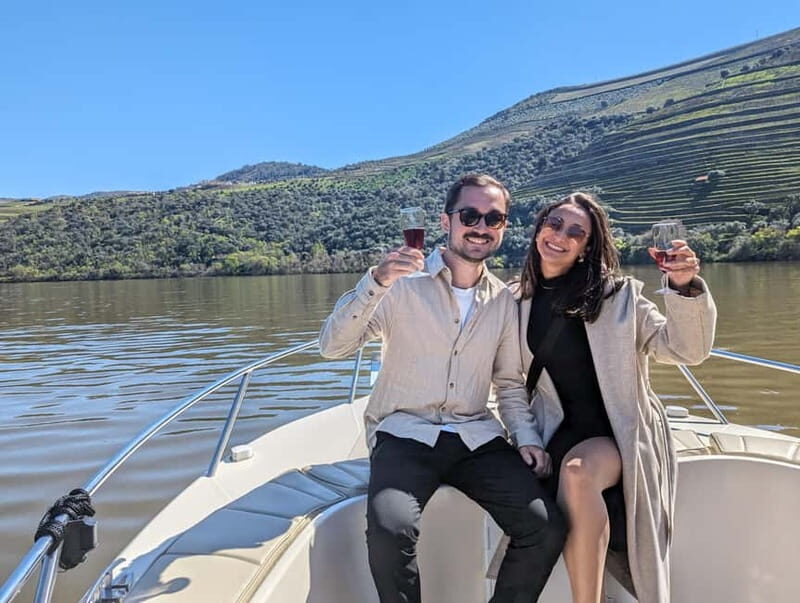
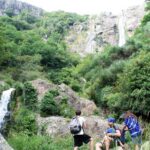
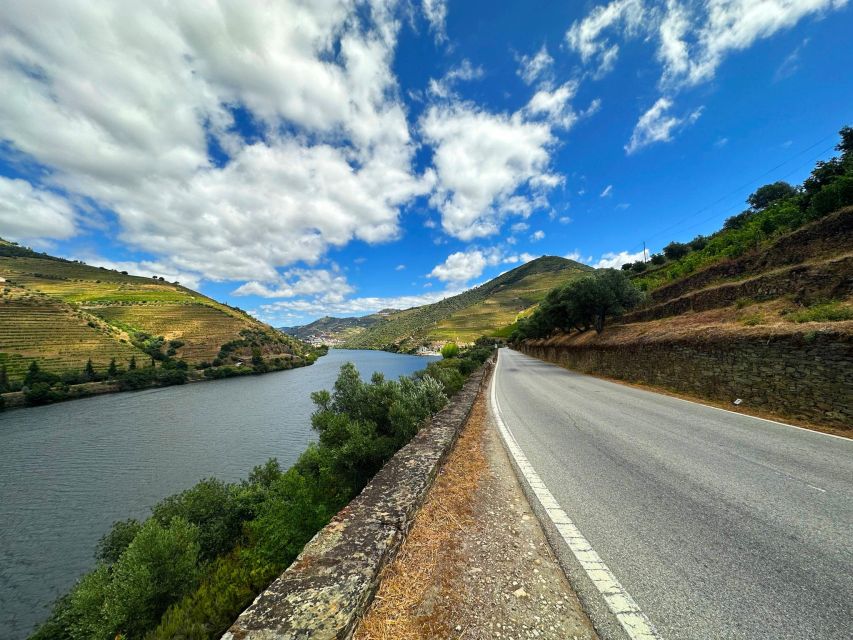
After the initial drive, you get a 20-minute stop at the Douro River for scenic photos. It’s short, but it’s the right kind of short: enough time to frame the view and snap photos before the day moves on to tastings.
This is also where you’ll start understanding the geography behind the wine. The Douro Valley is steep and dramatic, and the river’s bends shape what you see from one lookout to the next. If you like “oh wow” moments without the effort, this stop is a good early win.
Bring your camera, but also bring patience. The best shots often mean standing still for a minute while light shifts and the view cleans up through the air.
Pinhão Estate Visit: wine tasting with river-town charm
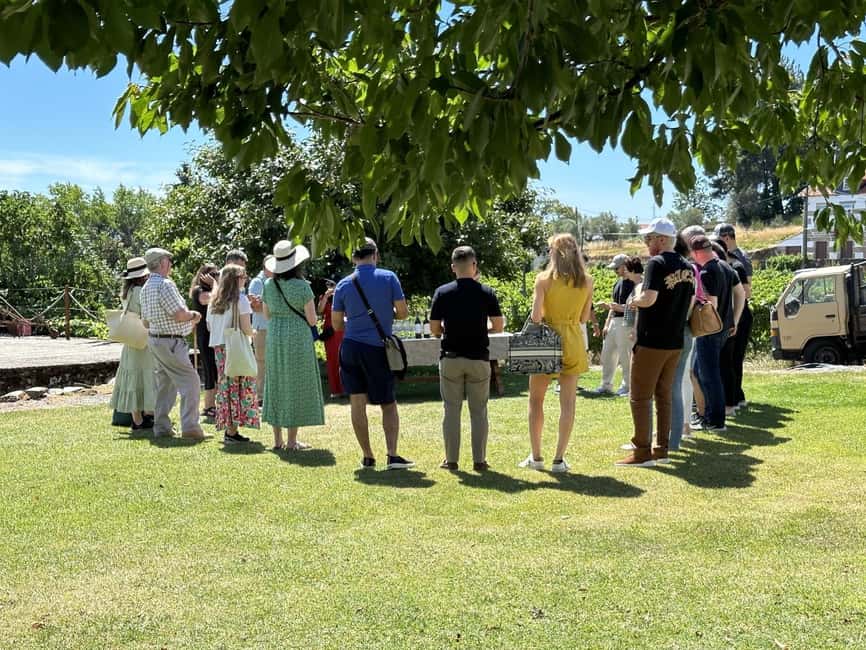
Next up is Pinhão, where you spend about 1 hour on the estate visit. This is one of the key tasting moments of the day. Pinhão matters because it’s tied to the commercial side of Douro wine life—more than a random stop, it’s a real wine town in the middle of the region’s flow.
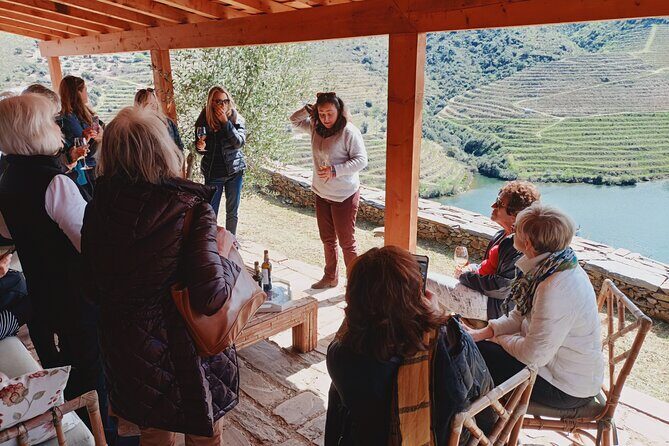
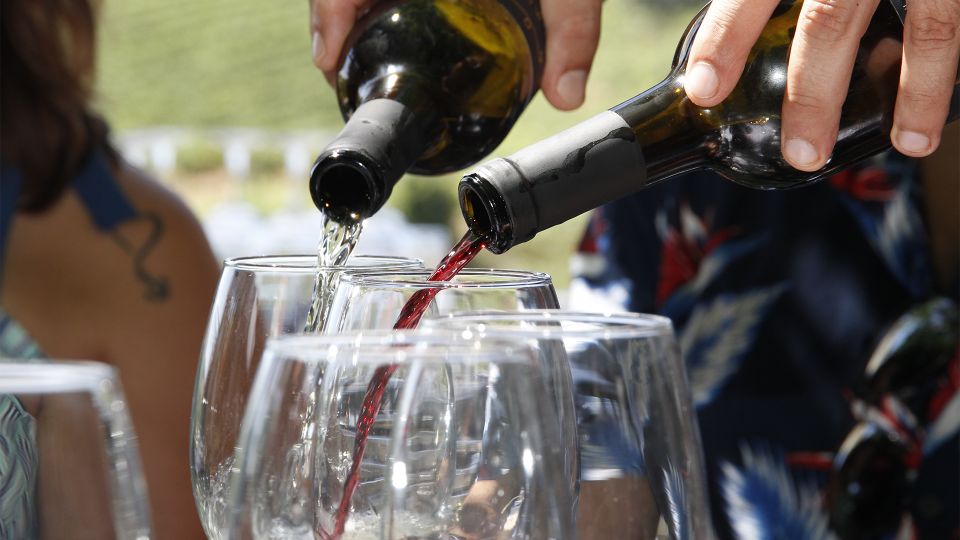
During your visit you’ll do wine tasting as part of the guided estate experience. Expect the guide to talk you through what you’re tasting and how the Douro’s conditions influence style—especially since your tastings aren’t limited to one type of wine.
What I like here: the pacing. You’re not stuck on a schedule that feels rushed. The time feels built for you to taste, listen, ask questions, and then step back out to look at what’s around you.
Possible drawback: if you’re the type who needs lots of time at one place to really enjoy it, the one-hour estate window may feel brisk. For many people, though, it’s exactly what keeps the day balanced—three estates without turning the whole thing into a marathon.
Sabrosa Lunch and Wine Tasting: the best part of the “why” behind the region
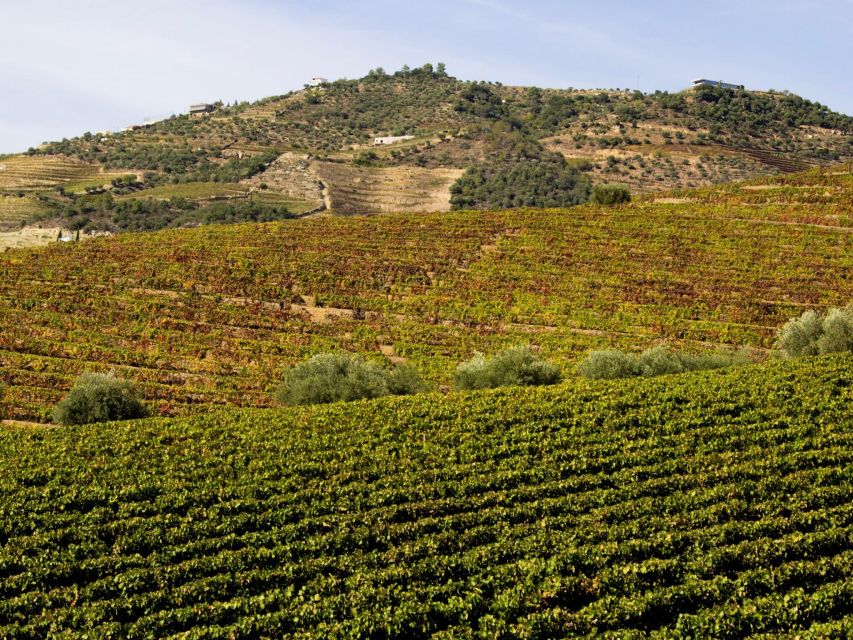
Then you head to Sabrosa, and this is where the tour turns tasty in a big way. You’ll spend about 1.5 hours total in Sabrosa with a visit, lunch, and wine tasting.
The lunch is described as traditional, made with locally grown products. In real terms, that matters because the meal isn’t treated like an afterthought. It’s part of the experience of the Douro Valley, where wine is woven into daily food and regional habits—not just poured to fill time.
Dietary options are available, including vegetarian and gluten-free meals if you request them in advance. That’s a big deal on wine tours, where lunch is often the place plans fall apart.
The wine tasting here fits the meal rhythm too. Your guide will help you connect flavors—how Port-style sweetness and aromatic notes relate to food, and how table wines can change the way you taste lunch.
If you’re trying to decide what matters most—views or tastings—this Sabrosa block gives you a strong dose of both: the winemaking story and the real eating part of it.
Second Sabrosa Stop: more tasting, more context, less repetition
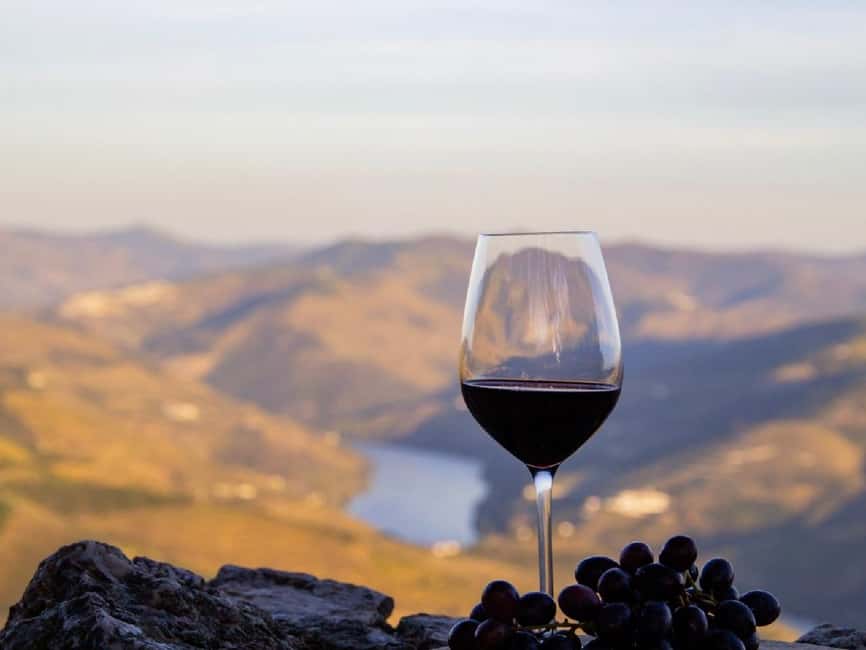
You return to Sabrosa for another estate visit and tasting. This stop lasts about 1 hour, with time for another guided experience and scenic moments on the way.
The value of a second Sabrosa stop isn’t just “more wine.” It’s variety. By separating the day into multiple estates, you get a better picture of how the Douro isn’t one single style. Even within the same valley, different producers and different approaches can lead to noticeable differences in wine character.
This is also where a good guide earns their keep. Guides like Marco, Nuno, and Emanuel were praised for knowing how to talk just enough, then stop to let the group settle into the tasting and ask real questions. That kind of pacing makes the difference between a factory tour and a day you remember.



What You Actually Taste: Port wine, table wine, and olive oil
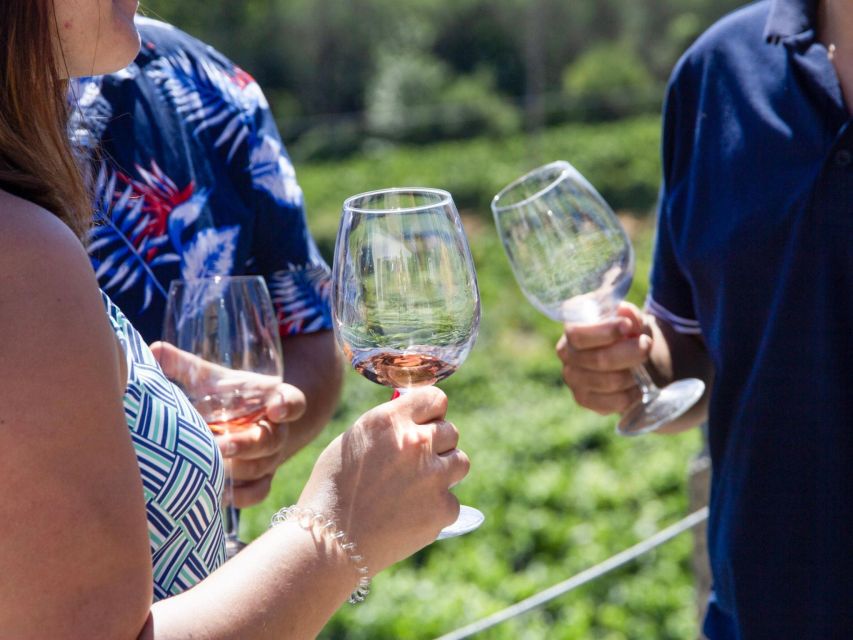
This tour isn’t just a “sample a few wines and go” day. You’re set up for a guided tasting across three estates with:
- Port wine tastings
- table wine tastings
- olive oil tasting
The olive oil part is the surprise that makes the day feel more like Portugal, not only Portugal-as-a-wine-label. Olive oil also gives you a different texture and aroma profile to work with, which can make your wine tasting sharper. It’s the kind of extra element that turns a standard wine tour into something you can actually talk about later.
Your guides are there to connect the dots. You’ll learn what you’re drinking and why it’s made in a particular way. Also, the estates you visit can change based on availability, but the experience structure stays the same.
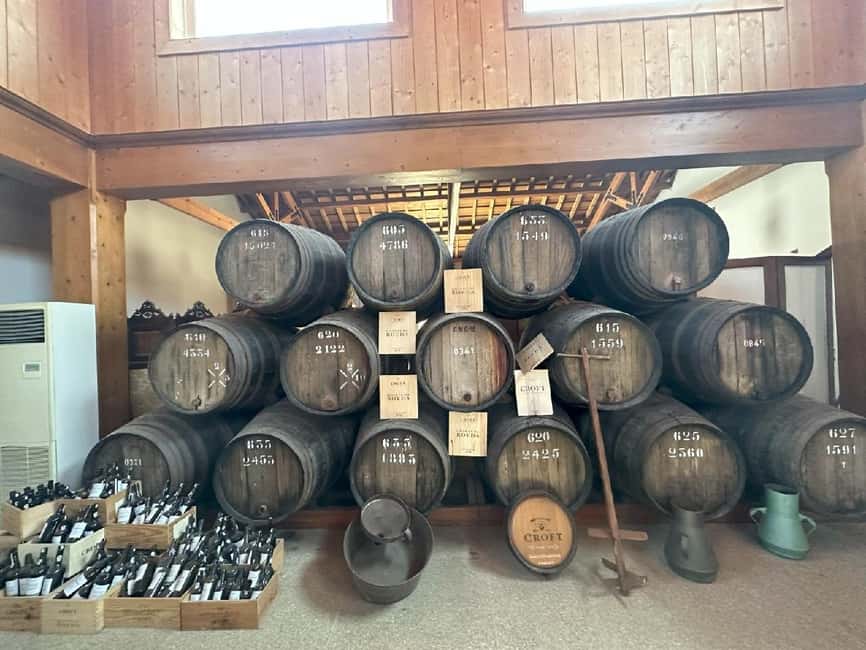
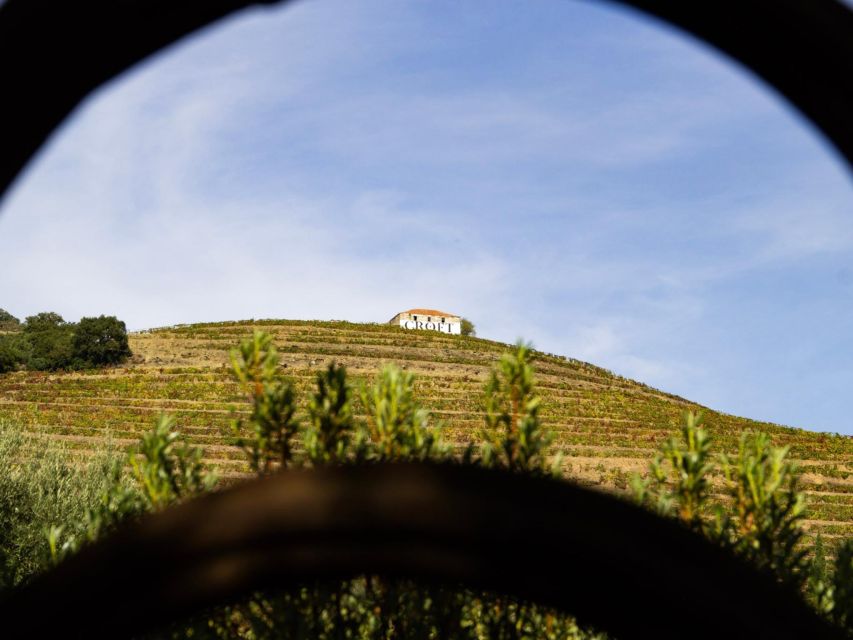
One more note: you might see a mix of major and smaller names. A past experience included a major producer such as Croft, which helped set a baseline before moving to other styles. Since estates can be swapped, treat specific producer names as a bonus, not a guarantee.
The Lunch in Detail: traditional flavors and real options
Lunch is built into the Sabrosa portion of the day, and it’s included. Vegetarian and gluten-free options are available if you request them ahead of time. That detail matters because it’s easy for wine tours to lose points when lunch options are vague or last-minute.
What you should expect: traditional flavors with locally grown products. Even if you don’t know Portuguese food well, the meal is designed to be comfortable and grounded. It’s not a weird “innovation only” lunch. It’s the kind of food that makes wine taste even more like itself.
Practical angle: if you have any allergies beyond what’s mentioned, don’t assume they’ll be handled. The tour only confirms vegetarian, vegan, and gluten-free options are available with advance notice.
Transport and timing: why a 9-hour day still works
This whole experience runs about 9 hours. That means a full day, but it’s not an all-day waiting game. The schedule is set up with tasting and sightseeing blocks that keep you moving.
You’ll also get:
- a river photo stop
- a visit + tasting in Pinhão
- lunch + tasting in Sabrosa
- another visit + tasting later in Sabrosa
- a return ride of about 110 minutes back to Porto
Start times depend on availability, so you’ll want to check what time your specific tour begins. A strong starting time is worth it in Porto because you’ll want time for breakfast and getting across town without stress.
Price and value: is $147 a good deal?
At about $147 per person, this tour sits in the mid-range for a full Douro day with tastings. The value comes from what’s included:
- 3 guided estate visits
- Port + table wine tastings
- olive oil tasting
- lunch
- private vehicle transportation
- small group up to 8
You’re paying for guided time, tasting management, and a day that covers multiple winemaking stops without you needing to coordinate transport between them. If you tried to DIY it, you’d likely spend a similar amount on transport and still end up with less structure at tastings.
Could it be expensive? Sure, if you only care about one estate or you’re not into wine. But if you want variety and a guided explanation of Port and table wine, this price can feel fair for a one-day sampler that still takes itself seriously.
Weather, comfort, and what to pack
The Douro Valley can be very hot in summer and cold in winter, so dress by season. Bring light clothes for hot months, and warm layers for cooler ones. Also, the tour notes that activities happen in covered and protected spaces, which helps you stay comfortable even when weather shifts.
What to bring:
- comfortable shoes
- comfortable clothes
- camera
What not to bring:
- luggage or large bags
- pets
One more comfort detail: the tour isn’t designed for a steep, rugged trek. It’s a guided circuit. Still, it’s not “no walking.” You’ll want shoes you trust.
Who this tour suits best (and who should skip it)
This is a great fit if you want:
- a small-group day with real guide interaction
- multiple tasting stops in one outing
- a lunch that feels like part of the region, not a snack-table compromise
- a guided route with scenic photo time
It’s not suitable for people with mobility impairments, per the tour’s information. Also, if you’re traveling with lots of luggage or hate any transfers, note the restriction on large bags.
If you’re traveling solo, couples, or small groups, this kind of setup often feels better than bigger buses. The day stays personal, and your guide can actually answer your questions without rushing.
Should you book this Douro Valley Tour?
If you’re doing Porto and you want the Douro Valley highlight without turning the trip into logistics, I’d book it. The combination of three estate visits, Port + table wine + olive oil tastings, and a traditional included lunch gives you a full, well-paced day. Add in the guide quality—people have specifically praised Marco, Nuno, and Emanuel for being knowledgeable and good at pacing—and it’s easy to see why this tour lands well.
Skip it if you have mobility concerns or if you want a slow, unstructured day in one winery only. This tour is built for variety, and it moves.
FAQ
FAQ
How long is the Douro Valley tour?
The tour lasts about 9 hours.
Where do I meet the guide in Porto?
You meet the guide at the bus stops next to Trindade Metro Station in central Porto.
What tastings are included during the estate visits?
You get guided tastings at 3 estates, including Port wine, table wine, and olive oil.
How many wineries or estates do you visit?
You visit 3 estates during the tour.
Is lunch included, and can I request a dietary option?
Yes. Lunch is included, and vegetarian and gluten-free options are available if you request them in advance.
Do you stop for photos along the way?
Yes. There’s a Douro River photo stop with scenic views, and your guide may also pause for additional scenic overlooks.
What group size is it?
It’s a small group, up to 8 people.
What languages are offered for the live guide?
The live tour guide is available in English, Portuguese, Spanish, and French.
Is the tour suitable for people with mobility impairments?
No, it’s not suitable for people with mobility impairments.
What should I bring, and is luggage allowed?
Bring comfortable shoes, comfortable clothes, and a camera. Luggage or large bags aren’t allowed. Pets also aren’t allowed.