REVIEW · PORTO
Secret Sites of Porto 3-Hour Walking Tour
Book on GetYourGuide →Operated by Tickets & Tours - by Turima · Bookable on GetYourGuide
Porto has a way of rewarding slow walking. This 3-hour Secret Sites of Porto tour strings together the city’s standout landmarks with smaller, story-filled stops, so you leave with a sharper sense of how Porto really works. I love the mix of food and architecture—especially the custard tart tasting—and I also like how the route hits major viewpoints like Vitória so the city suddenly makes sense. One thing to consider: you’ll be on your feet for the full half-day, and a couple of stops depend on opening days (like the Bank of Tiles on Sundays).
The pace is built for first-timers and repeaters. You start at the fountain on Praça de Gomes Teixeira, then move site to site with a live guide in Spanish, English, Portuguese, or French, linking monuments, local habits, and small surprises. The only drawback I’d flag is that beverages aren’t included, so if you’re sensitive to heat or want coffee with your tart, plan ahead.
In This Review
- Key highlights you will actually feel on this walk
- Getting oriented fast at Praça de Gomes Teixeira and the Bank of Tiles
- Igreja do Carmo: 17th-century convent vibes with a classical façade
- Lello Bookshop from the outside: why the street view matters
- Clérigos bell tower area: views plus a stop that feels local
- Vitória mirador and the Avenida dos Aliados–Liberdade Square corridor
- Custard tart tasting on Avenida Santa Catarina
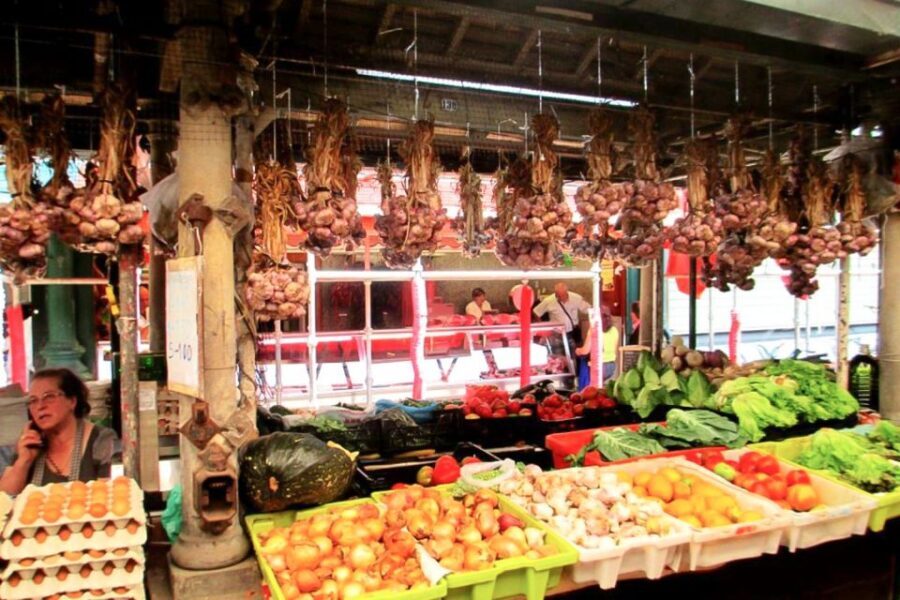
- Bolhão Market aromas: fruit, vegetables, flowers, and the real center
- São Bento Railway Station mosaics: Portuguese history in blue tiles
- Douro River and Sé Cathedral: finishing with a big-picture view
- Price and value: is $46 for 3 hours a fair deal?
- Who this tour is best for (and who should choose something else)
- Quick practical tips before you go
- Should you book Secret Sites of Porto?
- FAQ
- How long is the Secret Sites of Porto tour?
- Where do I meet the guide?
- What’s included in the price?
- Are beverages included?
- What languages are available for the live guide?
- Is the tour always operating?
- Final call: book it or plan something else?
Key highlights you will actually feel on this walk
- Praça dos Leões meets the Bank of Tiles to kick off with a Porto detail you’d miss on your own
- Igreja do Carmo brings you into the feel of a 17th-century convent complex
- Lello Bookshop and the Torre dos Clérigos area focus on the sights from the street, plus a local grocery stop
- Vitória mirador plus Avenida dos Aliados and Liberdade Square gives you the big-city geometry of the center
- Bolhão Market and São Bento swap out postcards for real everyday aromas and historic mosaics
- Custard tart tasting on Avenida Santa Catarina adds a simple, local payoff before you hit the station
Getting oriented fast at Praça de Gomes Teixeira and the Bank of Tiles
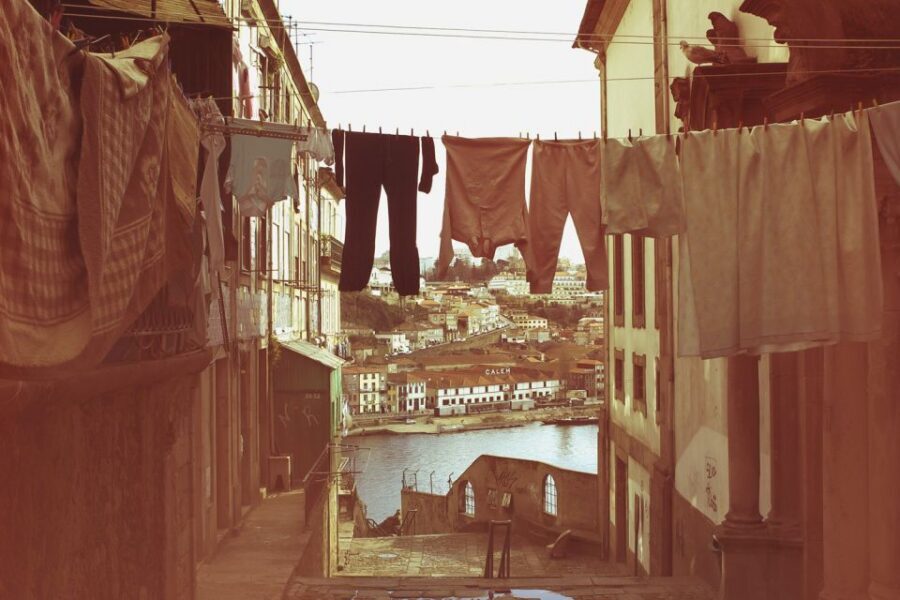
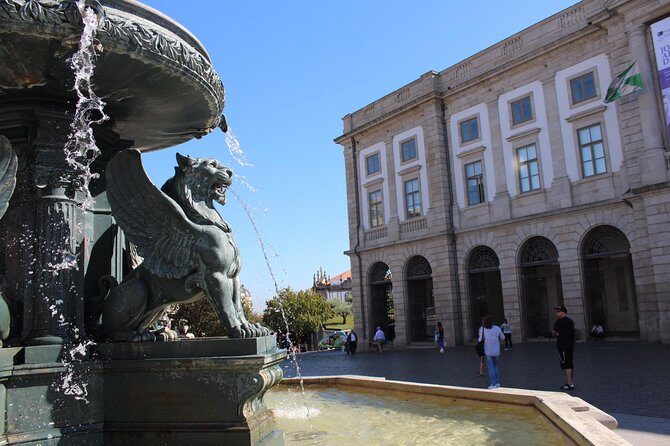
Before you even start walking, you’ll get a quick Porto orientation. The meeting point is right by the Fountain with Lions on Praça de Gomes Teixeira. It’s an easy anchor point, and the lions theme fits Porto’s habit of putting meaning in public corners.
From there, the first real “aha” stop is the Bank of Tiles (Banco de Azulejos). This is the sort of place that feels like Porto’s secret handshake: ceramic tiles used for storytelling. It’s not just decoration—it’s a visual language for how the city thinks. You’ll see why azulejos matter here, and your guide helps you connect the tiles to the wider idea of Porto as a port city that collected influence over centuries.
One practical note: the Bank of Tiles is closed on Sundays. If you’re planning a Sunday, you’ll want to double-check your day so you don’t lose that opening moment.
You can also read our reviews of more walking tours in Porto



Igreja do Carmo: 17th-century convent vibes with a classical façade
Next up is Igreja do Carmo, known as Carmelitas Church. This stop matters because it sets the tone for the whole tour: Porto’s center is layered. You’ll see a classical façade tied to a 17th-century convent setting, and it’s the kind of architecture you can’t fully appreciate from photos.
What I like about this part of the walk is that the guide doesn’t treat it like a single building. Instead, you start noticing how churches, convents, and public spaces are linked in Porto’s urban layout. Even if you’re not the kind of person who “reads” architecture, the way the guide explains the context makes the façade feel less like a landmark and more like a piece of the city’s daily story.
Lello Bookshop from the outside: why the street view matters

Then comes Lello Bookshop. You’ll see it from the outside, which is exactly the right approach for a 3-hour tour. From street level, the façade and setting give you the emotional hit without you needing extra time waiting or ticketing.
This stop also works as a contrast. Up to this point, you’ve been looking at religious architecture and tile storytelling. Now you’re shifting to a culture stop—books, craft, and the idea of Porto as a place where creativity grew in the center, not only at the edges.
The guide’s commentary here is useful because it keeps you from treating the bookshop as just a famous exterior. Instead, you’ll understand why this address became a magnet for people with curious minds.
Clérigos bell tower area: views plus a stop that feels local
After the bookshop, you head toward the Torre dos Clérigos as part of Igreja dos Clérigos. This is one of the most recognizable towers in Porto, and seeing it on foot gives you a better sense of how it dominates the skyline.
Nearby, you’ll also spot an Oriental grocery store popular with locals. This is a small detail, but it’s a big deal for how the city feels. Porto isn’t stuck in the past; it eats, shops, and lives. That grocery stop helps you read the area as a living neighborhood rather than a museum set.
If you want the most out of this section, keep your eyes up. The tower isn’t just a photo—your guide helps you understand how the sightlines work, and why this area became so visually important.
Vitória mirador and the Avenida dos Aliados–Liberdade Square corridor
Now the tour turns you outward with perspective. You’ll get breathtaking city views from the Vitória mirador, then walk along Avenida dos Aliados toward Liberdade Square.
This part is worth it even if you think you already know Porto. Miradors change your thinking. Instead of wandering from stop to stop, you start seeing why certain churches were placed where they were, and how streets funnel you toward the river.
Avenida dos Aliados is the center’s confident, civic spine—wide, bold, and very Porto in its sense of place. Liberdade Square adds the feeling of a public meeting point, a place where locals would naturally pass through. The guide’s job here is to connect the urban layout to the stories you’ve heard so far, so the walk stops being random.
You can also read our reviews of more tours and experiences in Porto






Custard tart tasting on Avenida Santa Catarina
Next you’ll pause on Avenida Santa Catarina for a typical Portuguese custard tart tasting.
This is one of those simple tour inclusions that adds real value. At $46, the cost only makes sense if the tour does more than point at famous buildings. A tart tasting is a straightforward, local experience you can’t easily recreate without knowing where to go. And since beverages aren’t included, you’ll appreciate the built-in timing: tart first, then walk it off.
If you have a sweet tooth, this is a win. If you don’t, it’s still worth it because it’s tied to everyday Porto life rather than a fancy dessert stop. You’ll get the flavor and the ritual, then move on with your legs.
Bolhão Market aromas: fruit, vegetables, flowers, and the real center
After the tart, the tour shifts gears to sensory street life at Bolhão Market. You’ll savor the aromas of fruit and flowers as Porto residents stock up on fresh produce.
This is the stop that helps you understand Porto as a working city. A lot of walking tours focus on the big monuments and forget the daily routine. Bolhão brings you back to basics: what people buy, what they smell, and how markets create social energy.
Even if you’re not buying anything, it’s a practical learning moment. You’ll start noticing how markets support the local food culture, not just as a tourist photo opportunity but as a weekly habit for people who live here.
São Bento Railway Station mosaics: Portuguese history in blue tiles
Then you reach São Bento Railway Station and its mosaic walls, painted scenes depicting moments from Portuguese history.
This is one of the best “wait, look closer” stops in Porto. The mosaics reward time, and the guide helps you see beyond the surface. You’ll likely notice that the wall scenes are organized in a way that makes the story easier to follow—so it’s not just decorative. It’s structured memory.
Because it’s inside a station, you get a bonus effect: the history doesn’t feel staged. It’s part of a functional space where people come and go. That makes the tiles feel more alive than they would in a quiet museum room.
Douro River and Sé Cathedral: finishing with a big-picture view
The walk ends with views connected to the Douro River and Sé Cathedral. Even if you don’t climb or linger forever, this finale matters because it ties the city’s identity together: river, faith, and the medieval core.
Sé Cathedral is a powerful closing image. It gives you the heavyweight feeling of Porto’s old center, while the river view reminds you why the city developed the way it did. If you want to keep exploring after the tour, this is the kind of ending that naturally pushes you to head out on your own.
Price and value: is $46 for 3 hours a fair deal?
$46 for a 3-hour walking tour is in the mid-range for guided sightseeing in Europe. The value comes from what’s included and what’s avoided.
Here’s the logic:
- You’re paying for a live local guide who connects multiple sites so the walk feels coherent.
- You get a custard tart tasting, which is a real local food moment and not just a token stop.
- You cover a compact center route that hits major landmarks and one market experience without turning the day into a logistical maze.
What you’re not paying for (and should plan around) is beverages. If you like a coffee stop along the way, bring extra spending or expect to buy it yourself. Also, remember the Bank of Tiles closing on Sundays, which can affect value if you’re visiting that day.
Overall, if you want a guided route that mixes architecture, viewpoints, and food within a short time window, $46 feels reasonable for what you get.
Who this tour is best for (and who should choose something else)
This tour is a strong match if you:
- want a tight 3-hour route that covers famous Porto plus a few less obvious moments
- like food that’s local and simple, not just dessert for tourists
- enjoy learning how monuments connect to the way a city actually lives
It might be less ideal if you:
- need lots of rest breaks or long sit-down time
- want to spend extended hours inside major sites (this tour focuses on key moments along the way, not long entrances)
Quick practical tips before you go
- Wear shoes you trust. You’ll be walking continuously for the full half-day.
- If you drink coffee or carry water needs, plan your own drinks since beverages aren’t included.
- Double-check your calendar: the tour isn’t available on 25 December or 1 January, and the Bank of Tiles is closed on Sundays.
- If you’re traveling with kids, the mix of sights and the market aromas can keep attention better than a pure monument-only route.
Should you book Secret Sites of Porto?
If you’re trying to see Porto in a smart, short window, I’d book this. The combination is hard to beat for the price: guided context, a real local tasting, viewpoints that reset your sense of the city, and then the mosaic storytelling of São Bento before you finish with Douro and Sé.
Skip it only if you already have a very slow, free-form Porto plan and you don’t want guided pacing—or if you’re visiting on a Sunday and the Bank of Tiles stop would be a key reason you chose the tour. Otherwise, this is the kind of walk that helps Porto click fast, without rushing you through it blindly.
FAQ
How long is the Secret Sites of Porto tour?
It lasts 3 hours.
Where do I meet the guide?
Meet next to the Fountain with Lions on Praça de Gomes Teixeira, 4440-452 Porto, Portugal (GPS: 41.146943,-8.615599).
What’s included in the price?
The tour includes a local guide and a custard tart tasting.
Are beverages included?
No. Beverages are not included.
What languages are available for the live guide?
Spanish, English, Portuguese, and French.
Is the tour always operating?
It isn’t available on 25 December or 1 January, and the Bank of Tiles is closed on Sundays.
Final call: book it or plan something else?
I’d book this if you want a guided route that connects Porto’s big landmarks with quieter details, plus a built-in local food stop. It’s especially good for a first visit or for when you only have a half-day. If your dates fall on a Sunday and the Bank of Tiles is a priority, double-check that fit before you commit.