REVIEW · PORTO
PRIVATE Porto walking tour with historian
Book on Viator →Operated by Casta Tours · Bookable on Viator
Porto rewards curiosity fast. This private walking tour blends major sights with the kind of inside-the-stones details you usually miss in a quick stop-and-snap visit. I especially like that it’s private (max 10), so you can ask tough questions without feeling rushed, and you also get included tickets for Porto’s cathedral. One thing to consider: you’ll be doing a fair bit of walking and stairs, and parts of the experience depend on good weather for the best viewpoints.
You’ll start with a guide who frames Porto not just as pretty scenery, but as history + politics + economy all mixed together. I also like that the route hits a “wow” cluster: the cathedral complex, São Bento’s tile-covered interior, and the big city views from the Clérigos area and Miradouro da Vitória. If you hate walking or want a strictly laid-back pace, this tour might feel a bit full—yet it’s designed to keep the story moving.
In This Review
- Key highlights at a glance
- A Private 3-Hour History Walk That Actually Feels Personal
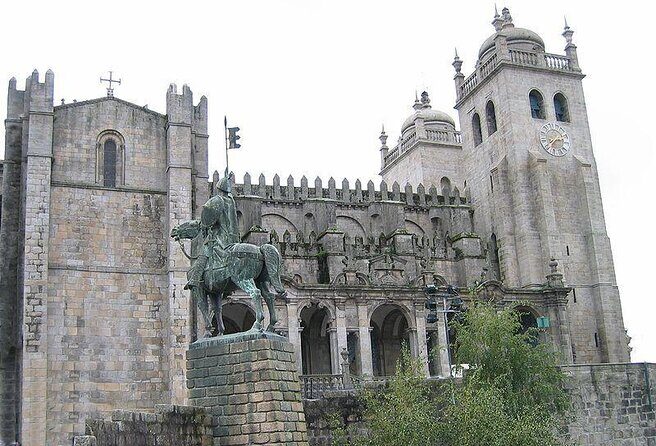
- Porto Cathedral: Romanesque Roots to Tower Views
- What to watch for
- Included Cathedral Tickets: Why They’re Worth It
- Dom Luís I Bridge: A Landmark With Real Context
- Practical tip
- São Bento Railway Station: Tiles That Tell the Story
- Clerigos Church and Miradouro da Vitória: Views With a Point
- A small reality check
- Where to Eat, Drink, and Wander Next (Without Guessing)
- Price, Timing, and Value for a Private Cathedral Day
- Who This Porto Tour Fits Best
- A Note on the Guide Experience (Renato’s Style)
- Should You Book This Porto Private Tour?
- FAQ
- How long is the Porto private walking tour?
- Is the tour private, or is it a group experience?
- What’s included in the tour?
- Will I go inside Porto’s cathedral?
- Will there be a tower climb?
- What language is the tour offered in?
- Where does the tour start and where does it end?
- Do I need a paper ticket?
- What if the weather is bad?
- Is cancellation free?
Key highlights at a glance
- Private guide, small size: maximum of 10, so it feels personal.
- Porto Cathedral access: go inside and climb up to the 12th-century towers.
- São Bento Station explained: learn what you’re seeing on the famous tile walls.
- Iconic-to-local balance: Dom Luís I Bridge, then quieter corners and viewpoints.
- Built-in recommendations: you’ll receive suggestions for food, wine, bars, plus museums and galleries.
- English tour: run in English, with a professional historian-style approach.
A Private 3-Hour History Walk That Actually Feels Personal
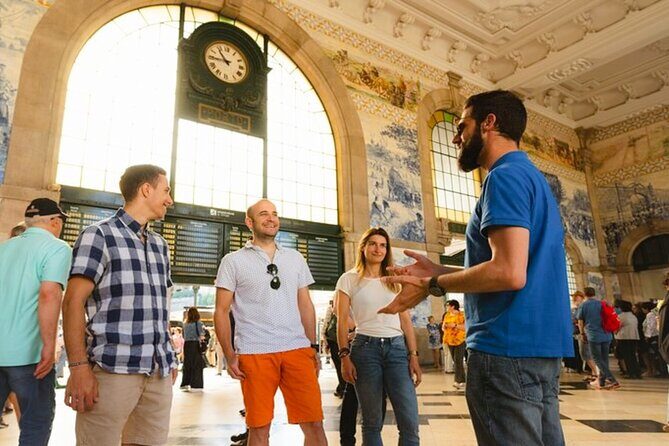
This is a private Porto tour, which changes everything. You’re not stuck listening through a crowd, and you’re not guessing whether your question will be heard. At this size, you can request focus where you care most—architecture, political history, street life, or the “why did Porto become Porto” story.
The pacing is also built around meaning, not just distance. You cover central landmarks in a logical sweep, but you spend real time at places where Porto’s past is visible in stone, tiles, and design choices. It’s a great format if you’re arriving for the first time and want your mental map to click quickly.
Language is English, and the experience includes a mobile ticket, which is handy when you’re bouncing between sights. Confirmation happens within 48 hours (subject to availability), so you’re not stuck waiting forever after you book.
You can also read our reviews of more walking tours in Porto


Porto Cathedral: Romanesque Roots to Tower Views
If you love churches, you’ll understand why this stop anchors the whole tour. Porto’s cathedral experience starts with the inside visit, where you can see how the building tells its story across centuries. You’ll move through romanesque elements, then up to later additions like baroque golden altars and gothic cloisters.
The cathedral complex also includes the sacristy, which is the kind of space that often gets missed on quick visits. Instead of treating it like a checkbox, your guide connects the architecture to the bigger “how Porto changed over time” narrative.
Then comes the part most people remember: climbing to the 12th-century towers for city views. Even if you’ve already seen Porto from a distance, being up in the towers gives a different sense of scale—especially how the river, hills, and dense neighborhoods fit together.
What to watch for
This includes stairs and some uneven or historic surfaces. If you have mobility limits, you might still manage it (the tour says most travelers can participate), but it’s smart to plan for movement and wear comfortable shoes.
Included Cathedral Tickets: Why They’re Worth It
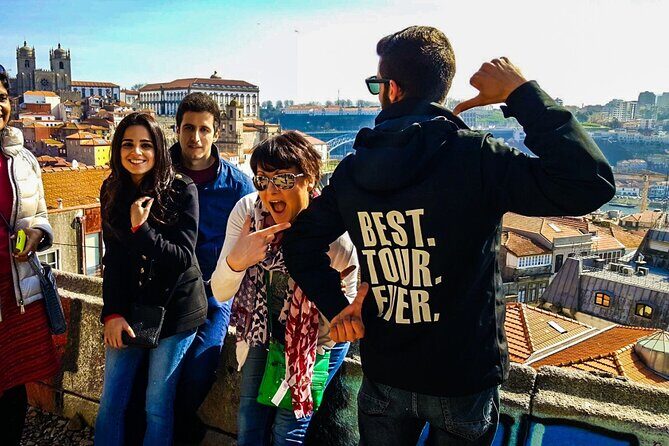
Getting tickets included isn’t just convenience. It helps the tour stay tight, so you spend more time learning and less time lining up or figuring out the logistics on your own. When the guide is building a narrative step-by-step, delays can knock the whole flow off.
Also, cathedral interiors are where the “details” matter. Your guide’s job is to point out what you’re looking at and connect it to Portuguese history and Porto’s identity. You’re not just seeing gold and stone—you’re learning what those design choices meant in their time.
And since the tour is private, you can ask questions while you’re there, not after the moment has passed. The tour’s approach is to use history with context—politics, economy, and architecture—so the cathedral becomes more than a pretty interior.
Dom Luís I Bridge: A Landmark With Real Context
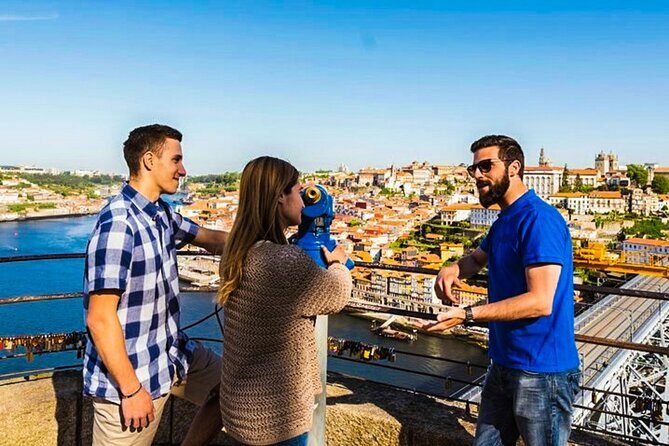
After the cathedral, you’ll cross into the Porto story that most visitors treat as a postcard. The Dom Luís I Bridge isn’t just a photo stop. It’s an easy way to talk about how Porto’s layout, river access, and trade routes shaped daily life.
Standing where you can look across, you start to understand why the city feels layered—different neighborhoods, different elevations, and the river acting like a moving spine. This stop works best when you take your time looking both ways, because your guide will help you connect what you see to the city’s growth over time.
You can also read our reviews of more private tours in Porto




Practical tip
Have your camera ready, but don’t rush it. The best images tend to happen when you also watch the pedestrian flow and the way people use the bridge space.
São Bento Railway Station: Tiles That Tell the Story
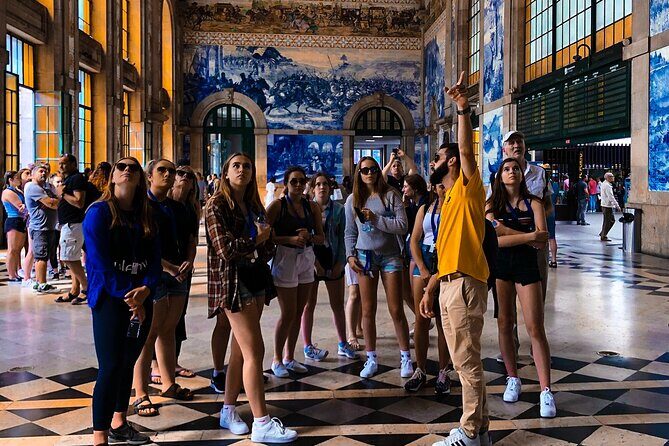
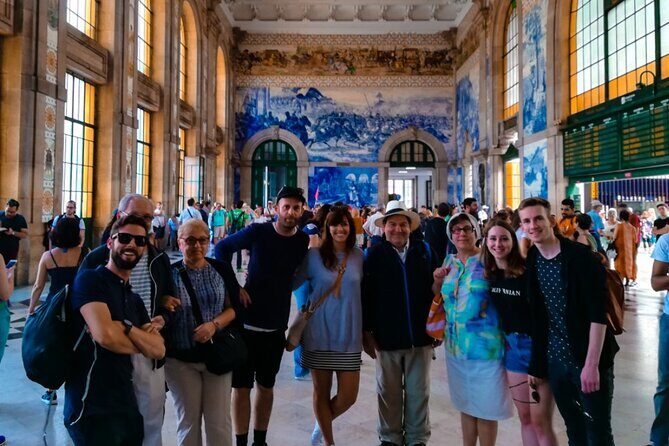
São Bento is famous, and for good reason. The big detail here is that the station isn’t only a transit stop. It’s a visual history lesson built into the walls through tile artwork.
During this tour, you don’t just walk through and move on. You’ll explore the station area and get guided explanations for what you’re seeing. That turns the tiles from “pretty patterns” into “these scenes happened for a reason” moments.
If you like museums, this part scratches that itch without needing extra ticket time. And because it’s in the historical center, it fits perfectly into a walking-day flow.
Clerigos Church and Miradouro da Vitória: Views With a Point
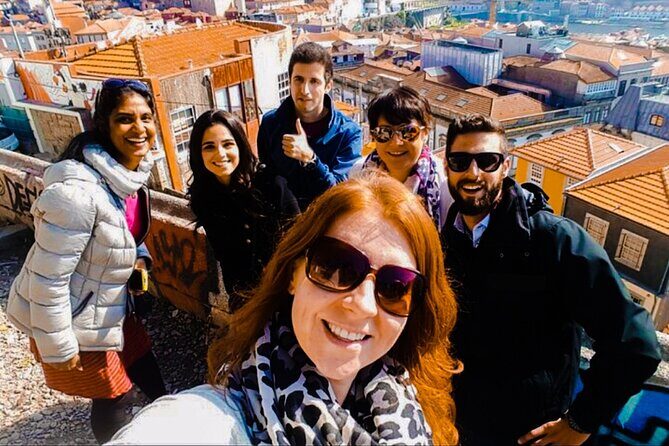
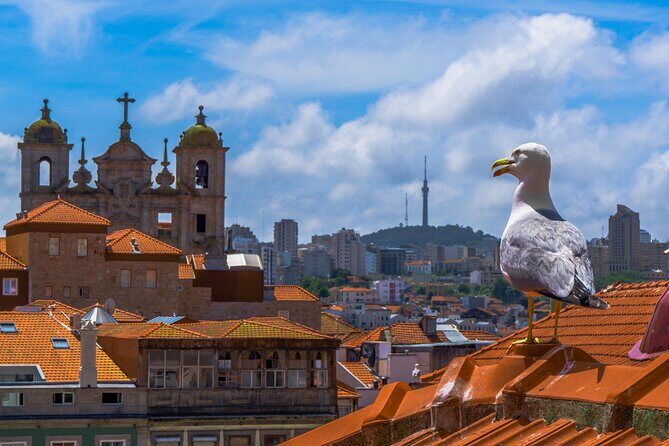
Porto viewpoints can feel like a final flourish, but here they’re treated as part of the story. The route brings you to Clérigos Church, which matters for both architecture and how it frames Porto’s skyline. From there, you move toward Miradouro da Vitória, one of the classic places to see the city in layers.
These viewpoints help you understand geography the way locals experience it—by looking down streets, toward river edges, and up toward the hill neighborhoods. It’s also where the “why Porto feels different” part becomes obvious.
A small reality check
Viewpoints are weather-dependent. On days with poor visibility or rain, the experience may feel less dramatic, and the tour notes that good weather is required. If the company has to switch dates due to weather, it’s usually worth waiting.
Where to Eat, Drink, and Wander Next (Without Guessing)
One of the smartest parts of this tour is what comes after. You’ll get a list of where to get tastiest food and wines, plus suggestions for cool bars, and informative museums and galleries.
That’s valuable on a first visit because Porto’s neighborhoods can be confusing when you’re tired. Instead of relying on random internet picks, you get focused guidance tailored to what you just learned. It also helps you avoid spending your limited hours doing “find food” research instead of exploring.
From the guide’s style, you’ll likely get help that matches your pace—whether you want something relaxed, a bit lively, or more cultural.
Price, Timing, and Value for a Private Cathedral Day
The price is $102.12 per person for about 3 hours. That’s not cheap, but it’s not random pricing either, because you’re paying for a private professional historian-led format plus included cathedral tickets. In practice, you’re buying both time and access.
Here’s the value logic:
- Private format means you get more Q&A and more customized attention.
- Included tickets keep the day efficient.
- Major sites + local context means you’re not just ticking landmarks—you’re understanding them.
The tour is offered in English, runs as a walking experience around the historical center, and has a maximum of 10 travelers. That keeps it small enough to feel curated while still giving the organizer flexibility.
It’s also typically booked about 55 days in advance on average, which is a clue that people plan this as a first-week Porto activity. If you like doing history early so everything else makes sense later, you’ll probably want to reserve soon.
Who This Porto Tour Fits Best
This is a strong choice if you:
- Want a first-time Porto orientation grounded in real historical context.
- Care about architecture and can handle some walking and steps.
- Prefer asking questions in real time (not holding them until later).
- Like tours where the guide also helps with the rest of your trip.
It may be less ideal if you:
- Want only street-level wandering with zero stairs.
- Get overwhelmed by a very information-heavy approach.
- Expect a purely casual stroll with no cathedral or tower climbing.
If you love history, you’ll probably feel like Porto “clicks” faster. If you’re more into scenery, the views from the towers and miradouro make the effort easier to justify.
A Note on the Guide Experience (Renato’s Style)
Several people highlight the same theme: the guide is passionate and engages fully. Renato comes across as proud of Portuguese heritage and strong on historical and cultural context. The standout detail for me is how the guidance stays interactive—your questions don’t get brushed off, and the answers connect back to what you’re seeing in front of you.
That matters because a walking tour lives or dies on explanation quality. When the guide can connect cathedral art, station tiles, bridges, and viewpoints to one coherent story, the whole day feels like more than just a route.
And yes, it helps that you get recommendation lists afterward—so the tour doesn’t end when you walk away.
Should You Book This Porto Private Tour?
I’d book it if you want a guided day where Porto’s big landmarks come with meaning, not just minutes. The combo of cathedral interiors, tower views, and São Bento’s tile storytelling is a solid use of a half-day in a city where time vanishes quickly.
Book it especially if you like the idea of a private experience and you plan to eat, drink, and wander based on real suggestions rather than guessing. If weather is questionable or you’re sensitive to walking and stairs, you’ll want to keep an eye on conditions and pick footwear that won’t punish you.
If you want your first Porto visit to feel organized and deeply understood, this is a smart way to start.
FAQ
How long is the Porto private walking tour?
The tour is about 3 hours.
Is the tour private, or is it a group experience?
It’s private, with a maximum of 10 travelers.
What’s included in the tour?
You’ll have a guided walking experience that includes tickets to Porto’s cathedral, plus time at major historical stops like São Bento Railway Station, Dom Luís I Bridge, and other central landmarks.
Will I go inside Porto’s cathedral?
Yes. The tour includes an inside visit to the cathedral and guidance through areas such as the baroque altars, cloisters, and sacristy.
Will there be a tower climb?
Yes. The tour includes climbing to the 12th-century towers with city views.
What language is the tour offered in?
The tour is offered in English.
Where does the tour start and where does it end?
It starts at the Statue of Vímara Peres on Calçada de Vandoma, 4000-013 Porto, Portugal. It ends back at the meeting point.
Do I need a paper ticket?
No. You’ll have a mobile ticket.
What if the weather is bad?
The experience requires good weather. If it’s canceled due to poor weather, you’ll be offered a different date or a full refund.
Is cancellation free?
Yes—there is free cancellation up to 24 hours in advance for a full refund.