REVIEW · PORTO
Porto, unveiling the city | walking tour | city gems
Book on Viator →Bookable on Viator
Porto reveals itself block by block. This 3-hour walking tour is built for street-level discovery, so you notice the details that normally slide by. You start with big landmarks, then shift into art corners, gardens, markets, and viewpoints, all with a local guide and a private group feel.
I love the way the route mixes legend and everyday life, from the Porto Cathedral to the Dom Luís I Bridge. I also love the variety of stops, including São Bento’s azulejos and the creative sides of town like Miguel Bombarda.
One thing to consider: several sights have tickets that are not included, so your total spend can change based on how many interiors you choose to enter. Good weather matters too, since this is a walking experience.
In This Review
- Key highlights worth timing
- Why this 3-hour walk gives you Porto’s big picture fast
- Meeting at São Bento, then opening the day with Porto’s Cathedral
- São Bento Station azulejos: small stop, big visual lesson
- Antiga Cadeia da Relação and clerical landmarks you can’t ignore
- Livraria Lello and Miguel Bombarda: the art side of Porto
- Horto das Virtudes garden, Ribeira square, and crossing Dom Luís I
- From old walls to Teatro São João and the Majestic café line
- Mercado do Bolhão and Porto squares where locals shape the mood
- Price, included coffee, and the paid stops you should plan for
- Should you book this Porto city-gems walking tour
- FAQ
- How long is the Porto walking tour?
- How much does the tour cost?
- Where does the tour start and end?
- What language is the tour offered in?
- What is included in the price?
- Are admission tickets included for the stops?
- Do I get a full refund if plans change?
Key highlights worth timing
- São Bento Station azulejos: a quick stop with serious visual payoff.
- Torre dos Clérigos: a top-ticket landmark (paid separately) with city views.
- Livraria Lello and Museu Nacional Soares dos Reis: culture hits if you want the inside story.
- Jardim Municipal do Horto das Virtudes: a garden that carries multiple layers of the past.
- Café Majestic and Mercado do Bolhão: one for classic café glamour, one for real local food shopping.
Why this 3-hour walk gives you Porto’s big picture fast
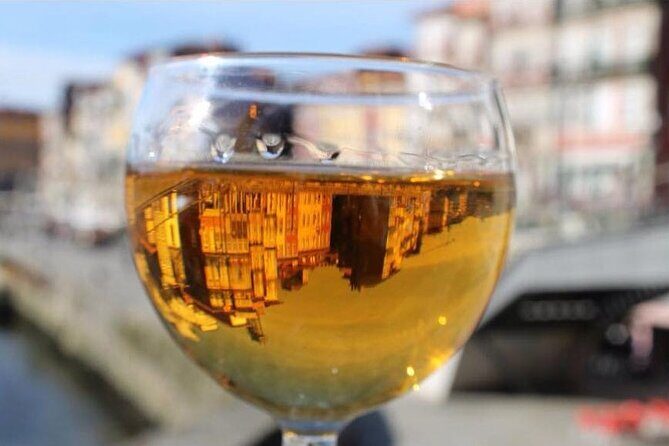
This is the kind of tour that helps you understand Porto without forcing you to memorize facts. The pacing stays human: short stops, then move on before you lose interest. You’ll get a guided storyline that ties the city together—especially the way the river shaped daily life and the city’s growth.
The value is also practical. At about $60 per person for roughly 3 hours, you’re paying for a smart route, time-saving guidance, and included comfort food—espresso or tea plus a pastry. That means you don’t have to start hunting for a café right away, and you get to keep moving while your energy is still high.
Since it’s private, it works well when you don’t want to share your attention with strangers. And if you’re the type who likes asking follow-up questions, this format gives you room to do that. Just know that the itinerary includes both free and paid entrances, so you should decide early which paid spots you want.
You can also read our reviews of more walking tours in Porto


Meeting at São Bento, then opening the day with Porto’s Cathedral
You’ll meet at São Bento station near Praça de Almeida Garrett (4000-069 Porto). It’s a good anchor point because it’s easy to reach, and it’s also right where Porto’s character starts showing up fast.
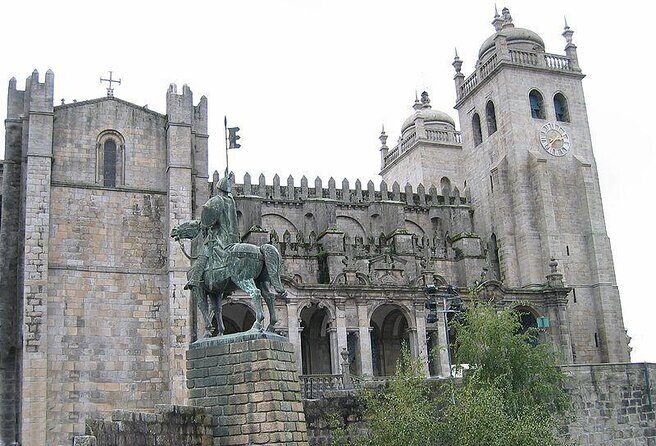
From there, the first major stop is the Catedral do Porto. It’s presented as a place where you can time-travel through different eras while appreciating the setting and views around the cathedral area. Even if you only spend about 10 minutes here, the guided context helps the building feel less like a stop on a list and more like a living piece of the city.
A nice detail: the tour lists admission as free at this stop, so you can enjoy it without adding ticket costs. In a tour packed with paid options later, that’s a small but meaningful budget win.
For your walking comfort, keep in mind this is a moderate-fitness experience. In other words, wear shoes that handle a steady pace and old-street surfaces.
São Bento Station azulejos: small stop, big visual lesson
Next up is São Bento Railway Station, where the highlight is the famous azulejos (decorative ceramic tiles). This stop is short—about 5 minutes—but it’s exactly the kind of stop that changes how you see the rest of the city. Once you’ve looked closely at tile art, you start noticing how much storytelling is baked into Porto’s public spaces.
Admission here is free, which makes this a low-risk, high-reward moment. If you’ve ever felt like guidebooks over-focus on the obvious big sights, this is where the tour starts correcting that.
The practical tip: be ready to pause and look up. The best tile details aren’t always at eye level, and rushing makes you miss the patterns and figures that make the station feel special. Your guide’s job is to point you toward what’s worth seeing in the time you have.
Antiga Cadeia da Relação and clerical landmarks you can’t ignore
After the station, you head toward Antiga Cadeia da Relação, the old city jail. It’s tied to a well-known Portuguese love story, so the place lands emotionally, not just historically. The stop is brief, and admission is not included—so you’ll decide on the spot whether you want to go in.
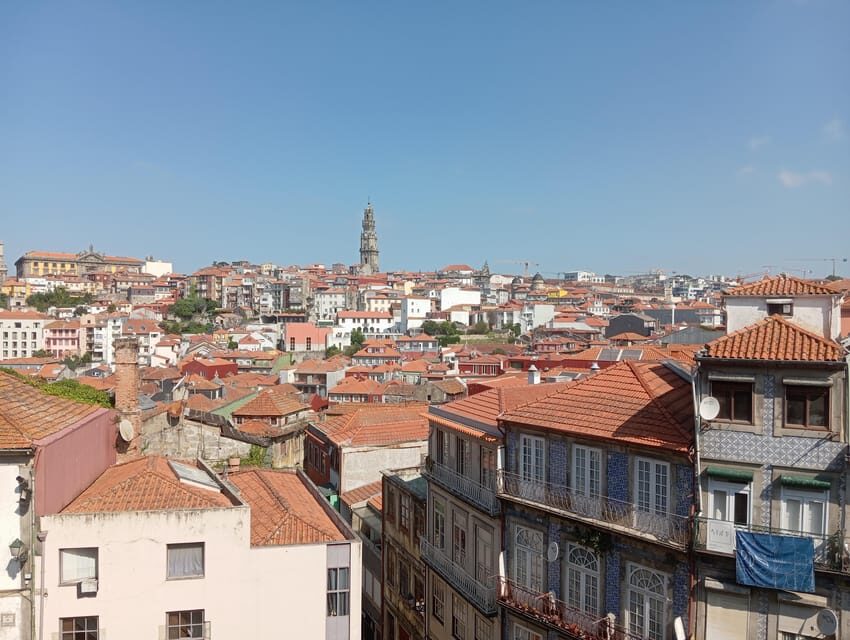
Then comes Torre dos Clérigos, one of Porto’s signature vertical landmarks. The tour describes it as the city’s ex-libris, connected to architect Nasoni. This is another paid add-on stop, so you might appreciate it from outside first, then choose whether to pay to go up.
One reason this part of the tour works: it gives you contrast. You go from storytelling tied to a jail to a tower built for visibility and presence. Porto feels different after that. You start seeing how power and identity show up in stone and skyline.
If you do pay for the tower climb, you’ll be rewarded with city views. In at least one recent outing, the tower ticket was cited as about three euros per person, which helps you plan without stressing over an expensive add-on.
Livraria Lello and Miguel Bombarda: the art side of Porto
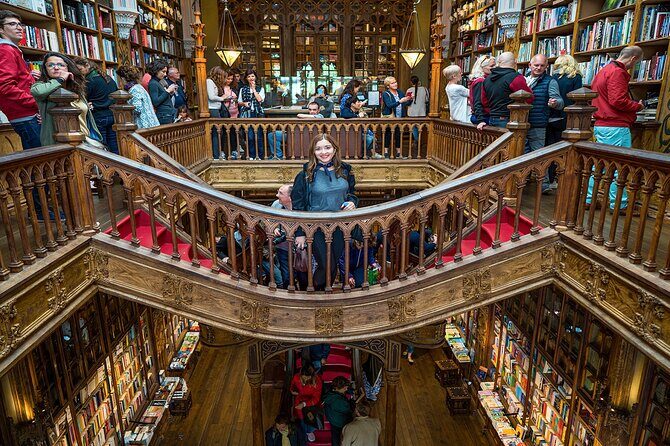
You’ll stop at Livraria Lello, often described as one of the most beautiful bookstores in the world. Admission is not included here, so you’re choosing whether you want the interior experience or just a quick exterior look with context from your guide. Either way, the stop works because it turns a tourist-famous place into a conversation about why Porto attracts artsy people.
From there, the tour shifts to Miguel Bombarda Art Block, a zone where the focus moves from architecture to creativity. The route is laid out so you experience art from the street and then understand where galleries fit in. This is one of the stops where a guide’s personality matters, because the difference between a plain walk and a memorable one is often the stories attached to the setting.
Next is Museu Nacional Soares dos Reis, dedicated to Portuguese art. Admission is not included, and the stop is short, so I’d think of it as a taste test. If you care about art more than sightseeing photos, this museum is one you’re more likely to prioritize.
A good rule for paid museum stops: if you’re already tired, skip. Porto gives you plenty of outdoor beauty later. But if you’re still sharp and curious, these interiors are where the tour’s cultural side becomes real.
You can also read our reviews of more city tours in Porto





Horto das Virtudes garden, Ribeira square, and crossing Dom Luís I
The walk moves into Jardim Municipal do Horto das Virtudes, and this is where Porto gets quietly strange—in a good way. The garden is described as having a creek and also connecting to a Jewish neighborhood and a battle field. That kind of layering makes it more than a pleasant pause; it becomes a place where the city’s history is physically present in the grounds.
Admission is free, and the stop is about 5 minutes. That’s short, but it’s enough time to notice the layout and to understand why people slow down here. If your feet need a breather, this is also a logical reset point.
Then the tour heads to Praca da Ribeira, described as a former market and a postcard picture spot. Here you get that classic riverside feeling—enough room to breathe, snap a few photos, and recharge. Admission is free, and the stop is around 10 minutes, which is generous for a tour this tight.
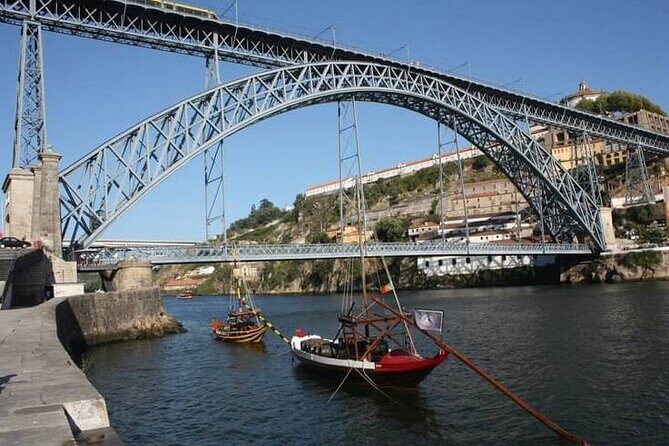
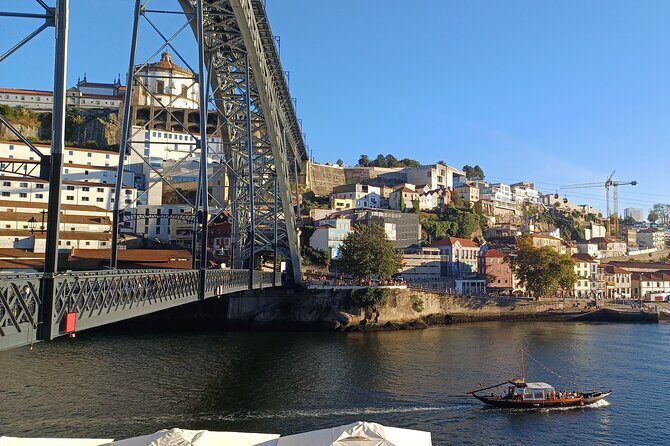
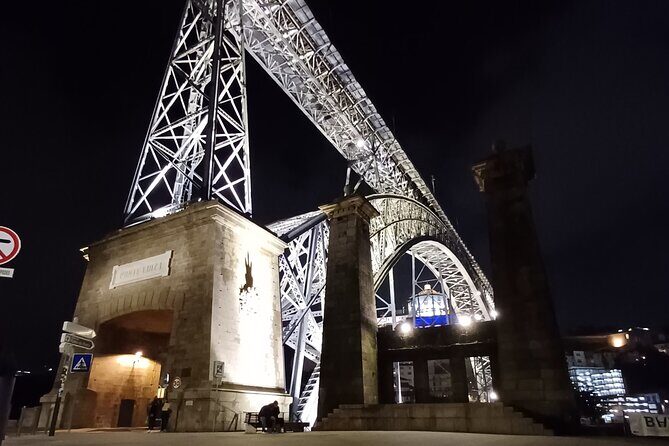
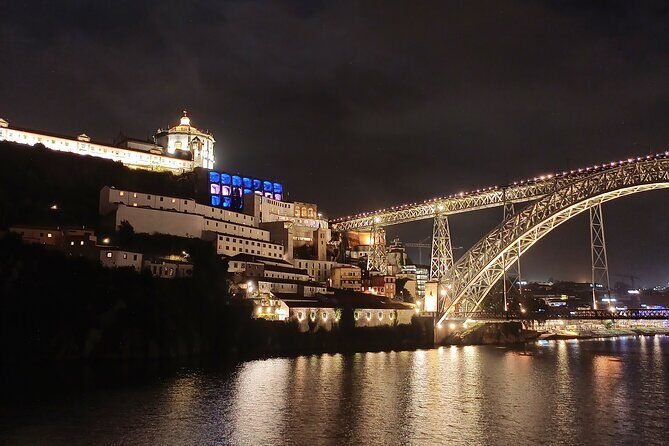
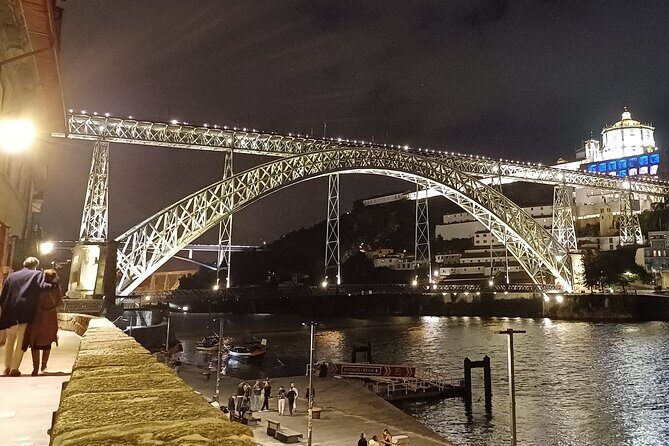
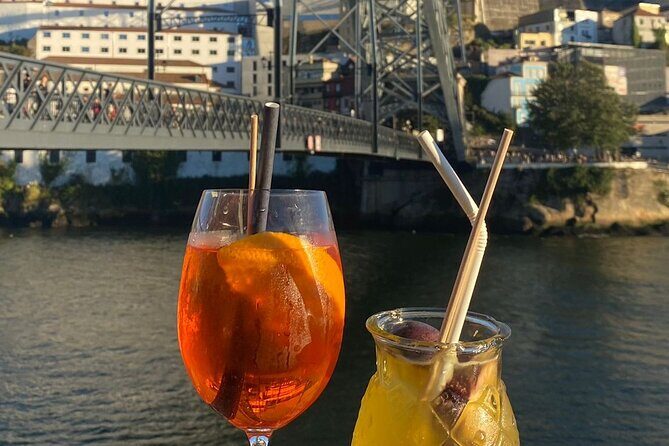
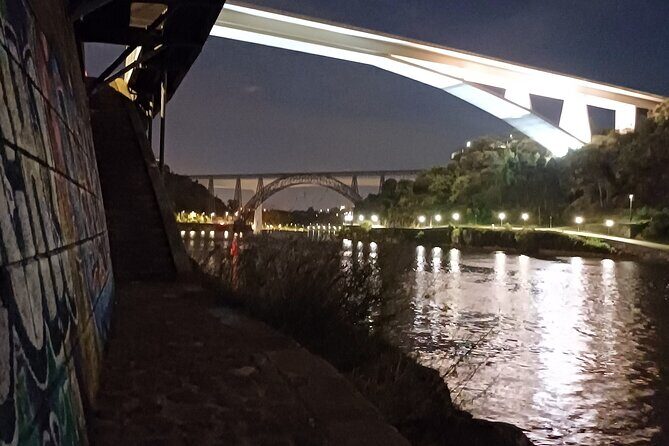
After Ribeira comes the highlight for many people: Dom Luís I Bridge. You’ll cross it and get stories behind it, which helps the bridge feel like more than a background for photos. Admission is free here too. And because the bridge sits between viewpoints, it also functions like a moving platform for how the city connects.
If you want the best results from this section, keep your camera ready but don’t rely on it. Look first, then take photos. Your guide’s stories will make the views feel more specific.
From old walls to Teatro São João and the Majestic café line
Once you’re across the bridge, the tour continues toward Praca da Batalha, positioned at the limit of the old walls. It’s a natural turning point because it marks where the tour finishes the basic circuit and leaves space to plan extra time elsewhere if you want. Admission is free, and the stop is brief.
Next is Teatro Nacional Sao Joao, described as the oldest theater in town. The stop is only a couple minutes, and admission is free. So think of it as a quick “spot the landmark, understand why it matters” moment. When you get the historical framing, even a short glance can make the building feel more meaningful.
Then you’ll reach Cafe Majestic, a luxurious café with queues to get in. This stop is about 1 minute, and admission is free. There’s also a fun pop-culture detail here: the café is described as a place JK Rowling confirmed she was there. Even if you’re not a Rowling fan, this is useful because it’s a shortcut to understanding why Porto’s old glamour still attracts attention.
The practical consideration: because it’s famous, you might see lines. The tour’s plan is to go through the café experience as part of the route, so you’re not stuck outside for ages deciding whether it’s worth it.
Mercado do Bolhão and Porto squares where locals shape the mood
After the café stop, the tour heads to Mercado do Bolhao. This is described as recently renewed, and it’s positioned as a place with genuine products and real people working at stands. The stop is about 20 minutes, and admission is free, which makes this one of the most satisfying parts for food and browsing.
This is where you can eat and drink, and it’s also where you can shop for simple takeaways. If you’ve been holding off on snacks because you didn’t know what to buy, this stop is a smart solution. You’ll have a guided sense of what to look for, and time to choose at a calmer pace than a rushed quick stop.
Then come the cultural orientation stops: Monumento Almeida Garrett and Praca da Republica. Almeida Garrett is an iconic writer connected to the City Hall building square in this area, and the tour uses this spot to set context. Praca da Republica is framed as an historical square where it becomes easier to understand different cultural aspects of locals.
These stops are short, mostly a few minutes each, but they help you “read” Porto as you walk later. The city becomes less random. You start to see how squares function like social rooms.
Price, included coffee, and the paid stops you should plan for
The price is listed as $60.01 per person for about 3 hours. On paper, it’s a walking tour. In practice, the cost is going toward two things: a guided storyline you can use immediately and included refreshment.
You’ll also get coffee and/or tea (espresso) plus a pastry. That small inclusion matters in real life because it removes a common first-day headache: where do you grab something good without derailing your schedule?
Now for the part that can change your final budget: admission tickets. Some stops are listed as free, including the Porto Cathedral, São Bento Station, several squares, the bridge, and the market. Other stops are listed as not included, including Antiga Cadeia da Relacao, Torre dos Clérigos, Livraria Lello, and Museu Nacional Soares dos Reis.
A simple way to decide: if you love interiors and paid exhibits, you’ll likely add tickets at more than one of those stops. If you prefer outdoor landmarks, you can keep extra costs down while still getting the guided context at each location.
It’s also private, and that can improve value if you’re traveling with a group that likes asking questions. With only your party involved, you’re less likely to feel rushed.
One more timing point: this tour is often booked about 25 days in advance on average. That suggests it fills up, especially on weekend slots.
Should you book this Porto city-gems walking tour
Book it if you want Porto in one focused day: cathedral, tiles, art corners, gardens, markets, and bridge views, all in one flowing route. The private format plus included coffee and pastry is a strong mix of comfort and structure, and the variety keeps it from turning into a repetitive checklist.
I’d also book it if you like guides who help you plan the next steps. One guide style you may run into (for example, Rui Silva is specifically named in feedback for this experience) is strong on practical suggestions like where to eat and what to do after the walk. That kind of guidance turns a tour into a launchpad.
Don’t book it if you hate paid add-ons or if you’re very price-sensitive about entrances. Several major culture stops are not included, so you’ll need to decide what to enter versus just view outside.
If the weather looks uncertain, keep your flexibility. This experience is marked as weather-dependent, and the plan is designed for walking.
FAQ
How long is the Porto walking tour?
It runs for about 3 hours.
How much does the tour cost?
The price is $60.01 per person.
Where does the tour start and end?
It starts at São Bento station near Praça de Almeida Garrett (4000-069 Porto, Portugal) and ends back at the same meeting point.
What language is the tour offered in?
The tour is offered in English.
What is included in the price?
Coffee and/or tea (espresso) and a pastry are included.
Are admission tickets included for the stops?
Not all entrances are included. Some stops are listed as free (like the Cathedral do Porto, São Bento Railway Station, and several squares and markets), while others are listed as not included (like Antiga Cadeia da Relacao, Torre dos Clérigos, Livraria Lello, and Museu Nacional Soares dos Reis).
Do I get a full refund if plans change?
Free cancellation is available up to 24 hours in advance for a full refund. If the tour is canceled due to poor weather, you’ll be offered a different date or a full refund.
If you want, tell me your travel dates and what you most care about (cathedrals, art, food, or viewpoints). I’ll help you pick which of the paid stops to prioritize so the tour fits your style and budget.