REVIEW · COIMBRA
Jewish Coimbra Tour
Book on GetYourGuide →Operated by João Mendes, licensed guide · Bookable on GetYourGuide
Coimbra has a secret past in plain sight. This one-day Jewish Coimbra Tour helps you read the city through the people who lived here for centuries, then shows you how that story echoes beyond Portugal. I like how it’s built around specific sites you can actually see, and I really appreciate the way the guide ties local places to bigger moments in European history. One drawback: you’ll be walking on uneven surfaces, and it isn’t a fit if you have mobility issues.
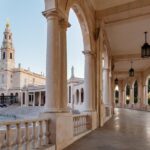
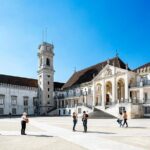
You start at the grand Igreja de Santa Cruz area and move through a sequence of stops that balance major landmarks with shorter street-level moments. The pace is compact—enough to stay focused on the themes, not so long that you lose the thread. I also like that the tour includes site admission, including an exhibition connected to Jewish life and the Inquisition.
Your main “consideration” is weather and timing. Church rules and outdoor walking mean you’ll want comfortable shoes, water, and sunscreen, especially in the warmer months.
In This Review
- Key highlights to look for
- Where the tour begins at Igreja de Santa Cruz
- Santa Cruz Monastery: a practical intro to Coimbra’s layers
- Short stops along the route that teach you how to spot traces
- Pátio Inquisição: where the theme becomes real
- Praça do Comércio: the city’s public stage
- Rua do Corpo de Deus: photo stop with story behind it
- Extra short stops that connect to Coimbra’s Jewish quarter
- The refugee story from a former Coimbra student
- Questions the guide keeps returning to
- Price and value: what $48 buys you in Coimbra
- Practical walking tips: uneven streets, church rules, and smart gear
- Who should book this tour (and who should skip)
- Should you book the Jewish Coimbra Tour?
- FAQ
- How much does the Jewish Coimbra Tour cost?
- How long is the tour?
- Where do I meet the guide?
- What’s included in the price?
- Which languages are offered?
- What should I bring?
- Is it accessible for wheelchair users?
Key highlights to look for
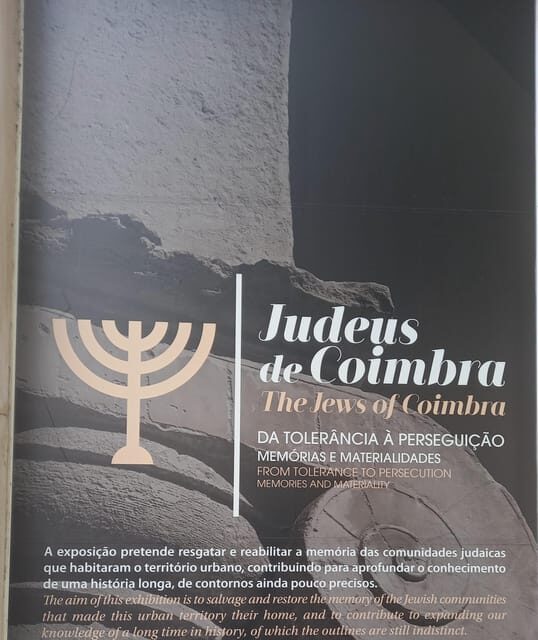
- Igreja de Santa Cruz start point: the story begins right where Coimbra’s old layers come into focus
- Pátio Inquisição: the Inquisition theme is treated as a real, place-based moment, not an abstract lecture
- Jewish Quarter connections: you’ll see why Coimbra mattered on a national and even global scale
- A former Coimbra student’s refugee story: one personal arc shows how one life can affect thousands
- An exhibition included on the route: you’re not only walking—you’re also reading and interpreting
Where the tour begins at Igreja de Santa Cruz
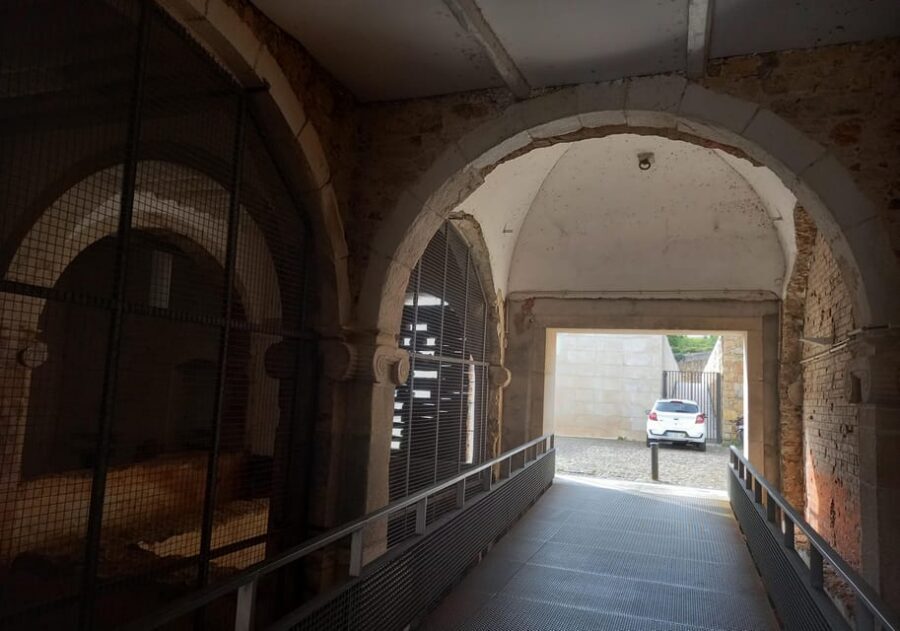
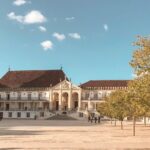
The meeting point is in 8th of May Square, opposite the entrance to the monastery of Santa Cruz. The guide wears a green shirt or t-shirt (and if it’s cold or raining, a jacket as well), and you’ll also see a water bottle—simple things, but they help you spot the group fast.
Starting here matters. Coimbra’s old center is a place where stone buildings still shape how you understand time. From the moment you begin, the tour keeps asking you the same core questions: when did Jewish communities arrive, where did they live, and how did the community change over time?
It’s also a small-group format (limited to 6 people). That size is ideal for a tour that wants you to think, not just collect photos. You’ll have a better chance to ask questions as the guide points out what to notice.
You can also read our reviews of more tours and experiences in Coimbra.
Santa Cruz Monastery: a practical intro to Coimbra’s layers
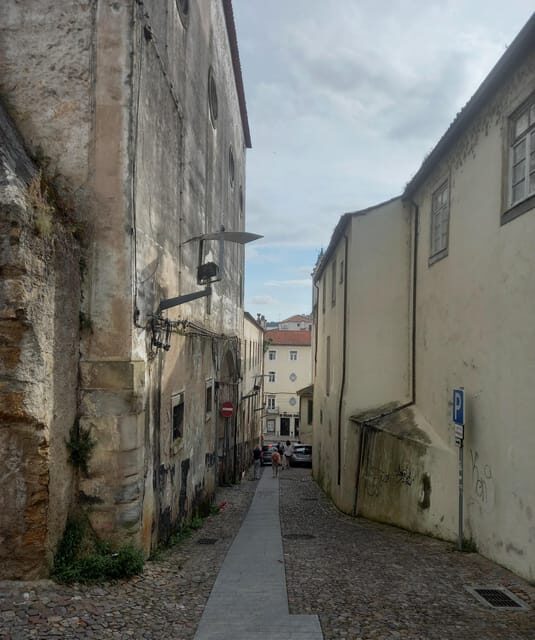
You begin with a short guided visit connected to the monastery area—around 10 minutes on the tour rhythm. This isn’t meant to be a museum-style slow walk. It’s more like a fast, guided orientation: how Coimbra’s power centers and religious institutions formed the setting where Jewish life unfolded.
What I like about this opening stop is that it teaches you how to look. Instead of treating the story as separate from the city, the guide helps you connect what you’re seeing now with how the city functioned in earlier centuries. That makes later stops land harder, especially once you reach the Inquisition courtyard.
A small practical note: this is still Portugal, and weather changes quickly. If you’re visiting in warm months, plan to dress for heat and keep water handy from the start.
Short stops along the route that teach you how to spot traces
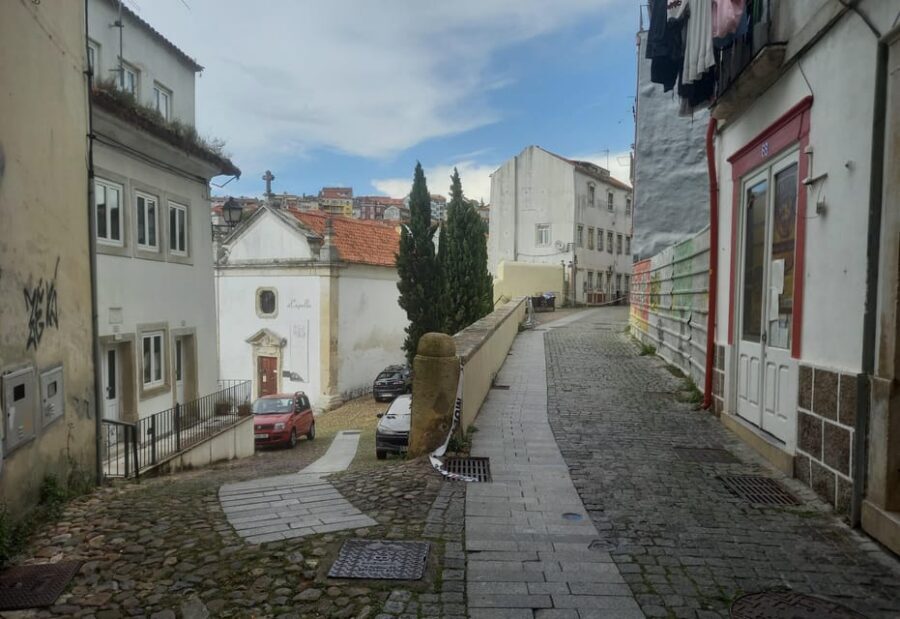
Between the big moments, you’ll make a handful of very short visits—some around 3 to 10 minutes each—plus several photo opportunities. I like this structure because it slows you down just enough to notice details without turning the day into a long slog.
These are the kinds of stops where a guide can point out things you’d normally walk past: street geometry, nearby landmarks, and the way public spaces relate to private life. The tour uses these micro-moments to keep the story grounded. You’re learning where to look so you can keep reading Coimbra long after the tour ends.
If you’re the type who likes “walk and talk” history, this portion is where the experience clicks. If you prefer only major monuments, you might find yourself wishing some stops were longer—but the overall pacing keeps you on track.
Pátio Inquisição: where the theme becomes real
The Pátio Inquisição stop is one of the longer visits on the route (around 20 minutes). This is the place-level moment for the Inquisition theme, and it’s handled with more weight than quick sightseeing.
What you’re really getting here is context. The tour doesn’t just drop the Inquisition topic as a frightening headline. It uses the courtyard and nearby elements to help you connect policy and persecution to real people in real locations. That helps you understand why Jewish life in Coimbra had to be adapted, defended, or changed over time.
The included admission/exhibition helps as well. You’re not relying only on the guide’s storytelling—you have a space where you can read, reflect, and match what you’re hearing to what you can see. For many visitors, that exhibition component is the difference between remembering a few facts and actually understanding a narrative.
Praça do Comércio: the city’s public stage
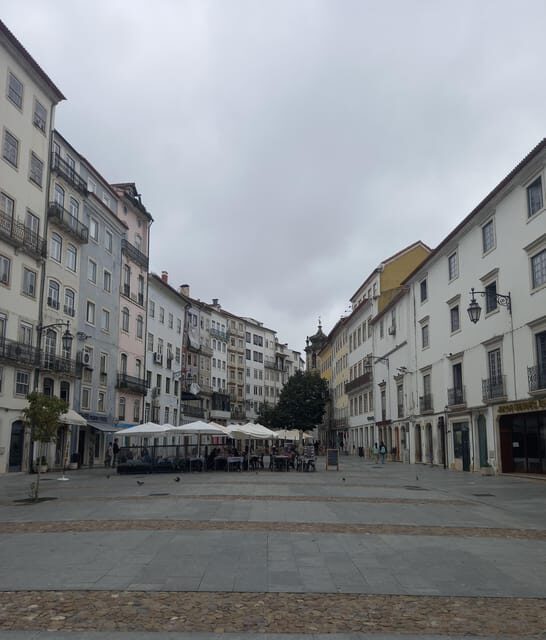
Next up is Praça do Comércio, where the tour includes a guided visit of about 8 minutes. A square like this functions as a kind of stage in a city. Even when you’re not thinking about it consciously, public squares shape commerce, movement, and visibility.
In a Jewish-history tour, this matters because it reinforces the idea that community life wasn’t only about homes and synagogues. It also depended on how people interacted in the broader city—how they were seen, how they were allowed to move, and how authorities influenced daily life.
At this stop, I’d pay attention to how the guide frames Coimbra within Portugal, and Portugal within Europe. The tour repeatedly brings things back to larger forces—political shifts, national rules, and how those pressures echoed across borders.


Rua do Corpo de Deus: photo stop with story behind it
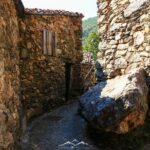
You’ll visit Rua do Corpo de Deus with a photo stop and then a guided segment of about 10 minutes. This is the kind of street moment that feels simple until someone explains what it means in the broader story.
Why this stop is valuable: it helps you understand Coimbra’s Jewish past as a lived geography. Streets aren’t just backdrops; they connect places where people likely worked, traveled, and interacted. When the guide links street-level locations to wider themes, you start seeing the city as a map of community life.
Also, don’t overthink photos. Photography is allowed, and the timing here makes sense for getting a few good images without turning the tour into a selfie marathon. If you’re using a phone, remember that church interiors can sometimes limit light—so be ready to adjust.
Extra short stops that connect to Coimbra’s Jewish quarter
You’ll have additional brief stops on the route—some around 5 minutes, others about 10 minutes—plus a couple of photo opportunities. I’m intentionally not calling them anything fancy, because the value is in what the guide does: they point out connections to Coimbra’s Jewish past, including references to the Jewish Quarter area and places of national and international importance.
This is where the tour feels like a guided walk with a strong interpretation thread. You’re constantly learning why a place matters, not only where it is. That’s why those smaller stops still add up. Over the course of the day, they create a coherent route rather than a checklist.
If you want to get more from these minutes, keep a mental note of themes as you go:
- arrival and settlement
- where communities lived
- how the Inquisition-era pressure changed daily life
- what the story means in national and global terms
By the time you reach the later stops, the city layout starts to make sense in your head.
The refugee story from a former Coimbra student
One of the most striking parts of the tour highlights a former Coimbra student who saved thousands of refugees. You don’t need to be a WWII expert to appreciate why this matters. The story is powerful because it links Coimbra’s academic and civic world to a human-scale outcome that affected thousands of people.
The tour also explicitly touches on questions about how Coimbra and Portugal relate to the Second World War. Even if you don’t leave with a single, tidy timeline, you’ll understand the takeaway: events on the world stage didn’t happen in a vacuum. Local actors and local institutions were part of what shaped outcomes.
For me, this part is what gives the tour emotional balance. After the heavier themes connected to persecution and the Inquisition, you get a human story of rescue and agency. It reminds you that history isn’t only about harm—it’s also about action.
Questions the guide keeps returning to
The tour is built around real, guiding questions. Expect the guide to keep circling back to things like:
- When did Jewish communities arrive in Coimbra and Portugal?
- When did they leave, why, and how did departure happen?
- Where did Jewish people live in Coimbra?
- What importance and legacy did they leave behind in the city and in Portugal?
- How does Coimbra connect to bigger moments such as the Second World War?
You’ll notice this structure because your stops line up with those themes. The city becomes a study tool. Instead of memorizing a list, you learn through a route that answers the questions as you walk.
That’s why this tour can feel more “sticky” than standard sightseeing. Once you’ve mapped the story onto streets and courtyards, the facts have places to live in your memory.
Price and value: what $48 buys you in Coimbra
At $48 per person for a 1-day experience, you’re paying for three things: a guided route, admission to historical sites (including an exhibition tied to Jewish life and the Inquisition), and interpretation that connects the dots between locations.
Here’s the value logic. If you tried to do this alone, you’d likely end up with two problems:
1) you’d see the buildings but miss the connections, and
2) you might not find the right context for why specific places matter.
In a small group limited to 6, the guide can also keep an eye on pacing and questions. That’s part of why the experience feels efficient: you’re not spending your energy figuring out what to do next or what to notice.
So, if your goal is understanding—not just photos—this price looks fair.
Practical walking tips: uneven streets, church rules, and smart gear
This tour isn’t built for sitting. You’ll be walking on uneven surfaces, so comfortable shoes are non-negotiable. The tour also calls out wearing sunscreen and bringing water, which makes sense for Coimbra’s warmer season.
In church spaces, you’ll want to follow the on-site rules. The tour specifically notes that you should take your hat off in church. It’s a small gesture, but it helps you avoid stress when you’re trying to pay attention.
A few other practical points:
- Smoking is not allowed.
- Flash photography isn’t allowed.
- Photography is allowed otherwise.
- Weather can change fast, so check the forecast and plan for cold or rain.
If you’re traveling with a light day bag, keep water and sunscreen easy to reach. When the guide pulls you into a short stop, you don’t want to be scrambling.
Who should book this tour (and who should skip)
This is a good fit if you:
- like guided history that connects places to people
- want Coimbra’s Jewish story in a route format
- care about how national events and global events intersect with local life
- enjoy small-group conversation and short, focused stops
It’s not suitable if you have mobility impairments or need wheelchair access. Uneven surfaces and the walking-heavy route are part of the design.
If you’re short on time in Coimbra but still want meaning, this one-day structure is a smart choice. You’ll cover several key locations without turning the day into a long circuit.
Should you book the Jewish Coimbra Tour?
I think you should book if you want Coimbra history with direction. The tour isn’t only about major monuments. It’s about how the Jewish community’s legacy is visible in the city’s geography, and how that story ties into national Portugal and wider European events like the Second World War.
Book it if you like:
- a small group and a live guide
- an exhibition-admission stop that adds context
- a route where each place helps answer the big questions
Skip it if you don’t like walking on uneven surfaces or if mobility limits matter for you. And if you only want classic “top sights” with zero context, you might find this tour more intense than you expect—but if you want something that actually explains what you’re seeing, it’s a strong pick.
FAQ
How much does the Jewish Coimbra Tour cost?
The price is $48 per person.
How long is the tour?
It’s a 1-day experience.
Where do I meet the guide?
Meet in 8th of May Square, opposite the entrance to the monastery of Santa Cruz. The guide wears a green shirt or t-shirt, or a jacket if it’s cold or raining.
What’s included in the price?
You get a guided tour of Coimbra’s Jewish heritage sites, admission to historical sites (including an exhibition about the Jews and the Inquisition), and storytelling about the Jewish community and its legacy in Coimbra.
Which languages are offered?
The live tour guide speaks English and Portuguese.
What should I bring?
Bring comfortable shoes, water, and sunscreen. In church, you should take your hat off.
Is it accessible for wheelchair users?
No. The tour isn’t suitable for wheelchair users or people with mobility impairments.