REVIEW · PORTO
Downtown Porto Acrylic Painting Workshop for Groups or Individual
Book on Viator →Bookable on Viator
A canvas in hand, you feel brave fast. This workshop turns color theory into something you can use right away, with a clear lesson plan and patient, practical teaching. I like that it’s hands-on from minute one, and I also like that the instructor (Rita) gives real technique nudges so even a non-artist can finish with a piece they feel proud of.
The main consideration: 2 hours is short. You’ll work on a 21×30 cm acrylic canvas, so the goal is a complete, satisfying painting—not a giant, ultra-detailed masterpiece. If you want something elaborate, you’ll likely do that as a fun follow-up at home.
In This Review
- Key Highlights You’ll Care About
- Why This Porto Acrylic Workshop Feels Less Like Class, More Like Progress
- Finding Domus Arte 2: The Easy Start Point in Downtown Porto
- The 21×30 cm Canvas: Why the Size Makes Finishing Feel Real
- Color Theory First: Light, Shade, and Blending You Can Use Immediately
- Acrylics 101: Layering, Drying, and Brush Pressure Made Simple
- Guided Decisions: Copy the Base Design or Create From Scratch
- The Downtown Connection: Porto and Avenida dos Aliados as Your Backdrop
- What It’s Really Like for Non-Artists (and Why It Works)
- Value Check: Is $47.66 Worth It in Porto?
- Who Should Book This Workshop
- Little Practical Tips to Make Your Session Smoother
- Should You Book It?
- FAQ
- How long is the acrylic painting workshop?
- Is the workshop offered in English?
- Where is the meeting point?
- Can I follow a provided design or do my own painting?
- How big are the groups?
- Do I need prior painting experience?
- Can I cancel for a full refund?
Key Highlights You’ll Care About

- Real color theory, not just random paint strokes: light and shade, blending, and complementary tones.
- Acrylic techniques that explain the why: layering, toning, and working with drying paint.
- Choose your comfort level: replicate a base design or create an original composition from scratch.
- Small group size: maximum of 12 travelers, so you get attention when you need it.
- Central meeting spot in Porto: Domus Arte 2 on Rua de Antero de Quental, near public transportation.
- Made for groups and celebrations: friends, bachelor or bachelorette parties, and teambuilding vibes.
Why This Porto Acrylic Workshop Feels Less Like Class, More Like Progress
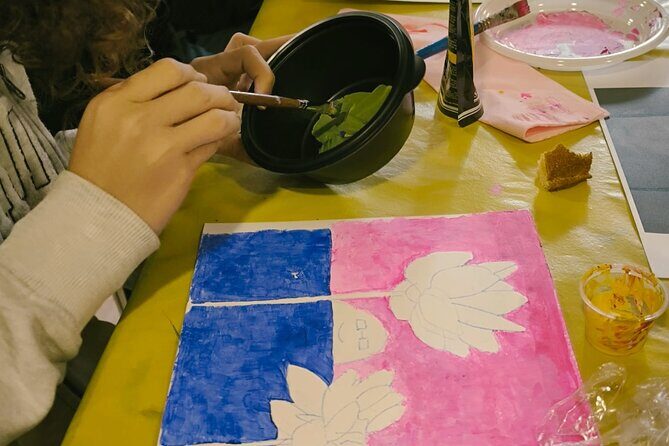
Porto can be busy outside. This experience gives you a different rhythm. You sit down, pick up brushes, and make decisions on purpose. That’s the big appeal of acrylic painting here: it’s fast enough to learn and finish within a couple hours, while still forgiving if you make a mistake.
The lesson starts with the stuff people skip when they try to paint on their own. You’re taught how to see light and shade, how blending works, and which tones play nicely together. That means your painting doesn’t just look like colored blobs. It starts to look like what you meant to make.
I especially like the balance of structure and freedom. You can copy a base design if you want training wheels. Or you can build your own composition if you want your painting to say something personal. Either way, Rita’s role is practical: color and technique suggestions in the moment, plus patience when you’re running late or need extra guidance.
You can also read our reviews of more tours and experiences in Porto



Finding Domus Arte 2: The Easy Start Point in Downtown Porto
You meet at Domus Arte 2, a concept store at Rua de Antero de Quental 228 (4050-052) in Porto. If you like walking-friendly days, this location is a good anchor. It’s in the downtown area, and it’s near public transportation, so you’re not stuck with a long, stressful commute.
The workshop uses a mobile ticket, which is exactly what you want on a travel day. You don’t need paper. You don’t need to hunt for printing. Just show your ticket on your phone when you arrive.
One more detail I like: it’s set up for real small groups, capped at 12. That matters because it usually means better pacing. It’s easier for the instructor to notice who’s stuck on mixing tones or applying paint layers, and to adjust explanations without turning the session into a lecture.
The 21×30 cm Canvas: Why the Size Makes Finishing Feel Real
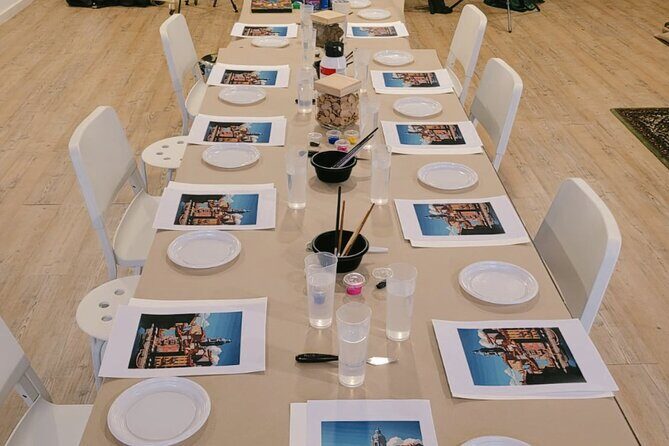
You’ll work on a 21×30 cm acrylic canvas. That specific size is a quiet genius choice. It’s big enough to practice layering and color effects. It’s also small enough that you can actually finish during the session, instead of leaving with half a painting and a new stress problem.
Here’s what that means for you as a traveler:
- You get a complete souvenir, not a WIP you’ll abandon.
- You can spend your energy on technique, not on fighting a huge blank surface.
- If you’re painting with friends, bachelor party energy, or a work group, the shared timeline keeps everyone moving.
If you’re hoping to create a tiny postcard portrait with wild detail, this might feel limiting. But if your goal is to learn acrylic basics and leave with a solid piece, the canvas size fits the time you have.
Color Theory First: Light, Shade, and Blending You Can Use Immediately

The session begins with a practical introduction to color theory. This isn’t theory for theory’s sake. You learn light and shade so you can create depth. You learn blending so smooth transitions feel possible. And you learn complementary tones so your colors don’t fight each other.
This part is where your painting starts to look intentional. Most beginners struggle because they mix colors without a plan. They pick a blue they like and hope it works. But light and shade teaching helps you think in values. That’s what makes form show up on a flat canvas.
If you’ve ever watched a painting “click” and thought, I don’t know why it changed, it’s usually this: suddenly the painter is handling light and contrast with confidence. That’s what this workshop aims to give you early.
And since the workshop is in English, you get explanations in a language that lets you ask questions without guessing. That reduces frustration fast.
Acrylics 101: Layering, Drying, and Brush Pressure Made Simple
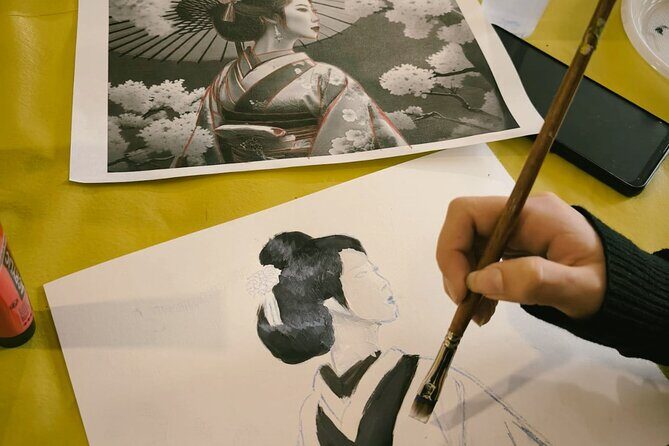
After color theory, you move into acrylic painting fundamentals. You learn key properties of acrylics and how to control them in real time.
You’ll cover things like:
- Brush techniques, including pressure and angle
- Diluting acrylics with water
- Working with drying layers, so your background and effects don’t turn muddy
This matters because acrylic can be tricky if you treat it like watercolor. The instructor’s guidance helps you understand what the paint will do after you lay it down. The workshop also practices background painting and color veiling, which are two techniques that quickly make your painting look more layered and finished.
Color veiling, in plain terms, helps you create a soft tint or glow effect without repainting everything. It’s one of those tricks that can make a painting look like you spent way more time than you actually did.






Guided Decisions: Copy the Base Design or Create From Scratch
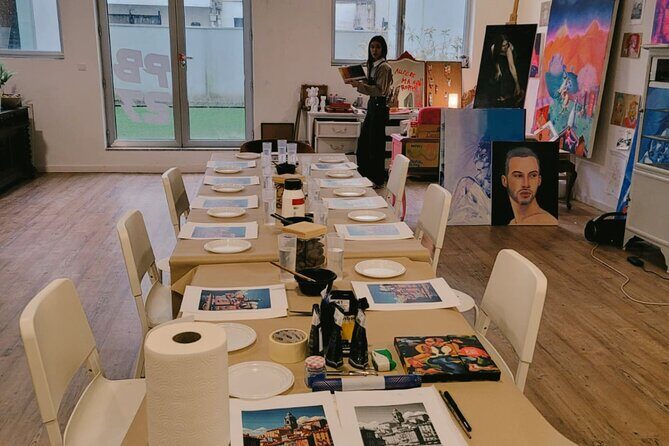
You get a choice. You can replicate a base design provided, or you can create an original composition from scratch.
This is a big deal for a mixed group. Not everyone wants the same kind of challenge. Some people want to relax and follow a template. Others want to experiment with their own theme.
Either way, you’ll get instructor guidance to refine technique and help you finish. That guidance is especially valuable if you’re late, tired, or just not confident with paint yet. In one experience, the instructor was patient while participants arrived late, and that kind of calm support makes a workshop feel safe instead of stressful.
Also, the instructor can adapt ideas to your group theme. One memorable example: a wedding-themed painting plan where the instructor proposed images in line with that celebration. If you’re coming for a bachelorette or bachelor party, that kind of flexibility turns the event into something more personal than just a generic craft.
The Downtown Connection: Porto and Avenida dos Aliados as Your Backdrop
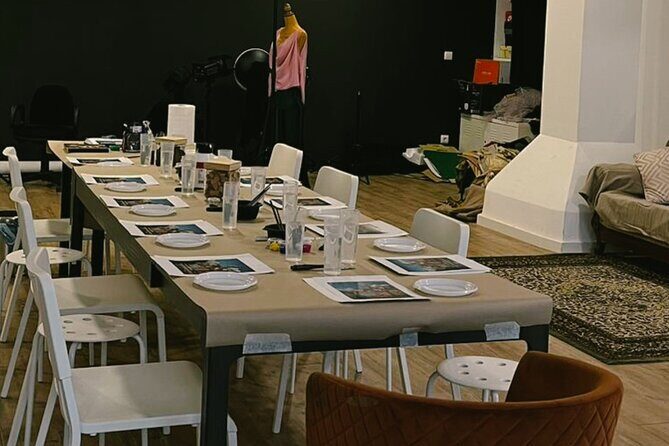
The workshop is rooted in downtown Porto. Your stops include Porto and Avenida dos Aliados, which is one of the city’s central landmarks. Practically, this keeps your day from feeling like you’re traveling out to the outskirts for a single activity.
In a city like Porto, that matters. You can paint, then still have time to walk, eat, and enjoy the streets without a long transportation shuffle.
I’d think of this as a workshop that fits into a classic sightseeing rhythm:
- Morning or afternoon in the city center
- A creative break where you slow down
- Back out into the streets with a souvenir you actually made
If you’re planning your day, build in time to arrive calm. Even though the teaching is patient, acrylic painting doesn’t love last-minute chaos. You’ll do better if you’re present and ready to paint.
What It’s Really Like for Non-Artists (and Why It Works)
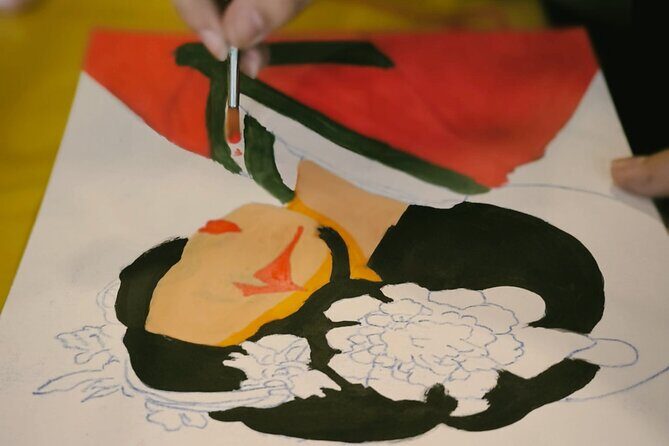
One of the strongest signals from the experience is how welcoming it is for beginners. It’s built so most travelers can participate, and the teaching is aimed at action: mixing, blending, layering, and finishing steps you can see.
You don’t need prior art experience to understand what to do next. The instructor offers color and technique suggestions as you go, so you’re not stuck staring at a canvas wondering what to do with your brush.
This also helps groups. If you’re with friends or coworkers, you won’t all end up with the same result, but you will all understand what’s happening at each stage. That creates a shared experience without forcing identical outcomes.
If you’re the type who gets stressed when you feel slow, you’ll want to lean on the instructor early. Asking questions about your next layer or how to apply a background tone can save you time later.
Value Check: Is $47.66 Worth It in Porto?
At $47.66 per person for about 2 hours, this isn’t a cheap impulse snack. It’s closer to a paid class experience. The value comes from the combination of things you actually get:
- A structured intro to color theory
- Clear acrylic technique coaching, including layering and drying behavior
- A guided path to finishing a 21×30 cm canvas
- Small group size (max 12), which improves the odds of real feedback
If you’ve ever tried to learn acrylic painting on your own from a video, you’ll know how hard it is to interpret brush angles, pressure, and layering results. Here, you’re getting that correction in the moment.
For a travel souvenir, it’s also a practical choice. You’re leaving with something you made, not just something you bought. And it’s made to fit within your trip timeline.
If you’re only interested in buying art, you might prefer a gallery. But if you want a fun, guided skill experience in a short window, this price feels reasonable.
Who Should Book This Workshop
This workshop is a strong match if you:
- Want an activity that works for beginners and mixed skill levels
- Travel with friends and want a shared experience with laughs and real instruction
- Are planning a bachelor or bachelorette event and want a personal souvenir
- Prefer practical teaching over long museum-style explanations
It may be less ideal if you:
- Want a museum-like experience with passive sightseeing and no mess
- Want a highly detailed, hyper-realistic painting in one sitting
- Expect large canvases or advanced specialization with no guidance
Most people fall somewhere in the middle, and that’s perfect. The workshop is set up to help you feel successful fast.
Little Practical Tips to Make Your Session Smoother
I don’t want you leaving with avoidable frustrations. So here are a few common-sense tips based on how acrylic workshops tend to work (and how this one is structured):
- Bring your theme. If you’re there for a celebration, having a wedding idea, colors, or a simple concept helps you paint with intention.
- Plan to arrive on time. The instructor can be patient, but you’ll get more out of the color theory and layering steps if you start when you’re supposed to.
- Don’t overthink brush pressure at first. Get the stroke right, then refine based on the instructor’s suggestions.
- Accept the 2-hour goal. Aim for a complete painting. The “finished” part is what makes this a good travel activity.
Should You Book It?
Yes, if you want a hands-on activity that’s structured, beginner-friendly, and designed to finish well within a short Porto visit. The biggest reasons to book are the practical teaching (color theory and acrylic layering), the option to follow a base design or create your own, and the small group size that supports real guidance.
Skip it only if you’re looking for a passive cultural activity, or if you want a long, slow studio session where every detail is obsessively refined. This is about momentum, technique basics, and leaving with a canvas you can proudly take home.
FAQ
How long is the acrylic painting workshop?
The workshop lasts about 2 hours.
Is the workshop offered in English?
Yes, it’s offered in English.
Where is the meeting point?
You meet at Domus Arte 2 on Rua de Antero de Quental 228, 4050-052 Porto, Portugal.
Can I follow a provided design or do my own painting?
You can either replicate a base design provided or create an original composition from scratch.
How big are the groups?
The experience has a maximum of 12 travelers.
Do I need prior painting experience?
No. Most travelers can participate, and the instructor provides guidance throughout the activity.
Can I cancel for a full refund?
Yes. There is free cancellation, and you can cancel up to 24 hours in advance for a full refund. If you cancel less than 24 hours before the start time, the amount paid is not refunded.