REVIEW · PORTO
City Walking Tour & Port Wine Cellar
Book on Viator →Operated by CD Porto Tours · Bookable on Viator
Porto has a way of pulling you in on foot. This is a combo tour that mixes street-level history with a real, hands-on port tasting in Vila Nova de Gaia. I love how the route turns landmarks into stories you can actually picture, and I especially love that it ends with 3 Port wines in a traditional cellar instead of rushing you through the tasting.
One thing to plan for: this isn’t a “sip the whole time” style tour. You’ll do most of your tasting at the end, and the walking includes ups and downs plus some stairs, so wear proper shoes and expect to work a little.
In This Review
- Quick hits on this Porto walk and port tasting
- Why this Porto combo works: you get the city first, then the wine
- Route reality check: what 3 hours feels like
- Azulejos at Porto’s tile-covered station: art that doubles as history
- Cathedral views and the story behind Portugal’s religious landmarks
- Old Porto neighborhoods: Moorish invasions and the Age of Discoveries
- Crossing into Gaia: the lower-bridge walk and the wine side of the river
- Viewpoints and the stair-and-photo rhythm
- Inside Cais de Gaia: port producers, then a tasting of 3 wines
- Guide style: energy, explanations, and restaurant pointers
- Price and value: is $42.33 a good deal?
- Who this tour suits best (and who should skip)
- Should you book this Porto walk and port tasting?
- FAQ
- How long is the tour?
- What does the tour include?
- Where does the tour start and end?
- Is the tour offered in English?
- Do I get picked up from my hotel?
- How fit do I need to be?
Quick hits on this Porto walk and port tasting
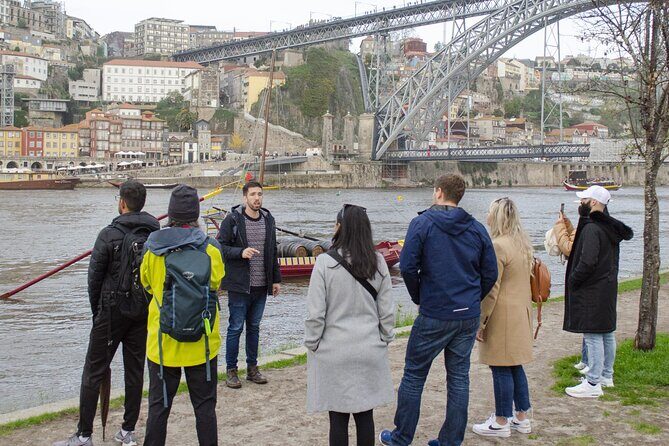
- Small group (max 12) for questions, pacing, and a more personal guide-chat feel
- Azulejos + architecture stop at Porto’s famous hand-painted tiles station
- Historic highlights across the city with religion, old neighborhoods, and Portuguese Discoveries
- Lower-bridge crossing into Gaia for the wine-aging side of the river
- Cais de Gaia cellar visit with a port producers stop and a tasting of 3 wines
- English-guided experience with guides who bring energy and photo-friendly tips
Why this Porto combo works: you get the city first, then the wine
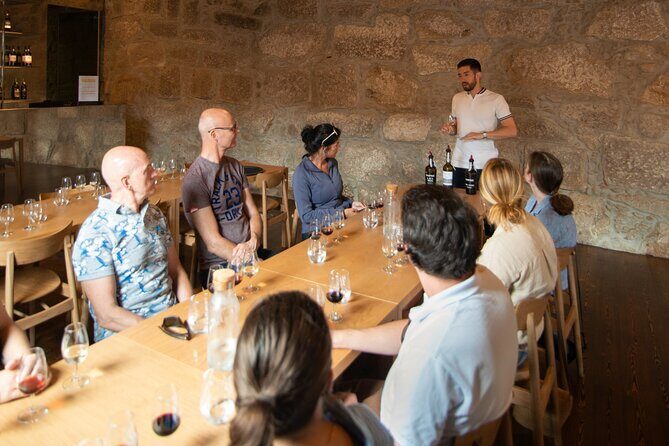
This tour has a smart flow. You start by getting your bearings in Porto, then you cross into Gaia where port production lives, and you finish with the payoff: a tasting where the guide can connect what you just learned to what you’re drinking.
I like that it’s not just a list of sights. The walking route is built around themes: how Porto grew, what shaped everyday life, and why the Douro riverfront matters. If you want a first-day orientation that also teaches you something about Portugal beyond the obvious postcard views, this hits the mark.
The “small-group” cap matters too. With a maximum of 12 people, the guide can slow down for questions, and you’re less likely to feel like you’re moving through a factory line of tourists.
You can also read our reviews of more walking tours in Porto



Route reality check: what 3 hours feels like
The total time is about 3 hours, and you’re combining a city walk with a long-ish cellar segment. The cellar tasting itself clocks in at around 1 hour 30 minutes, with admission ticket listed as free.
In practical terms, that means two things for you:
1) You should treat the walk as a real walk, not a casual stroll.
2) You’ll want a bit of patience for the end, because the tasting is concentrated there.
The route includes stops with short explanations plus several viewpoints. Expect a moderate fitness level, and don’t underestimate stairs. Even in the rain, the experience tends to stay fun as long as you’re dressed for the weather and you don’t mind slowing down in places.
Azulejos at Porto’s tile-covered station: art that doubles as history
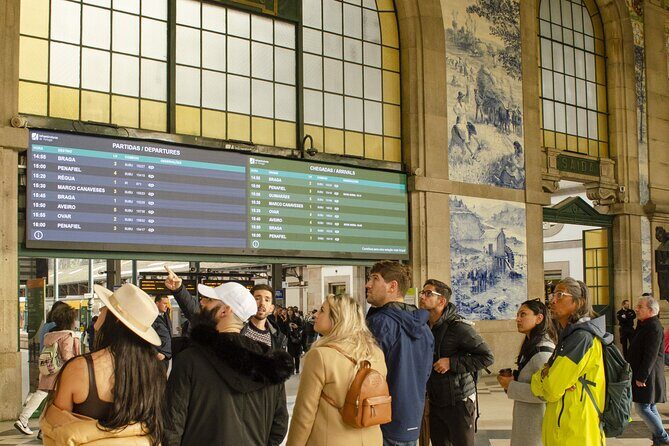
One of the first wow-moments is a stop at a rail station famed for hand-painted azulejos—more than twenty thousand tiles, each contributing to a visual historical summary.
Here’s why this matters on a tour like this: it’s not just a pretty photo stop. The guide uses it as a launch point to talk about how Porto tells its own story through art. If you’ve ever walked past decorative tiles and wondered why people get so excited about them, this is the moment where the tiles start making sense.
Practical tip: if it’s sunny, this place can be a glare challenge. Bring your phone camera strap or pocket the camera and take a few steady shots rather than trying to snap every angle at once.
Cathedral views and the story behind Portugal’s religious landmarks
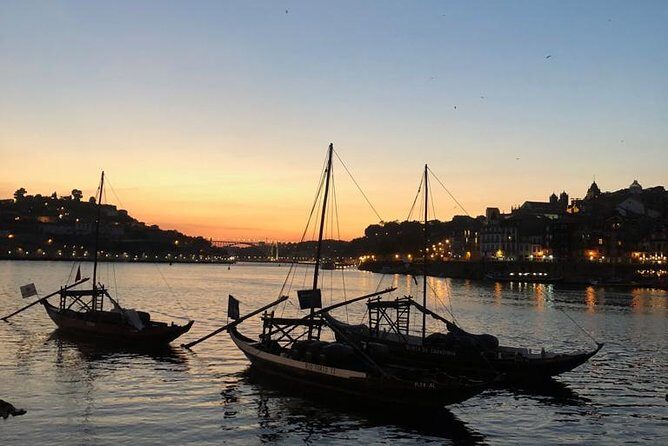
Next up, you pass the Porto Cathedral and the bishop’s house area for a quick lesson on religion in Portugal, plus a chance to enjoy views from nearby miradouros.
This stop works best if you’re curious about how religion shaped daily life and power structures. The guide doesn’t treat it like a lecture hall. Instead, you get a short explanation that helps you read what you’re seeing, especially when churches, rulers, and civic life are all intertwined in the same streets.
If you’re traveling with friends who only want scenic viewpoints, this is still worth it because the religion context is brief and paired with actual city panoramas.
Old Porto neighborhoods: Moorish invasions and the Age of Discoveries
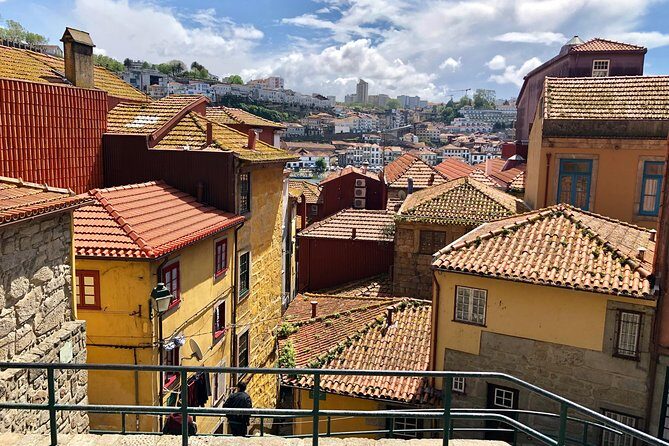
You also walk through one of Porto’s oldest areas. The guide connects two major threads: the period of Muslim invasions and, later, Portugal’s Discoveries—the big maritime push that helped define the country’s identity.
This is a strong part of the tour for people who want more than “this is historic.” It’s where the city turns into a timeline in your head: you start noticing how older neighborhoods hold on to layers, even when the streets feel modern.
You should know the tradeoff here: in older parts of Porto, walking can mean uneven ground and stairs. If you’re in shoes that slip on stone, you’ll feel it. Comfortable footwear is the quiet hero of this tour.
You can also read our reviews of more city tours in Porto




Crossing into Gaia: the lower-bridge walk and the wine side of the river
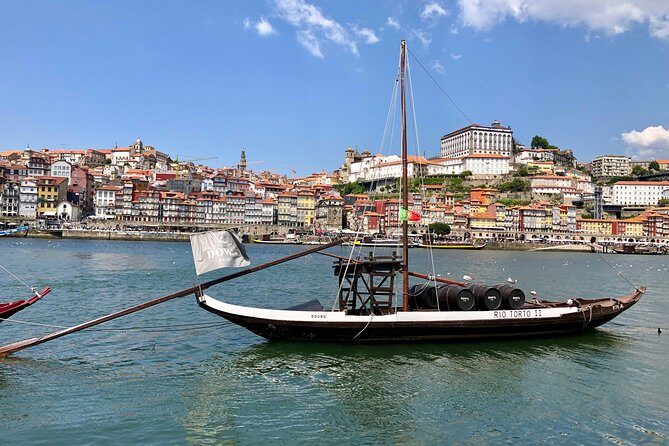
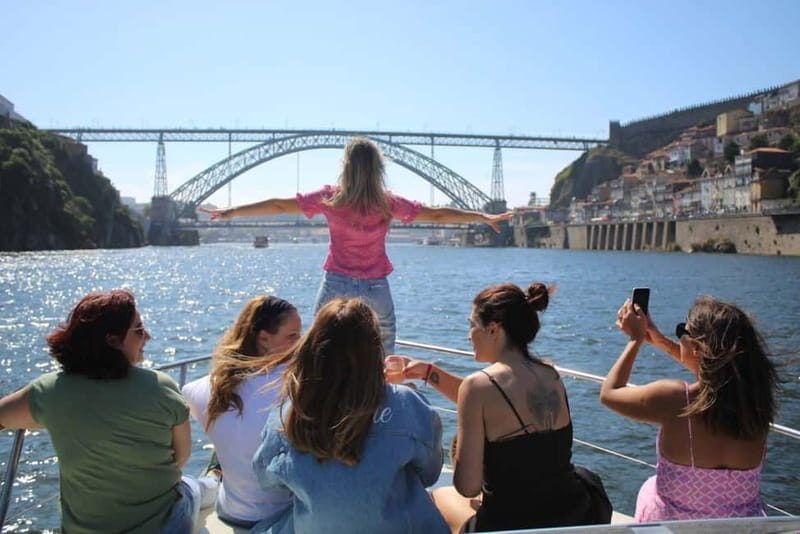
A key moment is crossing into Vila Nova de Gaia from the lower section of the bridge—then heading into the riverfront world where port wine is aged.
Even if you already know Porto and Gaia are connected by the river, this crossing gives you a sense of place. You’re not just going to a cellar as a separate activity; you’re traveling from the city story into the wine story.
One extra advantage: once you’re in Gaia, the tour shifts from “history and viewpoints” into “how the product is made and what to look for when you taste.” That contrast makes the tasting feel earned.
Viewpoints and the stair-and-photo rhythm
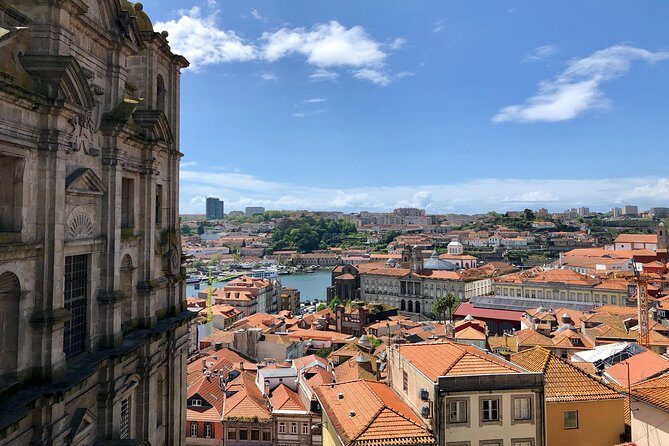
There’s a “best perspective” walk segment where you get another of those Porto panorama moments. The guide also tends to point out view angles and photo spots, which is a big deal when you’ve only got a short time in town.
Keep expectations realistic: this is not a flat route. You’ll be going up and down, and you may climb stairs when the route drops toward the riverfront. If you take it slow and move with the group, it stays manageable—and the payoff is better.
If you’re sensitive to rain, plan for it. Even on rainy days, the tour is still described as enjoyable, mainly because the guide keeps things moving and adapts the pace.
Inside Cais de Gaia: port producers, then a tasting of 3 wines
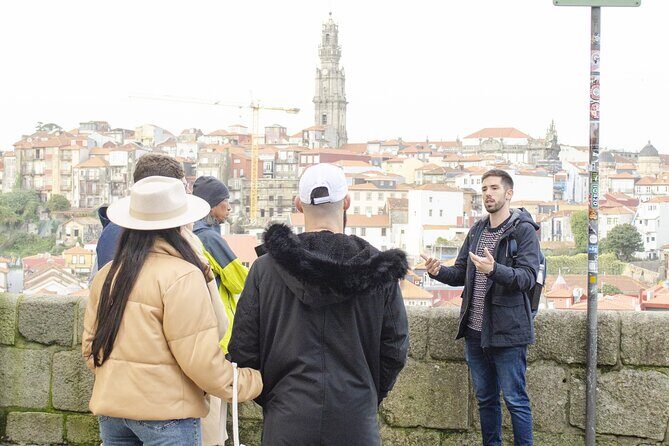
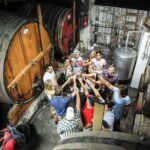
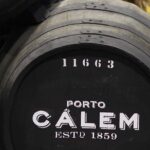
This is the heart of the experience. You visit a cellar area connected with port producers in Cais de Gaia, then sit down for a tasting of 3 Port wines.
A few details matter for your decision-making here:
- The tasting happens at the end, not throughout the walk. One review specifically notes that you only taste at the end, so if you’re hoping for multiple sips during the city portion, adjust your expectations.
- The guide provides instruction tied to the wines: you’ll get coaching on flavor differences and how to interpret what you’re tasting.
- The cellar time is long enough that it doesn’t feel like a rushed commercial stop. About 1 hour 30 minutes is plenty of time to learn and ask questions.
From a value standpoint, this is where the price starts to make sense. You’re not paying just for “a visit.” You’re paying for a guide-led wine lesson plus the structure of a real tasting session.
Guide style: energy, explanations, and restaurant pointers
This tour is often led by local guides such as Nuno, David, or João. What you should expect from them—based on consistent feedback—is a mix of city storytelling and port know-how, delivered in clear English with strong energy.
I love when a guide can do two things at once:
1) Make the streets feel like a living map, not random buildings.
2) Teach you something you can use instantly in a tasting room.
That seems to be the sweet spot here. Many reviews mention that the guides walk at a thoughtful pace, answer questions enthusiastically, and even help with next-day plans, including recommendations for traditional Portuguese restaurants.
One balanced note: if you hate long stops, you may want to be ready to gently push the pace. A minority of comments point to pauses that feel longer than needed. If you like frequent quick “move on” moments, you may prefer a faster-paced walking tour style.
Price and value: is $42.33 a good deal?
At $42.33 per person for about 3 hours, you’re paying for three ingredients: guided city walking, a port producers cellar visit, and a structured tasting of 3 wines.
Here’s how I’d judge value in real terms:
- If you’re the type who learns best through a guided narrative, the walking tour component is your value driver.
- If you care about port more than architecture, the tasting and producer stop are the payoff.
- If you want both, the combo is efficient because you’re doing Porto and Gaia in one block rather than piecing it together yourself.
Also, small-group pricing helps. With a max of 12 people, the guide can actually manage questions and pacing, which tends to make the wine education feel more personal.
Who this tour suits best (and who should skip)
This tour is a strong fit if you:
- Want a first-time orientation to Porto that goes beyond the main sights
- Like architectural details and want the context behind them
- Care about port wine enough to want a tasting guided by someone local
- Prefer a small group and a lively guide style
You might think twice if you:
- Want wine sampling all through the tour rather than saving it for the end
- Have a tough time with stairs or a lot of uphill/downhill walking
- Prefer very short stops and hate extended commentary at viewpoints
Should you book this Porto walk and port tasting?
If you want a guided introduction that links Porto history to the port world across the river, I think this is a smart booking. The small group size, the azulejo-tile wow-factor, the cathedral-and-religion context, and the final tasting of 3 Port wines add up to a complete experience in about half a day.
Book it if this is your first time in Porto and you’d rather get good guidance than gamble on piecing together your own route. Skip or consider a different style if your top priority is frequent drinking during the walk or if you’re not comfortable with stair-heavy, uneven walking.
Bottom line: it’s a solid value combo—city first, wine second—with enough structure that you’ll leave knowing what you saw and what you tasted.
FAQ
How long is the tour?
The tour is approximately 3 hours total.
What does the tour include?
It includes a tasting of 3 Port wines, a local guide, and a visit to Port wine producers.
Where does the tour start and end?
It starts at McDonald’s – ImperialPraça da Liberdade 126, 4000-322 Porto, Portugal, and ends at Largo Joaquim Magalhães, 4400-174 Vila Nova de Gaia, Portugal.
Is the tour offered in English?
Yes, it is offered in English.
Do I get picked up from my hotel?
No, hotel pick-up and drop-off are not included.
How fit do I need to be?
It requires a moderate physical fitness level, with walking that includes stairs.