Templars and monks, all in Tomar. This guided outing links Castelo de Tomar and the Convento de Cristo into one easy route, so you see how Portuguese history, religion, and art overlap over centuries.
What makes it interesting is the way the story is told, from military architecture to medieval convent life, with explanations of symbols that still feel half-solved.
I especially like two things: the guide, Mónica, who brings the site to life in fluent English, and the chance to understand the seven centuries of Portuguese art you can spot right in the buildings. The pacing also feels “just right,” so you’re not sprinting through stones that are older than most of our family histories.
One drawback to plan around: the Convento ticket isn’t included (listed at €15 per person). So your final cost is the tour price plus that entry fee, not just the $48.27 you see up front.
In This Review
- Key highlights you’ll feel on the walk
- Entering Tomar’s time-travel zone
- Castelo de Tomar: the 20-minute Templar setup
- Convento de Cristo: seven centuries you can actually see
- Why Mónica’s English guide style changes everything
- Timing and how long it really takes
- Where you meet and how to plan your arrival
- Price and value: $48.27 plus the Convento ticket
- Who should book this tour (and who might skip it)
- Quick FAQ before you decide
- FAQ
- How much does the tour cost?
- How long is the experience?
- Is the tour in English?
- What’s included in the tour price?
- What entrance fees should I expect?
- Where do I meet for the tour?
- Where is the tour end?
- How many people are in the group?
- Is it accessible for reduced mobility?
- What is the cancellation policy?
- Should you book the Convento of Christ time-travel tour?
Key highlights you’ll feel on the walk
- Mónica’s storytelling: clear, professional explanations and answers for real questions
- Unesco-level site access: the Convent of Christ is a UNESCO heritage focus for Portuguese Templars
- Seven centuries in one complex: Romanesque through Manueline, Renaissance, Mannerism, Baroque
- Templar fortress first: a short stop at Castelo de Tomar to set the military context
- Small-group feel: maximum of 30 travelers, in English
Entering Tomar’s time-travel zone
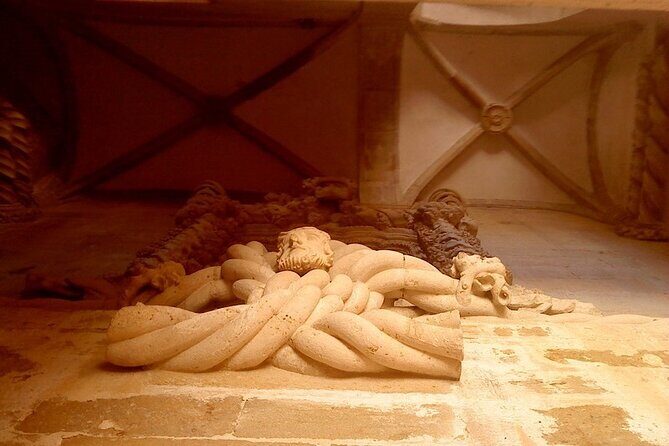
Tomar can feel like Portugal condensed into a small, walkable place. And this tour leans into that. You’re not just seeing a pretty church complex. You’re getting a guided route that connects the why behind the architecture—Templars, shifting religious orders, and changing artistic styles all on the same ground.
The heart of the experience is the Convento de Cristo, built inside the older fortress setting. That matters because the convent doesn’t sit there like an isolated museum piece. It grows out of a defense story. So when you look at walls, carvings, and layout, you understand they were shaped by power, faith, and survival at different moments in Portuguese history.
The best part is how the visit is structured. You start with a Templar fortress perspective and then move into the convent complex for the art-and-symbols portion. It’s a simple order, but it helps your brain connect the dots fast.
You can also read our reviews of more tours and experiences in Coimbra.



Castelo de Tomar: the 20-minute Templar setup
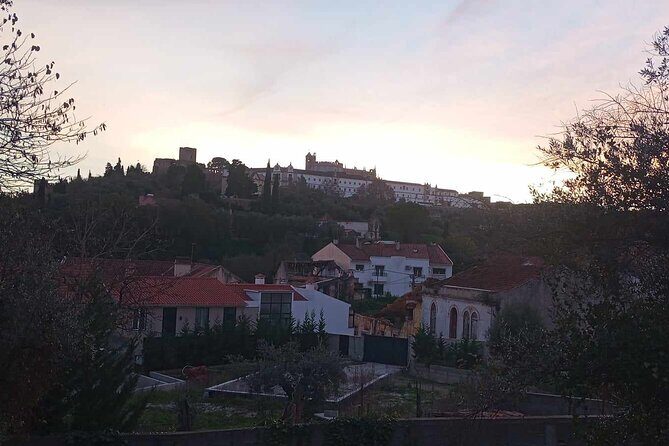
Your tour kicks off at Castelo de Tomar, framed as a Templar fortress that was important to the growth and establishment of the Portuguese county. The emphasis here is on steady military architecture, which is a polite way of saying: the builders weren’t going for romance. They were building for function—control, defense, and presence.
Even though this stop is short (about 20 minutes), it’s not pointless. You’re setting context before you walk into the more ornate convent buildings. If you’re the type who wonders why a religious complex would be inside a fortress at all, this quick intro clears that up early.
Ticket note: the Castelo de Tomar admission ticket is free as listed in the tour info. So you’re not burning extra money on the first step of the route.
Practical tip: spend your attention on the defensive feel—think in layers. In places like this, the “look” can trick you. The walls and layout usually have a logic that takes a minute to read.
Convento de Cristo: seven centuries you can actually see
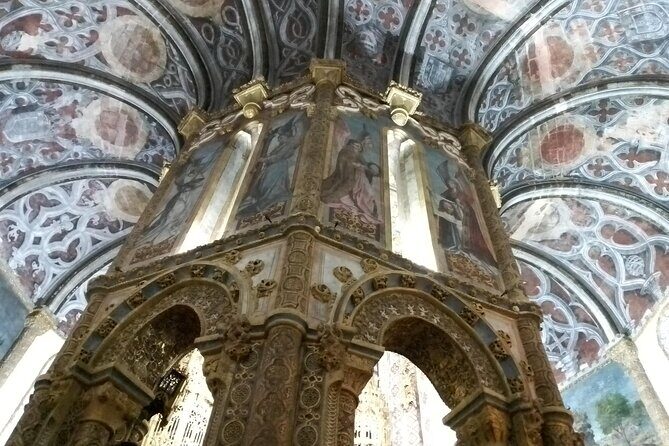
After the fortress intro, you move into the Convento de Cristo, the main event of the tour and the reason many people come to Tomar. This complex is described as built within the castle fortresses, and that relationship shapes what you’ll notice.
Plan for about 2 hours 30 minutes at this stop. That time window is key. The convent isn’t one style. It’s a timeline you walk through.
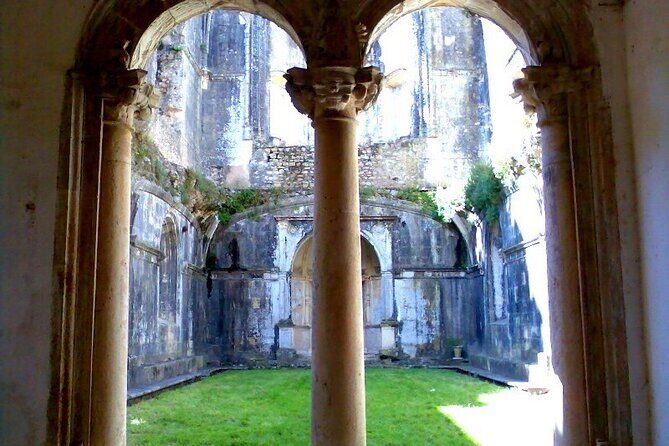
You’re guided through the evolution of art and religious life across Romanesque, early Gothic, Gothic flowering (floral Gothic), Manueline, Renaissance, Mannerism, and Baroque—roughly seven centuries of development in one place. That sounds like trivia until someone helps you connect it visually. A good guide turns those labels into real details you can point to.
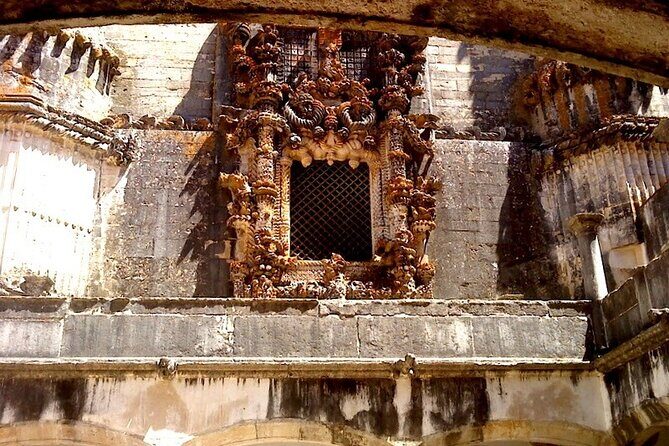
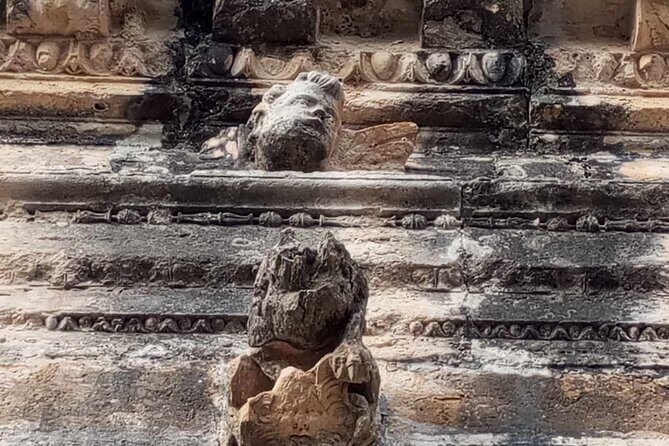
And there’s also the symbolism. The tour description points out symbolism that’s wrapped in mystery and puzzles. That’s exactly the kind of thing that makes this more than a standard sightseeing checklist. You’re encouraged to look for meaning, not just decoration.
If you care about architecture, religious history, or Portuguese art periods, this is where the tour justifies itself. Without the guidance, it’s easy to admire the buildings and still miss the “why this looks this way” part.
One more confidence boost: the reviews highlight that Mónica can explain both the context and the art/architectural features clearly, in fluent English. And that helps here, because the Convento of Christ can otherwise feel like a lot at once.
Why Mónica’s English guide style changes everything

A guided visit can be either “nice commentary” or actual problem-solving. This one reads more like problem-solving.
The strongest praise in the feedback centers on Mónica: she’s described as professional, extremely knowledgeable, and very fluent in English. People also mention that her explanations answer real curiosities, and she keeps the pace comfortable rather than rushing to fit everything in.
One review even calls out that she has a Coimbra history degree, which fits the way she handles context. You’re not just being told what to look at. You’re being taught how to read the site: what to notice first, what symbols might point to, and how religious orders and politics can show up in design choices.
There are also the small helpful touches that add up:
- She provided recommendations on nearby sites and even shopping spots afterward
- She’s said to point out little details that many visitors would miss alone
- One person mentions she took good photos along the way, so you can focus less on camera angles and more on the place
That last part is underrated. In older complexes, you spend energy managing steps, light, and crowds. When the guide helps with framing and timing, the whole experience feels smoother.
Timing and how long it really takes
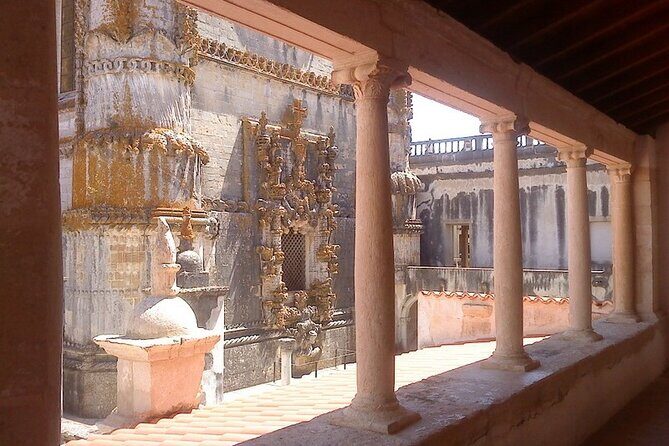
The tour is listed as 1 to 3 hours (approx.). Based on the itinerary timings, you should think closer to the upper end if you’re watching closely and asking questions.
Here’s the math you can plan around:
- Stop 1: Castelo de Tomar, about 20 minutes
- Stop 2: Convento de Cristo, about 2 hours 30 minutes
So yes, call it roughly under three hours for a steady pace.
The group size is also kept reasonable: maximum of 30 travelers. That matters for questions and for how easily the guide can manage the group around tighter areas in historic spaces.
If you’re trying to squeeze this into a day already packed with Coimbra or nearby towns, Tomar is a good place to do it. It’s not huge, but it’s dense with meaning—so arriving with a plan helps.




Where you meet and how to plan your arrival
The meeting point is listed as Terreiro Dom Gualdim Pais 2300, Tomar, Portugal. That’s your starting anchor.
The ticket redemption point is also at the Convento de Cristo, at Igreja do Castelo Templário, Estr. do Convento, 2300-000 Tomar, Portugal. The tour end is at the Convent of Christ church area as well, so you don’t spend the day wandering across town to start and finish.
Parking: the info notes parking in front of the castle. That’s helpful if you’re driving. If you’re using public transportation, the tour info says it’s near public transportation, so you should be able to reach the start without a car.
Wherever you’re coming from, give yourself a little buffer. One review mentions the guide accommodated a late arrival due to delays in Lisbon rental car pickup. That suggests the operator can handle real-world timing hiccups, but it’s still smart to arrive on time.
Price and value: $48.27 plus the Convento ticket
The tour price is $48.27 per person. The key value question is what’s included versus what you’ll pay separately.
- Included: the tour itself (listed with safe and license info)
- Included admission: Castelo de Tomar is listed as free
- Not included: the Convento de Cristo entrance ticket is €15 per person
So you’re paying the guided experience plus an entry fee for the main complex.
Is it worth it? For me, the “yes” logic is simple:
- The site covers multiple art periods in one coherent route. Without guidance, you can miss the connecting lines.
- The reviews repeatedly highlight that the guide can explain context in clear English and answer questions. That’s exactly what you want at a complex like this.
- The visit is structured, with the Templar fortress first. That order helps you understand what you’re seeing.
If you were going to visit the Convento anyway, this tour usually makes that visit smarter rather than longer. The ticket fee is the cost of admission to the main site; the tour fee is what turns the hours into understanding.
Who should book this tour (and who might skip it)
This works best for you if you:
- Want more than a self-guided walk through impressive buildings
- Like architecture, religious history, or Portuguese art periods
- Enjoy a guide who can answer questions and keep a smooth pace
- Appreciate a smaller-town feel and a less hurried visit in Tomar
It may be less ideal if you:
- Don’t want to pay an extra €15 entrance ticket on top of the tour price
- Need a fully accessible route, since the tour info says it’s not recommended for travelers with reduced mobility
Also, the activity calls for moderate physical fitness. That doesn’t mean “athlete only.” It means you should expect some walking and uneven surfaces typical of historic sites.
Quick FAQ before you decide
FAQ
How much does the tour cost?
The price is $48.27 per person.
How long is the experience?
It runs about 1 to 3 hours (approx.), with the fortress stop about 20 minutes and the Convent of Christ stop about 2 hours 30 minutes.
Is the tour in English?
Yes, it is offered in English.
What’s included in the tour price?
The tour includes the guided experience. The Convent of Christ entrance ticket is not included.
What entrance fees should I expect?
Castelo de Tomar is listed as free. The Convento de Cristo entrance ticket is €15.00 per person and is not included.
Where do I meet for the tour?
Start: Terreiro Dom Gualdim Pais 2300 Tomar, Portugal.
Where is the tour end?
End: Convent of Christ, Igreja do Castelo Templário, Estr. do Convento, 2300-000 Tomar, Portugal.
How many people are in the group?
The tour has a maximum of 30 travelers.
Is it accessible for reduced mobility?
It is not recommended for travelers with reduced mobility.
What is the cancellation policy?
Free cancellation is available. You can cancel up to 24 hours in advance for a full refund.
Should you book the Convento of Christ time-travel tour?
If you’re aiming to understand Tomar’s Templar roots and the Convento de Cristo art-history layers, I’d book it. The structure is built for learning: short Templar context first, then the long main stop with guided explanations of how styles and symbolism shift over centuries.
If you only want photos and quick wandering, you might skip a guided format. But if you want the buildings to make sense—who built them, why they look the way they do, and what those symbols might mean—this is the kind of tour that turns a great site into a memorable one.