REVIEW · PORTO
Porto: Tour to the world of silver in a century-old workshop
Book on GetYourGuide →Operated by Alcino Silversmith since 1902 · Bookable on GetYourGuide
Porto has a way of hiding its craft history in plain sight. This tour at Alcino Silversmith lets you see how silver turns into jewelry, decorative pieces, religious art, and cutlery inside a family workshop that’s been running since 1902. It’s a smart, one-hour stop if you want something real instead of just photos.
What I like most is the century-old factory access plus the chance to interact with artisans as they work. You also get a structured guide who explains the manual side of goldsmithing, including casting, molding, and chiseling, so you leave with a clearer picture of how pieces are actually made.
One thing to plan for: this is a workshop experience, not a long museum wander. It’s only 1 hour in a small space, so if you want slow, unguided browsing time, you may want to add extra shopping time after the tour.
In This Review
- Key things to know before you go
- A Century-Old Silver Workshop in Porto: What You’re Walking Into
- How the 1-Hour Guided Tour Flows (and What Gets Covered)
- The Workshop Story: 6 Generations of Silver Making
- Hands-On Goldsmithing: Casting, Molding, and Chiseling
- The Three-Room Showroom: Silver Styled Like Real Life
- Price and Value: Is $17 Worth One Hour of Silver Craft?
- Who This Tour Suits Best (and Who Might Skip It)
- Practical Tips for a Smooth Visit
- Should You Book Alcino Silversmith’s Silver Workshop Tour?
- FAQ
- How long is the tour?
- Where does the tour meet?
- What’s the group size?
- Which languages are available for the live guide?
- Is the workshop tour wheelchair accessible?
- Is alcohol allowed during the experience?
- Are children allowed to join?
- What time is the last entry on weekdays?
- What’s included in the ticket price?
- Is there a cancellation option?
Key things to know before you go
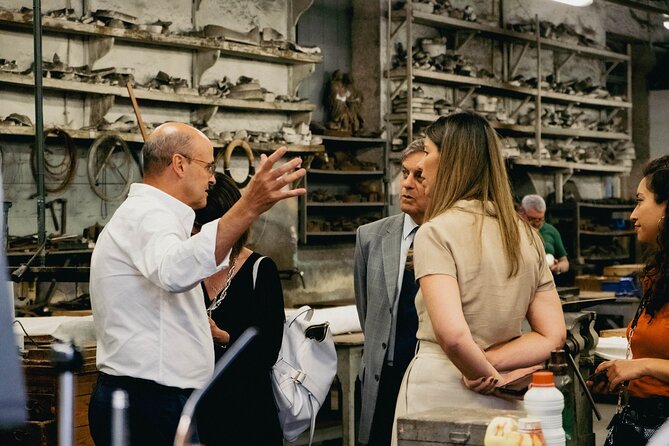
- 120 years, 6 generations: a family business recognized as an Entity of Historical Interest
- Small group size (up to 10) means you should get more attention from the guide
- Workshop access includes seeing the process, not just finished objects
- Hands-on interaction: you can assist artisans in loco during parts of the making process
- Three-room showroom layout recreates the feel of different rooms in a house
- No pressure shopping: showroom and store access are there, but the tour is primarily about craft
A Century-Old Silver Workshop in Porto: What You’re Walking Into
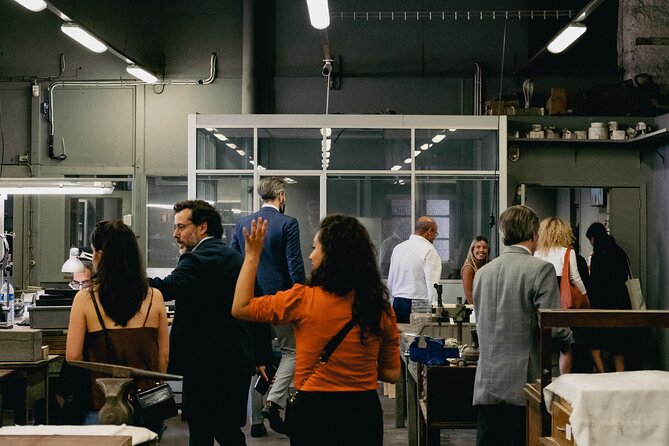
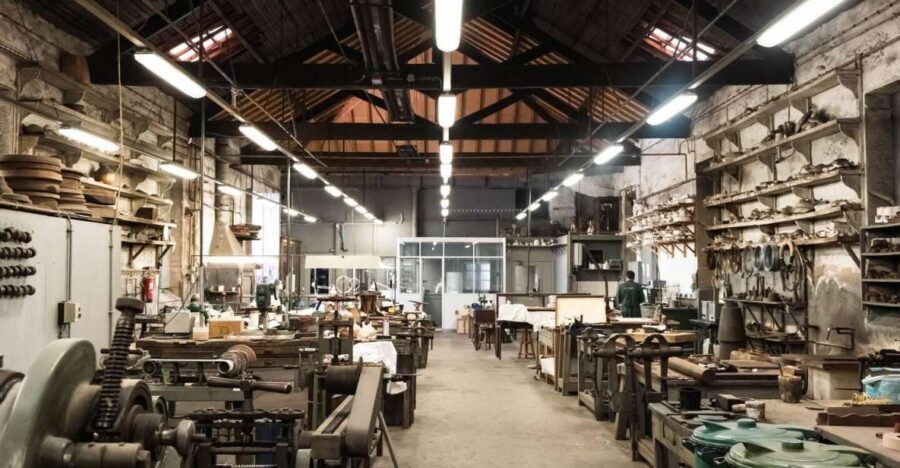
Alcino Silversmith sits in the heart of Porto, inside a workshop that has been producing silver for generations. The business traces back to 1902, and today it’s still run by a family line that goes through six generations. That detail matters, because this isn’t presented like a one-off demo. It’s a working craft environment built around tradition, with techniques handed down and repeated daily.
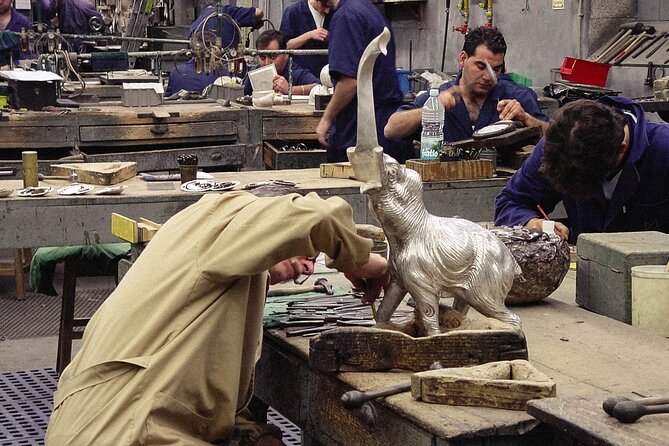
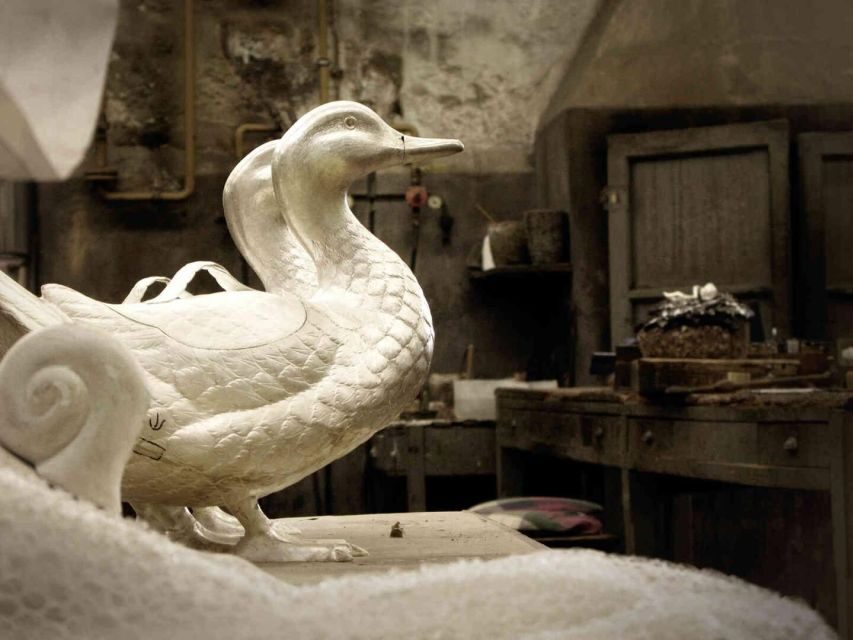
The kinds of silver work you’ll see are broad: jewelry collections, decorative pieces, religious items, and even cutlery. That range is one of the smartest parts of the visit, because it helps you understand that the same metal can take on very different purposes. A pendant and a religious ornament share craft steps, but they also show how design choices change the end product.
You’ll also notice the difference between display and production. The tour moves between areas where finished work is shown and spaces where the real making happens. If you care about how things are built, this “see both worlds” approach is exactly what you want.
You can also read our reviews of more tours and experiences in Porto



How the 1-Hour Guided Tour Flows (and What Gets Covered)
The tour lasts 1 hour, and it’s timed to fit a small-group format. The meeting point is at the Alcino Silversmith jewellery store, and you can come in when it’s time or call them if needed. The guide is live, with Portuguese, English, and Spanish available.
Because the group is limited to 10 participants, the pace stays manageable. That helps when you’re moving from one stage of work to another and trying to see fine details. It also matters for interaction: you’re not squeezed into a crowd watching from the back row.
Here’s what the tour is built around:
- You’ll start with the company story and the workshop setting.
- You’ll then follow the making process and learn the manual techniques used to shape silver.
- You’ll switch gears to the showroom, where pieces are displayed in a way that feels like different parts of a home.
- You’ll finish with access to the store, so if you want to buy, you can do it without turning the tour into a sales pitch.
That last point is more important than it sounds. A lot of craft tours turn into pressure-cooker shopping. Here, the tone stays focused on the workshop and craftsmanship first, then the shop is simply there if you want a souvenir.
The Workshop Story: 6 Generations of Silver Making
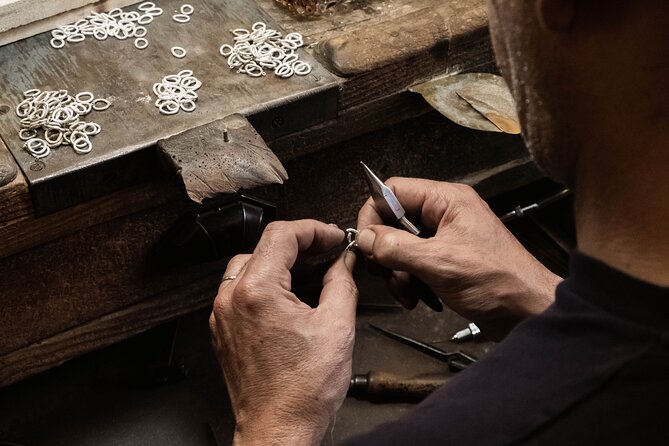
The guide covers the history of the company and what makes it worth visiting beyond the novelty of seeing craft equipment. Alcino Silversmith is presented as a long-standing family business with a reputation tied to craft quality and continuity. With 120 years of operation and six generations involved, the workshop isn’t just showing old tools for nostalgia. It’s showing how knowledge gets passed along and refined.
This is also where you get context for the kinds of pieces you’ll see. Religious silver items, decorative objects, and cutlery aren’t random categories. They reflect how silver is used in different cultural and everyday settings. Even if you’re mostly there for jewelry, this broader view helps you understand why the workshop’s skill set is so wide.
You’ll also likely notice how production balances tradition with practical updates. One guide-led tour detail that comes through in feedback is that you may see traditional methods alongside some newer equipment. That mix is useful, because it stops the workshop from feeling like a closed museum. You see a craft that keeps working in the present.
Hands-On Goldsmithing: Casting, Molding, and Chiseling
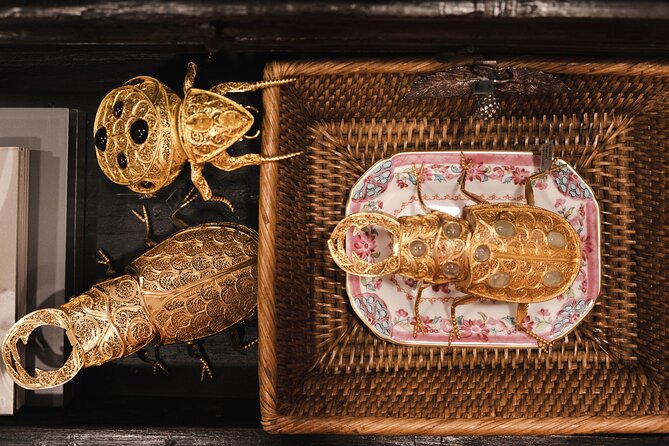
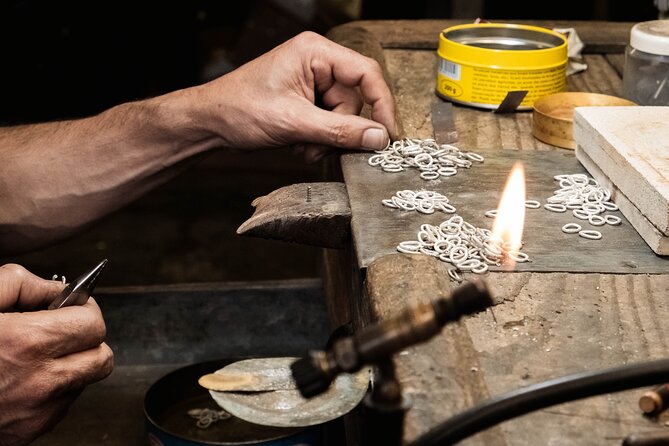
This is the part that turns a quick stop into a memorable one. You don’t just watch silver being made. You get the chance to assist artisans in loco, and you learn the manual techniques behind the work.
The tour specifically covers these methods:
- Casting
- Molding
- Chiseling
Even without being a metals expert, those words help you map the “logic” of how pieces are formed. Casting connects to shaping silver into a base form. Molding ties into producing parts with repeatable forms and controlled detail. Chiseling connects to refining surfaces and adding texture or fine definition.
This hands-on element is where you start to appreciate why silverwork takes patience. It’s not just about pretty results. It’s about process control. You’ll also see why artisans rely on their hands and eyes, not only machines. The guide helps you connect what you see in front of you to what you’re learning, so it doesn’t feel like you’re standing around in a blur.
One more practical bonus: when you participate, your attention sticks. You remember what you were doing and you can ask better questions afterward, especially if you care about jewelry design, texture, and craftsmanship.
The Three-Room Showroom: Silver Styled Like Real Life
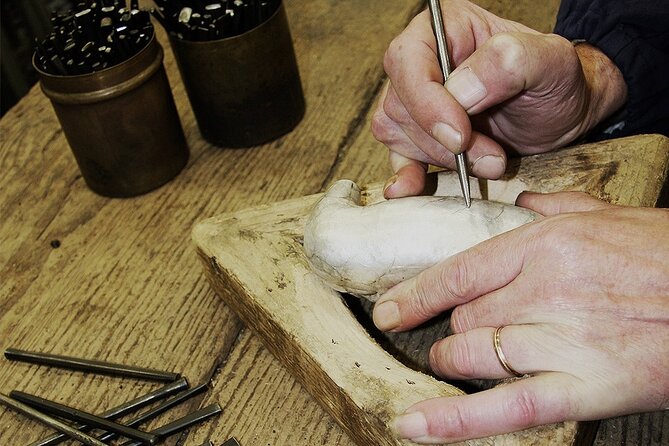
After the workshop stages, the experience shifts to the showroom. This isn’t described as one big warehouse of items. It’s a space divided into three rooms, with different environments designed to feel like parts of a house. That matters because silver objects often look best in context. A decorative piece feels different when it’s framed like a home setting versus when it’s displayed on a flat table.
As you move through the showroom, you’ll see examples of the workshop’s output across categories. Jewelry collections will show wearable detail. Decorative pieces help you understand styling and proportions. Religious items show how symbols and sacred art are built into form.
This is also a good stage to slow down for a moment and look closely. The showroom gives you time to compare styles and spot how techniques show up in the final look. If you’ve ever wondered why some pieces look more delicate or more sculptural, this layout can help you connect “how it’s made” with “what you see.”
There’s also store access, so if something really clicks with your taste, you can buy without scrambling to hunt for it later. Importantly, the vibe stays relaxed; there’s no sense that the tour exists only to funnel you into a checkout line.






Price and Value: Is $17 Worth One Hour of Silver Craft?
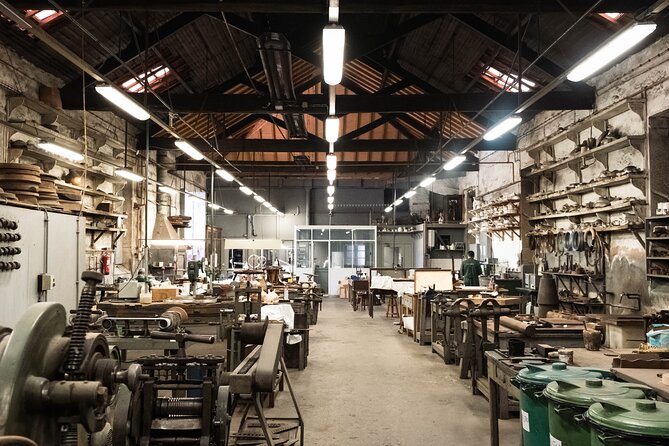
At about $17 per person for a 1-hour guided experience, the value comes from what’s included, not just the ticket price. You’re getting:
- Entry ticket
- Guided tour
- Workshop access
- Showroom access
- Store access
The big “value lever” here is workshop access. Many craft tours show you a finished gallery and call it heritage. This one builds in the production side, plus you get technique explanations and interaction with artisans during the process.
If you’re the kind of person who likes understanding the steps behind the product, this tends to be a fair trade. You leave with a clearer mental model of how silver is shaped and refined, and you can make more meaningful choices if you’re shopping.
If you’re mainly hunting for entertainment or you want a long gallery experience, you might find the 1-hour length tight. But the format is designed for focus. You’re not wandering for half a day. You’re learning, then seeing what the learning creates.
Who This Tour Suits Best (and Who Might Skip It)
This experience fits best if you like:
- crafts and hands-on process learning
- traditional metalwork explained in plain language
- jewelry and decorative silver that you can “read” after the tour
- a family-run workshop with an old-school feel and modern practicality
It’s also a strong option for people who want a Porto activity that isn’t just about landmarks. You’ll get something culture-heavy, but focused on making. And the small group size makes it easier to ask questions and get attention.
It’s probably not ideal if:
- you want a long, independent museum-style visit
- you hate structured tours
- you’re expecting a big, scripted theater show rather than a working workshop
Practical Tips for a Smooth Visit
A few small details can help your hour go better:
- Language: the guide runs in Portuguese, English, and Spanish. If you’re choosing between times, pick one that matches your preferred language option.
- Timing: from Monday to Friday, the last entry is at 5:00 pm. If you’re traveling later in the day, plan accordingly.
- Children: kids must be accompanied by an adult.
- On-site rules: no alcohol and no drugs. It keeps the shop floor environment safe and focused.
- Mobility: it’s wheelchair accessible, which matters in workshops where surfaces and layouts can be tricky.
Also, wear shoes you don’t mind being on your feet for a while. Workshops are active spaces, and you’ll spend time moving between areas.
Should You Book Alcino Silversmith’s Silver Workshop Tour?
If you want a Porto stop with real craft work behind it, I’d book this. The combination of workshop access, technique explanation (casting, molding, chiseling), and a small group format makes it feel like you’re getting the story straight from the source. The showroom layout also helps you translate what you learned into what you see.
Skip it only if you’re chasing a long, self-guided sightseeing experience or you’re not interested in how objects are made. For everyone else, this is one of those rare city activities where the “wow” isn’t a view. It’s your understanding of what’s happening minute by minute.
FAQ
How long is the tour?
The tour lasts 1 hour.
Where does the tour meet?
You meet at the Alcino Silversmith jewellery store. You can come in when it’s time or call them.
What’s the group size?
It’s a small group limited to 10 participants.
Which languages are available for the live guide?
The tour guide offers Portuguese, English, and Spanish.
Is the workshop tour wheelchair accessible?
Yes, it is wheelchair accessible.
Is alcohol allowed during the experience?
No, alcohol and drugs are not allowed.
Are children allowed to join?
Children can join, but they must be accompanied by an adult.
What time is the last entry on weekdays?
From Monday to Friday, the last entry is at 5:00 pm.
What’s included in the ticket price?
The included items are entry ticket, guided tour, workshop access, showroom access, and store access.
Is there a cancellation option?
Yes, you can cancel up to 24 hours in advance for a full refund.
If you tell me your travel dates and whether you prefer English, Spanish, or Portuguese, I can help you plan where this fits in your Porto day.