REVIEW · PORTO
Porto private night Tour, discover the most iconic attractions
Book on Viator →Operated by Endless Weekend Tours · Bookable on Viator
Porto after dark tells a better story. This private 3-hour night tour strings together Porto’s most iconic sights with a real guide-led history thread, so you’re not just hopping between landmarks. You also get onboard Wi‑Fi and pickup, which makes the evening feel smooth and efficient even if the streets get busy.
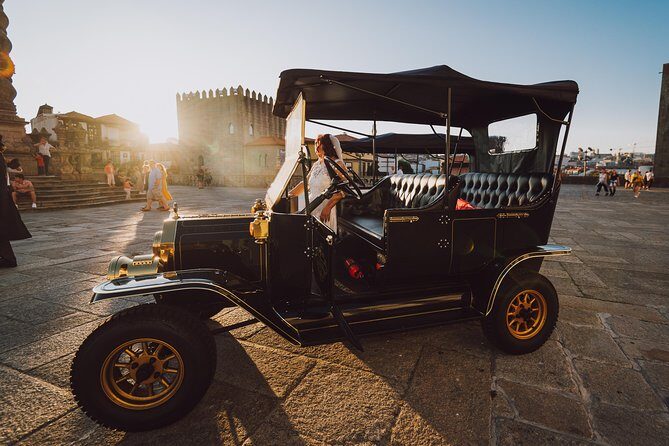
I love the private pace: you’re able to pause, ask questions, and get context instead of watching everything through a camera blur. I also like that the experience is built around comfort—executive vehicles with Wi‑Fi, bottled water, and refreshments, plus personal accident and liability insurance.
One thing to consider: several major stops have entry fees not included (like the cathedral area and Torre dos Clérigos), and the tour depends on good weather for the planned route.
In This Review
- Key highlights that make this night tour worth your time
- Why a private night loop in Porto works so well
- Price and value: what $184.84 covers (and what to plan for)
- Meeting at Praça da Liberdade and riding in comfort
- From D. Pedro Square to Mercado do Bolhão: Porto’s classic center at night
- Praça da Batalha, Muralha Fernandina, and the city’s older layers
- Cathedral of Porto and São Bento: where details reward your attention
- Café Majestic, Relógio das Galerias, and the theatre glow
- Carmo and Carmelitas plus Casa Escondida: Baroque and a tiny architecture trick
- Clérigos Tower and Livraria Lello: iconic, and worth planning entry time
- Palácio da Bolsa, the historic library, and transport museums
- Igreja de São Francisco and the “gold” feel of Porto’s sacred art
- Douro bridges and viewpoints: Maria Pia, Luís I, Jardim do Morro, Serra do Pilar
- Arrábida Bridge, forts, and Castelo do Queijo: Porto’s defense past
- From “She Changes” and Leixões cruises to Serralves and Casa da Música
- Praça de Mouzinho de Albuquerque: a big monument with a clear message
- Optional add-ons: fado with port wine and Dona Antónia port tastings
- Fado show in Porto with port wine (optional)
- Exclusive Dona Antónia port cellar tour (optional)
- Should you book this private Porto night tour?
- FAQ
- How long is the Porto private night tour?
- Is the tour private, and is it offered in English?
- Does the tour include pickup?
- Is Wi‑Fi available during the tour?
- Are entrance tickets to all attractions included?
- What optional activities are available?
- Does the tour run in bad weather?
- Is free cancellation available?
Key highlights that make this night tour worth your time
- Private guide storytelling that connects what you’re seeing to Porto’s past, not just dates and names
- Onboard Wi‑Fi plus bottled water and refreshments on the ride between stops
- A strong mix of free-to-see icons (São Bento tiles, Muralha Fernandina sections) and paid-entry landmarks
- Great viewpoint momentum across the Douro side, including Jardim do Morro and Mosteiro da Serra do Pilar
- Optional add-ons for fado with port wine or an exclusive Dona Antónia port-tasting experience
- Pickup from Porto and Gaia downtown hotels/B&Bs, with the tour meeting at Praça da Liberdade
Why a private night loop in Porto works so well
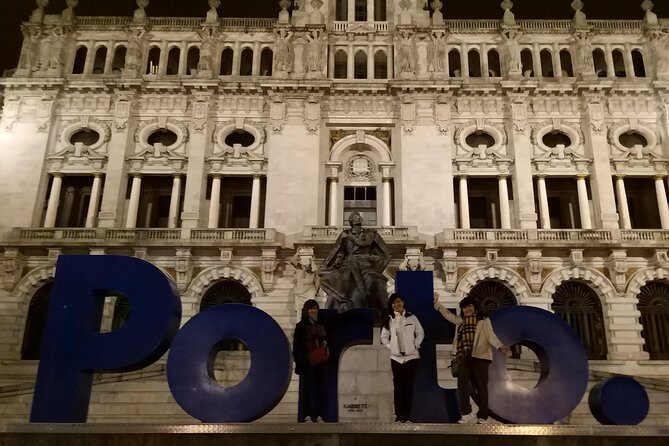
Porto at night has a calmer feel, and that matters. In three hours you can hit a lot of the city’s “must-sees” without getting stuck in a long daytime slog, and you’ll still get real explanations from your guide as you walk.
This is a private setup, so it’s not the usual cattle-car tour rhythm. I especially like that you’re offered a pickup and driven between areas, which saves your energy for the walk-and-look parts—climbing stairs, spotting details on façades, and pausing for views.
The goal here is simple: get you oriented fast and leave you knowing where the big sights are (and why they matter). Once you’ve done that, you’ll feel much more confident planning any extra time you want the next day—especially along the Douro.
You can also read our reviews of more private tours in Porto


Price and value: what $184.84 covers (and what to plan for)
At $184.84 per person for about 3 hours, you’re paying for more than a map. You’re paying for the private guiding, the vehicle time, and the “comfort layer” that keeps the evening from feeling rushed.
Here’s what the price does include, based on the tour details:
- Transport in luxury vehicles with onboard Wi‑Fi, bottled water, and refreshments
- Personal accident and liability insurance
- A mobile ticket and an English-speaking guide
What you’ll likely add on your own:
- Some indoor or ticketed attractions are listed as not included (for example, Torre dos Clérigos and Livraria Lello). You’ll want a small budget buffer so you’re not surprised halfway through the evening.
Also, because it’s a night tour, the stops are designed for quick, high-impact seeing. If you want a long, slow museum-style night, you might find the pacing brisk. But if you want maximum Porto per hour, this is built for you.
Meeting at Praça da Liberdade and riding in comfort
Your night starts at Praça da Liberdade 19 in Porto. From there, pickup is offered to downtown hotels and B&Bs across Porto and Gaia, which is a huge convenience if you’re not staying right in the center.
The vehicle setup matters more than you might think. You’re not just sitting in a van; it’s an executive ride with onboard Wi‑Fi and refreshments. That little perk is genuinely useful at night when you’re trying to confirm next-day plans, check transit options, or look up opening times for places you want to revisit.
You’ll also have a guide in the mix from the start, so the storytelling begins early, not after you’ve already wandered for a while. That’s the difference between “seeing” and “getting” Porto.
From D. Pedro Square to Mercado do Bolhão: Porto’s classic center at night
The evening kicks off around the D. Pedro Square area—close to the monumental Avenida dos Aliados feel—where the statue of D. Pedro IV is a clear visual anchor. It’s one of those places where Porto’s civic identity is easy to read, even when the lighting is dim and the streets are slick.
Then you move toward Mercado do Bolhão, one of Porto’s best-known markets. What I like about this stop is the structure: it’s a two-floor neoclassical building (dating to the mid-1800s) with a layout that spills out into surrounding streets. Even if you’re not there to shop, you can feel how the market works—fish, butcher sections, vegetables, and flowers are organized by specialization.
Practical note: this is a market, so it’s ideal for an evening “look and learn” rather than a long sit-down visit. If you love food markets, arrive with curiosity; if you don’t, think of it as a Porto-history snapshot in motion.
Praça da Batalha, Muralha Fernandina, and the city’s older layers
Next comes Praça da Batalha, a square with a name tied to a historic defeat around the 10th century. The story behind the name helps you read the urban fabric: Porto’s growth didn’t happen in a straight line, and this square marks a point where the city’s past shows up in plain sight.
The area is also linked to Teatro São João, inaugurated in 1798 and later damaged by the tragic fire of 1908. Even if you don’t go inside, knowing the theater’s timeline changes how you see the neighborhood.
From there you get to Muralha Fernandina, the old defensive wall work that began in the 1300s and only fully wrapped up later. Because only parts survive today, it’s a great stop for learning how to recognize what’s missing—and why.
If you’re the type who likes “why this street exists” explanations, these stops are strong. The drawback is that some wall and square details can feel subtle after dark, so keep your eyes open and rely on your guide’s pointers.
You can also read our reviews of more evening experiences in Porto






Cathedral of Porto and São Bento: where details reward your attention
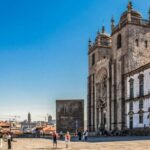
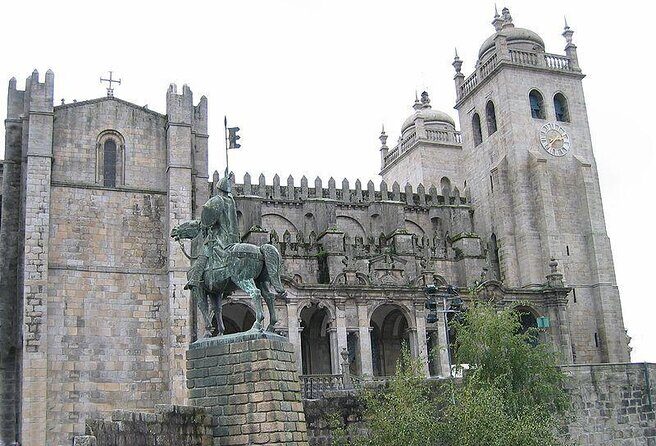
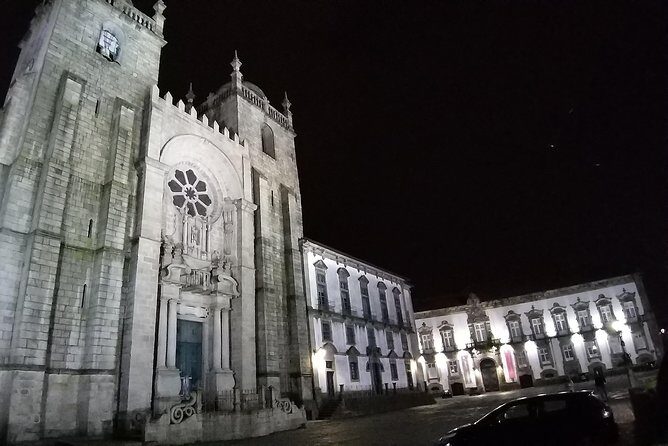
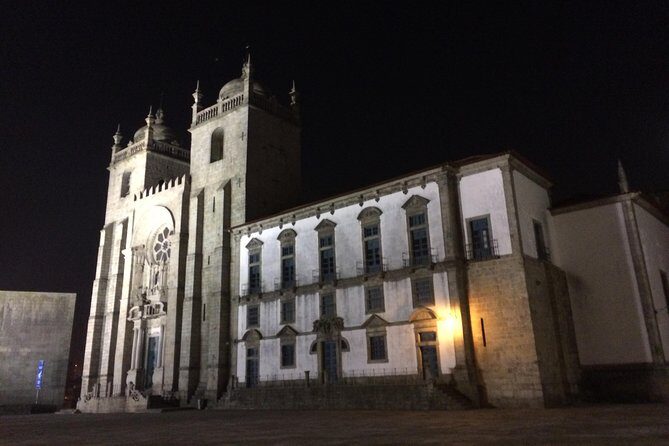
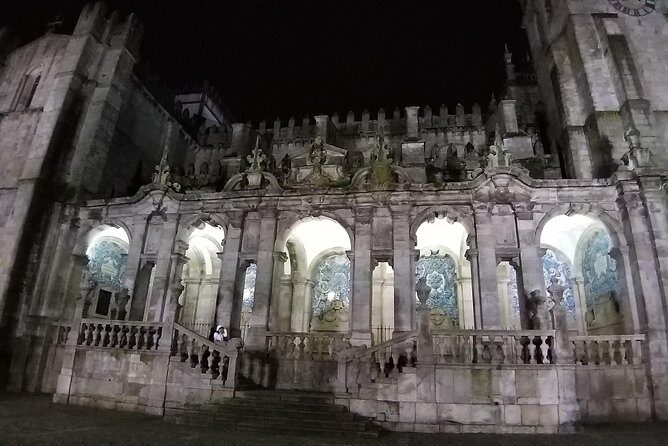
The tour then points you toward Catedral do Porto, a medieval cathedral that grew through centuries and settled into its modern configuration in the 1900s. You’ll get the key highlights: the Gothic Chapel of St. John the Evangelist (plus cloister elements), the expansion of the chancel, and the Chapel of the Blessed Sacrament with its silver altar.
Admission here is listed as not included, so treat it as an optional add-on if you want the full interior experience. At night, the exterior and immediate area can already feel atmospheric, but the cathedral’s inside details are the real payoff.
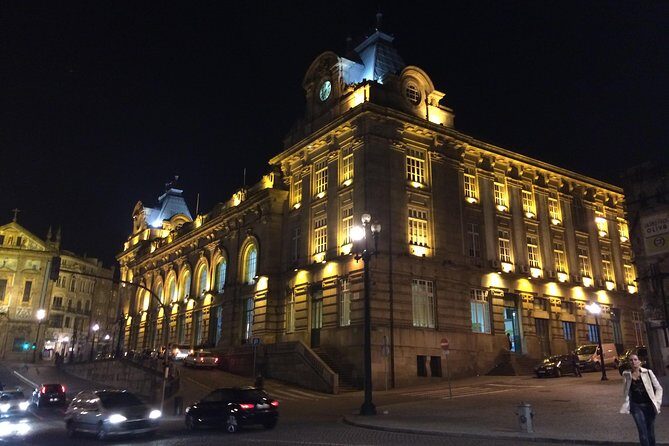
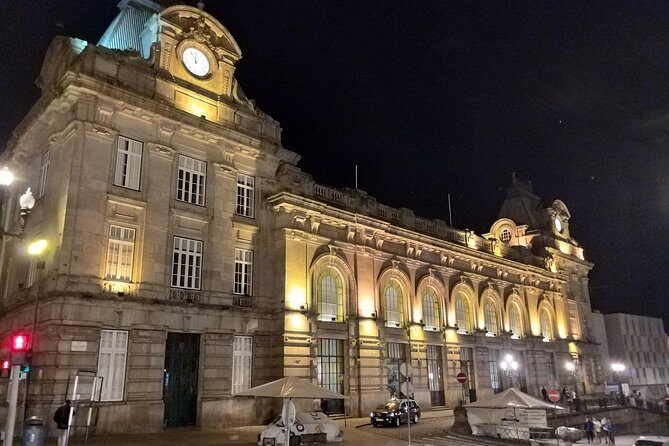
A must on any Porto list is São Bento Railway Station. You’ll see the building’s glass-and-iron structure and, most importantly, the tilework—about 20,000 painted tiles created by Jorge Colaço. The scenes cover transport evolution and everyday life in the region, which means the tiles aren’t just decoration; they’re a visual history lesson.
The station’s great at night because it’s both iconic and easy to access quickly. You can get a full hit of Porto’s art and storytelling without needing hours of planning.
Café Majestic, Relógio das Galerias, and the theatre glow
Around Rua Santa Catarina, you’ll stop at Café Majestic, a Belle Époque landmark from 1921. This is an Art Nouveau interior that people remember for a reason—marble, gilded mirrors, and ornate woodwork. Even if you just step in briefly, you’ll see how Porto once marketed itself as a cultural meeting point.
Not far away is Relógio das Galerias Palladium, an ornate clock with statues that perform every three hours. If your timing is right, it’s a fun little spectacle—small, but memorable, and very Porto.
Then you pass by theatre connections tied to the historic Rivoli Theatre. It was inaugurated in 1932 (adapted to cinema), later changed ownership, and after remodeling reopened with expanded space. This sort of stop is good if you like architectural “use over time” stories—how buildings shift roles without leaving their shells behind.
Carmo and Carmelitas plus Casa Escondida: Baroque and a tiny architecture trick
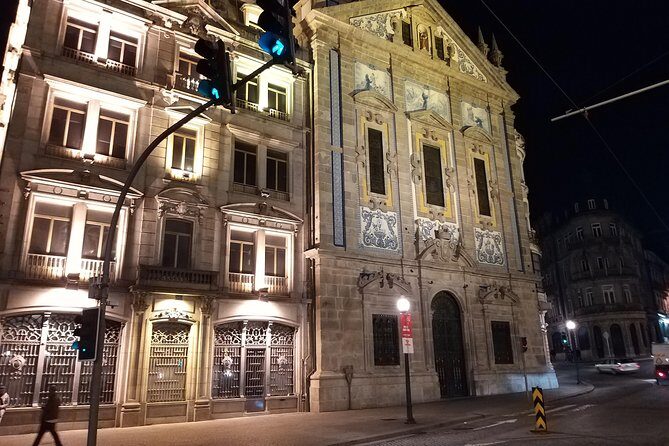
One of the most charming parts of the route is the cluster of Igreja do Carmo and Igreja das Carmelitas, both Baroque churches with major façade personality. Igreja do Carmo is known for its azulejos (painted ceramic tiles), while Igreja das Carmelitas draws eyes with its ornate exterior.
Between them sits Casa Escondida, the so-called Hidden House—a small, clever building wedged into the narrow space between the larger churches. This is the kind of detail I love on a night tour because it rewards slow looking. You can walk right past it during daytime without noticing, but at night the setting feels more “secret.”
This stop is mostly about observation. If it’s raining or very windy, you’ll want to take your time sheltered under awnings and rely on your guide to point out the exact in-between location.
Clérigos Tower and Livraria Lello: iconic, and worth planning entry time
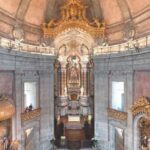
The Torre dos Clerigos is one of Porto’s signature monuments: a Baroque tower by Nicolau Nasoni built in the first half of the 1700s. You’ll hear the headline reason people climb it—panoramic views of the city and the Douro River—and the practical reason you should consider it: it’s 240 steps.
Entry is not included, so you’ll want to decide quickly whether you want the climb. If you’re short on energy, it’s still a great exterior stop, but the full experience is the viewpoint.
Then comes Livraria Lello, the Art Nouveau/Neo-Gothic bookstore building opened in 1906. Inside you’re looking at painted plasterwork that imitates wood and a famous staircase, plus a stained-glass skylight with the library’s monogram and motto.
Entry is also not included. That’s the main “tradeoff” of this part of the night: the landmarks are major, so you might spend time lining up or paying separately. If you want both tower and library, plan for it as a deliberate choice, not an automatic one.
Palácio da Bolsa, the historic library, and transport museums
Porto gets very “institutional” here—in a good way. Palácio da Bolsa (Porto’s Commercial Association building) is a national monument built in the neoclassical style in the 1800s on the site of a former convent destroyed by fire. The Arab Room is often the highlight, and even a short exterior-to-context stop helps you understand the building’s role in commerce.
Admission here is not included, so it’s another pay-as-you-go decision based on what you want most from the evening.
You’ll also see the National Public Library of Porto housed in the Palace of the Carrancas. It’s the oldest public museum in Portugal and now serves functions tied to fine arts, decorative arts, and archaeology. Like many cultural interiors, it’s the kind of place that becomes more meaningful once you know the building’s purpose and layers of renovation.
On the more modern-sounding side, the route includes the Electric Car Museum (with trams and auxiliary vehicles) and a Museum of Transport and Communications. If you’re the person who enjoys how technology shaped a city, these stops make sense. They explain why Porto looks the way it does—rail lines, bridges, and transport history all tied together.
Igreja de São Francisco and the “gold” feel of Porto’s sacred art
Igreja de São Francisco is Porto’s important Gothic church, with construction begun in the 1300s, but it’s known for a major Baroque interior phase—especially the golden woodwork from the 1600s and 1700s.
There’s a famous descriptive label connected to the church’s wealth of carved detail, and your guide can help you focus on the right parts—like the Tree of Jesse and the catacombs. Admission is listed as not included, so decide whether you want the interior depth or prefer to keep moving.
Even if you skip entry, the exterior and setting are still a strong anchor point for understanding Porto’s religious architecture and the way Baroque style took over older structures.
Douro bridges and viewpoints: Maria Pia, Luís I, Jardim do Morro, Serra do Pilar
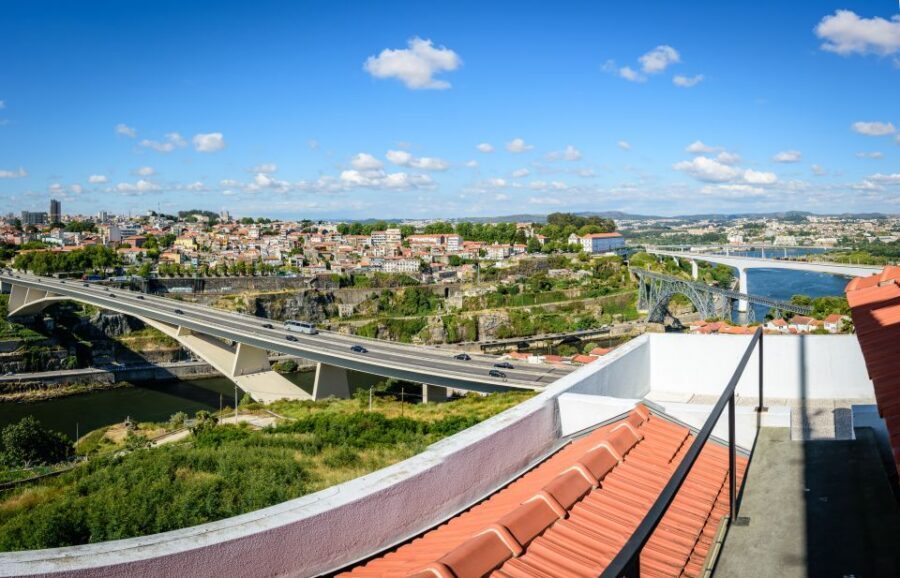
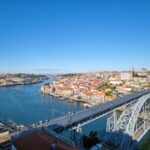
This is where the night tour starts feeling like a real route, not just a checklist. You’ll see multiple bridge eras that shaped how people crossed the Douro.
You’ll encounter the story of the older suspension bridge called D. Maria III, created in the early 1800s and later deactivated after only a few years due to concerns about insecurity. What remains now is basically the memory in stone pillars, which makes it a neat reminder that “big ideas” sometimes get revised fast.
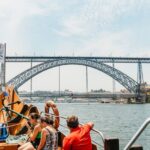
Then you’ll hit Ponte D. Luís I, the large wrought-iron arch bridge system with multiple deck levels. You’ll also see Ponte D. Maria Pia, Gustave Eiffel’s first major masterpiece, inaugurated in 1877 and used for rail travel for over a century.
The tour also includes Ponte São João-type rail infrastructure (Edgar Cardoso design) connecting Campanhã station with destinations in the south. It’s not always the type of thing most visitors notice, but seeing how rail lines bridge the river adds a practical lens to Porto’s history.
For viewpoints, Jardim do Morro gives you a public park setting with panoramic views. And Mosteiro da Serra do Pilar in Vila Nova de Gaia delivers a different kind of scene: a monastery with circular forms for the church and cloister and a long multi-stage construction story. Admission is listed as free, which is a plus if you want skyline time without paying extra.
Arrábida Bridge, forts, and Castelo do Queijo: Porto’s defense past
Next you move toward the shoreline and the coastline defense story. Arrábida Bridge is described as a modern structure (inaugurated in 1963) and was known for being among the longest reinforced concrete bridges in its era, with sculptures atop the main pillars.
Then you’ll get stops tied to coastal defense:
- Fortress São João Baptista, built late in the 1500s to protect the coast and the Douro entrance
- Castelo do Queijo (Fort São Francisco Xavier), built in the 1600s to protect against piracy, with a rocky hill shape that gave it the nickname Cheese Castle
Admission is listed as not included for these forts, so if you’re paying attention to time and weather, you can treat these as exterior-and-context stops unless you want to go in.
From “She Changes” and Leixões cruises to Serralves and Casa da Música
Porto’s night tour doesn’t end at old stone. It keeps shifting your view.
You’ll see She Changes, also known as Anemone, a sculptural work by Janet Echelman designed for Porto and Matosinhos. It uses a moving fishing-net form and reacts to wind—very different from anything in the historic center.
Then there’s Leixões Port, a working cruise area that expanded with a new cruise pier in 2011. If you’re traveling in a cruise season, this stop helps you understand why the city gets extra foot traffic.
After that, the route moves into the cultural-park zone with Serralves Park and the Art Deco Serralves House (the foundation house). The park is built around gardens, a forested area, and leisure facilities; the house is described as a standout Art Deco example in Europe and hosts exhibitions and events.
To end the evening on a modern note, you’ll visit Casa da Música, Porto’s main concert hall designed by Rem Koolhaas and inaugurated in 2005. It’s a strong “today Porto” counterpoint to all the churches and classical façades earlier.
Praça de Mouzinho de Albuquerque: a big monument with a clear message
Near the end, you’ll reach Praça de Mouzinho de Albuquerque and the Monument to the Heroes of the Peninsular War. It includes a dramatic 45-meter-high structure, an obelisk, and groups of sculptures representing the union of Portuguese with English forces (lion) and victory against Napoleonic armies (eagle).
This is brief in time, but it’s memorable because the story is easy to read in the symbolism. It’s also a good reminder that Porto isn’t just about merchant wealth and churches; it’s also about political moments that reshaped the country.
Optional add-ons: fado with port wine and Dona Antónia port tastings
If you want music and wine, you can add two separate options.
Fado show in Porto with port wine (optional)
This runs for 1 hour daily at 18:00 and 19:30. It’s not included unless you book it as an add-on, and it includes a port wine tasting. If you pick a slot, your tour start time changes because the fado option is described as starting 2 hours earlier.
Exclusive Dona Antónia port cellar tour (optional)
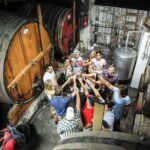
This is 1 hour 30 minutes and includes tasting of five port wines. It’s also not included unless you book it as an add-on, and it’s described as starting 2 hours earlier as well. If port is a major reason you’re in Porto, this is the sort of add-on that can feel worth the extra time.
Should you book this private Porto night tour?
I think it’s a good pick if you want:
- A fast but guided orientation to Porto’s biggest sights
- More comfort than walking-only nights
- A route that mixes classic landmarks with bridges and viewpoints on the Douro side
I’d be cautious if:
- You hate paying separate entrance fees for top attractions (several key stops are listed as not included)
- Weather is a big risk for you—this tour requires good weather, and that can matter in shoulder seasons
If you’re visiting for a short time and you want the city to “click” quickly, booking this private night tour is a smart move. Start with this, then build the rest of your trip based on what you liked most at night.
FAQ
How long is the Porto private night tour?
It’s about 3 hours.
Is the tour private, and is it offered in English?
Yes. It’s a private tour/activity and it’s offered in English.
Does the tour include pickup?
Yes. Pickup is offered to hotels and B&Bs in downtown Porto and Gaia.
Is Wi‑Fi available during the tour?
Yes. The executive vehicles include onboard Wi‑Fi.
Are entrance tickets to all attractions included?
Not all of them. Some stops are listed as free, while others list admission as not included (for example, the cathedral area and Torre dos Clérigos and Livraria Lello).
What optional activities are available?
You can add an optional fado show with port wine (1 hour, daily at 18:00 and 19:30), or an optional exclusive Dona Antónia port wine cellar tour (1h30) with tasting of five port wines. Both are not included unless you book them.
Does the tour run in bad weather?
The experience requires good weather. If it’s canceled due to poor weather, you’ll be offered a different date or a full refund.
Is free cancellation available?
Yes. Free cancellation is available if you cancel at least 24 hours before the experience start time for a full refund.