REVIEW · PORTO
Porto Private Half Day Walking Tour: Cruise & Wine Tasting
Book on GetYourGuide →Operated by EFun Tours · Bookable on GetYourGuide
Porto hits different when you see it from streets and water. This half-day combo packs an iconic sights walking route, a real Port wine cellar tasting, and a Rabelo boat cruise that connects the city to the Douro.
Two things I like a lot: you get orientation fast in Porto’s historic center, and the wine stop feels tied to place, not just a quick pour-and-go. One thing to keep in mind: the tour format is tightly paced, so comfortable shoes matter, especially on the older streets.
You meet at the Lions’ Fountain, and you’ll finish in Vila Nova de Gaia near Av. de Ramos Pinto. With a live guide in Spanish, English, or Portuguese, this is a good choice when you want help making sense of what you’re looking at, not just moving from one photo spot to the next.
One small clue about what the experience can feel like: guides named Pedro and Hugo have been praised for clear explanations and attentive service, including going out of the way when someone had a tooth-pain emergency. At the same time, there’s at least one unhappy report about guide communication and the tour ending early, so it’s smart to pick your language carefully.
In This Review
- Key things to know before you go
- How the tour flows: Porto walk, Gaia cellar, Douro boat
- Starting at Lions’ Fountain: getting your bearings in Porto’s historic center
- The wine cellar stop in Vila Nova de Gaia: tasting Port with context
- Douro River on a Rabelo boat: why the cruise feels more meaningful
- Price and value for a $100 private half day
- Private group reality check: what you gain, what you can’t control
- What to wear, what to ask, and how to get more from the day
- Should you book this Porto private walking + wine + Douro cruise?
- FAQ
- Where do we meet for the Porto Private Half Day Walking Tour: Cruise & Wine Tasting?
- How long is the tour?
- What languages are offered by the live guide?
- Is Port wine tasting included?
- Does the price include entrance fees?
- What should I wear?
Key things to know before you go
- Lions’ Fountain start: you’ll begin right in the core area, easy to find and easy to orient from
- Icon-sight walking in Porto: expect a guided route through the city’s most photographed angles
- Old Port wine cellar in Gaia: you taste Port wine in a setting made for it
- Rabelo boat cruise on the Douro: you’re riding the traditional style linked to port-cask transport
- Private group pacing: you can ask questions and steer the walk, but the schedule still stays tight
- Language matters: the guide offers Spanish, English, or Portuguese, so confirm what you’ll get before you show up
How the tour flows: Porto walk, Gaia cellar, Douro boat
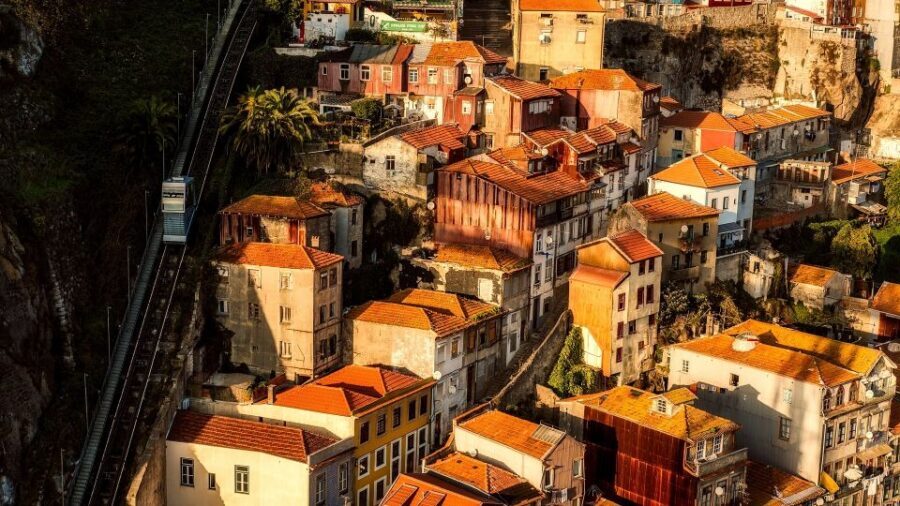
This is built like a smooth “best-of” circuit. You start in Porto for a guided walking stretch, then head to Vila Nova de Gaia for a wine cellar visit and Port wine tasting, and you wrap with time on the Douro River.
The value here is that you don’t just tick sights. You connect the land story (historic center landmarks) to the wine story (where Port wine is made and stored) and then to the river story (how wine was traditionally moved). That makes the cruise feel like more than scenery.
Also, it’s only 4 hours total. That’s half-day energy, not a full-day commitment, so it works well if you’re using Porto for a few concentrated blocks.
You can also read our reviews of more walking tours in Porto


Starting at Lions’ Fountain: getting your bearings in Porto’s historic center
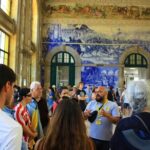
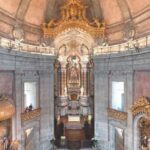
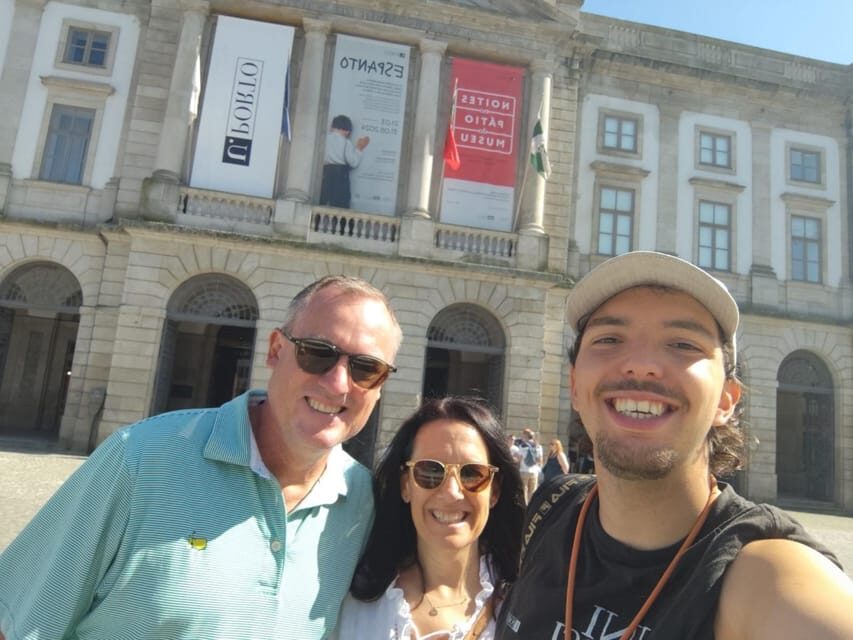
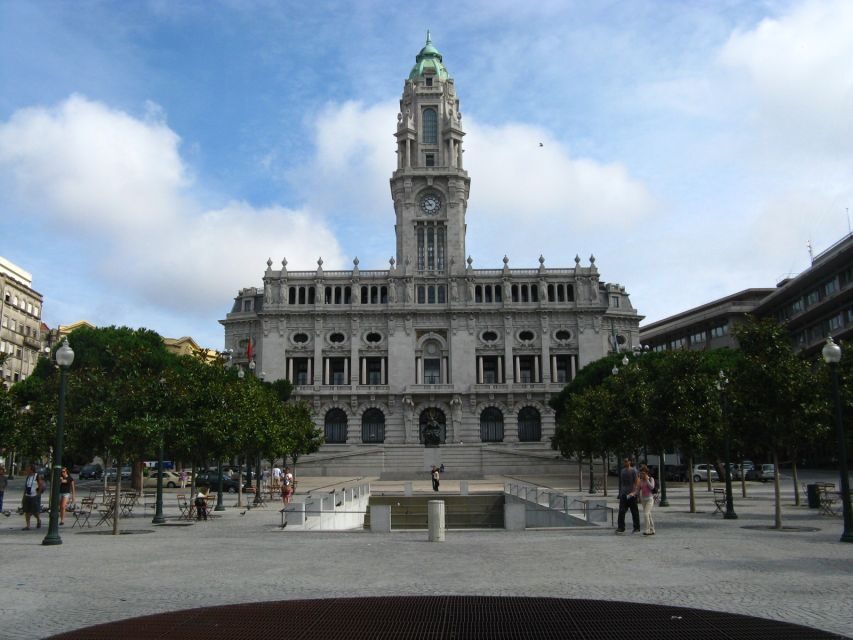
You’ll meet your guide at the Lions’ Fountain. From there, the tour focuses on Porto’s historical core, where most of the city’s recognizable sights cluster close enough to explore on foot.
I like this approach because Porto’s streets can feel like a maze until someone points out patterns. A good guide helps you understand why certain buildings sit where they do, what you’re seeing from a specific viewpoint, and how the waterfront story connects back to the neighborhoods.
During the walking portion, you’ll pass by the city’s most iconic, photographed scenes. That matters because Porto’s best views aren’t random. They line up with how the city rises away from the river and how people historically navigated the area.
Possible drawback: since you’re on a half-day clock, you’ll likely have less time to linger than if you planned the sights yourself. If there’s one specific photo spot you care about most, bring it up early so your guide can manage the pacing.
The wine cellar stop in Vila Nova de Gaia: tasting Port with context
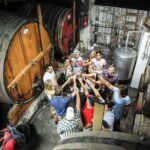
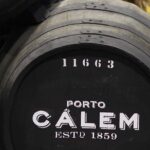
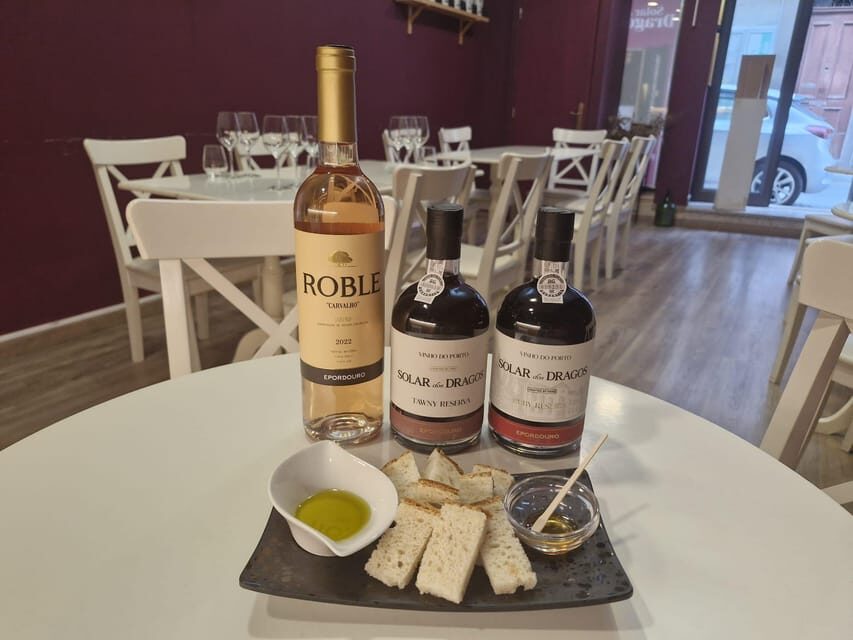
Your wine experience happens in Vila Nova de Gaia, where a lot of Port wine’s storage and aging tradition is centered. You’ll visit an old Port wine cellar and do a tasting as part of the tour.
What makes this worthwhile isn’t just trying Port wine. It’s understanding what you’re tasting in a place that matches the product. Port wine isn’t just a drink; it’s tied to a long storage culture, and Gaia is where that culture takes shape in a very practical way.
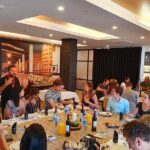
This is also where your guide’s role really shows. Even if you already like wine, you’ll get help figuring out what you’re noticing: the style differences, how Port is served, and what to expect from the tasting. If you’re newer to Port, you’ll usually feel less lost because someone is walking you through the logic of the menu and the cellar.
One more practical point: the wine portion is included and is set as a structured segment (not a random stop). That usually means you’re not left searching for a tasting room yourself, which saves time and avoids decision fatigue.
Douro River on a Rabelo boat: why the cruise feels more meaningful
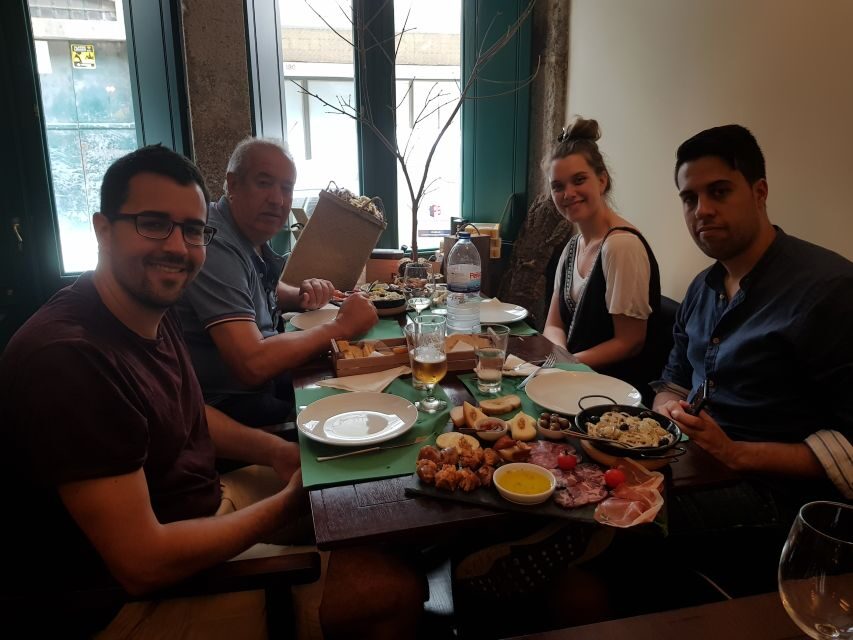
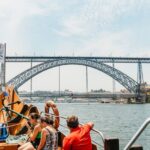
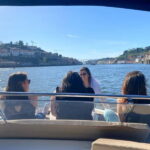
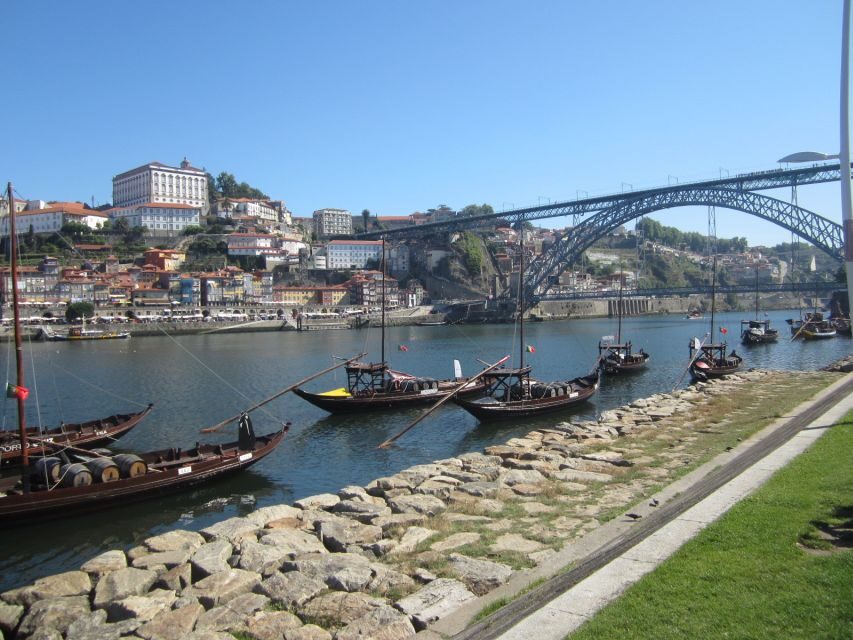
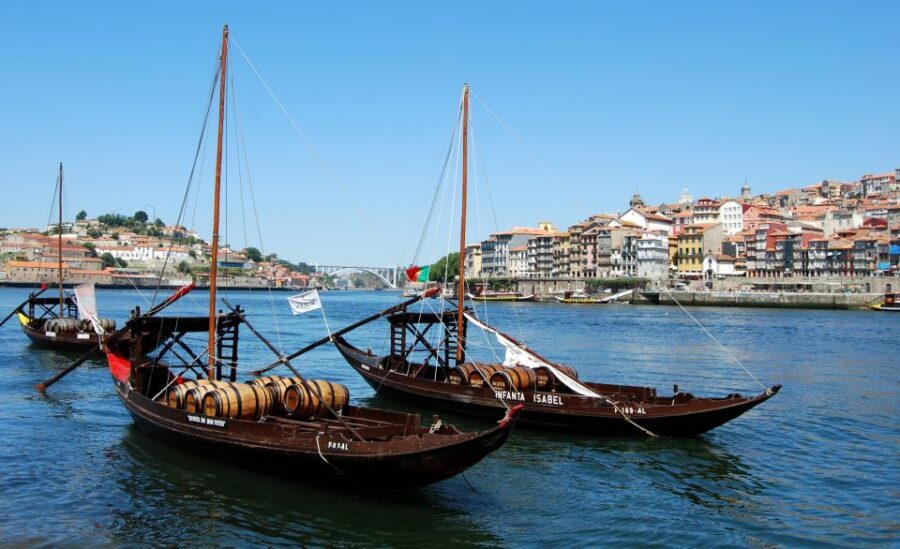
After the cellar, you’ll head out for the river part of the day on a traditional Portuguese Rabelo boat. These boats were historically used to transport port wine casks—moving wine from the Alto Douro vineyards down to Vila Nova de Gaia, where it would be stored and later sold or shipped.
That historical context changes how you read the river. You’re not just watching the water go by. You’re traveling the same kind of route that helped build the Port trade.
The cruise time is described as a 50-minute outing in one place, and the boat segment is also listed as a longer block in the tour plan. Either way, you’ll get a chunk of time on the water without needing to commit to a full-day cruise.
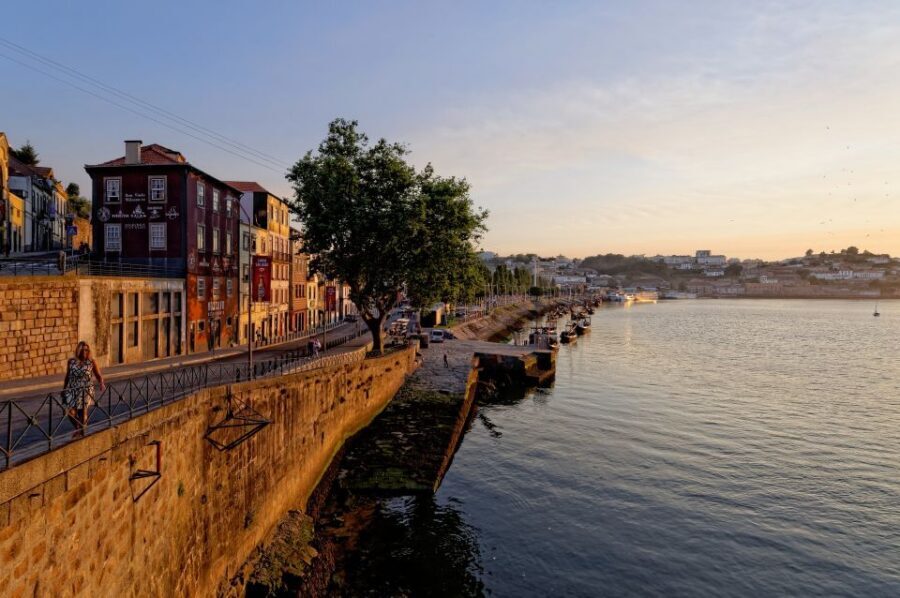
What I think you’ll enjoy most is the contrast: Porto on foot gives you angles and street textures. Then the Douro gives you the horizon line—rows of buildings, bridges, and the way the valley holds the river’s path. It’s the kind of view that makes Porto feel larger than the photos.
Small consideration: if you’re sensitive to sun or wind, plan for both. The river can cool down quickly compared with street level, and you’ll want to be comfortable enough to enjoy the whole segment.
Price and value for a $100 private half day
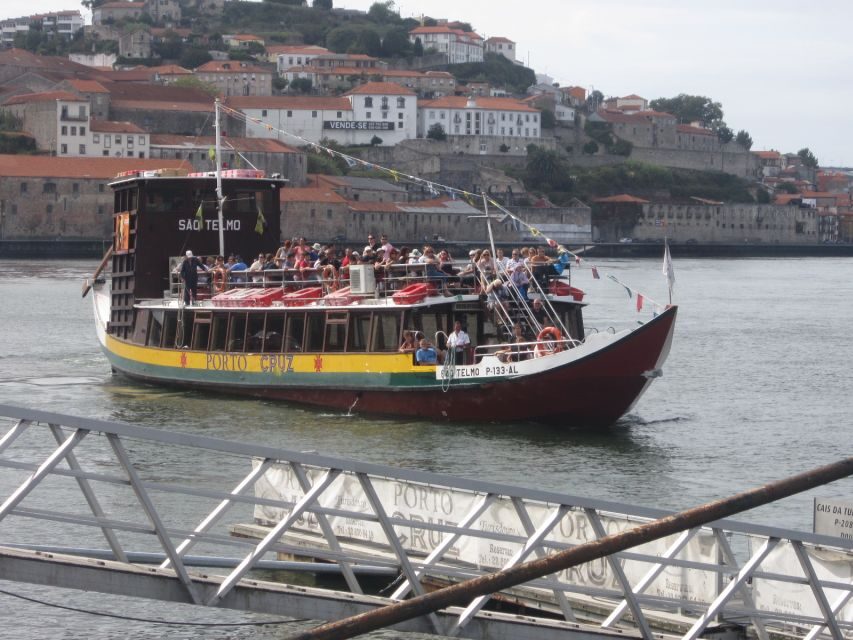
At $100 per person for 4 hours, you’re paying for three bundled experiences: a guided walking route, a wine cellar tasting, and a river cruise on a Rabelo boat. Entrances are not included, so if there are any paid entries during the walking segment, you’ll need to cover those.
Is it good value? For me, the math works if you want the structure. Doing Porto + a cellar tasting + a Douro cruise on your own can turn into three separate planning tasks: figuring out meeting points, transport between areas, and timing the tasting. This tour handles that flow for you.
It’s also a private-group format. That tends to be worth it when you want questions answered as you walk, or when you want your guide to adjust pacing slightly so you don’t feel rushed through every stop. Even when the itinerary is set, private means you’re not stuck watching someone else’s pace.
Finally, check the overall rating: it’s 3.9 out of 5 across 21 reviews. Most feedback is positive about smooth operation and guide quality, but there’s at least one sharp complaint about communication and the tour ending earlier than expected. That’s not something to ignore. If English is your main language, I’d confirm that your chosen language will be used comfortably throughout.
You can also read our reviews of more food & drink experiences in Porto



Private group reality check: what you gain, what you can’t control
Private tours sound perfect, right up until you realize they still depend on timing, staffing, and language comfort. The upside is clear: your guide can steer the walk, answer questions in real time, and keep the experience aligned with your interests.
There are examples of guides being praised for how they handle people and how well they answer questions. Pedro has been specifically noted for being informative and very knowledgeable, and Hugo is praised for staying attentive, explaining things well, and helping with an unexpected personal issue by guiding someone to a pharmacy. That kind of service turns a tour into an actual memory.
But you also have to take the negatives seriously. One report involved a guide named Ricardo with poor English communication, little responsiveness to questions, and the guide reportedly disappearing before the tour finished. If communication quality is a major factor for you, don’t just rely on the language label—be ready to communicate clearly at the start.
What you can control: bring your questions early, and if something feels off, speak up right away while the group is still together. A private guide can usually adjust on the fly, but you’ll need to raise issues promptly.
What to wear, what to ask, and how to get more from the day
This is a walking-heavy portion, so plan around it. Comfortable shoes are recommended because Porto’s historic streets are not flat and forgiving.
For questions, aim for ones that help you understand what you’re seeing, not just facts to memorize. Here are a few that work well for this specific route:
- What should I watch for as we pass each viewpoint in Porto?
- How did the river route shape Port wine’s storage in Gaia?
- Which Port style do you recommend starting with at the tasting, and why?
Also, keep hydration and weather in mind. Porto can shift fast between breeze by the water and warmer street conditions during the walk. If you’re going in a season where the sun can be intense, a light layer helps for the river portion.
One more detail that helps your brain: you end in Vila Nova de Gaia at Av. de Ramos Pinto 390. That’s useful if you’re planning a post-tour meal or want to continue exploring Gaia right away instead of backtracking.
Should you book this Porto private walking + wine + Douro cruise?
Book it if you want a fast, well-structured best-of day that connects Porto streets to Port wine to the Douro River. You’ll likely appreciate the private format, especially if you like asking questions as you go. At $100 per person, the bundled value is strongest when you’d otherwise have to coordinate multiple tours.
Skip it or rethink if you’re very picky about guide language comfort or you need lots of time to linger at landmarks. The pacing is designed for a half-day plan, and the walking component plus the tasting and cruise won’t leave you much room for long detours.
If you do book, set yourself up for success: confirm your guide language (Spanish, English, or Portuguese), wear good shoes, and ask your top questions early so you get the most out of every stop.
FAQ
Where do we meet for the Porto Private Half Day Walking Tour: Cruise & Wine Tasting?
Please meet your tour guide in the Lions’ Fountain.
How long is the tour?
The duration is 4 hours.
What languages are offered by the live guide?
The tour is guided in Spanish, English, and Portuguese.
Is Port wine tasting included?
Yes. The tour includes a visit to a Port wine cellar and a tasting.
Does the price include entrance fees?
No. Entrance fees are not included.
What should I wear?
Comfortable shoes are recommended since there is a walking tour in Porto’s historic center.