REVIEW · PORTO
Porto Highlights: The best of Porto City Walking Tour
Book on Viator →Operated by Luka Urban Trails · Bookable on Viator
Porto clicks into place fast. This 1-hour-50-minute walking tour is a practical way to get oriented in Porto, with a licensed guide who connects landmarks to the stories you’ll keep noticing as you wander on your own. You’ll hit major sights, pause for photos at Miradouro da Vitória, and move along a route that makes sense for a first-time visit.
What I like most is the way the tour turns sightseeing into understanding. The guide style here often shows up with names like Fernando and Luiz, and you can feel the difference when someone explains what you’re looking at without turning it into a lecture. Second, the pacing works: you cover a lot of the highlights in one go, so you leave with a mental map of Porto and not just a camera roll.
One thing to consider: a couple of major stops list admission not included, so you’ll probably see the exteriors and understand the buildings, but you may need extra tickets if you want to go inside. And because this is a walking tour with a max group size of 60, it can feel busy around the most popular points—plan for quick photo moments and tight time windows.
In This Review
- Key highlights I think you’ll care about
- Starting at Vímara Peres: the quick history primer that sets you up
- Mercado Ferreira Borges and the market streets: reading Porto like a local
- Miradouro da Vitória: the photo stop with panoramic payoff
- Torre dos Clérigos and Igreja do Carmo: big architecture, no included tickets
- Avenida dos Aliados to Rua de Santa Catarina: grand streets meet street-level Porto
- Capela das Almas, São Idelfonso, and Praça da Batalha: where the walk finishes
- Price, timing, and group size: getting value out of two hours
- What guides like Fernando and Luiz tend to do well on this tour
- My practical game plan: how to enjoy it without feeling rushed
- Should you book Porto Highlights: The best of Porto City Walking Tour?
- FAQ
- How long is the Porto City Walking Tour?
- Where does the tour start?
- Where does the tour end?
- Is the tour offered in English?
- Do I need to bring tickets or is there a mobile option?
- Is admission included for Torre dos Clérigos and Igreja do Carmo?
- Are there any stops with free admission?
- What’s the group size limit?
- Is bottled water included?
- Can I cancel for a full refund?
Key highlights I think you’ll care about
- Licensed guide who talks you through what you’re seeing, not just where to stand
- Miradouro da Vitória with a dedicated photo stop and big panoramic payoff
- Historic center highlights in a route that flows from viewpoint to churches to squares
- Two hours is enough to get your bearings, even if it’s your first day
- Some interiors cost extra (Torre dos Clérigos and Igreja do Carmo aren’t included)
Starting at Vímara Peres: the quick history primer that sets you up
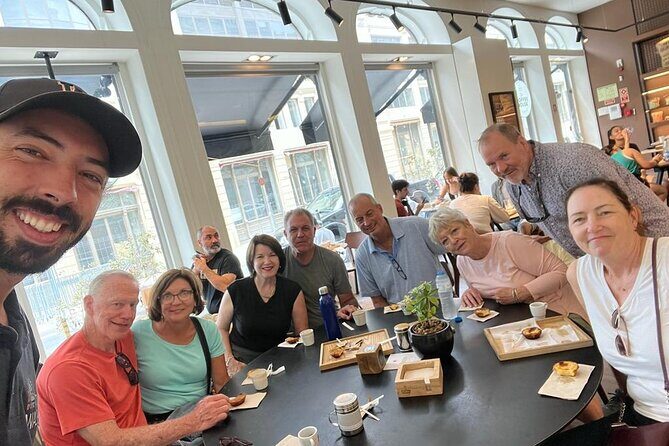
Your walk begins at the Estatua de Vímara Peres, a good first move because it anchors the tour in the early story of how Porto became Porto. You’ll get a clear explanation of who Vimara Peres is and why this name shows up in the city’s origin stories. Even if you don’t memorize dates, you’ll start recognizing the pattern: Porto grew by trade, power, and clever use of its geography.
This first stop is also a “calibration point.” You’ll learn what to watch for as you go—church facades, the way streets funnel toward viewpoints, and how plazas open like breathing spaces. That matters because walking Porto can be deceptively hilly and winding. When the guide frames the route early, your feet do the work and your brain stays on track.
You’ll then roll into the market area, so expect a shift from origin story to everyday Porto—history and daily life right next to each other.
You can also read our reviews of more walking tours in Porto


Mercado Ferreira Borges and the market streets: reading Porto like a local
Next comes Mercado Ferreira Borges, where the focus is on what markets meant to the city and how they shaped daily life. This stop is short—about 10 minutes—but it’s timed well. Mercado zones are great for learning because you can look around and connect the dots fast: goods, people, movement, and the city’s role as a hub.
What makes this stop useful is how it changes your future wandering. After you’ve heard the context, you’ll start noticing details beyond the obvious: signage, building style, and the way streets behave like arteries. Porto’s historic center can feel like a maze if you’re only following instinct. A market stop gives you a sense of direction and purpose.
If you like photos with human scale (shops, signage, corners), this is a good place to grab a quick shot—then keep walking. The tour doesn’t linger, and that’s intentional. It keeps you moving toward the best “wow” moment later.
Miradouro da Vitória: the photo stop with panoramic payoff
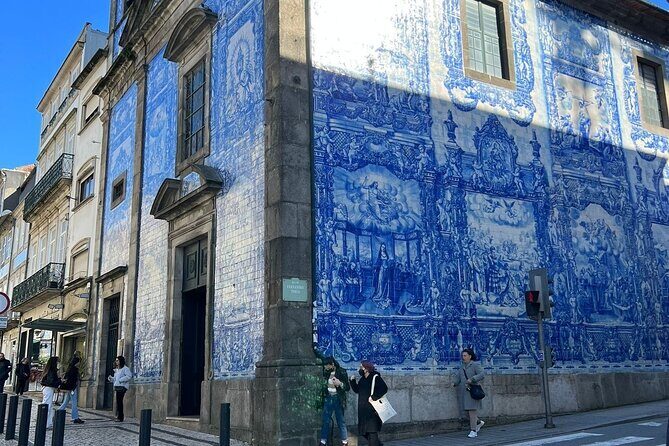
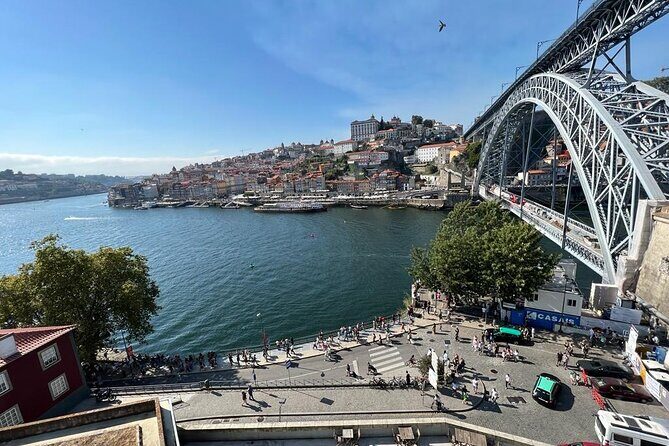
Then you get to Miradouro da Vitória, the moment you’ll remember even if the rest becomes a blur. This viewpoint stop is about 15 minutes, and that extra time matters. It’s long enough to find your best angle, snap a few photos, and actually take in the view instead of doing a two-second rush.
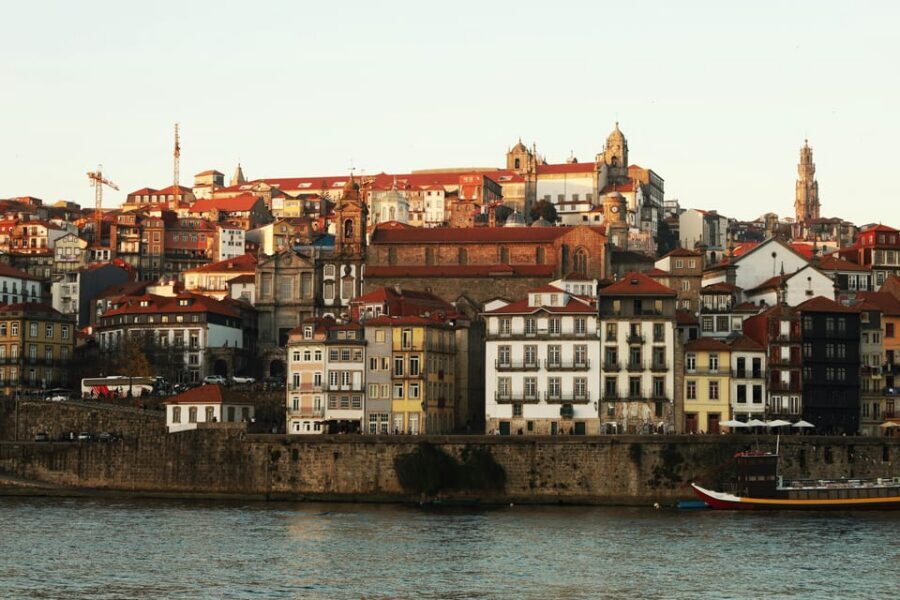
Miradouros are Porto’s secret weapon. They make the steep city feel legible because you can see how neighborhoods stack and how streets curve down toward key areas. From here, Porto’s geography stops being abstract. You start understanding why certain buildings and routes feel positioned for trade, defense, or display.
One practical tip: bring your patience for lines of people and quick handoffs for photos. This is a shared stop, and the best strategy is to move slightly once you’ve taken the money shot—there are usually alternate angles just a few steps away.
Torre dos Clérigos and Igreja do Carmo: big architecture, no included tickets
The tour then focuses on two of Porto’s most memorable church-and-tower landmarks: Torre dos Clérigos and Igreja do Carmo. Both have historical explanations during the walk, about 10 minutes each. The key thing for your planning: the tour lists admission for both as not included, so don’t expect the price to cover entry if you want to go inside.
Even without tickets, this pair works well because the exteriors are visually loud. You’ll get the construction story and context, which helps you see the architecture as something intentional instead of just decorative. Towers and church fronts in Porto are like history pages written in stone—shape, proportions, and location all carry meaning.
If you’re the type who loves interiors, here’s how you can handle it without getting stressed: decide ahead of time if you want to pay for inside access. If yes, leave a little flexibility for your next day. If not, you’ll still come away with the right “what am I looking at” understanding from the guide.
Avenida dos Aliados to Rua de Santa Catarina: grand streets meet street-level Porto
After the church stops, you’ll walk along Avenida dos Aliados, where the focus is on the avenue’s construction and role in the city. This is where Porto shifts from sacred buildings and viewpoints to an urban showpiece—wide street energy, big perspective, and the feeling of moving through the city’s public life.
Then you head to Rua de Santa Catarina, another stop with a historical explanation (around 10 minutes). This is the street that feels more everyday. It’s the kind of area where you can blend in quickly: grab a coffee, watch people pass, and get a sense of the city’s rhythm without needing a museum ticket.
This section of the tour is valuable because it changes your perspective. Porto isn’t only churches and squares. It’s also commerce, everyday motion, and street culture. By pairing a grand avenue with a more human-scale shopping street, you leave with a balanced picture—and you’ll know where to go when you want atmosphere rather than landmarks.
You can also read our reviews of more city tours in Porto

Capela das Almas, São Idelfonso, and Praça da Batalha: where the walk finishes
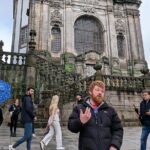
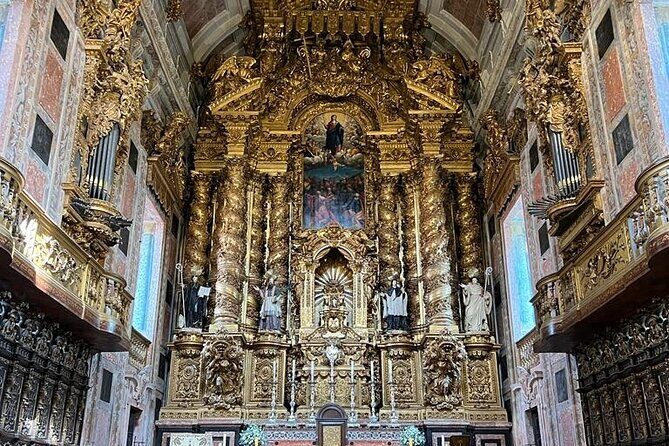
The final stretch is where the route turns into a “greatest hits” circuit. You’ll stop at Capela das Almas (about 10 minutes, with admission listed as free) and then to Igreja de San Idelfonso (about 10 minutes, also listed as free). These are the kinds of places where visuals do half the talking—tiles, church styling, and the way Porto expresses identity through religious art and facade design.
After that, you reach Praça da Batalha for the finishing stop (about 5 minutes). It’s a quick capstone: a square that gives you a breather and a natural jumping-off point for where you want to go next. The tour ends near the national theater area (right by Praça da Batalha), which is handy because it puts you in a central zone for more walking, dinner, and hopping into public transport.
If you like structure, this ending works. It gives you a clean “finish line” so you don’t wander in circles trying to recreate what the guide just showed you.
Price, timing, and group size: getting value out of two hours
At $41.32 per person, this tour is priced like a solid guided intro, not a bargain basement stroll. For the money, you get a licensed guide, English interpretation, and a tight route that covers multiple landmark categories: origin story, market context, viewpoint payoff, major church/tower architecture, and finishing squares.
The timing is part of the value. At around 1 hour 50 minutes, it fits into a first day without stealing your whole afternoon. It’s also a smart choice if you want to return later under your own steam. Once you’ve heard the stories, you’ll know which places are worth extra time.
Two more practical notes:
- You can choose from several tour times to match your schedule, which helps in Porto where plans often revolve around light and meal timing.
- Group size can reach up to 60 travelers, so if you’re sensitive to crowds, choose a less busy time if you can.
One more cost factor: bottled water and tips aren’t included. If you’re walking with your phone camera a lot (you will), plan to buy water along the route.
What guides like Fernando and Luiz tend to do well on this tour
Across the different guides associated with this tour style, a recurring theme is how they keep things fun and easy to follow. Guides such as Fernando and Luiz show up in people’s feedback for making the walk feel like a conversation, not a recital. They’re also the kind of guides who tend to offer practical direction beyond the stops—like what to do next after the tour.
One great strategy: use the tour as your Q&A session. Ask for one or two recommendations for how to spend the rest of your day in Porto—especially if you’re into cultural nights. If you’re curious about Fado, it’s worth mentioning, since guides connected to this operation have been known to point folks toward a good show plan.
Also, wear comfortable shoes. Porto is not a flat city, and a walking tour counts on you being able to keep a steady pace for almost two hours.
My practical game plan: how to enjoy it without feeling rushed
If you want the most out of this tour, treat it like a guided “orientation loop.”
- Do the tour early in your visit so you can return to the places that stick.
- Bring water or plan to buy it. Bottled water isn’t included.
- Expect quick stops. This is built for efficiency, so don’t plan on long photo sessions at every point.
- For interior visits, decide in advance. Since Torre dos Clérigos and Igreja do Carmo aren’t included, you’ll want to budget if you want inside access.
And one small mindset shift: let the guide explain why each stop matters, then use that explanation when you explore later. That’s how a short tour becomes a longer-lasting understanding of the city.
Should you book Porto Highlights: The best of Porto City Walking Tour?
Book this tour if you want a fast, high-value intro to Porto with multiple major landmarks, a standout viewpoint at Miradouro da Vitória, and a guide who helps you connect architecture to story. It’s especially great for a first day, for couples, and for anyone who wants an easy framework for where to go next.
Skip it or adjust your expectations if you’re hoping for deep museum time at a relaxed pace. The schedule is tight, and some big interiors cost extra—so you’ll be doing mostly outside views plus explanations, with extra-ticket options only if you choose them.
FAQ
How long is the Porto City Walking Tour?
It runs for about 1 hour 50 minutes.
Where does the tour start?
It starts at the Statue of Vímara Peres on Calçada de Vandoma, 4000-013 Porto.
Where does the tour end?
It ends at Batalha Square (Praça da Batalha), 4000-101 Porto, next to the national theater.
Is the tour offered in English?
Yes, it’s offered in English.
Do I need to bring tickets or is there a mobile option?
You’ll receive a mobile ticket.
Is admission included for Torre dos Clérigos and Igreja do Carmo?
No. Admission for Torre dos Clérigos and Igreja do Carmo is not included.
Are there any stops with free admission?
Yes. Multiple stops are listed with admission ticket free, including Mercado Ferreira Borges, Miradouro da Vitória, Avenida dos Aliados, Capela das Almas, Rua de Santa Catarina, Igreja de San Idelfonso, and Praça da Batalha.
What’s the group size limit?
The tour has a maximum of 60 travelers.
Is bottled water included?
No, bottled water isn’t included.
Can I cancel for a full refund?
Yes. You can cancel up to 24 hours in advance for a full refund.