REVIEW · PORTO
Porto and Gaia: Walking Tour of Douro’s Two Riversides
Book on GetYourGuide →Operated by Guides and Tours · Bookable on GetYourGuide
Porto and Gaia feel like one big story. This is a tight, 2-hour walking tour that links the Age of Discoveries, medieval Porto by the water, and the big cultural contrast across the Douro River—classic churches and convents beside modern street art. You start in the heart of Porto’s “how it all began” energy, then end on Gaia’s side where Port wine lore and UNESCO views live side by side.
I especially like how the tour builds meaning fast. I love the Douro River angle: the river isn’t just scenery here, it’s the reason Porto exists. And I love the mix of old and new, like the standout modern sculpture Half Rabbit alongside the Corpus Christi Convent.
One heads-up: this is real walking on uneven streets, and it’s not suitable for wheelchair users. If you have knee or balance issues, I’d think twice.
In This Review
- Key things you’ll notice on this Porto and Gaia walk
- Starting at Henry the Navigator’s square: how Porto got its global role
- Palácio da Bolsa and Church of Saint Francis: power and faith in walking distance
- Casa do Infante and the Douro’s role in “imperial Portugal”
- Ribeira and Barredo: Porto’s oldest neighborhoods, plus the future pressure
- Medieval Porto by the water: walls, gates, and customs you can actually picture
- Alminhas of the Bridge and Dom Luís I Bridge: cross with context
- Vila Nova de Gaia: wine cellar area, Serra do Pilar, and the UNESCO wow factor
- Convento de Corpus Christi and Half Rabbit: old legend meets modern attitude
- Price and pace: is $32 worth two hours of Porto and Gaia?
- Who should book this Porto and Gaia tour
- Should you book this Porto and Gaia two-riverside walk?
- FAQ
- FAQ
- How much does the tour cost?
- How long is the walking tour?
- What languages are the guides available in?
- Where do I meet the guide?
- Where does the tour finish?
- What is included in the price?
- Is food or drinks included?
- Is the tour wheelchair accessible?
Key things you’ll notice on this Porto and Gaia walk
- Start at Jardim do Infante Dom Henrique and connect Porto to the Age of Discoveries right away
- Palácio da Bolsa (Porto Stock Exchange) adds architectural payoff early in the route
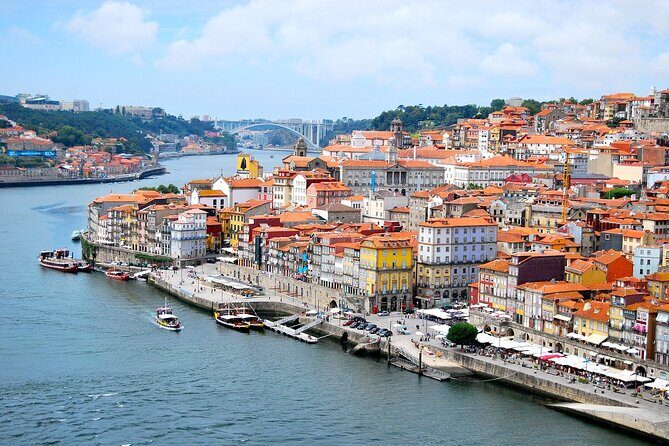
- Medieval Porto streets like Ribeira and Barredo show how the city grew on the riverfront
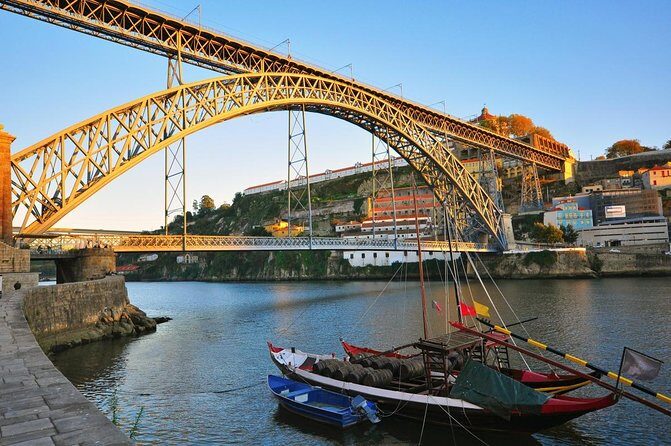
- Dom Luís I Bridge and the Alminhas of the Bridge give you story-driven orientation over the water
- Gaia’s UNESCO Serra do Pilar Monastery changes the view of the whole river valley
- Old convents plus modern urban art make Gaia feel like a city in motion
Starting at Henry the Navigator’s square: how Porto got its global role
The tour kicks off at Jardim do Infante Dom Henrique, where you’ll find the blue-umbrella guide at the base of the statue. This matters because Henry the Navigator (Infante of Sagres) is one of Portugal’s most beloved figures—and the Age of Discoveries story begins right in Porto. The guide doesn’t treat it like a school lesson. Instead, you get the sense that ships, trade, and ambition were tied to local people and local geography.
From that starting point, I like how you’re oriented for everything that follows. Before you even reach the water, you understand why this city mattered beyond its city limits. And once you know that, the later stops—fortifications, bridges, and the Port wine economy—feel connected, not random.
If you’re the type who likes to know what you’re looking at and why it matters, you’ll get a lot out of this opening.
You can also read our reviews of more walking tours in Porto


Palácio da Bolsa and Church of Saint Francis: power and faith in walking distance
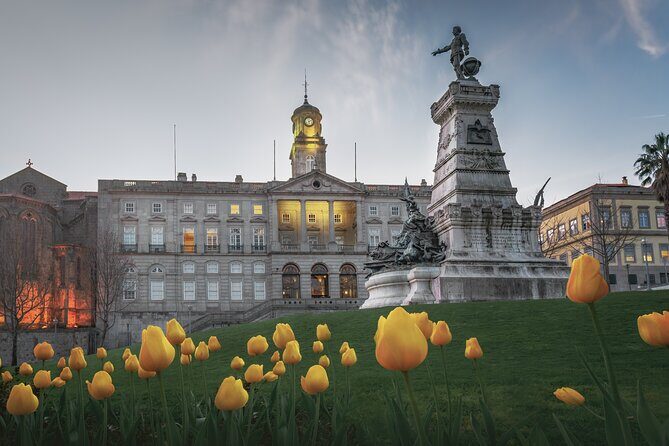
Next up is Palácio da Bolsa, the Porto Stock Exchange. You get a guided look there for about 15 minutes, and the payoff is twofold. First, it’s a major architectural highlight. Second, it’s a reminder that Porto wasn’t only dreaming big—it was also organizing trade and wealth.
Then the tour heads to the Monument Church of Saint Francis. The guide brings the faith and artistry side of Portuguese culture into focus, and the church’s reputation is part of the reason it’s on a route like this—considered one of the most beautiful churches in Portugal. Even if churches aren’t your thing, this stop helps you understand the emotional backbone of the city: beauty wasn’t optional here.
One practical benefit: both stops are short and guided. You’re not stuck reading plaques for an hour. You keep moving, but you still learn enough to appreciate what you see.
Casa do Infante and the Douro’s role in “imperial Portugal”
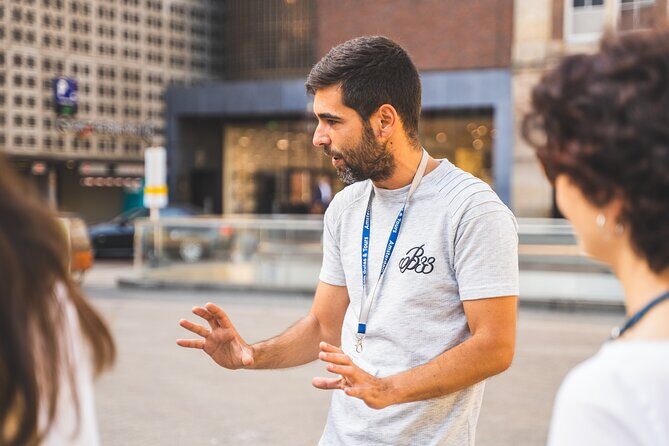
A few minutes later you reach Casa do Infante, again with guided time. This is one of those Porto stops where the storytelling is the main event. Henry the Navigator’s connection to Porto isn’t just a name on a map; it’s tied into how Portugal’s early global presence took shape.
Then the route starts turning toward the water—because the water is the real engine. Porto, like many major cities, grew on its banks, and here that means the Douro River drives daily life, trade routes, and the way neighborhoods were built.
I like the way the guide frames the river as a life source. When you later see bridges and riverfront streets, you won’t just think scenic views. You’ll think logistics: where goods moved, where people gathered, and why certain areas mattered.
Ribeira and Barredo: Porto’s oldest neighborhoods, plus the future pressure
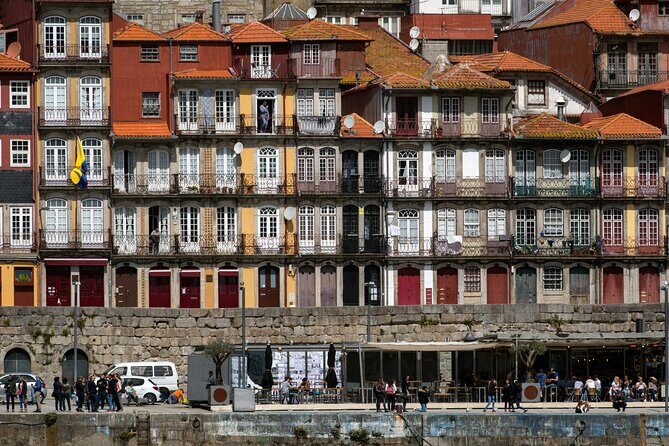
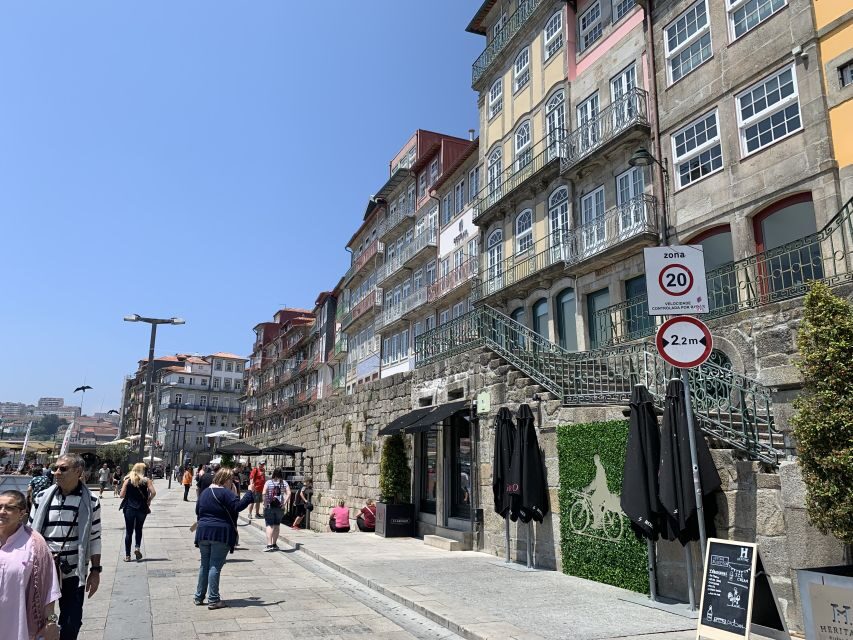
Now you’re in Ribeira and Barredo, two of Porto’s oldest neighborhood areas. Expect a guided walk through their past and present, plus what the future might bring as tourism and gentrification reshape the streets.
This is a sensitive topic, but it’s also practical. The guide isn’t just romanticizing historic buildings. You get a sense of how neighborhoods survive: through daily use, local rhythms, and the constant push-pull of visitors, money, and heritage rules.
If you’ve ever looked at a beautiful old street and wondered what happens underneath the postcards, this is where you’ll get a clearer answer. You’ll learn old customs and understand why the riverfront neighborhoods became so important—then you’ll see what changes look like today.
Medieval Porto by the water: walls, gates, and customs you can actually picture
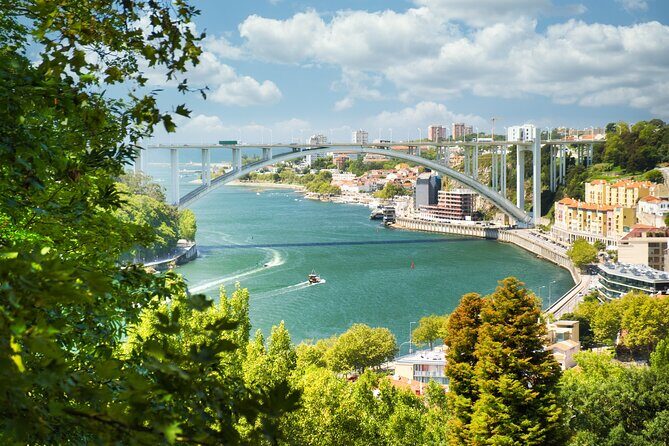
As the walk continues, you’ll get a medieval Porto focus: walls, gates, and customs. Even without a long history lecture, the guide helps you build mental pictures of how the city functioned when defense and trade were always connected.
The big idea I took away is this: Porto’s medieval life wasn’t separate from the Douro. The river shaped where people could live, how they could move, and what the city needed to protect. That makes the medieval details more than trivia. They become a way to read the city as you walk.
If you enjoy “street-level history”—the kind you can see and connect to what’s in front of you—you’ll be right at home here.



Alminhas of the Bridge and Dom Luís I Bridge: cross with context
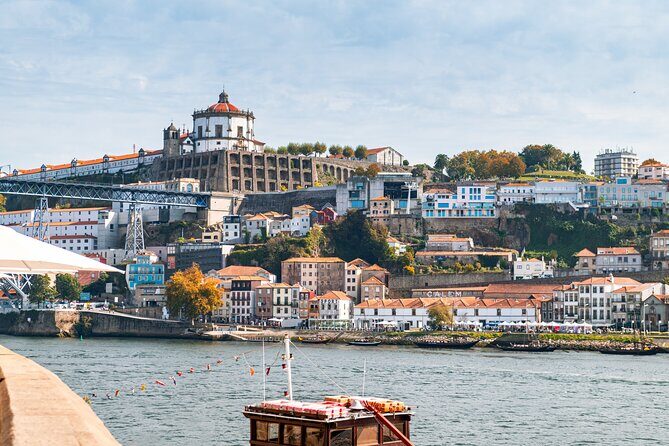
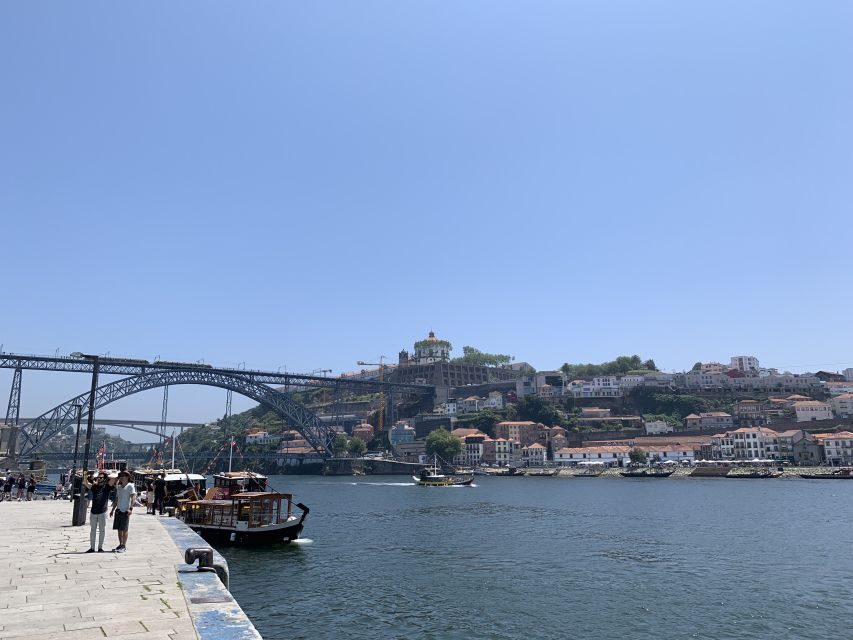
Then comes one of the most useful story segments on the route: the bridge area. You’ll visit the Alminhas of the Bridge with guided time, and then you’ll head for Dom Luís Bridge (Dom Luís I Bridge) to learn the surrounding stories.
You also get a clear sense that bridges in Porto aren’t only infrastructure. They’re tied to invasions, royalty, legends, and the city’s long list of heroes and villains. That may sound dramatic, but it’s exactly why this stop works: you stop treating the bridge as a view and start treating it as a landmark with a narrative.
From there you cross the river on foot into Vila Nova de Gaia. Walking across matters. It changes your angle on the Douro and forces your brain to understand the two-sided relationship—Porto on one bank, Gaia on the other, both tied to the same waterway.
Vila Nova de Gaia: wine cellar area, Serra do Pilar, and the UNESCO wow factor
On the Gaia side, the tour shifts from Porto’s medieval core to Gaia’s riverfront identity. You’ll spend guided time in Gaia, including the Serra do Pilar Monastery, which is a UNESCO World Heritage Site. This stop is one of the best “step back and see the whole picture” moments.
Why it works: the monastery gives you a sense of height and scale, so suddenly you grasp how the Douro bends through the valley and how the towns relate to each other. I found that kind of spatial awareness makes the rest of the visit easier to enjoy.
You’ll also explore Gaia’s famous wine cellars area (without going into a formal winery visit). The guide also sets expectations clearly: you’ll learn the story of Port wine—why it’s special and why it’s not as simple as calling it just wine. You’re basically getting the logic behind what you’re seeing.
If you’re curious about Port but don’t want a heavy tasting schedule, this is a smart way to get the background without losing your afternoon.
Convento de Corpus Christi and Half Rabbit: old legend meets modern attitude
Two Gaia stops capture the contrast of the river perfectly. First, you’ll see and hear about the Convento de Corpus Christi. It comes with legend, and the vibe is clearly older and quieter than the riverfront streets around it.
Then you’ll also encounter modern urban art, including the striking Half Rabbit sculpture. This is where Gaia feels like a living city rather than a museum. The juxtaposition is the point. One foot in legend, one foot in modern expression, all in the same walk.
I like that the tour doesn’t treat either side as an “either/or.” It helps you understand how Porto and Gaia both manage identity: one through centuries of faith and custom, the other through art and current-day commentary.
Price and pace: is $32 worth two hours of Porto and Gaia?
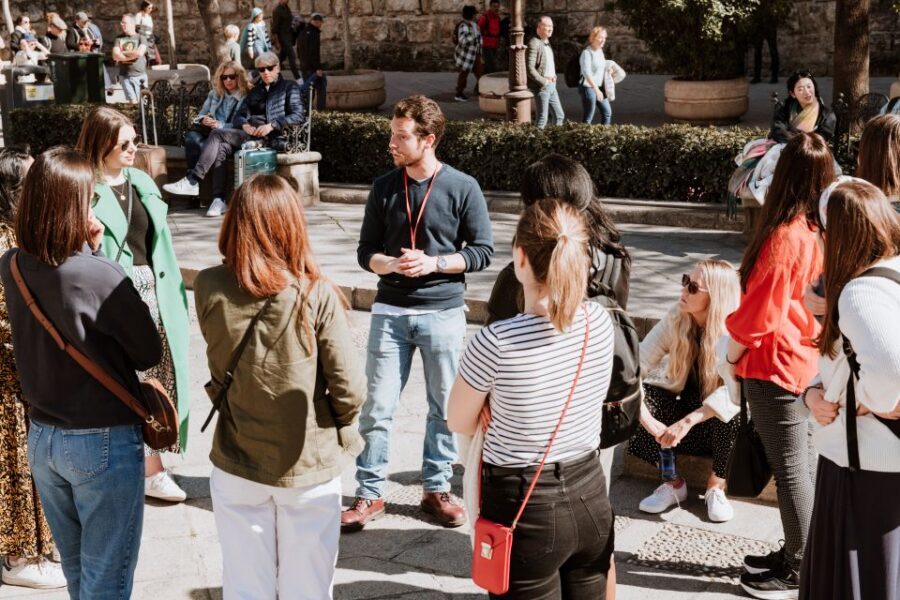
At $32 per person for about 2 hours, I think this is fair value—mainly because you’re not just doing a generic highlights loop. You’re getting guided time at major stops: Palácio da Bolsa, Saint Francis Church, Casa do Infante, bridge area points, and key Gaia sights like Serra do Pilar and Corpus Christi.
What makes it feel worth the money is the structure. Each stop is short and guided (roughly 15 minutes where noted), so you get context quickly. That keeps you from wasting time trying to piece together history on your own while moving through a city that has a lot going on.
Also, the group is small, limited to 10 participants. In a place like Porto, that matters. You hear the guide better, and you spend more time walking through the real street atmosphere instead of waiting in a crowd.
Just plan for walking. This isn’t a sit-and-look tour. Comfortable shoes are not optional.
Who should book this Porto and Gaia tour
I’d book this if you:
- Want a smart orientation to Porto and Gaia in a short time
- Like history that’s tied to what you can see—river, bridges, neighborhoods
- Are curious about Port wine, but don’t want to do a winery visit
- Enjoy a city route that connects medieval and modern without feeling forced
I might skip it if you want mostly museums, mostly beaches, or lots of sitting breaks.
Should you book this Porto and Gaia two-riverside walk?
If you’re spending limited time in northern Portugal, this tour is a strong choice. It strings together the most meaningful threads of Porto and Gaia: Henry the Navigator’s legacy, the Douro’s role, medieval neighborhood texture, bridge stories, and the Gaia contrast of UNESCO heritage, convent legend, and street art like Half Rabbit.
If you can handle a bit of walking and you want guided context that makes Porto feel coherent, this is an easy yes. And if you’re lucky enough to have a guide like Eric—described as one of the best and praised for making the tour feel different—you’ll get that extra spark that turns stops into stories you remember.
FAQ
FAQ
How much does the tour cost?
The price is $32 per person.
How long is the walking tour?
It lasts 2 hours.
What languages are the guides available in?
The live tour guide speaks English or Spanish.
Where do I meet the guide?
You meet at the foot of the statue with the blue umbrella at Jardim do Infante Dom Henrique.
Where does the tour finish?
The tour finishes at Cais de Gaia 19, 4400-245 Vila Nova de Gaia, Portugal.
What is included in the price?
A friendly, knowledgeable guide fluent in English or Spanish, plus a walking tour through the historic neighborhoods of Porto and Gaia.
Is food or drinks included?
No. Food and drinks are not included.
Is the tour wheelchair accessible?
No, it is not suitable for wheelchair users.